
Inactive· since May 3, 2026
- 27
- days it ran
- 0
- relaunches
Ad copy
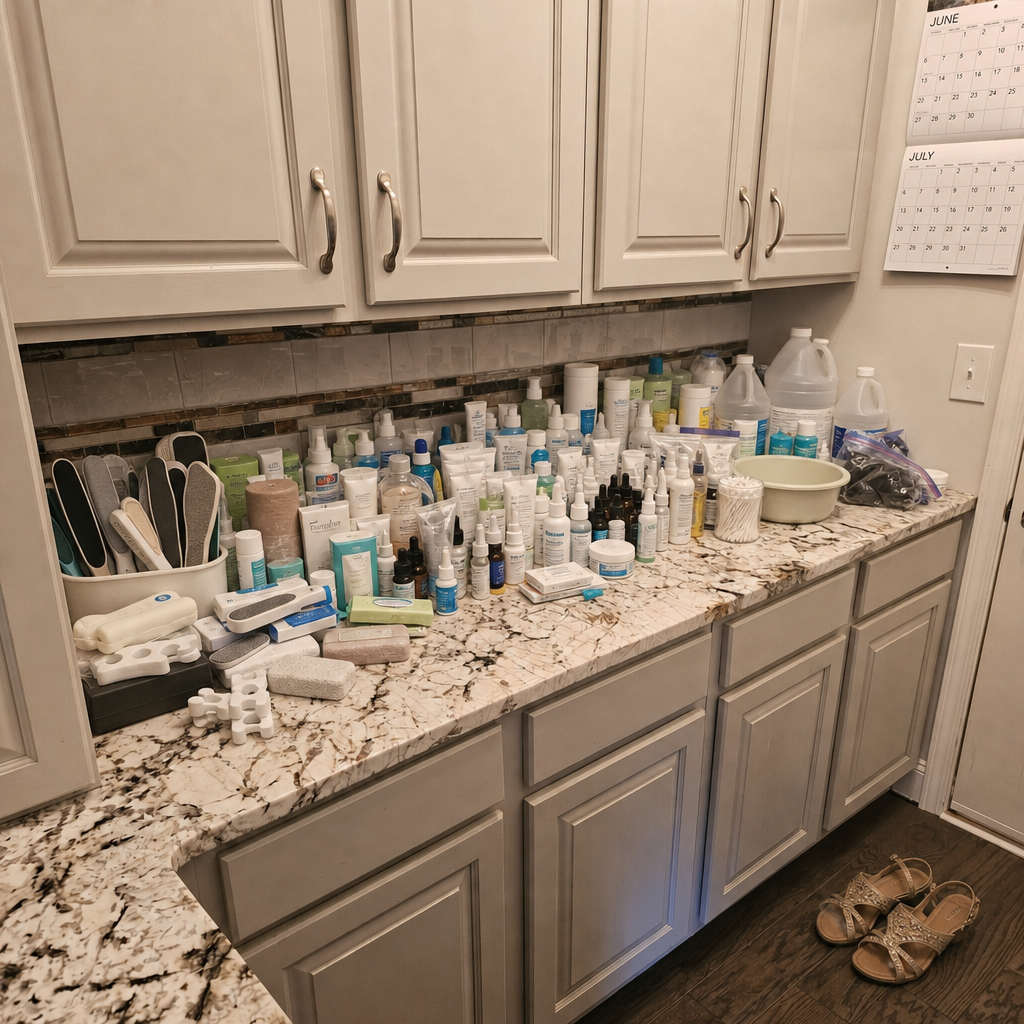
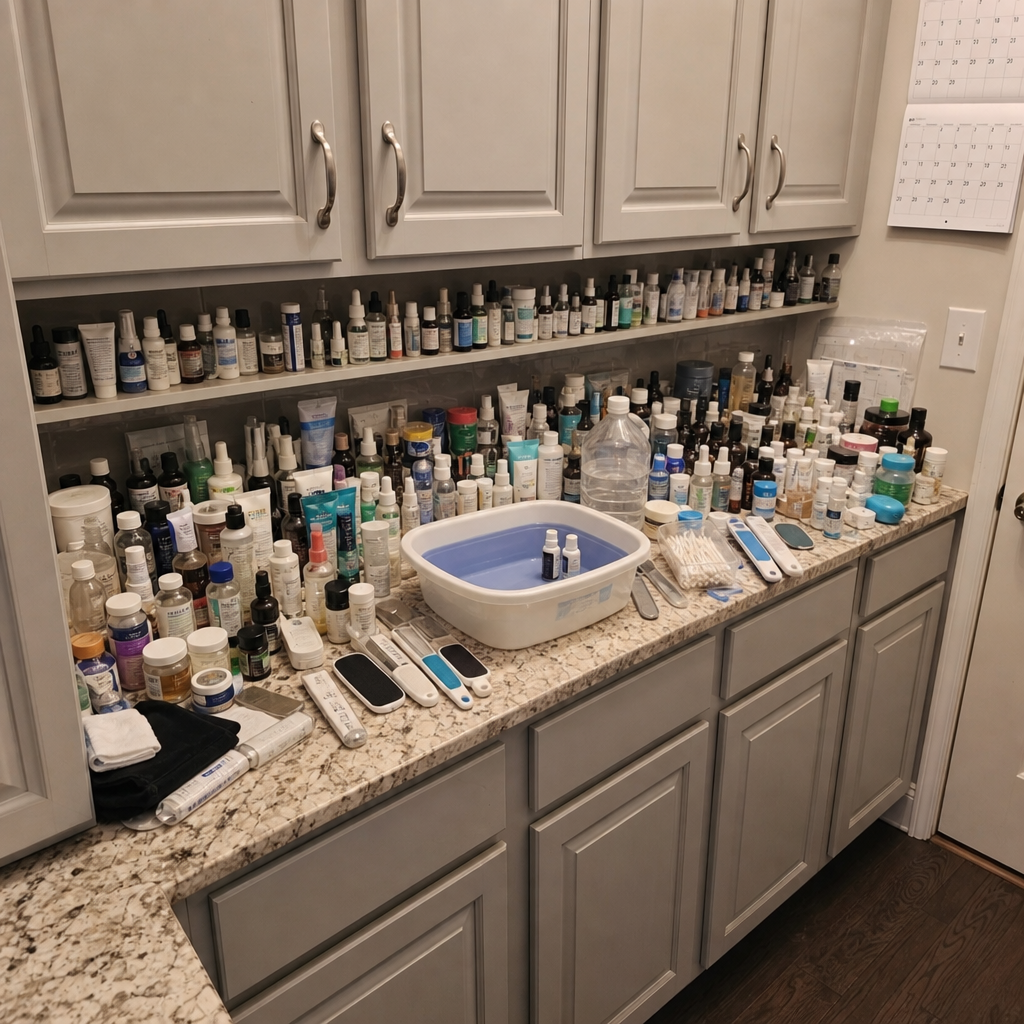
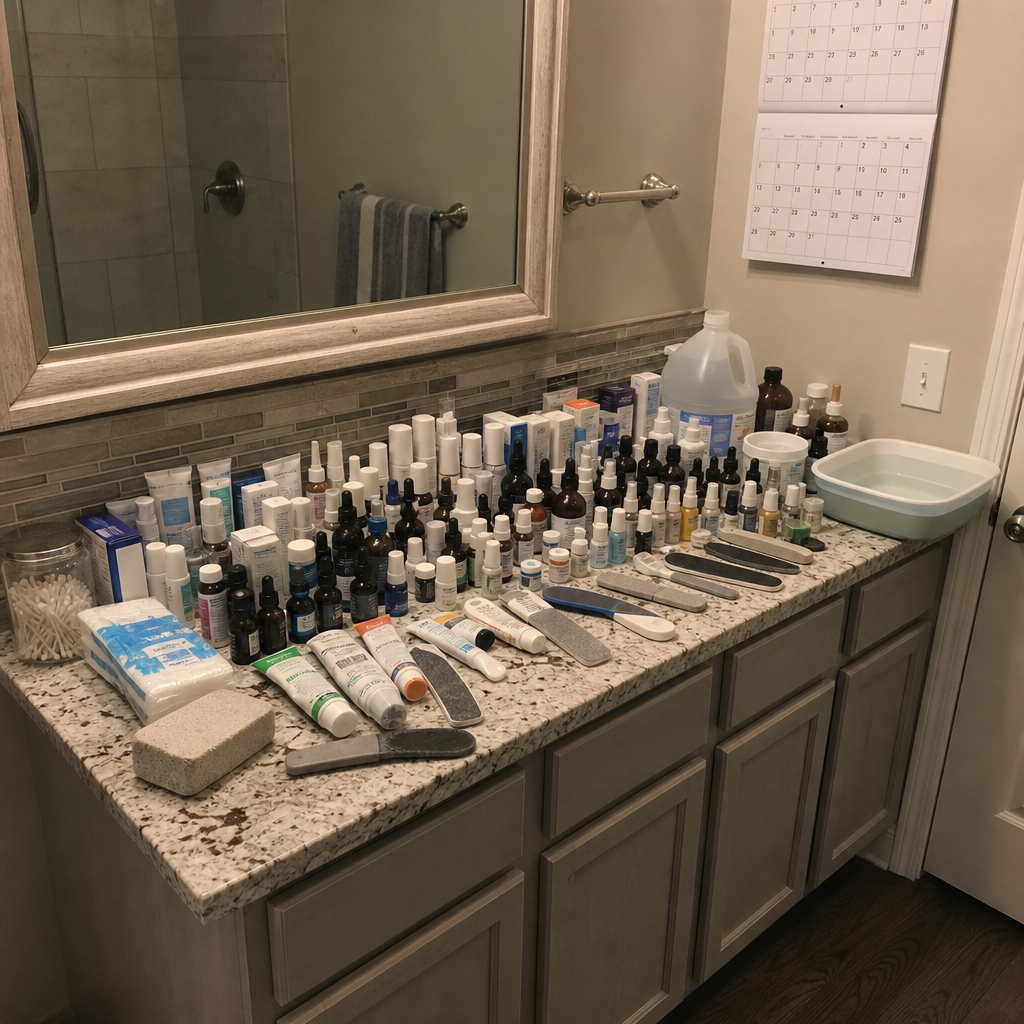
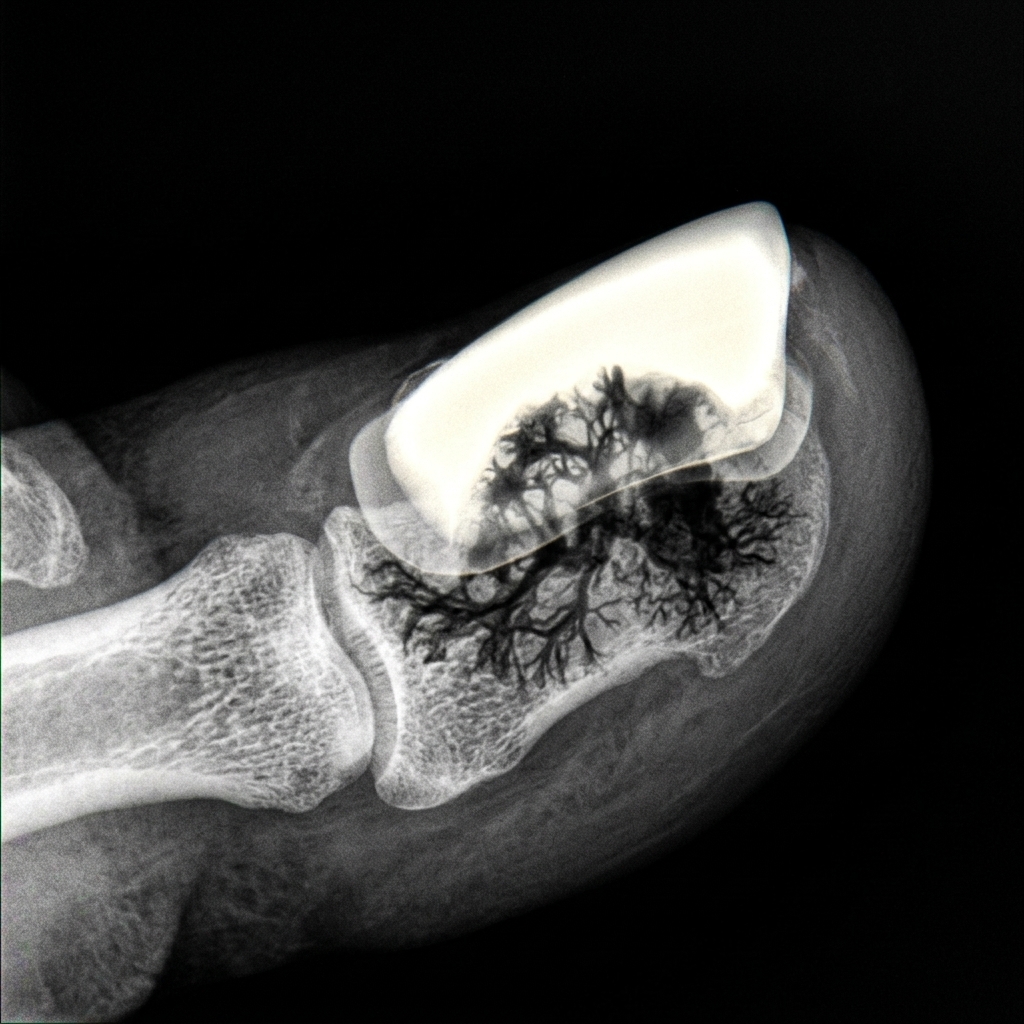
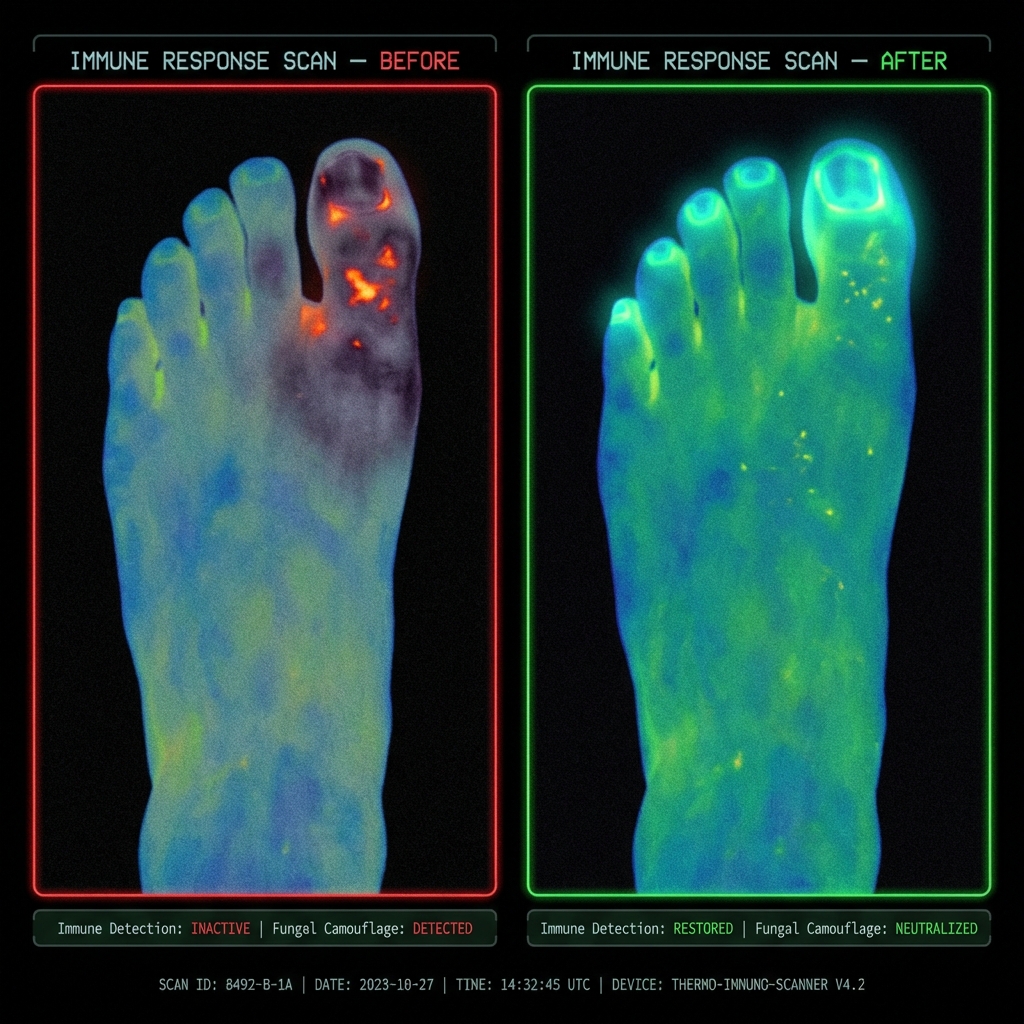
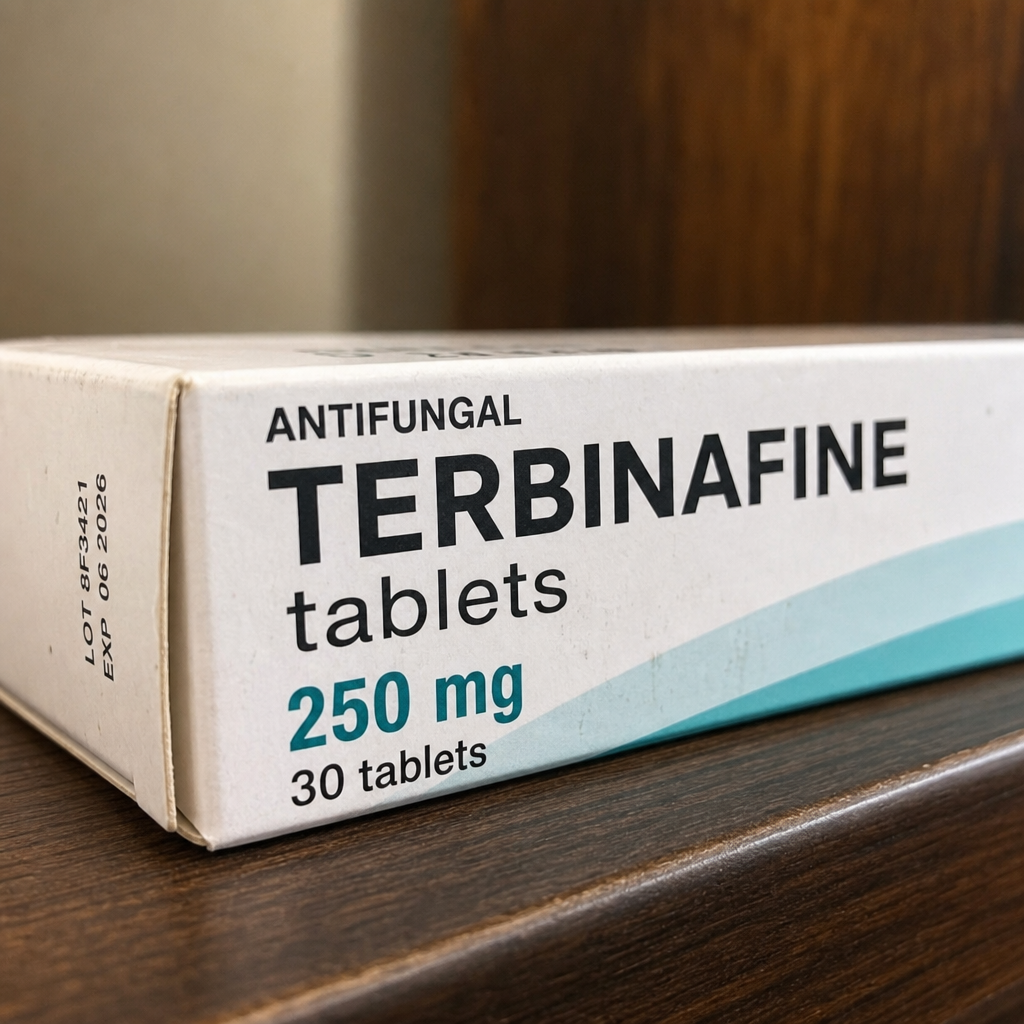
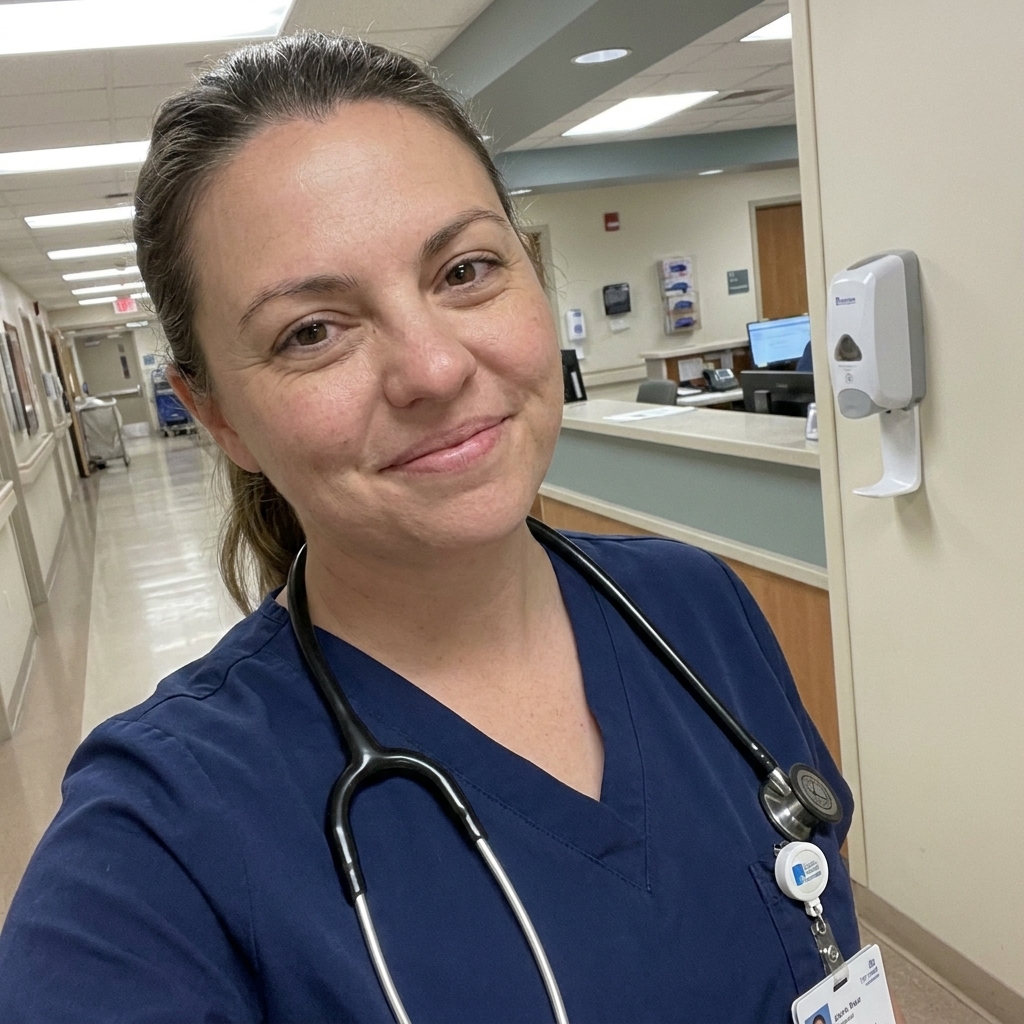
I'm a wound care nurse. And what I saw this week made me realize most American women with chronic nail fungus will end up in surgical territory within a decade. I was a wound care specialist at Mercy Hospital. 14 years in clinical practice. I've worked in four different units. Diabetic foot care twice. Surgical recovery. Post-amputation rehab. My job isn't just treating wounds. It's teaching patients what causes deterioration and what to avoid. And I need to tell you something that's been keeping me up since I saw my own toenail this week: If chronic onychomycosis goes unaddressed at the biofilm level — meaning the fortress underneath the nail is never dissolved — 90% of women with established infections will progress to surgical territory within 10 years. Not from the infection itself. From cumulative matrix damage in the first 5 years. I've treated hundreds of post-surgical onychomycosis cases across multiple units. I know exactly what happens to nail beds when the standard protocol fails. And watching my own big toenail this week, I realized: most American women with nail fungus have absolutely no idea what's coming if they keep painting lacquer. I see the same patients everyone else does. I see the spreading despite perfect compliance. I see the warnings from the chronic patients who started with one yellow toe. I see the matrix damage that surgeons can't fully reverse. And I know something most women don't: When nail fungus becomes biofilm-protected, it's not about how strong your lacquer is. It's about whether your treatment can reach the colony. As a wound care nurse, I've been in situations where podiatrists deliberately escalated patients from lacquer to Terbinafine to surgery. I've seen what happens to patient nail beds when the underlying biofilm is never addressed. And here's what terrifies me about the standard protocol: Your lacquer treatment depends entirely on penetrating the nail. Topical antifungals need to reach the colony to kill it. The colony is underneath waterproof keratin. Less than 3% of any lacquer penetrates that barrier. When penetration fails, the entire treatment fails. Within months. I've seen it happen at Mercy Hospital. In private podiatry practices. In post-surgical recovery units. Lacquer fails to penetrate. Biofilm stays intact. Spreading continues. And that's when matrix damage starts. That 90% surgical-progression rate I mentioned? Most women assume it's because their infection is "just stubborn." Bad luck. Genetics. It's not. Published mycology research has looked at what actually drives chronic onychomycosis to surgical territory. The primary cause of surgical referral is biofilm-protected colonization that goes unaddressed for 5+ years. Because when treatment fails, everyone thinks about stronger lacquer. About Terbinafine. About filing harder. Nobody thinks about the biofilm. And that's what destroys the matrix. As a wound care nurse, let me explain the timeline: Year 1-2: Patients start with one yellow toenail. Painting lacquer nightly. The infection looks "stable." Most American women have maybe one bottle of Penlac or Jublia in the bathroom. That's the entire treatment plan. Year 2-3: Spreading begins. New yellow on a second toe. Podiatrist says "be patient" or switches to a stronger lacquer. Patient gets compliant. Continues painting. The biofilm continues maturing. Year 3-5: Spreading accelerates. Three to five nails infected. Cuticle inflammation chronic. The nightly ritual expands to 45 minutes. Filing protocols start. Patients spend $4,000+ on treatments that bounce off the surface. Year 5-10: Matrix damage starts. Crumbling. Thickening. Distortion. Surgical conversation begins. Terbinafine attempted. Recurrence. Second round of Terbinafine. Surgery. New nails grow back from the same biofilm-infected nail bed. I've assisted on these surgical cases. I know what happens when a nail bed has been colonized for years. And I know that many of those surgeries are preventable. In 2019, our unit was assisting a podiatry surgical case I'll never forget. A 64-year-old woman. Nine years of lacquer compliance. The kind of patient every podiatrist wishes they had — never missed an application, kept every appointment, followed every protocol exactly. By year 7, she'd developed crumbling on three nails. Year 8, surgical referral. Year 9, two big toenails removed. Six months later, she came back. The new nails had grown in yellow from the root. The biofilm in her nail bed had survived the surgery. The colony had recolonized the new nails. From day one. I sat in that recovery room with her while the surgeon explained that her only remaining option was matrix ablation — permanent destruction of the nail bed so nothing could grow back at all. She'd never have toenails again. She just kept saying: "I did everything they told me to do." She had. Every single thing. Perfect compliance for nine years. The protocol just couldn't reach the actual problem. That's when one of the older surgical podiatrists — Dr. Ramos, who'd been in practice 30 years — pulled me aside and showed me something on his phone. "This is what I take. And what my wife takes. And what my colleagues at the conference last year were quietly talking about." He showed me a study on pharmaceutical-grade carvacrol. 70%+ standardized concentration. Lipid-soluble systemic delivery that bypasses the waterproof nail. "The reason her surgery didn't work isn't the surgeon. It's that nobody dissolved the biofilm BEFORE the surgery. The nail bed was still colonized when the new nail tried to grow in." I'm a wound care nurse. I know what biofilm does to wound beds. We deal with it constantly in chronic wound care. We have entire protocols for biofilm disruption in pressure ulcers and diabetic ulcers. But nobody applies those principles to nail beds. That's when I learned: lacquer is a countdown timer. Biofilm dissolution is the actual treatment. I'm a mother of two. 16-year-old daughter. 18-year-old son. And as a wound care nurse who's assisted on dozens of post-onychomycosis surgical cases, I need you to understand something: Women with nail fungus don't usually realize what's coming until year 5 or 6. By then, the biofilm is mature. The colony has spread to multiple nails. The matrix damage has begun. I've watched patients in their 60s sit in surgical recovery looking at their bandaged feet, asking how this happened when they'd been treating consistently for years. Severe matrix damage. Surgical removal. Regrowth from infected nail beds. Second surgeries. And in many of those cases, no surgical option fully restores normal nail growth. That's what keeps me up at night. The chronic onychomycosis epidemic is bad enough. But the thought of American women — moms like me, grandmothers like my mother — losing their toenails the way that 64-year-old patient did… I'm making damn sure it doesn't happen to me. Let me do the math for you as a medical professional: Standard lacquer protocol: One bottle every 2-3 months. Apply nightly. For chronic infection: $580 per Jublia bottle. $4-7,000 over the trajectory to Terbinafine. Plus $400+ for Terbinafine. Plus $3-5,000 for surgical consultation and procedure. And let's say you take the standard advice of "be patient with the protocol." Where does that path lead? To exactly the surgical recovery room I worked in for 14 years. Do you remember the long-term studies on Terbinafine recurrence? 25-50% relapse within five years. Now imagine where that leaves you at year 12. As a wound care nurse, I can tell you: you can't paint your way out of this problem. You need biofilm dissolution, not surface treatment. You need access to the nail bed from inside the body. And you need a way to dissolve the fortress that's blocking everything topical. After my own first yellow spot appeared, every wound care nurse I know started recommending pharmaceutical-grade carvacrol to their friends and family. Not because we're alarmist. Because we've seen what happens when surface treatment fails. We've seen women lose toenails to surgery. We've assisted on matrix ablations. We've watched patients suffer because their treatment couldn't reach the colony. And we're not letting that happen to our families. I keep two pouches of Orgatics in my bathroom cabinet. Same pharmaceutical-grade compound Dr. Ramos showed me on his phone three years ago. Same standardized 70%+ carvacrol. Same lipid-soluble systemic delivery. Same proven mechanism. Here's why it matters: When you paint lacquer, your treatment stops at the nail surface. The waterproof keratin blocks 97%. The biofilm fortress blocks the rest. Nothing reaches the colony. But the nail bed isn't unreachable. It's actually one of the most accessible tissues in the body — through the bloodstream. You just can't get there from the outside. Pharmaceutical-grade carvacrol dissolves that barrier from inside. It enters the bloodstream, travels to the nail bed, merges with the oily biofilm matrix, and breaks it apart. The compound is lipid-soluble. The biofilm is oil-based. Like dissolves like. The colony gets exposed. The thymoquinone in cold-pressed black seed oil reactivates the dormant immune response. The matrix starts producing healthy keratin. The things I've watched destroy nail beds for 14 years. The things that lead to surgery. It works on any chronic case where the colony is biofilm-protected. No prescription needed. No liver monitoring. No filing. It comes in capsules. Two with breakfast. Sixty seconds. Goes wherever your morning routine goes. Because most chronic infections don't get worse during dramatic events. They get worse one millimeter at a time over years. While you're at work. While you're cooking dinner. While you're hiding your feet at the pool. Each pouch is a 30-day supply. That's the time most chronic patients need to start seeing clear growth at the cuticle. And the protocol can continue safely until full regrowth. And it comes with a 90-day money-back guarantee. Lacquer doesn't. Terbinafine doesn't. Surgery doesn't. When your nails depend on actually reaching the colony, the mechanism is everything. This is pharmaceutical-grade. It works when topicals can't reach. I tested my own protocol again this week. I check my big toenail under the lamp every Sunday. Just to verify clear growth is continuing. I lifted my foot. Held it under the light. Over 7 millimeters of clear, pink, healthy nail growing in from the cuticle. I started Orgatics nine months ago when my own first yellow spot appeared. Within 3 weeks, the spot stopped growing. Within 6 weeks, clear growth visible at the cuticle. Within 6 months, the original yellow had been pushed all the way to the tip. Because I needed to know — not hope, know — that when my own nail showed the same pattern I'd watched destroy hundreds of patients, I had a protocol that actually worked. Then I called my sister. "Did you check your toenails this week?" "Yeah. I have two now. Started with one three years ago." "Do you have a treatment plan that addresses the biofilm?" "I'm on Penlac. My podiatrist says be patient." "That's surface treatment. The biofilm underneath is the actual problem. What's your plan for year 5 when it's spread to four toes?" Silence. "I'm sending you a pouch. Start it now. Don't wait until you're discussing Terbinafine." She tried to argue. Said I was overreacting. But I've watched what happens when women wait until their podiatrist mentions surgery to realize the protocol wasn't reaching the infection. Their nails don't fully recover. I'm not trying to scare you. I'm telling you what I know as a wound care nurse who's assisted on dozens of post-onychomycosis surgical cases over 14 years: When chronic nail fungus is biofilm-protected, lacquer fails. Period. Up to 90% of established chronic cases progress to surgical territory if the biofilm is never dissolved. The #1 cause is cumulative matrix damage from years of unaddressed colonization. Lacquer is a countdown timer that runs out in years. Pharmaceutical-grade carvacrol gives you systemic access to the nail bed where the infection actually lives. Orgatics. 70%+ standardized carvacrol. Cold-pressed thymoquinone. Two capsules with breakfast. 90-day money-back guarantee. 👉 https://tryorgatics.com/pages/nail-fungus The same protocol I use for my own family. I hope you never need a surgical referral. I hope your podiatrist's lacquer protocol works perfectly. I hope your one yellow toe stays one yellow toe forever. I hope nothing spreads. But hope isn't a medical treatment plan. And as a wound care nurse, I prepare for what happens when hope isn't enough. Get the protocol now. While you still have time before the matrix damage starts. 👉 https://tryorgatics.com/pages/nail-fungus $35 per pouch. Two capsules with breakfast. 90-day money-back guarantee.
Like this ad? Make it yours.
Crush rebuilds this exact creative around your product — your brand, your colors, your offer — in about a minute.