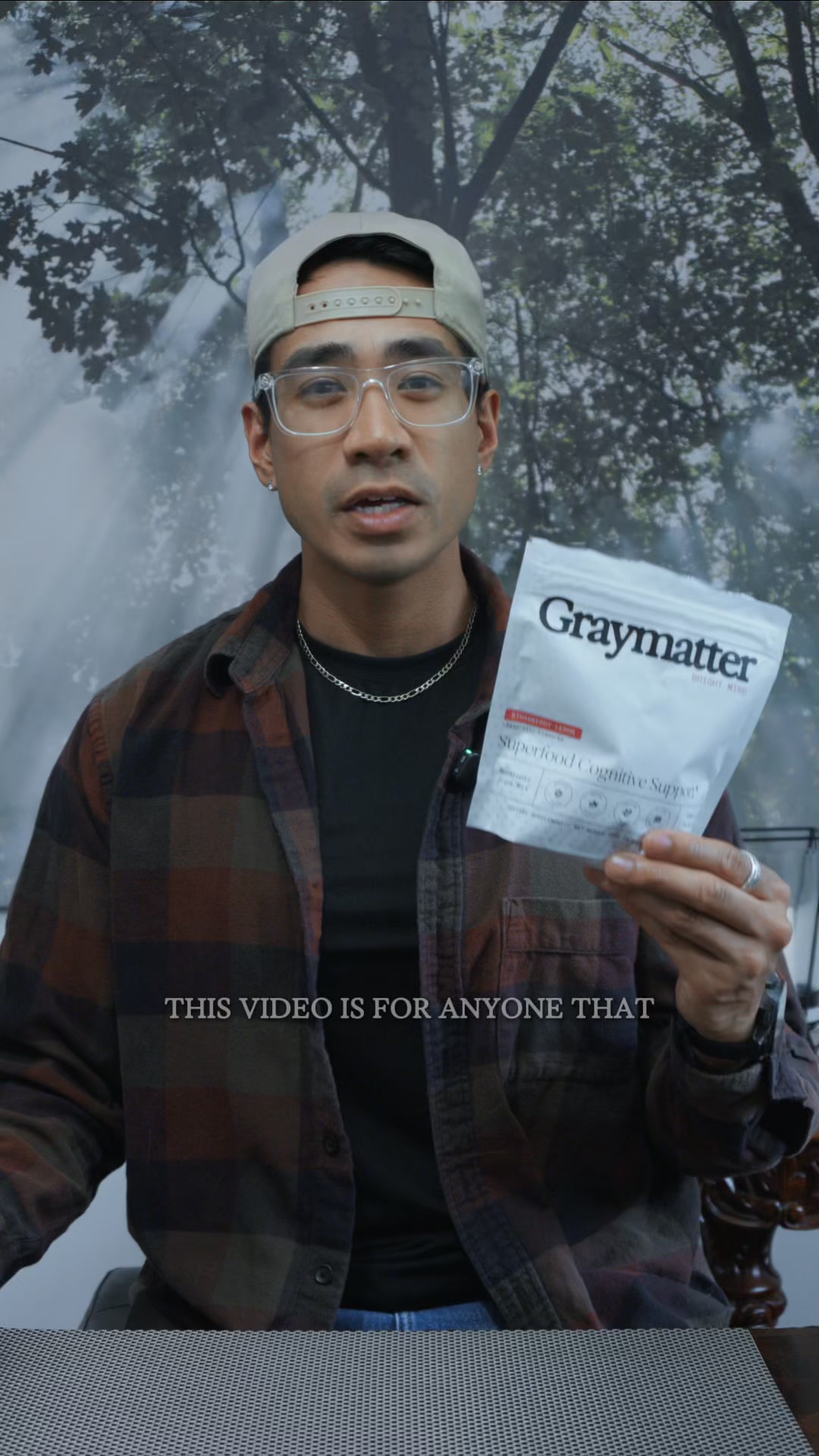
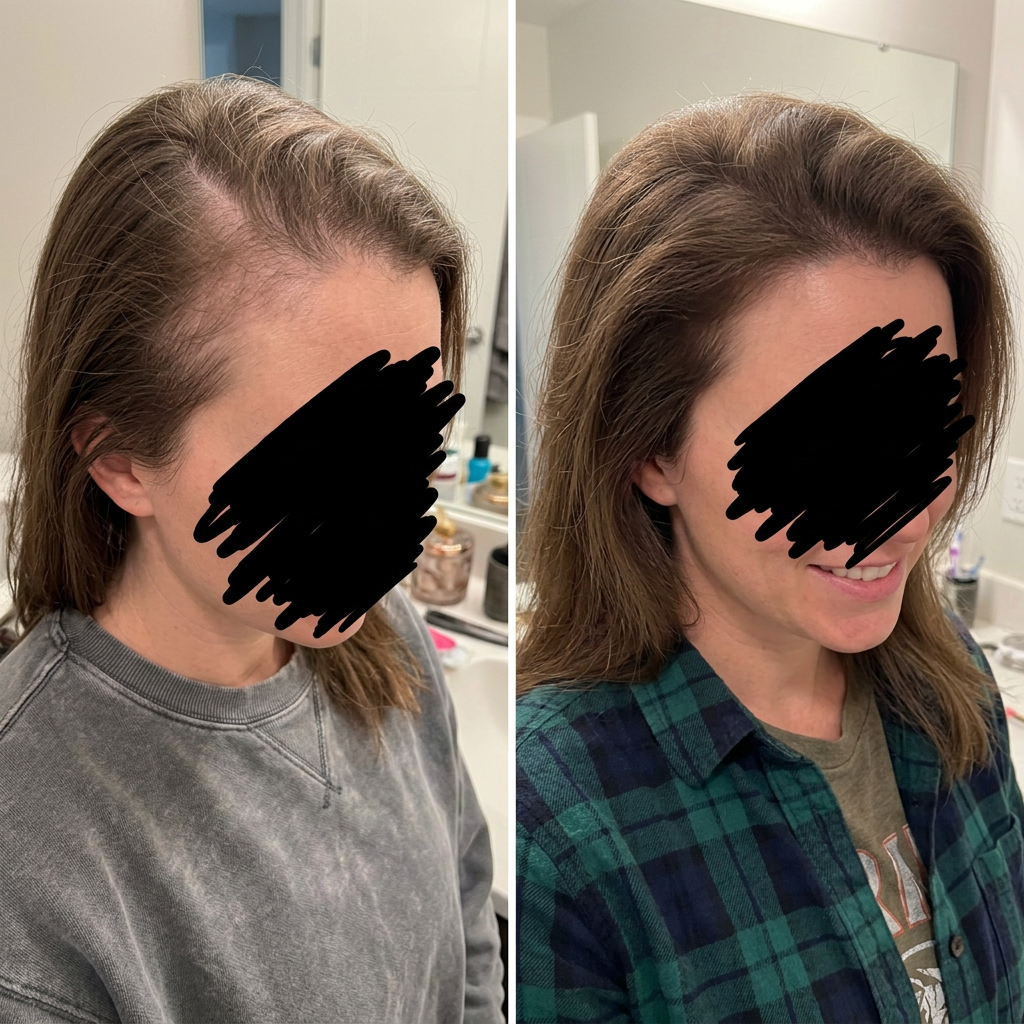
Derek Kier - Men's Hair Loss Expert
Derek Kier - Men's Hair Loss Expert Facebook ad: “Dermatologist Discovers Peptide Breakthrough That…”
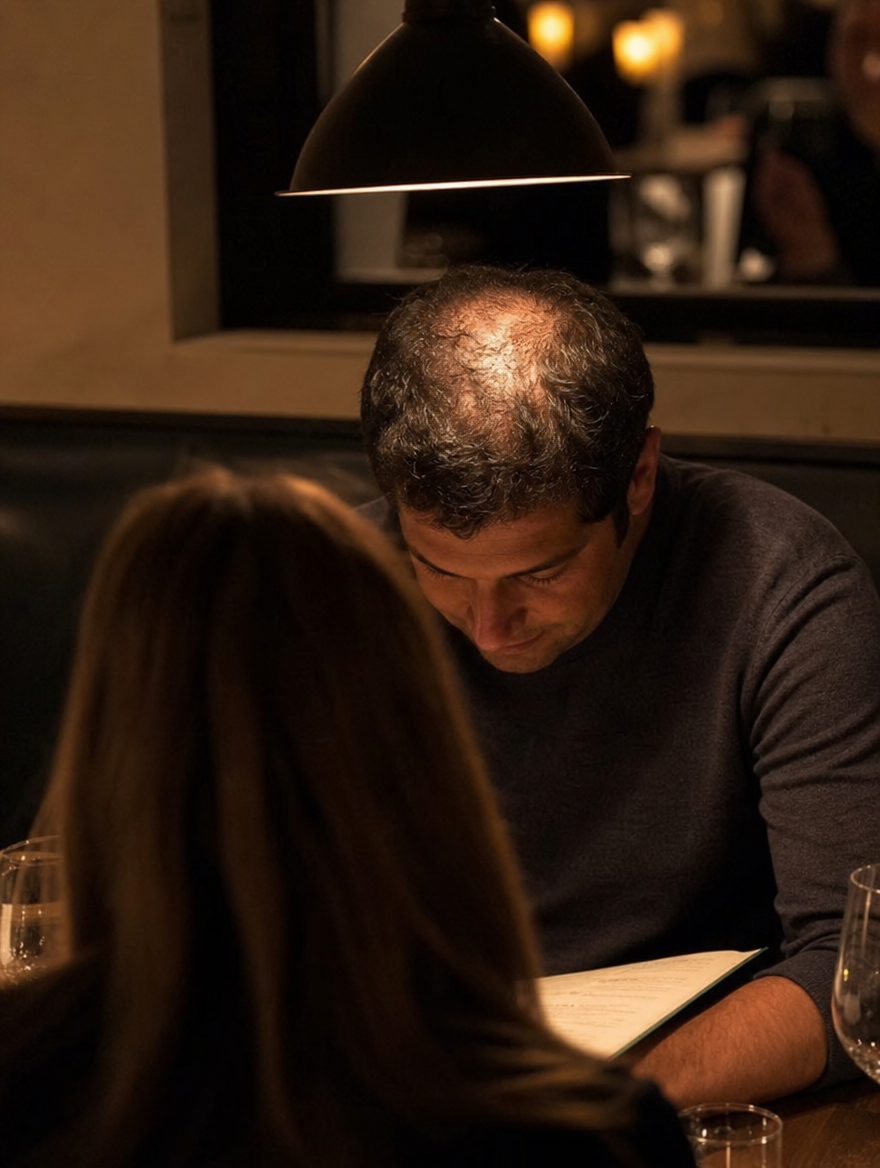
Ran for 33 days, from May 28 to June 30, 2026, the last day Crush saw it.
Run by Derek Kier - Men's Hair Loss Expert on Facebook. Crush is not the advertiser and does not verify its claims. See this ad in Meta's Ad Library(opens in a new tab)
Want an ad like this for your product?
Crush makes new ad images for your product from this ad: your logo, your product photo, your offer.
Trials from $19.95 USD, then $79.95 USD a month. Cancel anytime.
About this ad
- Meta Ad Library ID
- 1645850866677683
- Platforms
- Facebook, Instagram, Audience Network, Messenger and Threads
- Relaunches
- 2
Ad text
If you're past the point of needing the basics explained — if you already know what DHT is, you've already tried finasteride and minoxidil, and you've already read everything on the forums — this is for you. Because at some point you've probably noticed the same pattern I noticed. The men who plateau on the standard protocol are not failing for hormonal reasons. Their bloodwork is fine. Their DHT is suppressed. Their dose is right. They plateau because the standard protocol only addresses one layer of the follicle's failure — the androgen receptor — and ignores the second layer that's been quietly compounding for years. The chemistry on the surface of the scalp. Specifically, the oxidation of squalene. Squalene makes up roughly twelve percent of human sebum. It's an extraordinarily unsaturated lipid — six double bonds — which makes it excellent for the skin's first line of UV defense and uniquely vulnerable to oxidation by UV, ozone, PM2.5, transition metals, and the ambient ROS of a stressed scalp. Once oxidized, squalene becomes squalene monohydroperoxide and a cascade of secondary lipid peroxides. The published work on this has been mounting for over a decade. Sakuma et al. (Arch Derm Res, 2016) showed the SQOOH-to-squalene ratio is markedly elevated on dandruff-affected scalps versus healthy ones. Pham et al. (Int J Cosmet Sci, 2015) validated squalene oxidation products as biomarkers of environmental pollution exposure on the skin. Cosmetics & Toiletries reviewed the unsaturated-fatty-acid contribution to scalp inflammation as a target for intervention in 2024. The mechanism is straightforward. SQOOH depletes glutathione, the keratinocyte's primary endogenous antioxidant. It activates downstream pro-inflammatory pathways in the upper follicle and damages the membrane lipids of the outer root sheath. Over time, the perifollicular environment shifts toward chronic low-grade inflammaging, and the dermal papilla — the follicle's command center — receives degraded signaling, reduced support, and an oxidative load that pushes it toward early catagen. Finasteride lowers serum and tissue DHT, which modestly reduces sebaceous gland size and total sebum output. This is real and quantifiable. But finasteride has zero effect on the lipid peroxides already present on the scalp, zero effect on fresh squalene the moment it contacts UV or pollution, and zero effect on the depleted glutathione pool in the perifollicular tissue. The downstream damage continues at full rate under the prescription. This is the unaddressed second layer. And it maps cleanly to the symptoms men describe when they say their fin "plateaued." The fix is not another hormone modulator. The fix is to address the chemistry on the surface and the signaling failure underneath simultaneously. Four actives, at appropriate clinical concentrations, do this: sh-Polypeptide-1 and sh-Polypeptide-11. Recombinant signaling peptides that drive follicle cells back into a productive anagen phase by restoring the growth-promoting signaling environment that years of low-grade oxidative stress has degraded. sh-Oligopeptide-2 and sh-Oligopeptide-10. Recombinant peptides that promote structural repair of the perifollicular matrix and the outer root sheath, where lipid-peroxide damage has accumulated. Arginine. Substrate for endothelial NO synthase. Restores microvascular tone in the scalp and delivers the antioxidant substrate the local tissue needs to keep up with ongoing surface oxidation. Botanical Anti-Inflammatory Extracts. Polyphenolic chain-breaking antioxidants that intercept the lipid peroxidation cascade itself, replenish glutathione, and calm the perifollicular inflammatory milieu. This isn't speculative. The mechanisms are well-described in the dermatology literature. The reason they aren't standard care is that they don't generate the recurring prescription revenue of the established treatments — not because they don't work. If you wanted to source these separately, expect roughly $260 a month for clinically meaningful versions of each. And expect to actually apply four products a day, in the right order, at the right concentration. Most men don't sustain that. FST-5 Peptide Complex (Richvell) is the version of this stack I've recommended to people who already know the space. Single serum. Five peptides plus arginine plus the botanical complex, at meaningful concentrations. One application a day. The brand is a peptide-research team that took over the older Keapers brand and rebuilt the product around the actual science. They don't sell in pharmacies. They don't mass-produce. They keep the stock tight. On the timeline, the inflection point is around four to eight weeks. Scalp oxidative environment shifts first — the chronic afternoon-oil feeling and the persistent itch quiet down. Then shedding declines as more follicles re-enter and stay in anagen. Then, around the two-month mark, structural changes become visible. There's a 100-day money-back guarantee, which is the right window to actually evaluate the protocol on yourself. If you're past the basics and tired of being told the only path forward is another dose increase, this is the layer of the problem the standard protocol isn't addressing. Worth a fair test. 👉 https://richvell.com/pages/fst5
Where the ad sends people
richvell.com
Dermatologist Discovers Peptide Breakthrough That Reactivates Hair Growth Like You’re 17 Again
Richvell FST-5 Peptide Complex helps support thicker-looking hair, reduced shedding, and a healthier scalp with advanced peptide-powered hair care.
See details: richvell.com(opens in a new tab)