Rachel Morrison
Rachel Morrison Facebook ad: “Read This If Therapy Hasn't Changed How You Feel”
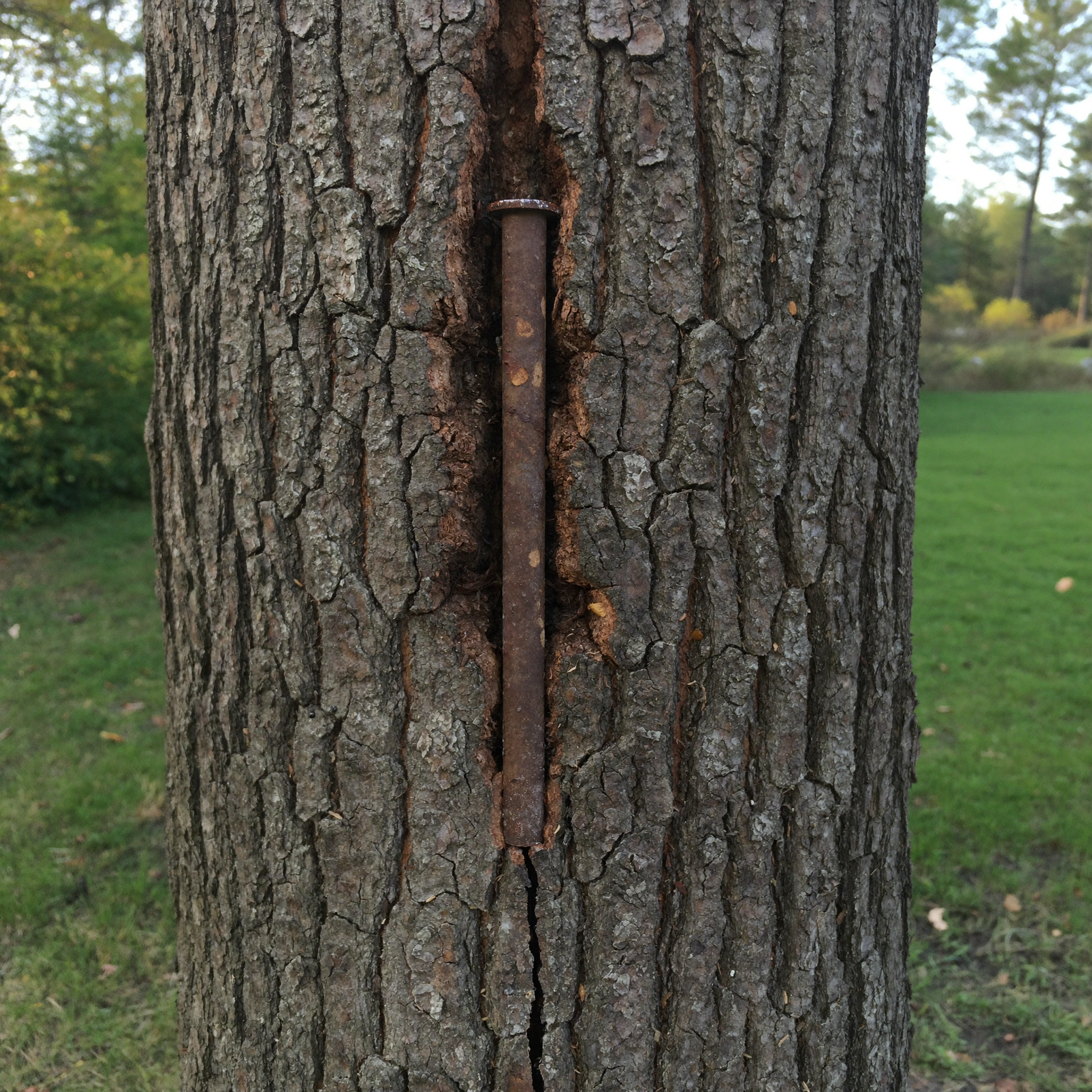
Ran for 88 days, from June 26 to September 22, 2026, the last day Crush saw it.
Run by Rachel Morrison on Facebook. Crush is not the advertiser and does not verify its claims. See this ad in Meta's Ad Library(opens in a new tab)
Want an ad like this for your product?
Crush makes new ad images for your product from this ad: your logo, your product photo, your offer.
Trials from $19.95 USD, then $79.95 USD a month. Cancel anytime.
About this ad
- Meta Ad Library ID
- 1646038886453077
- Platforms
- Facebook, Instagram, Audience Network, Messenger and Threads
- Relaunches
- 0
Ad text
Most people in therapy know the word trauma. Here is what most people in therapy have never been told. Trauma is not a psychological term. It is the ancient Greek word for wound. Not a memory. Not a pattern. Not an attachment style. A wound. And here is the part that most people in therapy have spent years circling without ever reaching. A wound does not heal because you understand how it opened. It heals because the tissue regenerates. Those are two completely different biological processes. And only one of them has anything to do with explanation. Here is why that matters more than most therapists will tell you. Your brain has two systems that are supposed to work together — and in a traumatized nervous system, they largely do not. The first is the prefrontal cortex. This is where language lives. Where insight lives. Where every session of therapy takes place. It is the part of you that can say: I know why I react this way. I know where it started. I know what it cost me and what it's still costing me. It is articulate, self-aware, and sophisticated. After years of therapy, it is probably the most developed part of you. The second is the amygdala. This is where survival lives. It does not speak in language. It does not process insight. It does not care what you understand. Its only job — the job it has been doing since before you could form a sentence — is to scan for threat and respond faster than conscious thought can intervene. And here is the part that changes everything. These two systems do not update each other the way we were taught to believe they do. The prefrontal cortex can understand something completely — can name it, trace it, hold it with compassion, explain it to someone else — and the amygdala will continue to fire as though the threat is still active. Because for the amygdala, understanding is not evidence. Safety is evidence. Repeated, accumulated, experienced safety — in increments small enough that the survival system can actually absorb it — is the only language it speaks. This is why you can spend years in therapy becoming extraordinarily fluent in your own dysfunction and still wake up braced. It is not because your insight isn't deep enough. It is not because you haven't done enough work. It is because understanding and integration are two different neurological processes. And for the last several decades, the entire self-help industry — therapy, books, apps, breathwork, meditation, gratitude journals — has been built almost entirely on the first one. Nobody built a tool for the second. Most women who come to me have done everything right. Years of weekly sessions. EMDR. Somatic work. Nervous system vocabulary that most clinicians don't have. They can trace every pattern back to its origin with the precision of someone who has studied themselves like a dissertation. They know their attachment style, their window of tolerance, the name of the thing their mother did and why it wired them the way it did. They understand their hypervigilance. Their people-pleasing. Their tendency to disappear in relationships. Where the shrinking started. When the performing began. They understand all of it. And they still wake up braced. Still scan the room when they walk in. Still apologize before they speak. Still feel the familiar tightening in their chest at the sound of a certain tone of voice — even from someone who has never hurt them. Still lie awake at 2am running the same loop they've been running since they were twelve, except now they know what to call it. That is the part nobody warned them about. You can become fluent in your own dysfunction and still live inside it. Understanding why the wound opened is not the same as letting it close. You can know exactly what happened to you, exactly why you respond the way you do, exactly which moments in your history created which patterns in your present — and your body will continue to respond as though it is still in that history. Because narrative lives in the prefrontal cortex. And the amygdala doesn't read. You keep revisiting the wound. Analyzing it. Explaining it. Returning to it in session after session to make sure you've gotten every layer. But you never release it. You never let it go. Not because you're doing something wrong. Because nobody told you that revisiting a wound to understand it and creating the conditions for a wound to heal are not the same action. One reopens. The other closes. And for years, the only tool most of us were given was the one that reopens. I'm a therapist. I've been practicing for eleven years. And two years ago I sat across from a woman who said something I didn't have an answer for. Four years of weekly sessions together. She had done everything I asked. Everything. She had gone deeper into her history than most people are willing to go. She had sat with things that would have broken someone with less courage. She had built a level of self-understanding that I found genuinely remarkable. And she looked at me and said: "I understand all of it. I just don't feel any different." I went home that night and sat in the dark for a long time. Because she wasn't wrong. And I knew it. I had spent four years giving her insight — and insight, by itself, had done what insight does. It had illuminated. It had organized. It had given her language for experiences that had previously lived only in her body as sensation and dread. But the amygdala does not care about language. I had been speaking to her prefrontal cortex for four years. Her survival system had barely been touched. I had given her the map. Nobody had taught her body how to stop running. The next morning I started reading about what the nervous system actually requires to change. Not insight. Not understanding. Not narrative. Contact. Graduated, survivable contact with hard things — in increments small enough that the survival system doesn't flood, doesn't brace, doesn't shut down. Small enough to stay inside the window of tolerance. Held long enough that the system begins to register: this is manageable. I am here and I am okay. And then a little more contact. And then a little more. Each increment stacking on the one before it. Not one confrontation with all the pain at once — because that is flooding, and flooding retraumatizes rather than heals. But hundreds of small moments of: I can hold this. I am still here. The threat has passed. That is how the nervous system updates. Not through explanation. Through accumulated, repeated experience of safety — in the presence of a hard thing — until the part of you that has been on duty since you were nine finally receives enough evidence to stand down. I started building something based on that. Prompts that didn't ask why. Prompts that created contact instead of analysis. Prompts designed to stay inside the window — specific enough to reach something real, gentle enough not to flood. Prompts that could sit with someone in the middle of a Tuesday, no therapist present, and create the conditions for the tissue to actually start closing. I gave it to the woman who had looked at me and said she didn't feel any different. Three weeks later she came to session and said: "I was in the grocery store yesterday and I didn't scan every face for danger. I didn't even notice until I was already home." She hadn't understood anything new. Nothing had been explained or reframed or processed. Her nervous system had updated on something it couldn't update on from a couch talking about the past. It had updated on the experience of being safe — in increments small enough that it believed it. Since then, hundreds of women have said the same thing. "I've been in therapy for years. This is the first time I've actually felt different." Not because they finally understood themselves well enough. Because someone finally gave them what understanding was always pointing toward — and could never, by itself, reach. Did you know that your amygdala cannot distinguish between a memory from nineteen years ago and a threat happening right now? That it has no timestamp — no mechanism for registering that the event is over? That every time you return to a painful memory to analyze it, your body experiences it not as a memory being examined but as a threat being encountered? Did you know that the nervous system changes in increments so small that most people don't notice they're happening? That week two looks identical to week one from the inside? That integration rarely announces itself as a breakthrough — it announces itself as an absence. A quieter morning. Shoulders that have been down for an hour without you noticing. A room you walked into without scanning it. Did you know that insight and integration use different neurological pathways — and that you can become fully fluent in the first without accessing the second at all? This is not a failure of your commitment to healing. It is a failure of the tools you were given. I call it the Back to You Journal. It's a 365-day guided journal. One prompt at a time. No date, no streak, no gratitude requirement, no timeline, no performance expected from you. Here is what makes it different from every other journal you've tried — and from therapy itself. The prompts are not designed for insight. They are designed for calibration. Insight prompts ask why. Why do you think you respond this way? Where do you think this pattern started? What belief is underneath that reaction? These are the prompts you've been answering for years. You are extraordinary at them. You can trace every thread back to its origin without hesitation. And every time you answer them, you are doing something that feels like healing — and that reopens the wound to do it. Calibration prompts ask what is present right now. What do you need today that you're afraid to admit? What threat is your body still protecting you from? What would it feel like to stop performing okay — even for an hour? When no one is watching and you don't have to perform, who are you? What came naturally to you before someone said it wasn't good enough? What do people praise you for that actually exhausts you? What are you running from right now? What would it mean to let this one thing be enough? Do you feel the difference? The insight prompt takes you back into the history. It reopens the file. It asks you to explain the wound again. The calibration prompt places you in contact with something true right now — in an amount you can actually hold. It creates the small, survivable experience that the survival system can absorb. It does not ask you to confront everything at once. It asks you to touch one edge of something real — gently, specifically, without flooding — and then to stay there long enough that your nervous system registers: I am here and I am still okay. That is the increment. That is how the tissue closes. Not all at once. Not through a single breakthrough. Through hundreds of these moments, stacking, until the body finally accepts the evidence it has been waiting for: that the threat is gone, and it is safe to soften. This journal is for the woman who has already done the work. Who has sat in therapy longer than she can count. Who has read the books, done the EMDR, named the patterns, traced the history, built a vocabulary for her inner life that most people will never have. Who has tried every tool the insight economy offers — and who is still braced, still performing, still exhausted in a way she cannot fully explain to the people who love her. It is not for someone who is just beginning to understand herself. It is for someone who understands herself completely — and has finally realized that understanding was never going to be enough on its own. If you have ever sat in a therapist's office and thought: I know exactly why I am the way I am, and I still don't feel any different — this was built for you. It is $39.95. Less than one therapy copay. And if you use it and don't feel the difference — not understand it, feel it — you don't pay. Thirty days. No questions. More than 2,400 women have used it. Many of them had been in therapy for years before they found it. Many of them had it recommended by their therapist. Many of them bought a second copy for a friend they couldn't figure out how to help any other way — because sometimes the most honest thing you can give someone you love is the admission that understanding alone was never going to be enough for either of you. The wound was never the problem. The tool was.
Where the ad sends people
heldhonest.com
Read This If Therapy Hasn't Changed How You Feel
Held & Honest
Learn more: heldhonest.com(opens in a new tab)