
Inactive· since May 24, 2026
- 77
- days it ran
- 2
- relaunches
Ad copy
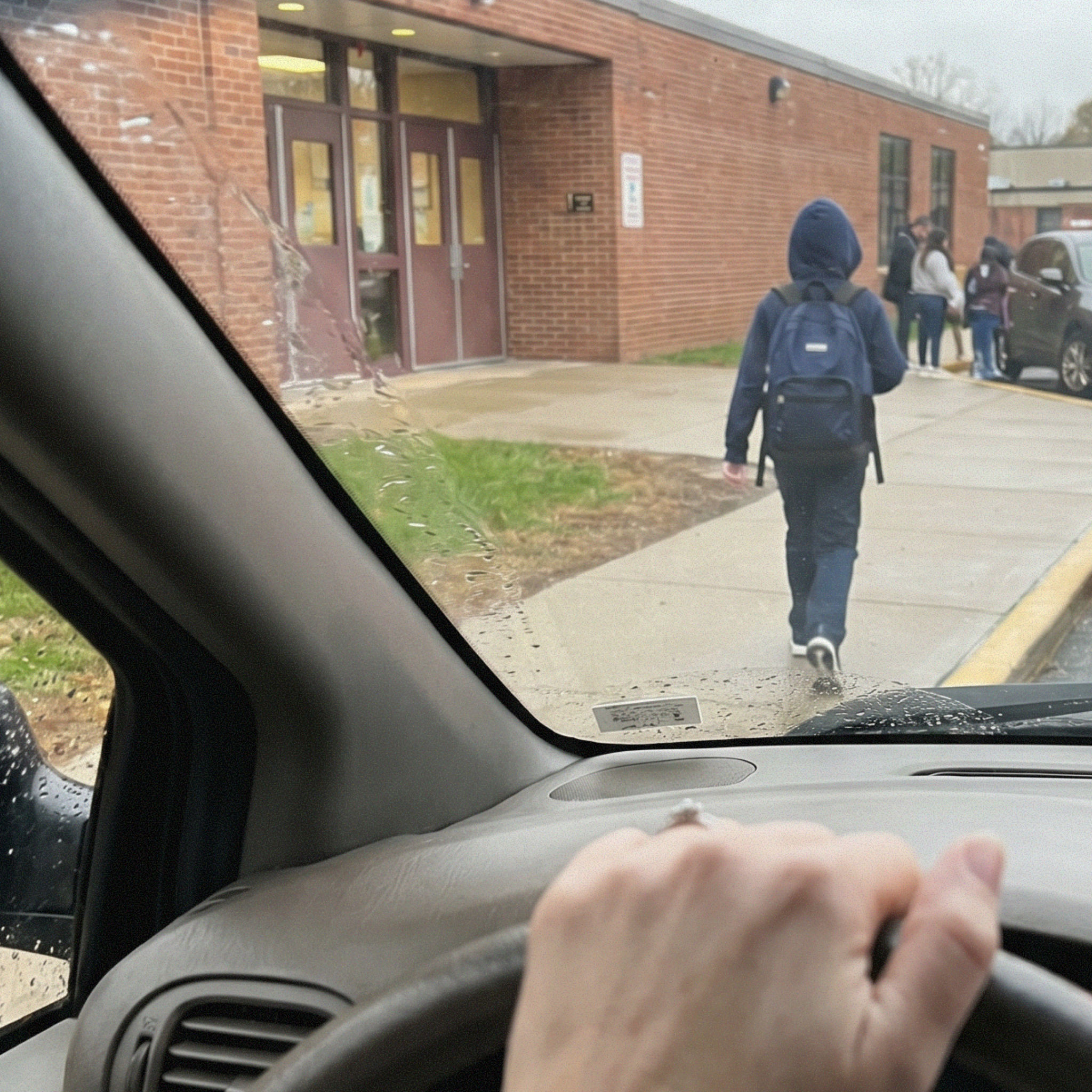
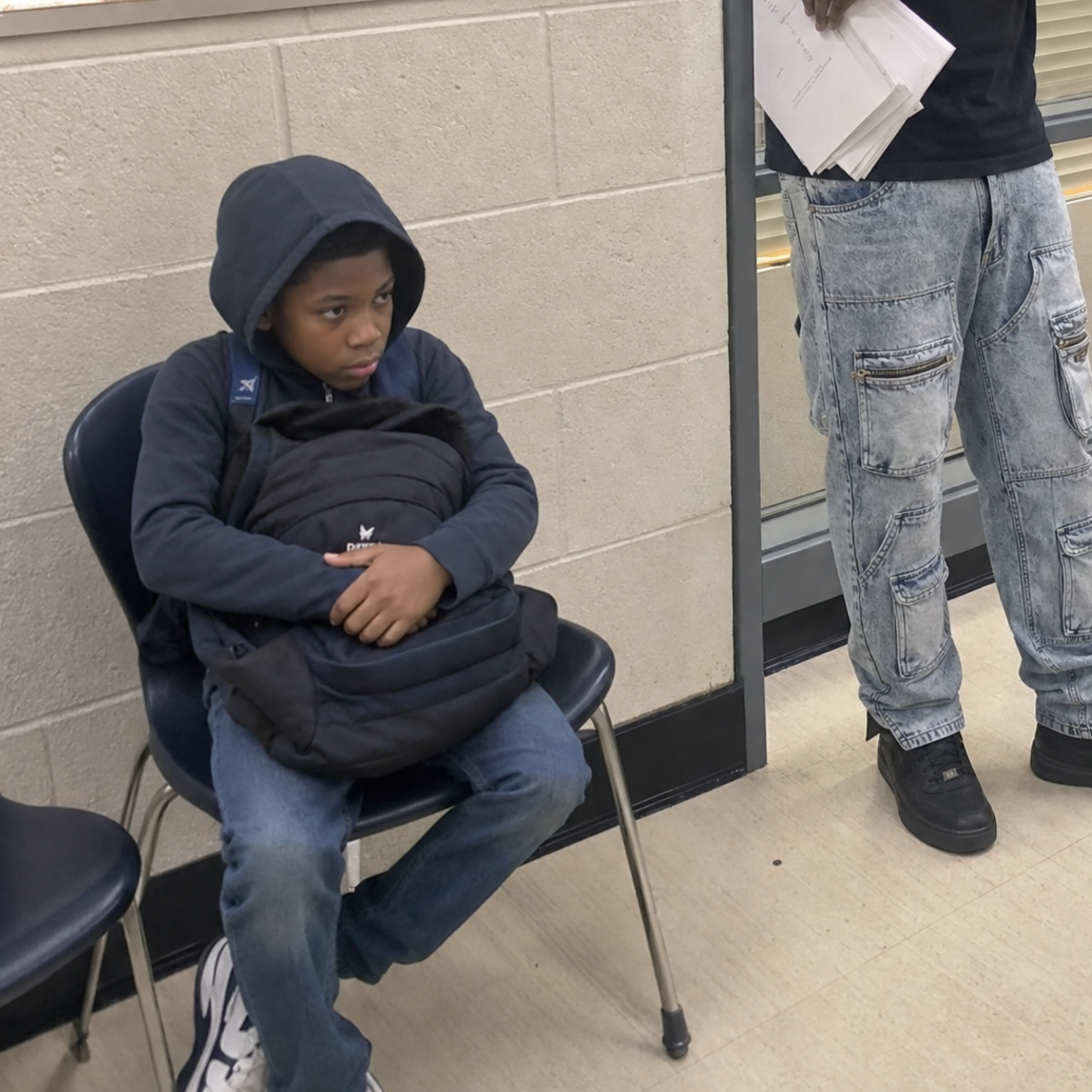
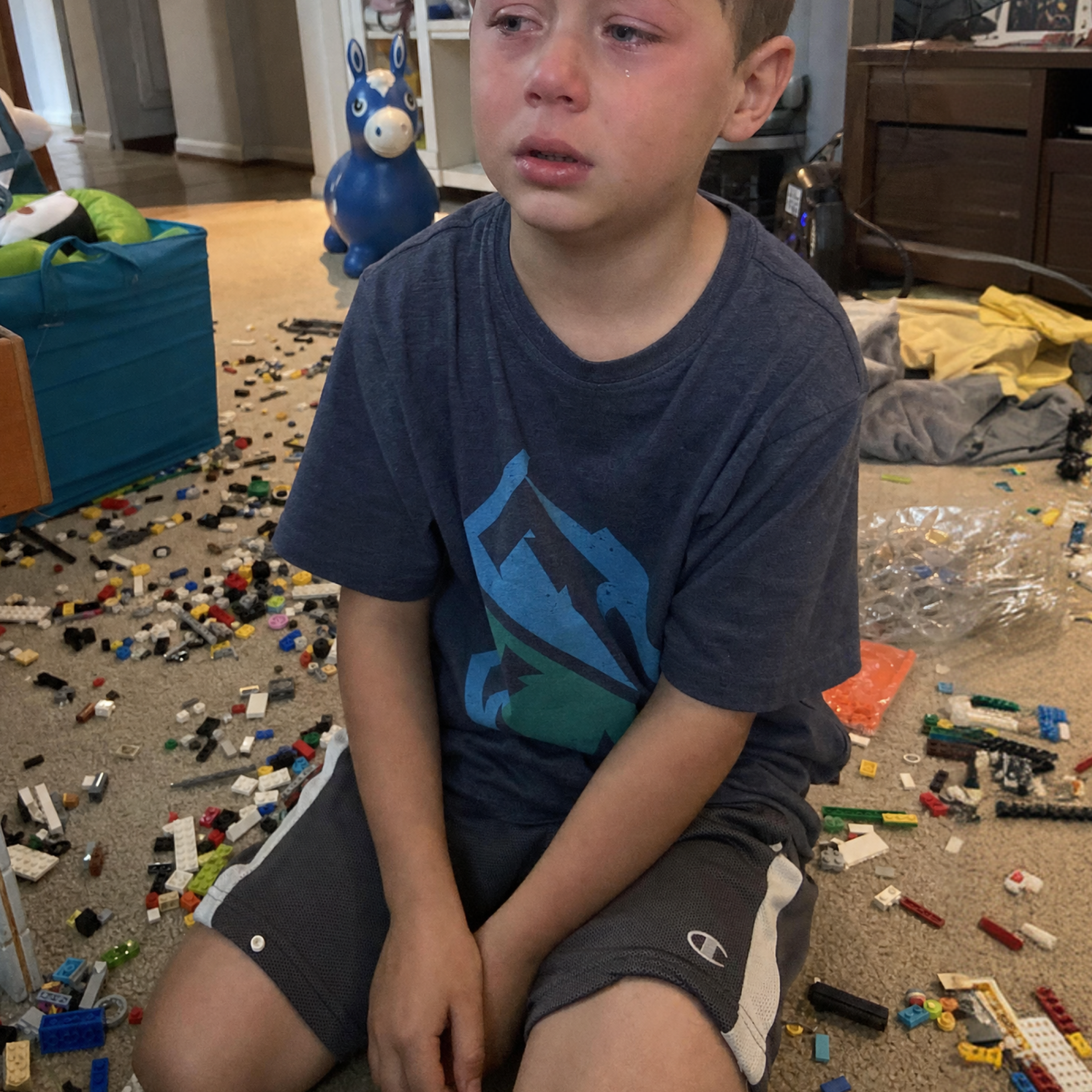
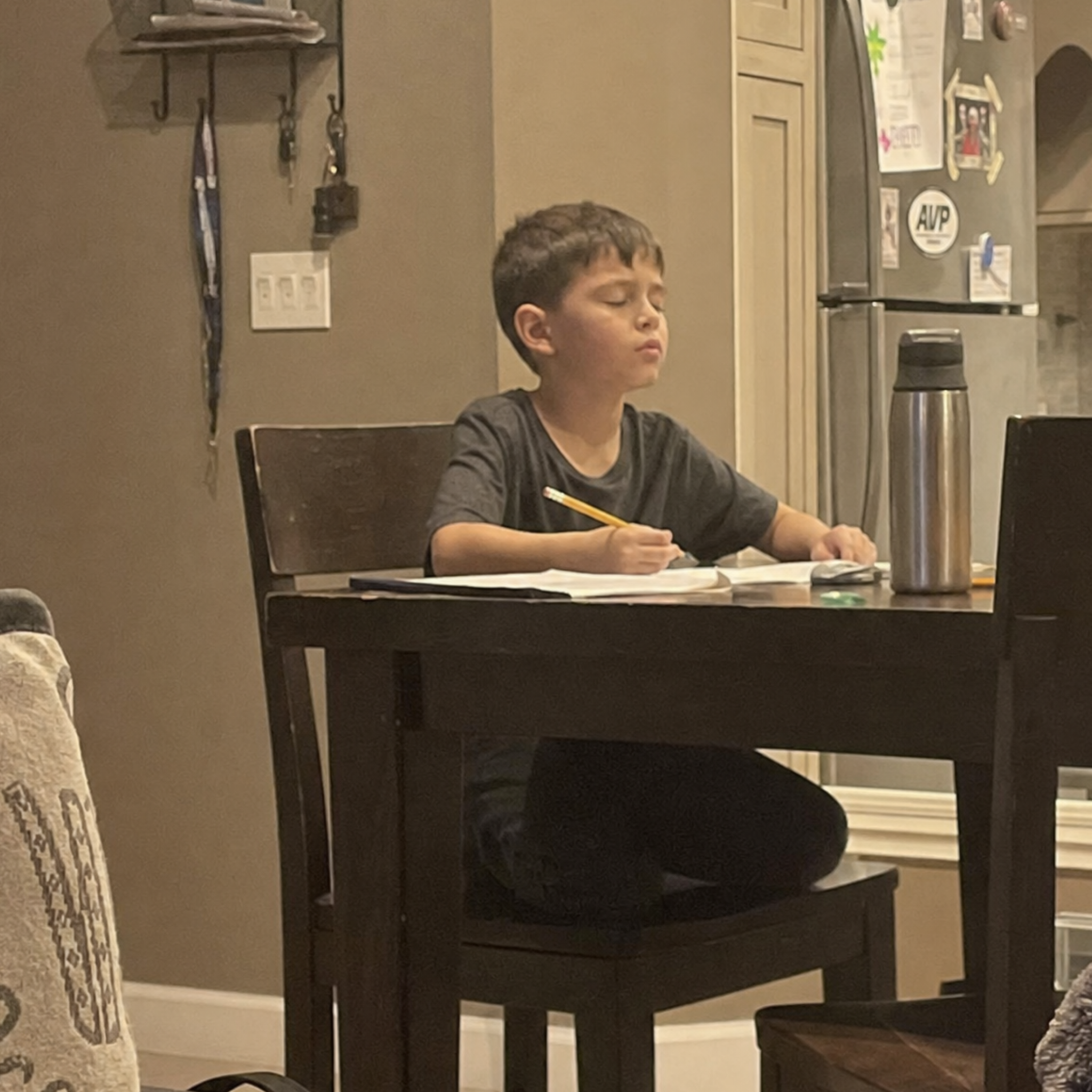
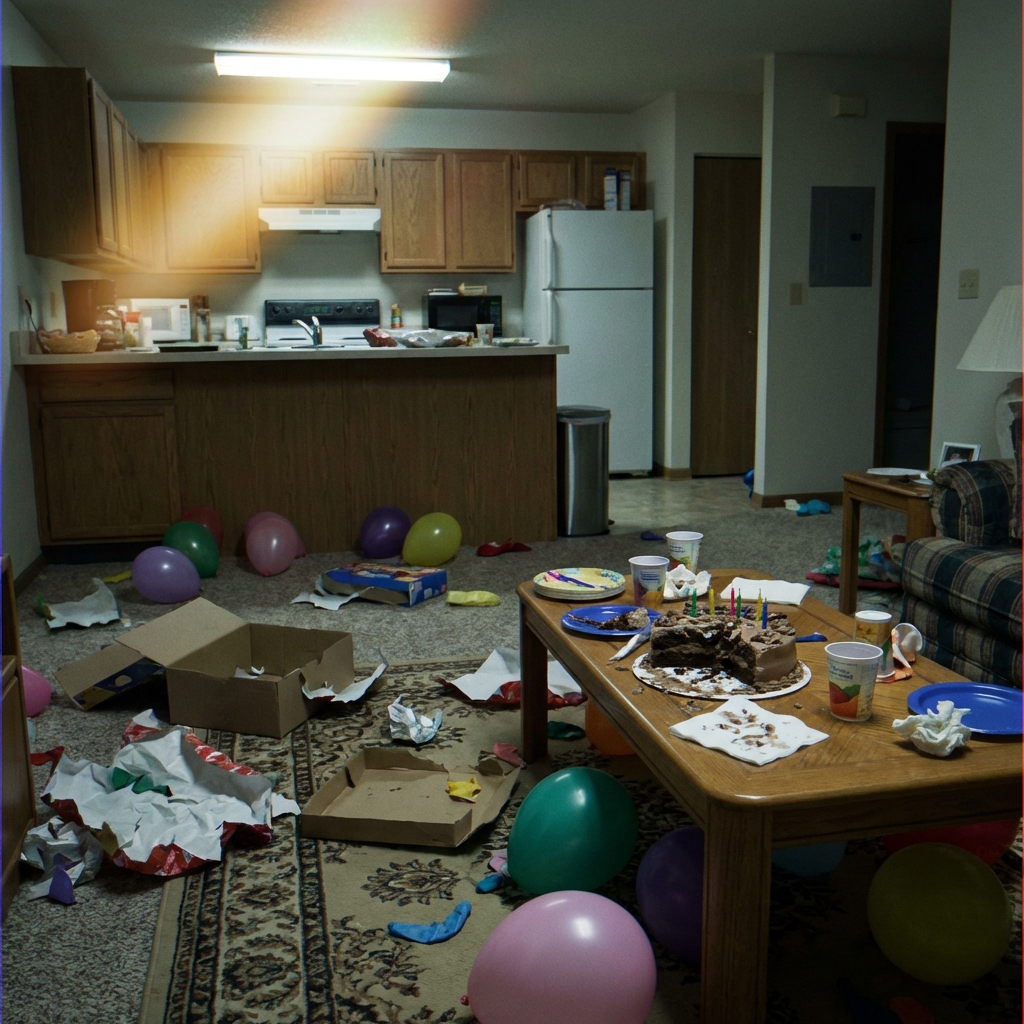
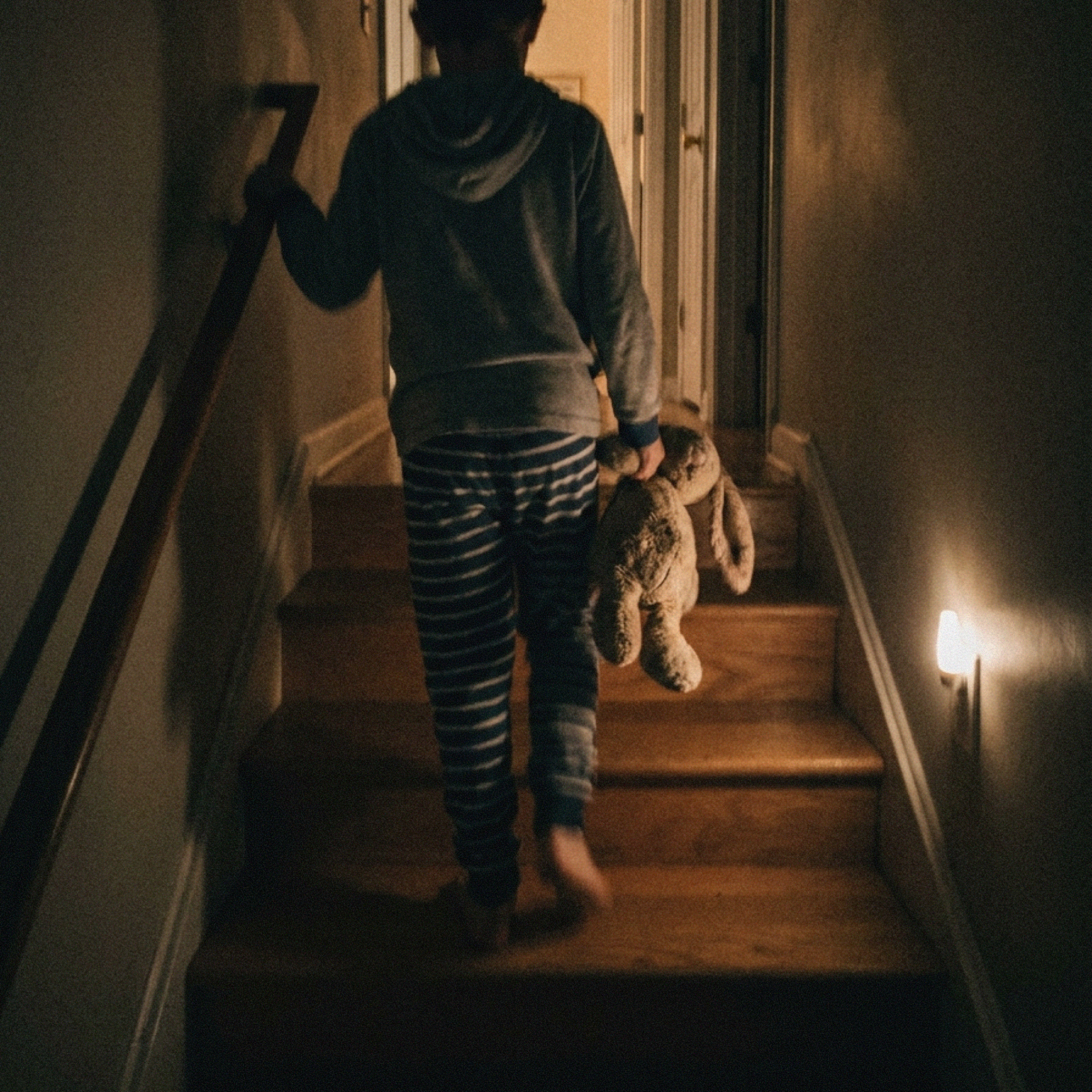
I cried into a hand towel on the bathroom floor at 11pm last Tuesday so my 7-year-old wouldn't hear me through the wall. Earlier that day, he'd screamed "I HATE THIS FAMILY" at me in the Target parking lot loud enough that a woman in scrubs slowed down to watch. I'd knelt in a smear of someone else's gum, hands shaking, trying to remember which script the gentle parenting people said to use. It didn't work. It never works. And on the bathroom floor that night, I finally let myself think the sentence I'd been swallowing for months: I've started flinching when he walks into the room. Twenty minutes before that scream, he'd been holding my hand in the produce section telling me about a snail he saw at recess. Then I said no to the cinnamon cereal. That was it. That was the trigger. His whole body changed before we made it to checkout. Shoulders up. Jaw locked. That look in his eyes I've started watching for the way other moms watch for thunderclouds. By the time we got to the parking lot, he was rigid in the cart seat. Back arched. Fists balled. Then the scream came out of him. Not a normal scream. The kind that comes from a place that doesn't have words yet — pitched so high it didn't even sound like my kid. "I HATE YOU. I HATE YOU. I HATE THIS FAMILY." A woman in scrubs slowed down to stare. A dad in a minivan rolled his window down to watch. Somebody's cart rolled past me untouched. I tried the script. I always try the script. "I see you're feeling really frustrated, buddy—" He kicked the cart so hard a bag of bananas hit the ground. My phone buzzed in my back pocket. My mother-in-law. I let it ring. My knee was wet from the gum. My hands were shaking. And there was nothing inside me. Not anger. Not sadness. Just gray. I left the cart there. Groceries and all. Strapped him into his car seat without looking at him and pulled out of the parking lot. He went silent the second the engine started. He always does. It's the thing that hurts the most — how quickly his body forgets what it just put us both through. I didn't turn on the radio. At a red light, I caught my own eyes in the rearview mirror. They looked like someone else's eyes. Someone older. Someone who didn't love her kid as much as she used to. My daughter was already home from her friend's house when we walked in. She took one look at her brother's face and went straight to her room. Quietly. The way she's learned to. I heard her door click shut. I made him grilled cheese because I didn't have the energy to make anything else. He ate it at the counter without speaking. I stood at the sink pretending to wash a pan I'd already washed. After bedtime — after the story he asked for like nothing had happened, after the "I love you, Mommy" he said with his arms around my neck — I locked myself in the bathroom. Sat on the cold tile. Pressed a hand towel to my face. And typed five words into Google. "Why is my kid violent." Then I deleted it. Retyped it softer. "Why is my kid so angry at me." Like changing the words would make me less ashamed of the question. Down the hall, in the dark, my son was asleep with one arm flung over a stuffed elephant he's had since he was two. The same kid. The same baby cheeks. The same little snore. A drawing he'd made me last Mother's Day was still taped to his door. "Best Mom Ever." In green crayon. With a heart. Here's the part nobody tells you. I'd done everything "right." For two years I'd been the poster child for gentle parenting. I bought the books. Followed the Instagram therapists. Memorized the scripts until I could recite them in my sleep. "I see you're having a big feeling." "It's okay to be upset." "I'm here when you're ready." I validated and validated and validated… while the meltdowns got longer. Louder. More physical. I added therapy. $180 a session, every Tuesday at 4:15. His therapist taught him to name every feeling in his body with the precision of a tiny adult. He learned the vocabulary. He didn't learn the brakes. He'd scream "I KNOW I'M ANGRY" while throwing a shoe at my face. The feelings had language now. They just didn't have stopping power. And here's the lie at the center of all of it — the lie I finally saw on that bathroom floor: Every single one of those strategies assumed there was a rational kid in there somewhere. A kid who could choose to calm down if I just gave him enough space, enough words, enough validation. There wasn't. My son wasn't choosing this. And I wasn't going to script my way out of it. The friends who told me "it's a phase" had never been screamed at in a Target parking lot. The therapist who told me to "stay calm and hold space" had never been kicked in the thigh by her own kid. I'd done everything the experts said to do. And it had made everything worse. That night, I stopped trying to fix him. Because I didn't have anything left to try with. Around 2am I was still on the bathroom floor scrolling. That's when I clicked a link in the comments under a parenting article — and ended up on a page about a guy named Sonny Caberwal. Former corporate lawyer. Quit his job five years ago when his own daughter was the kid in class too scared to raise her hand. The kid who spiraled after the smallest mistake. He'd tried everything I'd tried. None of it worked. So he spent five years working with child-development researchers from Harvard, Yale, and Duke trying to answer one question: Why do bright, sensitive kids fall apart over nothing — and what actually fixes it? The research kept pointing to the same answer. It wasn't sensory. It wasn't a phase. It wasn't bad parenting. It was confidence. Not the loud, look-at-me kind. The quiet kind underneath everything. A kid who melts down over a wrong cereal is a kid who doesn't believe he can handle being told no. A kid who screams "I HATE YOU" at his mother is a kid whose own inner voice is screaming "I HATE MYSELF" first — and her face is just the closest target. The rage isn't the problem. The rage is the overflow of a kid who has nothing inside him to hold the pressure. I read that line three times. And then came the part that broke something open in me: Confidence isn't a personality trait. It's not something kids are born with. It's not something you hand them with praise or hugs or "you can do anything you put your mind to" pep talks. Confidence is a skill. A trainable, measurable, buildable skill — the same way reading is a skill. The same way riding a bike is a skill. And nobody is training it. Think about it. Schools train math. They train reading. They train kids to memorize the periodic table and the order of the planets and the parts of a sentence. Nobody trains confidence. There's no class for it. No curriculum. No homework. No teacher walking your kid through it the way they walk him through long division. Parents don't have a playbook either. Nobody handed us one. We're out here improvising — praise, pep talks, whatever Instagram therapist trended that week, whatever book the moms in the group chat were reading. And the "real" solutions? Therapy talks about feelings but doesn't train daily reps. Meds quiet the symptoms but don't build the muscle. Calming apps make a kid breathe slower for ten minutes but don't make him braver the next day. None of it is actually training the thing that matters. So confidence gets left to chance. Some kids pick it up by luck — the right coach, the right friend, the right teacher catching them on the right day. Most kids don't. That's why kids today are less confident than their parents were at the same age. That's why there's a "confidence cliff" at 12. That's why my 7-year-old can scream "I HATE THIS FAMILY" in a Target parking lot over cereal — and then crumple into my arms an hour later begging me not to be mad at him. He isn't broken. He just has no muscle in the one place that matters most. The muscle that lets him sit with a "no" without burning the house down. The muscle that lets him try something hard without quitting in tears. The muscle that lets him be himself without hating himself for it. Nobody had ever trained that muscle. Not the school. Not the therapist. Not the books on my nightstand. Not me. For the first time in two years, I wasn't reading another piece of advice about what to say in the middle of the meltdown. I was reading about what was actually missing. That's why Sonny built Legends. It's the playbook nobody handed us. A 5-minute confidence workout my son does with me every day — designed by child-development researchers from Harvard, Yale, and Duke. Backed by hard science. Not another Instagram trend that disappears in a month. Five minutes. Less time than one of his meltdowns. Less time than I used to spend kneeling in a parking lot. Each workout opens with a short video about a real-world Legend — Misty Copeland, Steph Curry, Maya Angelou — kids who got rejected, who got told they weren't good enough, who didn't believe in themselves either. Then there's an interactive part where my son applies the same lesson to his own life. One day it's the Mood Meter — naming where he is on a color-coded grid before he spirals. The next day it's Catch and Replace — when his inner critic says "I'm so stupid," he catches the thought and swaps it for something true. The next day it's Past Evidence — "I know I can do hard things because I did them in the past, like the time I…" Tiny reps. Five minutes. Every day. The way kids train math. The way kids train reading. Except this time, the thing being trained is the one thing that actually decides whether he falls apart over a "no" — or doesn't. And here's what hit me hardest the first night I sat down to do it with him: For the first time in two years, I wasn't outsourcing my son to a therapist who saw him for 45 minutes a week. I wasn't waiting for the school counselor to fit him in. I wasn't googling at 11pm hoping the right Instagram caption would save us. I was sitting next to him. Doing the work myself. And he was letting me. Unlike everything else we'd tried — the therapy, the scripts, the books, the apps — this was something that actually worked. I started seeing the difference within the first week. Week 1: He spilled apple juice across the kitchen table — the kind of moment that would have ended in a smashed cup and 30 minutes of screaming. He froze. His face went red. Then he whispered, "shake it off"… and grabbed a paper towel. I had to put my hand on the counter to stay standing. Week 3: I told him no to a second cookie. His shoulders went up. His jaw locked. I braced. And then I watched his lips move — silently — counting through a box breath he'd practiced that morning. Four seconds in. Four held. Four out. The storm passed without ever landing. He looked up and said, "Okay, Mom." Just like that. Week 6: We were in the cereal aisle at Target. He reached for the cinnamon box. I said no. I held my breath. He paused. He looked at me. Then he put it back on the shelf and said, "Maybe next time." I walked to the end of the aisle, pretended to look at coffee filters, and cried into my sleeve. Quietly. So he wouldn't see. My 7-year-old. The same kid. The same baby cheeks. Holding my hand in the same store where he'd screamed "I HATE THIS FAMILY" eight weeks earlier. For a full minute in that aisle, I thought… maybe we just got lucky. Maybe this was a good week. A "phase." A fluke. So I opened the Legends community on my phone right there at the checkout. I needed to know I wasn't imagining it. The first post I saw was a mom of 10-year-old ADHD twins. She wrote that her son used to spiral over every redirection — and after a few weeks of Legends, the change in his self-talk, self-control, and relationships was "immeasurable": "The lessons take 10 minutes tops before bedtime and the payoff we've seen in his self talk, self control and improved relationships is immeasurable." Then a single mom of 8-year-old twin boys who used to be negative about everything and ready to fight the world: "Single mom here with 8 year old twin boys who are negative about most things and look to be offended… I can't express enough how much my boys LOVE LEGENDS. THANK YOU LEGENDS YOU'VE GIVEN ME HOPE." A dad whose son was crumbling inside before he even got off the school bus: "There was this kind of switch that flipped on him… he's starting to really see that what he's thinking in his mind is just in his mind. He's learning to regulate that." A mom whose son cried at the end of day one because he finally had words for how mean his inner voice had been: "My son actually cried at the end of it and told me how happy he was that I bought this for him. He said he really talks to himself in a negative way and wants to stop. Made my eyes leak." And then the one that wrecked me — a mom whose son had been through therapy, meds, years of worrying… and Legends was the thing he begged for every night: "Therapy, meds, years of worrying… but he BEGS for Legends every single night. It's really made a difference in the way he sees himself." I scrolled for thirty minutes. Post after post. Mom after mom. The same words I'd been crying into a hand towel about eight weeks earlier. The same kids. The same meltdowns. The same desperate Googling at midnight. Twenty thousand families. All of us doing the same thing every night — five minutes with our kids, building the one muscle nobody else was building. I wasn't a lucky outlier. I was finally in the right room. The program is called Legends. And if you've read this far, you're standing where I was standing eight weeks ago. At a fork in the road. Path one: you close this page. Tomorrow looks like today. The script that doesn't work. The therapist who teaches the vocabulary but not the brakes. Another parking lot. Another stranger slowing down to stare. Another night on the bathroom floor, hand towel pressed against your face, wondering what kind of mother flinches when her own kid walks into the room. You already know what that road looks like. You've been on it. Path two: you give your kid five minutes a day. The thing schools forgot. The thing therapy talks around. The one muscle nobody else is building. Five minutes. That's less than one meltdown. Less than one drive home in silence. Less than the time you'd spend tonight searching "why is my kid so angry" at midnight. And here's what makes this an easy yes: Legends comes with a full money-back guarantee. Try it with your kid. Sit on the couch together. Do the workouts. Watch what happens over the next few weeks. If you don't see the shift — in how he handles a "no," in how he talks to himself, in the way his shoulders drop instead of locking up — you get every cent back. No forms. No hoops. No "are you sure." You risk nothing. Your kid gains the one thing nobody else thought to give him. Tap below to start your kid's first confidence workout today. Don't wait until tomorrow's meltdown to remind you why you're here. You already know. P.S. — I keep thinking about that night on the bathroom floor. Hand towel pressed against my mouth. Googling words I was too ashamed to say out loud. My seven-year-old asleep down the hall with a stuffed elephant under his arm. A green-crayon drawing on his door calling me the best mom ever — and me on the other side of the wall, not feeling like one. If you're reading this with that same lump in your throat — the one that says "this isn't supposed to be this hard, and I don't know how much longer I can do it" — please don't let another Tuesday end this way. Your kid isn't broken. You aren't failing. There's just one muscle nobody ever taught him to use. Five minutes a day is where you start giving it to him.
Like this ad? Make it yours.
Crush rebuilds this exact creative around your product — your brand, your colors, your offer — in about a minute.