
Inactive· since May 26, 2026
- 18
- days it ran
- 0
- relaunches
Ad copy
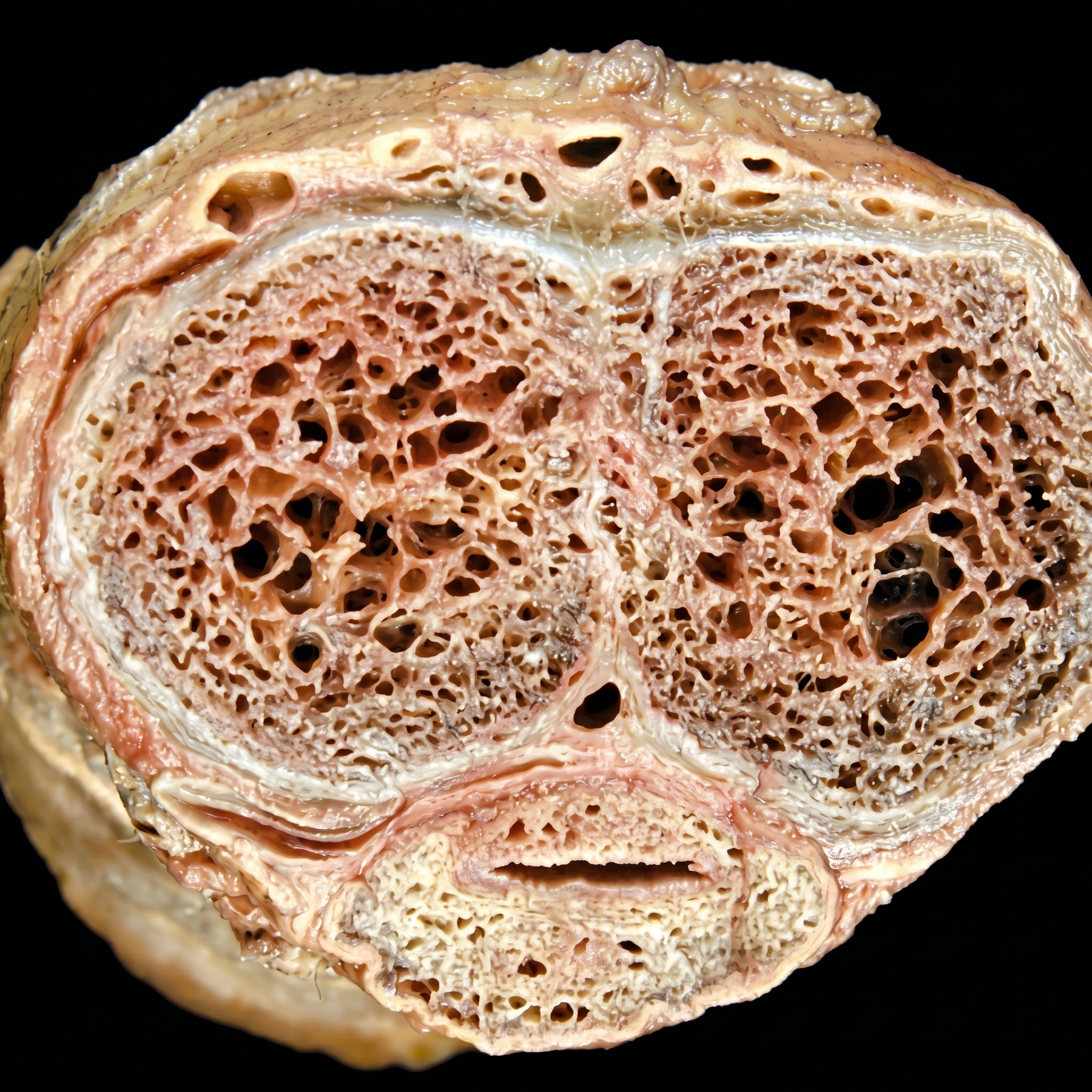
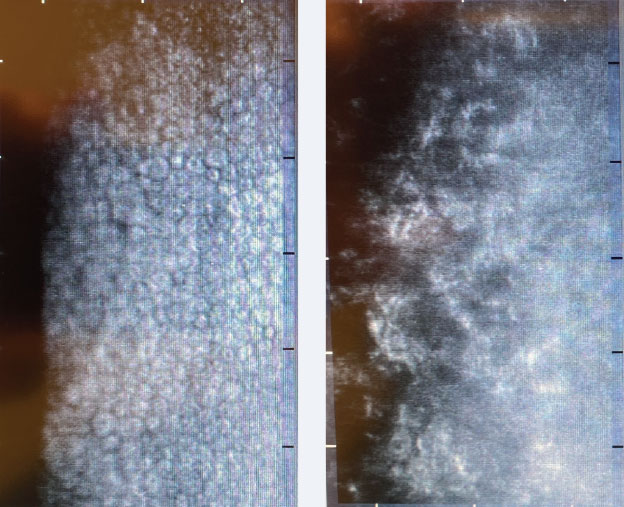
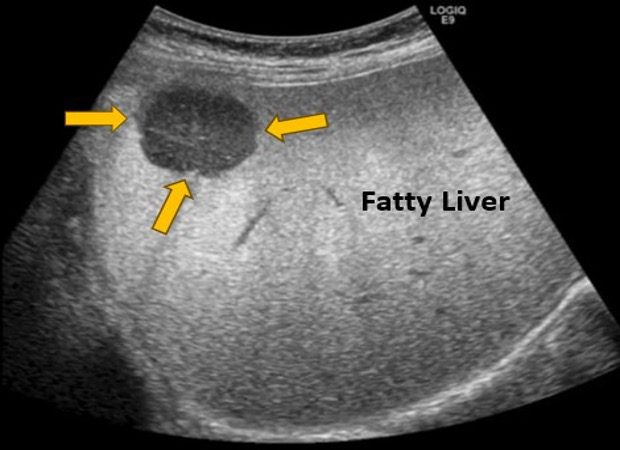
I've reviewed too many liver ultrasounds and FibroScans to stay quiet about this. If your last bloodwork came back with elevated ALT or AST — or your doctor has told you to "cut back on the drinking, watch it, see you in a year" — I need to tell you something most hepatologists are not yet saying out loud. I've reviewed 3,800+ liver imaging studies in 21 years as a hepatologist. And when a 47-year-old man walks into my office with an ALT in the 60-110 range, slight portal congestion on the scan, and a beer-belly that hasn't responded to diet — I already know exactly where he's heading if he follows the standard protocol. Twelve to twenty-four months of "cut back" advice, followed by a "milk thistle and monitor" recommendation, followed by another annual physical with the same numbers, followed eventually by the conversation where he gets told it's time to stop drinking entirely. And his vessels? Still constricted. His ALT? Still climbing. Most of my colleagues will tell him to quit. Some will tell him to lose weight. A few will recommend NAC or TUDCA. Almost none of them will tell him what I am about to tell you. I'm Dr. Daniel Vargas. Board-certified hepatologist. 21 years in practice. I still recommend abstinence — but only when it's truly indicated. Severe cirrhosis. Active hepatitis. Men whose damage is genuinely beyond repair. For most of the men I see — the moderate drinkers in their 40s and early 50s with elevated ALT — abstinence alone is not what is going to save them. What I see every day? Men in their 40s and 50s being told to quit drinking entirely without ever being told why the standard advice isn't working for most of them. And I was part of the system telling them. I've been giving the "cut back" advice for 21 years. I've seen thousands of men cut back faithfully. Quit completely. Take the milk thistle. Lose ten pounds. Come back six months later with their ALT down maybe four points and their gut still pressing against their belt. And I've watched what happens 3, 4, 5 years into that. The 51-year-old who quit drinking completely at 47. His ALT came down from 84 to 67 over two years and stalled there. His gut never went down. His blood pressure never normalized. He told me he was angry — he had done everything I told him to do and he didn't feel any better. I had no good answer for him. The 56-year-old. Quit at 52. ALT down from 92 to 71 over three years. Then his cardiac calcium score came back at 240. He had stopped drinking. His vascular system was still progressing. He couldn't understand it. Neither could his cardiologist. The 60-year-old. Quit completely at 54. Six years of abstinence. ALT 58. He came in last month with the same fatigue and brain fog he'd had at 53. The damage was no longer accumulating but the existing damage was never repaired. I see these men in follow-up. They are grateful for the advice. They have white-knuckled abstinence for years. But I know what they lost. They had years, before they hit the point where the vascular damage compounded, to actually repair the constricted hepatic vessels. They had time, instead of just stopping the cause, to address what was structurally wrong with their circulation. They had the option to reopen the supply lines that had been narrowing for fifteen years. Their elevated ALT was giving them a warning the entire time. Cutting back silenced the cause. It did not repair the damage that had been accumulating for fifteen years before they ever saw the elevated number. When my own ALT came back at 89 at 49, I knew something most hepatologists never tell their patients. I'm a hepatologist. My colleague reviewed my labs and said: "Daniel, you know exactly what to do. Stop drinking. Lose ten pounds. Take some milk thistle. We'll re-check in six months." I refused to accept that abstinence was the only intervention. I started researching what had actually happened inside my liver — and what could actually repair it. And what I found made me furious that I had been writing "cut back" notes for 21 years without addressing the underlying vascular damage. Here's what hepatologists don't tell you, because we were never trained to think about hepatic vasculature this way. Your liver receives 25% of your cardiac output every minute. There is a dense network of small vessels — hepatic arterioles, sinusoids, the portal venous tree — running through your liver tissue whose job is to deliver oxygen, clear toxins, and let it process whatever you put into your body. When that vascular network is functioning, your liver handles alcohol the way you remember it handling alcohol in your 20s. When that vascular network is damaged, your liver is starved of blood flow. The inflammation accumulates. The ALT climbs. The gut swells outward because the organ pressing against your abdominal wall is swollen. There are three things destroying your hepatic vasculature simultaneously, and "cutting back" addresses none of them. Zero. The first is fifteen years of accumulated endothelial damage. Each drink — even moderate — causes oxidative stress in the endothelial cells lining your hepatic vessels. The damage is repaired in your 20s and 30s; in your 40s, the repair starts falling behind the damage. By 47, the inner lining of your hepatic vessels is structurally compromised in ways that don't show up on standard imaging. The second is reduced nitric oxide signaling. Your hepatic vessels are supposed to dilate in response to nitric oxide. Endothelial dysfunction reduces NO production. The vessels stay constricted. Blood flow falls. The liver's capacity to process drops. The third is sub-clinical inflammation. The damaged endothelium generates inflammatory signals that further constrict the vessels and recruit immune cells into the liver tissue. The inflammation becomes self-sustaining. Cutting back removes one input. It does not turn off the cascade. "Cut back on drinking" addresses one of these three. It stops adding new endothelial damage. It does not repair the damage that has been accumulating for fifteen years. It does not restore nitric oxide signaling. It does not break the inflammatory cascade. And the vascular system that should have been clearing your liver of toxins continues to fail under the cover of "you stopped drinking, you should be fine." I started researching what could actually restore hepatic endothelial function. There's research on a receptor called TRPV1 — sitting inside the endothelial cells of every blood vessel in your body, including the hepatic microvessels. When TRPV1 is activated, it triggers continuous nitric oxide production and restores endothelial function measurably. The compound that activates TRPV1 is capsaicin. From cayenne pepper. A separate set of studies on TRPV1 activation in hepatic vasculature showed measurable improvements in portal blood flow, reduced inflammatory markers, and normalization of liver enzymes over 8-14 weeks. Not "managed." Reversed. I had never prescribed capsaicin in 21 years of practice. The catch is delivery. Capsaicin is fat-soluble. In dry powder capsules it gets destroyed in stomach acid before reaching the bloodstream. The research uses oil-suspended capsaicin combined with piperine for the 2000% absorption boost. I found Aurivita Capsaicin Power. 3mg capsaicin per serving, pre-dissolved in cold-pressed oil. BioPerine for absorption. Beetroot extract for additional nitric oxide support. Hawthorn for vessel wall integrity during repair. Three softgels daily. I did not quit drinking. I cut back to roughly half of what I had been drinking, kept the social and ritual side of it, and added Aurivita. Week 4. The afternoon fatigue I had been writing off as overwork — gone. Mental clarity I had not had in two years. Week 8. Repeat labs. ALT down from 89 to 51. AST from 67 to 38. Week 12. Full panel. ALT 31. AST 26. Blood pressure down from 138/86 to 122/78. Eleven pounds off the midsection without changing my diet beyond the moderate cutback. I had not seen liver enzymes move like that in 21 years of practice — not without complete abstinence sustained over multiple years. My colleague — the same one who had given me the "stop, lose weight, milk thistle" advice — looked at the labs and said: "Daniel, what did you do? These don't move like this on cutback alone." I told him about TRPV1 activation. The hepatic microvascular mechanism. The reason it works where the standard advice fails. He listened. Then he said: "If this is reproducible, I need to start telling my patients about it before I tell them to quit entirely. Most of them won't quit anyway, and the cutback advice alone isn't moving their numbers." I started telling patients in my practice — the moderate drinkers in the ALT 60-110 range, the ones who had been told to quit and either weren't going to or had already tried and not seen the improvement they expected — to try TRPV1 activation alongside whatever moderate cutback they were already doing. Mark. 49. ALT 78. Told to quit by his GP. Refused. Tried Aurivita. Week 8: ALT 42. Steve. 53. ALT 94. Had already quit 18 months earlier; ALT had only dropped to 76. Added Aurivita while remaining abstinent. Week 12: ALT 38. Lost 14 pounds. The gut he had been carrying for five years finally went down. David. 46. ALT 71. Three years of "watch it, cut back" with no real change. Added Aurivita. Week 10: ALT 34. He told me he had spent three years thinking he was going to die early like his father; the lab came back and he cried in my office. In 21 years I had never seen liver enzymes reverse like that. I am not telling you this because I am against the standard advice. If you are an active heavy drinker, you need to cut back. If you have decompensated cirrhosis, you need to stop entirely. The standard medical advice exists for a reason. But it does not repair the hepatic vascular damage that has accumulated over fifteen years of moderate drinking. It does not restore endothelial function. It does not improve portal blood flow. It does not break the inflammatory cascade. It stops you from adding new damage while the existing damage continues to suppress your liver's capacity. And I see what happens 3, 4, 5 years into that. Men who quit completely. Men who never had another drink. Men whose ALT came down maybe ten or fifteen percent and stalled there. Men whose gut never went down. Men whose energy never came back. Men whose cardiovascular system kept progressing toward the stents their cardiologist said the cessation would have prevented. Your elevated ALT right now — your gut that won't go down, your 2 PM crash, your two-day hangover from two beers, the dull ache under your right ribcage — is your warning. And the standard advice is going to address one input while the underlying vascular damage continues. And you have two choices. Accept the "cut back, watch it, see you in a year" pathway. Stop adding damage. Watch your number creep down four or five points over twelve months. Wait for your cardiologist to call you about the rising calcium score that the liver dysfunction is helping accelerate. Eventually be told to stop entirely. Find out, like the patients I see five years into abstinence, that stopping wasn't enough. Or activate TRPV1 now, address the vascular damage that fifteen years of moderate drinking has done to your hepatic supply lines, and let your liver actually clear instead of just slow. I think about what I almost did. Not just accepting the cutback advice. That is not the point. I almost spent the next decade as one of my own patients — five years into abstinence, still carrying the gut, still tired, wondering why the years of doing the right thing had moved the numbers so little. Aurivita Capsaicin Power costs $54 for 60 servings. Less than $1 a day. Compare that to the trajectory: years of "watch and monitor" with annual physicals showing the same number, eventually progressing to a hepatology referral and possibly statins to control the cardiovascular implications. 120-day money-back guarantee. Take it for 12 weeks. Get baseline ALT, AST, and BP. Get them again at 90 days. If the numbers haven't moved, if your gut hasn't gone down, if your energy hasn't come back — send the bags back, even empty, and get a full refund. No questions. I have never had a pharmaceutical company offer that. I have never seen a "cut back on the drinking" recommendation come with a money-back guarantee. Activate TRPV1 now. Reopen the supply lines that have been narrowing for fifteen years. Give your liver a chance to actually do what it was designed to do. [https://aurivita.co/products/cayenne-pepper-softgels](https://aurivita.co/products/cayenne-pepper-softgels) — Dr. Daniel Vargas, MD Board-Certified Hepatologist 21 Years in Practice P.S. If you have been told to "cut back and watch it" and your numbers are not moving the way you expected — please get a full lipid panel, hs-CRP, and fasting insulin alongside your liver enzymes. Most men in the ALT 60-110 range have parallel cardiovascular markers that the GP isn't tracking. The same hepatic vascular damage that is keeping your ALT elevated is also accelerating your cardiovascular trajectory. Aurivita addresses both. The "cut back" advice addresses neither.
ALT 89 → 31 in 12 weeks. I didn't quit drinking.
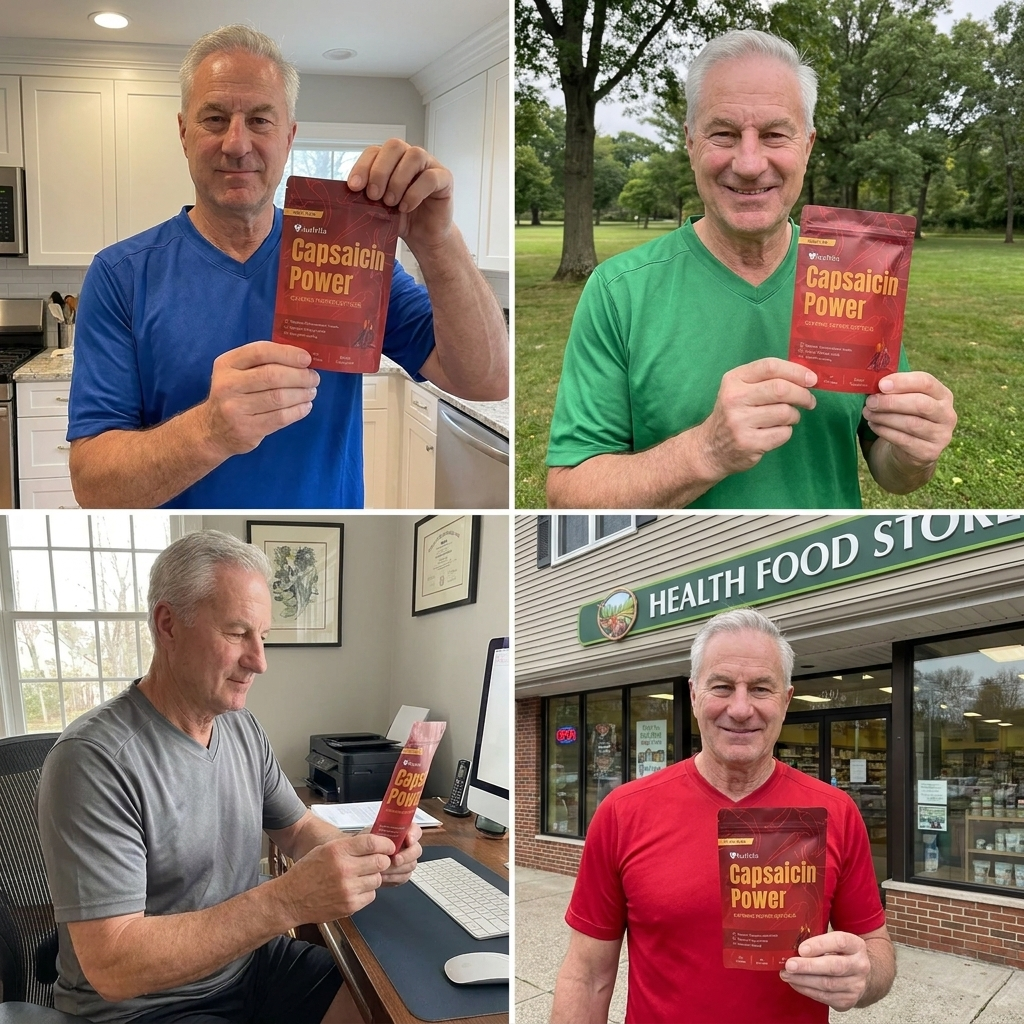
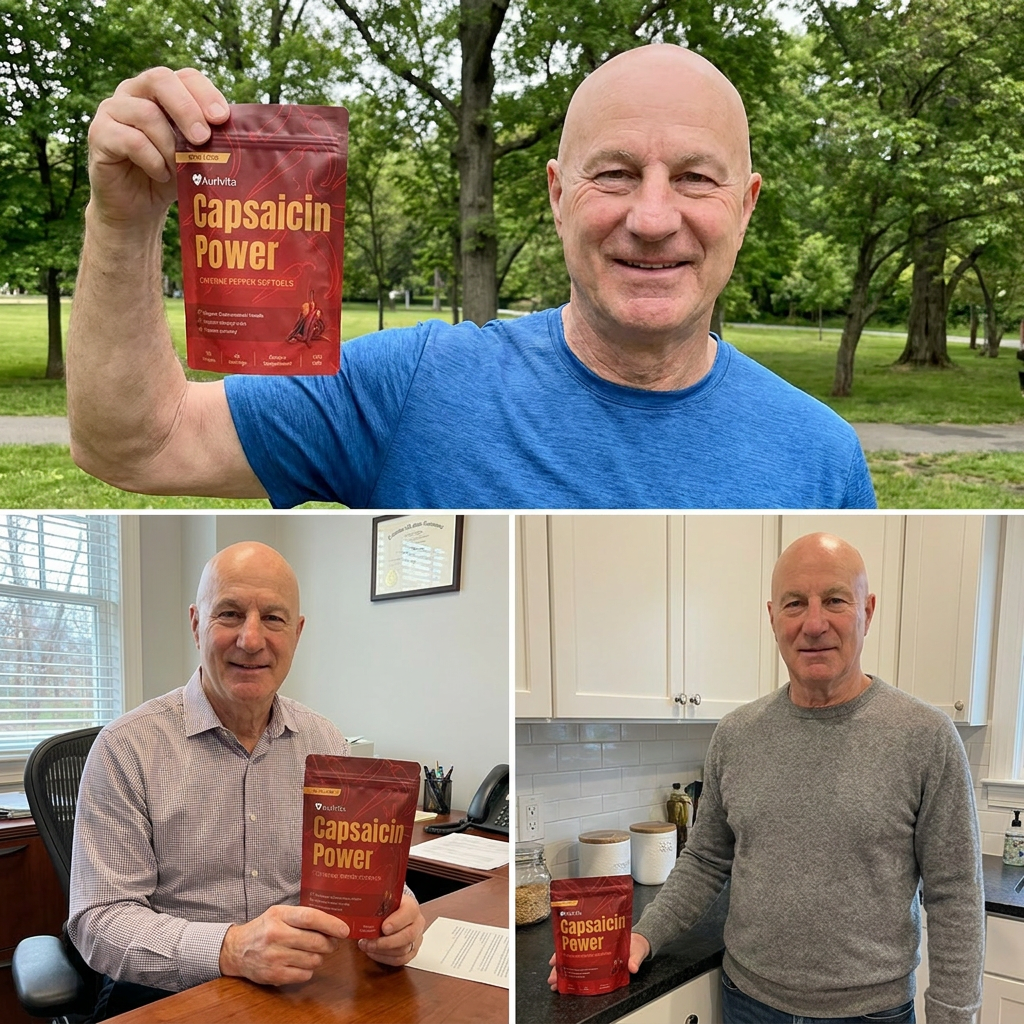
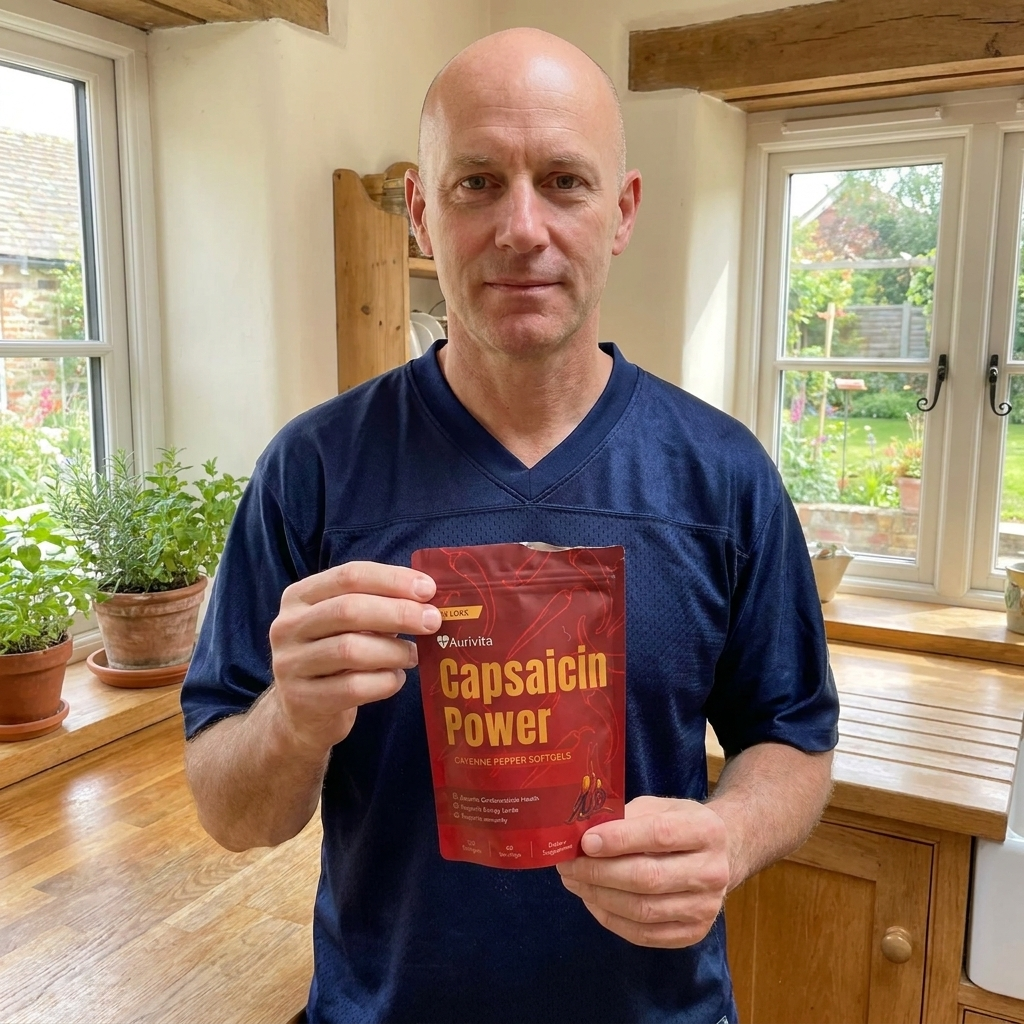
Support strong circulation today with our powerful cayenne pepper formula. 180 softgels and 60 servings per bag.
LEARN MORELike this ad? Make it yours.
Crush rebuilds this exact creative around your product — your brand, your colors, your offer — in about a minute.