
Inactive· since Jun 8, 2026
- 51
- days it ran
- 0
- relaunches
Ad copy
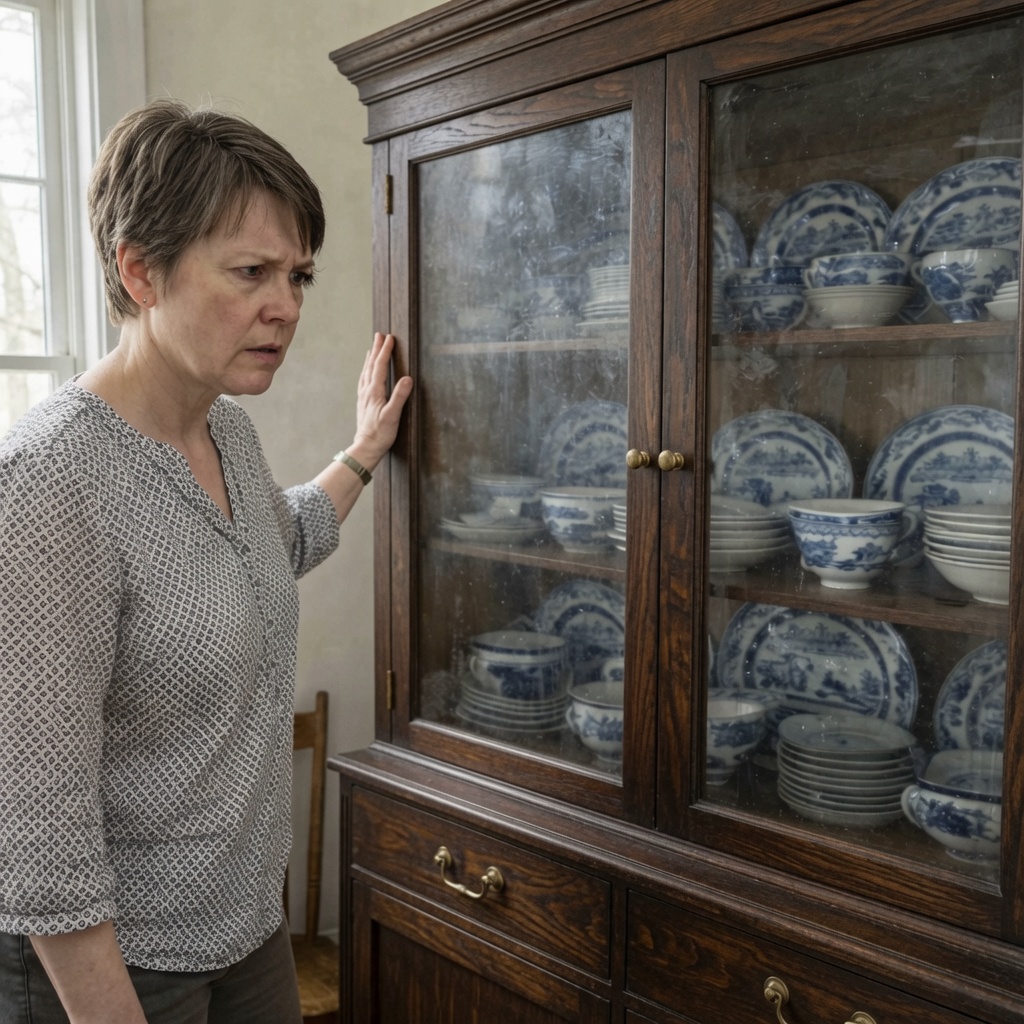
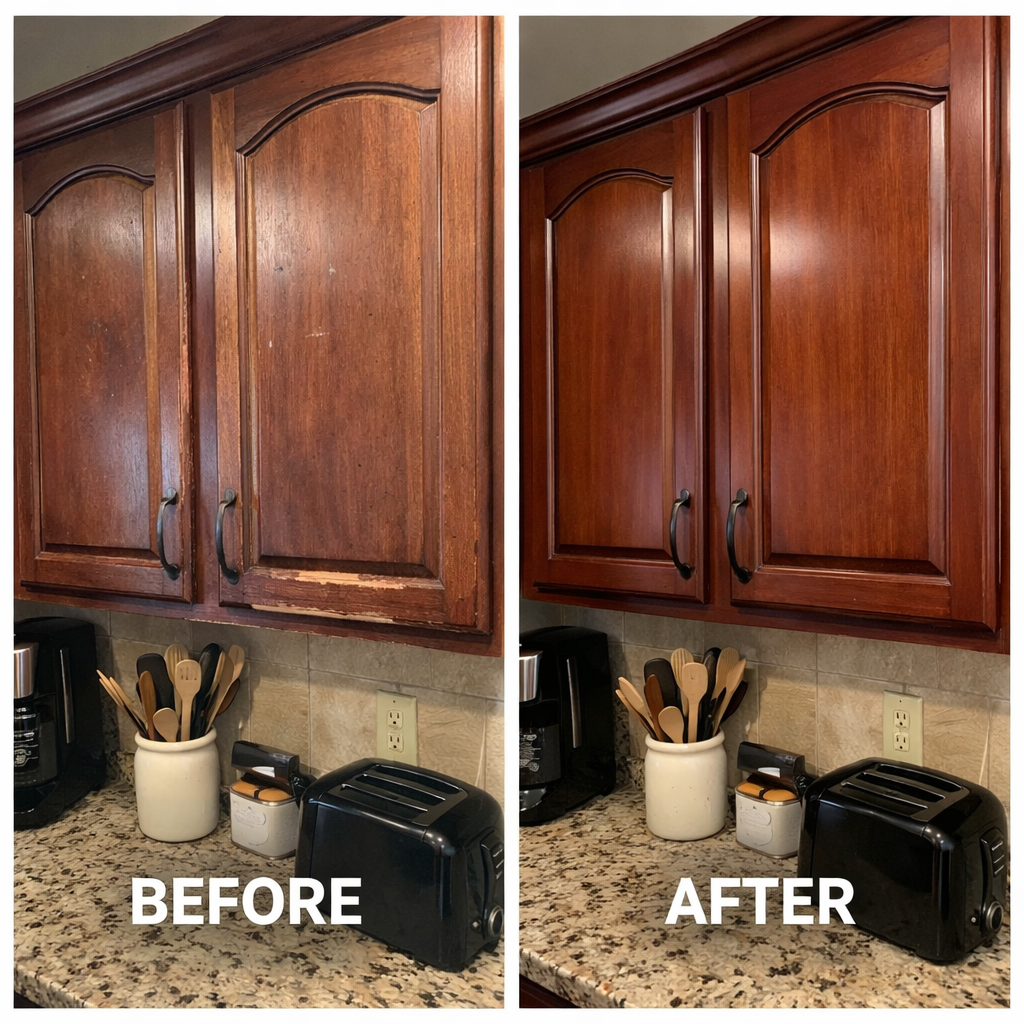
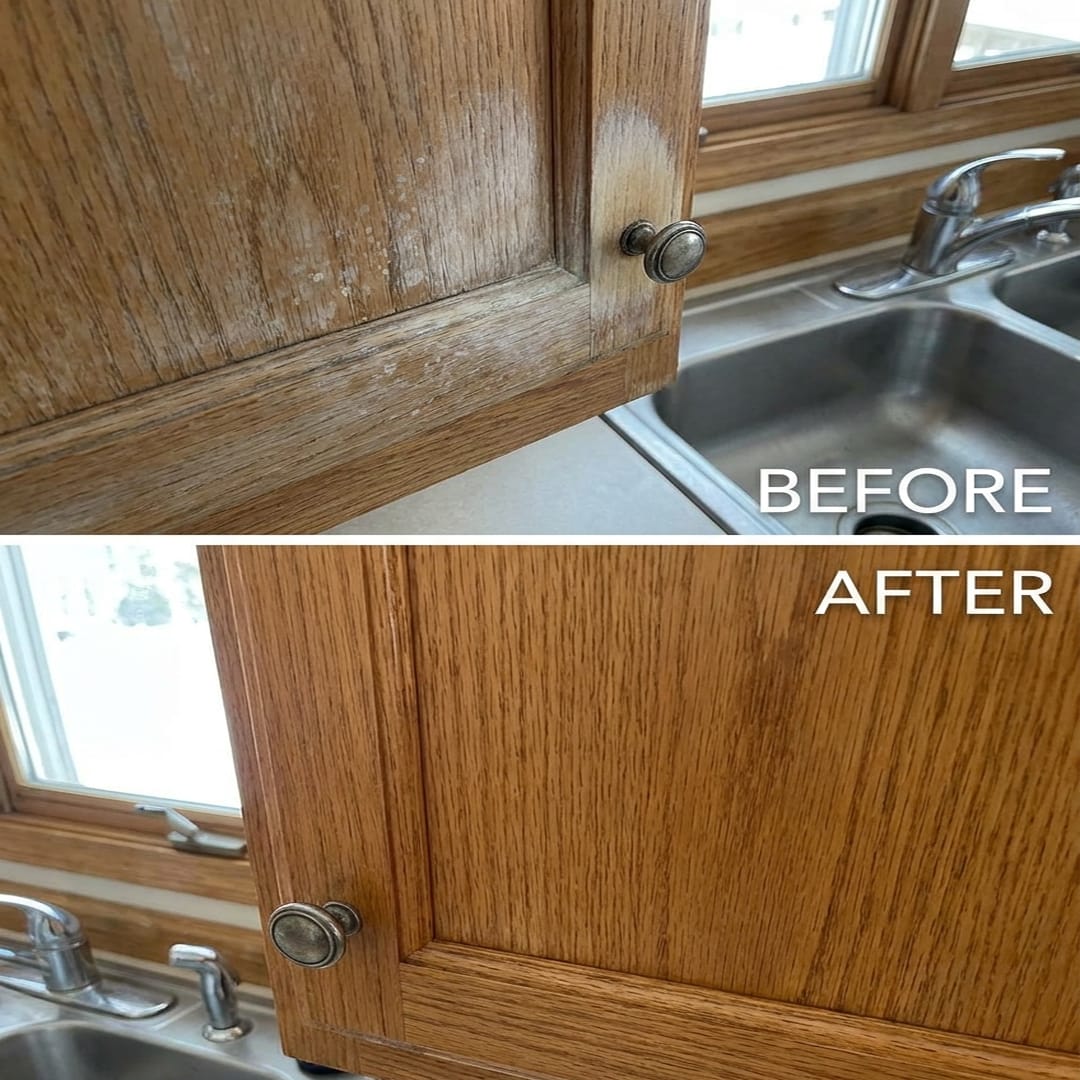
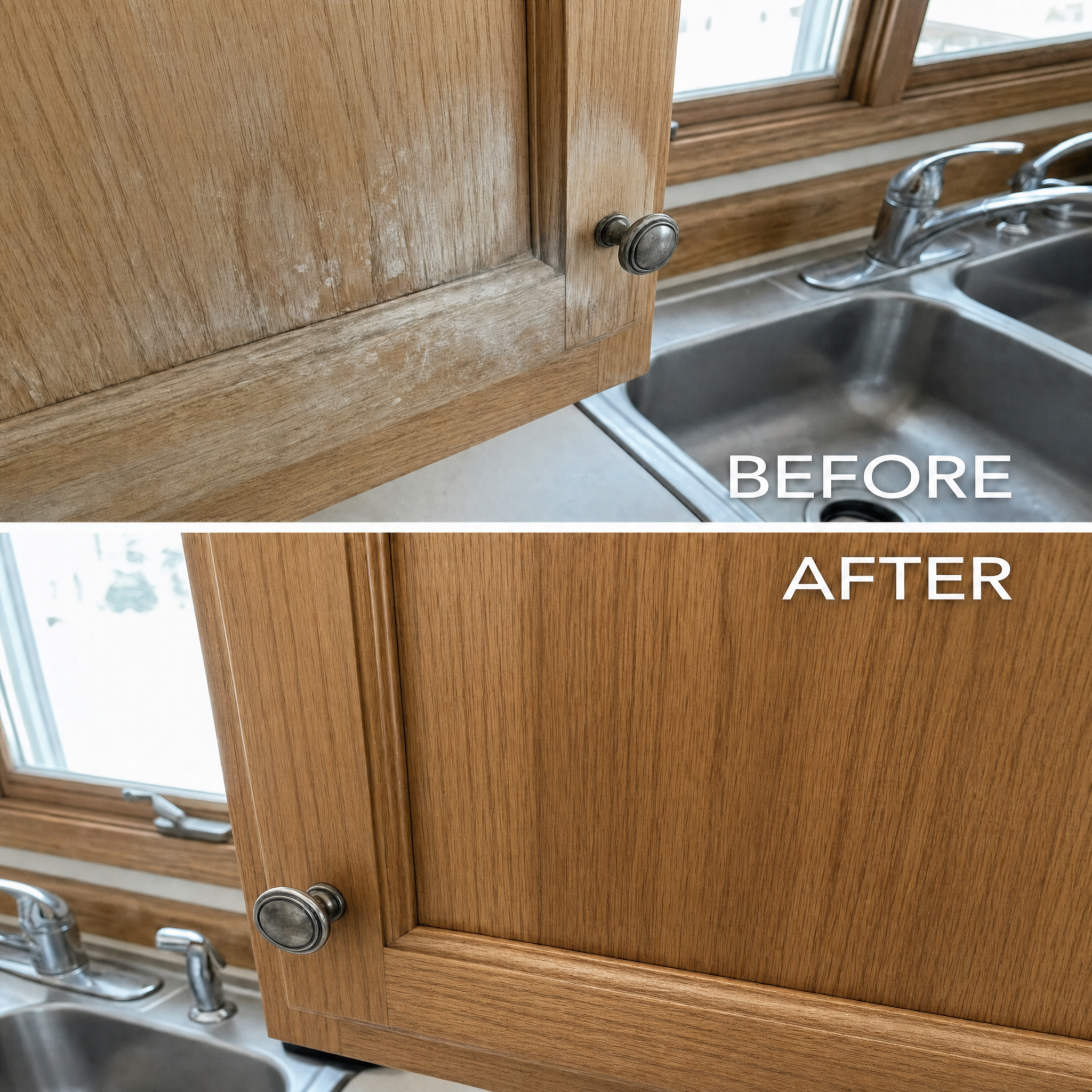
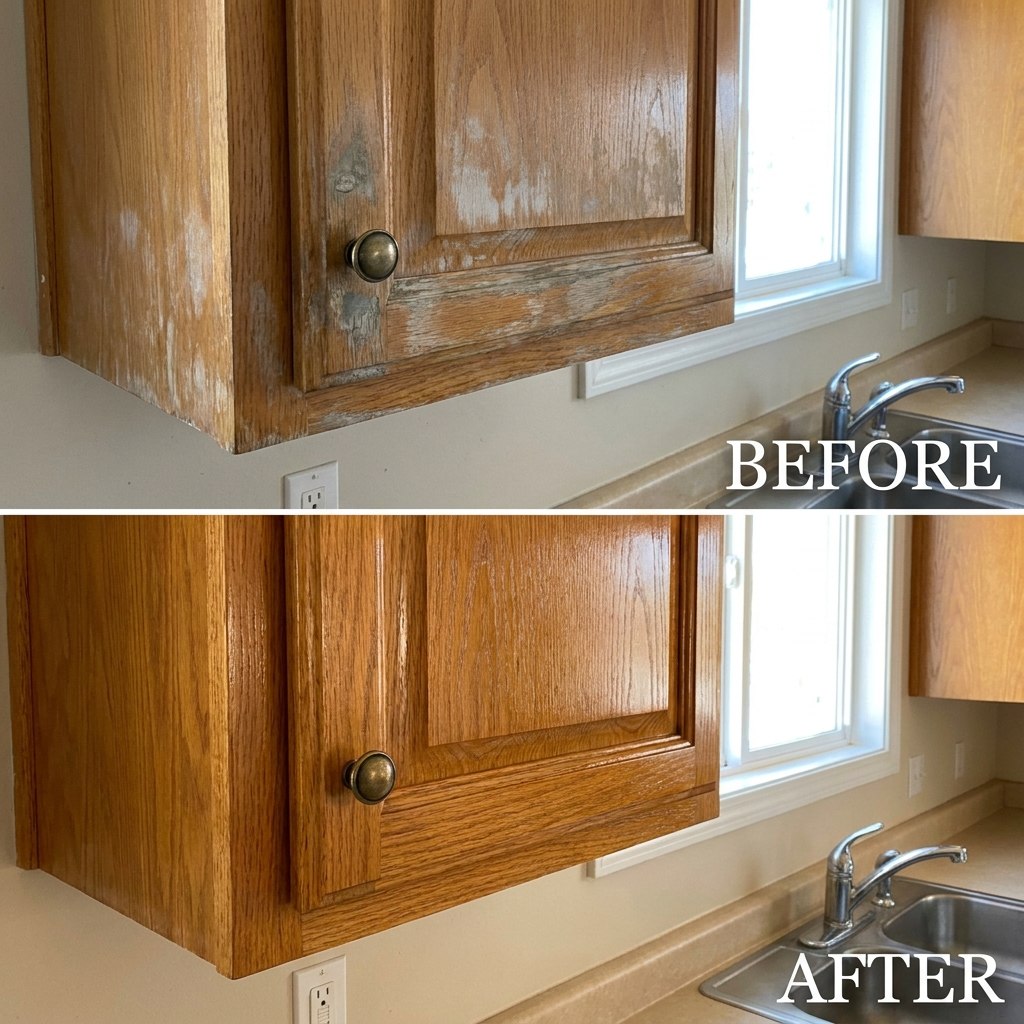
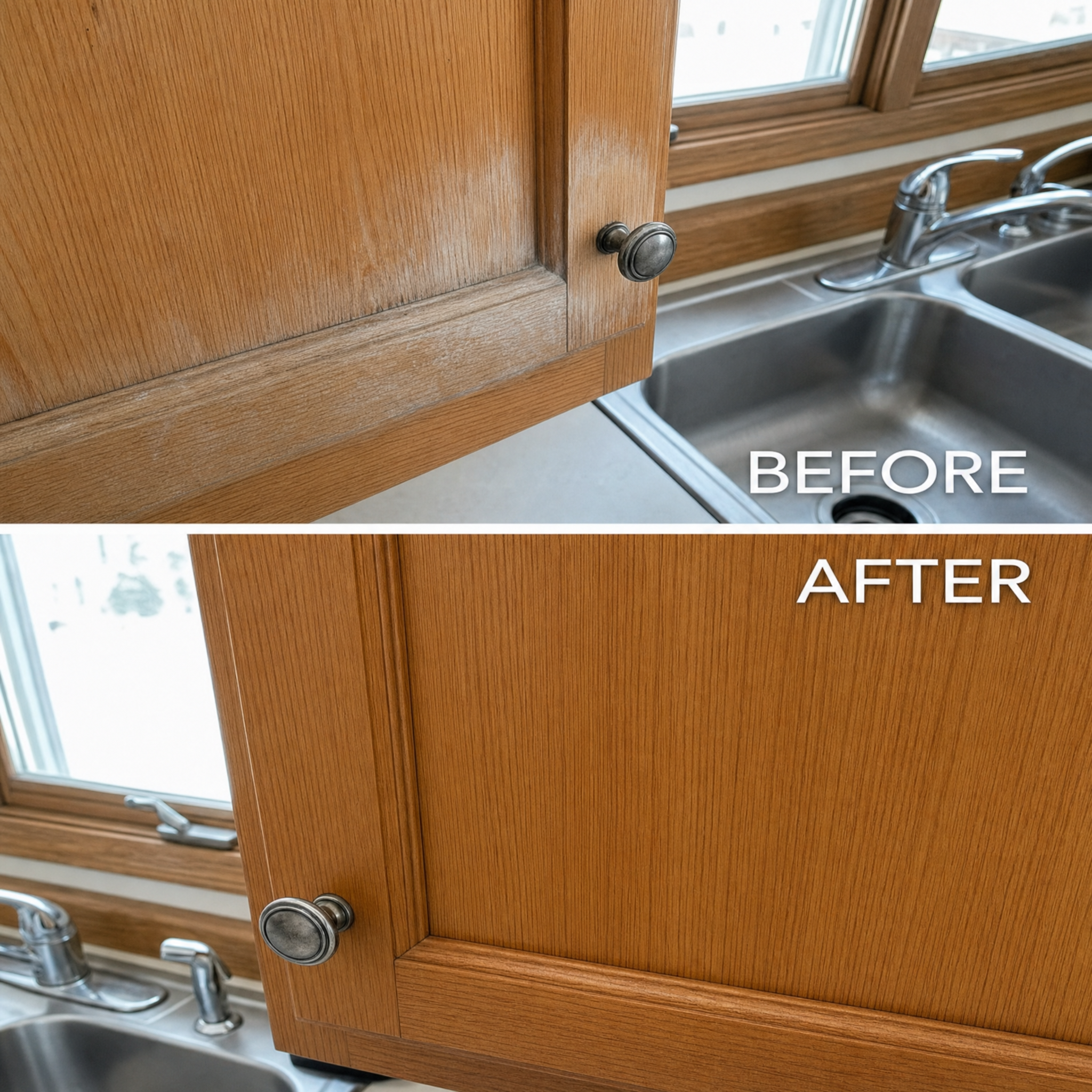
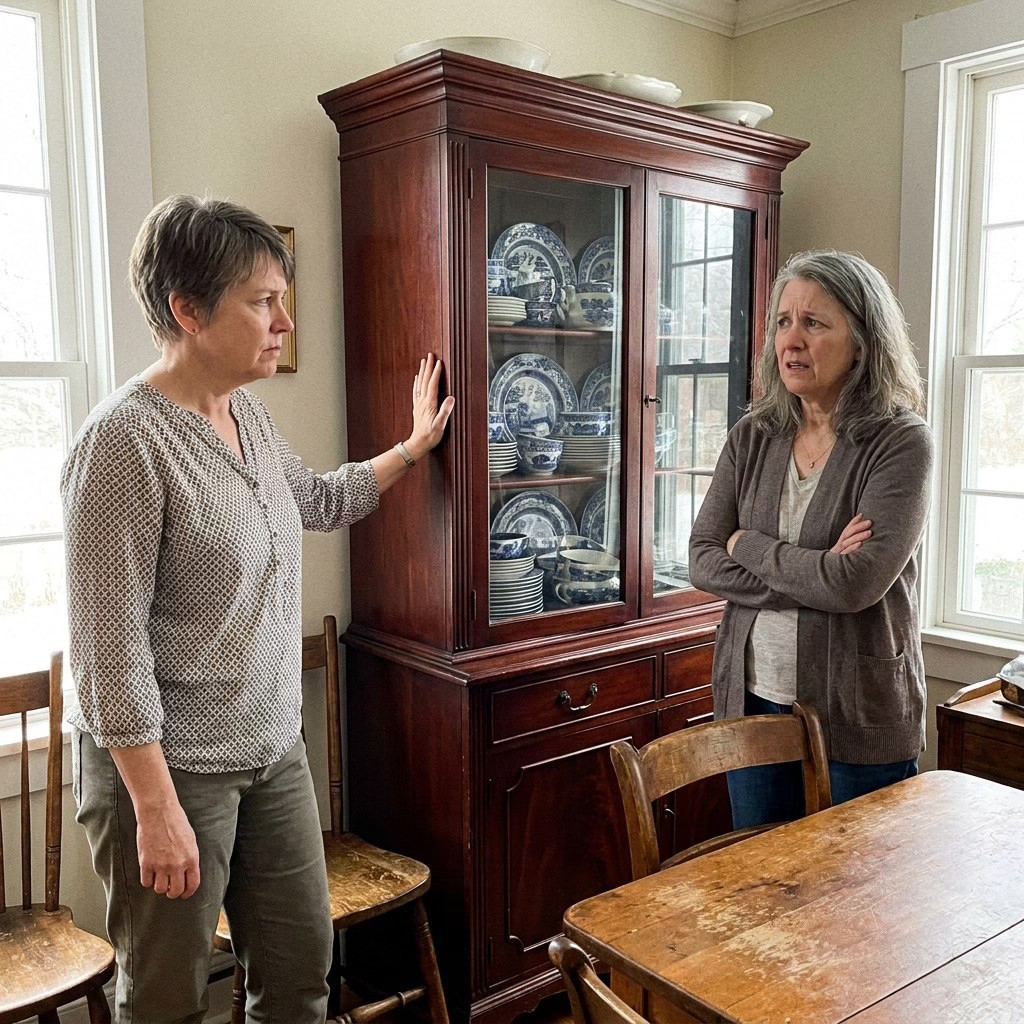
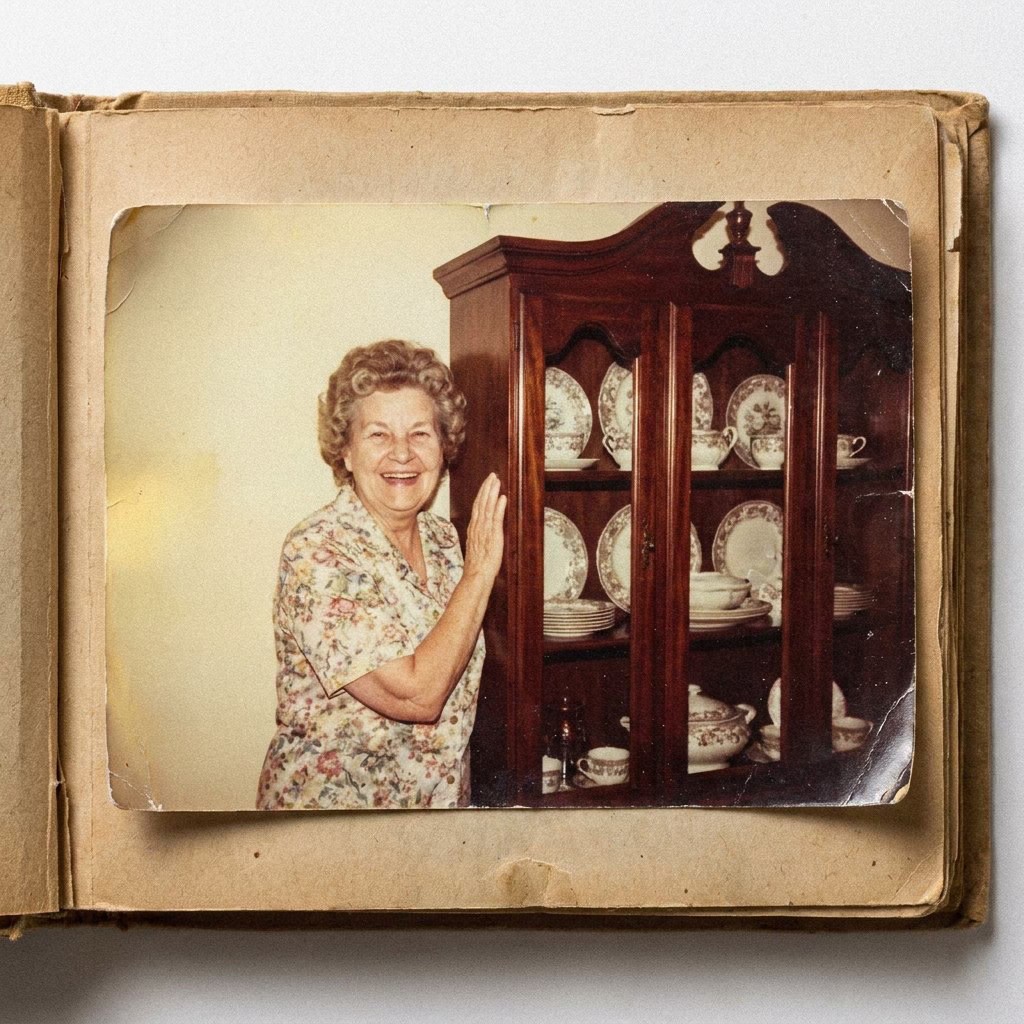
"Mar. What happened to Mom's cabinet?" That was the first thing my client's sister said to her… After walking past the piece in the dining room last spring. Margaret had been "taking care of it" every Saturday morning for eight months. Here's what she didn't know… Hi, I have been a wood conservator for twenty-two years. I work at the Smithsonian. Most of my time is spent on presidential desks, colonial chests… And Shaker tables that need to stay stable for two hundred more years. But on weekends I take private cases. Daughters with their mother's pieces. Sons with their father's. Widows with the workbench in the basement. I have seen more ruined heirlooms in living rooms than I have ever seen in a museum basement. A woman named Margaret emailed me on a Sunday last spring. She did not expect a reply. She had found a forum post that mentioned a Smithsonian conservator who took private cases. The email was short. It said her mother had passed eight months earlier. She had inherited her mother's cherry china cabinet. The cabinet had looked beautiful at her mother's house but did not look right at hers. She did not understand what had changed. But I recognized the third line in her email before I finished reading it. I wrote her back Monday morning. I asked her three questions. How long has it been since her mother passed… What product has she been using on the cabinet… And how often. I already knew what she was going to say. Margaret answered an hour later. Eight months. A wood-feeding oil from the hardware store that said "nourishes fine wood" on the label. Every Saturday morning since the funeral. I have a name for what comes next. I had read this email before. Different email addresses. Different mothers. Different kinds of wood. I have a rule I have never put in writing. I call it the six-month rule. In twenty-two years of conservation work… Almost every ruined heirloom I have seen in a private home was ruined in the first six to eighteen months after an inheritance. Not from neglect. From the opposite. A grieving daughter walks into a store within weeks of the funeral. She is crying in the cleaning aisle. She picks up a product that "feels right." A wood-feeding oil with a clean, natural label. A woman on the label who looks a little like her mother. The words "nourishes fine wood" or "for antique furniture" or "feeds the grain." She takes it home. A Saturday morning ritual starts that weekend. The piece gets wiped down. The oil goes on. She wipes off the excess. She sits with it for a few minutes afterward. For the first time since the call from the hospital, she feels close to her mother. The ritual is going to get her through the year. The product she chose is going to kill the piece. I asked Margaret if she could describe the cabinet to me. She said the cherry had always been that deep amber color… Especially when the morning light came through the dining room windows. Warm. Almost lit from inside. It looked gray-brown now. Ashy, almost. There was a yellowish cast to the finish that she had not been able to wipe off. The glass panes in the cabinet doors reflected back something that looked like old cardboard. The cornice at the top had a film across it that gathered dust no matter how many times she wiped it. The lower panels, where her hands had been every Saturday… They were darker and blotchier than the upper panels she could not reach. When she opened the doors, there was a faint sour smell that had not been there before. Her mother's good china was still inside. The Wedgwood her grandmother had kept wrapped in tissue paper. Everything her mother had been careful about. I asked her how she had figured out something was wrong. She told me her sister had come to visit two weeks earlier. Her sister lived out of state and had not been in Margaret's house in over a year. Her sister walked past the cabinet in the dining room. She stopped. She went back. She put her hand on the side panel. She did not say anything. Later, in the kitchen, her sister said, "Mar. What happened to Mom's cabinet?" Margaret did not understand the question. She said, "What do you mean. I take care of it every Saturday." There was a long silence. Her sister said, "It looks like it's been living in a basement." Margaret could not sleep that night. She typed "how to restore cherry cabinet" into her phone at two in the morning. She found me through a forum post. I wrote back the same night. I asked if I could call her. The call lasted forty minutes. I told her what I am about to tell you. Wood finish is two things. Oil and resin. Resin is the armor. Resin is what stops a plate from leaving a mark on the top of a cabinet when somebody sets it down too hard. Oil is what keeps the resin soft and clear. Soft enough to bend instead of break. Clear enough that you can see the grain underneath. Over decades, oil leaves the wood. It evaporates. Once the oil is gone, the resin has nothing keeping it soft. It goes brittle. Like an old rubber band left in a drawer too long. Brittle resin cracks. Tiny cracks. Thousands of them, all the way through the finish. That is why the cherry had stopped glowing. Cherry is different from almost every other wood. Most woods fade with age. Cherry deepens. A piece of cherry furniture that is sixty years old should be richer and warmer than the day it was made. That amber warmth, the way it looks almost lit from inside when light moves through it… It comes from light passing through clean resin and reflecting off the grain underneath. When the resin is full of cracks, light scatters off the cracks instead of passing through clean. The warmth disappears. The wood reads flat and ashy instead of deep and warm. The yellowish cast Margaret was seeing was the same thing. Haze inside the finish, not on top. The blotching on the lower panels. Same. The powdery look at the corners. Same. And none of it was coming from the wood. Then I told her what the wood-feeding oil had been doing. The product from the hardware store was made with petroleum mineral oil. Mineral oil is the wrong kind of oil for an old finished piece. It does not penetrate through an existing finish. It sits on the surface, on top of the original lacquer or shellac, and it stays there. And it does not stay stable. Over weeks and months, it oxidizes. It turns yellow. It goes tacky. It goes, eventually, slightly rancid. That is the sour smell Margaret noticed when she opened the doors. The oil had been building up on the cabinet since the Saturday after the funeral. Thirty-two applications. Each one adding another layer of oxidizing mineral oil over the original finish. The yellowish cast she could not wipe off. The film on the cornice. The blotching where her hands had been but not where they hadn't. All of it was the oil doing exactly what petroleum mineral oil does when someone applies it to an old finished piece every Saturday morning for eight months. The original finish was still there underneath. But it was buried. Under thirty-two layers of oxidized mineral oil that was now blocking any real treatment from getting through. Margaret started crying on the phone. She said, "I have been doing this every Saturday morning for eight months. I thought I was honoring her." I said, "Margaret. Listen to me. You did not do anything wrong. The product did. Nobody told you the two were not on the same speed." She was quiet for a moment. Then she asked me if it could still be fixed. I told her about a man named Harold. Harold had been making furniture by hand for forty years in Vermont. I met him at a conservation workshop in Baltimore, three years earlier. He was not a talker. But he pulled me aside after a session on historic finishes, and I listened. He told me that every "feeding" or "nourishing" product on the hardware store shelf had been reformulated decades ago. Plant oils replaced with petroleum mineral oil. Then he told me something I had not heard anywhere else. He said cold-pressed plant oils are different at the molecular level. Small enough to move through an existing finish instead of sitting on top of it. Small enough to penetrate the original finish underneath and reach the brittle resin. The resin softens from the inside, he said. The cracks close. Light starts moving through the finish clean again. Beeswax goes over the top to seal the oil in. Not a film that builds and blocks. A layer that breathes. Plant oil to feed the wood, he said. Beeswax to seal the oil in. He wrote down a name on the back of the conference program. I ordered a jar when I got back to Washington. I applied it to a black walnut sideboard I had been sitting on for months, a private piece with water rings nobody had been able to touch. I did not stay to watch. I put the cloth down, walked out of the shop, and went to get lunch. When I came back, I checked it under the window. Then I checked it again. I called Harold that evening and told him what I had seen. That is the salve I told Margaret to use. Apply it once. Wipe it on with a clean cloth, with the grain. Wait fifteen minutes. Wipe off the excess. Then leave the cabinet alone for three months. I told her, "Margaret. You do not have to stop sitting with her on Saturdays. You just have to stop pouring that oil on her." Margaret applied the salve the following Saturday morning. She told me later she almost did not wait to see what happened. She put the cloth down and went to make coffee. She did not go back for twenty minutes. When she did, the cherry amber had started to come back. The yellowish film was dissolving as the plant oil moved through it. The warmth came back. The ashy gray-brown went away. The glass panes in the cabinet doors reflected back something that looked like her mother's dining room again. Margaret stood in front of the open cabinet. Her mother's Wedgwood china on the shelves behind her. She told me she talked to her mother out loud for the first time since the funeral. That was eight months ago. If you inherited a piece of furniture in the last six to eighteen months, and you started a weekly ritual with an oil or a polish that felt right, I am writing this for you. It is probably not your imagination that the piece looks worse than it did the day it arrived. It is not your fault. And it is not too late. I want you to hear this from the right person. I am not a salesman. I am a conservator. I learned about the salve from Harold. He told me about it in a hallway in Baltimore. He said the companies selling mineral oil products know exactly what they are selling. He said the small companies still making it the right way cannot get shelf space at the hardware store. The salve I told Margaret about is from a small company called Luxgrove. Cold-pressed plant oils. Real beeswax. The same formulation I now trust on two-hundred-year-old pieces. I have no business relationship with them. I just don't want to keep getting the Sunday emails. The link to the salve is below. Apply it once. Then leave the piece alone for three months.
Like this ad? Make it yours.
Crush rebuilds this exact creative around your product — your brand, your colors, your offer — in about a minute.