
Inactive· since Jul 10, 2026
- 41
- days it ran
- 0
- relaunches
Ad copy
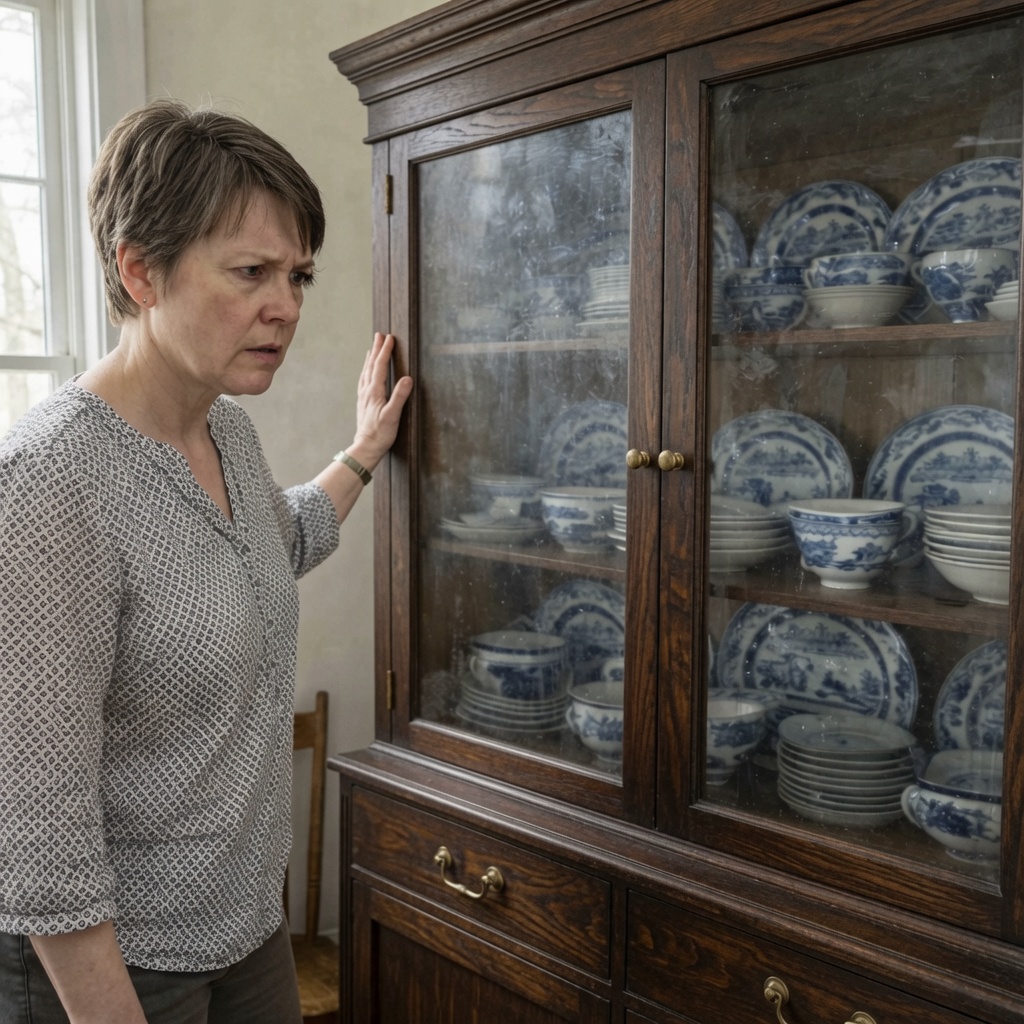
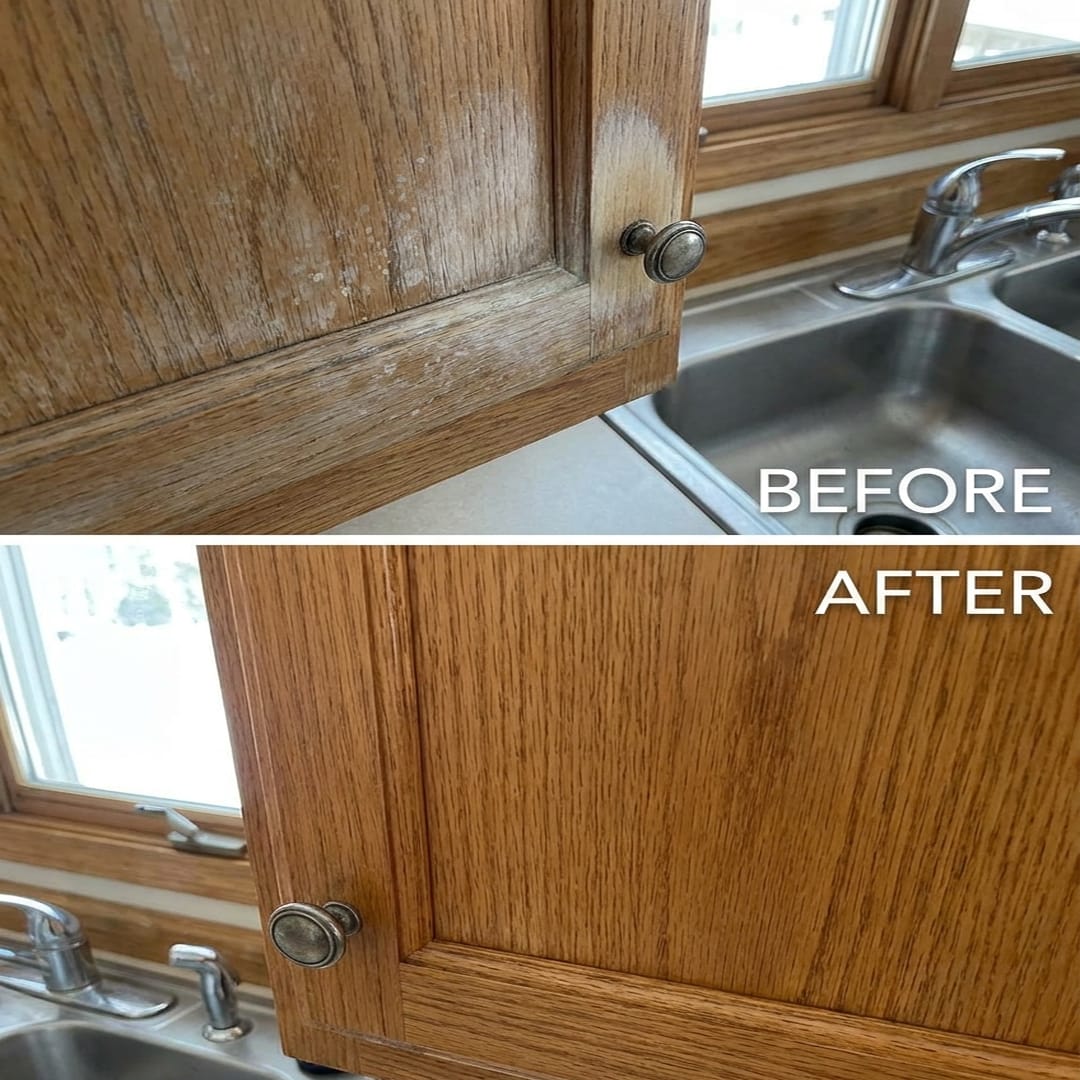
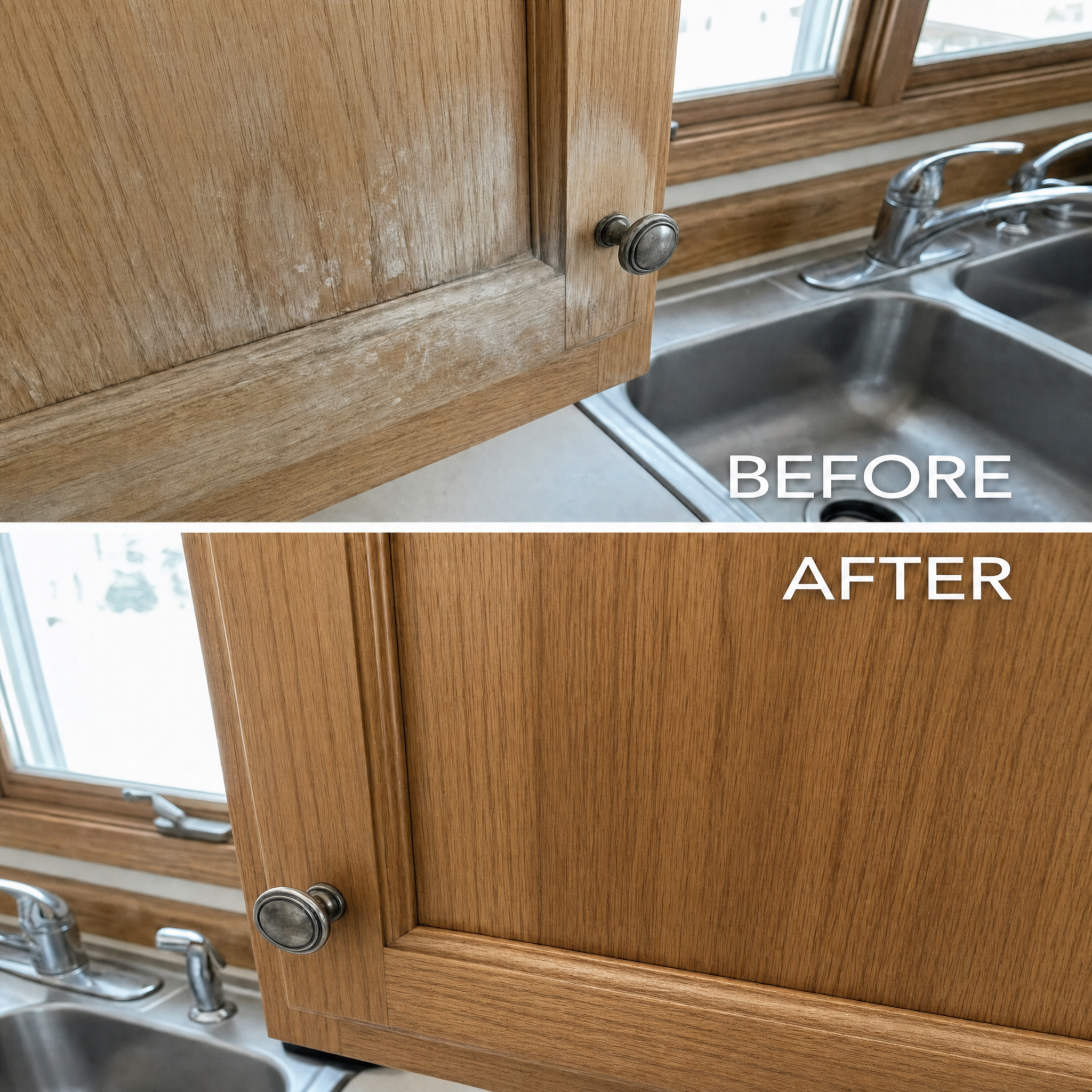
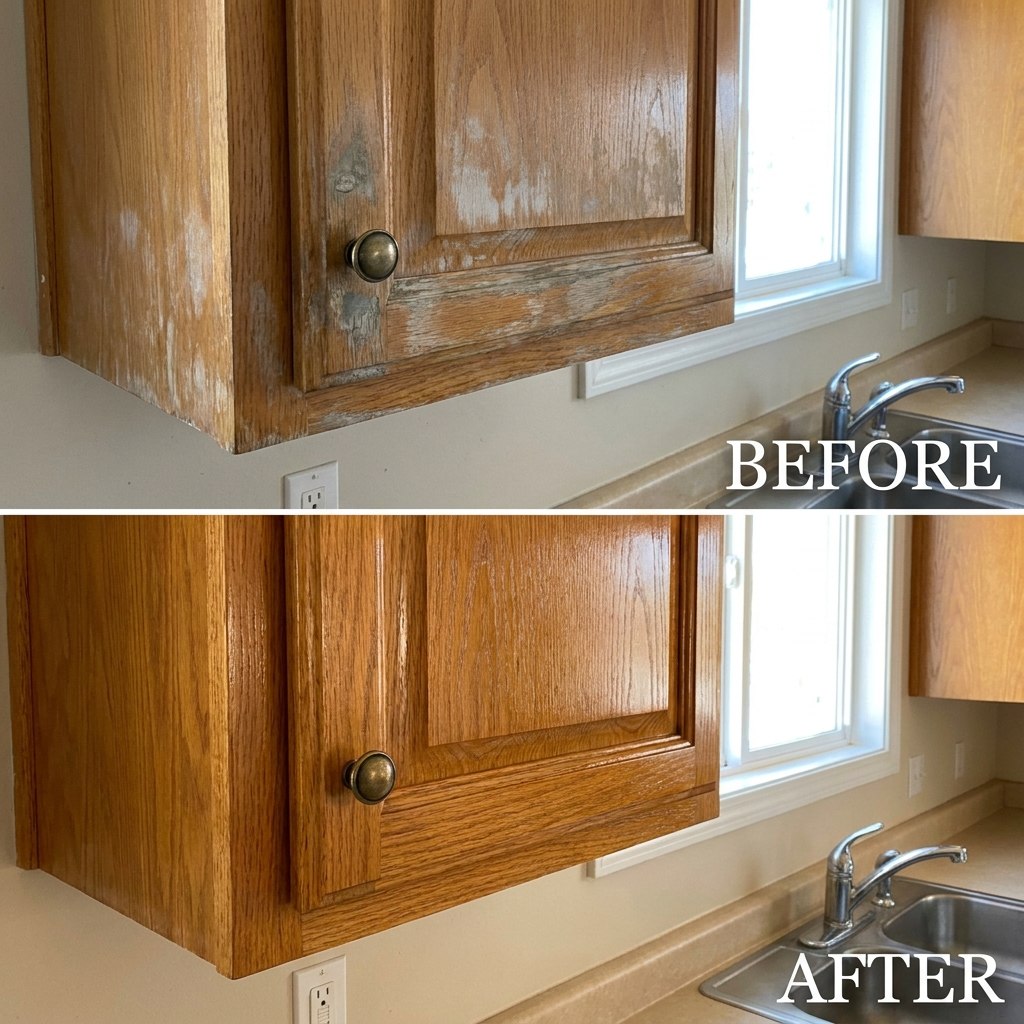
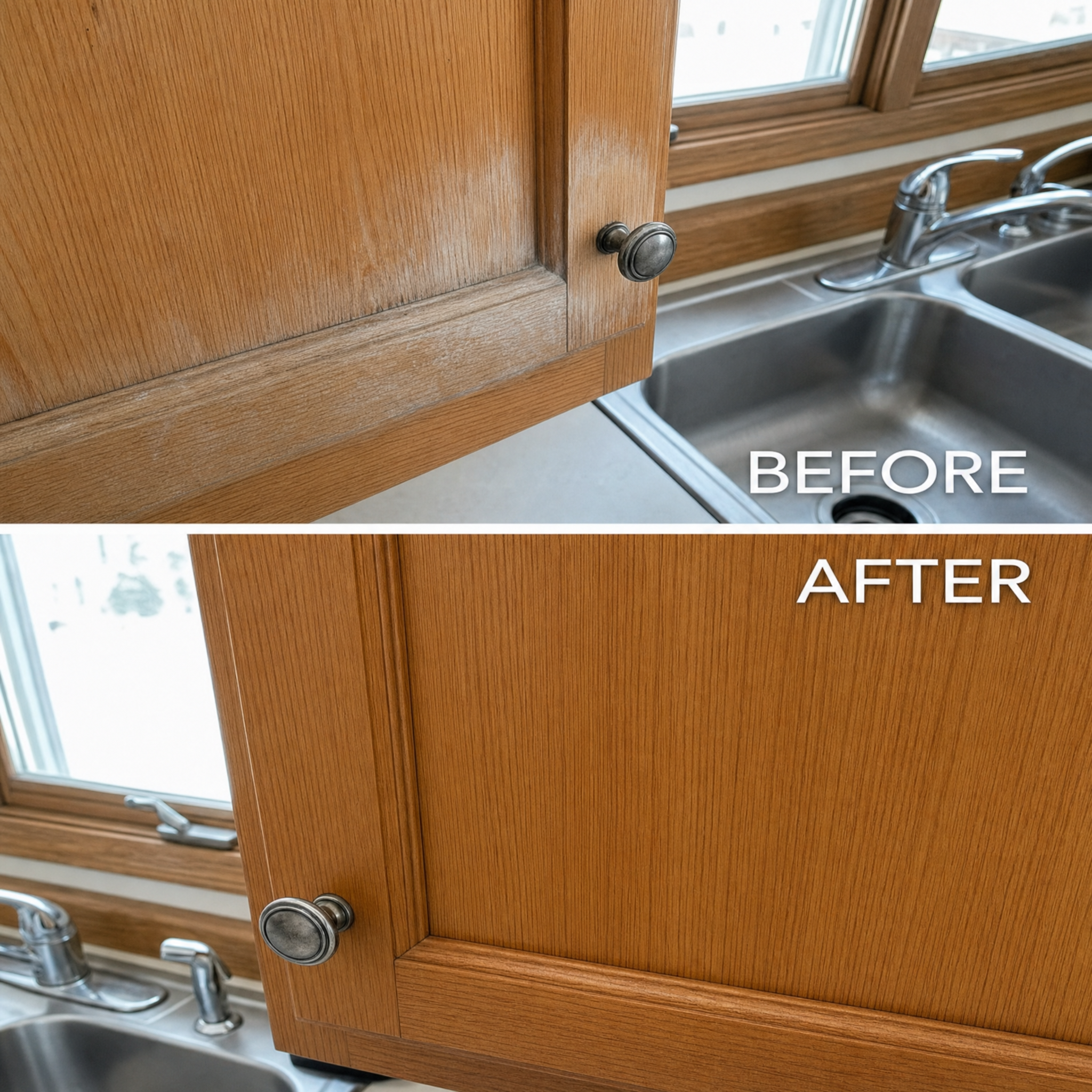
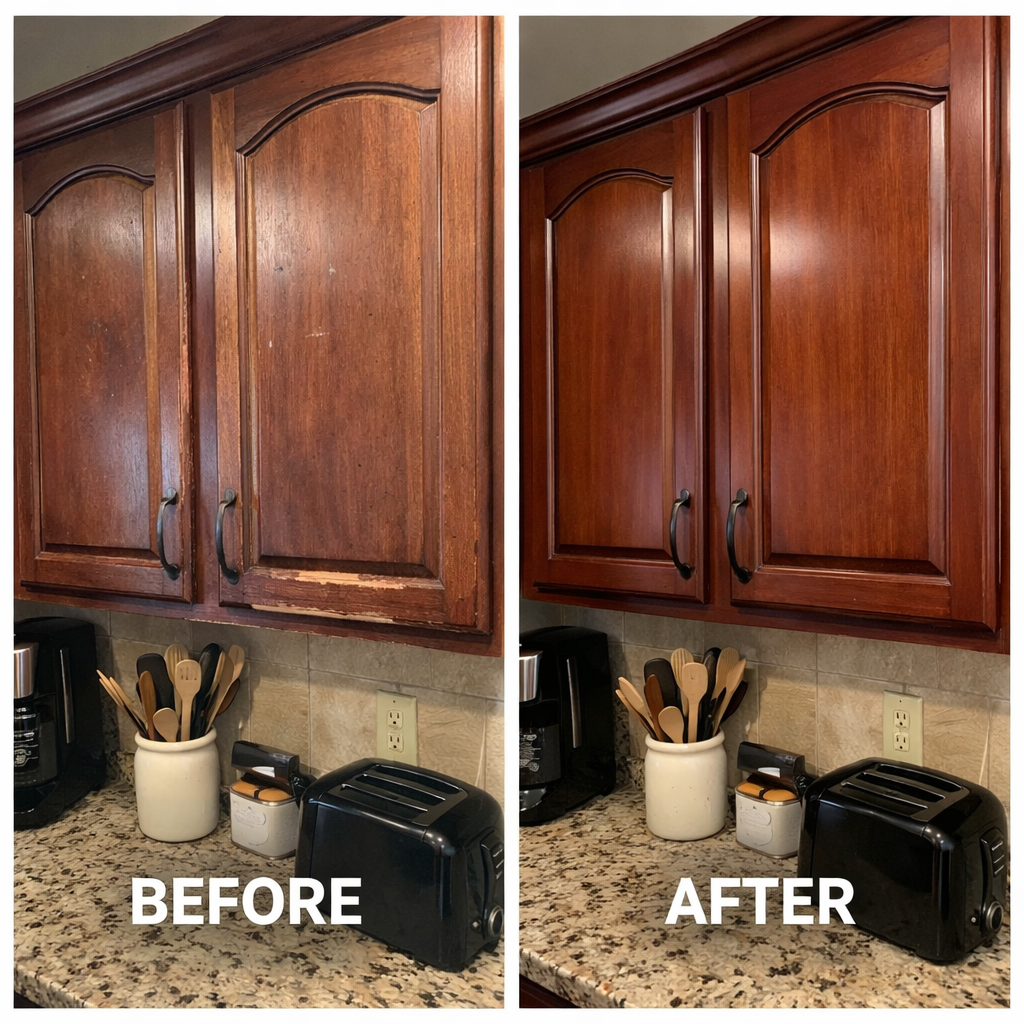
Last month I walked away from a ninety-two-hundred-dollar job on purpose. The homeowner had the financing approved. Twenty-year-old oak cabinets, worn pale at every handle, the door by the sink gone cloudy. She was ready to sign. I told her to put the checkbook away. I've spent twenty-two years refinishing kitchen cabinets, and I turn down more work than I take, because most of the kitchens people call me to reface for nine thousand dollars do not need it. They need a thirty-nine-dollar jar and an afternoon. Her cabinets weren't broken. They were starved, by five things she'd been doing to them for years, thinking she was taking care of them. The same five things almost everyone does. I'll bet you've done at least three of them. Keep count as you read. Because here's what I told her, standing in front of that cloudy door. The wood is perfect. It's the finish that's dead, and you killed it yourself, without ever knowing you were doing it. Before you spend a fortune replacing cabinets that aren't broken, let me tell you what's actually happening, and then let me name the five things. Keep count, but don't keep score against yourself. In twenty-two years I have never walked into a kitchen where the owner had done fewer than three. These were people who loved their kitchens. The products are built to fail. You weren't. First, what's actually wrong. The finish on your cabinets is two things. A hard layer of resin, the armor, the part that takes the bumps and the grease and the heat. And an oil worked down into that resin that keeps the armor flexible instead of brittle. The oil dries out. And in a kitchen it dries out faster than anywhere else in the house, because of the heat off the stove, the steam, and every single thing you have ever cleaned them with. Once the oil is gone, the resin goes brittle and cracks, in thousands of places too small to see. That worn, pale halo around your handles is not the wood wearing away. It's the brittle finish cracking and failing first where your hand touches it most. The cloudy patch by the sink is moisture sitting in those cracks. The grey, tired look across all the doors is not grime, it's the cracked finish scattering the light. The damage is the symptom. The dried-out, dead finish is the condition. Hold onto that, because every one of these five mistakes explains itself once you understand it. Here they are. Mistake #1: Pledge, and every other spray polish. You sprayed it on to make them shine, probably every week, because that's what you do for something you care about. But Pledge isn't a polish, it's a solvent with silicone in it. The solvent strips the oil out of the finish a little more every time, in trade for a few days of shine, and the silicone soaks in and makes the surface sticky and streaky over time. The shine you were chasing was the oil leaving. That's one. Mistake #2: Scrubbing the worn spots. The Magic Eraser, the baking-soda paste, the rough side of the sponge. When the finish started wearing pale around the handles, you went at the spot to clean it up, with whatever scrubbed hardest. A Magic Eraser. A paste of baking soda. The green side of the sponge. Every one of those is a fine abrasive. They are sandpaper. So you were sanding the most fragile, most worn part of an already-brittle finish, which strips it toward bare wood faster and makes the pale halo bigger. The spot that bothered you most is the spot you were grinding away. That's two. Mistake #3: Murphy's Oil Soap, and the degreasers. This one feels the most unfair, because it has the word oil right in the name, and because cleaning a greasy kitchen is the responsible thing to do. But anything strong enough to cut kitchen grease also cuts the oil out of your finish. Every deep-clean with a degreaser, every wipe-down with Murphy's, pulled a little more life out of the wood. You were keeping your kitchen clean, and the cleaning was the thing taking it apart. That's three. And if you've done three, don't feel singled out. Almost everyone whose kitchen I walk into has, which is exactly why I'm comfortable making the bet. Mistake #4: Howard's Restor-A-Finish, Feed-N-Wax, the orange-oil products. Eventually you went looking for something to fix it, and the hardware store had a whole shelf of products that promised to restore. For about a week they look wonderful. Then the finish goes dull again, or worse, it goes tacky, because none of them put real oil back into the wood, they just lay a coat on top of a finish that's already dead and let it wear off. You weren't restoring anything. You were shining a corpse and watching it fade. That's four. Mistake #5: Deciding to repaint, reface, or replace. This is the big one, and it's the one I get paid to do, which is exactly why you should trust me when I tell you not to. By the time people call me, they've decided the cabinets are beyond saving and the only answer is five, nine, fifteen thousand dollars to repaint or reface or tear them out. And almost every time, the cabinets are solid wood in perfect structural shape, with nothing wrong but a dead finish that costs thirty-nine dollars to bring back. You were about to replace a kitchen that isn't broken. That's five. Count them up. If you've done three, I was right. If you've done four, I was right. If you've done all five and the reface quote is sitting on your counter right now, then I'm especially glad you're reading this before you signed it. And before you argue, go open the cabinet under your sink and count the bottles in there. The Pledge. The Murphy's. The Howard's in the wrong shade. Then run your thumb along the worn spot beside the handle you touch most, and look at the cloudy door next to the sink. That's the whole story, right there in your own kitchen. Now here's the part I want you to hear, because I watch people carry it like a failure. It is not a failure, and it is not neglect. It's the opposite. You cleaned and polished and cared for the busiest room in your house, faithfully, for years. The cruel part is that the caring is what did it. The cleaning aisle sold you cleaning, when what your cabinets actually needed was feeding, and nobody ever told you there was a difference. You did everything right according to everyone who was ever going to tell you anything. They were all wrong. The thing that actually works is the thing none of those products would ever be, because there's no money in it. Real plant oil to feed the brittle finish until it goes flexible again, sealed with beeswax so the oil can't dry back out. Feed it, then seal it. Your cabinets aren't damaged. They're starved. Let me show you what that looks like, because I know you've stopped believing in before-and-afters. Last month I got called to reface a kitchen for ninety-two hundred dollars. Twenty-year-old oak, worn pale at every handle, the door by the sink gone cloudy. The owner had the financing approved. I asked her to give me one door before she signed anything. I put a little of this on the worst one, the cloudy one by the sink, while she watched. Rubbed it in, let it sit a couple of minutes, buffed it off. The cloudiness was gone and the oak underneath came back warm and deep. She didn't believe it, and she told me why: she'd used Howard's and it looked good for a week too. So I told her to leave it, and check it in the morning under that hard light over the sink, the light that had shown her every flaw for years. She texted me two days later. It had held, dry, under the worst light in the kitchen. She cancelled the reface and did the rest of the cabinets herself over a weekend. Your cabinets are the same as hers were. Solid wood, nothing actually wrong with them, hiding under a dead finish that a thirty-nine-dollar jar brings back. I lost a ninety-two-hundred-dollar job that day, and I'd do it again, because I'd rather tell you the truth than take your money for a kitchen that wasn't broken. And I already know the question, because everyone asks it before they'll try anything new on cabinets they're afraid of ruining further. Can it make them worse? No. It's plant oil and beeswax. No solvent, no silicone, no degreaser, nothing to sand. The worst thing that can happen is you wipe a little wax off with a cloth. After everything else you've put on them, that's the part I'd want to hear too. Do one cabinet first. The worst one, the cloudy door by the sink. Watch what happens to it, and then decide whether to believe a word I've said before you go anywhere near a reface quote. The jar I use in other people's kitchens is below. I don't make a cent telling you about it. I just got tired of walking into kitchens to deliver a nine-thousand-dollar number when a thirty-nine-dollar one was the honest answer. 👇 Start with your worst cabinet, the one by the sink. Keep counting how many of the five you've done while you wait for it to arrive. https://getluxgrove.com/pages/kitchen-cabinets-back-to-life
Why the cloudy cabinet door next to your sink isn't dirty (and what it actually is)
Luxgrove
LEARN MORELike this ad? Make it yours.
Crush rebuilds this exact creative around your product — your brand, your colors, your offer — in about a minute.