
Inactive· since Mar 27, 2026
- 40
- days it ran
- 0
- relaunches
Ad copy
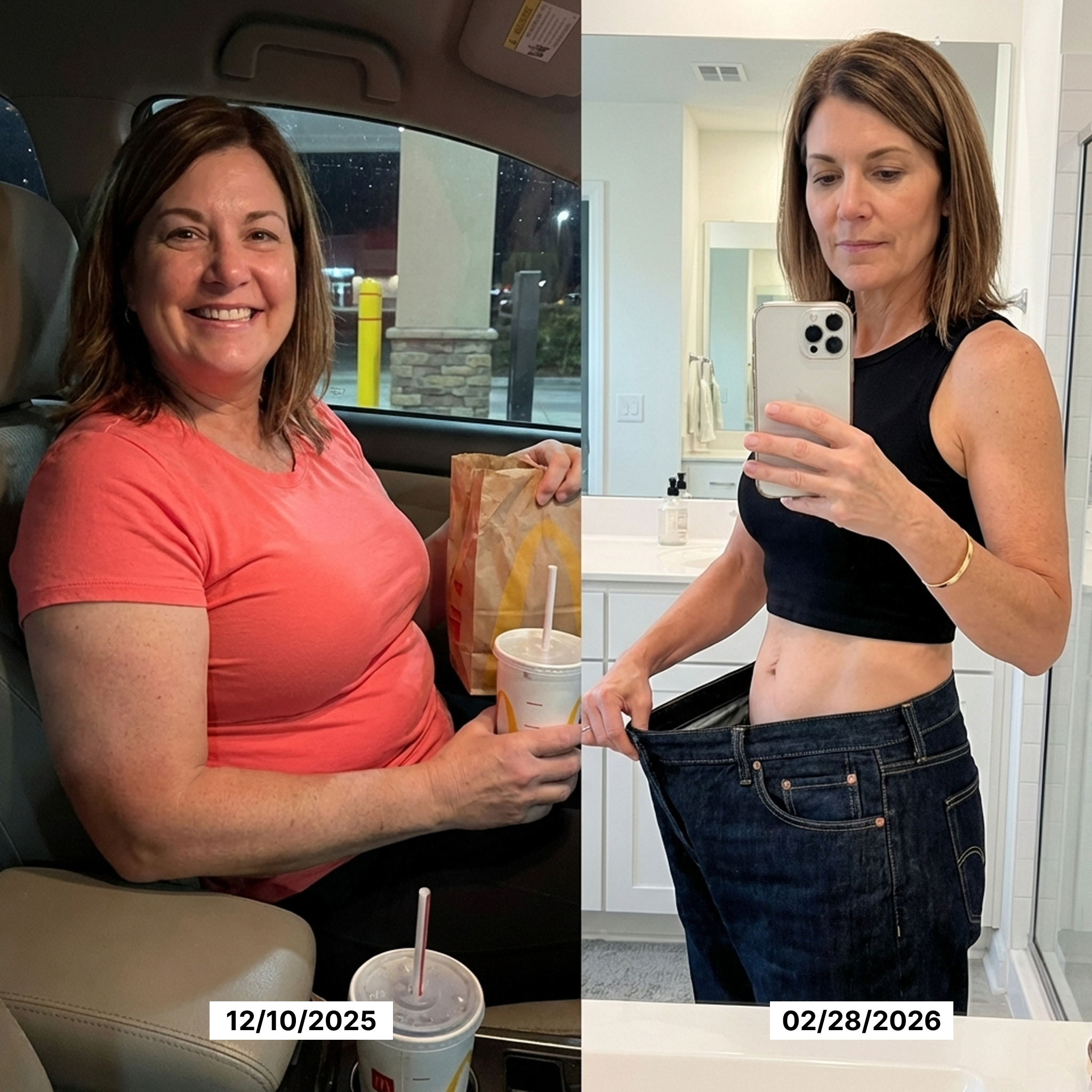
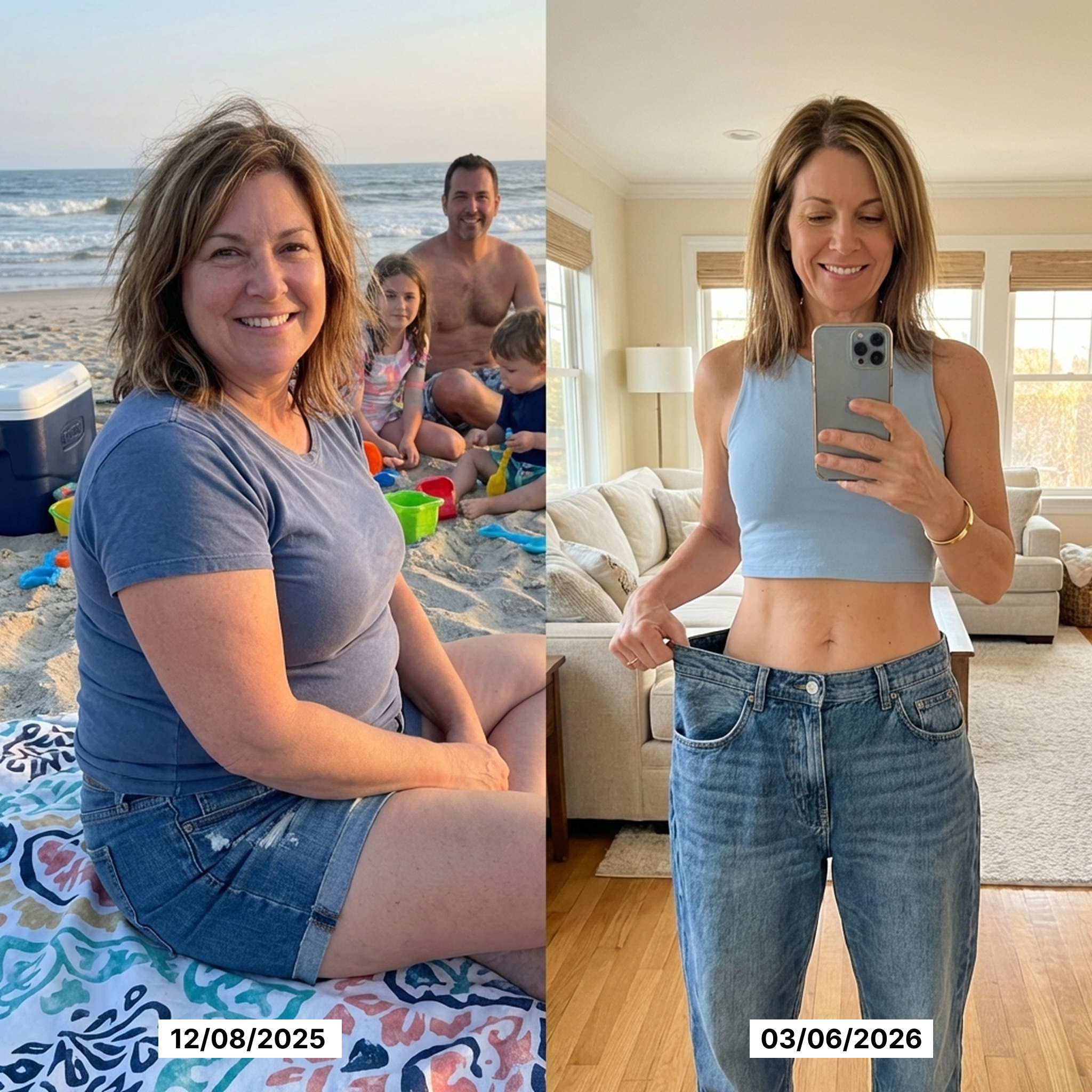
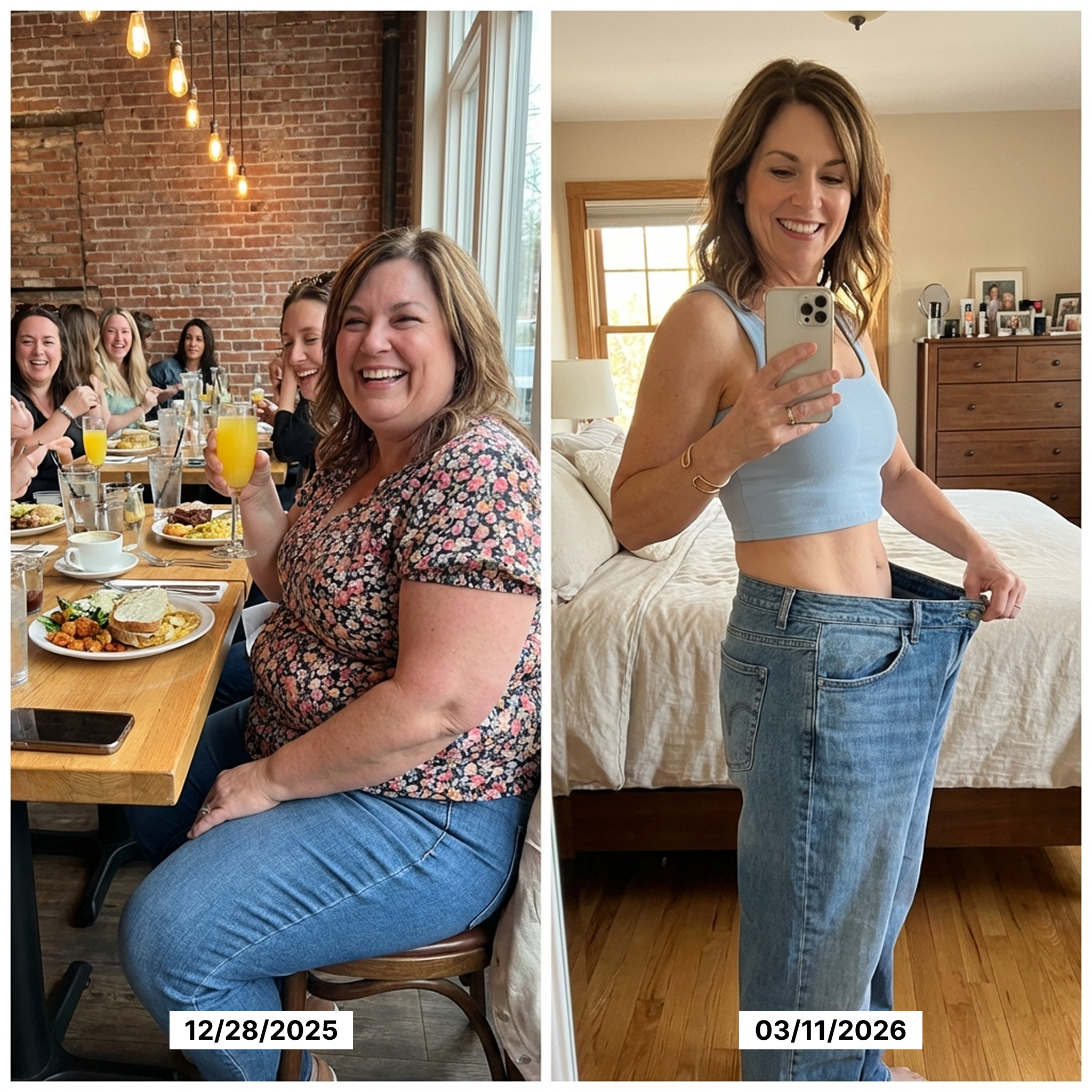
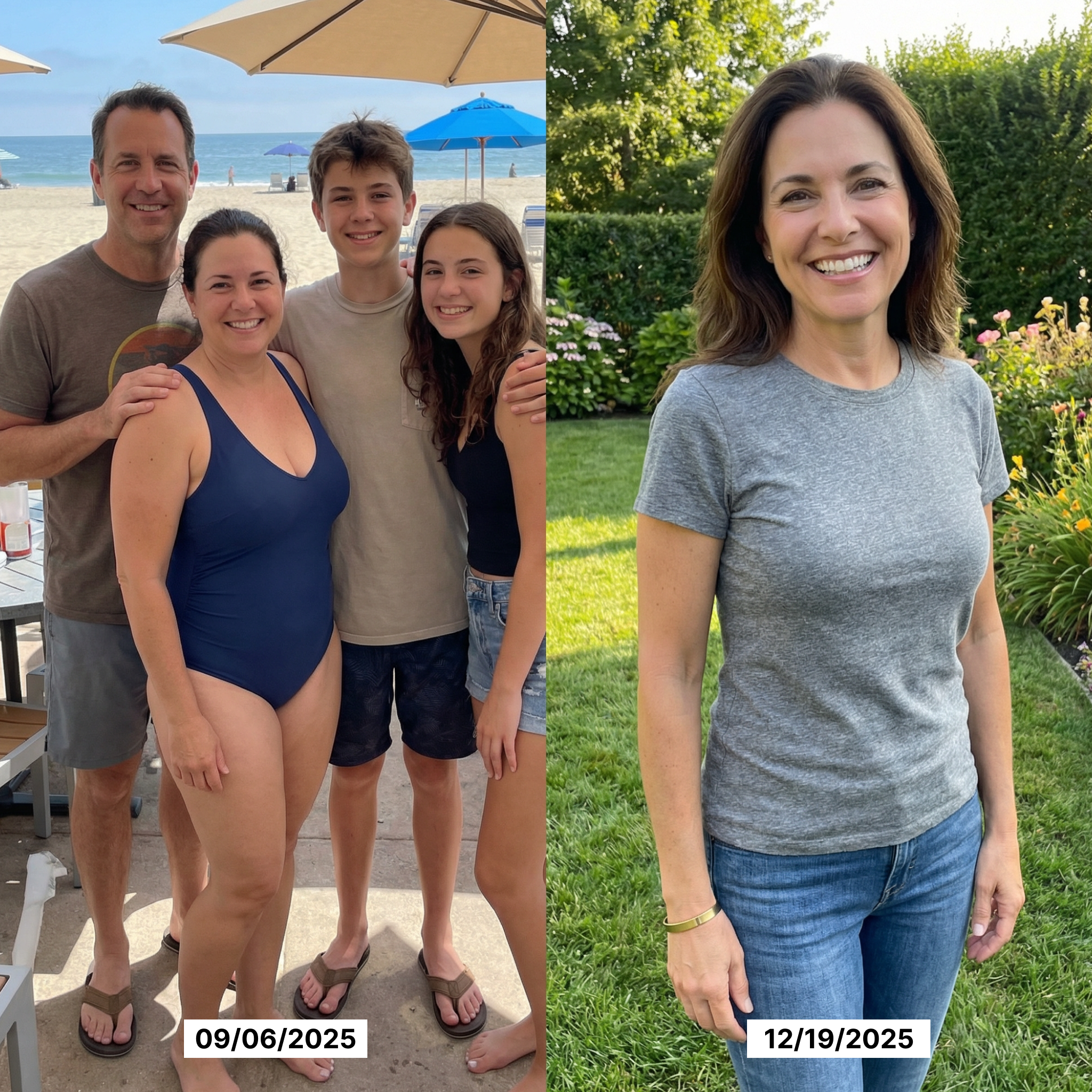
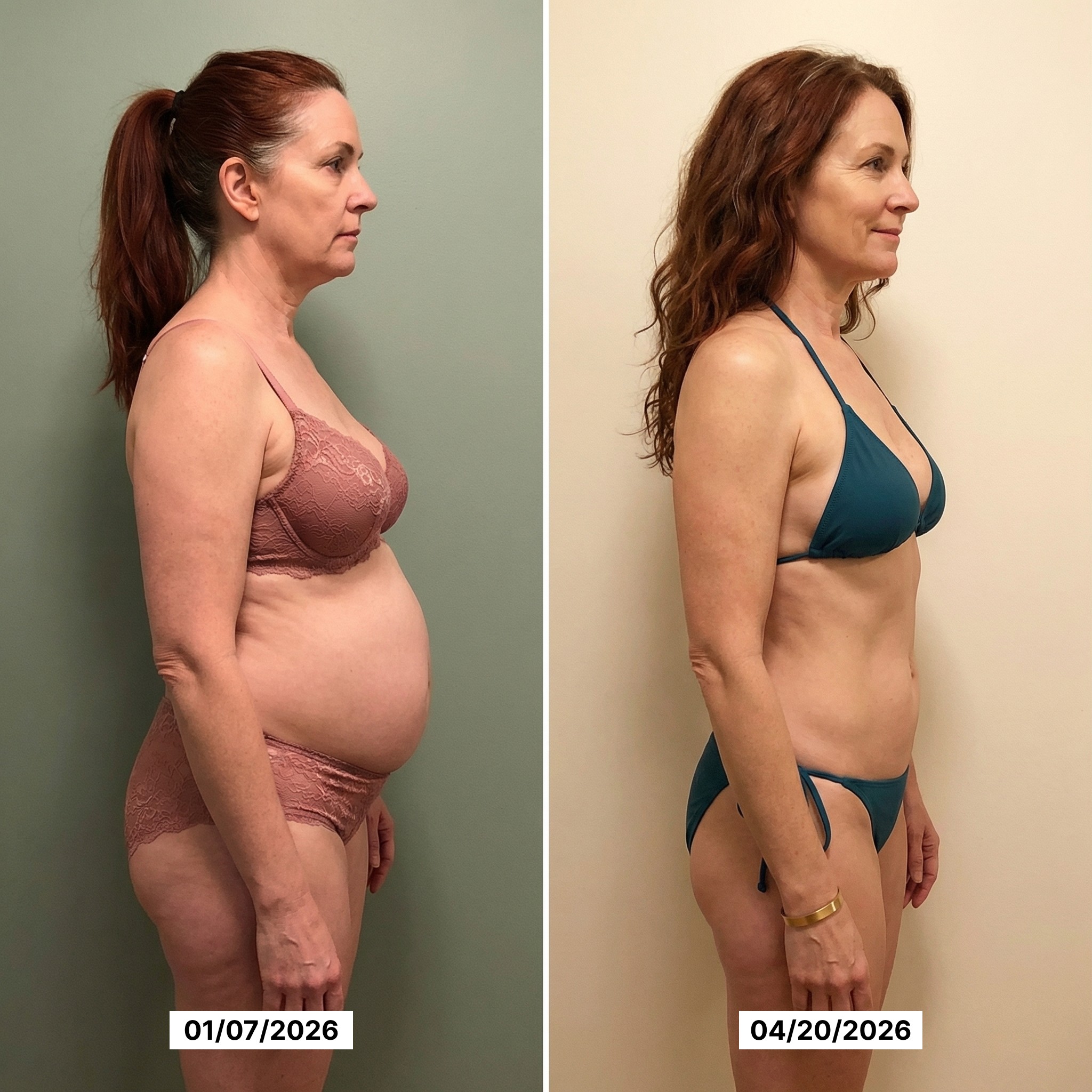
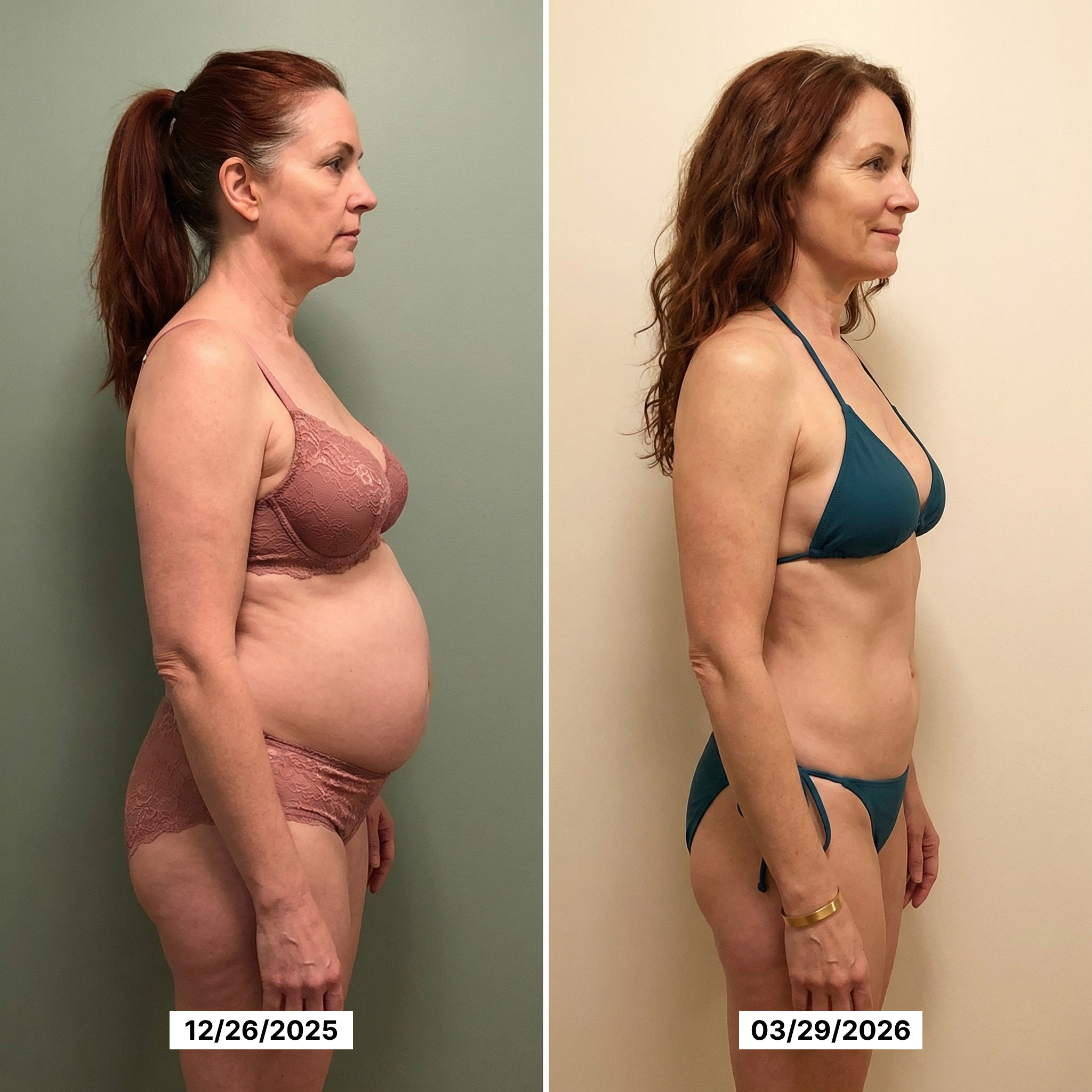
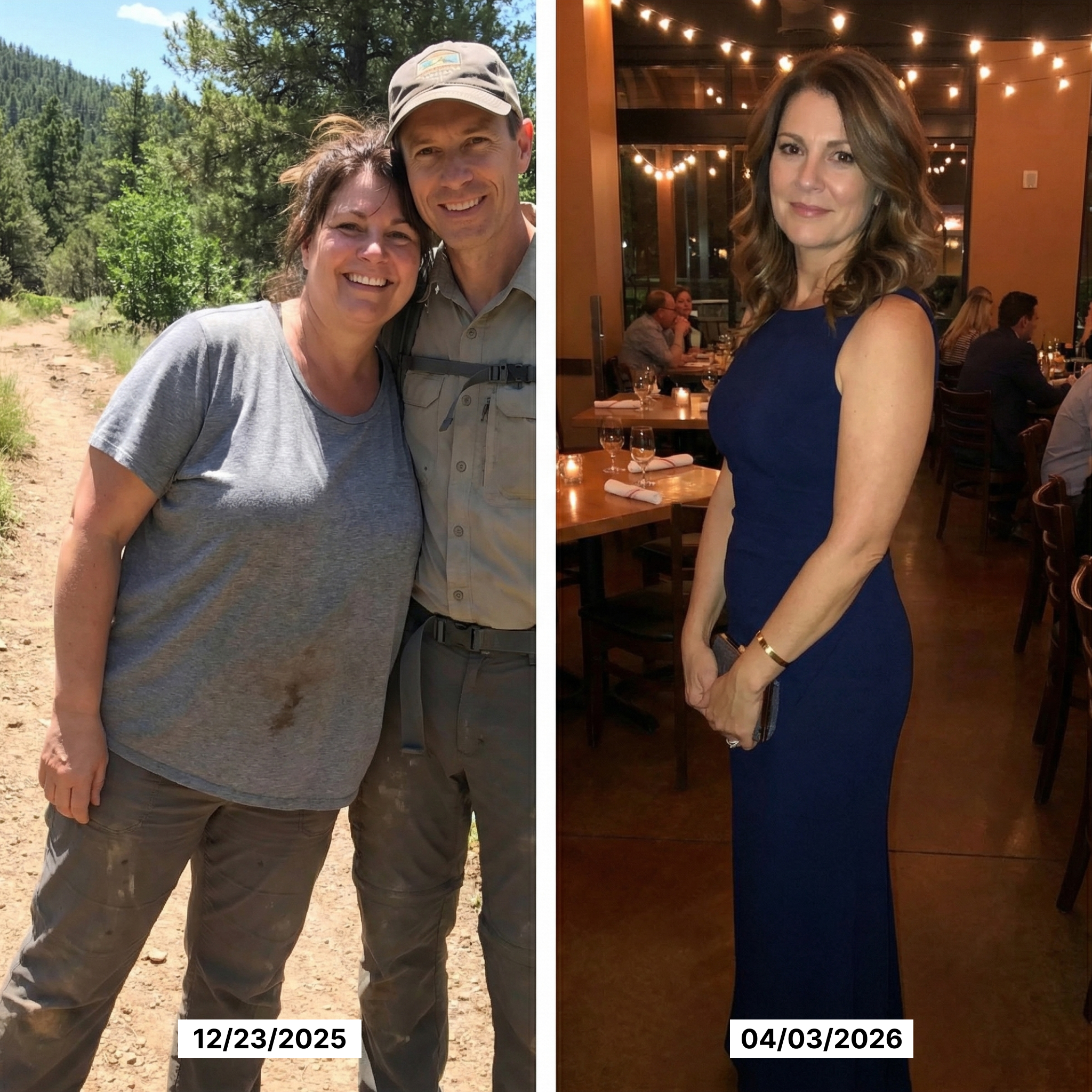
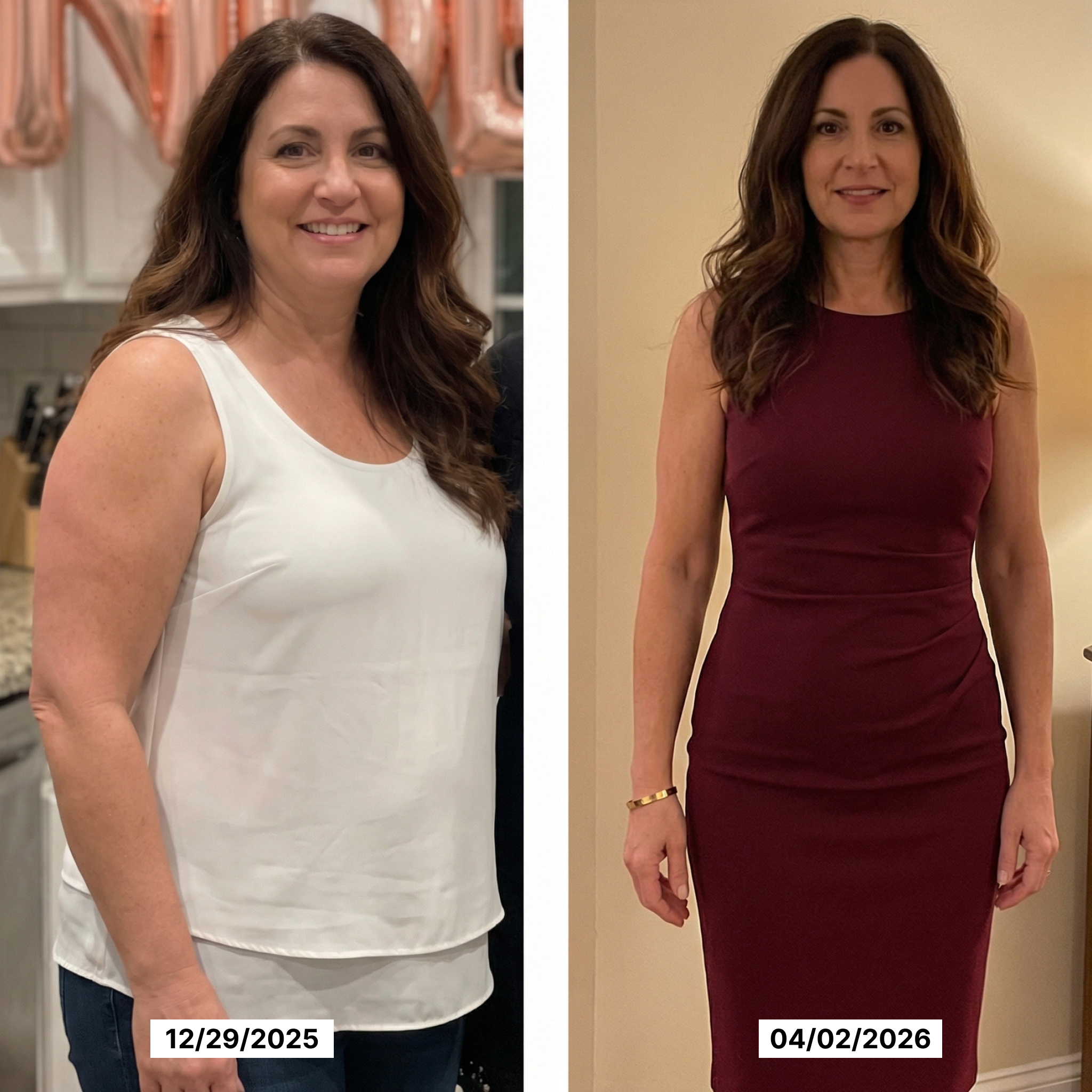
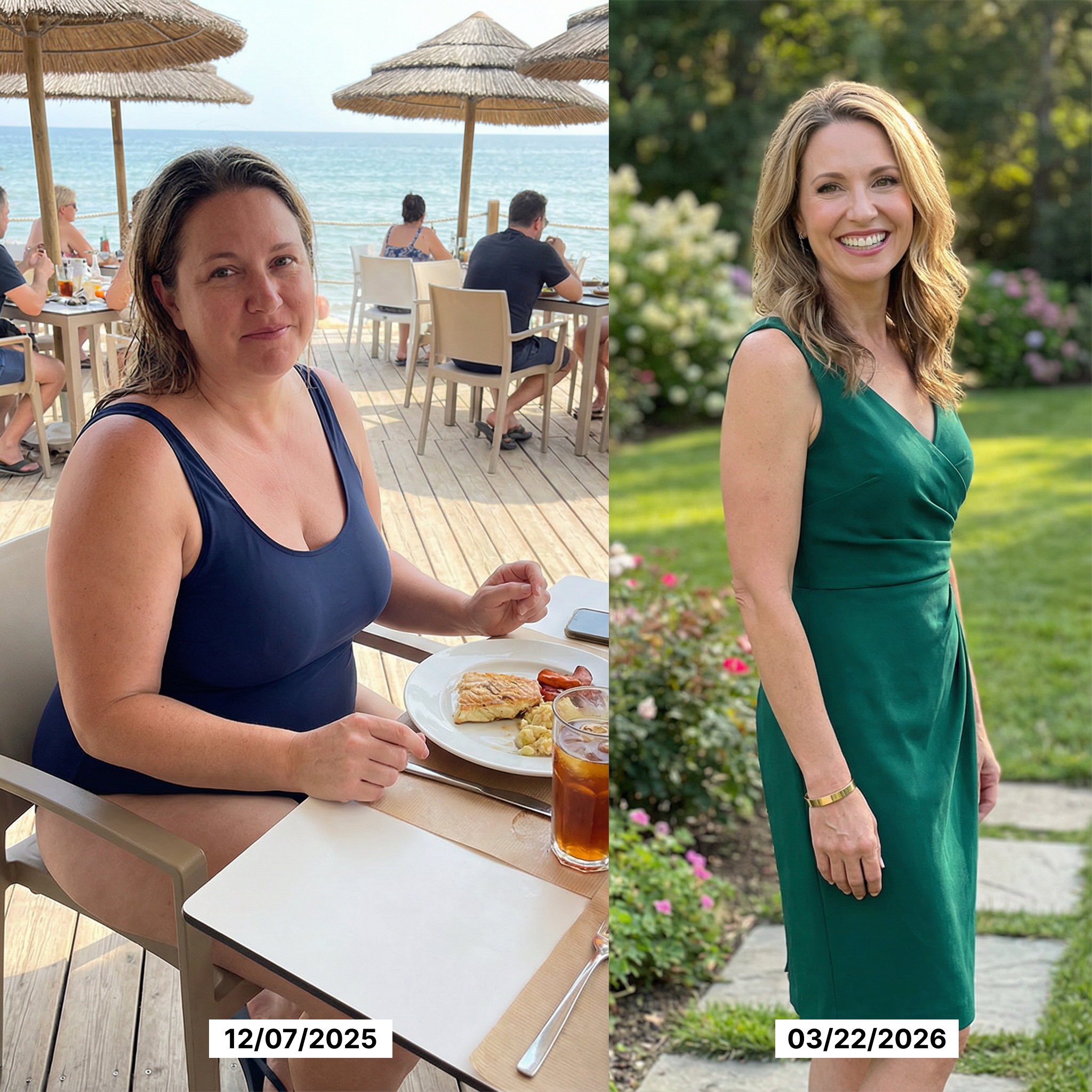
My cardiologist ordered an emergency CT scan because my visceral fat had dropped 47 percent in four months. She thought something was wrong with my organs. I'm 56. I lost 34 pounds off my meno belly. Nothing was wrong. Everything was finally right. I'm a cardiac stress test technician. I've run diagnostic treadmill protocols in a cardiology practice for 13 years. Dr. Annette Clayborne has managed my familial hyperlipidemia and metabolic syndrome for five years. She tracks every number. She knows my cardiovascular risk profile down to the decimal. At my quarterly check, she ran a routine abdominal ultrasound to assess visceral fat distribution. She stopped mid-scan. Repositioned the probe. Called in her colleague. "I'm ordering a CT. Your visceral fat index has dropped 47 percent since your last scan. That kind of reduction doesn't happen without bariatric intervention or an underlying pathology." I sat up on the table. "I haven't had any procedures. I feel better than I have in years." She pulled my file on the screen. "Four months ago your visceral fat measured 174 cm2. Today I'm reading 92 cm2. I need to rule out organ involvement before I accept this number." The CT came back clean. No masses. No organ abnormalities. Just a 47 percent visceral fat reduction that she couldn't explain. The Meno Belly That Was Killing Me I run cardiac stress tests on patients five days a week. I strap electrodes to their chests, push them to peak exertion, and watch their hearts respond in real time. I've done this for 13 years. You pick up things in that room that no textbook covers. You learn that the patients who collapse earliest, the ones whose ST segments crater before they hit stage two of the Bruce protocol, almost always carry their weight in the same place. The belly. Not the hips. Not the thighs. The midsection. Visceral fat pressing on organs, flooding the bloodstream with inflammatory markers, strangling cardiac output before the treadmill even ramps up. And starting at 49, I watched that same pattern take hold in my own body. From 49 to 56, I gained 34 pounds. All of it packed into my abdomen. My waist went from 29 inches to 39 inches. My scrub tops rode up. My lower back ached from the forward pull. I started dreading the moment I had to bend over to place ankle electrodes on my own patients. Every morning I walked into that stress lab and ran protocols on women who looked exactly like me. Same age. Same belly. Same visceral fat pattern. And I already knew what their results would show. The Labs That Kept Me Awake My last complete workup before the bracelet: Visceral fat: 174 cm2 (high risk is >100 cm2) Waist-to-hip ratio: 0.93 (high risk is >0.85) Fasting glucose: 114 (prediabetic) Triglycerides: 208 (elevated) Blood pressure: 138/90 (stage 2 hypertension) Resting cortisol: 24.8 mcg/dL (elevated) My mother died of a stroke at 60. She'd carried all her weight in her belly for the last decade of her life. My aunt had a massive heart attack at 63. Same body type. Same central obesity. I could read those labs the same way I read my patients' results every morning. The visceral fat alone put me in a category where I wouldn't clear my own stress test protocol. The Stress Lab Teaches You How People Die Thirteen years running cardiac diagnostics, and you build a catalog of outcomes you can't forget: 51-year-old woman, visceral obesity, ST depression at two minutes, emergency cath revealed triple-vessel disease. Bypass within 48 hours. 55-year-old man, normal everywhere except the belly, exercise-induced ventricular tachycardia on the treadmill. Coded in the stress lab. We got him back. Barely. 59-year-old teacher, metabolic syndrome, failed her stress test so badly we stopped the protocol early. Died of a pulmonary embolism three weeks later. Every one of them carried their danger in the same place I was carrying mine. That hard, distended belly packed with visceral fat. I'd disconnect their leads, file the tracings, and go home knowing my abdomen looked the same as theirs. That's the part of this job nobody prepares you for. You don't just test hearts. You preview outcomes. And I was previewing my own. The $3,840 I Spent Fighting What I Already Understood I tried everything a cardiac professional would try: Cardiac rehab visceral fat reduction program ($1,300 for 16 weeks) that helped marginally but didn't eliminate the risk. Prescription omega-3 concentrate and berberine protocol ($620 over 6 months) that nudged my triglycerides down but didn't touch the visceral fat. Anti-inflammatory nutrition coaching with customized meal plans ($1,280 for 14 weeks) built around visceral fat reduction. Supervised resistance and interval conditioning ($640 for 24 sessions) targeting abdominal fat mobilization. My waist went from 39 inches to 37.5 inches. Visceral fat from 174 to 161 cm2. Movement in the right direction, but still deep in the danger zone. Dr. Clayborne laid it out at my next appointment: we start medication, or we accept the trajectory. What I Learned From a Patient Who Should Have Been Dead Then Margaret Solis changed everything. 64 years old, referred by her primary care physician for a pre-surgical cardiac clearance. She needed a hip replacement, and her chart flagged metabolic syndrome, visceral obesity, and a resting blood pressure of 155/94. I expected a disaster on the treadmill. Patients with her profile almost never make it past stage two. She made it to stage three. Heart rate recovery was excellent. ST segments stayed clean. I checked the equipment twice. During cooldown, I told her: "Your results are unusually good for your risk profile. Have you changed anything recently?" She smiled. "My goddaughter is a licensed acupuncturist in Colorado Springs. She gave me a bracelet about eight months ago. I didn't think much of it. But my doctor noticed my belly was shrinking before I did." I pulled up her chart history. Eight months earlier, her visceral fat had been 168 cm2. Her latest reading: 94 cm2. A 44 percent reduction. No medication changes. No surgical intervention. "How much was the bracelet?" "Sixty-five dollars. I've spent more on a single co-pay for a cardiology referral that told me to lose weight." My 16-Week Transformation As a cardiac stress test technician trained in cardiovascular diagnostics, I documented everything: Week 1-4: Sleep deeper than I'd had in years. Morning abdominal tightness started to melt away. Pants buttoning without the exhale-and-pull routine. Waist: 36 inches. Week 5-8: Post-meal belly distension gone. The stiffness in my hips and lower back faded. Lost 12 pounds. Waist: 34 inches. Week 9-12: Belly visibly smaller. Could bend to place ankle electrodes without my scrub top riding up. Lost 12 pounds. Waist: 31.5 inches. Week 13-16: Abdomen soft instead of hard and distended. Could run a full shift without lower back fatigue. Lost 10 pounds. Waist: 29.5 inches. Total: 34 pounds lost. 9.5 inches off my waist. That's when Dr. Clayborne ordered the CT scan that started this story. The Scan That Proved Everything When I showed Dr. Clayborne the bracelet, she examined it for a long time without speaking. "Walk me through what you think is happening." I explained: "Chronic stress keeps the autonomic nervous system in sympathetic overdrive. Elevated cortisol drives visceral fat storage around organs. When you regulate the nervous system, cortisol normalizes. The body releases the stored visceral fat." She pulled up my CT results. Visceral fat: 92 cm2. Down from 174 cm2. A 47 percent reduction. Back within acceptable range. She set the bracelet down on her desk. Then: "Marlene, I ordered that CT because I thought something was wrong with your organs. Instead you've reversed a metabolic profile I was about to medicate. Without a single prescription." She pulled up my updated labs: Fasting glucose: 114 -> 86 Triglycerides: 208 -> 128 Blood pressure: 138/90 -> 118/74 Waist-to-hip ratio: 0.93 -> 0.78 Resting cortisol: 24.8 -> 13.2 mcg/dL "You addressed the cortisol driving the visceral fat. That's why every other marker followed." Eight Weeks Later Dr. Clayborne now recommends it to patients with elevated visceral fat before adding statin or metformin therapy. Seven patients have seen 28-48% visceral fat reductions in 14-22 weeks. I've recommended it to five stress lab and cardiology colleagues with meno belly. Four are seeing measurable waist reduction and improved lipid panels. Last month, Dr. Clayborne presented my case at the regional Society of Cardiovascular Patient Care conference: "Autonomic Nervous System Regulation as an Adjunct Strategy for Visceral Fat Reduction in Menopausal Women." The Professional Truth Here's what 13 years running cardiac stress tests taught me: You can't crunch away visceral fat. You can't diet away belly fat driven by chronic cortisol. We can medicate metabolic syndrome, metformin, statins, GLP-1s. But if chronic stress is driving visceral fat accumulation, we're treating symptoms. For most menopausal women, the dangerous belly fat is a problem of a dysregulated nervous system pumping cortisol 24/7. That cortisol drives fat straight to your abdomen, around your organs, creating cardiac risk. Fix the nervous system. The belly fat releases. For me and my patients, that started with a $65 bracelet that did what no stress test or metabolic prescription had: calmed the stress response driving the visceral fat. I'm still a cardiac stress test technician. I still watch visceral obesity predict the worst outcomes on every treadmill. But now I understand: you can't out-medicate a stress-driven meno belly. 👉 If you have visceral belly fat that won't respond to diet or exercise, if you want to address the cortisol driving dangerous fat accumulation... Click below to discover the Kalm Bracelet. Just $64.90 at the official store. Wear it consistently and measure your waist every 2 weeks for 16 weeks. https://mykalm.co/original-bracelet
Reduces menopause symptoms naturally
Don't miss out! Get TWO original Kalm Bracelet for the price of ONE. These are our largest discounts of the year. and supplies are running low. Secure yours now while they last!
LEARN MORELike this ad? Make it yours.
Crush rebuilds this exact creative around your product — your brand, your colors, your offer — in about a minute.