Alexander Throne
Alexander Throne Facebook ad: “Read this if you have an RV”
Ran for 13 days, from July 4 to July 17, 2026, the last day Crush saw it.
Run by Alexander Throne on Facebook. Crush is not the advertiser and does not verify its claims. See this ad in Meta's Ad Library(opens in a new tab)
Want an ad like this for your product?
Crush makes new ad images for your product from this ad: your logo, your product photo, your offer.
Trials from $19.95 USD, then $79.95 USD a month. Cancel anytime.
About this ad
- Meta Ad Library ID
- 1653539599044669
- Platforms
- Facebook, Instagram, Audience Network, Messenger and Threads
- Relaunches
- 0
Ad text
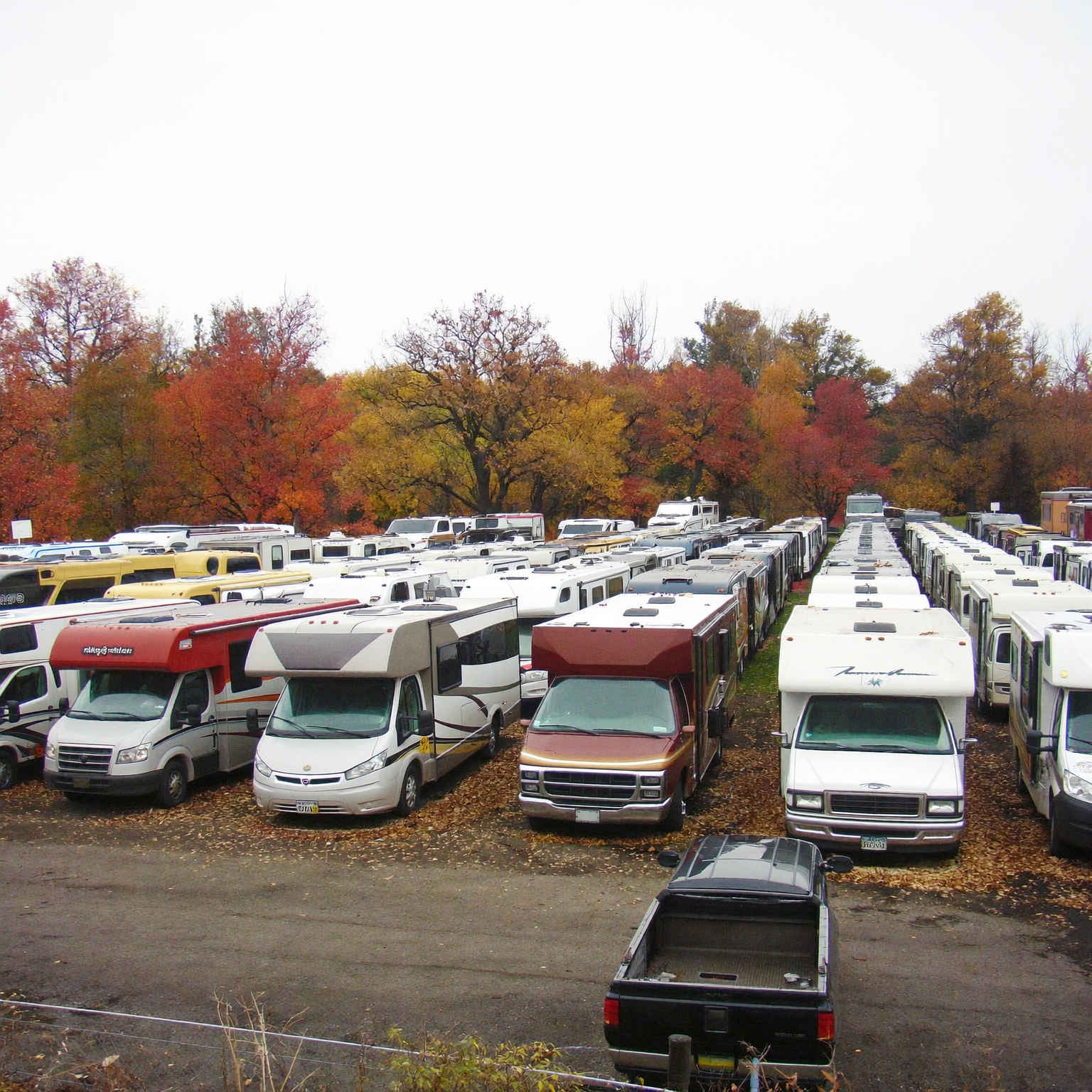
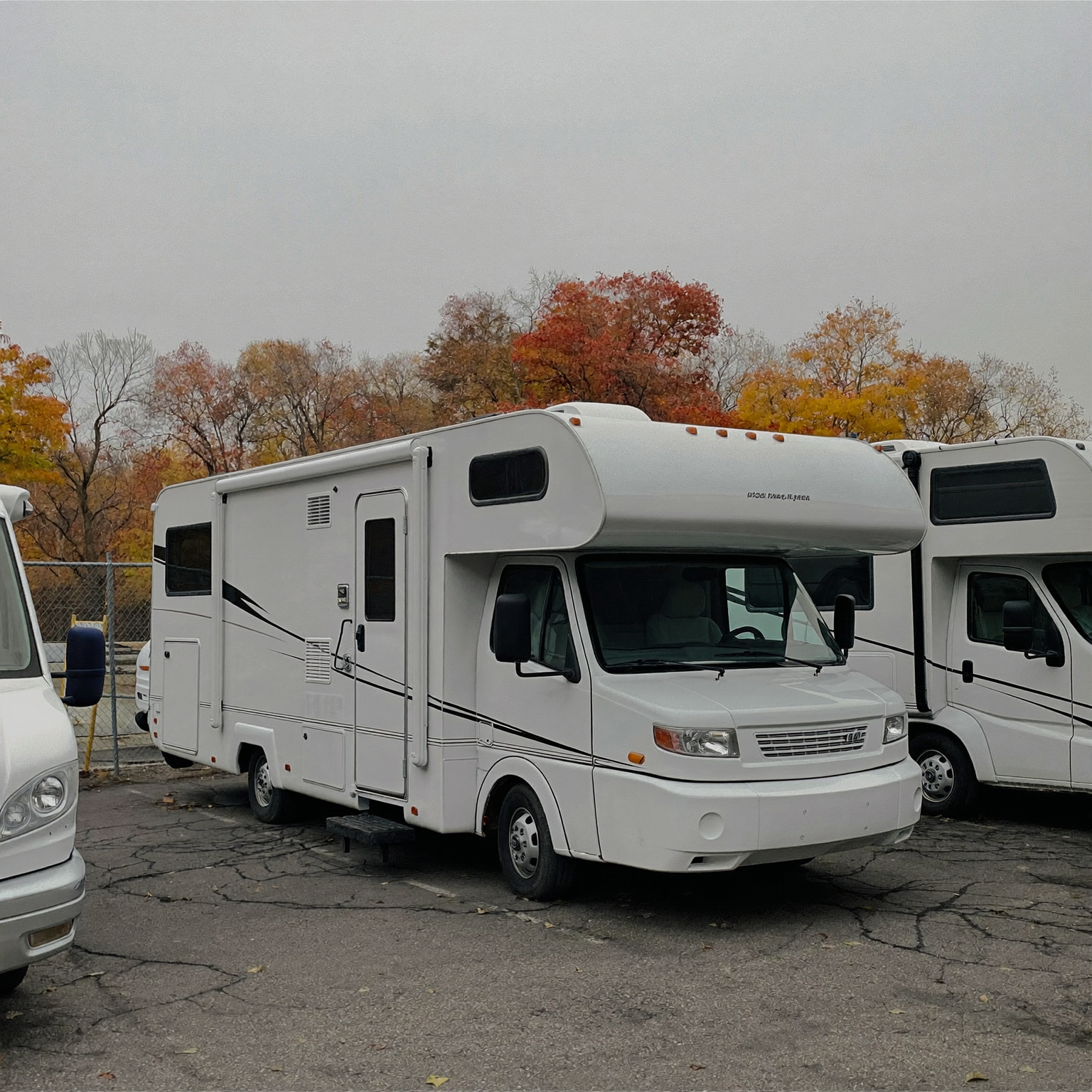
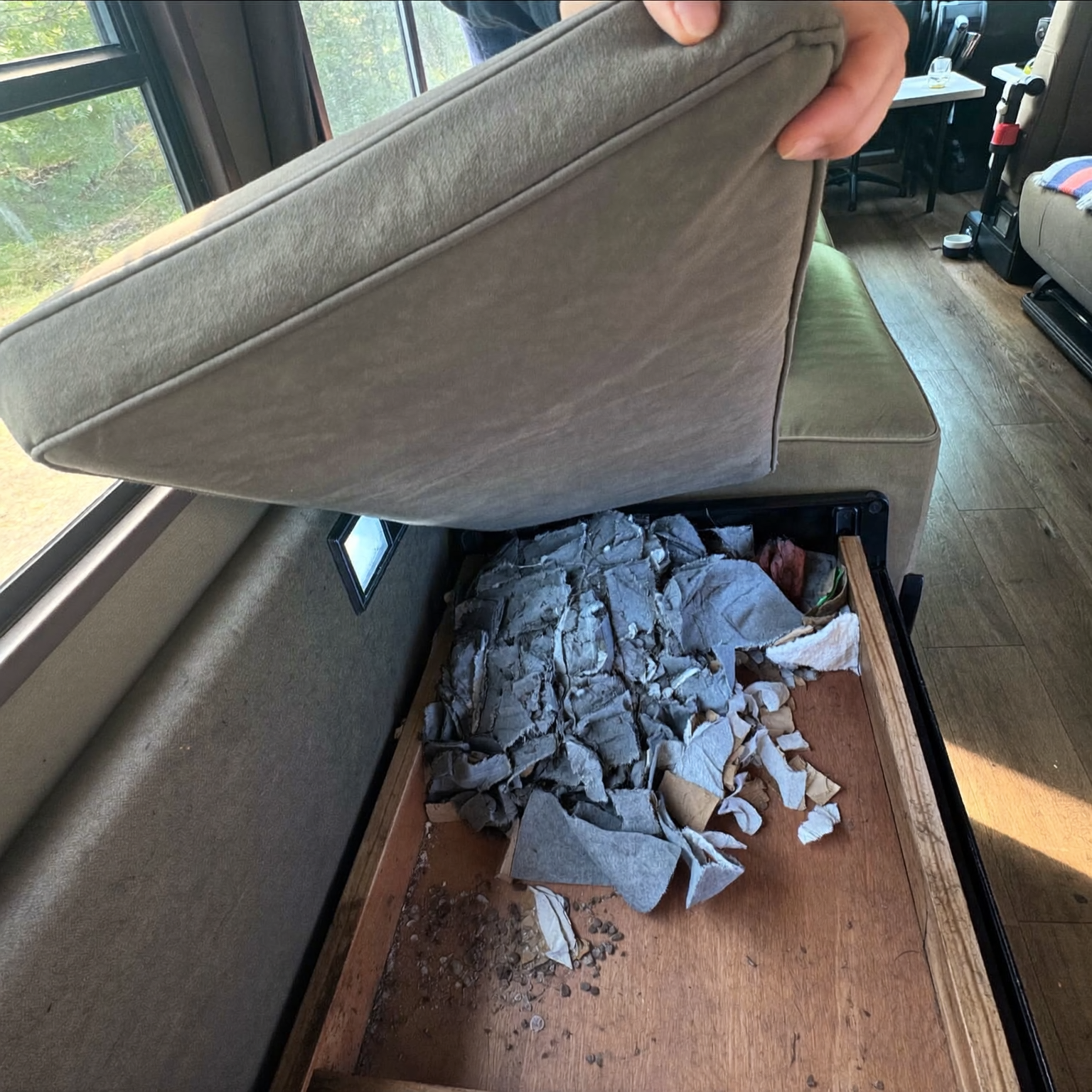
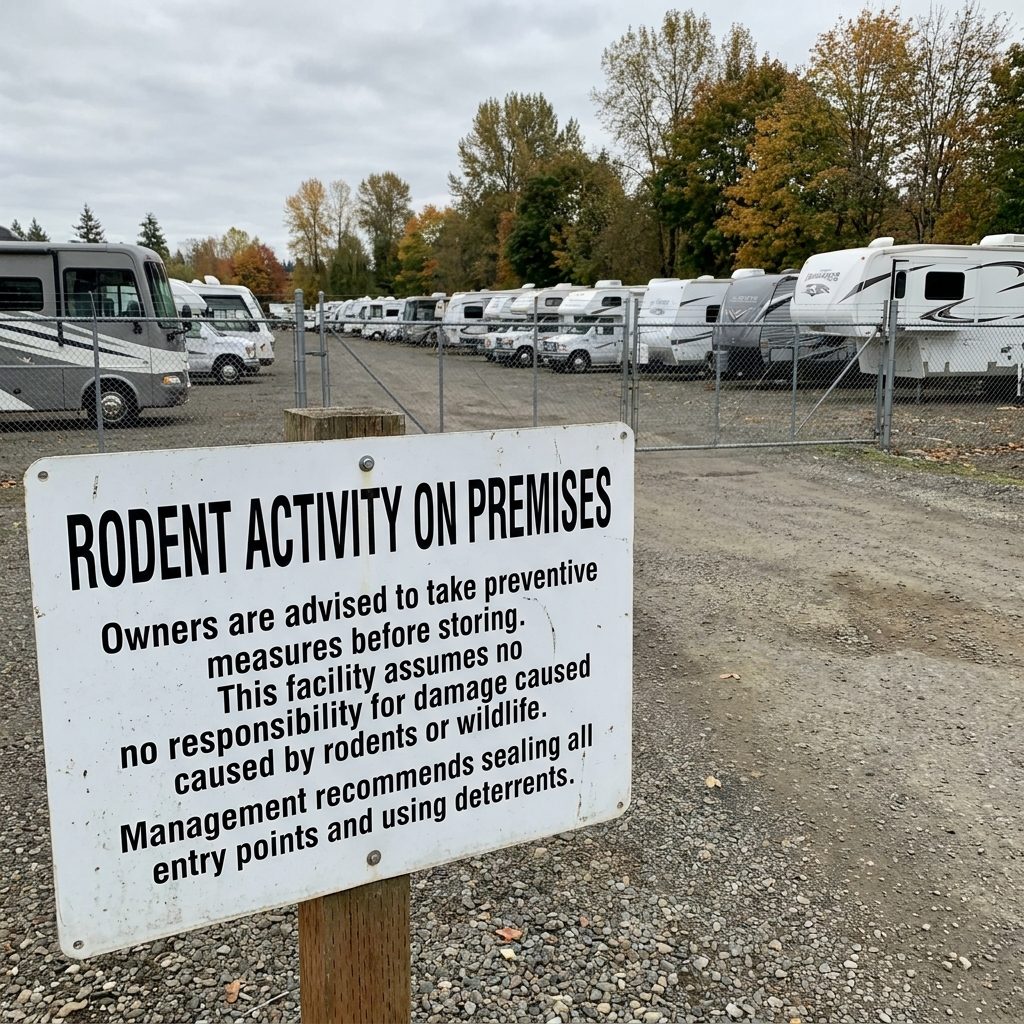
I manage 340 stored RVs every winter. I used to tell every single owner the same thing when they asked about rodent prevention. I stopped saying it last October. My name is Terry Mossberger. I've operated Clearview RV Storage in Prescott, Arizona for seventeen years. We run three locations, 340 units total, everything from pop-up campers to 45-foot diesel pushers. I've seen what happens to rigs over a five-month storage season and I've had more conversations about rodent prevention than most people have about the weather. For most of those seventeen years my standard advice was simple. Seal what you can. Set traps. Use some deterrents. Accept that if mice want in badly enough, they're getting in, and the best you can do is limit the damage. I believed this. I told it to hundreds of owners. I thought I was being honest with them about the reality of the situation. What I was actually doing was repeating an assumption I'd never tested. Here's what the storage business looks like from where I stand. November through March, my lots are full. 340 units sitting still, mostly unvisited, in conditions that are ideal for rodents — warm engine cavities, soft insulation material, organic compounds in the newer wire insulation that mice find attractive in ways the manufacturers have never been particularly forthcoming about. I have seen infestations that cost owners $8,000 in repairs. I have seen one rig declared a total loss by an insurance company that then reminded the owner that rodent damage was specifically excluded from their policy. I have helped owners carry destroyed mattresses and contaminated cushions to the dumpster at the back of my lot more times than I want to count. And for seventeen years my advice was: seal what you can, set some traps, and hope. Last September I decided that wasn't good enough anymore. Not for any dramatic reason. Just because my retention numbers were slipping. Three owners in one season had told me they were moving to a different facility because they'd had two consecutive years of rodent damage at mine and couldn't justify the risk. Three units is three units — not a crisis, but enough to make me sit down and think about whether I was doing everything I could. I called a pest management consultant I'd worked with years ago on a commercial property issue. Her name is Dr. Rhonda Park. She holds a doctorate in wildlife biology and has spent the last twenty years doing field research for agricultural and commercial clients. She is not an RV person. I hired her to spend two weeks at my facilities and tell me what she saw. What she told me rearranged how I think about this problem entirely. The first thing she asked me was how long our deterrent protocols stayed in place before we refreshed them. I told her owners set their deterrents when they dropped off and most of them refreshed on their monthly check-in visits. So roughly every four weeks. She nodded slowly in a way that told me she already knew what she was about to say. She said four weeks was about twice as long as it needed to be. She explained habituation the way researchers explain things — precisely, without drama, as if she couldn't imagine why this wouldn't be common knowledge. A rodent's nervous system evaluates every stimulus in its environment on a continuous loop. Threat requiring active response or background requiring none. The determination is made quickly and it is heavily weighted toward one variable: consistency. A stimulus that never changes gets reclassified as background — not after months, not after seasons, but within days to weeks depending on the animal's stress level and available alternatives. The peppermint oil owners were placing in November was background noise before Christmas. The snap traps in the same position since drop-off had been mapped and avoided since mid-December. The fixed-frequency ultrasonic units — the ones owners would show me proudly, still blinking green in their basement bays — were producing measurable avoidance behavior for approximately ten to fourteen days and functionally zero behavioral effect after that. I had watched owners spend money on all of this, season after season. I had recommended all of it myself. I had operated on the assumption that something was better than nothing. Dr. Park suggested that something which stops working in two weeks and then provides only false confidence might actually be worse than nothing, because it prevents owners from looking for what would actually work. That landed hard. I asked her the question I should have asked years ago. What actually works. Not what works for two weeks. What works for a five-month storage season from first frost to spring thaw. She didn't hesitate. She said the only stimulus a rodent nervous system cannot habituate to is one that never gives it a consistent input to evaluate. The threat-assessment loop requires stability to close. Remove the stability and the loop stays open. The animal remains in a chronic state of stress incompatible with the settled behavior — nesting, foraging, establishing territory — that leads to the damage we were trying to prevent. The technology she was describing was variable frequency ultrasonic emission. Not fixed frequency. Not the devices that flood the market. A continuously modulated signal — shifting in pitch, in timing, in interval, never repeating — so the auditory cortex never received the same input twice and never reached the classification point. I told her I'd looked at ultrasonic devices years ago and dismissed them. She said she had too. For exactly the right reason — the fixed-frequency devices that make up ninety percent of the market are precisely what the habituation literature predicts they'd be. Effective for days, useless for months, and sold in enormous quantities to owners who buy them again and again because they work just long enough to seem like the answer. Variable frequency was different in mechanism, not just in marketing. She showed me the research. I read it over two evenings. The behavioral data was clear in a way I don't see clearly in a lot of vendor-supplied research — consistent across multiple studies, consistent between lab and field conditions, consistent across the range of rodent species we see in my part of Arizona. I asked her how she'd come to the specific product she was recommending. She said she'd spent four months testing commercially available variable frequency devices against fixed-frequency controls and untreated units in a controlled field setting. One product showed statistically significant separation from the others at the twelve-week mark — the point where everything else had returned to baseline. One product. Out of everything she'd tested. I ordered enough units to cover twenty of my highest-risk storage bays as a pilot. That was last October. I'm not going to oversell what I saw. I'm a storage facility operator, not a research institution. I didn't run a controlled study. What I can tell you is what I observed. The twenty bays running variable frequency coverage had zero confirmed rodent damage events over the storage season. The surrounding bays running standard owner-supplied deterrents had eleven events across nine units — consistent with prior seasons, consistent with what I'd seen every winter for seventeen years. Eleven events versus zero. One season. Twenty bays. I've now deployed variable frequency units across all three of my facilities. I had the conversation with Dr. Park last September. By November my entire operation was running on a different protocol. I spent seventeen years telling owners to seal what they could, set some traps, and hope. I don't say that anymore. What I say now is this: everything you've been using stops working within two to three weeks. You've probably already noticed this and blamed the product or blamed the mice. The real reason is that consistent stimuli get classified as background by the rodent nervous system faster than any storage season protection can survive. Find something that never gives the brain a consistent signal to work with. Put it in before you lock the door. Not after you open it in April and find out what two weeks of real protection followed by four months of background noise actually costs. [See how Varying Ultrasonic Pulsing protects your rig through a full storage season — not just the first two weeks →] Continuous variable frequency. No repeating signal. No fixed tone to adapt to. Covers all three zones. Runs on your existing shore power. Built to work in October and still work in April.
Where the ad sends people
safeplug.store
Read this if you have an RV
SafePlug
Learn more: safeplug.store(opens in a new tab)