
Inactive· since May 23, 2026
- 31
- days it ran
- 0
- relaunches
- 1
- EU reach
Ad copy
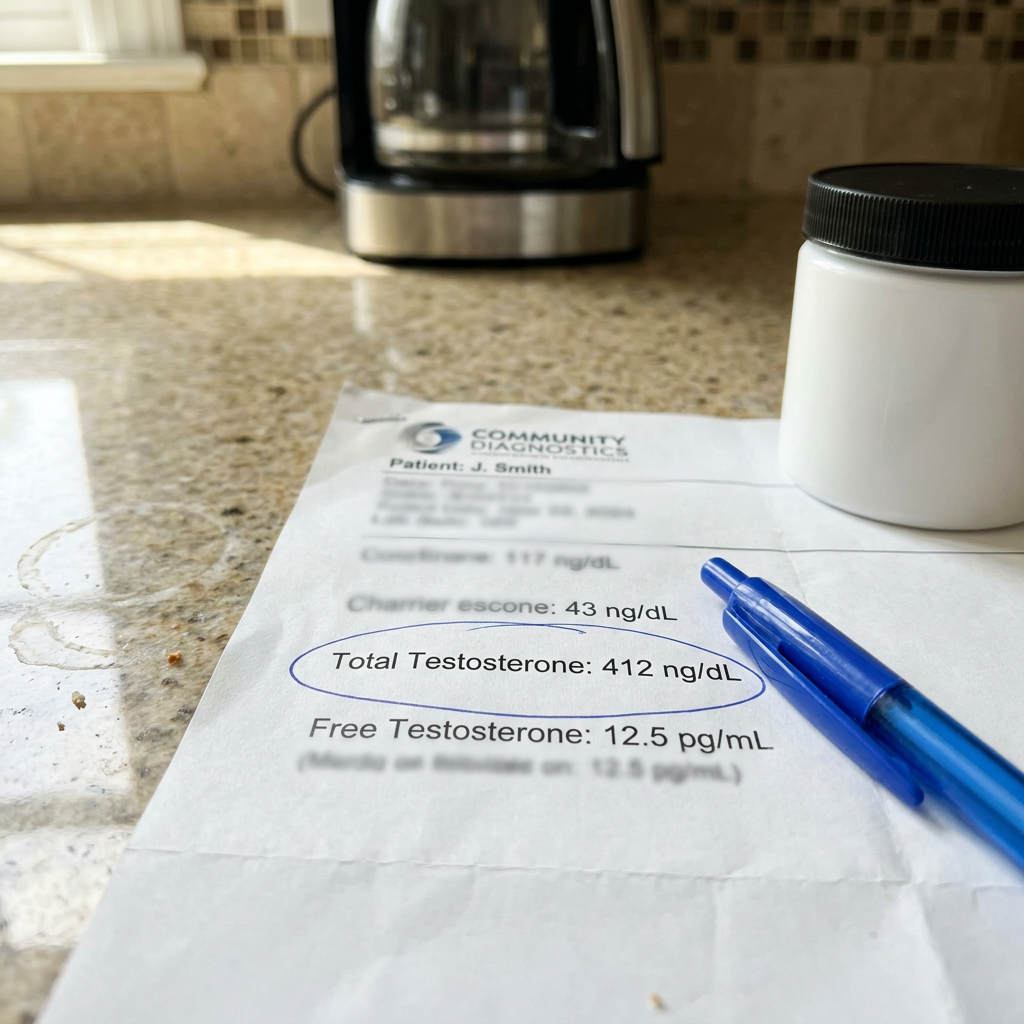
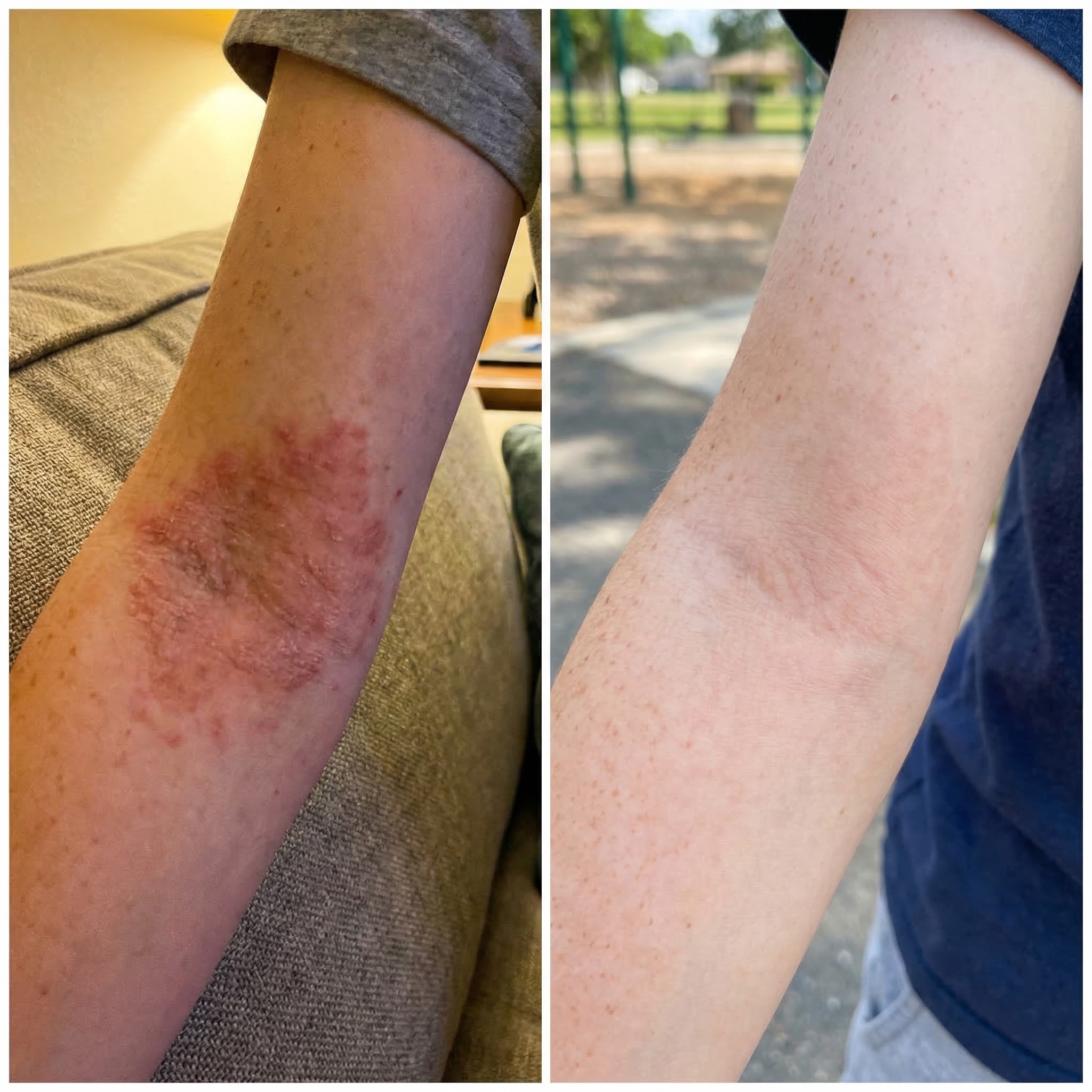
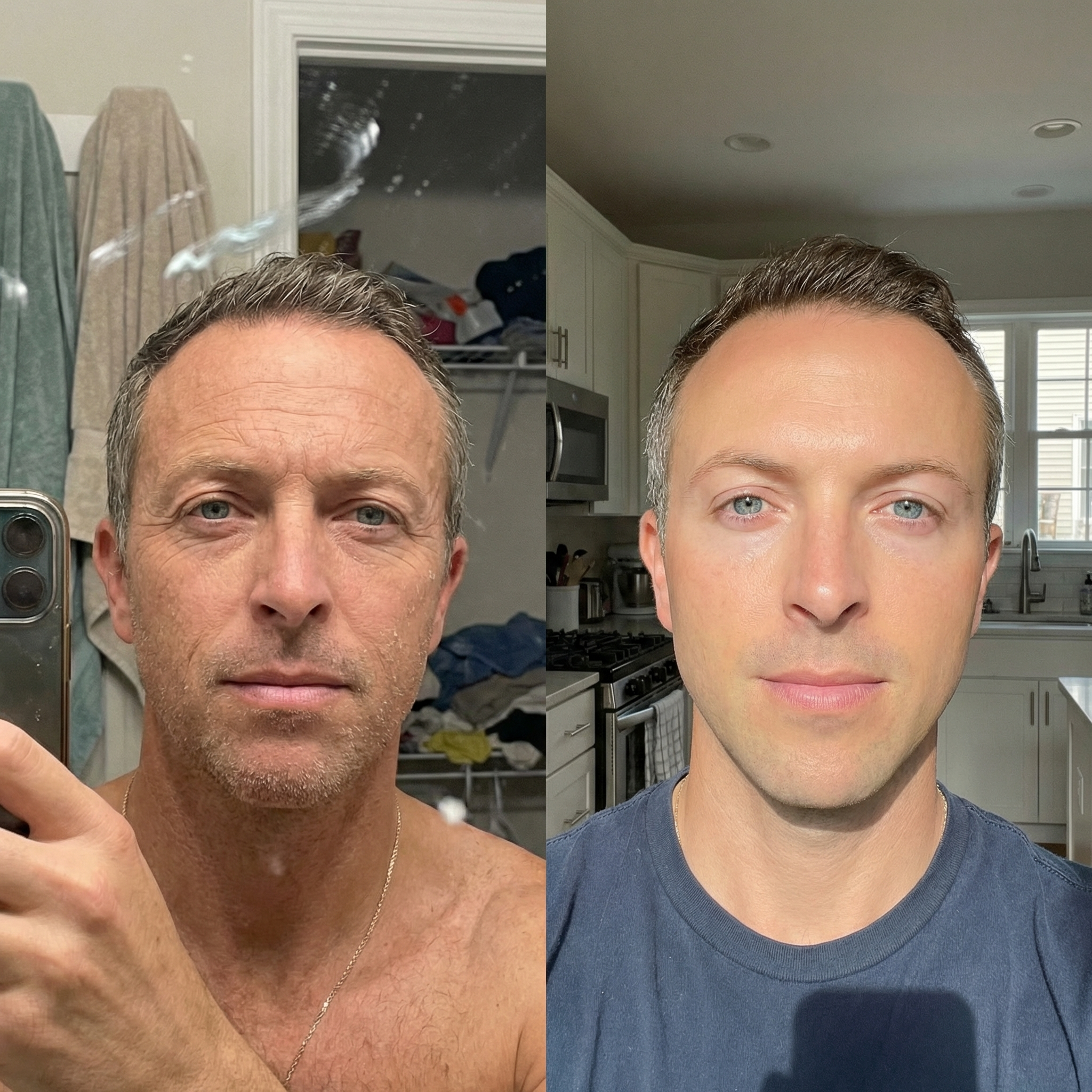
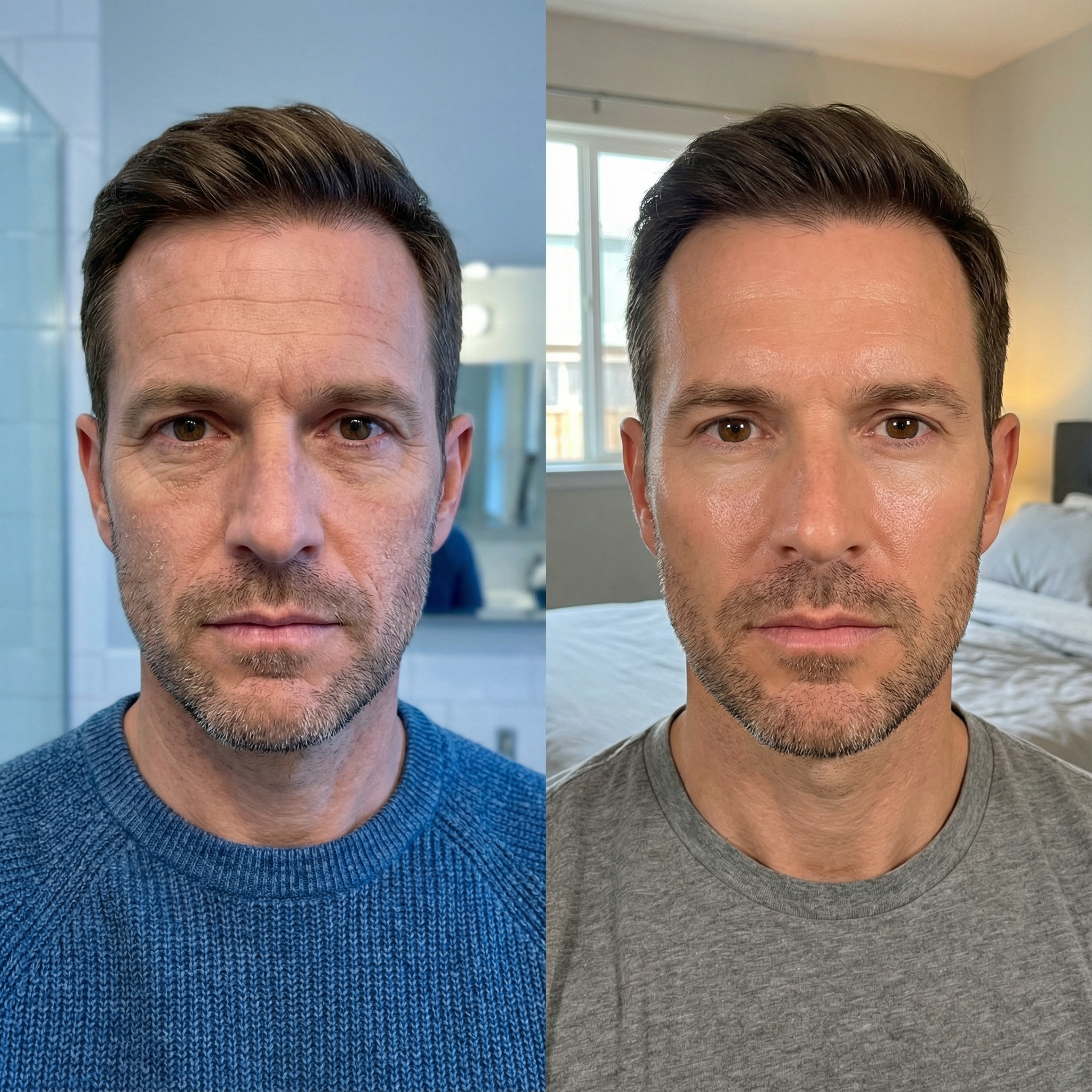
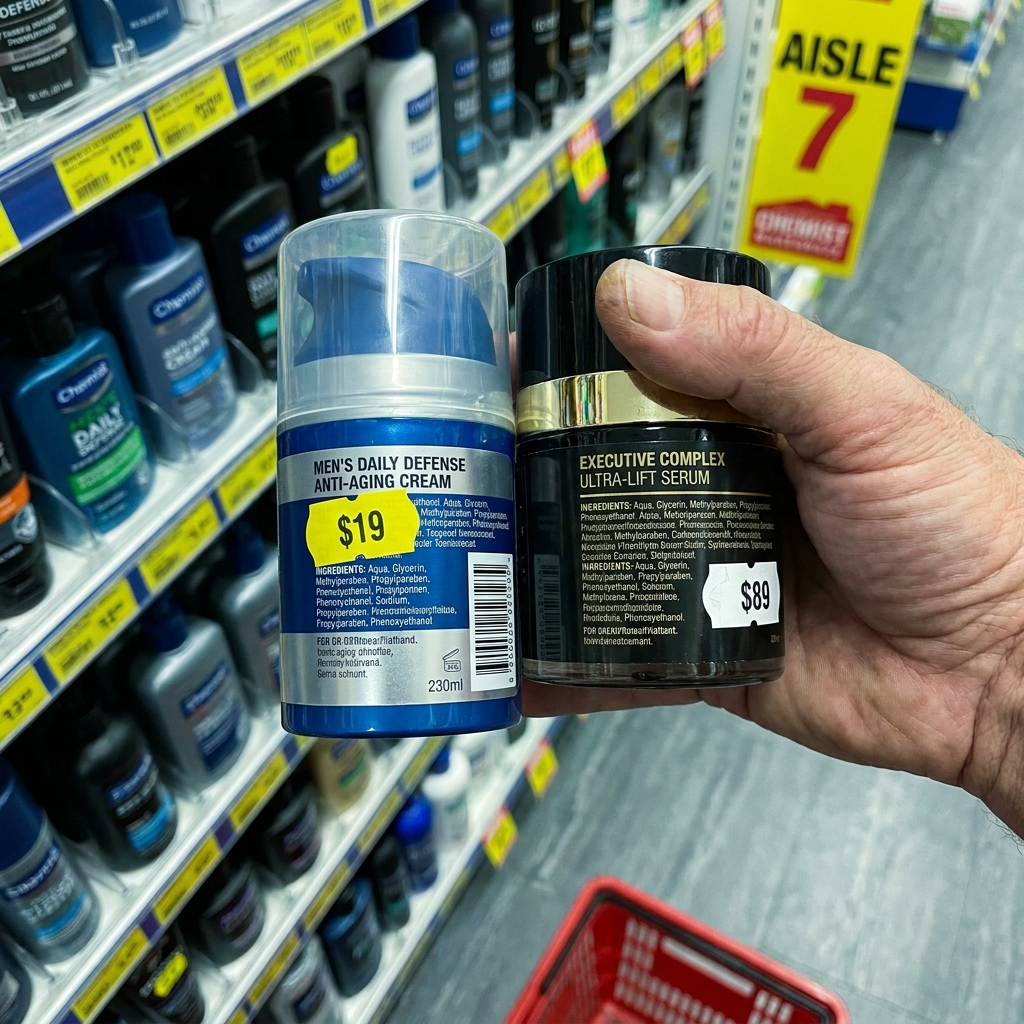
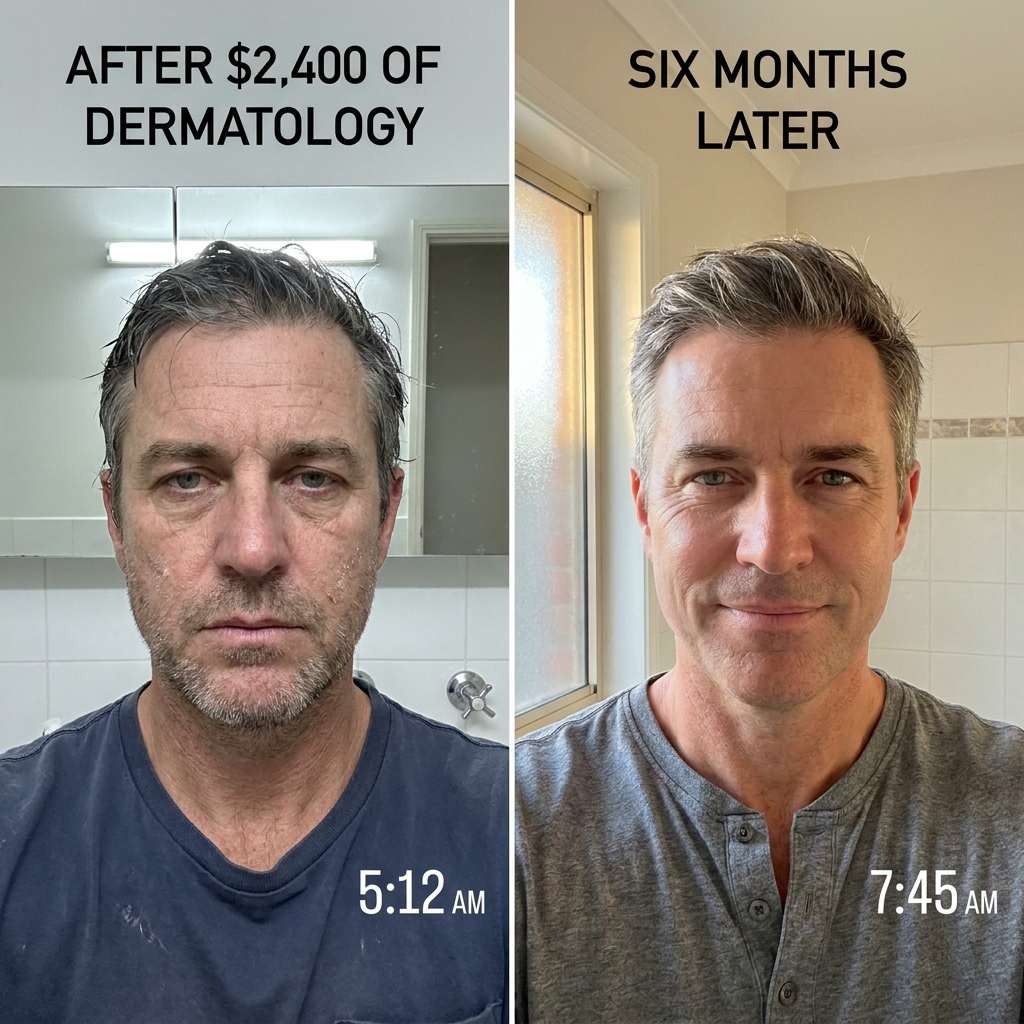
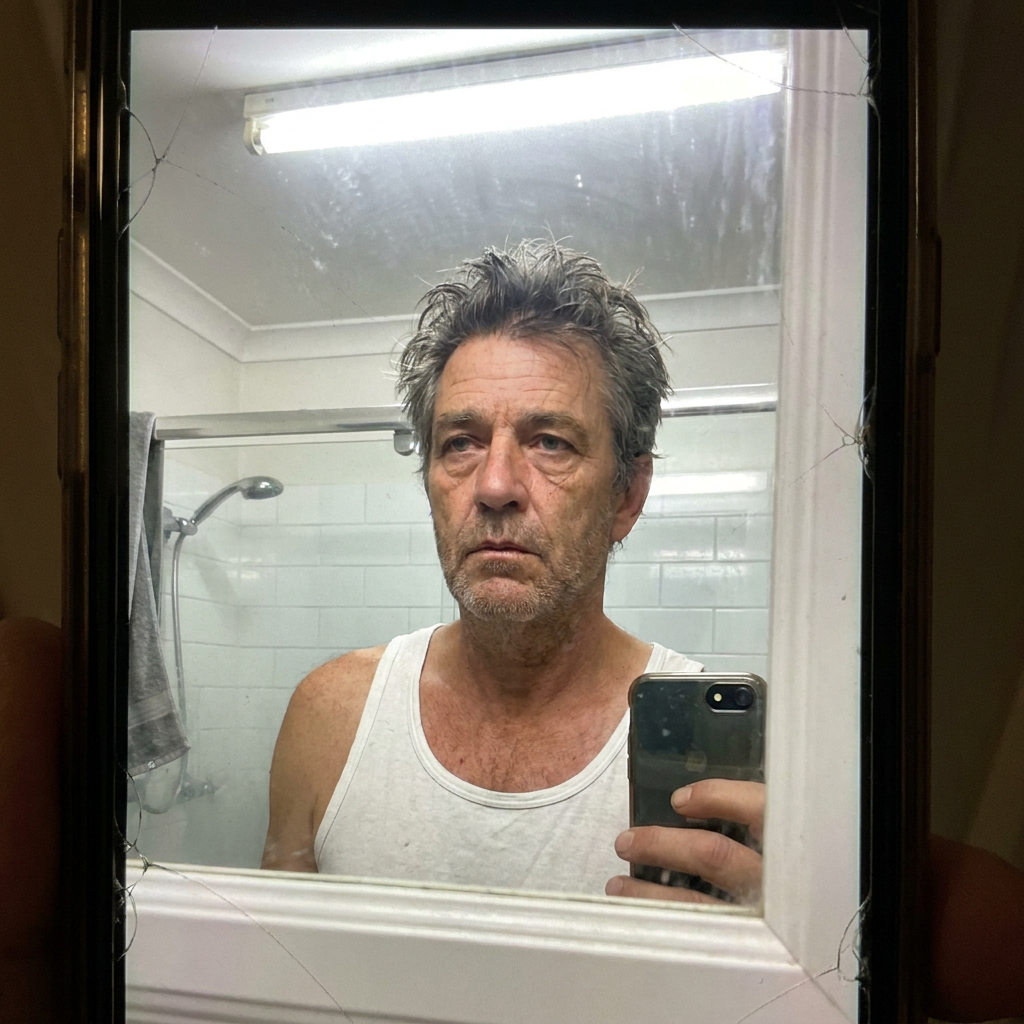
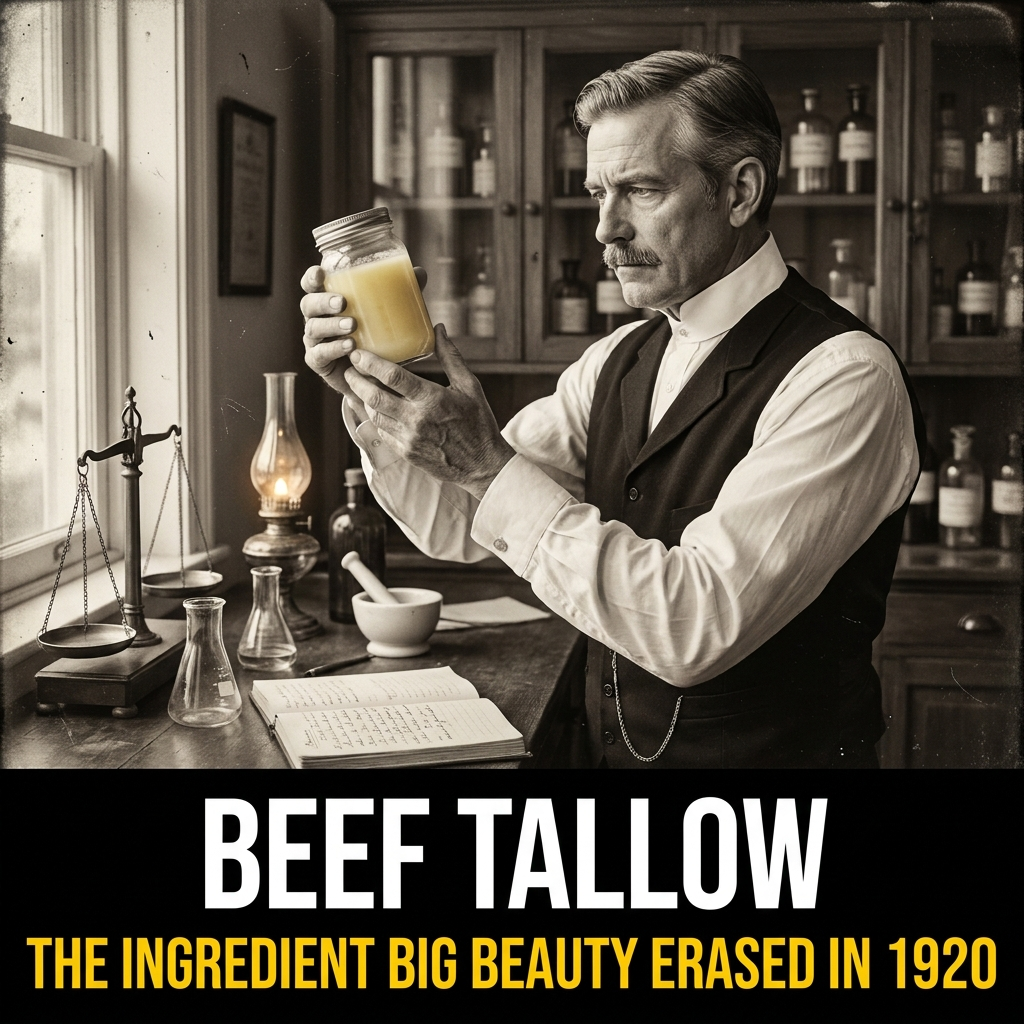
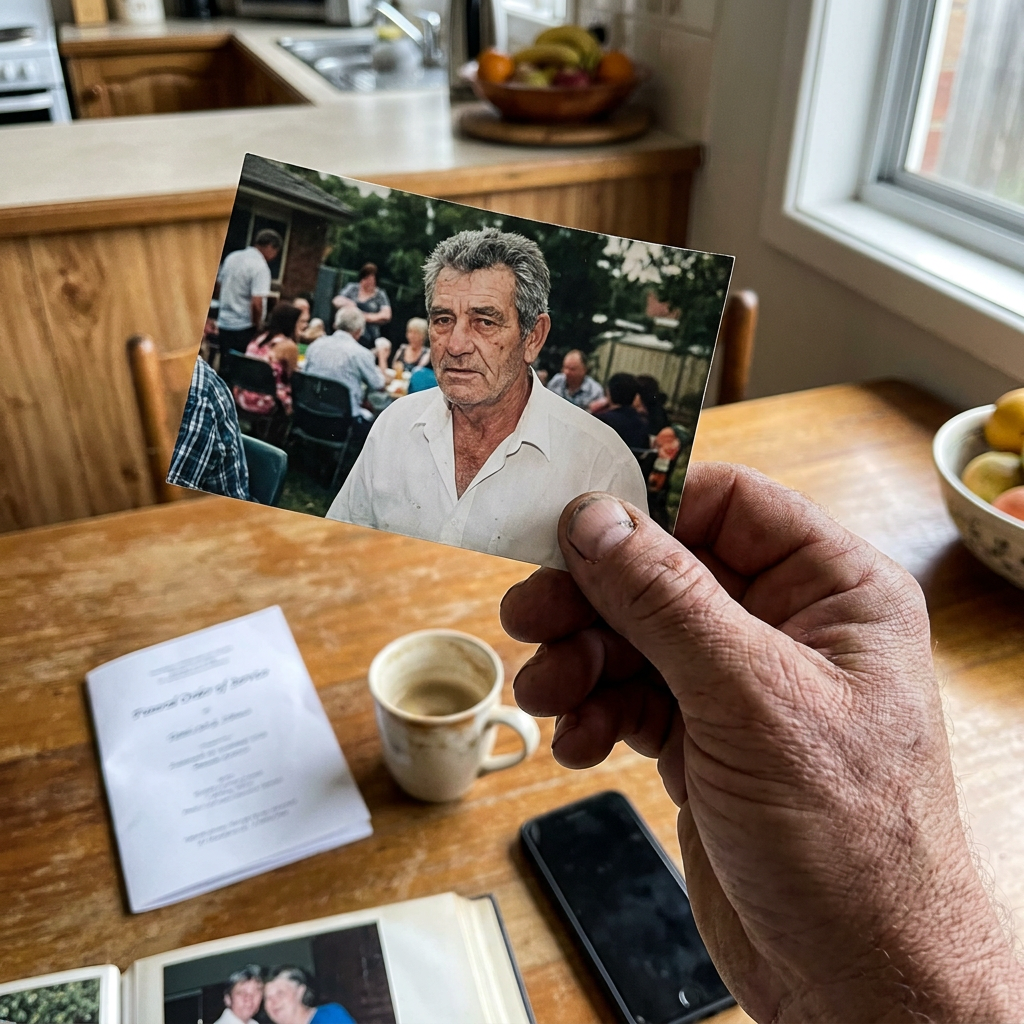
If you're a man over 45 and you've recently buried a parent — or you're starting to do the maths on how much time your old man has left — I'm about to tell you something nobody else is going to say to you. And once you understand this, you're going to look at the photos from the wake differently. Because there are three things happening right now: One — You've started to see your own father in the bathroom mirror in the morning, and it's earlier than you thought it would happen. Two — Every photo from the last family gathering has shown you something you can't unsee — and the slow fade you watched eat your old man for the last ten years has started in you. And three — The grooming industry has spent fifty years convincing men that what's happening to your face after 45 is inevitable... but they can't admit that the products you've been using are accelerating the very fade you watched destroy your father. So let me tell you what happened to me, because my story is going to make you pull up a photo of yourself from five years ago and look at it tonight. For ten years — over three and a half thousand days straight — I watched my old man fade out. I'm 49. My father was 71 when he died last March. He'd been a carpenter for fifty-one years. The kind of man who built half the houses in our suburb with his own hands. The kind of bloke who, in his fifties, could still outwork men half his age on a build site. But the second he hit 62? Every. Single. Year. He looked ten years older than the last one. Not because of disease. The post-mortem came back clean. Not because of accident. He never had one. Not because of anything you could point at and name. He just faded out. Slowly. Visibly. In photographs, in family videos, in the way he held himself walking into a room. By the end of every Christmas, the family photo would land in the group chat and we'd all comment on how good he looked — and quietly think to ourselves how much further he'd gone in twelve months than we expected. His face went first. The canyon lines around his eyes turned into deep crevices. The washed-up grey tone settled in and never lifted. The skin along his jaw turned from sandpaper to something thinner — almost translucent — in his final three years. His body held. He was still strong. He could still swing a hammer at 68. He still drove himself to the worksites he was project-managing right up until the last year. But his face had given up a decade earlier than the rest of him did. By the end of every visit, I'd been doing a quiet, private kind of maths in my head. How much further he'd faded since the last time. How long until the man I grew up watching build entire houses was going to be unrecognisable in a wedding photo. How long until the canyon lines were going to be the deepest thing about him in any room. I stopped looking at the older photos. The ones from when he was 55, 58, 60 — back when he still looked like himself. Stopped going through the family albums when I visited because the comparison hurt too much. And then he was gone. March 2025. The funeral was a Tuesday. The wake was at the RSL my old man had been going to for forty years. A cousin took photos. She sent them to the family group chat the next morning. Two hundred and thirty-seven photos of the wake. Family, friends, the old crew from the worksites, the grandkids in their school uniforms. I'd been in fourteen of them. And I sat in my kitchen on the Wednesday morning, coffee in hand, and scrolled through those fourteen photos of myself at my own father's funeral, and could not unsee what I was looking at. I had become him. Not in the way you want to become your father. Not the strength in the hands. Not the work ethic. Not the way he could read a room. The fade. The same canyon lines around the eyes. The same washed-up grey tone. The same sandpaper texture along the jaw that I'd watched eat his face for the last decade of his life. I was 49 and I was looking at the face my old man had at 58. I had nine years on him. And every single product I'd been using — every cream, every serum, every "men's anti-aging system" I'd been religiously applying for fifteen years — had not slowed it down by a single day. My old man hadn't used anything. He was a carpenter from 1972. He washed his face with bar soap and slept six hours a night. I'd been using a $90 pharmacy cream every morning for fifteen years. And I was on exactly the same trajectory he was. Maybe slightly faster. So I sat in my kitchen on the Wednesday morning after my own father's funeral, and I did what I should've done a decade earlier. I started asking the questions nobody in the grooming industry wants you to ask: Why was a $90 pharmacy cream not slowing down what bar soap also didn't slow down? Why had my father — who used nothing — and me — who used something — ended up on the exact same trajectory? And why the fuck does the grooming industry sell men over 40 products that don't, by any measurable standard, actually change the long-term trajectory of their faces? So I went down a rabbit hole. And I mean a DEEP one. I started reading dermatology and biochemistry research while my wife was at work — and every mainstream source was giving the same recycled corporate-friendly answers. "Use retinoids. Apply sunscreen. Establish a routine. Consider in-office treatments." But then I found research from a biochemist who actually studies the lipid composition of human skin, not the marketing claims of the cosmetics industry. And he mentioned something I had literally never heard of in fifteen years of buying "men's skincare." The Sebum Decline. Now pause for a second. You know what's insane? We learned about cholesterol in school. The endocrine system. The cardiovascular system. But nobody — and I mean NOBODY — ever taught us about sebum and how the substance your skin produces itself is the foundation of everything you see in the mirror. And that's not an accident. Because once you understand what sebum decline does, you realise why my old man and I ended up on the exact same trajectory. Here's what sebum actually is: It's the natural oil your skin produces. It's literally the substance that kept your father's face — and yours, and mine — functional for the first four decades of life. It's what gave him smooth, resilient skin in his 30s and 40s, the kind of face you remember from the old photographs. When it's being produced at normal levels? Sebum maintains the lipid matrix of your skin. The barrier that holds moisture. The texture that makes a man's face look like a man's face — not the washed-up, faded version that creeps in over a decade. But when sebum production drops — and it does, significantly, after 40? That's when the fade begins. The lipid matrix breaks down. The skin barrier fails. The texture changes. The canyon lines deepen. The washed-up tone develops. And every photograph from every Christmas, every family birthday, every wedding documents another twelve months of acceleration. It's not aging. It's specifically the dropping out of production of one substance. And here's the key thing I learned — the thing that explained why my old man and I had ended up in the same place despite his bar soap and my $90 cream: Neither bar soap nor synthetic cream replaces sebum. My father used nothing. Nothing protected him. I used pharmacy cream. The cream sat on top — water-based, foreign to the lipid matrix, treated by my skin as a film to be ignored. Worse, the parabens and synthetic preservatives in it actively suppressed the small amount of sebum my skin was still trying to produce. We weren't on different trajectories. We were on the same one. Different starting points, same destination. And my old man hit the destination at 71. I was on track to hit it earlier. And here's the part that made my blood boil: The grooming industry KNOWS about sebum decline. The research is published. The mechanism is documented. But unless you're willing to walk away from a $500-billion-a-year industry, they don't give a single fuck about telling you the truth. Why? Because there's no patentable synthetic compound that's molecularly identical to human sebum. You can't patent the substance your skin actually recognises. There's no money in telling a 49-year-old man who just buried his father that the reason he's about to follow his old man down the slow fade isn't genetics — it's a missing fatty acid he can replace at the molecular level for forty dollars. There IS money in keeping him on a fifteen-year cycle of $90 pharmacy creams, $240 dermatology visits, $1,200 injectable sessions, and the quiet acceptance that the fade is just what happens to men. See how that works? So I kept researching. I'm reading lipid biochemistry journals on the train to work now. Studies on fatty acid composition in human sebum. Talking to blokes in ancestral health forums who'd buried their own fathers and refused to follow them down. And I found out there's an actual substance that's molecularly almost identical to human sebum. One the industry replaced around 1920 — right when synthetic chemistry took over personal care, right when men stopped being given the substance their fathers and grandfathers and great-grandfathers had been given for four thousand years. Grass-fed beef tallow. The fatty acid profile is the closest match to human sebum that exists in nature: 1. Oleic Acid (42-50%) — The dominant fatty acid in your skin's own oil. It penetrates the lipid matrix and integrates instead of sitting on top. 2. Palmitic Acid (25%) — Critical for barrier function. Your skin uses this exact fatty acid to maintain its structural integrity. 3. Stearic Acid (18%) — Provides the structural lipid layer that holds everything together. Stops moisture loss without forming a synthetic film. 4. CLA — Conjugated Linoleic Acid. This is the BIG one. It's only present in grass-fed tallow — not grain-fed. Potent anti-inflammatory. Reduces the redness and irritation that synthetic creams cause. 5. Vitamins A, D, E and K — Vitamin A stimulates collagen production. Vitamin D supports skin immunity. Vitamin E neutralises free radical damage. Vitamin K reduces dark circles and improves elasticity — including the under-eye shadows that turn into the washed-up tone you watched eat your old man's face. All four are fat-soluble — only deliverable through a lipid-based carrier. Exactly what synthetic water-based creams cannot do. Now here's what's crazy: I found peer-reviewed studies — actual research — showing that human sebum and grass-fed tallow share nearly identical fatty acid profiles, and that the skin recognises and integrates tallow at the molecular level the way it recognises its own oil. But you'll never hear a dermatologist mention it. Because there's no prescription pad for "use the substance your father should have been given fifty years ago." So I tried it. For the first time in fifteen years, I stopped applying the $90 pharmacy cream I'd been buying and switched to something completely different. But here's the problem... I had to render the tallow myself the first time. Buy the suet from a grass-fed butcher in our suburb. Render it down on the stove on a Saturday morning. Filter it. Mix it with raw honey and beeswax to stabilise it. The kitchen smelled like a slow cooker for two days. I was sourcing ingredients from four different places, working out the right ratios — some recipes said 70% tallow, some said 85%, the historical sources had different numbers. I spent two weekends working out the formulation. My wife thought I was processing my old man's death through DIY skincare. And I was spending close to half a Saturday on each batch. Every single month. Just to have something that might break the trajectory my old man and I had been on together. But you know what? I did it. Because I'd just buried him. And I refused to be looked at in a wake photo by my own son the way I'd looked at my father in his. And after about a week? The sandpaper texture along my jaw started softening. After three weeks? I caught myself in the bathroom mirror on a Saturday morning and didn't immediately see my old man at 58. I saw a 49-year-old man. After six weeks? My wife asked what I'd changed. I didn't tell her. I just kept doing it. After three months? I pulled up the photos from the wake. The fourteen of me at my father's funeral. And I held my phone up next to my bathroom mirror, in the same light, at the same time of morning, and the man in the mirror was not the same man as the one in the wake photos. He had a face again. The canyon lines were softer. The grey was gone. The sandpaper was smooth. I was 49 and I no longer looked like my father at 58. So now I'm thinking: Okay, this protocol works. It's literally breaking the inherited trajectory I watched eat my old man. But why the fuck is it so expensive, time-consuming and complicated to make? Turns out, a bloke named Finn Hendriks was thinking the same thing. He's a small business owner from Australia who'd watched his own father go through the exact same slow fade — pharmacy creams, dermatology appointments, a man who used to be the centre of his family quietly disappearing into the washed-up grey tone for the last decade of his life. He'd watched his old man go too. He spent close to a year developing Bare Ritual Beef Tallow Honey Balm. The goal was simple: The exact ingredients men have used for thousands of years, in the right ratios, in one jar — no rendering, no kitchen experiments, no Saturday afternoons on the stove. Available to any man who walked the same realisation I walked after my own father's wake. No prescription retinoids. No 27-ingredient synthetic cocktails. No "anti-aging systems." He formulated it with grass-fed Australian beef tallow (the only source with the full CLA and Vitamin K2 profile). Raw honey (natural antibacterial, locks in the lipid matrix). Organic beeswax (stabilises the formula without synthetic emulsifiers). Cold-pressed olive oil (adds Vitamin E and squalene, the substance your skin co-produces with sebum). And most importantly: No hormone hijackers. Because parabens and phthalates in synthetic products lower testosterone in men over 40 — accelerating the very fade I watched eat my father for the last decade of his life. A few months later, I kept seeing Bare Ritual mentioned in men's health forums online — specifically by men in their late 40s and 50s who'd had the same wake-photo reckoning I'd had. I went to their site, ready to be disappointed like every "men's grooming" product I'd ever seen. And I almost fell out of my chair. They had EXACTLY what I'd been making myself — but in one jar. All four ingredients. The right ratios. Third-party tested. Grass-fed sourced. Made in small batches. Australian. No prescription compounds. No synthetic emulsifiers, no parabens, no fragrance, no industrial sludge. The jar is a 60-day supply. A pea-sized amount, morning and night — takes 30 seconds. I do it before I leave for the office. I've been using Bare Ritual for eleven months now. The canyon lines around my eyes are 70% softer than they were in the wake photo. The grey is gone. The sandpaper texture has not come back. My face has not aged in the last eleven months — by any visible measure. For the first time since I was 38, my face has stopped moving downhill. And I am not following my old man down. Here's what you need to understand: Sebum decline gets worse with age. After 50, production drops even further. The lipid matrix continues to fail. The face goes first. The body holds for another decade. And that's when men panic — usually after burying a parent and seeing themselves in the wake photos. They face the realisation that the trajectory their old man walked is the trajectory they're walking. That every Christmas photo for the next twenty years is going to document another year of fade. That their own children, when they look at the wedding photos, will see the same washed-up grey tone they remember from photos of grandpa. Because nobody told them that the fade was specifically a sebum decline — and that it was 100% reversible at the molecular level with a substance their great-grandfathers used four thousand years ago. I'm putting the link below. Even if you're skeptical — I was too, and most of the 470,000 men who've bought a jar were too — grab one. Try it for three weeks. Then pull up the photo of yourself from your own father's last Christmas. The last birthday. The last wedding he was at. And look at the man you were then, and the man you are now, and decide whether the trajectory is one you want to keep walking. The grooming industry won't save you. They'll sell you another fifteen years of $90 creams that don't change a single thing. Your own father probably bought the same kind for the last decade of his life. You have to save yourself. The way I should've saved my old man — and didn't, because I didn't know. Here's what happens when you start Bare Ritual: Days 1-3: Apply a pea-sized amount morning and night. Smells faintly of honey — not beef, despite what you'd expect. You'll notice: "My face actually feels nourished instead of coated." The lipid matrix starts absorbing the molecularly-matched fatty acids immediately. Days 4-7: The sebum-mimicking effect is building. You'll notice: "The sandpaper texture along my jaw has softened." Or if your skin was dry and tight from years of pharmacy creams, the moisture-holding capacity has come back. Weeks 2-4: The cumulative effect kicks in. You'll notice: "The canyon lines around my eyes have softened" and "the grey under-eye shadow has lifted." Your wife notices. Your kids ask if you've been on holiday. Month 2+: This is when men report the biggest change. You'll notice: "My face has stopped moving downhill." For the first time in fifteen years, the trajectory stops. Some men pull up old photos and compare them to themselves now and don't recognise what they're looking at. Most buy a second jar before they finish the first. 90-Day Money-Back Guarantee. If your face hasn't changed significantly, full refund. No return required. No forms. Just email [email protected]. You risk nothing except walking the same slow fade your old man walked. Your canyon lines, your washed-up reflection in the wake photos, your slow drift into the face you used to associate with the older generation — it isn't "just getting older" or "just genetics" or "just inheriting your old man's face." It's your sebum dropping. The lipid matrix breaking down. The same biological process that ate your father's face quietly starting on yours — accelerated by every cream you've been buying since you turned 35. And it's 100% addressable. The solution: Replace what your skin stopped producing. Use the substance your great-grandfathers used. Break the inherited trajectory at the molecular level. The fade is reversible. Sandpaper softens in two to four weeks. Canyon lines visibly lift in three months. Most men, after six months, pull up the old family Christmas photos and don't recognise the difference between then and now. It's that simple. Go get it. Stop following your old man down the slow fade. You deserve to be in your own son's wedding photos at 65 and have him not see a faded version of you. You deserve to look in the bathroom mirror at 70 and still see a man, not a ghost. ✅ Grass-fed beef tallow ✅ Raw honey ✅ Organic beeswax ✅ Cold-pressed olive oil 470,000+ jars sold. Buy one get one free. Free worldwide shipping. 90-day money-back guarantee — no return required. 👉 https://menshealthdispatch.pagedeck.app/my-dermatologist-lied P.S. — I buried my old man last March. I watched him fade out for ten years before that. The photos from the wake showed me, at 49, looking the way he looked at 58. I had nine years on him and I was using the trajectory. The pharmacy cream wasn't slowing it down. Nothing was. The reason wasn't genetics. The reason was a missing fatty acid — and you can replace it at the molecular level in weeks. Don't be the man in your own son's wake photos one day. Stop walking the fade your father walked. P.P.S. — Still skeptical? That's why Bare Ritual offers a 90-day money-back guarantee with no return required. If your face hasn't changed and you're still seeing your old man in the bathroom mirror in the morning, you get every cent back — just email [email protected]. You literally risk nothing except spending the next twenty years on the same slow fade your father walked — and being the man in the wake photo your own son scrolls through with the same gut-punch I had after mine.
I Buried My Old Man Last Year
"I'll be honest — I thought this was a gimmick. My face looked like sandpaper and I'd tried enough things that didn't work. The only reason I bought was the 90-day guarantee. Figured I had nothing to lose. Two weeks in my wife asked what I'd changed. I hadn't told her I was using it. That was all ...
LEARN MORELike this ad? Make it yours.
Crush rebuilds this exact creative around your product — your brand, your colors, your offer — in about a minute.