
Inactive· since May 25, 2026
- 88
- days it ran
- 2
- relaunches
- 36,044
- EU reach
Ad copy
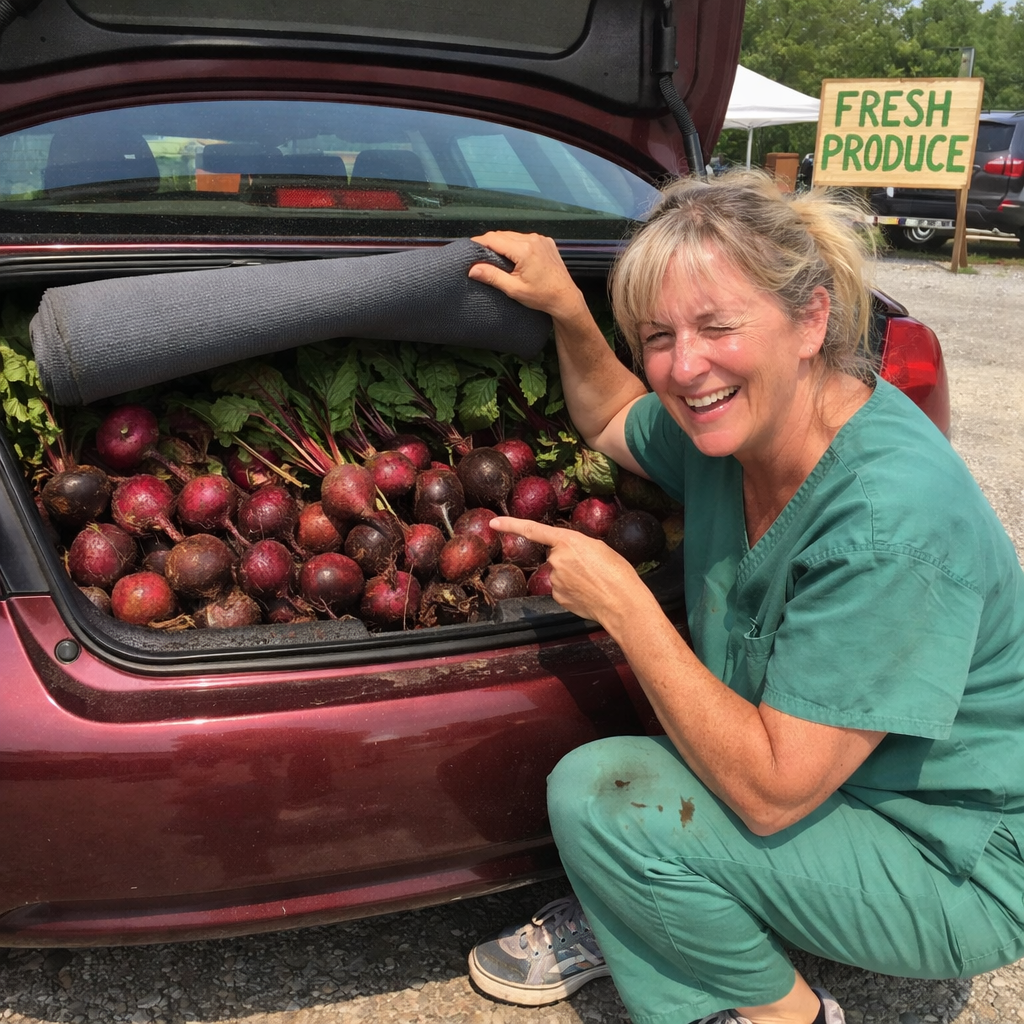
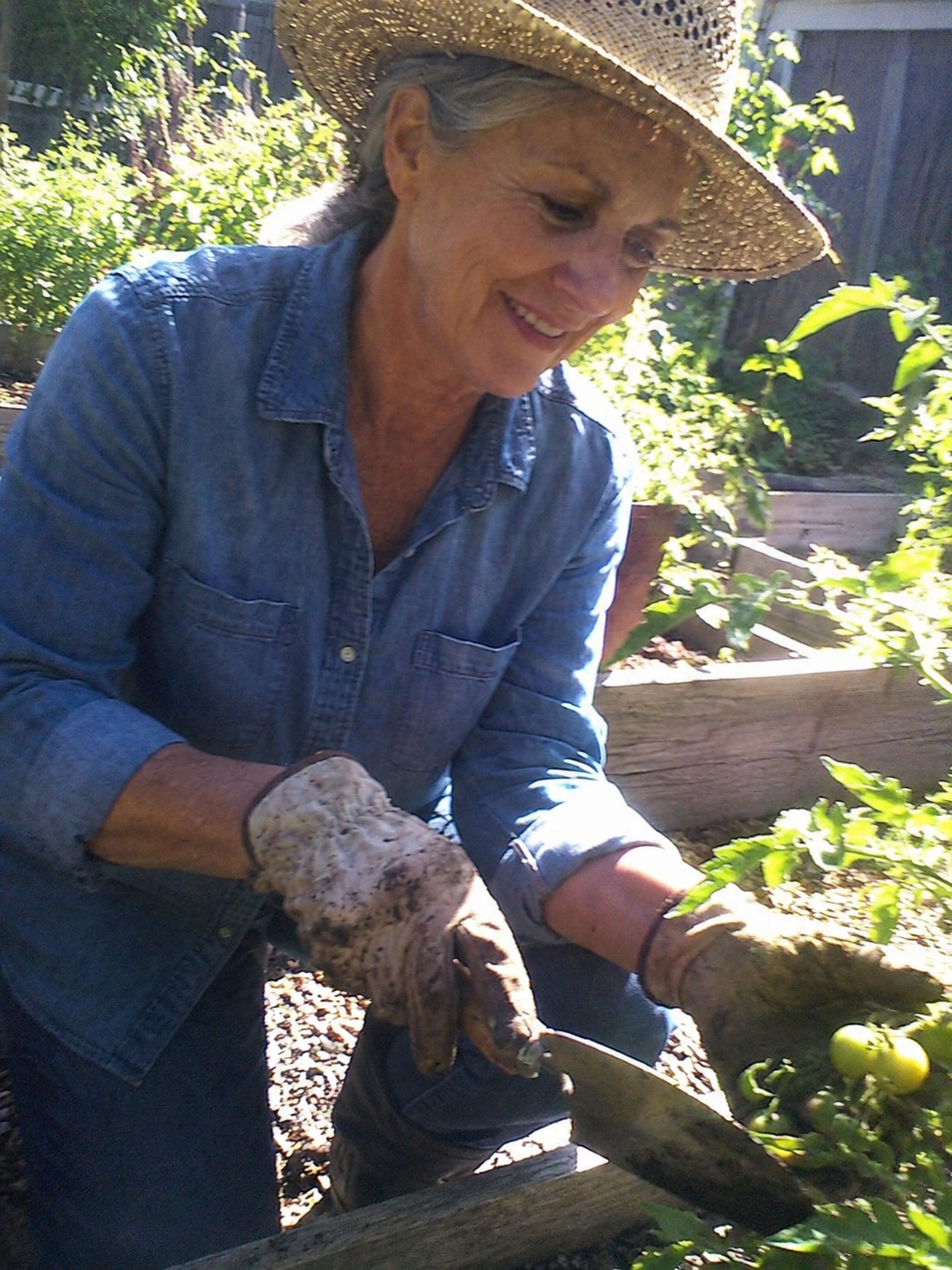
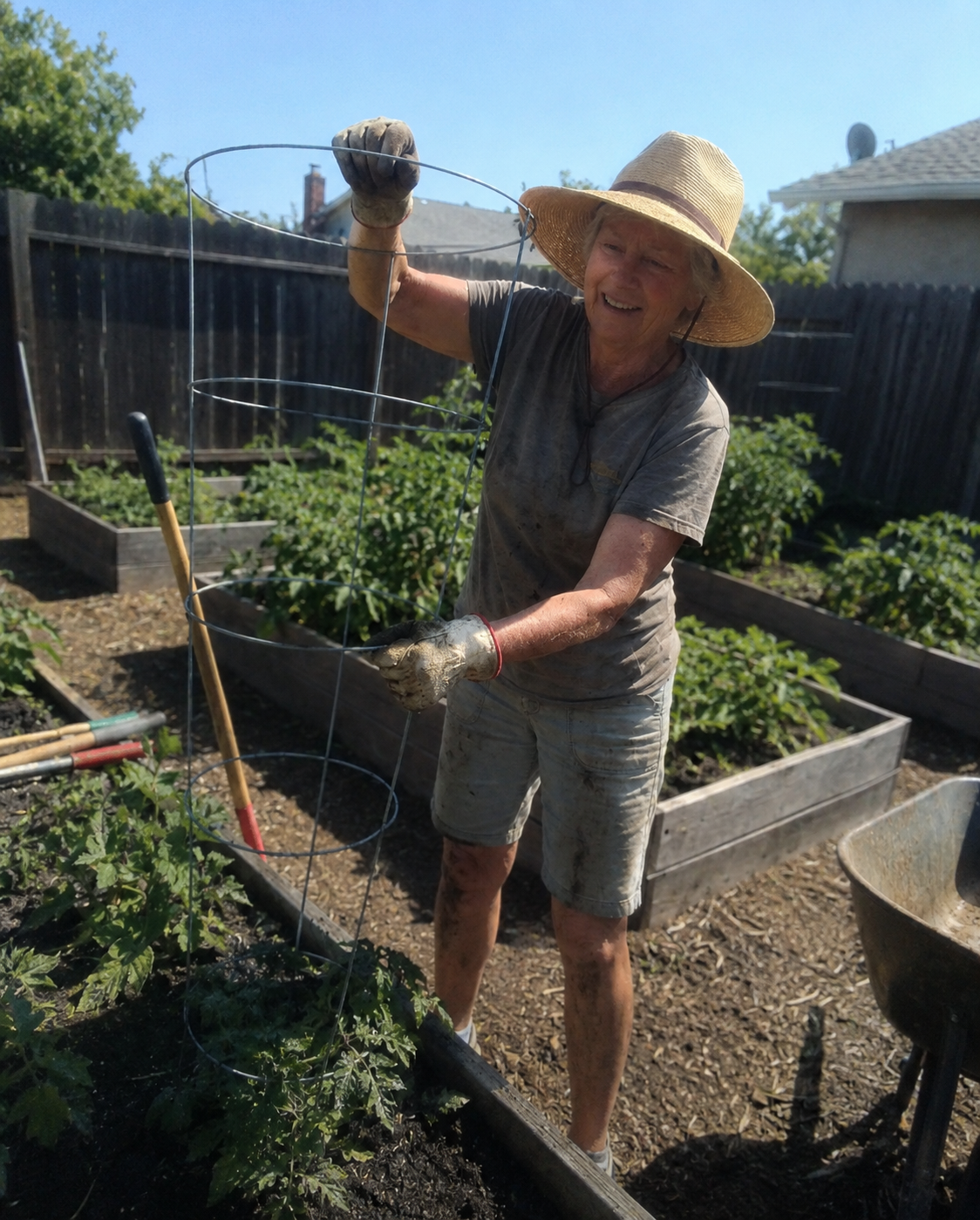
I Sat Down on My Own Staircase Last Tuesday. I'm 64. That's When I Knew Something Had to Change. That was the day. I'm 64. I'd gone up the stairs to my own bedroom — fourteen steps, the same fourteen steps I'd been climbing since 1998 — and at the top I had to sit down on the landing. Just to catch my breath. My granddaughter Hazel, six years old, had followed me up. She put her small hand on my knee. She said: "Grandma, are you okay?" I said yes. I told her I just needed a minute. She sat next to me on the landing in her party dress and waited until I got up. She didn't make a thing of it. She wasn't worried. That was almost worse. She was used to it. That night, after my daughter took her home, I sat in my kitchen with a cup of tea and thought about the stairs. I thought about the fact that a six-year-old had put her hand on my knee like I was the small one. And I thought: this isn't the woman I want to be at her wedding. I went through menopause at 55. It came late and it came hard. Two years of hot flashes I thought would never end, and then they did. I thought I was through it. I was, in the way you're through a storm. But storms leave things behind. In the years after, things drifted. My blood pressure ticked up a few points at one checkup, a few more at the next. My cholesterol numbers, which had been good my whole life, started looking like numbers my doctor wanted to talk about. My energy was different in ways I couldn't quite name. It wasn't dramatic. Nothing was dramatic. It was just that I was a little more tired, a little more out of breath, a little quicker to sit down than I'd been a few years before. My doctor wasn't alarmed. She said the same thing she'd been saying. "Margaret, your numbers are in a reasonable range. But this is the time of life when we pay closer attention. After menopause, the heart benefits from a little more support than it needed before." She didn't recommend medication that visit. She said: "Let's see what we can do with the basics first." So I did the basics. I walked. I cut back on the cheese. I added more fish. I got better about sleep. Some of it helped a little. Some of it didn't. The stairs were still the stairs. I drove three hours to my college reunion that fall. I wasn't sure I wanted to go. Forty-two years is a long time, and most of the women I'd lived with in that dormitory had become Christmas-card acquaintances. But I went. And one of them — a woman named Carol I'd shared a bathroom with for four years and barely spoken to since 1985 — walked into the hotel ballroom looking like someone had turned a light on inside her. She was 64, same as me. She was carrying herself the way a 50-year-old carries herself. I didn't know how to describe it then and I'm still not sure I can. She just looked like she was inside her own body. Present. Awake. Not bracing for anything. We ended up at the same table. We talked for two hours. She told me about her life, her three sons, the divorce in her late 50s, the move to a smaller town, the garden she'd built. And somewhere in the middle of it, I asked her — because by then I was just curious — what she was doing. She laughed. She said: "Nothing fancy. I walk every morning. I eat about the way you'd expect. And I take a beetroot supplement my doctor approved a couple of years ago." I asked her what brand. She wrote it on a hotel napkin. Rosabella. I put it in my pocket. That night, in my hotel room, I read about beetroot for a couple of hours. The thing that stayed with me wasn't dramatic. Beetroot has been studied for decades for things related to cardiovascular wellness. It isn't new. It isn't a miracle. It's a vegetable humans have been eating for a long time. It happens to be rich in a class of compounds called betalains. And those compounds appear to play a role in supporting the body's natural antioxidant balance. That was enough to make me curious. I wasn't looking for a miracle. I was looking for one more sensible thing I could add to the basics. I looked at Rosabella's site the next morning. What I noticed was that they cold-press their beets at low temperatures. The reason that mattered, after the reading I'd done, is that betalains are sensitive to heat. Rosabella chose the slower way. A small farming community in Lancaster County. Cold-pressed at low temperatures. Two capsules with water in the morning. Before I ordered anything, I called my doctor's office. I told the nurse what it was. I asked her to check with the doctor whether it was a sensible thing to add to what I was already doing — the walks, the diet, the multivitamin and the low-dose fish oil. She called me back the next day. She said the doctor thought it was reasonable. She said: "It's a food-based supplement, and there's good research on antioxidant support for cardiovascular wellness. Go ahead. Tell us at your next visit." That was October. I started the bottle the next morning. I'm not going to tell you something dramatic happened. I'd be lying if I said I felt a switch flip. I didn't. What I noticed was a slow softening. Some of what I noticed may have nothing to do with the beetroot. I want to be honest about that. I added it to a routine that already included walks and better food. Bodies are complicated. Causes are hard to pin down. But here's what I noticed. After about ten days, I went up the stairs to my bedroom and didn't sit on the landing. I didn't even think about it until I was halfway across the room. I stopped. I stood there. I turned around and looked at the staircase like it had done something to me. Two weeks in, I was in the garden on a Saturday morning pulling tomato cages out of the bed. I worked for about an hour and a half. The next morning my shoulders weren't sore. That sounds like nothing. It wasn't nothing. For three years my shoulders had been sore the day after anything that involved my arms above my head. Around the three-week mark, I noticed I was sleeping the whole night. I hadn't slept through a whole night since menopause. I'd assumed that was the new normal. It turns out it wasn't. I started walking the dog further. Not because I made myself. Just because at the end of the block, where I'd been turning around for two years, I didn't feel like turning around. I had my next checkup in March. My doctor looked at the numbers. She said they were in better shape than they'd been the previous year. She didn't say it like a miracle had happened. She said it the way a doctor says it when she's been quietly watching a patient and sees the patient's choices showing up on a page. We talked about what I'd done. I told her about the walks, the diet, the beetroot. She said: "Whatever combination of things you're doing, keep doing it. Let's check again in six months." That's where I am. I'm not done with the rest of it. I still walk most mornings. I still watch the cheese. The beetroot didn't replace any of that. It got added to it. I'm not going to tell you it's magic. I'm not a doctor. I'm not in healthcare. I'm one person — one 64-year-old woman who hit menopause at 55 and sat on her own staircase at her granddaughter's birthday party and decided that wasn't who she wanted to be. I tried one thing. I'm sharing what happened. The way I'd tell a friend over coffee about a recipe that worked for me. If something I've said sounds like it might be worth a look, here's the only thing I'd encourage you to do first. Call your doctor's office. Tell the nurse what it is. Ask whether it's a sensible thing to add to what you're already doing. Mine said yes. Yours might say something different. Either way, you'll have an answer that's actually about you, not about a stranger on the internet. If they say yes, you have a place to start. If they say no, you have a piece of information about your own body you didn't have before. That's worth something too. ~ Margaret R. P.S. — A few notes for anyone who wants them. Rosabella has a 90-day money-back guarantee. If you're not satisfied for any reason, every penny back. That's a reasonable policy for a supplement. It gives you actual time to see whether it helps. I'd give it at least a month before deciding anything. Bodies are slow. Anything promising a switch-flip in 48 hours is promising more than it can deliver. P.P.S. — Carol and I have been talking on the phone now. Forty-two years of barely a word, and now we talk on Sunday mornings. She asked me a few weeks ago how the beetroot was going. I told her about the stairs. She said: "I knew." I asked her what she meant. She said: "I saw you walk into the ballroom. I saw the way you sat down. I was hoping you'd ask." That's what made me write this down. Because somewhere out there, someone is reading this who walked into a room recently and someone else watched them sit down. And that someone else is hoping you'll ask. P.P.P.S. — Rosabella is a small operation. The farms harvest on their own schedule. I waited nine days for my second bottle because they were between bottlings. I keep an extra one in the cupboard now. If you decide to try it, that's something to know. P.P.P.P.S. — One more thing. My mother died at 62. She had a quiet decline through her late 50s, the same kind of drift I'd been feeling. Nobody talked about post-menopausal heart health when she was going through it. The words barely existed yet. She didn't have a doctor who said "let's pay closer attention." She didn't have a Carol at a reunion. She didn't have a granddaughter on a landing. I'm two years older now than my mother ever got to be. Every year past 62 is bonus territory. I'm not going to spend it sitting at the top of a staircase. I want to be at Hazel's high school graduation. I want to be at her wedding. I want to be the grandmother who can walk her down a hallway, not the one she walks slowly for. The beetroot is a small thing. One capsule. A glass of water. Two minutes in the morning. But it's two minutes of attention I'm giving to me. After a lifetime of giving most of my minutes to other people, I think I've earned two of them. That's the actual reason I take it. The rest is just the doctor visit. https://track.tryrosabella.com/14309c20-4d60-44e3-9565-5ba6bb358986 Individual experiences vary. These statements have not been evaluated by the FDA. This product is not intended to diagnose, treat, cure, or prevent any disease.
Support stamina and heart health every day
LEARN MORELike this ad? Make it yours.
Crush rebuilds this exact creative around your product — your brand, your colors, your offer — in about a minute.