
Stopped· since Mar 28, 2026
- 50
- days it ran
- 0
- relaunches
Ad copy
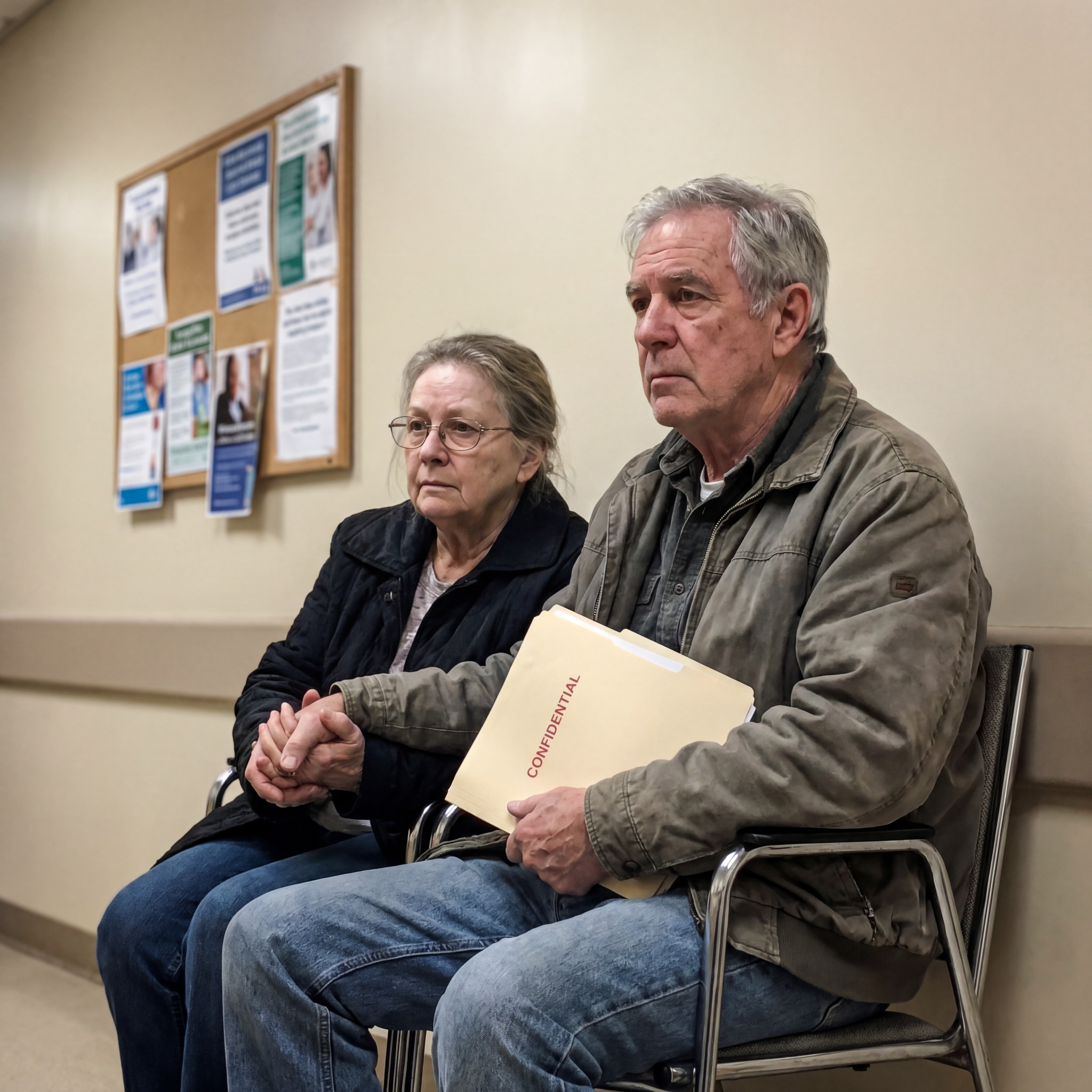
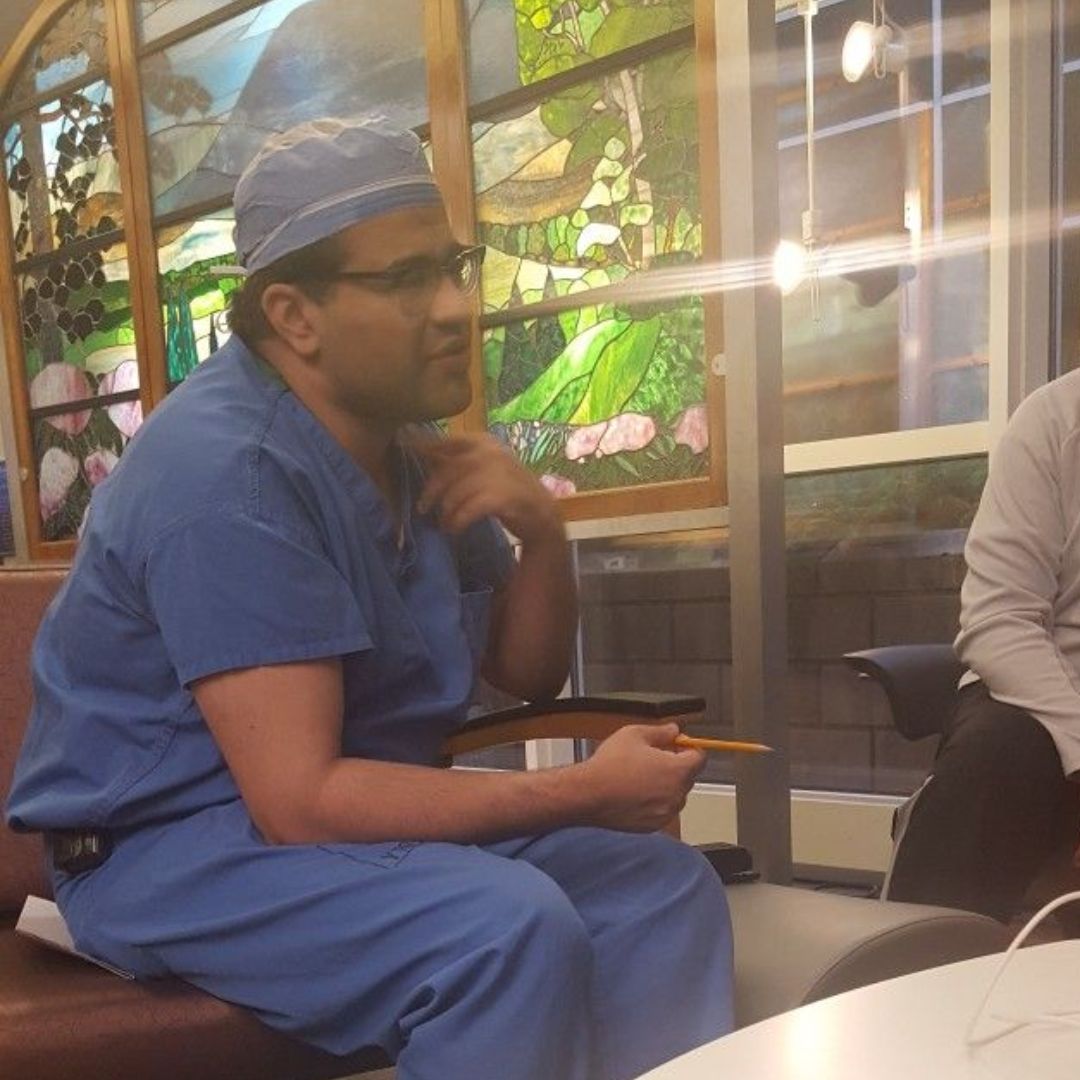
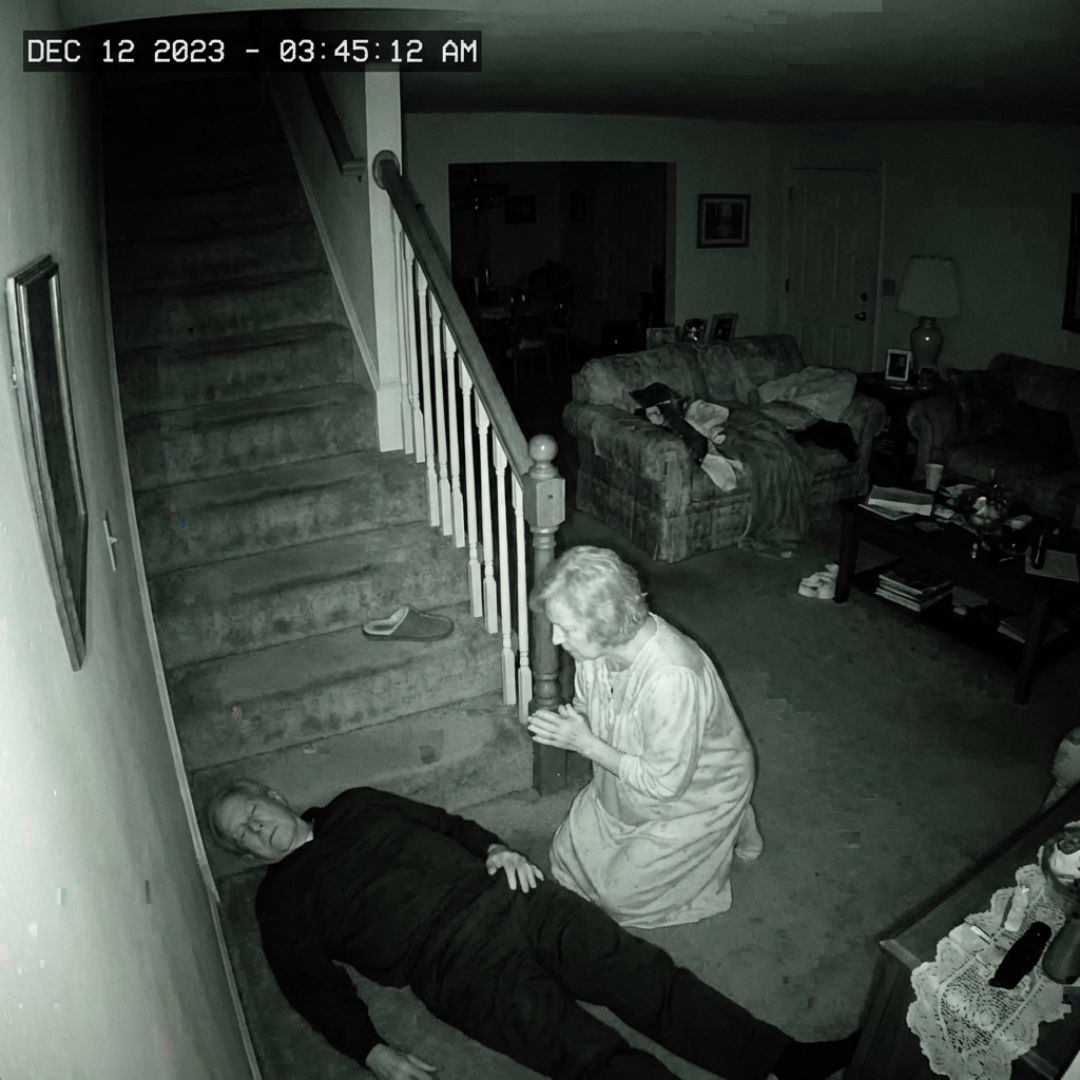
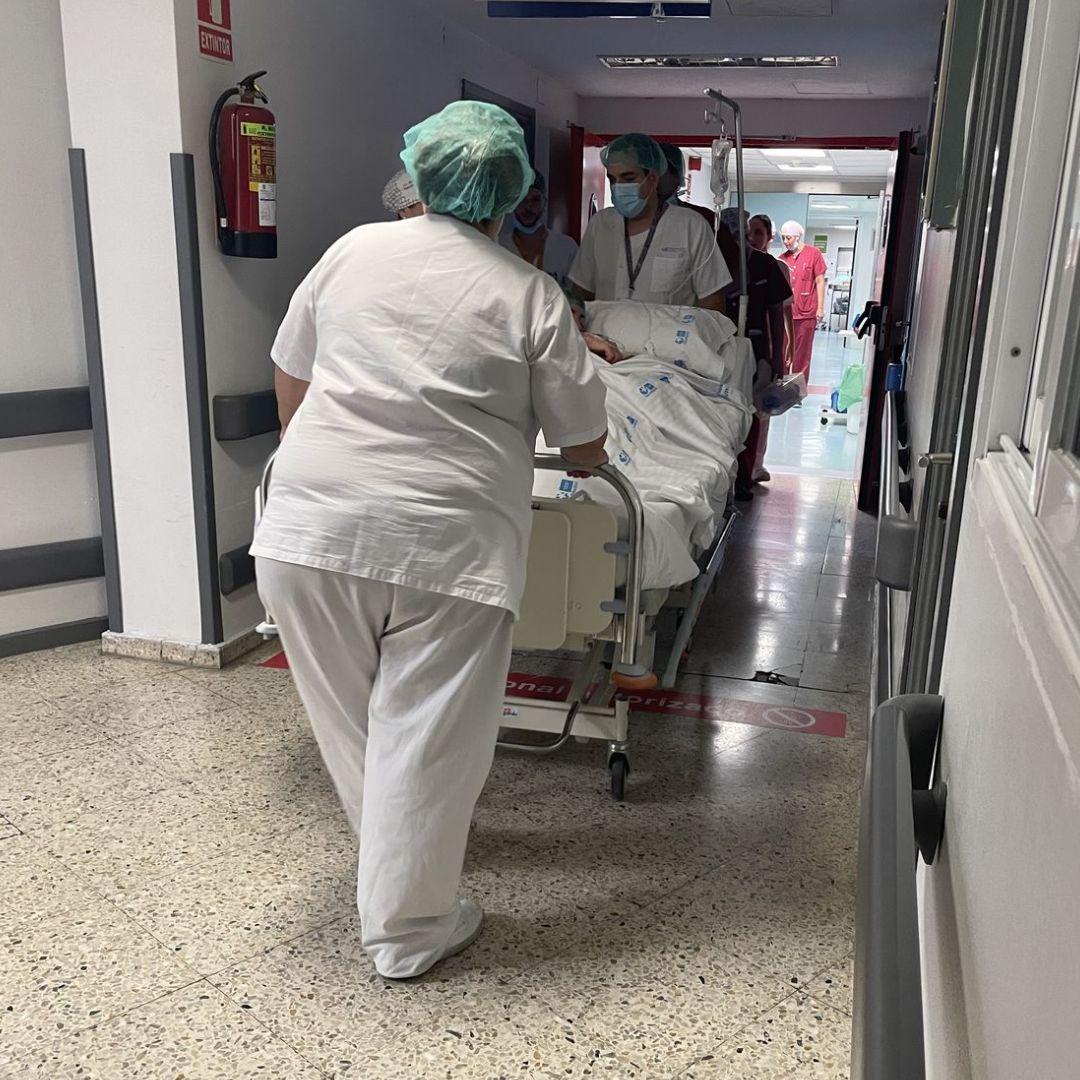
After 20 Years as a Urology Nurse, I've Watched Men Lose Their Sex Lives, Their Sleep and Their Dignity to Prostate Surgery While Their Doctors Called It "Inevitable." Then I Ended Up in A&E at 3AM With a Catheter. I've prepared over 400 men for prostate surgery. I'm 58. Six weeks ago, I was sitting in the urology consultant's office on the other side of the desk for the first time in my career. He pulled up my scan without looking at me first. That pause before he spoke. I knew that pause. I had seen it from the other side hundreds of times. "James. Your prostate has grown significantly since your last scan. Your flow rate is down to 5 ml per second. Your residual volume is over 200ml. Tamsulosin isn't giving us enough anymore. I think it's time we talked about surgery." Surgery. My throat closed. The room tilted. I knew exactly what that meant. I had spent two decades on the other side of that conversation. I had shaved the men who heard those words. Cannulated them. Wheeled them to theatre. Sat with their wives in waiting rooms. Changed their catheter bags in recovery. Read their discharge notes. I had seen what came after those words more times than I could count. And now they were being said to me. I noticed it first about five years ago. Getting up twice a night. Then three times. That weak, hesitant start every time I stood at the urinal. The feeling of never quite finishing. I mentioned it to my GP the way I tell patients to mention things. Early. Before it gets worse. He referred me to a urologist. Enlarged prostate. Very common at your age. Here is a prescription for Tamsulosin. Should help with the flow. It helped. For a while. I was working a night shift on the urology ward the first time I noticed the dizziness. Standing up from the nursing station and grabbing the desk to stop myself going down. The classic Tamsulosin blood pressure drop. I had explained that side effect to patients a hundred times. It was different explaining it to yourself in the mirror. Then the other thing started. I will not go into detail. I work on a urology ward. I knew exactly what retrograde ejaculation was before it happened to me. I had read it off a side effect leaflet to patients more times than I could count. Reading it off a leaflet and experiencing it yourself are not the same thing. My wife noticed before I said anything. The way wives do. We did not talk about it much. There was not much to say. A side effect of the medication. Part of managing the condition. That is what I told patients. Managing. Part of the process. My prostate kept growing. Flow rate dropping at every appointment. Residual volume climbing. My urologist adjusting the dose. Then adjusting again. Year 2: "Let's try adding Finasteride." I had seen what Finasteride did to men on the ward. I lasted eight weeks before I stopped taking it. The flatness was worse than the original problem. Year 3: Maximum dose Tamsulosin. Still getting up four times a night. Still that weak, stop-start stream. Still planning every shift around which toilet I could get to quickly enough. My colleagues noticed. I caught one of the younger nurses watching me walk quickly toward the bathroom for the third time in two hours. She looked away when I caught her eye. I had done the same thing with patients for twenty years. Noticed. Said nothing. Added it to the notes. Year 4: The night it happened. I was home. 2:30 in the morning. I woke up with the usual pressure. Stood over the toilet. Nothing. I pushed. Relaxed. Tried again. Nothing. Five minutes. Ten minutes. The pain starting to build. My wife found me hunched over the bathroom wall twenty minutes later. "I can't go. Something is wrong." I already knew what it was. I had seen it on the ward more times than I could count. I had just never felt it from the inside. Acute urinary retention. 850 millilitres of urine in my bladder that would not come out. The ambulance. A&E at 3 AM. The catheter. My wife sitting in the plastic chair in the corner of the cubicle while a nurse younger than my daughter performed a procedure I had performed on patients myself hundreds of times. I came home with a bag strapped to my leg. I wore it under my trousers for a week. Emptied it in the staff bathroom at work when I went back on shift three days later because I could not afford another week off. Stood in the cubicle staring at the bag thinking about every patient I had ever sent home with the same thing. The leaflet I always gave them. The cheerful way I explained what to expect. I had never stood on this side of it before. After the catheter came out, my urologist said the words I had heard him say to other men through the glass panel of the consultation room. "James. I think we've reached the point where surgery is the right conversation." I drove home and sat in my own driveway for twenty minutes. My wife opened the front door. Looked at my face. "Surgery." She said it before I did. Not a question. "He's recommending TURP." She sat down on the front step. Did not say anything for a while. I sat next to her. "James. You've prepared over 400 men for that procedure. You've seen what they look like coming out of recovery. You've read their discharge notes. You've sat with their wives." "I know." "Tell me honestly. Do you want that surgery?" I knew the numbers without looking them up. Retrograde ejaculation permanent in nearly all TURP patients. Erectile dysfunction in 45 to 70%. Permanent incontinence requiring pads in 15 to 20%. A 31% chance of needing a second surgery within ten years. 52% of men who go through it say they regret it. I had known those numbers for twenty years. I had just never applied them to myself. "No," I said. "I don't." That night I could not sleep. My wife was next to me. The clock on the bedside table. 11:47 PM. 12:38 AM. 1:51 AM. At 2:23 AM I got up. Went to the kitchen table. Opened my laptop. I had worked in urology for twenty years. I told myself I was not going to find anything I did not already know. I typed it anyway: why does Tamsulosin stop working I already knew the answer. Alpha-blocker. Relaxes smooth muscle. Does not stop growth. Manages the squeeze. Not the cause of the squeeze. But then I kept reading. The 2018 European study on men on Tamsulosin for five years or more. 57% of them needed surgery anyway. Not because the drug failed unexpectedly. Because the drug was never designed to stop what was driving the growth. It was designed to manage symptoms. While the prostate kept growing. I sat back in my chair. More than half. I had watched that pattern play out on the ward for twenty years. First prescription. Dose increase. Another dose increase. Finasteride. Acute retention. Catheter. Surgery. I had been living that pattern myself for four years. And I had never once asked the question I was sitting there asking at 2:30 in the morning. What is actually driving the enlargement and is anything I have been given addressing it. I typed: what is actually causing my prostate to keep growing And that was when something I had spent twenty years not looking at properly came into focus. There are three separate biological processes driving every case of BPH. And Tamsulosin addresses none of them. The first is DHT overproduction. After 40 the body converts testosterone into DHT at an accelerating rate. DHT acts like fertiliser on prostate tissue, forcing it to grow year after year without stopping. Tamsulosin does nothing to DHT. The second is prostatic vascular obstruction. DHT overproduction generates hormonal waste, a sticky residue that accumulates on the walls of the tiny blood vessels feeding the prostate. Year after year those vessels narrow. Less oxygen reaches the prostate cells. The body responds with chronic inflammation. The prostate swells and presses against the urethra. Tamsulosin relaxes the muscles around that squeeze for 10 to 12 hours. Then it wears off. The vessels are still coated. The inflammation is still running. The squeeze comes back. The third is a deficiency in the specific compounds the prostate needs to regulate its own cell growth. Without them the body cannot slow the DHT surge or break the inflammatory cycle regardless of what else you do. Three problems. All running simultaneously. Compounding each other. Tamsulosin addresses none of them. I had spent twenty years on a urology ward knowing that Tamsulosin did not stop prostate growth. Knowing it only managed the squeeze. Watching men cycle through dose increases and additional medications until surgery became the only conversation left. I had never once looked at what was underneath. At what was actually driving the progression. At whether anything existed that addressed those three mechanisms simultaneously. Because my job started after those conversations should have happened. My phone said 3:19 AM. I typed: what dissolves hormonal waste in prostate blood vessels Study after study. Compounds I knew by name. Had never connected to this mechanism. Quercetin. A double blind placebo controlled trial in Urology. 67% of men reporting meaningful improvement in prostate symptom scores versus 20% in placebo. Direct inhibition of the inflammatory pathway sustaining the vascular obstruction at a molecular level. I had dispensed medications on that ward for twenty years. I had never once seen Quercetin in a treatment plan. Curcumin at 400mg. Suppressing both the inflammatory pathway and DHT-stimulated cell signalling in prostate tissue simultaneously. Two of the three root causes addressed by one compound. French Maritime Pine Bark Extract and Grape Seed Extract. Documented activity in small vessel endothelial function. Reopening the narrowed vessels. Flooding oxygen-starved tissue with fresh blood. When the cells can breathe again the inflammation can actually resolve. Not suppressed temporarily. Actually resolved. Saw Palmetto at 320mg. Twice the dose on pharmacy shelves. A meta-analysis of 18 randomised trials. Meaningful improvement in peak flow rate and nocturia at therapeutic dose. The pharmacy products contain half the amount used in the research that demonstrated the effect. Beta-Sitosterol. The Lancet. 45% improvement in urinary flow rate over six months versus 15% in placebo. I had never seen any of these mentioned in a discharge letter. In a ward round conversation. In twenty years. My wife found me at 4:07 AM. "James. What are you doing?" "Finding out what I should have been telling them." She sat down. I walked her through it. The three root causes. The vascular obstruction. The hormonal waste. The compounds with clinical evidence behind them. Why Tamsulosin was always going to fail to address what was actually happening inside my prostate. She was quiet for a long time. "So the medication never fixed anything." "No." "For four years." "No." "And the surgery doesn't fix it either." "The surgery removes tissue. It doesn't address what caused the growth. That is why 31% need a second procedure within ten years." She looked at me. "Then why hasn't anyone ever told you this. You work on that ward." I already knew the answer. Twenty years taught me exactly how the system works. There is no patent on these compounds. No pharmaceutical company makes billions from natural ingredients. Nobody profits from a man's prostate actually getting better. There is money in Tamsulosin prescriptions. There is money in Finasteride. There is money in TURP surgery at £8,000 to £10,000 privately and in managing the complications for the rest of a man's life. She looked at me for a long time. "Find something that addresses all three. Tonight." I searched for a formula that combined all the compounds at the doses the research actually used. Not label-justifying trace amounts. The real doses. Most prostate supplements address one root cause. Some try for two. None of them put all three together at clinical doses. I was still at the kitchen table at 4 AM when my phone buzzed. A message from a colleague I had worked with on the ward years ago. He had heard through someone that I was heading toward surgery. "Before you sign anything, watch this. I sent it to my brother-in-law six months ago. He cancelled his TURP." He sent me a link to an interview. I almost ignored it. I was exhausted. I had already spent two hours going down research rabbit holes. The last thing I needed was another supplement company video dressed up as medical advice. But I clicked it anyway. The man being interviewed was Dr. Michael Thompson. Board-certified urologist. 25 years in practice. Two major university hospitals. I recognised the credentials. I had worked alongside consultants with the same background for twenty years. But then he said something that made me sit up straight. He had BPH himself. Diagnosed at 54. The same symptoms I was dealing with. And when his symptoms got bad, he refused to take the same medications he had been prescribing to his patients for two decades. A urologist who won't take his own medicine. That is either arrogance or he knows something the rest of them don't. I kept watching. And then he started explaining the three root causes. The DHT overproduction. The hormonal waste coating the blood vessels. The nutrient deficiency leaving the prostate unable to regulate itself. Everything I had spent the last two hours reading about in the research papers. Coming out of the mouth of a board-certified urologist who had arrived at the same place from the other side. I sat there staring at the screen. This was not a supplement company making claims. This was a urologist describing the exact same three mechanisms I had just found in the peer reviewed literature. Saying out loud what none of his colleagues were saying to their patients. What nobody had ever said to me in four years of appointments. He said he had spent two years building a formula that addressed all three simultaneously. At the doses the research actually supports. Not the watered-down amounts that justify putting an ingredient on a label. The real doses. Every single one. He called it EaseFlow. I ordered it at 4:43 AM. Sitting at the same kitchen table where I had spent the last two hours learning what I should have known twenty years ago. The box arrived two days later. Three capsules a day. One with each meal. I started that morning. Did not tell anyone at work. Did not want to explain it. Did not want to get my own hopes up. I did not expect anything to happen quickly. I had been burned by enough pharmacy supplements to know that much. Day 4. I woke up and the room was light. I lay there for a full minute just processing what had happened. I had slept until almost six in the morning without a single trip to the bathroom. I could not remember the last time that had happened. I lay completely still. Afraid to move in case I jinxed it. Day 7. The stream was different. Steadier. Less hesitation before it started. I stood at the toilet paying attention to it the way a man should never have to pay attention to going to the toilet. One of the healthcare assistants on the ward asked me if I was alright that week. Said I seemed different. More settled. I told her I was sleeping better. Week three. Saturday morning. What came out shocked me. A strong, steady stream. No hesitation. No stopping and starting. No pushing. I stood there for a moment just processing what was happening. My wife was in the doorway. "You're smiling." "Yes." "In the bathroom." "Yes." She understood without me saying anything more. Week six. I drove to visit my brother. Four hours. One stop. Sat in the car and watched the countryside and did not once think about the next service station. My brother noticed before I said anything. "You seem more relaxed. Less distracted." "I am." Month two. Follow-up with my urologist. I waited for the numbers. Flow rate up from 5 ml per second to 12 ml per second. Residual volume down from 200ml to 45ml. My urologist looked at the numbers for a long time. "James. These are significantly better. What have you changed?" I told him. About the three root causes. About the vascular obstruction. About the hormonal waste coating the blood vessels. About Quercetin and Curcumin and Pine Bark Extract. About EaseFlow. He typed notes. Was quiet for a moment. "Whatever you're doing, continue. We're taking surgery off the table for now." Surgery off the table. I walked to my car. Got in. Sat there. Same car park where I had sat eight weeks earlier unable to turn the key after he told me it was time to talk about surgery. I called my wife. "Flow rate more than doubled. Residual volume down by 80%. He said no surgery." A sound I had only heard a handful of times in our marriage. "James. Oh thank God." That was eight weeks ago. My flow rate this week is 14 ml per second. Residual volume is 38ml. I sleep through most nights. When I do get up it is once. Sometimes not at all. Last weekend my wife and I walked along the coast near our house. Two hours. Stopping when we wanted to. Not stopping because I needed a toilet. She took my hand near the top of the path. "You're back." "I know." Because that is what it was. My prostate had been managed for four years. Managed with a drug that never addressed the vascular obstruction. Never dissolved the hormonal waste coating the blood vessels. Never gave the prostate tissue what it needed to regulate itself. And I had spent twenty years on the ward doing the same thing to other men without ever looking underneath. Surgery off the table. Sleep restored. Stream restored. I am not going back to that operating theatre. If you are reading this, you see yourself in this story. The stream gets weaker every year. Up three, four, five times a night. Planning every journey around toilet stops. Quietly stopping doing things you used to love because you cannot be too far from a bathroom. Your urologist says the symptoms are being monitored. Says this is the expected progression. Says we will discuss options when the time comes. Options. They mean surgery. Maybe you have watched someone go through it. Maybe the word surgery is what keeps you up at 3 AM. Maybe you have tried supplements. Saw palmetto from the pharmacy. Some prostate support formula with ingredients at doses too small to do anything. Nothing worked. Here is what I want you to know. If I had not sat at that kitchen table at 2 AM. If I had not gone further than I had ever gone in twenty years on a urology ward. If I had not found the research on the three root causes and the compounds that address all of them simultaneously. I would be in pre-operative assessment right now. Signing consent forms. Reading the small print about permanent retrograde ejaculation. About the 45 to 70% chance of erectile dysfunction. About the 15 to 20% chance of permanent incontinence. Preparing to become another one of the 52% who regret it. But there was a choice I did not know existed. Not another dose increase. Not Finasteride. Not surgery. A formula that addresses all three root causes simultaneously at the doses the research actually supports. Ten ingredients. Every single one with peer reviewed clinical evidence behind it. Every dose on the label with nothing hidden. That choice changed everything. If you are where I was eight weeks ago, try EaseFlow. Track your stream. Track your sleep. Count your nighttime trips. Get your flow rate tested in six to eight weeks. Here is why EaseFlow works when Tamsulosin and other supplements have not. It addresses all three root causes at once. Not one. Not two. All three simultaneously at clinical doses. The Quercetin and Curcumin dissolving the hormonal waste at a molecular level. The Pine Bark and Grape Seed Extract reopening the narrowed vessels and restoring oxygen to starved tissue. The Saw Palmetto at 320mg combined with Beta-Sitosterol, Pygeum, Pumpkin Seed, Lycopene and Rye Pollen Extract regulating DHT at the source. Most prostate supplements pick one mechanism and use inadequate amounts. Saw palmetto on its own does almost nothing because the vascular obstruction is completely untouched. The hormonal waste is still building. The inflammation is still running. EaseFlow was built to address what Tamsulosin was never designed to reach. GMP certified. Third party lab tested for purity and potency. Backed by a 60 day money back guarantee. So if your stream is not stronger, if you are not sleeping better, if you are not waking up less, you get every penny back. No questions asked. One month costs £29. Three months works out to about £1 a day. Compare that to hundreds a year on Tamsulosin that only masks symptoms while your prostate keeps growing. Or £8,000 to £10,000 for surgery that 52% of men who go through it say they regret. You are at a crossroads right now. One path. Keep filling the prescription. Watch the dose go up. Watch the side effects accumulate. Watch your prostate keep growing underneath while the Tamsulosin gives you just enough relief to keep going. Until one day the maximum dose stops working and surgery becomes the only conversation left. Another path. Address what is actually driving the enlargement. Give your prostate what it has been starving for. Give it an honest three months with zero financial risk. I chose the second path. It took surgery off the table. It gave me my sleep back. It gave me my stream back. It gave my wife something back that Tamsulosin had quietly taken away. It gave me my life back. Eight weeks ago I was sitting in a car park unable to turn the key. Holding a surgical referral. A urology nurse of twenty years who had spent his career on the other side of that conversation and had never once looked underneath. I was wrong about having no choice. There was a third option I did not know existed. If you are where I was, try EaseFlow. Track your stream. Track your sleep. Give it an honest three months. Your future self will thank you. — James Whitfield, Urology Nurse, 20 Years. March 2026. P.S. I noticed the first changes within days. Stream improving by week three. Flow rate more than doubled by month two. My urologist took surgery off the table entirely. Your timeline might be different. But you will not know unless you try. P.P.S. Every day you wait is another day of DHT driving growth. Another layer of hormonal waste coating those blood vessels. Another cycle of inflammation squeezing your urethra tighter. Once the prostate reaches the point of acute urinary retention, once the catheter goes in, once surgery becomes the only conversation, the risks are real and permanent. Retrograde ejaculation. Erectile dysfunction. Permanent incontinence. 52% of men regret it. Do not wait until that is the only option remaining.
The thing nobody tells men on Tamsulosin.
I Took Every Prostate Pill My Doctor Gave Me For 3 Years — Then I Ended Up in A&E at 3AM With a Tube Shoved Up My Penis
LEARN MORELike this ad? Make it yours.
Crush rebuilds this exact creative around your product — your brand, your colors, your offer — in about a minute.