
Inactive· since Jul 1, 2026
- 28
- days it ran
- 0
- relaunches
Ad copy
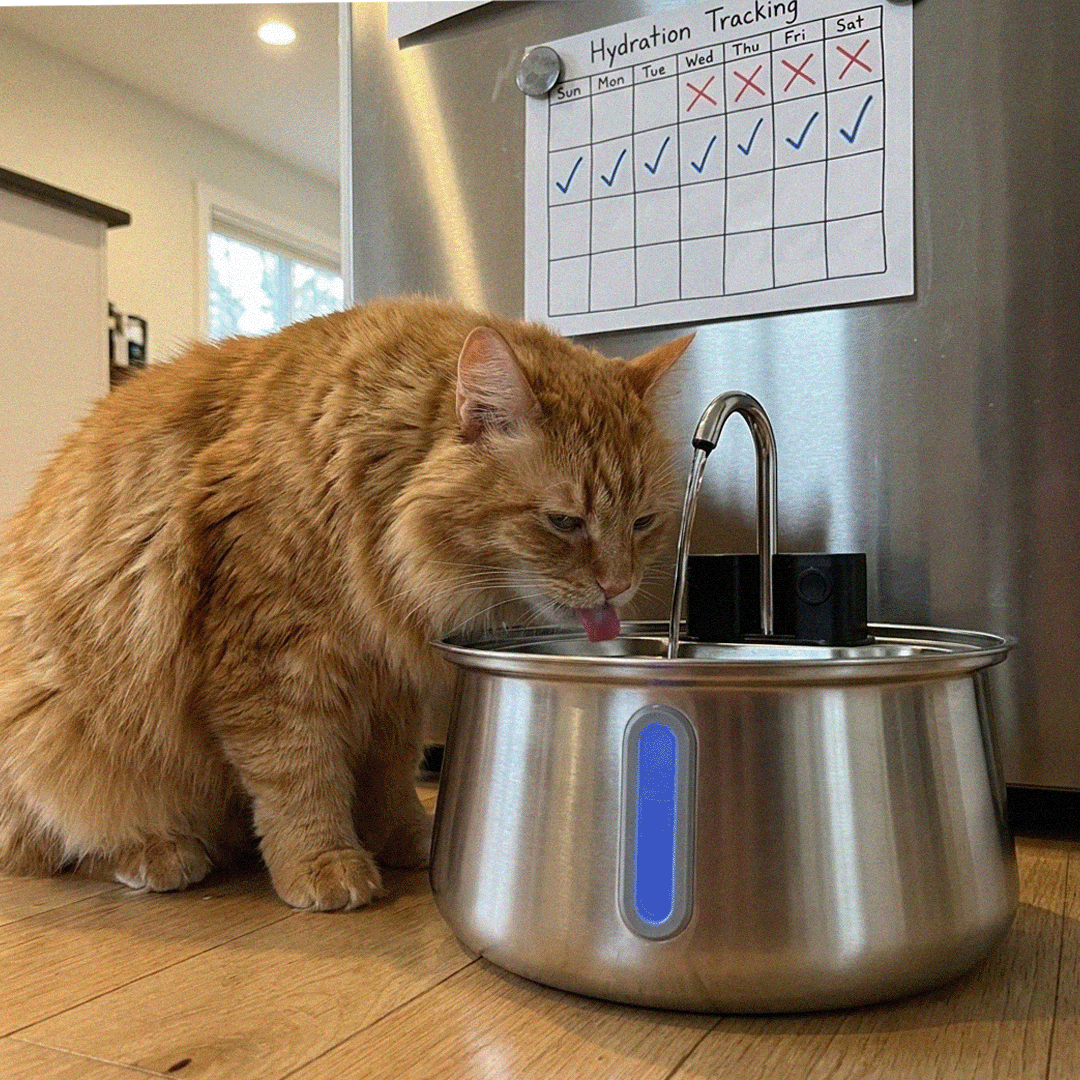
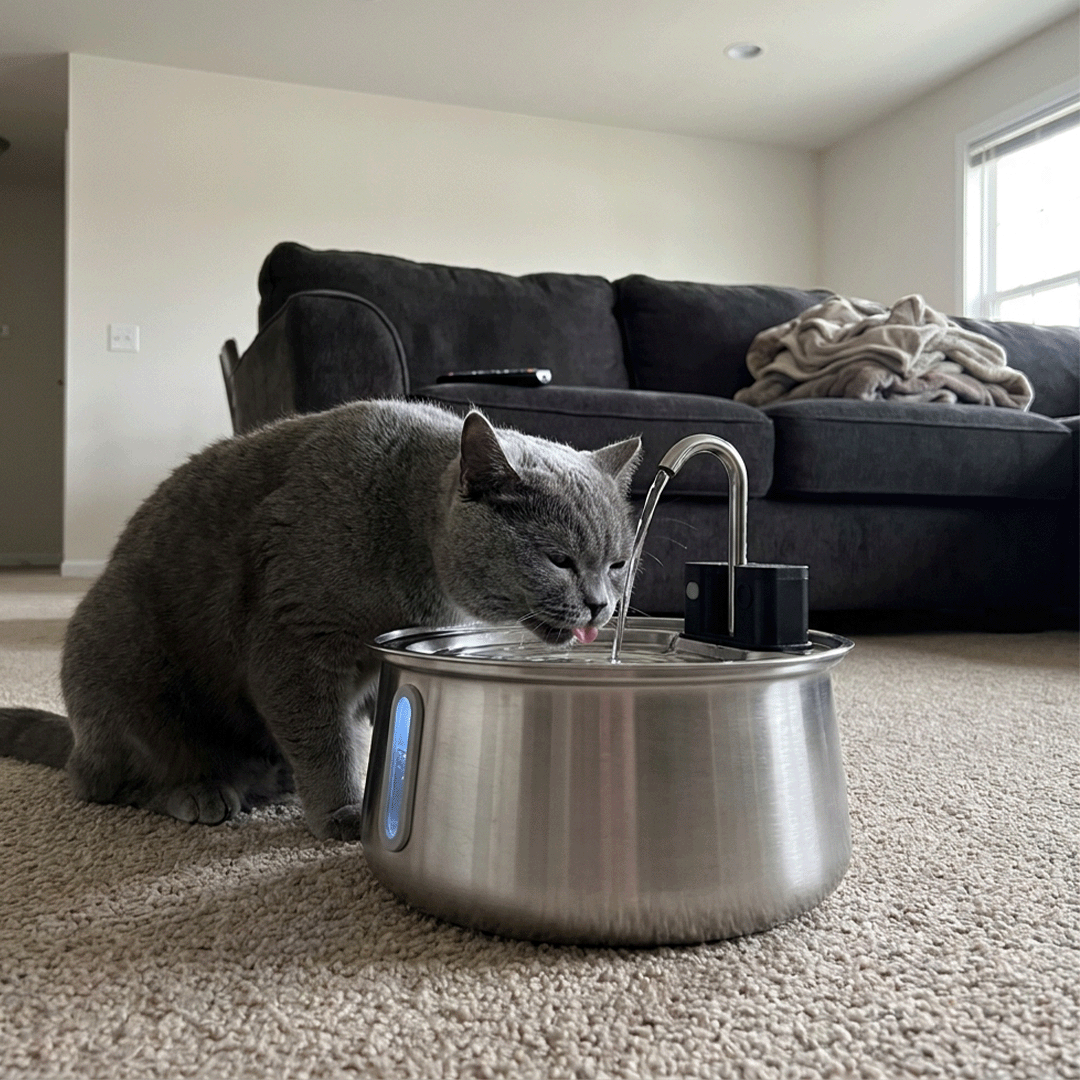
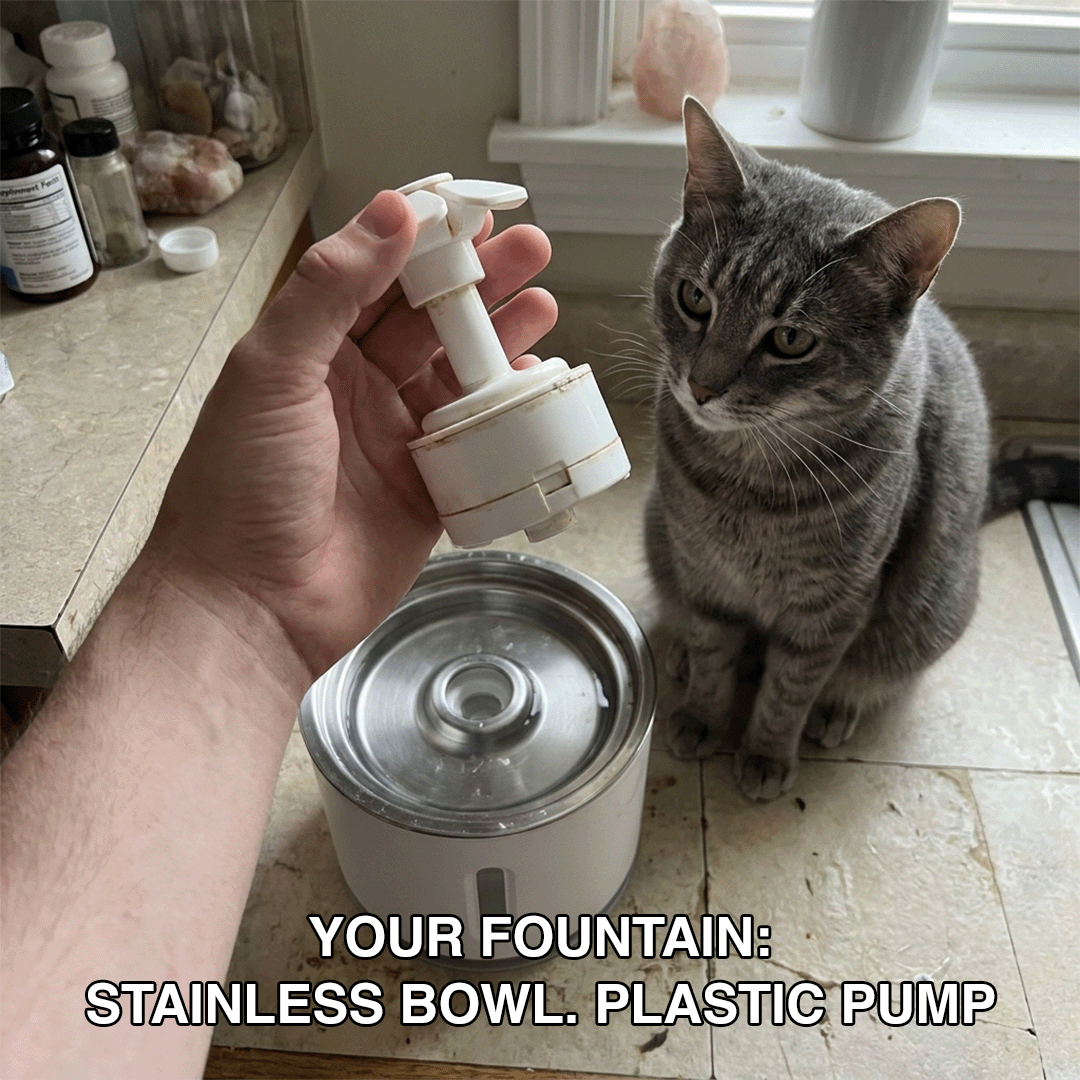
I Had Been Cleaning Pink Slime Out of My Cat's Water Fountain Every Three Days for Over a Year Before My Grandson Walked Into My Kitchen and Asked Me Why I Was Doing That I'm writing this for anyone who has gotten used to scrubbing pink slime out of a cat water fountain on a regular schedule and has come to accept it as just one of the things that comes with owning a cat. I was that person for a year and a half. I want to share what changed when somebody pointed out to me that this was not normal, because I think there are a lot of cat owners in households like mine who have been quietly accepting a job that did not need to be theirs. A little about me. My name is Carolyn. I'm sixty-four, I retired three years ago from a long career as a school nurse, and I live in a small adobe house on the outskirts of Las Cruces, New Mexico. My husband Bob passed in 2020. The cat I want to tell you about is named Tilly, a six-year-old I adopted from a rescue out of Albuquerque two years after Bob died. She is the first cat I have had since the cats my children grew up with in the eighties. Tilly is, to be honest about it, the reason my house feels like a home again, and I take her care seriously in a way I would not have thought I was capable of before I had her. I bought Tilly a plastic water fountain about six months after I adopted her, when I read online that cats prefer running water. It was one of the popular models from a big-box pet store, plastic with a small flower-shaped spout on top. She used it from the day I set it up. I considered it a successful purchase. The trouble started about three months in. I was refilling the reservoir one morning and I noticed a faint pink film along the inside of the bowl at the water line. I thought it was dirt. I scrubbed it off with a sponge. Three days later it was back. By the time I had the fountain for six months, the pink film was a regular feature of my life. It would appear within forty-eight hours of every cleaning, sometimes faster. I learned to disassemble the pump, take out the impeller, scrub the inside of the housing with a bottle brush, soak everything in white vinegar for fifteen minutes, rinse it, dry it, put it back together. The whole process took me about twenty minutes if I did it efficiently. I did it every three days for over a year. I am not exaggerating that figure. Three days was the longest I could go before the pink film became visible enough that I felt I had to deal with it. I want to tell you that I did not really question this. I have always been a person who cleans things. I kept my exam rooms at the school spotless for thirty-eight years. I clean my kitchen counters every night before bed. The fountain cleaning slotted into my routine the way other small household chores had slotted in over the decades. It was not pleasant. It did not feel optional. But it did not feel unusual either. I assumed this was simply what cat fountains required, that the pink film was a natural consequence of running water sitting in a container, and that diligent owners cleaned theirs on the cadence the fountain demanded. I tried a few things over the eighteen months. I switched to a brand of pet fountain cleaner that came in a little spray bottle and cost nineteen dollars for what looked like dishwashing liquid. It bought me maybe one extra day between cleanings. I changed the filter more often than the package recommended, going from monthly to every two weeks. The pink film came back on the same schedule. I tried running diluted bleach through the pump once, which I read online would deep-clean the system. The film came back within three days. By month sixteen I had stopped trying anything new and had simply accepted the cleaning schedule as part of my life with Tilly. What changed all of this was my grandson Caleb. Caleb is sixteen. He lives in Albuquerque with my daughter and her husband, and he comes down to stay with me for a week every summer because he and I have a particular kind of friendship that is hard to describe to people who do not have a grandchild they are close to. Last July he was at my house for his week, and on the second morning he wandered into the kitchen while I was elbow-deep in the sink doing the fountain. He stood next to me and watched for a minute. Then he asked, in that direct way teenagers can have when they have not yet learned to be tactful, why I was scrubbing pink stuff out of my cat's water bowl. I told him this was what the fountain required. He looked at the disassembled fountain on the counter, and then he looked at the bowl in the sink, and then he looked at me, and he said something that I have been thinking about ever since. He said, "Grandma, that's gross. Why is it doing that?" I want to be honest about what I felt. I felt embarrassed, because a teenager had walked into my kitchen and pointed out that something I had been doing for eighteen months as if it were normal was not in fact normal. And I felt something else, which was harder to name at the time. I felt the specific recognition of having stopped asking a question I should have been asking the whole time. I had accepted the cleaning schedule the way you accept any chore that has been in your life long enough. I had not asked why the chore existed. Caleb, who had no investment in defending my routine, had asked the question for me. I told him I did not know. We sat down at the kitchen table with his laptop and we looked it up together. What we found was specific enough that I want to share it carefully. The pink film I had been cleaning is a bacterium called Serratia marcescens. It is one of several biofilm-forming bacteria that colonize plastic surfaces in continuous contact with water. The film forms within twenty-four to forty-eight hours of cleaning because plastic has microscopic pores in its surface that bacteria settle into and use as a base to rebuild the colony from. Scrubbing the visible film off removes the surface layer of the colony. The deeper colony embedded in the micropores survives the scrubbing and regenerates within hours. This is not a hygiene failure on the owner's part. It is a material property of plastic in contact with water. The plastic gives the bacteria a place to live that cannot be reached by surface cleaning. The pink film I had been seeing for eighteen months was not dirt I was failing to clean off. It was a colony rebuilding faster than I could disrupt it. My twenty-minute scrub every three days was, in functional terms, doing nothing useful. I was running on a treadmill made of bacteria. I made an appointment with Tilly's vet that week. She is a woman named Dr. Beck who has a small practice in town. I told her what Caleb and I had read. She confirmed all of it. She added one thing we had not picked up in our reading. She told me that even cat fountains marketed as stainless steel are often only stainless on the visible top portion, with plastic reservoirs and plastic pump housings hidden underneath. The biofilm forms in the plastic the customer cannot see. The grade of stainless steel that actually solves the problem, she told me, is called 304. It is the medical grade, the same alloy hospitals use for surgical instruments. At a molecular level it is non-porous. Biofilm physically cannot grip the surface. There are no micropores for the bacteria to settle into. The fountain stays cleanable on a normal cadence, which she said is once a week in about ten minutes, and the pink film does not come back the way it does on plastic. She told me the brand her clinic recommends is called Cattasaurus. I ordered one when I got home that afternoon. It arrived four days later in a heavier box than I had expected. I unpacked it on the kitchen counter and ran my finger around the inside of the reservoir, the spout, and the pump housing. All metal. No plastic anywhere I could find. The pump was quiet enough that I had to put my hand under the spout to confirm it was running. I set it up in the corner of the kitchen where Tilly's old fountain had lived and I waited for her response. She used it the same evening I set it up. The next morning I checked the inside of the reservoir for the pink film. There was none. Three days later, none. Seven days later, I cleaned it for the first time. I want to tell you exactly what that cleaning looked like, because it was the moment the eighteen-month story I had been telling myself broke open. I disassembled the fountain. I wiped the inside of the reservoir with a soft cloth. I rinsed the parts under hot water. I dried them and put them back together. The whole process took me less than ten minutes. There was nothing to scrub. There was no pink film. There were no crevices clogged with anything I needed a bottle brush to reach. The fountain was just dirty in the way a clean dish is dirty after it has been sitting on a counter for a week, which is to say it was barely dirty at all. That was about four months ago. I clean the fountain once a week now, and the cleaning takes about ten minutes, and the pink film has not come back. Not once. I have done the math on what I reclaimed. Every three days for eighteen months was roughly one hundred and eighty cleanings at twenty minutes each. Once a week for the last four months is roughly sixteen cleanings at ten minutes each. I am spending dramatically less time on this part of my life, and I am spending it on something that actually works rather than on a routine that was never going to win against the underlying biology. What I want to say to anyone reading this who has been on a similar cleaning schedule is this. If your cat's water fountain develops pink slime within two or three days of cleaning, please consider that you are not failing at fountain hygiene. The film is a colony rebuilding itself from a surface that bacteria can physically anchor into. No amount of scrubbing, no specialty cleaner, no diluted bleach, no fresh filter, will change the fact that the surface you are cleaning is designed in a way that allows the colony to come back. The fix is not a better cleaning routine. The fix is a surface the bacteria cannot grip. The fountain I bought is the Cattasaurus one Dr. Beck recommended. I'll leave the link below in case any of you want to look into it. Tilly is asleep on the chair by the window as I am typing this. The fountain is running in the kitchen and I cannot hear it from the living room. Caleb is coming down again in three weeks for his summer visit. I am looking forward to having him in my kitchen and not having anything for him to ask me about.
Like this ad? Make it yours.
Crush rebuilds this exact creative around your product — your brand, your colors, your offer — in about a minute.