
Active· since Apr 9, 2026
- 157
- days running
- 3
- relaunches
Ad copy
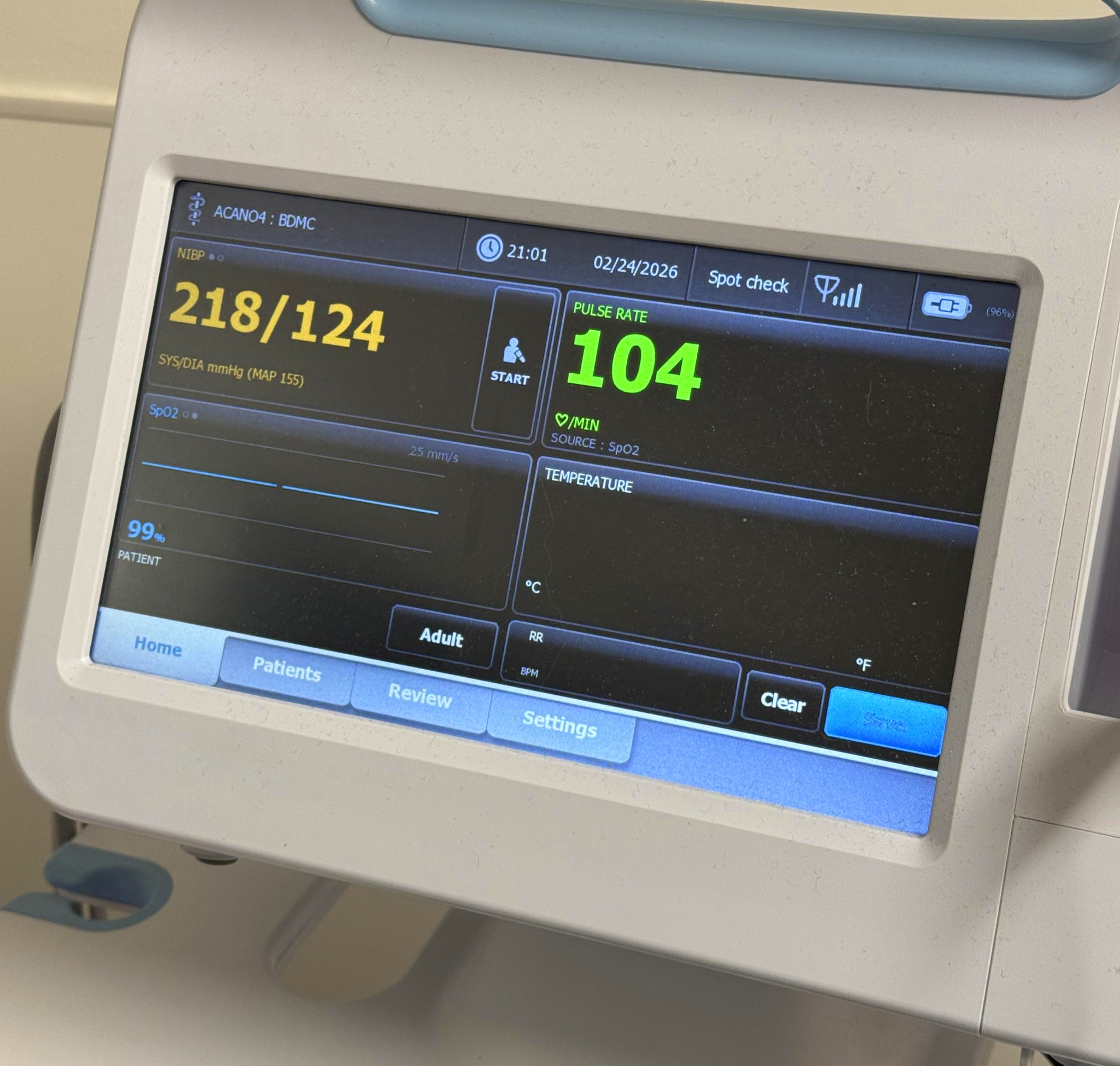
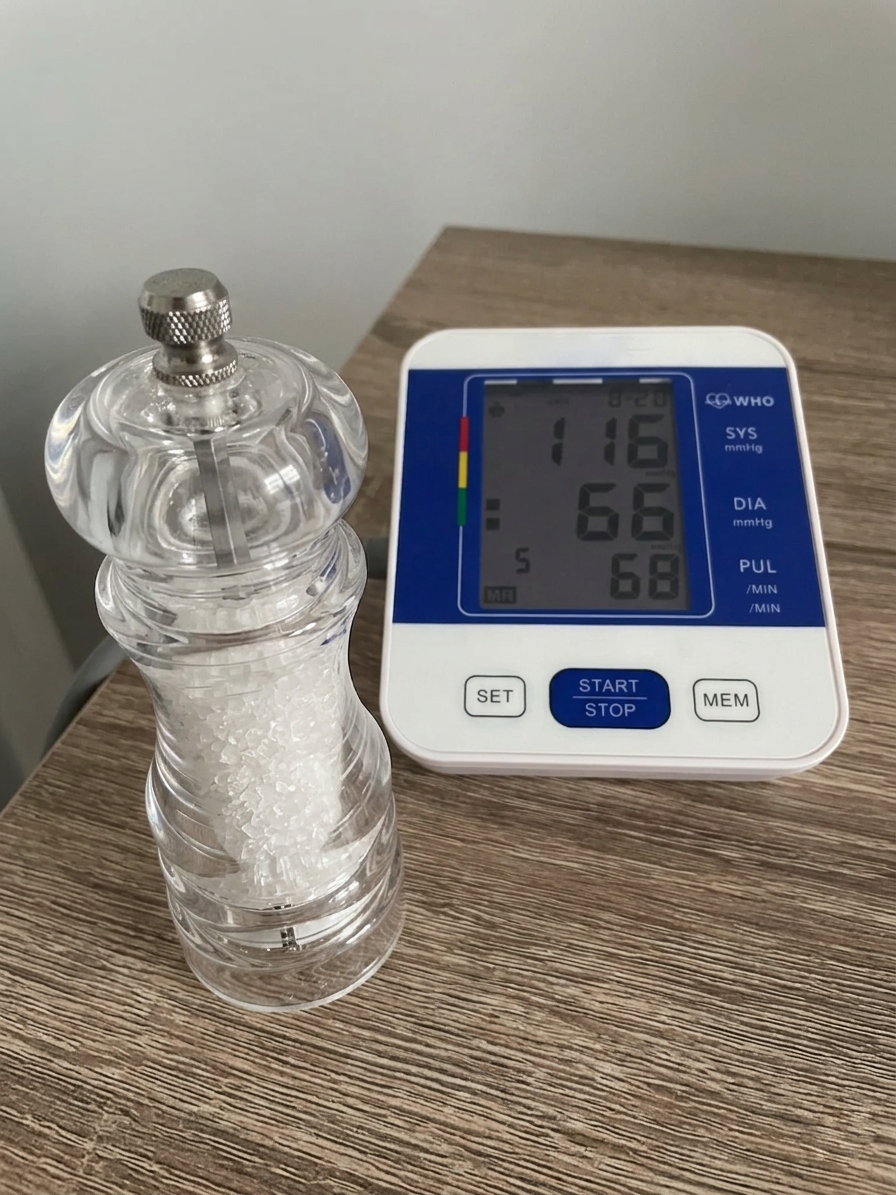
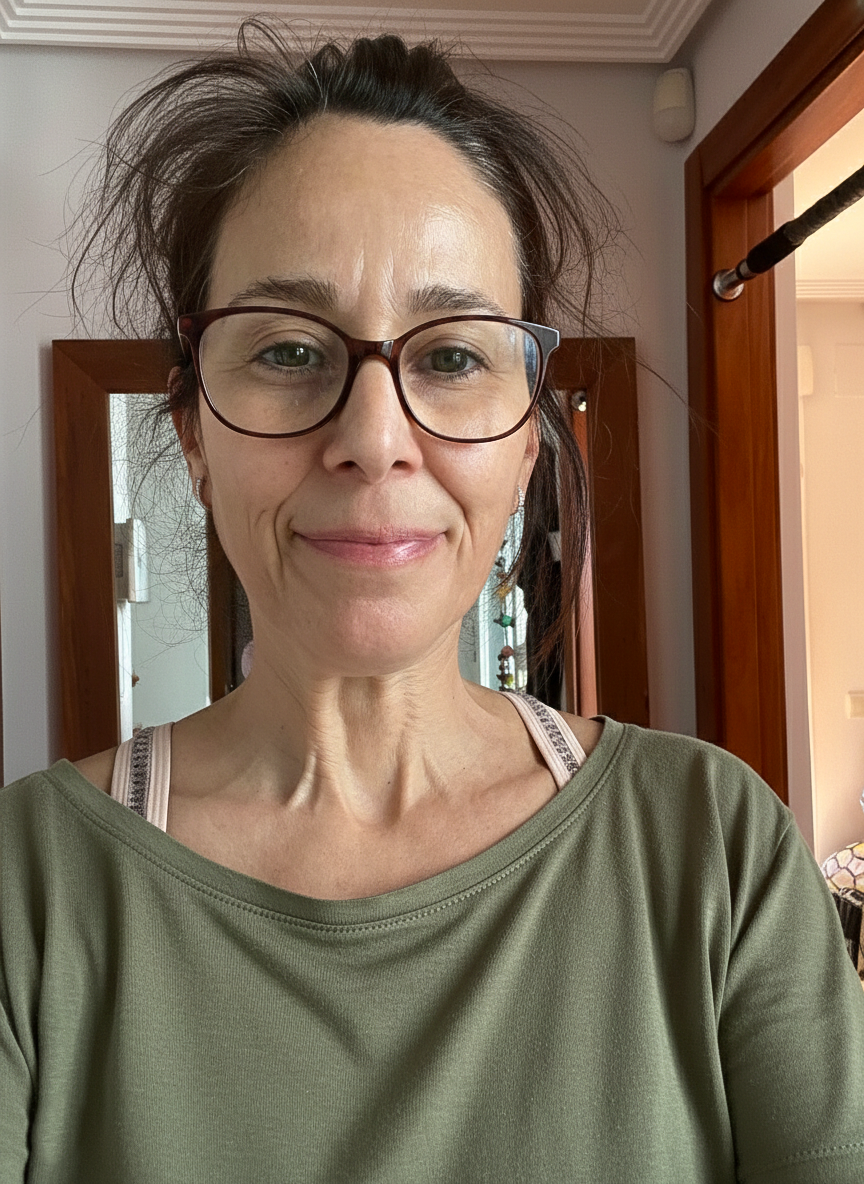
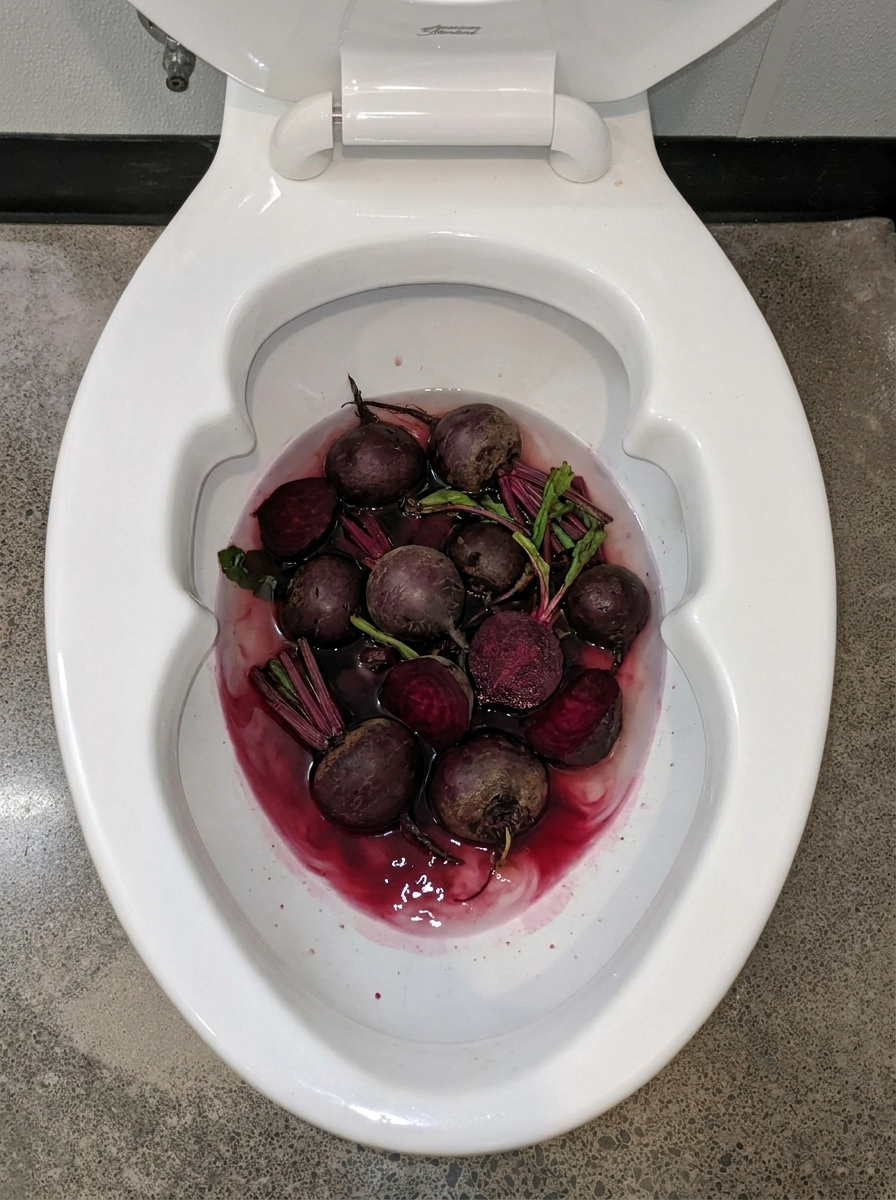
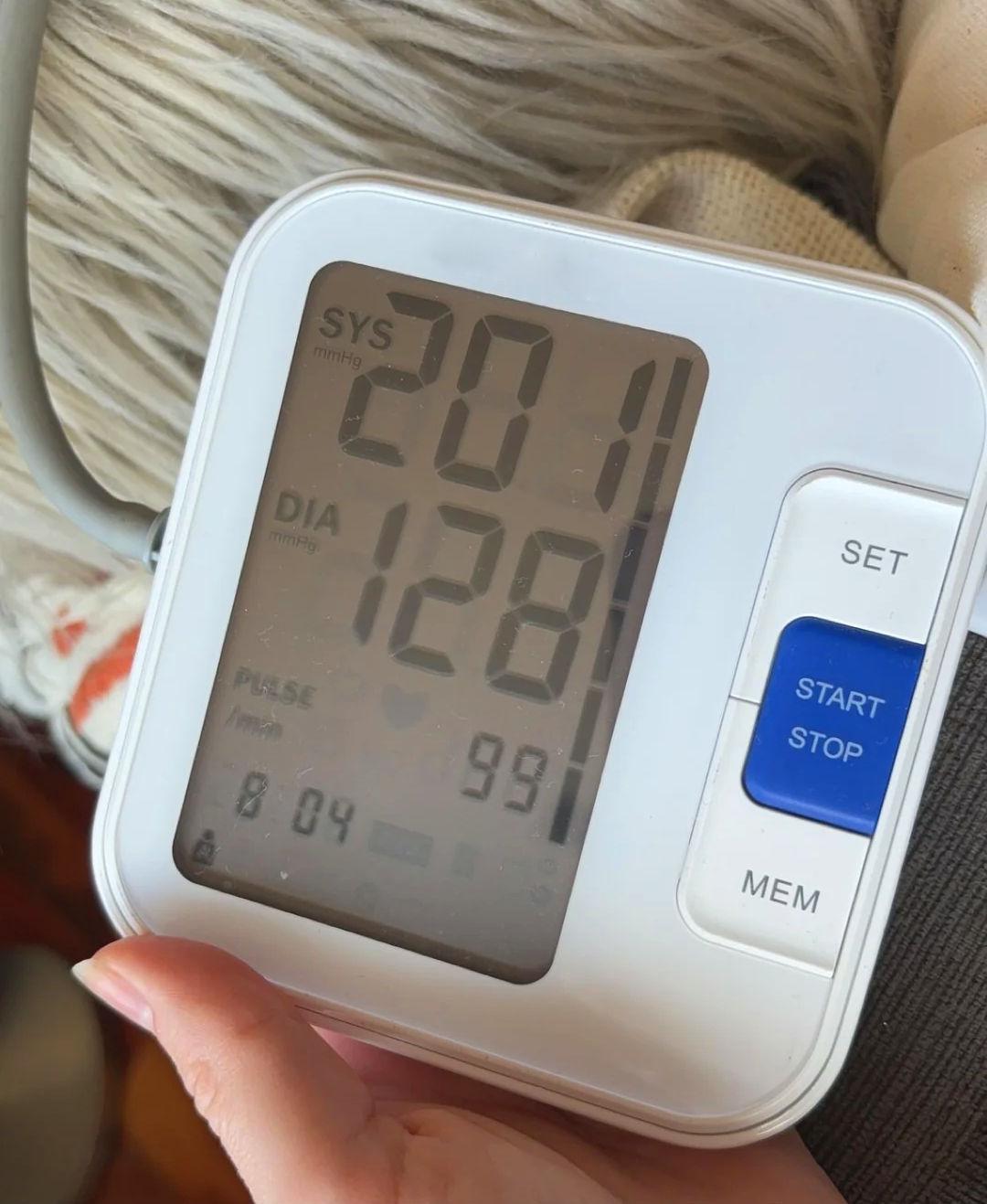
I've watched 2 blood pressure medications destroy my mother. Now my doctor wants to put me on the same ones. I'm a nurse. I've been a nurse for 23 years. I've taken more blood pressure readings than I can count. I've watched patients get diagnosed. Get medicated. Get worse. Get more medicated. I know exactly how this goes. And I always told myself it wouldn't happen to me. But let me start with my mother. Because if you have high blood pressure, or if your numbers are creeping up and you're scared about where this is heading, you need to hear what happened to her. My mother was 54 when she got the diagnosis. 151 over 94. Her doctor started her on Lisinopril. 10 milligrams. The "gold standard." Within a month, the cough started. That dry, hacking cough that comes out of nowhere and won't stop. Middle of dinner. Middle of church. 3 in the morning when the whole house is dark and quiet and suddenly she's coughing so hard she can't breathe. My father would sit up in bed and rub her back, and she'd wave him off. "I'm fine. Go back to sleep." She wasn't fine. By month 3, her ankles started swelling. She stopped wearing the shoes she loved. Started living in stretched out sneakers and slippers. I came over one Sunday and her feet looked like they belonged to someone 20 years older. The skin was tight and shiny. I pressed my thumb into her ankle and the dent stayed for 8 seconds. I know because I counted. That's what nurses do. We count. Her doctor switched her to Amlodipine. The cough stopped. But now came the dizziness. She stood up from the kitchen table one Tuesday evening, reached for her water glass, and her legs just gave out. Went down on the tile floor. Bruised her hip so badly she limped for 6 weeks. I drove her to that follow up appointment. Sat in the room with her. Watched her doctor scroll through her chart like he was reading a menu. "We'll add a low dose diuretic. That should help with the dizziness and the residual swelling." He didn't look up when he said it. Just typed and printed. That was medication number 3. The diuretic made her urinate constantly. She couldn't make it through a grocery store trip without finding a bathroom. She stopped going to her quilting group on Thursday nights because the church bathroom was too far from the meeting room. She was 57 years old and planning her life around toilets. And her energy. God, her energy. My mother used to be the first one up in the morning. Coffee on by 5:30. Garden by 6. She grew tomatoes that won ribbons at the county fair. That was her thing. Her pride. By year 3 on the medications, she was sleeping until 9. Napping by 1. In bed by 7:30. She'd sit in a lawn chair and look at the garden from a distance because she didn't have the energy to walk to it. The tomato cages rusted. The beds went to weeds. My father mowed around them for a while. Then he just mowed over them. I asked her once, sitting on her porch on a Saturday afternoon, "Mom, how do you feel?" She looked at me with this expression I'll never forget. Tired doesn't cover it. Defeated. "I feel like I'm carrying sandbags everywhere I go. I wake up heavy. I go to bed heavy. Everything in between is just waiting to lie down again." She paused. "The medication is keeping me alive. But I don't feel alive." Year 5, her doctor added a beta blocker because her heart rate was running high. That was medication number 4. And that's when she started forgetting things. Not big things at first. Where she put her keys. What she went to the store for. My daughter's birthday. She'd been making the same lemon cake for that birthday every year since my daughter was born. Year 5 on the medication, she forgot. My daughter turned 11 and my mother called the next day. "Oh honey, I'm sorry. I don't know what happened. I had it on the calendar." She'd taken the calendar down 3 months earlier because she kept forgetting to check it. By year 7, she was on 4 medications, her blood pressure was "controlled" at 134 over 82, and she was a shadow of the woman who raised me. Couldn't stay awake past dinner. Couldn't walk to the mailbox without stopping. Couldn't remember a conversation from 2 hours ago. Couldn't wear real shoes. Could barely make it through a phone call without needing to use the bathroom. Her blood pressure was controlled. Everything else was falling apart. And I watched all of it. Not just as her daughter. As a nurse. I watched it with the specific horror of someone who understands exactly what's happening and can't do anything to stop it. Because I knew. I knew the Lisinopril was causing the cough by blocking an enzyme her body needed. I knew the Amlodipine was pooling blood in her ankles. I knew the diuretic was stripping her electrolytes and the beta blocker was suppressing her cognition. I knew each medication was creating the problem that justified the next medication. I knew all of it. And I couldn't fix any of it. Because what was the alternative? Take her off the medications and watch her blood pressure spike back to 151? Wait for the stroke? That's what they don't tell you about high blood pressure. They don't tell you the treatment can take your life away just as thoroughly as the disease. Just slower. Just quieter. While everyone around you says, "At least the numbers look good." My mother is 71 now. She's on 5 medications. She can't drive anymore. My father does everything. Some days she's lucid and herself. Some days she looks at me and I can see her searching for my name. I don't know how much of that is the disease and how much is 17 years of chemical overrides stacking on top of each other. Nobody does. That's the part that haunts me. So last March, when I sat in my own doctor's office, and the nurse wrapped the cuff around my arm and pumped it, and the digital readout blinked 153 over 97, I didn't need anyone to explain what those numbers meant. 153 over 97. And just like that, I was my mother. My doctor, a woman I've known for 8 years, pulled up my chart. Looked at my family history. Looked at my numbers. And said what I'd been terrified of hearing since I was 31 years old. "Jessica, given your family history and these readings, I want to start you on an ACE inhibitor. Lisinopril, 10 milligrams." Lisinopril. The same medication that started my mother's 17 year slide. I sat in my car in the parking lot for 22 minutes. I know because the clock on the dashboard said 10:47 when I sat down and 11:09 when I finally turned the key. I didn't fill the prescription. I went home and did what every nurse does when she's scared. I researched. I already knew the medications. I'd administered them. I'd watched them work on patients. I'd watched the side effects accumulate. I didn't need more information about pharmaceuticals. I needed a different path. So I started with the things the internet tells you to try. I cut my sodium to under 1,500 milligrams a day. I started walking 45 minutes every morning before my shift. I lost 9 pounds in 6 weeks. I ate more vegetables than I thought humanly possible. 8 weeks later, I checked my blood pressure at the hospital between patients. 149 over 93. Four points. 8 weeks of discipline and sacrifice for 4 points. I tried beetroot next. I'd seen it recommended everywhere. Bought the capsules. Took them every day for 6 weeks. Didn't miss a dose. 147 over 91. Then garlic extract. Then magnesium glycinate. Then fish oil. Then all of them together. I was spending over $80 a month on supplements and eating so carefully that my husband started making his own dinners because mine were too depressing to share. After 4 months of all of it, lifestyle changes and supplements combined, my blood pressure was 144 over 89. Still Stage 1 hypertension. Still above the line. Still on the path to medication. I sat at my kitchen table one night after a 12 hour shift, staring at my home blood pressure monitor, and I thought about my mother's face on that porch. The sandbags. The defeat. The garden she couldn't reach anymore. And I thought, this is where it starts for me too. Right here. Right now. At this table. With these numbers that won't come down no matter what I do. I almost called my doctor the next morning. Almost said, "Fine. Write the prescription." 2 weeks later, I was at work. Wednesday. I remember because we'd had 3 admissions before lunch and I hadn't sat down since 6:30. I was charting at the nurses' station when Dr. Anand walked by. Dr. Sanjay Anand. Cardiologist. 30 years of practice. The kind of doctor other doctors send their complicated patients to. He stopped. Looked at me. "Jessica. You look exhausted." "Long morning." "No. Not today exhausted. Carrying something exhausted." I don't know why I told him. Maybe because he stopped and actually looked at me. Maybe because nurses spend all day taking care of everyone else and nobody ever asks how we're doing. But I told him. My numbers. My mother. The supplements that didn't work. The medication I was trying to avoid. He listened. Didn't interrupt. When I finished, he pulled out a chair and sat down next to me at the station. "Can I tell you something that might change how you're thinking about this?" I nodded. "Your blood vessels aren't just tubes," he said. "They're living tissue. And the inside of every blood vessel in your body is lined with a thin inner wall. A layer of living cells. That wall controls everything about how your blood flows." I knew basic vascular anatomy. But the way he was framing it was different from anything I'd heard in 23 years of nursing. "When that wall is healthy," he continued, "it produces a molecule called nitric oxide. Nitric oxide is your body's own signal that tells your vessels to relax and open. When the wall is working, your vessels expand and contract smoothly with every heartbeat. Blood flows without resistance. Pressure stays balanced. You don't think about it the same way you don't think about breathing." "Okay," I said. "So what happens to the wall?" "Everything in your blood flows across it. Every bit of processed food. Every stress hormone. Every blood sugar spike. Every year of inflammation. It all scrapes against that wall, day after day, year after year. And over time, it damages it. Roughens it. Think of the inside of an old pipe that's been corroding for decades." I felt something cold move through my chest. Because I'd seen those pipes. In patients. On imaging. I just never connected it to this. "Once the wall is damaged," he said, "it stops producing nitric oxide. The supply gets cut off at the source. Without nitric oxide, your vessels can't relax. They stay tight. Blood has to force its way through. Your heart pushes harder with every beat. That's high blood pressure." He let that land. "But here's the part that explains why it gets worse and never gets better on its own. The harder blood pushes through a damaged vessel, the more it tears up that inner wall. More damage means less nitric oxide. Less nitric oxide means tighter vessels. Tighter vessels mean more pressure. More pressure means more damage. It's a cycle that feeds itself. And it's been running inside you for years." I stared at him. Because suddenly I understood something I'd never been taught in nursing school. I understood why my mother's blood pressure was "a little high" at 54 and keeps getting worse every year. It's not aging. It's a cycle accelerating. "And the medications?" I asked. "They force your vessels open. They pry them apart with chemicals. Block enzymes. Override signals. And yes, the number on the cuff goes down. But the inner wall? Still damaged. Still corroding. Still not producing nitric oxide. The drug didn't fix the wall. It just forced the pipe open wider while the inside keeps falling apart. That's why the dose goes up. That's why they add a second pill, then a third, then a fourth." I thought about my mother. 5 medications. 17 years. "Controlled" blood pressure and a life that disappeared. "And the side effects?" "That's the price your body pays when a drug forces open a system that was designed to regulate itself. You're overriding your body's controls. Everything connected to those controls breaks down as collateral damage. The cough. The swelling. The fog. The exhaustion. Those aren't random." My hands were shaking. Because he wasn't telling me anything that contradicted what I knew. He was connecting pieces I'd never thought to connect. "What about beetroot?" I asked. "The nitric oxide supplements?" "Beetroot gives you more nitric oxide from the outside. And on the surface that sounds smart. If the wall isn't producing enough, just add more. But your body already makes nitric oxide. It always has. The problem was never a shortage you could fix by adding more from a bottle. The problem is the wall that produces it is damaged. Adding more nitric oxide to a system with a broken wall is like pouring water into a bucket with a hole in the bottom. Doesn't matter how much you pour in. The bucket is broken." That's why my beetroot didn't work. That's why the capsules didn't move my numbers. I was adding more of a molecule my body couldn't use because the wall was too damaged to manage it. "Garlic thins the blood. Doesn't touch the wall. Magnesium relaxes the smooth muscle around your vessels. Doesn't reach the wall. Fish oil reduces inflammation in your blood. Can't repair the structural damage already done to the wall." He looked at me. "Everything you've tried has either forced the vessel open, added more nitric oxide from the outside, or worked on the blood itself. Nothing has repaired the inner wall. The surface that produces nitric oxide. The surface that controls whether your vessels open or stay tight. The surface that decides everything." He paused. "Nobody fixed the wall." Three words. And everything I thought I understood about blood pressure collapsed. "So what fixes the wall?" I asked. He told me about a fruit that grows in the foothills of the Himalayas called Amla. He said healers in India used it for over 5,000 years. They called it "the nurse." I almost laughed at that. A nurse learning about something called "the nurse." They didn't know about nitric oxide or inner wall damage or oxidative stress. They just knew that when someone's circulation was failing and nothing else was working, this fruit brought them back. Modern science now knows exactly why. Amla contains specific compounds called emblicanins. Powerful antioxidants found only in this fruit. When researchers compared the antioxidant strength of thousands of foods, Amla consistently scored among the highest ever tested. Higher than blueberries. Higher than turmeric. Higher than green tea. And it wasn't close. Here's what emblicanins do. They go to work directly on the damaged inner wall of your blood vessels. The free radicals that have been corroding that wall for years, the ones created by stress, processed food, sugar, and just getting older, emblicanins find them and neutralize them. Not in your gut like garlic. Not in the muscles around the vessel like magnesium. Not floating loosely in your blood like fish oil. Directly on the inner wall itself. Where the actual damage is happening. When that oxidative assault slows down, the wall can start functioning better. The damaged surface gets a chance to recover. The same way a cut on your skin heals once you stop picking at it. And when the wall heals, something happens that no medication and no supplement has been able to do. It can start producing nitric oxide more effectively again. On its own. Closer to the way it did when you were younger. Before the damage started interfering. Your body's own signal that tells your blood vessels to relax. The same molecule that beetroot tried to replace from the outside. Your wall starts making it again from the inside. When nitric oxide production comes back, your vessels relax on their own. Not because a drug is forcing them open. Your vessels open because the wall is working again and telling them to open. The way the system was designed. Blood flows without forcing. Your heart doesn't push as hard. Pressure drops. And when pressure drops, the wall stops getting shredded. The cycle that's been running for years finally breaks. Pressure comes down. Not because something overrode your body. Because your body is doing what it already knows how to do. You just had to fix the wall first. Dr. Anand told me about a clinical study. Standardized Amla extract was tested head to head against atorvastatin, one of the most widely prescribed cardiovascular drugs in the world. The researchers found no statistically significant difference in efficacy. LDL cholesterol came down. Inflammation markers declined. Without the side effects that come with the drug. Without the cough. Without the fog. Without the swelling. Without the exhaustion. He also told me something that made the difference between this working and everything else I'd tried collecting dust on my counter. Not all Amla is the same. Most products on the shelf are cheap fruit powders. Ground up scraps with no standardization, no consistency, and no guarantee that what's on the label is what's in the bottle. The Amla used in clinical studies was a standardized extract, verified to contain the exact concentration of emblicanins that produce results. Same potency every time. That's the difference between something that actually repairs the inner wall and something that sits in your cabinet next to the garlic and fish oil that didn't work either. I went home that night and started looking for a standardized Amla extract that matched what Dr. Anand described. It took me 3 days. Most of what I found was exactly what he warned me about. Cheap powders. No third party testing. No standardization. Filler ingredients. Made overseas with no quality verification. Then I found Alevia. Organic. Standardized extract, not raw powder. Third party tested for purity and potency. No fillers. No heat processing, which matters because heat destroys the emblicanins, the exact compounds that do the work. Made in the USA. Small batch production to preserve potency. It checked every box. The clinical grade quality Dr. Anand said was the only kind worth taking. I ordered it on a Thursday night. Started the following Monday. 2 capsules every morning with a glass of water. The first week, I didn't notice much. I told myself to be patient. I'm a nurse. I know real change doesn't happen overnight. You don't undo years of oxidative stress in 7 days. By the end of week 2, something shifted. I was charting at the nurses' station after lunch and realized it was 2:15 and I wasn't exhausted. That dead weight that usually hit me right around that time, the one I'd been blaming on long shifts and age, wasn't there. I checked my blood pressure that evening. 143 over 87. Down from 144. Small. But it was the first time in months the number had moved in the right direction without me white knuckling through some new supplement or diet. Week 3. 139 over 84. I checked it twice. Then a third time. 138 over 84. My husband noticed I was sleeping through the night. I hadn't realized I'd been waking up until I stopped. He said I used to stir around 3 or 4 every morning. Restless. Sometimes I'd get up and sit in the living room. I didn't even remember doing it. Week 4. 134 over 81. I sat on the edge of the bed and stared at the monitor. Checked it again. 133 over 80. That's when I cried. Not because the number was good, though it was. Because for the first time since my diagnosis, I felt like my body was doing something on its own. Not being forced. Not being overridden. Responding. Working the way it's supposed to. Week 6. 128 over 78. Healthy range. No medication. No side effects. No sandbags. I felt like myself. The version of myself I thought I'd already lost. I had energy after my shifts. I could think clearly at the end of the day. The tension I'd been carrying in my head and neck for months, so constant I'd stopped noticing it, was gone. And then I did something that still makes me emotional to talk about. I ordered a bottle for my mother. I know. 17 years on medication. 71 years old. 5 prescriptions. I didn't expect anything. I just thought, if there's even a chance this could help her, even a little, I have to try. I drove to my parents' house on a Sunday. Sat at her kitchen table. The same table where she told me about the sandbags. I explained everything. The inner wall. The nitric oxide. The cycle. The emblicanins. I used the simplest language I could because some days her focus isn't what it used to be. She looked at the bottle. Looked at me. "Will it fix me?" My throat closed up. "I don't know, Mom. But it's helping me. And I think it's worth trying." She started taking it the next day. My father made sure she took it every morning. Set it next to her coffee cup so she wouldn't forget. I won't tell you it was a miracle. It wasn't instant. But 4 weeks in, my father called me one evening. "Something's different." "What do you mean?" "She was in the garden today. Not the whole day. Maybe 45 minutes. But she was out there. With gloves on. Pulling weeds. I looked out the window and she was just... out there." I couldn't speak. "And she remembered your daughter's recital is next Saturday. She brought it up at breakfast. I didn't remind her." Week 6, her doctor ran routine bloodwork and took her blood pressure. 139 over 83. The lowest it had been in over a year. Her doctor noted it but didn't change anything. Just wrote "continued monitoring" in her chart. She's still on her medications. I'm not going to pretend one supplement replaced 17 years of pharmaceuticals. But something is different. She's more present. More herself. The garden has tomatoes in it again. Not as many as before. But they're there. And my numbers? 11 weeks in. 126 over 77 this morning. I check every Sunday. I write it down. The readings have been consistent for over 2 months. No upward drift. No spikes. No medication. No cough. No swelling. No fog. No sandbags. I went back to my doctor last month. She took my blood pressure. 127 over 78. Pulled up my chart. Looked at where I started. 153 over 97. Looked at where I am now. "Jessica. Whatever you're doing, keep doing it. These numbers are excellent." She didn't reach for the prescription pad. If you're reading this, you probably know some version of my story. Maybe not the nurse part. But the part about the numbers that won't come down. The part about the medications you're afraid of. The part about watching a parent or a sibling go through it and swearing it won't happen to you. And then feeling it start to happen anyway. Here's what I wish someone had told me before I spent 4 months and hundreds of dollars on supplements that never had a chance of working: Your blood pressure isn't high because you need more garlic, more magnesium, more fish oil, or more beetroot. It's high because the inner wall of your blood vessels is damaged and has stopped producing the molecule your body needs to keep your vessels relaxed. Everything you've tried works around the wall. Nothing you've tried repairs the wall. Alevia's Amla addresses the wall. That's the difference. That's why it worked when nothing else did. Not because it's magic. Because it's the first thing that addressed the actual problem. 2 capsules every morning. That's it. No lifestyle overhaul. No bland chicken and steamed vegetables. No complicated protocol. And you're covered by a 90 day money back guarantee. Full refund. No questions asked. You have 3 full months to try it, check your numbers, and decide for yourself. If you're not satisfied for any reason, you get every penny back. 👉 https://alevia.com/amla/8 I need to be honest about one thing. Alevia makes this in small batches to preserve potency. That means they sell out. Regularly. When they're out of stock, you have to wait for the next batch. I don't know when that is, and neither do they until production is scheduled. If you're reading this and they're in stock, I wouldn't wait. Not because I'm trying to pressure you. Because I've been the person who waited. Who told myself I'd deal with it next month. Who watched the numbers climb while I researched and debated and procrastinated. Every day that cycle runs inside your blood vessels, the wall gets a little more damaged. A little less nitric oxide. A little more pressure. A little closer to the medications you're trying to avoid, or the outcomes you're praying won't happen. You can keep doing what you've been doing. Keep trying the supplements that work around the wall. Keep watching the numbers stay the same or creep higher. Keep feeling that knot in your stomach before every doctor's appointment. Keep watching the path your parent walked and wondering how many steps behind them you are. Or you can try the one thing that actually repairs the wall. Track your numbers. See for yourself. I chose the second path. My mother is walking in her garden again because of it. Your body already knows how to regulate your blood pressure. It's been doing it your entire life. It just needs the wall fixed first. 👉 https://alevia.com/amla/8 Thank you for reading this far. I mean that. If you got to the end, you're not the kind of person who gives up. You're the kind of person who keeps looking for the answer. Try it. Check your numbers in a few weeks. I think you'll understand why a cardiologist with 30 years of practice told a nurse to try a superfruit from the Himalayas. ~ Jessica Bennett, RN P.S. Remember, Alevia's Amla comes with a 90 day money back guarantee. You have 3 full months to take it, track your blood pressure, and decide. If you don't see improvement, if you're not satisfied for any reason at all, you get a full refund. No questions asked. You risk nothing. P.P.S. My mother has been on blood pressure medication for 17 years. 5 prescriptions. She started Amla 9 weeks ago. She's in her garden again. She remembered my daughter's recital without being reminded. I'm not making promises. I'm telling you what happened. And I'm telling you that 2 capsules every morning is worth trying before you let someone hand you a prescription that might cost you the next 17 years of your life the way it cost my mother hers. P.P.P.S. Because Alevia uses small batch production, they sell out regularly. If you click below and they're in stock, don't wait. My patients have had to wait weeks for the next batch before. https://alevia.com/amla/8
Like this ad? Make it yours.
Crush rebuilds this exact creative around your product — your brand, your colors, your offer — in about a minute.