
Inactive· since Apr 28, 2026
- 111
- days it ran
- 0
- relaunches
Ad copy
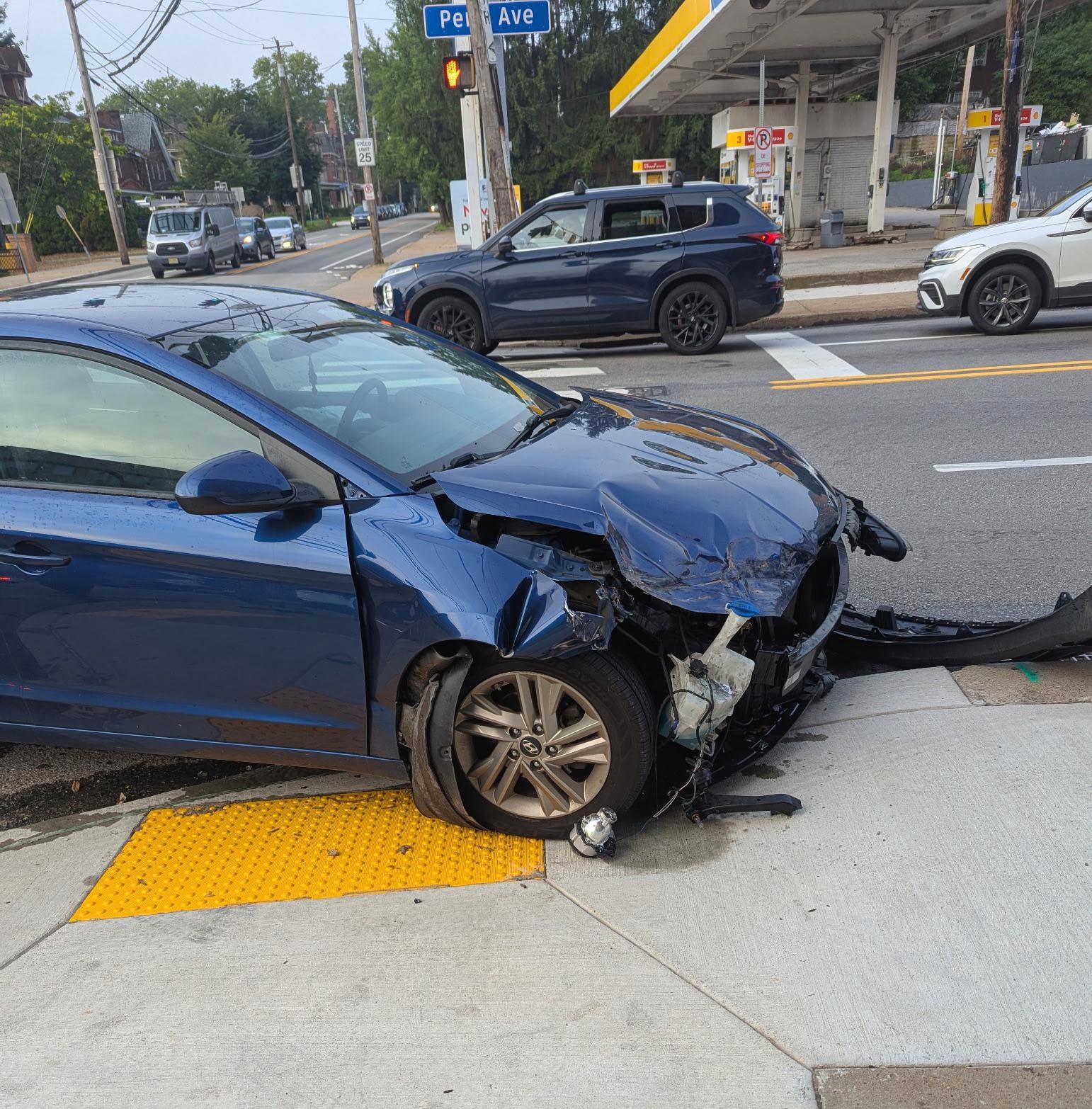
I rear ended a woman's car at a red light. I never touched the brake. Not because I was on my phone. Not because I was drunk. Not because I fell asleep. Because my brain simply didn't register that I needed to stop. The light turned red. The car in front of me stopped. And I just... kept going. Like I was watching it happen from outside my body. Like the signal went from my eyes to my brain and got lost somewhere in between. The airbag hit me so hard it left a bruise across my chest that lasted three weeks. I sat there in the driver's seat with my ears ringing, and one thought repeating over and over. What is wrong with me. Because the truth is, the accident didn't come out of nowhere. I'd been losing myself for months. Maybe longer. Walking into the kitchen and standing there with the refrigerator open, staring at shelves, trying to remember what I came in for. Then walking back to the couch and remembering two minutes later. Then forgetting again before I could get up. Reading the same paragraph four times and still not absorbing a single word. My eyes would move across the page but nothing was landing. Like my brain had a coating on it that words just slid off of. Sitting on a work call and realizing someone just asked me a direct question and I had no idea what the last three minutes of the conversation were about. Nodding, saying "Can you repeat that?" again. The third time this week. Putting my keys in the freezer. Leaving the stove on overnight. Calling my daughter by my sister's name twice in the same dinner. She laughed the first time. The second time she looked at me like she was scared. Driving past my exit on the highway. Not once. Three times in two weeks. Routes I've driven for 15 years. Trying to do basic math at the grocery store and pulling out my phone calculator for 12 plus 7. Having a word sitting right there, right on the edge of my tongue, and watching it dissolve before I could say it. Mid sentence. In front of people. Over and over and over. Feeling like I was thinking through wet cement every single hour of every single day. I was 54 years old. And I was starting to wonder if this was the beginning of something I couldn't come back from. My mother had dementia. I watched her disappear one conversation at a time. And every time I forgot a word, every time I blanked on something obvious, every time my brain just... stalled, the same cold thought crept in. Is this how it starts. The woman I hit was fine. Shaken up but no injuries. Her bumper was crushed but she walked away. I wasn't so lucky. The paramedics took me to the nearby hospital with a possible concussion and whiplash. I spent six hours in an ER bed waiting for scans. That's where I met Janelle. She was the ER nurse assigned to me that night. Mid 40s. Calm. The kind of person who makes you feel like everything is going to be fine just by the way she reads your chart. She asked me the standard questions. When did I last eat. Am I on any medications. Do I have any allergies. Then she asked something that wasn't on the form. "You said you didn't brake. Can you walk me through what happened right before impact?" I told her the truth. Not the version I'd told the officer at the scene. The real version. I told her I didn't brake because my brain didn't tell me to. That the information was right in front of me, a red light, a stopped car, and my mind couldn't process it fast enough. Like there was a delay between what I saw and what I understood. I told her it wasn't just the driving. I told her about the fog. The forgetting. The word searching. The grocery store math. The stove left on. My daughter's face when I called her by the wrong name. I told her I was scared. She put down the clipboard. "How long has this been going on?" "I don't know. Months. Maybe a year. It's gotten worse." "And what have you tried?" I listed everything. Because I HAD tried. I wasn't sitting around waiting for it to fix itself. More sleep. Eight hours a night, minimum. I'd go to bed at 9:30 like a retiree and still wake up feeling like I hadn't slept at all. The kind of tired that lives behind your eyes and never leaves. Coffee. Started with one cup. Then two. Then four. By noon I was wired but still foggy. Jittery hands and a brain that still couldn't find the word "Wednesday." Fish oil capsules. Two a day for six months. Nothing changed except my burps tasted like salmon. B12. A doctor told me low B12 could cause brain fog. I took it for four months. My levels came back normal. The fog stayed. A $68 bottle of lion's mane mushroom capsules I found on Instagram after a woman in a wellness group swore it "cleared her fog in two weeks." I took it for two months. The only thing it cleared was my bank account. Ginkgo biloba. Ashwagandha. Magnesium glycinate. A "brain health" multivitamin from a company with a name I can't even remember anymore. Nothing. Nothing. Nothing. Janelle listened to the whole list without interrupting. Then she said something that stopped me cold. "Everything you just described is trying to fix a symptom. Have you ever looked into why the fog is happening in the first place?" I stared at her. "What do you mean?" "Your brain is the most energy hungry organ in your body. It uses more energy than your heart, your lungs, your muscles. More than anything. And it gets that energy from a system inside your cells called your mitochondria." She said it simply. No lecture. No condescension. Like she was telling me something she wished more patients knew. She told me later that she'd spent years reading the research on her own after watching her mother decline with chronic fatigue and early cognitive issues that no doctor could explain. "Nobody gave her an answer," she said. "So I went looking for one myself." "Think of your mitochondria as your body's energy generation system. It runs through every cell you have. Brain cells, muscle cells, skin cells. All of them. When it's working the way it's supposed to, energy flows everywhere it needs to go. Your brain gets powered. You think clearly. You react fast. You remember things. Everything works." "But as you age, and especially with the kind of stress modern life puts on your body, that system starts shutting down. Processed food, toxins, chronic stress, lack of real sleep. All of it attacks your mitochondria. Damages it. And when your mitochondria slows down, your cells stop getting the energy they need." She looked at me. "Your brain cells are the first ones that feel it. Because they need the most." I sat there in that hospital bed with a bruise forming across my chest from an airbag, and for the first time in a year, something made sense. "So the fog..." "The fog is your brain starving for cellular energy. It's not getting enough fuel to do its job. That's why you can't focus. That's why words disappear on you. That's why your reaction time is shot. Your brain cells are running on empty." She paused. "And nothing on that list you tried can fix it. Fish oil doesn't reactivate your mitochondria. B12 doesn't. Lion's mane doesn't. Caffeine definitely doesn't. It borrows energy from tomorrow and crashes you harder today. All of those are like delivering supplies to a construction site where the power is out. The materials show up but nothing gets built. Because the system that's supposed to convert everything into energy isn't working." That analogy hit me in a way nothing else had. Every supplement I'd taken. Every sleep hack. Every diet tweak. Every "brain boosting" capsule. I was delivering lumber to a construction site with no power. The supplies showed up. Nothing happened. My mitochondria was broken. My brain was starving. And I was trying to fix it by throwing more raw materials at a system that couldn't use any of them. "So what actually fixes it?" I asked. And this is where Janelle said something I didn't expect. "I take something myself. Every morning before my shift." She said it quietly. Directly. The way someone tells you something they believe, not something they're supposed to say. "I'm an ER nurse. I can't afford brain fog. Not even for a second. The decisions I make in this room, how fast I react, how quickly I process what I'm seeing, it can be the difference between someone living and someone not living. There is no room for error." "So when I started feeling the fog creep in about two years ago, I didn't mess around with half measures. I went looking for the thing that actually reactivates the system." "It's a fruit. An ancient superfruit called Amla. Himalayan healers have used it for over 5,000 years. They called it 'the nurse.' Not because it was gentle. Because it was the remedy they reached for when someone's body was shutting down from the core." She told me what it does. Amla activates something called AMPK. She explained it as your body's master switch for mitochondria production. When AMPK gets flipped on, your mitochondria can start working again. Your energy generation system starts producing cellular energy the way it's supposed to. Not borrowed energy. Not stimulant energy. Real cellular energy flowing back to your cells the way it did when you were younger. "It doesn't just deliver more supplies to the construction site," she said. "It helps turn the power back on." And then she told me the part that made me realize why nothing I'd tried had ever worked. "When researchers tested the antioxidant strength of thousands of foods, Amla scored higher than almost anything else they measured. Higher than blueberries. Higher than turmeric. Higher than green tea. And it wasn't close." "Your mitochondria didn't just slow down on its own. It got damaged. Oxidative stress from processed food, toxins, pollution, chronic stress. All of that creates free radicals that attack your mitochondria and break it down. So even if you could somehow reactivate it, the same damage would just shut it down again." "Amla does both. It supports your mitochondria so it can start working again AND protects it from the damage that slowed it down in the first place. That's why nothing else you tried worked. They were never addressing why the system shut down. And they were never protecting it from shutting down again." Then she said one more thing that I almost missed. And it turned out to be the most important thing she told me all night. "If you look into this, don't buy cheap Amla powder from Amazon or a grocery store vitamin aisle. Most of it is heat processed, which destroys the active compounds that make it work. What you want is a clinical grade extract. Standardized. Third party tested. High potency. The difference between raw Amla powder and a real extract is like the difference between chewing on willow bark and taking an aspirin. One is the plant. The other is the precise, concentrated compound that actually produces results." I typed everything she said into my phone before the discharge papers were even signed. I drove home that night in a rental car with a neck brace and a cracked phone screen. My own car was totaled. But for the first time in over a year, something had shifted. I had an answer. Not a product recommendation from an Instagram ad. Not a "trust me, this worked for my cousin." An actual explanation for what was happening inside my brain and why nothing I'd tried had fixed it. I sat down at my kitchen table at 11:30 at night and opened my laptop. The first thing I searched was "Amla." And what I found backed up everything Janelle had told me. Amla is an Indian gooseberry. It grows in the foothills of the Himalayas. For over 5,000 years, Himalayan healers called it "the nurse." They used it as their go to remedy for people whose bodies were failing from the inside out. Exhaustion that wouldn't lift. Aging that came too fast. Minds that were going dark. They didn't know what mitochondria was. They didn't have the language for cellular energy. But they watched this one fruit bring people back. Consistently. Unmistakably. For thousands of years. Modern science now knows why. I went to PubMed. Started pulling studies. Amla activates AMPK, the master switch for mitochondria production. When AMPK is activated, your mitochondria can start functioning again. Your cells start generating energy again. Brain cells. Muscle cells. All of them. I found research showing Amla's antioxidant content tested higher than virtually every other food researchers have measured. Not in the middle of the pack. Near the very top. By a wide margin. I found studies on oxidative stress showing that Amla neutralized the exact kind of free radical damage Janelle described, the damage that was attacking my mitochondria and starving my brain. I found research on cellular energy production, inflammation markers, cognitive function. Study after study pointing at the same thing. Everything she told me in that ER room was sitting right there in published, peer reviewed research. It wasn't hidden. It wasn't some fringe theory. It was real, verifiable science that nobody had ever put in front of me. I sat at my kitchen table at 1 AM staring at my laptop thinking about every supplement I'd wasted money on. Every foggy morning I blamed on age. Every lost word I laughed off. Every terrifying blank moment behind the wheel that I told myself was "just stress." It wasn't stress. It wasn't age. It wasn't a B12 deficiency. My mitochondria was shutting down. My brain was starving for cellular energy. And not a single thing I'd tried in over a year had done anything to address what was actually going on. The next part took longer than I expected. Janelle had warned me. Don't buy cheap powder. Get clinical grade extract. Standardized. Third party tested. So I started looking. And most of what I found was exactly what she told me to avoid. Low quality powder with no standardization. No third party testing. Heat processed, which destroys the compounds that actually do the work. Some of it was dirt cheap, which told me everything I needed to know. Then I found Alevia. Organic Amla Superfruit Extract. Clinical grade. Third party tested for purity and potency. Made in the USA. Small batch production to preserve potency. Standardized to the specific compounds that activate AMPK and deliver the antioxidant protection Janelle had described. Every single thing she told me to look for. Every box checked. I ordered it that night. I want to be honest about the first few days. Because I know what you're thinking if you've taken supplements before and felt nothing. It wasn't a caffeine jolt. No sudden rush of clarity 20 minutes after swallowing a capsule. Amla isn't a stimulant. It doesn't borrow energy and pretend that's progress. What it does is reactivate your mitochondria at the cellular level, and that kind of change doesn't happen overnight. But it does happen. The first thing I noticed wasn't my brain. It was my sleep. By the end of week one, I was sleeping through the night. Not tossing at 3 AM with my mind chewing on nothing. Actually sleeping. I'd wake up and lie there for a second, confused, because I felt like I'd rested. I hadn't felt that in so long I'd forgotten what it was supposed to feel like. By week two, my days had a rhythm again. I wasn't dragging myself from task to task like I was moving through syrup. I still had foggy moments, but the crashes were less violent. The afternoons didn't hit like a wall. Something underneath was shifting. Quietly. Like the power was starting to flicker back on. Weeks three and four, the changes moved into my body. The bloating I'd been living with for months eased up. My digestion just worked without me thinking about it. The heaviness I carried around all day, that low grade physical strain that made everything feel harder than it should, started to lift. I wasn't dragging anymore. Then came weeks five through eight. And that's when the fog broke. I was reading a book in bed one night around week six and realized I'd gone eight pages without losing my place. I stopped and stared at the page. I couldn't remember the last time I'd read more than two paragraphs without drifting. The next day I was on a work call and someone asked me a question and the answer was just there. No delay. No scramble. No "Can you repeat that?" Just the answer, right when I needed it. I made dinner that week and used four burners at once and didn't forget a single one of them. I stood in the kitchen afterward realizing I hadn't thought about thinking the entire time. My brain just worked. My sister told me my skin looked different. She asked if I'd changed my skincare routine. I hadn't changed anything except the one thing that was actually working at the root level. By week nine I drove past a yellow light and braked. Smoothly. Automatically. Without a half second delay between seeing it and responding. My foot was on the pedal before I consciously decided to stop. And I sat at that red light with tears running down my face. Because three months earlier, I rear ended a woman because my brain couldn't send that signal fast enough. By week twelve, the burnout I'd been carrying for years, that bone deep depletion where your body and brain feel permanently spent, was gone. Not masked. Not managed. Gone. I felt like my entire system had come back online. Not who I was five years ago. Who I was supposed to be right now, running at full capacity instead of running on fumes. The fog didn't lift all at once. It thinned. A little more each week. Like waking up in a room where someone has been slowly opening the curtains. I told my sister first. She'd been complaining about brain fog for two years. She started Alevia's Amla the following week. Three weeks later she called me and said, "I just did the Sunday crossword in one sitting. I haven't finished a crossword in a year." I told my neighbor, Gail. 62. Retired teacher. She said her memory had gotten so bad she was afraid to babysit her grandkids because she didn't trust herself to keep track of everything. She started taking it. Five weeks later she kept those grandkids for an entire weekend and didn't write down a single reminder. My husband was the skeptic. Marcus is 57, runs a small electrical contracting business, and has never taken a supplement in his life. He'd been watching me struggle for a year and never said a word about his own fog. But after he saw what happened with me, he admitted he'd been losing track of job site details, rereading blueprints three and four times, and blanking on client names he'd known for a decade. He thought it was just the stress of running a business. He started taking it to humor me. Six weeks later he came home from a job and said, "I quoted a full rewire from memory today. Materials, labor, timeline. No notes. I haven't been able to do that in two years." He hasn't missed a morning since. I'm not a doctor. I'm not telling anyone to stop their medications or ignore their physician. I'm telling you what happened to me. What the research supports. And what a nurse who makes life and death decisions every shift told me she takes herself because she can't afford a single foggy moment in that ER. I think about that accident every day. I think about how lucky I am that the woman in front of me walked away. That nobody's child was in a crosswalk. That the speed was 35 and not 55. I think about how close I came to destroying someone's life, or my own, because my brain couldn't process a red light fast enough. And I think about how many people are driving around right now in the same fog I was in. Losing words. Losing focus. Losing seconds of reaction time they don't even know they've lost. Blaming it on stress. Blaming it on age. Taking supplements that deliver lumber to a construction site with no power and wondering why nothing ever changes. The fog isn't a symptom you manage. It isn't something you push through with caffeine and willpower. It's your brain starving for cellular energy because the system that generates that energy has been damaged and shut down. Everything you've tried has been treating the fog. Nothing you've tried has reactivated the system that's causing it. That's the gap. That's what I wish someone had told me before I totaled my car and ended up in an ER bed. If you're walking into rooms and forgetting why, I was there. If you're losing words mid sentence and pretending you didn't, I was there. If you're reading the same page three times and nothing sticks, I was there. If you're sitting in your car in a parking lot trying to remember where you're supposed to be going, I was there. If the fear in the back of your mind isn't just "I'm getting older" anymore, if it's starting to feel like something is actually wrong, I was there. And I'm telling you what I wish someone had told me a year before that accident instead of six hours after it. Alevia's Amla. 2 capsules every morning. Reactivates the cellular energy system your brain is starving without, and protects it from the damage that shut it down. I'm not a doctor. I'm not a nurse. I'm a 54 year old woman who rear ended a car because her brain couldn't process a red light. And I'm writing this because if the ER nurse who helped me that night hadn't said what she said, I'd still be drowning in fog, burning through useless supplements, and wondering if every forgotten word was the beginning of the end. Alevia offers a 90 day money back guarantee. If you don't feel a difference, you get a full refund. No questions asked. I've never had a supplement company tell me that. And I've never had a supplement that made me feel like the guarantee was unnecessary. This one did. Alevia produces in small batches to preserve potency. They sell out regularly, and when they do, you wait. If you're tired of feeling like your brain is betraying you and you want to give your body a real shot at getting the power back on, check if it's in stock now. Every day your mitochondria stays damaged is another day your brain runs on less and less energy. Another day the fog gets a little thicker. Another day closer to the moment when a half second of delay matters more than you think. 👉 https://alevia.com/amla I got lucky. The woman I hit walked away. I walked away. Not everyone gets that kind of second chance. Don't wait for your wake up call to come at 35 miles per hour.
Like this ad? Make it yours.
Crush rebuilds this exact creative around your product — your brand, your colors, your offer — in about a minute.