
Inactive· since May 1, 2026
- 89
- days it ran
- 0
- relaunches
Ad copy
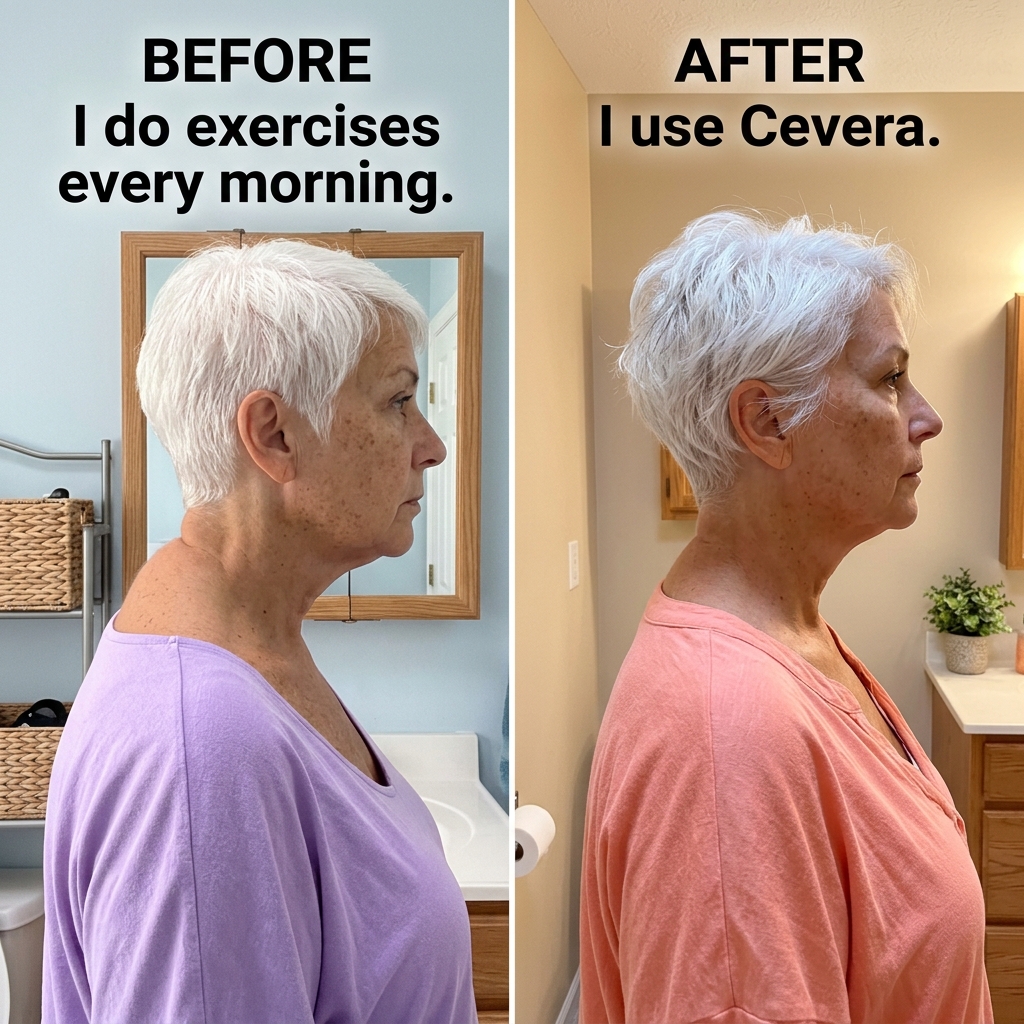
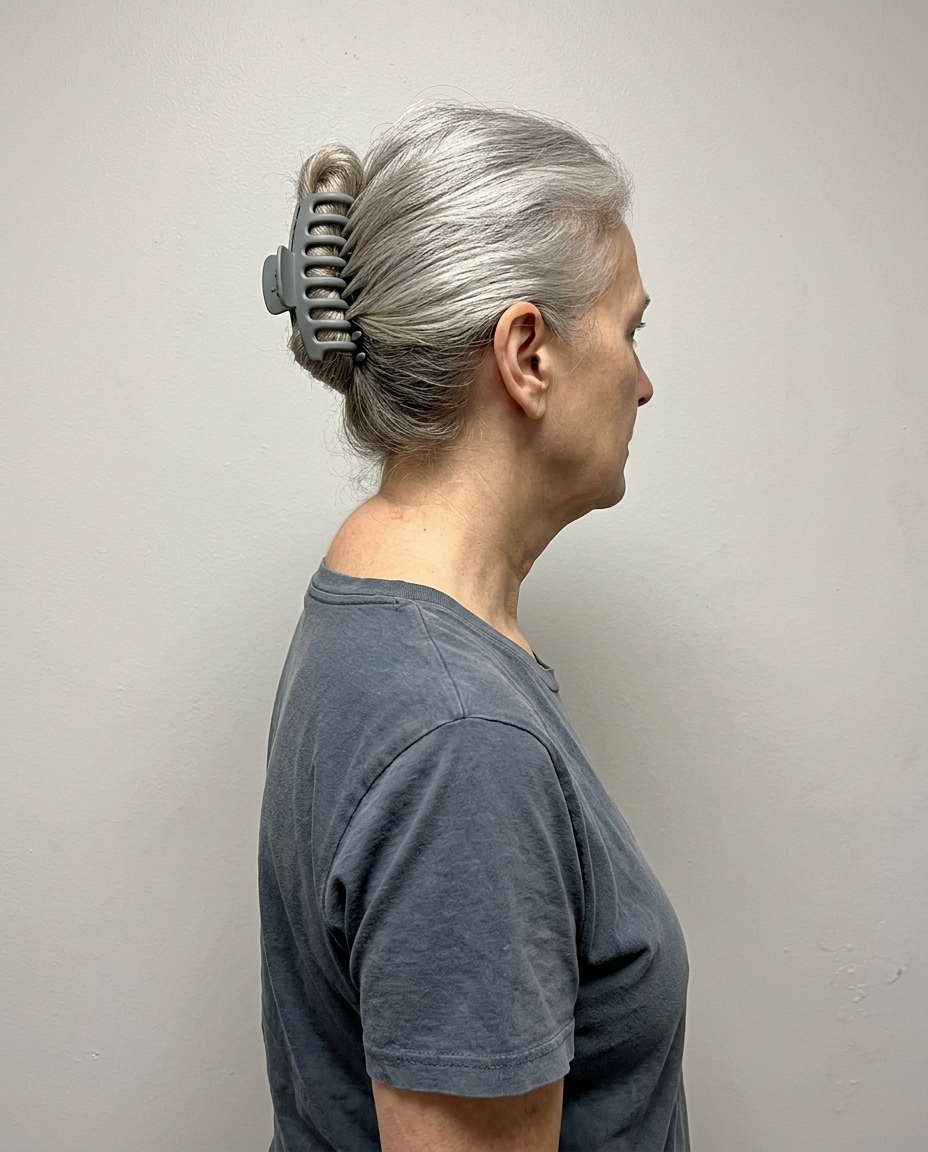
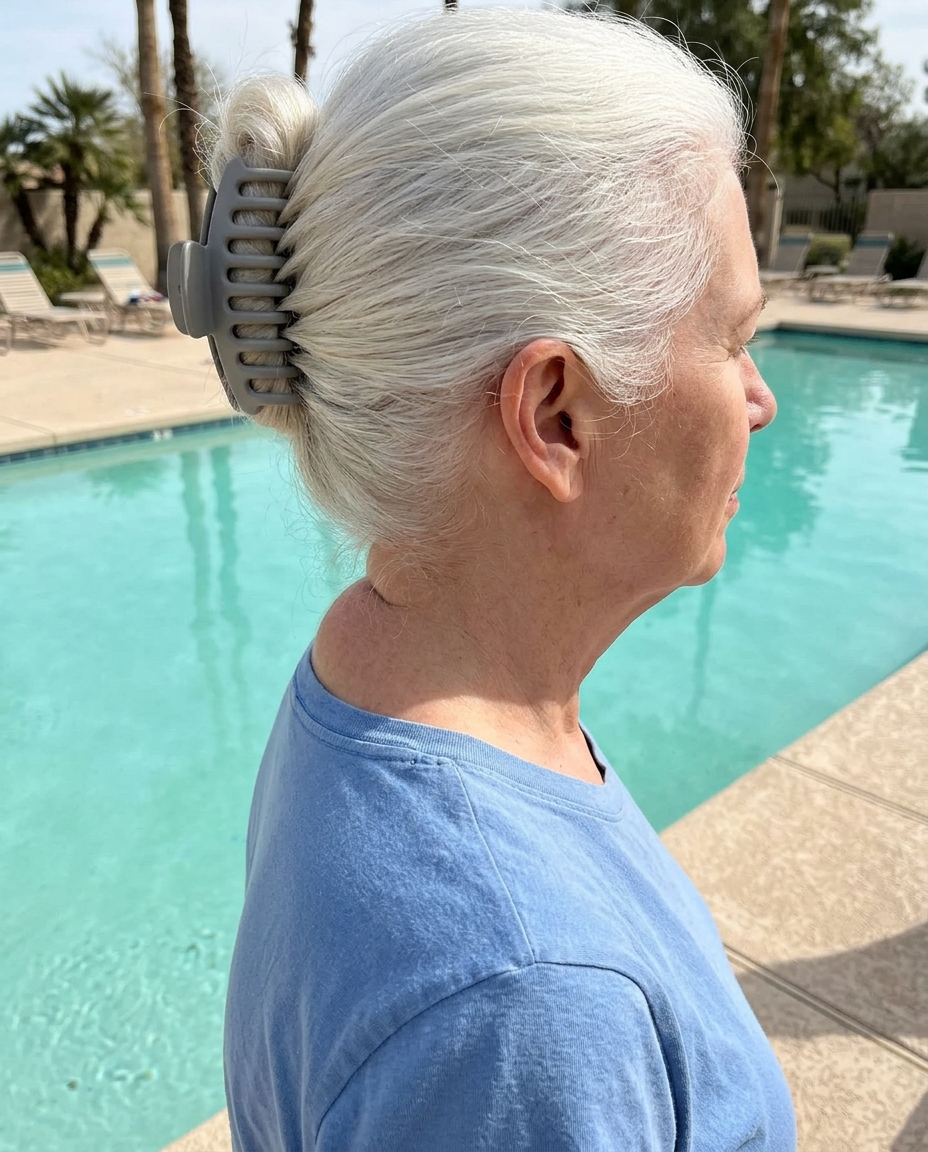
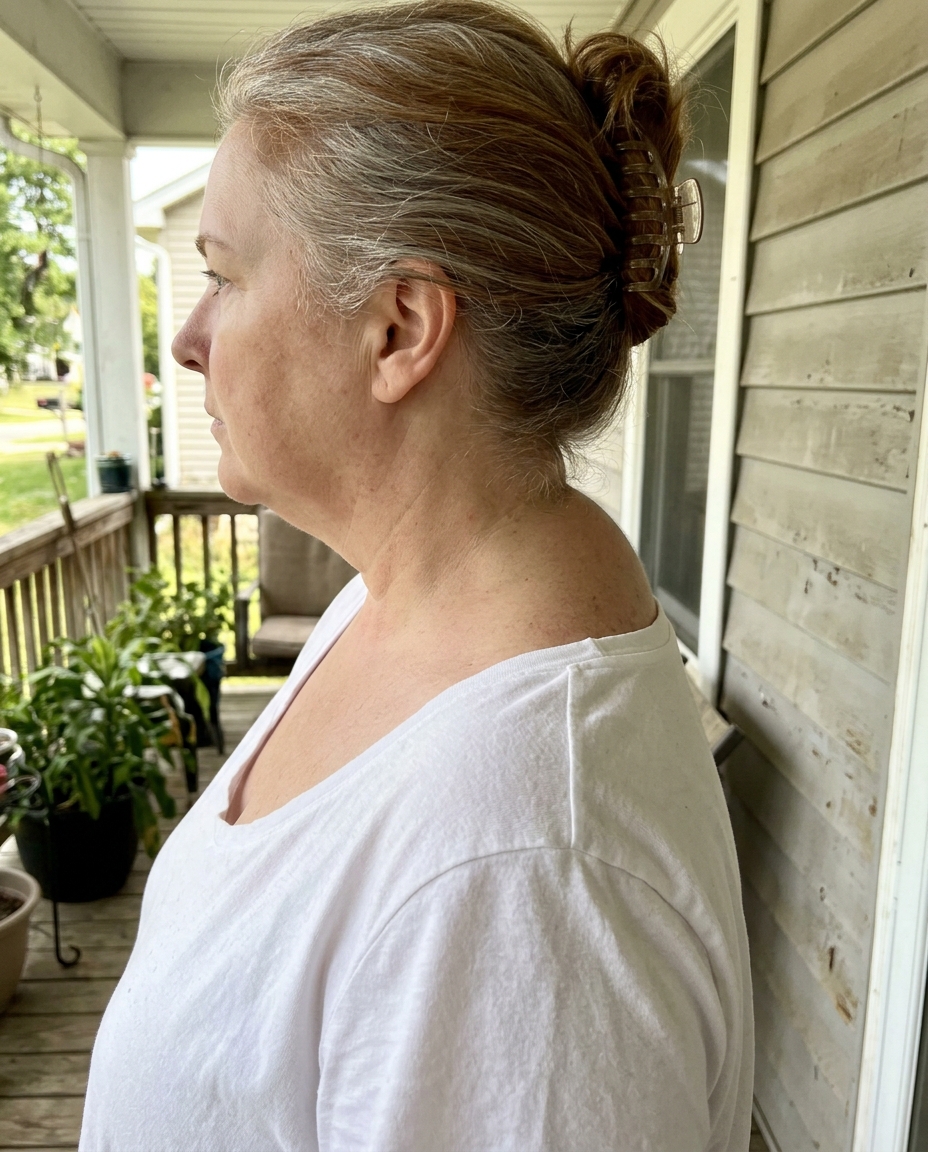
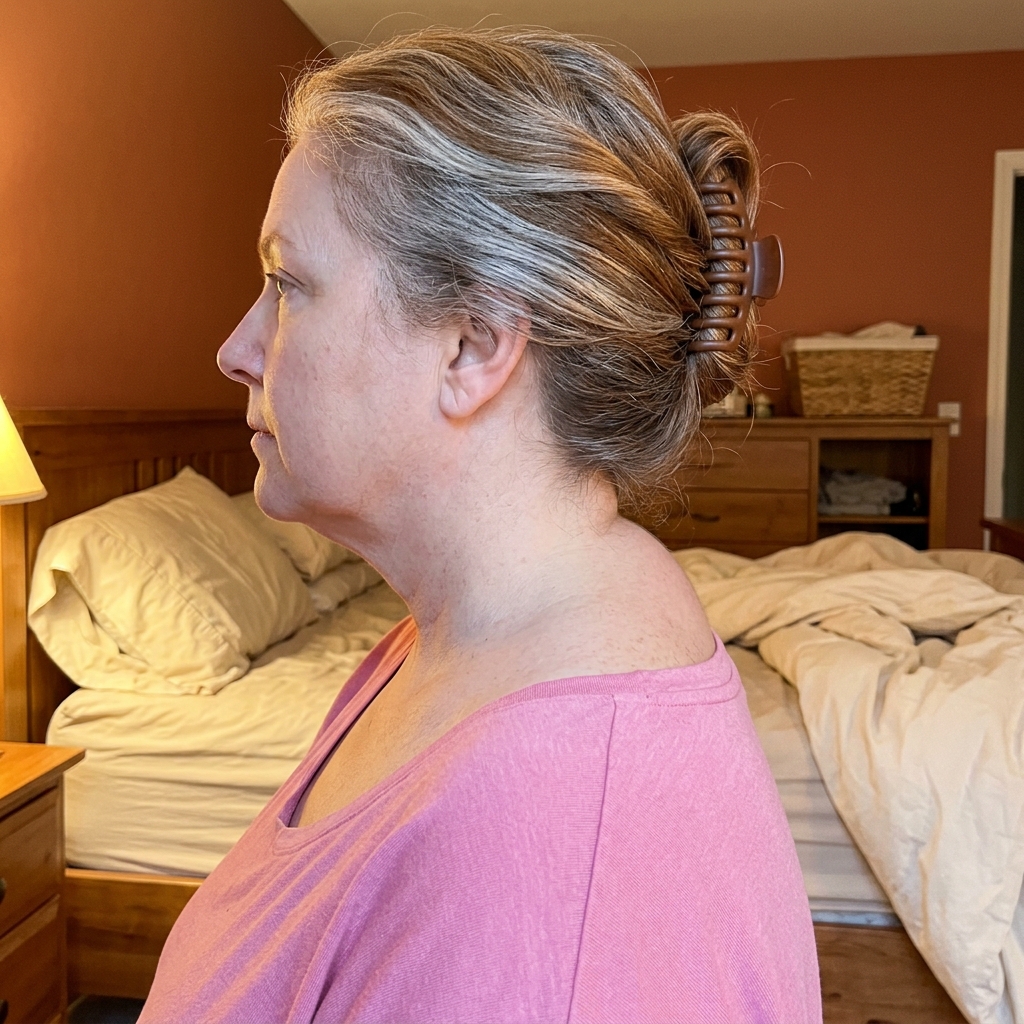
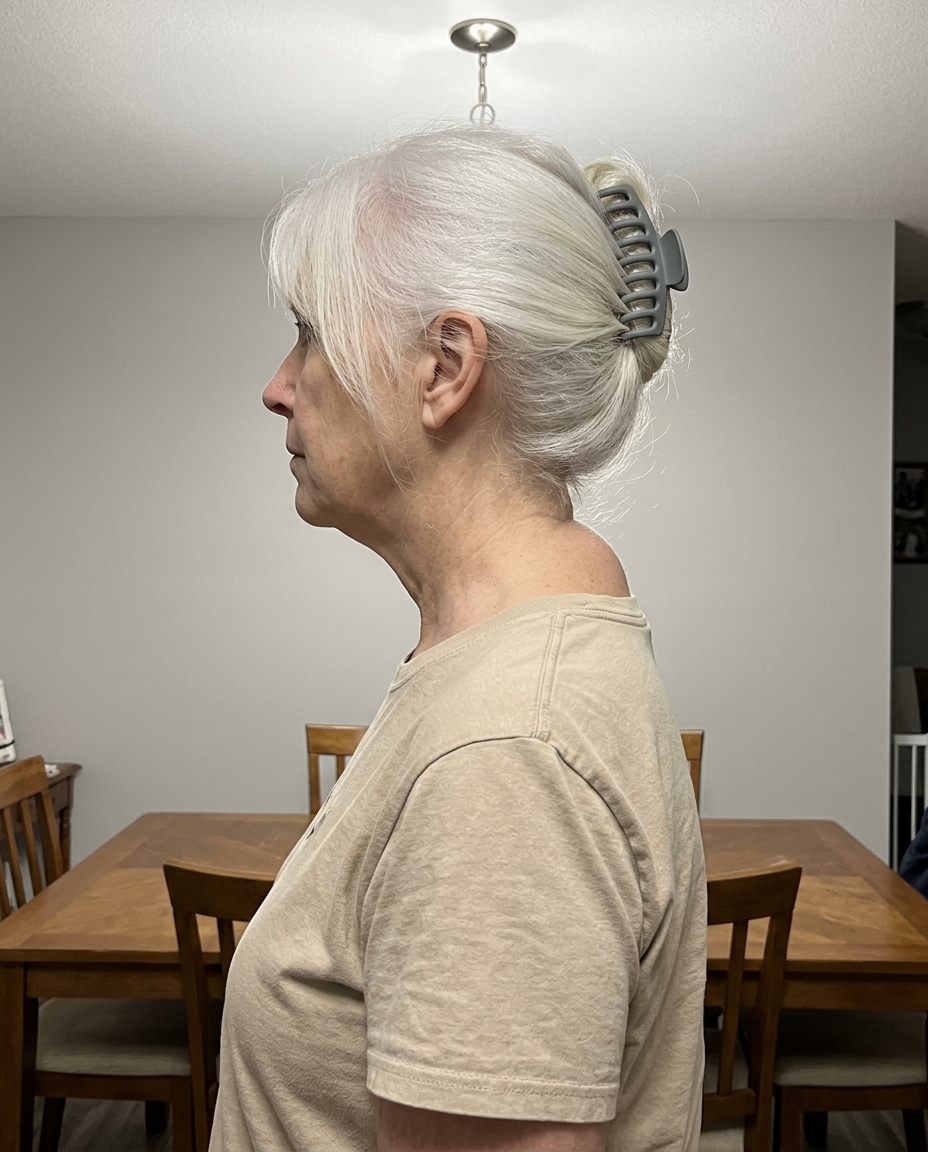
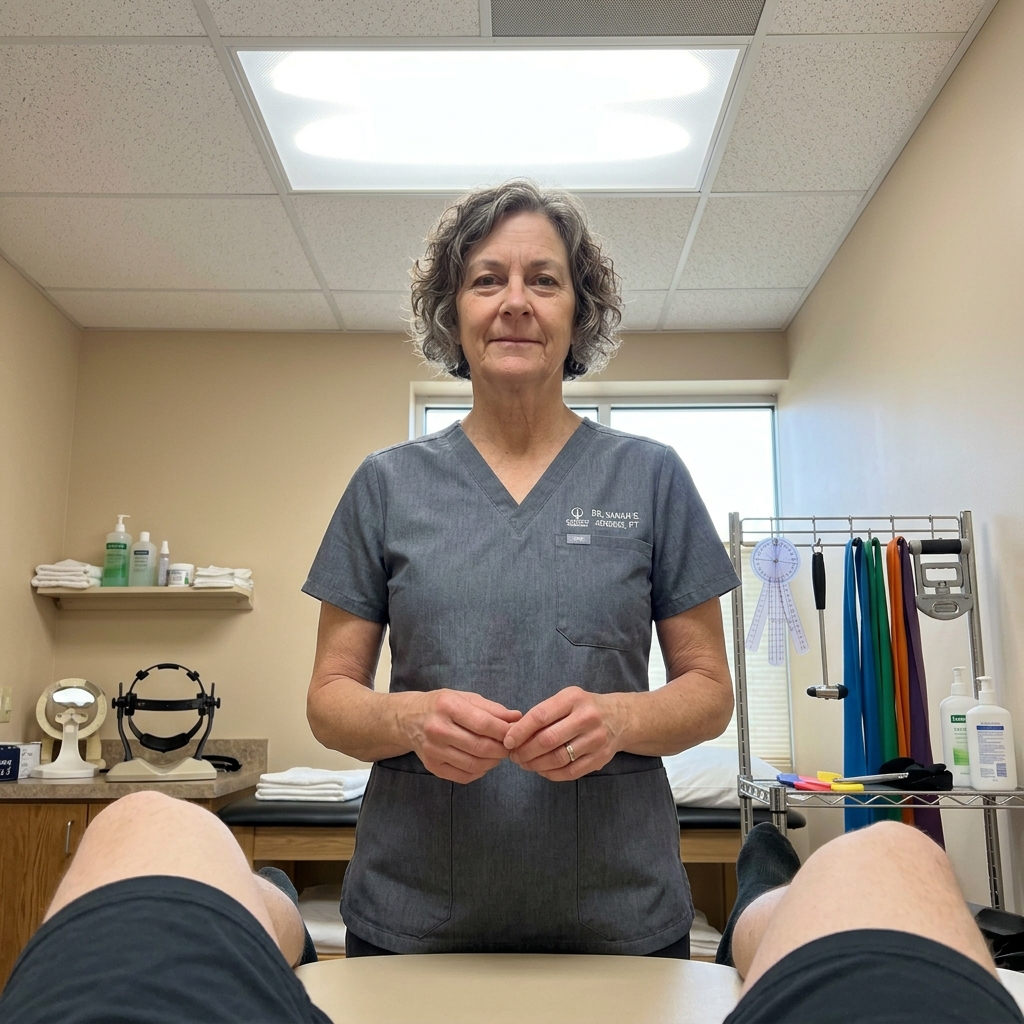
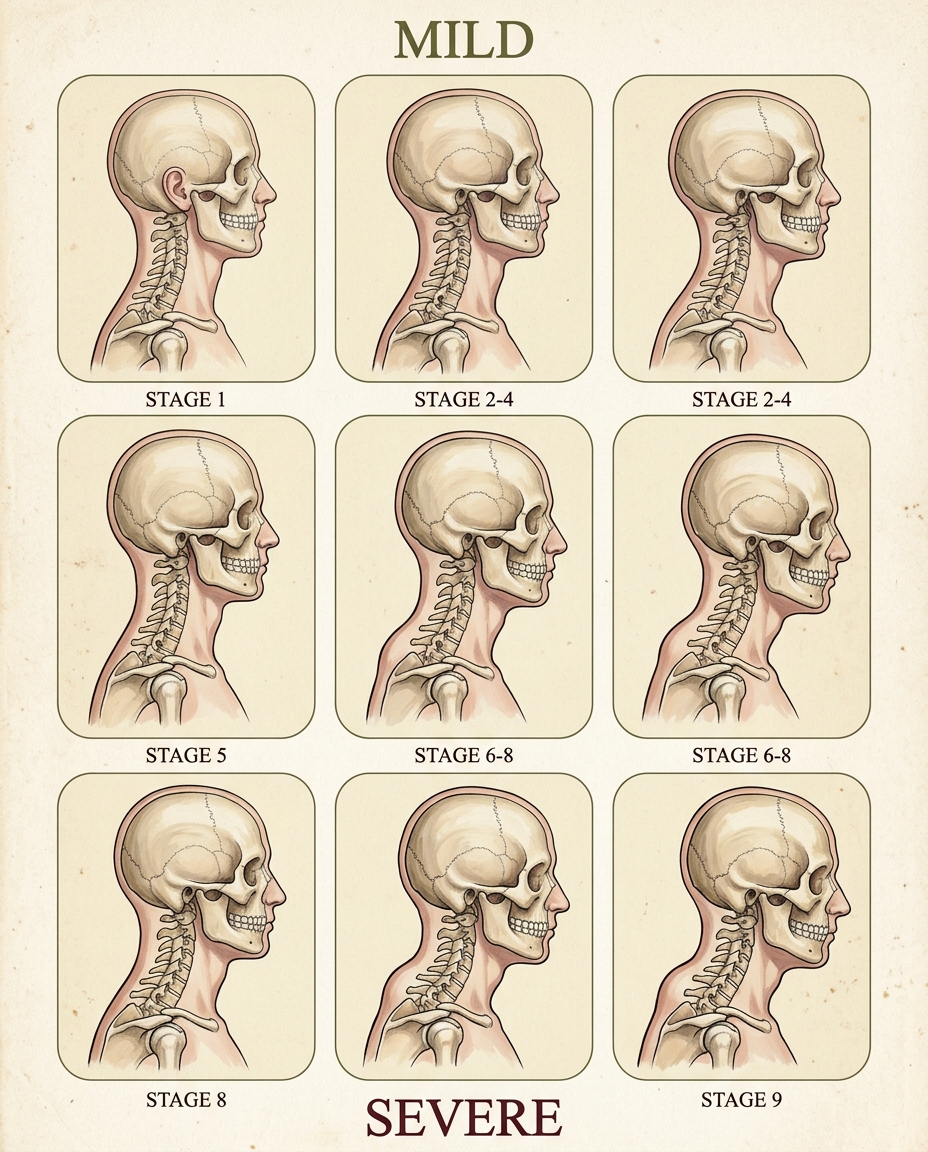
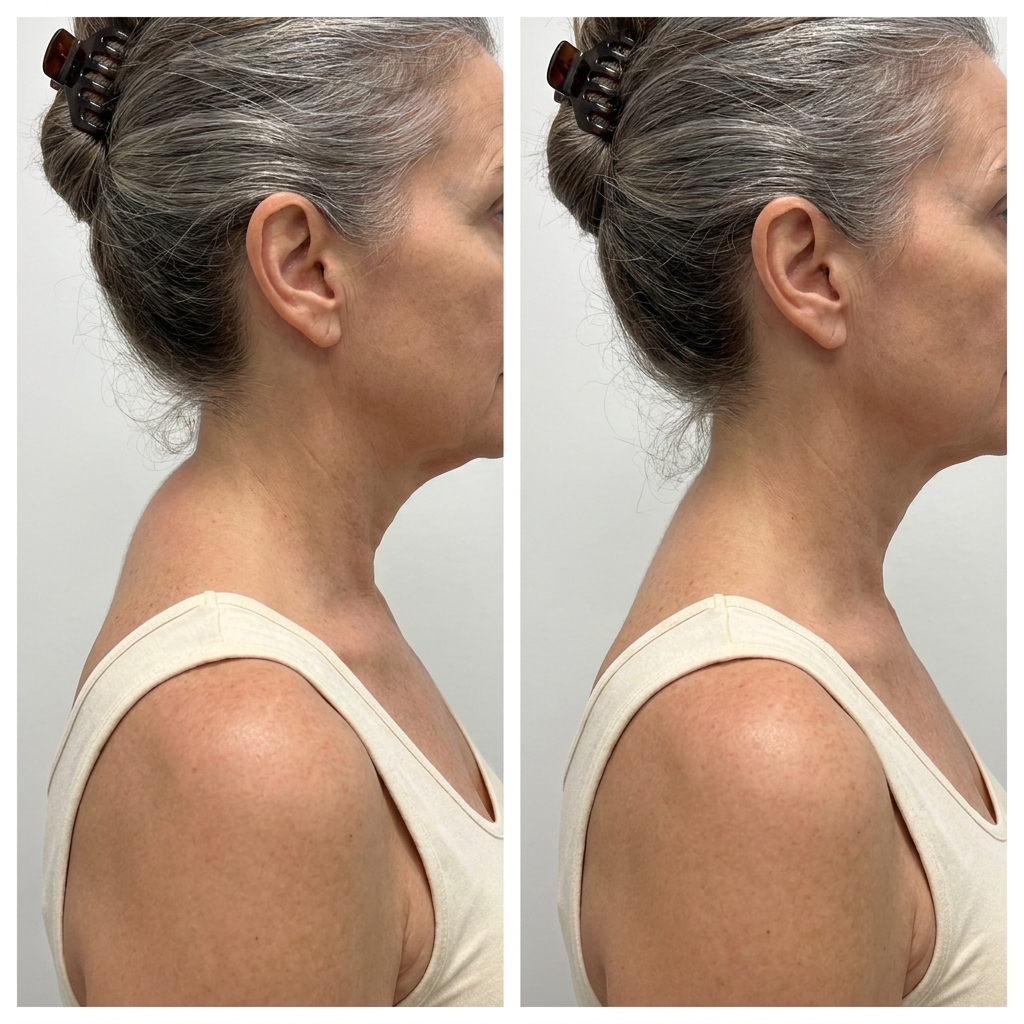
I had a posture assessment done on a wellness retreat in Sedona. The manual therapist was from Germany. She asked me ONE question that made my American chiropractor look 15 years behind. I'm 61 years old. My husband and I had been looking forward to this retreat for months. Five days of movement, rest, and body work in the desert. Nothing medical. Just a chance to reset. Day two, we have optional one-on-one assessments with the visiting practitioners. I sign up. Mostly out of curiosity. The therapist's name is Dr. Lange. German accent. Precise hands. She watches me walk in, sit down, stand up again. She examines my posture. Measures my forward head translation. Palpates the base of my skull. Then she asks me ONE question. "Has anyone directly released your suboccipital contracture?" I stare at her. "What's that?" She looks at me for a moment. Then sets down her tools. "The muscles at the very base of your skull — right where your head meets your spine — are responsible for whether your head sits back in its natural position or gets pulled forward," she says. "After decades of forward load — screens, driving, looking down — these muscles lock into a chronic neurological contracture. They stop releasing. Like a fist clenched so long it has forgotten how to open." "That lock pulls your head forward continuously. Your body builds compensatory tissue at the base of your neck to absorb the constant stress." She gestures at my neck. "That tissue is the hump you've been trying to address." I'm listening. But I don't understand why my chiropractor never explained this. "My chiropractor never said anything about a contracture." Dr. Lange nods slowly. "Chiropractic training focuses on joint mobilization," she says. "The adjustment moves the joint. But the suboccipital contracture above it? Untouched. Within 48 hours the contracted muscles re-tighten. The head drifts forward again. The tissue keeps building." "So what do I do?" I ask. "There's research on direct suboccipital compression," she says. "Sustained pressure at the exact C1-C2 pressure points, held for 8 to 10 minutes, with gravity-assisted delivery. It triggers the neurological release signal. The muscles actually let go. It's been standard in German manual therapy for over a decade." "My chiropractor never mentioned anything like that." "It's not standard protocol in American chiropractic," she says. "But if I were you, I'd look into it." I thank her and leave. But I can't stop thinking about it. For the rest of the retreat, it's in the back of my mind. Three years. My chiropractor had been adjusting my neck twice a week. Telling me to keep doing the exercises. But she never once mentioned that my hump was progressing because the suboccipital contracture had never been released. Or that there was research addressing it directly. When we got home, I couldn't let it go. The night we unpacked, I opened my laptop. It was 11:45 PM. I started searching. "Suboccipital contracture neck hump" "Sustained compression cervical hyperkyphosis" "European suboccipital release protocol" At 1:30 AM, I found it. A study from the University of Heidelberg. Published in a manual therapy journal. They'd tested 486 patients with progressive neck humps. Two groups. Group A: Standard care. Adjustments, exercises, regular sessions. Group B: Same care, plus direct sustained suboccipital compression at C1-C2. After 12 weeks: Group A continued to progress. Group B showed tissue stabilization in 91% of patients. 38% showed measurable reduction in forward head translation. I read the conclusion three times. The study was from several years ago. I felt something rising in my chest. Not anger. Something else. Disbelief, maybe. My chiropractor had been adjusting my neck since I first noticed the rounding. Three years. And there was published research — from before she even started treating me — showing that direct suboccipital release could address the progression. Why hadn't she mentioned it? I kept reading. More studies. German and Austrian research. Clinical trials. All showing the same results. At 2:50 AM, I started looking for a way to deliver this at home. I found a tool with two foam nodes engineered for the exact C1-C2 suboccipital pressure points. Gravity-assisted delivery. Ten-minute protocol. I read the reviews. Women describing exactly what I was going through. Hump progressing despite faithful attendance. Tried the tool. Saw improvement. I ordered it at 3:15 AM. When it arrived, I started immediately. Two foam nodes. Simple. Lie back. Let your head weight settle onto the nodes. Ten minutes before bed. Week one: Nothing obvious. Week two: The tightness at the base of my skull — the one that had been the first sensation of every morning for three years — felt different. Quieter. Week four: I got dressed without doing the neckline calculation first. I noticed halfway through that I had already chosen without checking. Week eight: I took a photo from the side and compared it to one from two months earlier. The difference was visible. My neck looked different. The rounding less pronounced. My head sitting further back. At three months, I went back to my regular chiropractor. She assessed my forward head translation like always. Then she stopped. "Your translation hasn't progressed," she said. "Actually, some measurements look improved. That's unusual." "What changed?" "I had an assessment at a wellness retreat," I told her. "The therapist was from Germany. She told me about suboccipital contracture release. I found the research. I've been using a tool at home." My chiropractor looked at my chart. "I'm not familiar with that approach as a home protocol," she said. "But the results speak for themselves. Keep doing whatever you're doing." I left her office feeling something I hadn't felt in years. Not angry. Not betrayed. Just aware. My chiropractor wasn't hiding anything from me. She just didn't know. The research existed. The studies were published. The results were documented. But it wasn't part of her training. It wasn't standard protocol in American chiropractic. So she did what she was taught: adjust the joint, recommend exercises, monitor the progression. Meanwhile, in Germany, they'd been using direct suboccipital release as first-line treatment for over a decade. I'm 62 now. My hump has visibly reduced. And I think about that therapist in Sedona all the time. The one who took ten minutes to explain what was actually driving my progression. Something my chiropractor had never mentioned in three years. If your chiropractor is "monitoring" your hump with no reversal offered, you need to know something. The research exists. German and Austrian studies. Clinical trials. 486+ patients showing that direct suboccipital release can stop progression and reduce tissue. Your chiropractor probably hasn't seen it. Not because she's incompetent. But because American chiropractic training focuses on joint mobilization and postural correction. Direct contracture release — addressing the neurological lock — isn't standard protocol yet. So when your chiropractor says "keep doing the exercises and keep coming in," she's telling you what she was trained to recommend. But she's not telling you about the research that could actually address why the hump keeps building. I'll leave a link below to the tool I use. I don't get anything from sharing this. I just know what it's like to be adjusted for years with no reversal offered. And I know what it's like to have a therapist at a wellness retreat — someone I met by accident — explain in ten minutes what my chiropractor never mentioned in three years. If you're being told to "just keep coming in," you deserve to know there's research your chiropractor might not have seen. Research that could reverse your neck hump without ongoing appointments. Research that's been used in Germany as standard protocol for over a decade. You don't have to wait for your chiropractor to learn about it. You can look into it yourself. 👉 https://trycevera.com/pages/adv-womens-wellness-report
Like this ad? Make it yours.
Crush rebuilds this exact creative around your product — your brand, your colors, your offer — in about a minute.