The Blood Sugar Journal
 Facebook ad: “Feel Like Yourself Again”

Ran for 21 days, from October 9 to October 30, 2026, the last day Crush saw it.
Run by The Blood Sugar Journal on Facebook. Crush is not the advertiser and does not verify its claims. See this ad in Meta's Ad Library(opens in a new tab)
Make your own version of this ad
Crush makes it, launches it in your own Meta ad account, scales the winners and pauses the losers.
About this ad
- Meta Ad Library ID
- 1681416213558603
- Platforms
- Facebook, Instagram, Audience Network and Threads
- Relaunches
- 0
Ad text
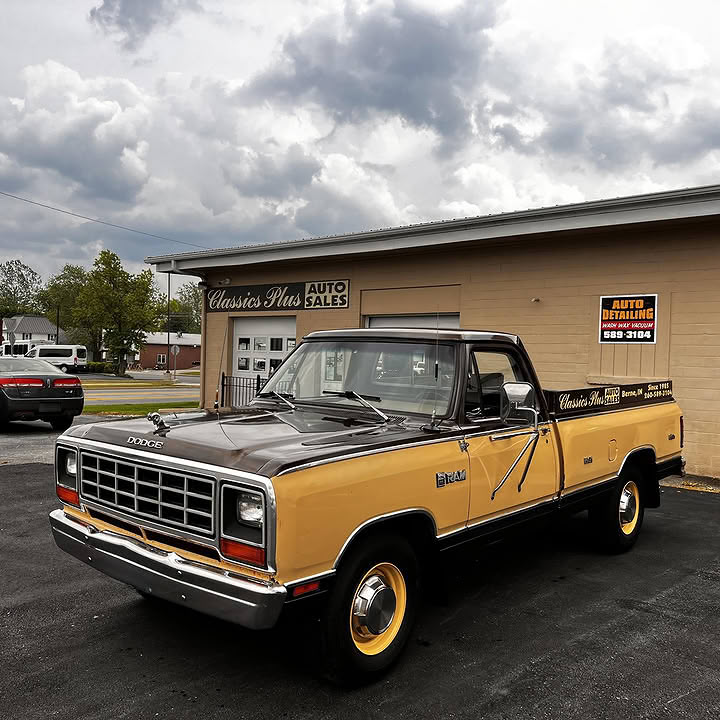
I keep a calendar on the wall behind my counter. It's from the John Deere dealer in Tifton. New one every January. Big squares for each day. I fill them in with deliveries, supplier calls, the days my driver Garrett needs off. And every Wednesday, going back years now, I've written "WD" in the corner of that square. Willis Deaver. Two bags 12-10-10 fertilizer, one bag of cottonseed, a case of whatever I've got on sale that week. Every Wednesday, same order, same time. 8:30 AM. I can set my watch to the man. Willis Deaver pulls up in a 2017 Ram 2500 the color of rust and dried blood. Dented tailgate, peeling decal on the rear window, a tan Stoneville seed company cap he's had since before I can remember. He's been farming peanuts and cotton south of Hahira for going on 35 years. His grandfather farmed the same land. His daddy farmed it after that. He comes in, takes his bags to the truck himself because he doesn't like waiting on help, pays cash, picks up a beef jerky stick out of the jar by the register, and says the same thing on his way out the door. "Stay cool, Randy." I've been hearing "stay cool, Randy" since 2007. But this one Wednesday in July — a Wednesday I've thought about more times than I can count since then — Willis Deaver walked through my door and I almost didn't recognize him. Let me back up. My name is Randy Tatum. I'm 55 years old, born and raised in Lowndes County, Georgia, and I've been running Tatum's Feed & Seed on the corner of Bemiss Road and Pine Ridge Drive for going on 23 years. My father opened this store in 1978 with a $9,000 loan and a handshake from a man named Herbert Doyle who has been dead since 1999 and probably would've loved to see what this place became. Earl Tatum was the kind of man who knew every farmer in a 40-mile radius by first name, and knew every one of their kids' names too. He kept a notebook behind the register. Phone numbers, planting schedules, who was having a rough year and might need an extra week on their invoice. I kept the notebook when he died. Added my own entries. Different handwriting, same counter. I'm not a doctor. I'm not a farmer. I'm the man in the middle. The man the farmers call when their seed didn't come in, or their fertilizer got backordered, or they want to know what everybody else is using this season for soybean rust. I spend nine hours a day on my feet, which sounds like a lot until you do it for 23 years and stop really noticing. What I did start noticing, about three years back, was the 2 PM wall. That's what I called it in my head. The 2 PM wall. I could set a clock by it just as easy as I could set a clock by Willis Deaver on Wednesdays. Around 2 in the afternoon, no matter what I'd eaten, no matter how much coffee I'd had that morning, a fog would roll in behind my eyes. My legs would feel like I was walking in wet concrete. Not tired exactly. Something heavier than tired. Like someone reached inside me and turned the dial down about four clicks. I told myself it was the heat. South Georgia in the summer is no joke. August feels like standing inside somebody's mouth. I told myself it was the store. Long hours. Lot of decisions. I told myself a lot of things. What I started doing, around year two of the 2 PM wall, was I'd tell Terri at the front I was going to go check the back inventory. She's worked for me for 11 years. She knows there's no inventory to check at 2 in the afternoon. She never said a word about it. I'd go back there, put the desk fan on high, sit in the folding chair next to the mini-fridge, and wait for the fog to lift. Sometimes 20 minutes. Sometimes 40. My wife Donna works part-time at the county extension office. She knows things about soil and crops and plant biology, and she knows more about what goes on in the human body than I'll ever give her credit for. Three different times in the last year and a half she put a printed-out article on the kitchen table. Different articles, same table, same spot, face-down like she wasn't trying to push. I never read them. I knew what they were about. See, my numbers had been running borderline for going on 6 years. Blood sugar. My doctor, a good man who's been my doctor since before my kids were born, would look at the results every year, hm a little, and say "Randy, watch what you eat." So I watched. Ate fewer biscuits. Swapped my Coke for water at lunch, which is a sadness I've carried with me every day since. I cut out the rice at dinner a few nights a week. I tried skipping the afternoon snack I used to grab around 3. The number didn't move. Not up significantly, not down. Just sat there in that no-man's-land between fine and something else. Every year my doctor would look at the same number and say the same thing, and I'd go home and Donna would ask how it went and I'd say "same as last year" and she'd nod and we'd not really talk about it. I thought it was just me. Just my body being stubborn. I thought some people can eat the same things their whole life and the numbers slide the wrong direction no matter what they do. Like a door with a busted hinge that drifts open no matter how many times you close it. What I didn't understand, and couldn't have told you if you'd asked me directly, was that the food was never the whole problem. But I'm getting ahead of myself. Back to Willis. That Wednesday in July, I was behind the counter marking up a supplier invoice when I heard the bell over the door. I knew it was 8:30 without looking at my watch. I looked up and for a second I thought I'd gotten the day wrong. The man standing in my doorway had Willis Deaver's cap on. Same faded tan Stoneville logo, same shape. But the rest of him was different enough that my brain did a little stutter step. Willis is a big man. Always has been. Wide in the shoulders, heavy through the middle, the kind of build that comes from 35 years of hard work and an equal number of years of whatever his wife puts on the dinner table. He moves the way a lot of men his age move, careful, deliberate, like there's always one thing or another that's sore. But the man in my doorway was walking quick. Light in the feet. Upright. Thinner in the face. Not thin, Willis Deaver will never be a thin man and he'd tell you so himself. But different. Like something that had been pressing down on him for a long time had finally eased up. I stared long enough that it got awkward. "You going to ring me up or just stand there looking at me?" I laughed. I couldn't help it. "Willis. What happened to you?" He set his cap on the counter and scratched the back of his head. "What do you mean what happened to me." "You look different. I mean that the good way." He shrugged. The way men do when they want to play something off but aren't actually opposed to talking about it. "Sandra's been putting something in my coffee." I waited. "About four months ago she started putting these capsules near my coffee. Or in it. I don't know, I didn't ask the details." He picked up a beef jerky stick from the jar without asking, same as always. "I just noticed the changes." "What kind of capsules?" "Pomegranate something. Peel extract, she said. Made from the peel." I almost laughed again. I don't know why. Pomegranate didn't mean anything to me at that point. It was just fruit. "That's what made you look like this?" Willis put his cap back on. Chewed the jerky for a minute. Looked at me the way men around here look at you when they're deciding how much to say. "I don't know what all it did," he said. "I know I'm sleeping better. I know the 3 o'clock crash I been getting since Obama's first term finally let up. I know Sandra stopped nagging me about my blood work and she's not the type to stop unless something actually changed." He looked at me a second. "You still getting that afternoon thing?" he asked. I blinked. I'd never told Willis about the 2 PM wall. Not him, not anybody but Terri, and only by implication. "What afternoon thing," I said. He just looked at me. "Yeah," I said. "Still getting it." He nodded slowly. "That's what she said I was getting. Before." "What's it called?" I asked. "The thing Sandra got you." He pulled out his phone, squinted at it, turned the screen toward me. I wrote the name down on the back of a fertilizer invoice. He paid for his bags, let Garrett load them, picked up a second jerky stick on his way out. "Stay cool, Randy," he said. I looked down at what I'd written. I went home that night and didn't say anything to Donna. I just pulled out the folded-up article she'd left on the kitchen table the last time, the one I'd stuck in the middle drawer so I didn't have to look at it, and I started reading. Then I looked up the name I'd written down. Then I followed a thread that kept me going until almost midnight. Here's what I found out. Your body has a process that controls how fast the food you eat turns into sugar. A breakdown pathway. Food comes in, the pathway runs, and sugar moves into your blood. When it's working the way it's supposed to, that happens gradually. Steady. Your body can keep pace with it. Things stay balanced. But that pathway is fragile. And over the years, it wears down. Not necessarily because you're eating wrong. Because of stress. Because of time. Because of the low-grade oxidative damage that builds up in the body just from living long enough. From soil that doesn't grow what it grew 40 years ago. From processed food. From aging itself. And when that pathway wears down, food starts converting to sugar faster than it used to. Faster than your body was built to handle. So you eat the same meal you've been eating for 20 years and you spike. Then you crash. Then you crave something. Then you spike again. That's the wall. That's the fog. Not the heat. Not the hours. Not just getting older. The pathway that was supposed to pace everything had been worn down, and no amount of eating fewer biscuits was going to address that. Fewer biscuits changes the load. It doesn't support the system that handles the load. That was the thing I'd been missing. Donna was asleep by the time I got to the part about pomegranate. I didn't know much about pomegranate before that night. I knew it was dark red and had a lot of seeds and people made juice out of it. What I didn't know was that the real concentration of active compounds in a pomegranate isn't in the juice. It's in the peel. The peel contains compounds called punicalagins. And punicalagins had been studied for their role in supporting the pathway that controls how fast carbohydrates break down into sugar. Not in some vague, eat-more-fruit kind of way. In a specific, mechanistic, here's-what-the-research-is-actually-looking-at kind of way. The research that most impressed me focused on a carbohydrate-digesting enzyme, one of the main ones that runs that conversion process. Punicalagins had been studied for their ability to support how that enzyme works, which can mean carbohydrates break down more gradually, sugar enters the blood more slowly, closer to the way it did when you were younger. When that happens, the spikes ease. The crashes soften. The craving cycle that follows a spike can start to quiet down. Same meals. Same food. Your body just starts handling them more like it used to. I also found out that most pomegranate supplements on the market aren't standardized to punicalagins. They're standardized to something called ellagic acid. Ellagic acid is a compound found in a lot of fruits, not just pomegranate. It's not bad. But it's not the specific thing that makes pomegranate pomegranate, and it's not what the research on this particular pathway points to. Punicalagins are almost exclusive to pomegranate. And they're concentrated in the peel, not the juice, not the seeds. If the supplement you're looking at doesn't specifically mention peel extract standardized to punicalagins, there's a real chance you're not getting what the research actually supports. I closed the laptop at 11:48 PM. Donna had left a note on the nightstand. "Told you so. Love you." She must have heard me typing. I ordered a bottle of Auniva Pomegranate the next morning before I flipped on the store lights. Organic pomegranate peel extract, standardized to punicalagins. Made in the USA. 2 capsules a day. They offered a 90-day money-back guarantee, and I noticed that because I've bought enough things in my life, supplements and fishing lures and power tools, to know that a genuine 90-day guarantee means the company has real confidence in what they're selling. You don't offer 90 days on something you know doesn't work. Week one: I didn't notice much. Maybe sleeping a little more solid. Hard to say. Week two: The 2 PM wall didn't come on Thursday. I mean it didn't come. I was at the counter at 2:30 checking in a hay delivery from my supplier in Quitman and I realized I was still thinking straight. Still present. Still moving. I stood there waiting for the fog to roll in. It didn't. I thought maybe I'd just had a better lunch. Week three: Three days out of five, the wall didn't hit. Or it came soft, a mild slowing instead of a concrete fog. I stopped going to the back room on those three days. The folding chair sat empty. Terri noticed before I said anything. "You've been out front all afternoon," she said on a Thursday, and I could hear that she was trying to phrase it carefully. "Inventory's handled," I told her. She gave me the look that told me she knew exactly what I meant. Week four: Donna mentioned the mood shift. Not that I was cranky before, I don't think I was especially cranky. But she said one Sunday evening that I seemed like I had more room in me. That's the word she used. Room. Like something crowded up in there had cleared out some. Week six: I had my regular labs done. My number moved. Not dramatically. Not enough to have my doctor excited. But it moved in the right direction for the first time in 6 years. Six years of the same number. And it moved. He looked at it, looked at me. "Whatever you're doing, keep doing it." I told him about the pomegranate peel extract. He nodded slowly. Said he'd seen some of the research. Said it wasn't something he'd ordinarily recommend, but he wasn't going to recommend I stop either. I've been around long enough to know that "I'm not going to tell you to stop" is about as enthusiastic as a doctor gets about most things that don't come with a prescription pad. That was 4 months ago. I won't tell you everything is perfect. I still have South Georgia summers. I still have a feed store to run. I still eat a biscuit when Donna makes them because I'm a human being living in Lowndes County, Georgia, and some fights aren't worth picking. But the 2 PM wall is gone. The fog that settled in behind my eyes every afternoon for going on 3 years is gone. I move through the back half of the day the way I used to move through the front half. The folding chair in the back has a cardboard box sitting on it now. Donna threw away the articles from the kitchen table. She put them in the recycling bin herself. Which, if you know Donna, you know is her version of a victory lap. Willis Deaver comes in every Wednesday. He looks the same way he looked that July morning, light in the feet, upright, eyes sharp. He doesn't say much about it. He picks up his jerky stick, tells me to stay cool, and leaves. But last month he ordered a second case of Auniva for his brother-in-law down in Douglas. That told me everything I needed to know. If you've been managing the afternoon wall, the fog, the crash that comes an hour after every meal, and you've been told to just watch what you eat, I want to tell you something. The food might not be the whole problem. The pathway that controls how fast food becomes sugar has been quietly wearing down. And no amount of skipping the rice or switching to water at lunch addresses that. You're adjusting the load on a system that needs a different kind of support. Auniva Pomegranate is organic peel extract standardized to punicalagins. 2 capsules a day. Made in the USA. If it doesn't do anything for you in 90 days, ship the bottle back and they'll refund your money. That's their guarantee, and I've never heard of them arguing about it. I paid nothing for what Willis told me that Wednesday morning. If I had, I'd have paid a lot. 👉 auniva.co/pom/5 P.S. — What Sandra figured out, and what took me a few hours of late-night reading to confirm, is that the key is the peel. Not the juice, not a regular pomegranate supplement standardized to ellagic acid. The peel, because that's where the punicalagins concentrate. Most products at the grocery store or the drugstore are juice concentrate in a capsule. Look specifically for peel extract standardized to punicalagins. That's the distinction that changes what you're actually getting. P.P.S. — Give it real time. Week one I didn't notice much. Week two was the first afternoon where the wall didn't show. Week six was when the labs reflected it. This isn't a product that works by Friday. It's something you build with over a couple of months, which is exactly why the 90-day guarantee exists. They're giving you enough runway to actually find out. For me, 6 weeks was when I knew. P.P.P.S. — The guarantee is a return. You send the bottle back, they refund you. I say that clearly because I've seen "money-back guarantee" mean six different things in this world, and I don't want you to be surprised. Try it for 90 days. If you don't notice anything worth keeping, ship it back. For me, the guarantee was what made me willing to start. The calendar on my wall has got 4 months of evidence now. Not a single Wednesday has come and gone without me thinking about the morning Willis walked through my door looking like a different man.
Where the ad sends people
auniva.co
Feel Like Yourself Again
"This actually worked, thank you so much." - Emily T.
Learn more: auniva.co(opens in a new tab)