
Inactive· since Apr 7, 2026
- 34
- days it ran
- 0
- relaunches
Ad copy
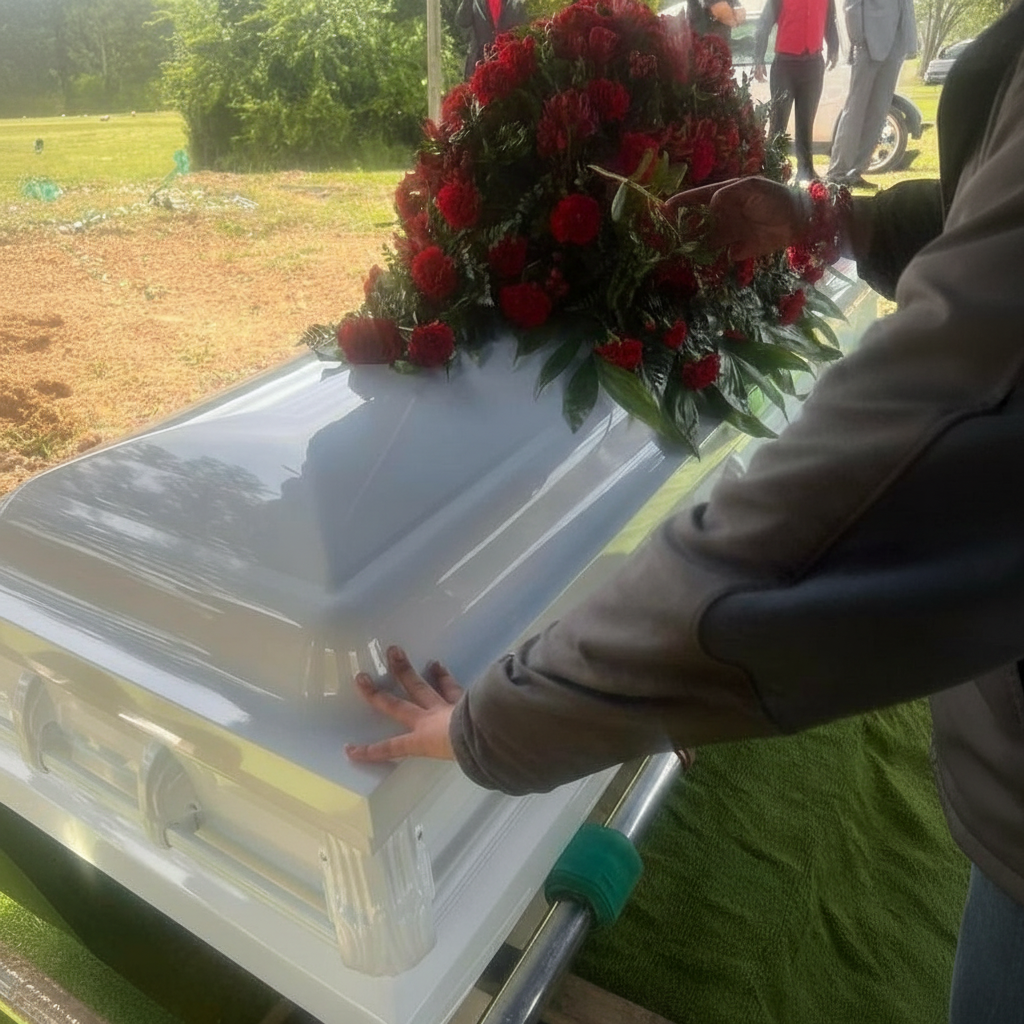
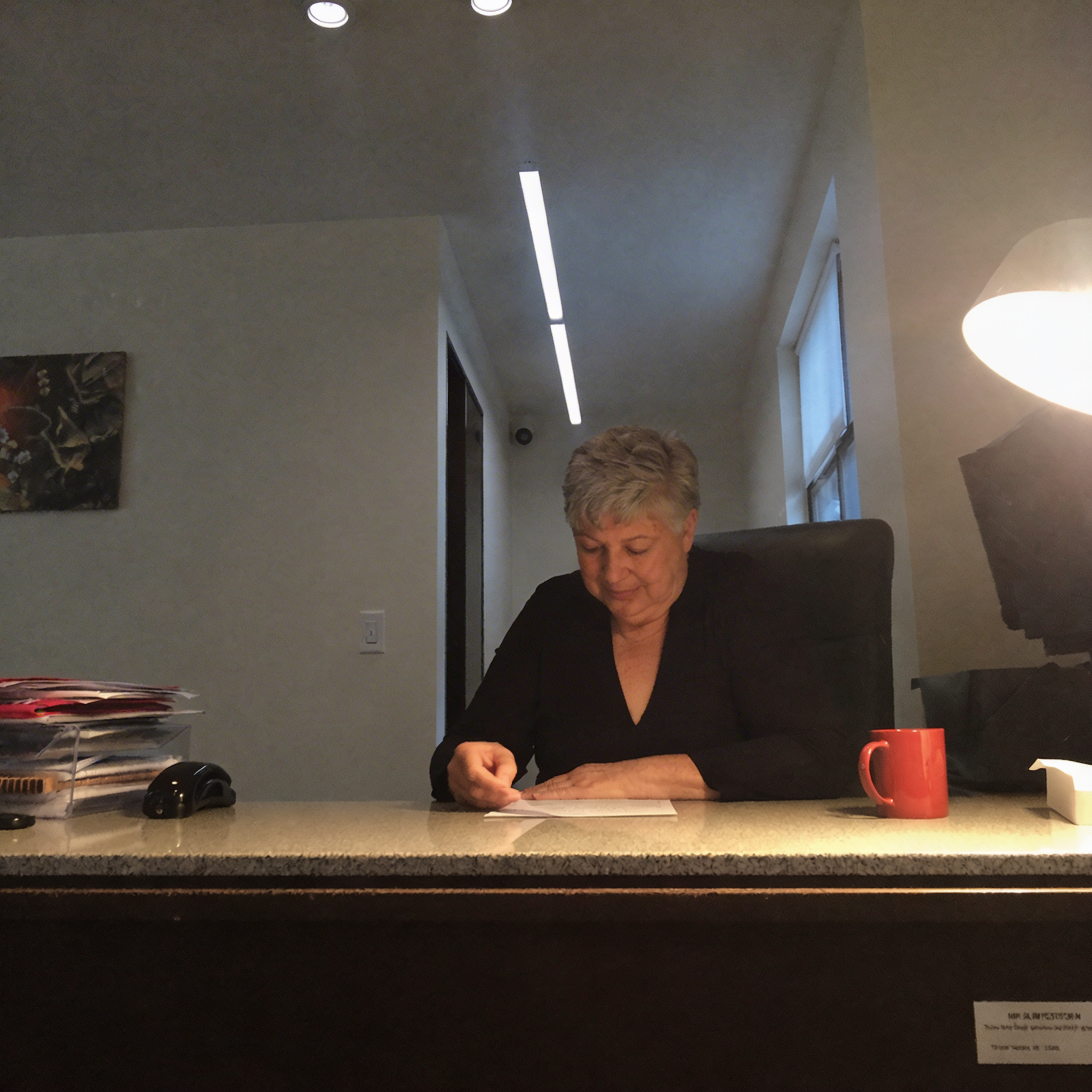
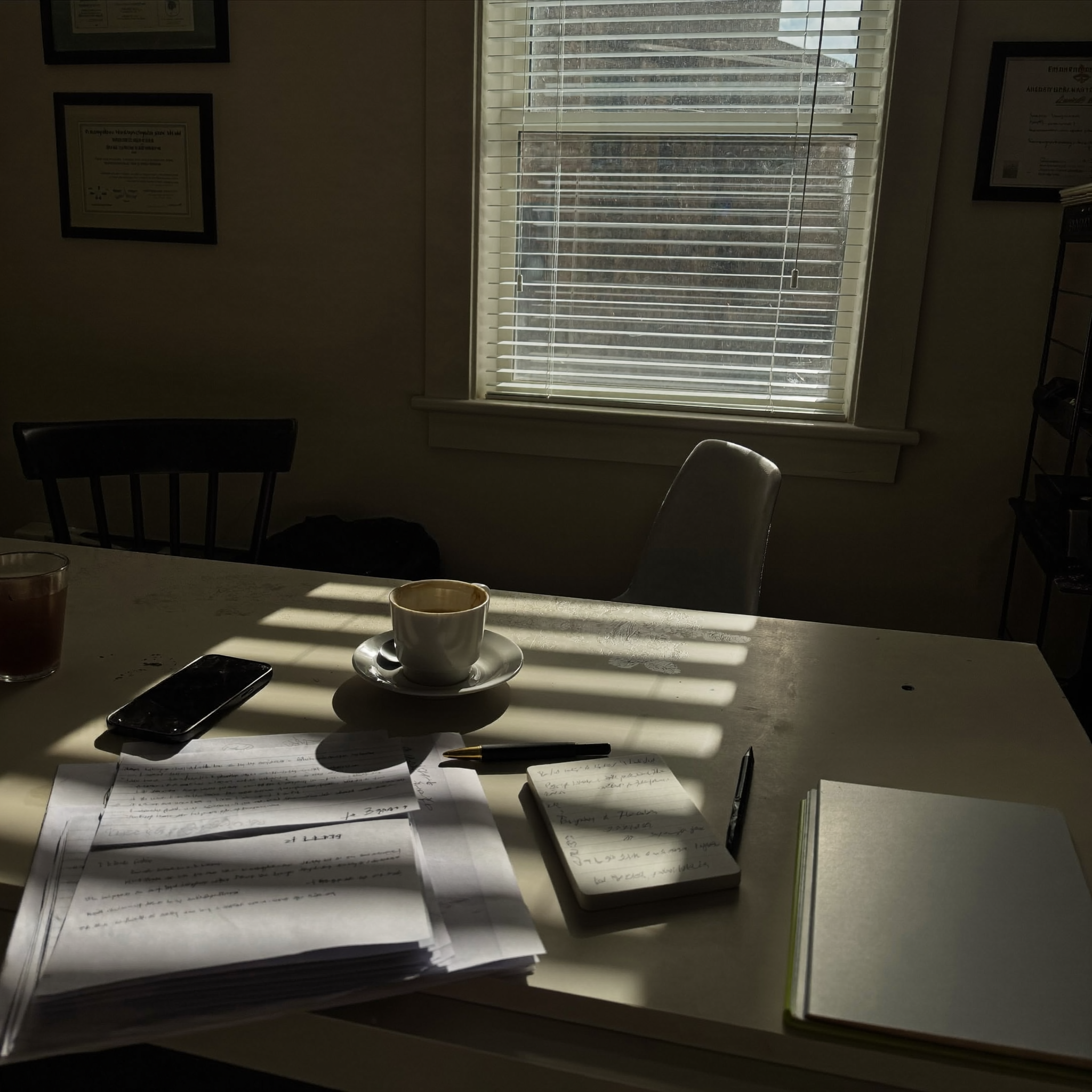
The phone call I dread the most is never the first one. The first one I am ready for. Someone has passed. The family needs me. I know exactly what to say and exactly what to do. The call I dread is the one that comes three weeks later. I have run my father's funeral home since 2011. I have arranged more services than I can count. And I can tell you that every family leaves my office after the funeral believing the hardest part is behind them. They are wrong. The hardest part is quiet. It does not arrive with a phone call or a knock on the door. It arrives on a Tuesday morning when the widow sits down at her kitchen table with a cup of coffee and tries to log into the electric company. The funeral is the part people prepare for. The three weeks after is the part nobody warns them about. I know this because they call me. Not the hospital. Not the lawyer. Not the bank. Me. The funeral director. Because I am the last person who helped them and they do not know who else to ask. A woman called me last March. Three weeks after her husband's service. I recognised her voice immediately. She told me she had found every password her husband had ever used. He had kept them in a small notebook in his desk drawer. Neat handwriting. Updated regularly. Every single one correct. She had tried the bank first. The website accepted the password. Then it asked for a six-digit code from an authenticator app on his phone. She had the phone. She had the passcode. She opened the authenticator. There were nine accounts inside. Four of them labelled with abbreviations she had never seen. One of them just said "main." She did not know if "main" was the bank or the email or something else entirely. She guessed. Wrong code. She guessed again. Wrong. The third wrong attempt locked the authenticator for thirty minutes. She told me she sat at the kitchen table staring at his phone for the full thirty minutes without moving. When it unlocked she tried the mortgage instead. Forgot password. The system sent a reset link. To an email address she had never heard of. A work address from a company he had left in 2017. The inbox had been deleted years ago. She called the mortgage company. Spent forty minutes on hold. The agent was sympathetic. He said he could see the account. He could see the balance. He could see the payment was due in six days. He could not let her in without verifying her identity through the security question on the account. What was the name of the street where you grew up. Her husband had grown up in three different towns before he was twelve. She knew the names of two of the towns. She did not know any of the street names. Three guesses. All wrong. Account locked for twenty-four hours. She asked me if I knew what to do. I did not. A man called me in June. His mother had passed in April. The service had been beautiful. His sisters had thanked me for how smoothly everything had gone. Two months later he called to tell me that his mother's accounts had not gotten the memo. Her Hulu was going to charge on the first of the month. Her cloud storage would renew on the fifth. Her newspaper subscription on the eighth. Her gym membership on the twelfth. Her audiobook service, her streaming music, her meal kit, the meditation app she had downloaded during the pandemic and never cancelled. None of those services talk to each other. None of them talk to the Social Security Administration. None of them had any idea she was gone. They just keep charging. And they will keep charging the card on file, which is still live, which is still active, which is still the one her son is watching charges appear on every week, until he personally hunts down the login for every one of them and cancels them one at a time. Cancelling any of them is not a one-step problem. First he has to know the subscriptions exist. Most of them were set up by her, in her name, on a card he has never seen a statement for. Hulu was signed up to her personal email. The gym was on autopay out of a checking account she had opened decades before he was managing any of this. He did not even know the full list. Then he has to know which card each of them is billing. The cloud storage is on her debit card. The newspaper is on a credit card he did not know she still had. The audiobook service is on an expired card the provider quietly updated to a new one last year without telling anyone. Then he has to find the login for each one. Every service has its own username. Every service has its own password. Most of those passwords live inside her phone, which he can get into, but inside a password manager app that requires its own master password he has never seen. Then he has to prove he is allowed to cancel. Hulu sent a verification code to her phone number. The number had been disconnected the week after the funeral. The cloud storage required her Apple ID password. He had it. Then it asked for the two-factor code sent to a trusted device. The meal kit required him to log in through an email account. The email was a Hotmail address. I did not even know people still used Hotmail. Needless to say, he could not get into it. The recovery option sent a code to the disconnected phone number. And while he is working his way through all of that, the charges keep coming. First of the month. Fifth. Eighth. Twelfth. Every month. He asked me how long this would keep going. I told him it would keep going until he cancelled each one individually. He asked me how to cancel them without being able to log in. I did not have an answer for him either. I have taken these calls for fifteen years. Every family believed the funeral was the hard part. Every family was wrong. The funeral has a process. It has a checklist. It has someone sitting across the desk who knows exactly what to do next. The three weeks after has nothing. No checklist. No process. No person to call. Just a kitchen table, a locked phone, and a stack of accounts that do not know anyone has died. I recognised something in that man's voice. The same confusion I had heard in every second call for fifteen years. Not grief. That had come and gone in waves already. This was something else. It was the sound of someone realising the hard part had only just started. I drove home that evening and sat in my own kitchen for a long time. My authenticator app has fourteen accounts in it. My husband has never opened my phone in his life. I have six accounts with recovery emails linked to my work address at the funeral home. If I ever closed the business or handed it to my son, those recovery paths would disappear the day the domain expired. My pension security question was answered in 2016. I do not remember what I typed. Three of my subscriptions are billed to the business credit card. My husband does not know they exist. If something happened to me, they would keep charging the card every month and he would not see them because he has never logged into the business account. I had been taking the second call from other families for fifteen years. My husband would have been making the same call. I tried to fix it that weekend. I started a spreadsheet. Got twenty accounts in and stopped. I was writing down passwords. Passwords were what every family already had. Passwords were never the problem. The walls they hit were behind the passwords. The authenticator. The recovery email. The security question. The backup code. None of that fit in a spreadsheet. I tried a password manager. Fifteen minutes into setting it up I realised my husband would need his own account, his own app, his own master password. He was not going to do that. And the vault itself was behind Face ID on my phone. I printed a list. Stopped halfway. How do you write down which of three authenticator apps connects to which of forty accounts. How do you write down a code that changes every thirty seconds. How do you write down the answer to a security question you set nine years ago and cannot remember. I thought about the cloud. A shared drive. Everything backed up and synced and encrypted and safe. Then I thought about the man in June whose mother's entire digital life was sitting in a Hotmail account protected by a phone number that no longer existed. Everything backed up. Everything synced. Everything completely inaccessible. The cloud is not a safe. It is a locked room that looks like a safe from the outside. Whatever I needed was not on the internet. I was at a state association conference two months later. Sitting over coffee with another director whose practice is about the same size as ours. She told me she had started giving something to every family who came in for a pre-need consultation. Not a form. Not a binder. Not a solicitor's brochure. A planner. She said families had started calling her weeks after the service. Not the second call. A different call. They were calling to thank her. They were telling her that the planner she had given them during the pre-need appointment was the only thing that worked in the first seventy-two hours. She called it the End of Life Planner by Lamorial. I asked her what made it different from every checklist and binder I had seen vendors pitch me for a decade. It does not start with the passwords, she said. It starts with the phone. And then it walks every lock in the chain in order for every account. Every authenticator. Every recovery email. Every security question. Every backup code. What to do when you are locked out. Every lock in the chain, in order. I ordered one for myself on my phone before I finished my coffee. I ordered ten more for the office the next morning. That Sunday my husband and I sat down at our kitchen table with the planner open between us. He expected it would take maybe an hour. He started asking me questions nobody in my own house had ever asked me. Which app generates the code for the bank. What happens to the six accounts on my work email if the business closes. Where the password manager recovery code is. What I typed for the pension security question in 2016. I did not have clean answers to any of them. We found fourteen accounts in my authenticator he had never seen. We found three subscriptions on the business card he did not know existed. We found a recovery email still attached to a Yahoo address I had not logged into in five years. Halfway through he closed the book on his finger and looked at me. You have been taking these calls for fifteen years, he said. How did you not know your own answers? He was right. I did not. We ordered him his own copy that night. Just last week I got a call from a woman whose husband had passed a week before. I had given them the planner during their pre-need appointment the previous year. She was not calling to ask me what to do. She was calling to tell me what she had already done. She said she opened the planner the morning after he died. She had the bank sorted before lunch. The authenticator codes matched. The recovery emails were current. The security questions had answers written beside them. She cancelled his subscriptions by the end of the second day. She told me something I had scarcely heard in fifteen years. A family not just prepared for the funeral, but prepared for what comes next. I sat in my office for a long time after that call. That was the moment I understood the difference between how being prepared used to be and what it means now. Technology was supposed to make our lives easier. In many ways it has. But it has also made us more vulnerable than we could possibly have imagined. If there is someone in your family who quietly handles everything, there is one question worth asking before anything else. What happens three weeks after the funeral, when the calls stop and the accounts do not. If the answer is not written down step by step, it is not a plan. It is a second call waiting to happen.
Like this ad? Make it yours.
Crush rebuilds this exact creative around your product — your brand, your colors, your offer — in about a minute.