Age Spot Reset
Age Spot Reset Facebook ad: “Real Reason Your Age Spots Keep Spreading”
Ran for 8 days, from July 11 to July 19, 2026, the last day Crush saw it.
Run by Age Spot Reset on Facebook. Crush is not the advertiser and does not verify its claims. See this ad in Meta's Ad Library(opens in a new tab)
Want an ad like this for your product?
Crush makes new ad images for your product from this ad: your logo, your product photo, your offer.
Trials from $19.95 USD, then $79.95 USD a month. Cancel anytime.
About this ad
- Meta Ad Library ID
- 1696897778312096
- Platforms
- Facebook, Instagram, Audience Network, Messenger and Threads
- Relaunches
- 0
Ad text
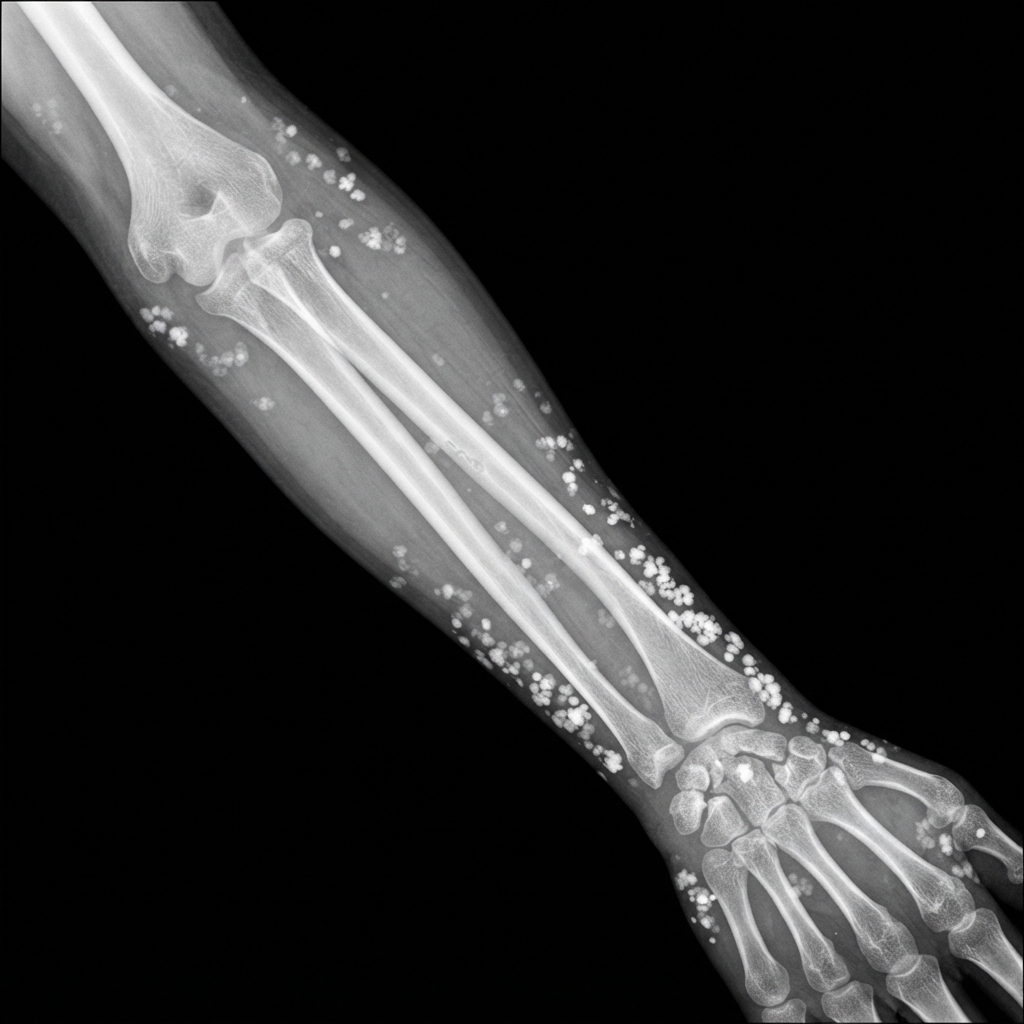
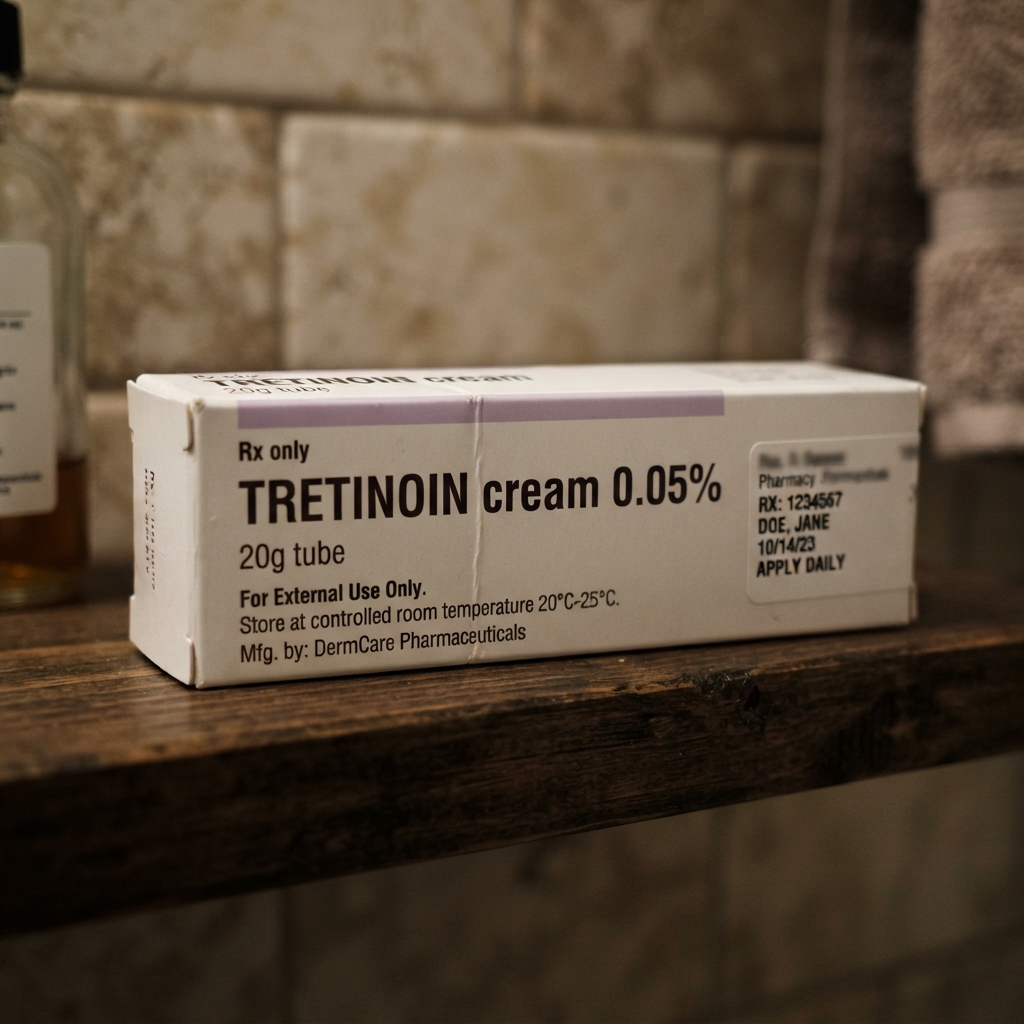
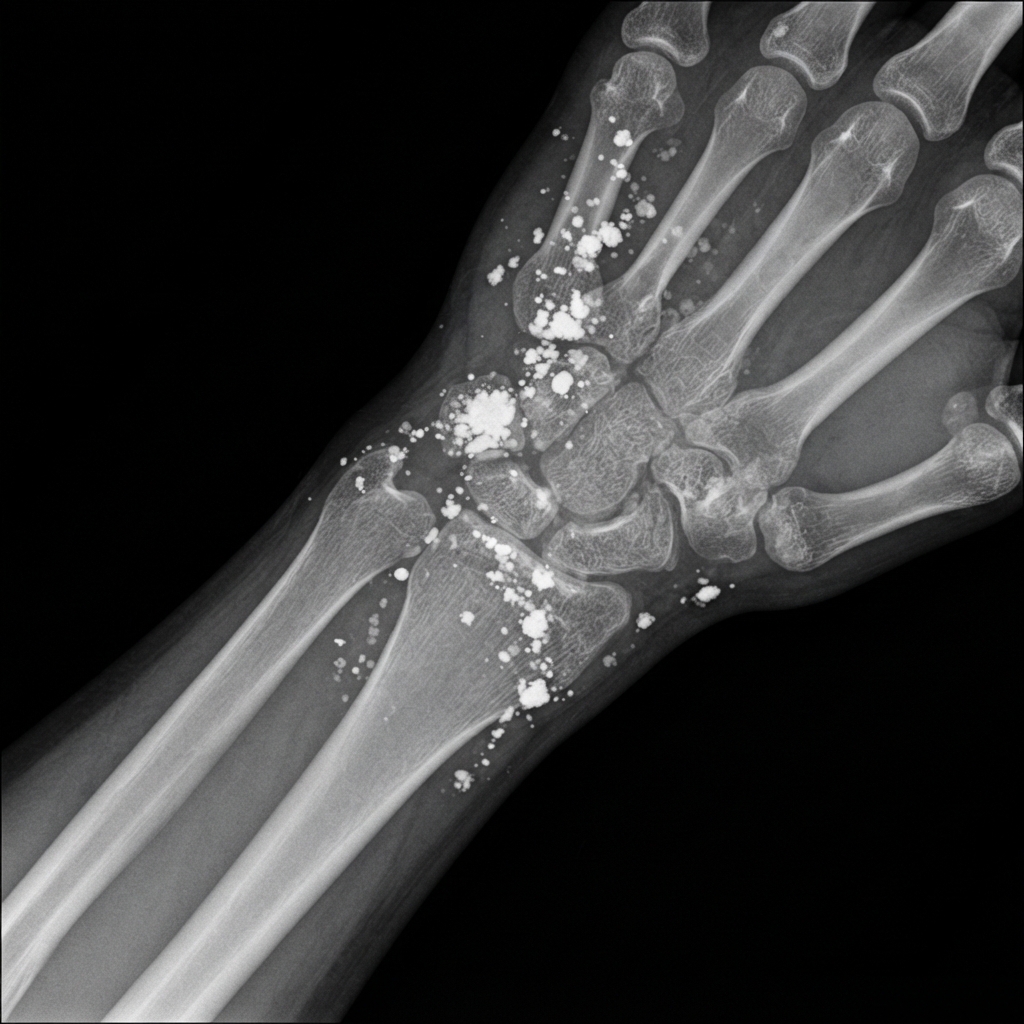
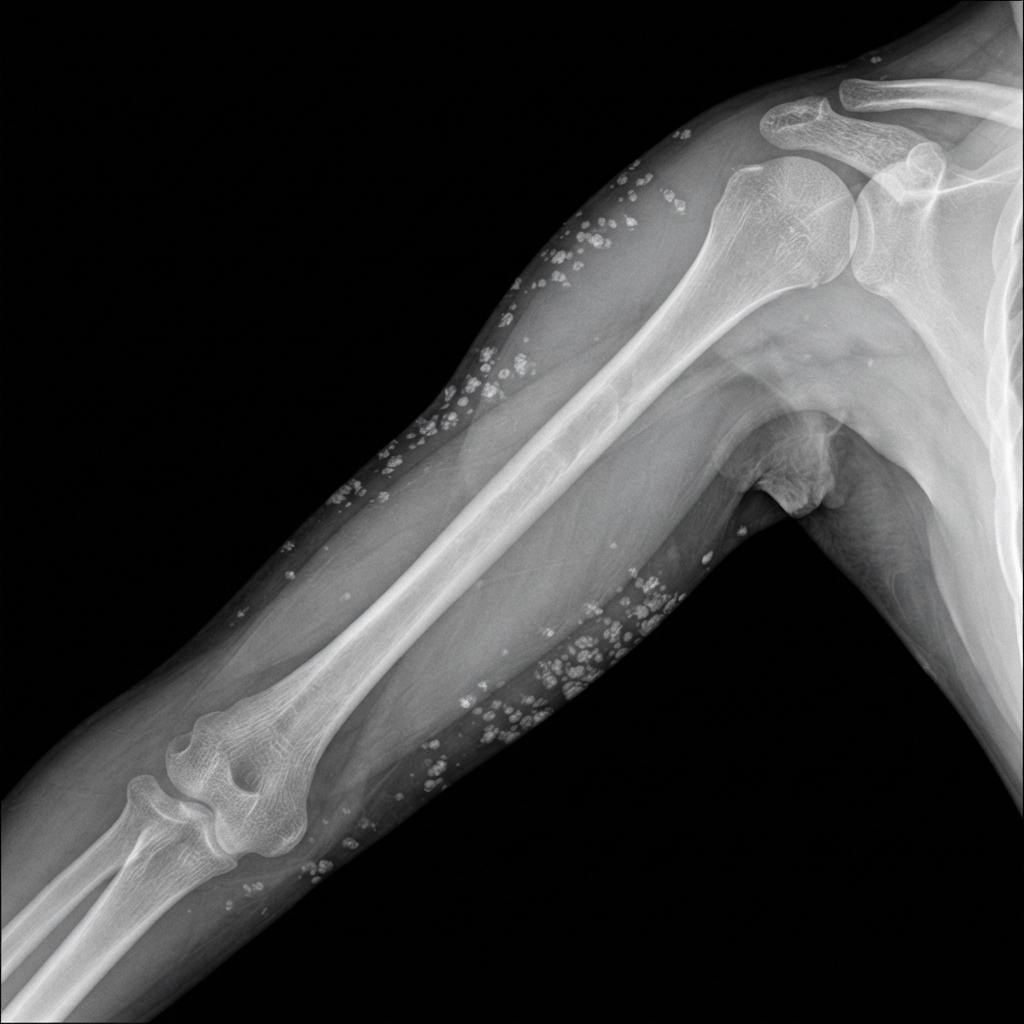
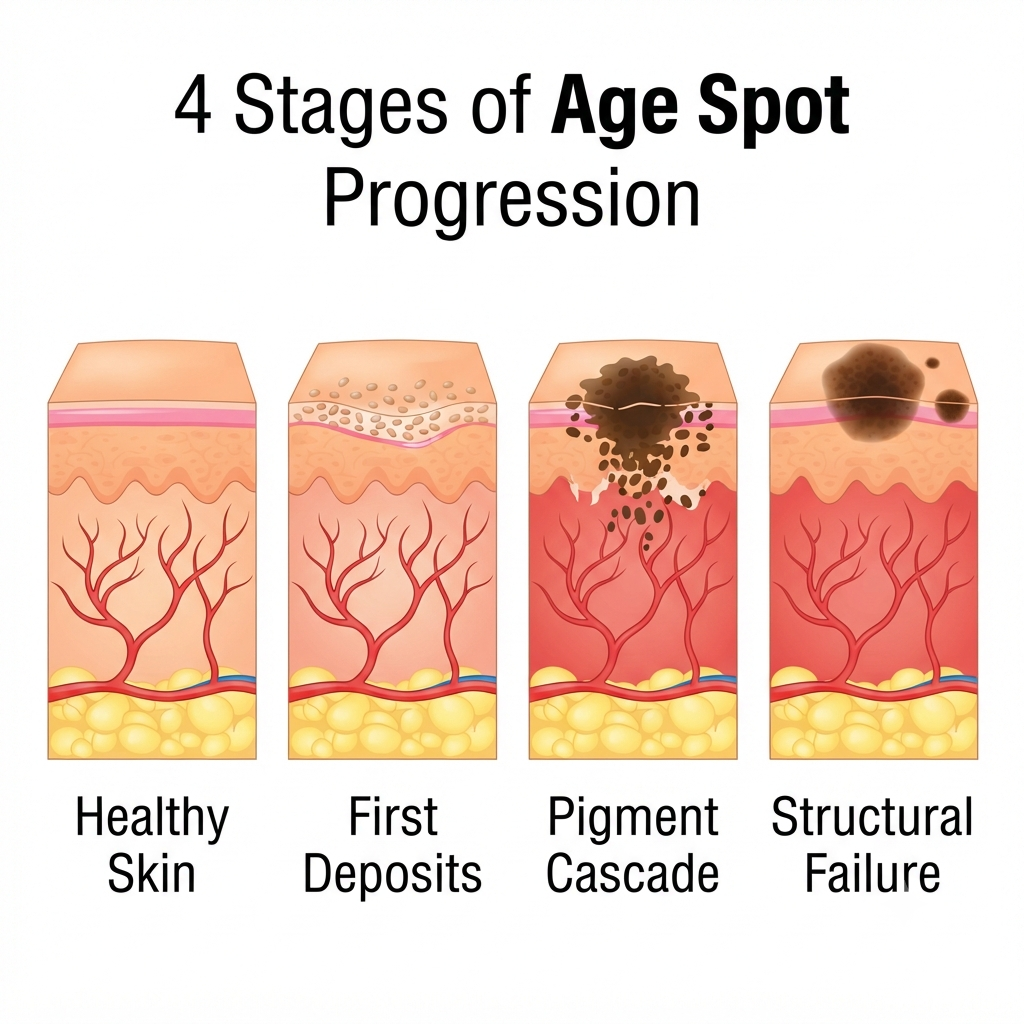
Age spots have four stages. The first three are addressable without laser procedures. Most dermatologists won't tell you that — because they're only trained to manage stage four. I've been a dermatologist for 25 years. The first 20, I practiced in a research hospital that studied oxidative stress pathways in skin aging. I moved into private dermatology practice two years ago. And in my first three months, I saw something I couldn't stop thinking about. Women in their 50s and 60s sitting in my chair. Spreading age spots. Barrier damaged. Skin thinned from years of brightening creams. Every one of them said the same thing. "My dermatologist has been managing it for years." In research dermatology, we don't manage the surface of age spots. We address the signal. Because by the time spots are severe enough to "manage" with escalating procedures, something has already been failing structurally in the deep dermis for years. Here's what no one has told you about where age spots actually lead. Your skin's pigmentation system is regulated by an enzyme called tyrosinase and the lipid barrier that protects the dermis underneath. The structural foundation that keeps skin even-toned, smooth, and intact. They're the scaffolding — the architecture that holds everything together. When an oxidative stress signal locks into the permanent ON position in the deep dermis, it activates tyrosinase continuously at every sun-exposed site. That signal forces pigment-producing cells to deposit melanin faster than the skin can regulate. The excess melanin accumulates as flat, spreading age spots. And the same signal degrades the lipid barrier underneath. That is stage one. The spots appear first because the excess melanin accumulates visibly. The barrier degradation takes longer to show. But it is already happening. This is the moment most dermatologists prescribe hydroquinone or a brightening serum. I understand why. The spots are visible. The cream lightens them. The patient leaves feeling like something was done. But brightening cream suppresses the pigmentation visible at each spot. It lightens what's already accumulated on the surface. It does not touch the oxidative signal firing from the deep dermis. It does not rebuild the lipid barrier. And every application of certain brightening agents sensitizes the skin further. Depletes the remaining barrier lipids. Builds tolerance — so each rotation works for a shorter window. The signal is still firing. The barrier is still degrading. The cream is thinning what's left — in the surrounding tissue, at adjacent sites, in the structural foundation beneath. I have seen visible surface lightening followed 6 weeks later by spots returning darker than before the rotation. Because nothing changed structurally. The cream was lightening the surface of a building whose framework was being dissolved from inside. Stage two is what happens underneath while the surface looks managed. The oxidative signal fires continuously. New pigment deposits form while you sleep. The barrier degrades further each night. By morning new spots have appeared and old ones have spread. The cream you apply in the morning starts the sensitization cycle again. Your chart says "well-managed on current protocol." Your mirror tells a different story every morning. Stage three: spreading. New age spots appear in places you've never had them. Forearms. Shoulders. Décolleté. Neck. The oxidative signal doesn't fire at one site — it fires systemically to every sun-exposed site simultaneously. The cream lightens one spot. The signal opens another. The barrier is now too depleted to contain the spreading. New patches appear between what used to be clear skin — spots opening on your hands, your forearms, your chest. This isn't cosmetic. It's your skin losing its structural foundation. Stage four: the dermatologist says the words you've been dreading. Chemical peels. Or laser. The brightening rotations have failed. The barrier is too depleted for topical recovery. I have had more of these conversations than I should have. With women who did everything right. Who never missed an application. Who had their creams rotated correctly. Who still, over time, watched their skin deteriorate beyond what cream could reach. Because the cream addressed the symptom. The oxidative signal kept advancing. Silently, systemically — until the damage wasn't patchable anymore. When the barrier is gone, you face a choice between chemical peels — with recovery time, post-inflammatory hyperpigmentation risk, and repeated treatments — or laser sessions at $400 to $600 each, every six months for life. I am not describing a worst-case scenario. I am describing what I watch happen, step by step, in patients who were told for years that their age spots were "well-managed." Your age spots are not a compliance problem. They are an oxidative signal that starts in the deep dermis and progresses to the barrier underneath. No amount of cream addresses the signal. A brightening rotation lightens the surface. Neither stops the oxidative cascade. Think of it this way. You can lighten a building perfectly — every spot on the surface suppressed, every patch brightened, every visible deposit covered. But if the framework inside is being dissolved by an oxidative signal running from the foundation, the building still deteriorates. Surface management doesn't fix the framework. Your skin works the same way. Brightening cream suppresses each spot locally. That's what it's designed to do. It does not switch off the oxidative signal. It does not rebuild the lipid barrier. Your skin isn't breaking down from poor compliance — it's breaking down because the oxidative signal firing from the deep dermis is degrading the structural barrier from the inside while the cream sensitizes it from the outside. The fix isn't stronger cream. It's switching off the signal and rebuilding the barrier — delivered through the lipid layer to where the degradation is happening. The dermatology literature on chronic oxidative activation in solar lentigines confirms that the signal — not compliance — drives spot formation, barrier collapse, and cream resistance across thousands of patients. In research dermatology, we address this with two specific compounds delivered through the lipid barrier. Oil-soluble vitamin C — cold-pressed and lipid-soluble — travels through the stratum corneum and neutralizes the oxidative signal at the source in the deep dermis. Bakuchiol from cold-pressed botanical sources signals the skin to regulate pigment production and rebuild the lipid barrier from the inside. Both delivered in a cold-pressed botanical oil that penetrates all 7 skin layers and reaches the deep dermis where the oxidative signal operates. Your compliance doesn't determine this outcome. Your oxidative signal does. And whether the barrier gets the compounds it needs to rebuild. I want to tell you about one patient. She was 59. Had been using brightening serums since she was 50. Nine years. Age spots spreading to forearms, décolleté, and neck. Her previous dermatologist had recommended starting laser treatments. She came to me for a second opinion. Her compliance was excellent. The progression was real. I recommended 12 weeks of systemic oxidative signal interruption and barrier support before making any laser decisions. She was skeptical. Nine years of perfect compliance hadn't stopped anything. She didn't believe something applied as a botanical oil could change what nine years of serum hadn't. I explained it simply. Brightening serum lightens each spot on the surface. It does not switch off the oxidative signal firing from the deep dermis. Your skin isn't breaking down from non-compliance — it's breaking down because the signal is producing new spots faster than the serum can lighten them, and the serum is sensitizing the barrier faster than your skin can rebuild it. You can lighten a building perfectly. If the framework is being dissolved from the inside, the building still falls. She agreed to try. Week 2: skin texture smoother in the morning. Sensitivity quieter. Week 4: edges of largest spots visibly lighter. Full even fading, no rebound, for the first time in years. Week 8: short sleeves wearable without covering her arms. New spots stopped forming on décolleté. Forearm spots faded by half. Week 12: I photographed each spot site. Then compared to baseline. Spot darkness — reduced by more than half across every site. Oxidative stress markers — approaching baseline. Lipid barrier integrity — climbing toward the normal range for the first time since progression began. She didn't need the laser. In research dermatology, this is where we start. Not with surface suppression. With the signal. Dermiqua Sun Damage Repair Body Oil. Cold-pressed oil-soluble vitamin C combined with bakuchiol and sea buckthorn. Camellia oil for deep absorption through all 7 skin layers. Applied morning and evening. $44.95 a bottle. 👉 https://dermiqua.com/pages/age-spots/ 90-day money-back guarantee. I have no financial relationship with this company. I recommend it because the mechanism is sound, the research is published, and I've seen what happens when patients finally address the right problem. Your skin is failing on the surface because the oxidative signal is firing from the deep dermis. Your barrier is next. You just can't see it yet.
Where the ad sends people
dermiqua.com
Real Reason Your Age Spots Keep Spreading 👆
Dermiqua
Learn more: dermiqua.com(opens in a new tab)