Michelle S.
Michelle S. Facebook ad: “Read If Your Skin Barnacles Keep Multiplying”
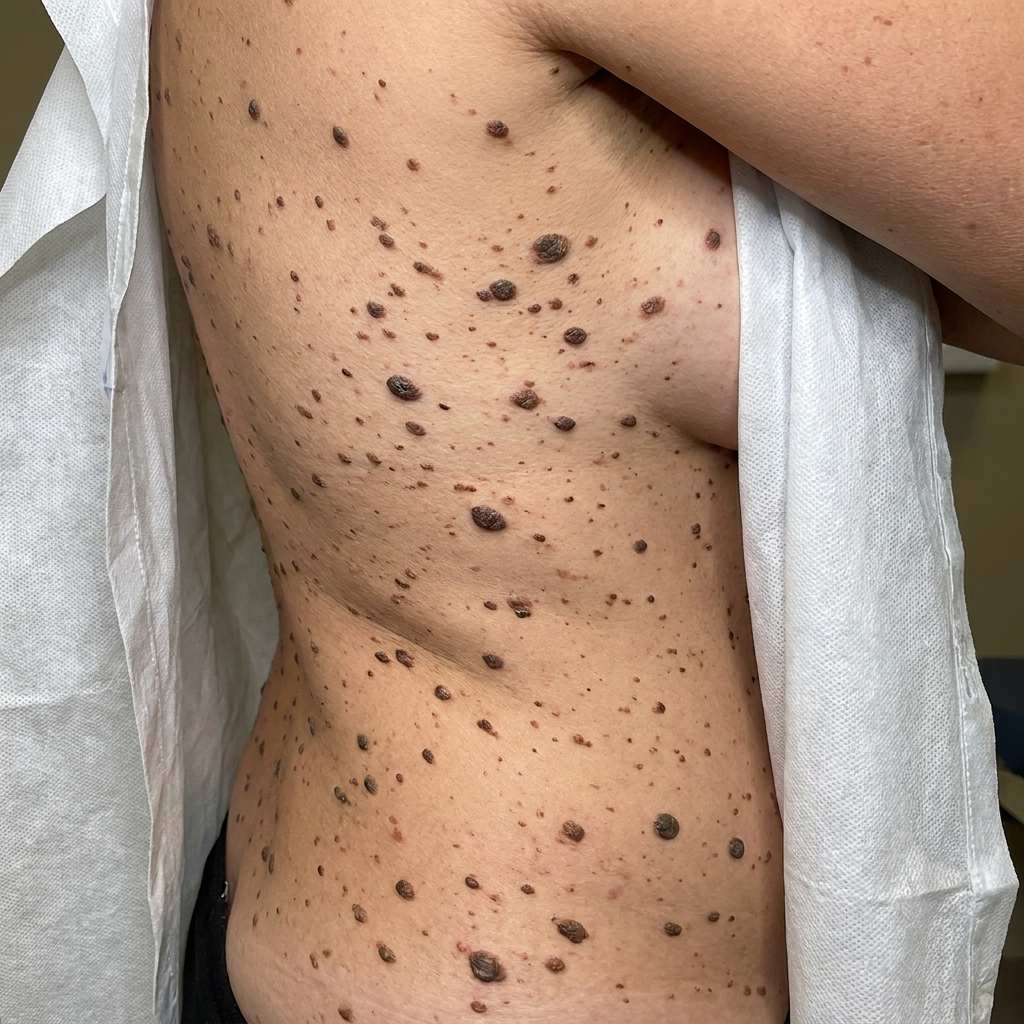
Ran for 2 days, from July 13 to July 15, 2026, the last day Crush saw it.
Run by Michelle S. on Facebook. Crush is not the advertiser and does not verify its claims. See this ad in Meta's Ad Library(opens in a new tab)
Want an ad like this for your product?
Crush makes new ad images for your product from this ad: your logo, your product photo, your offer.
Trials from $19.95 USD, then $79.95 USD a month. Cancel anytime.
About this ad
- Meta Ad Library ID
- 1701050211015049
- Platforms
- Facebook, Instagram, Audience Network, Messenger and Threads
- Relaunches
- 0
Ad text
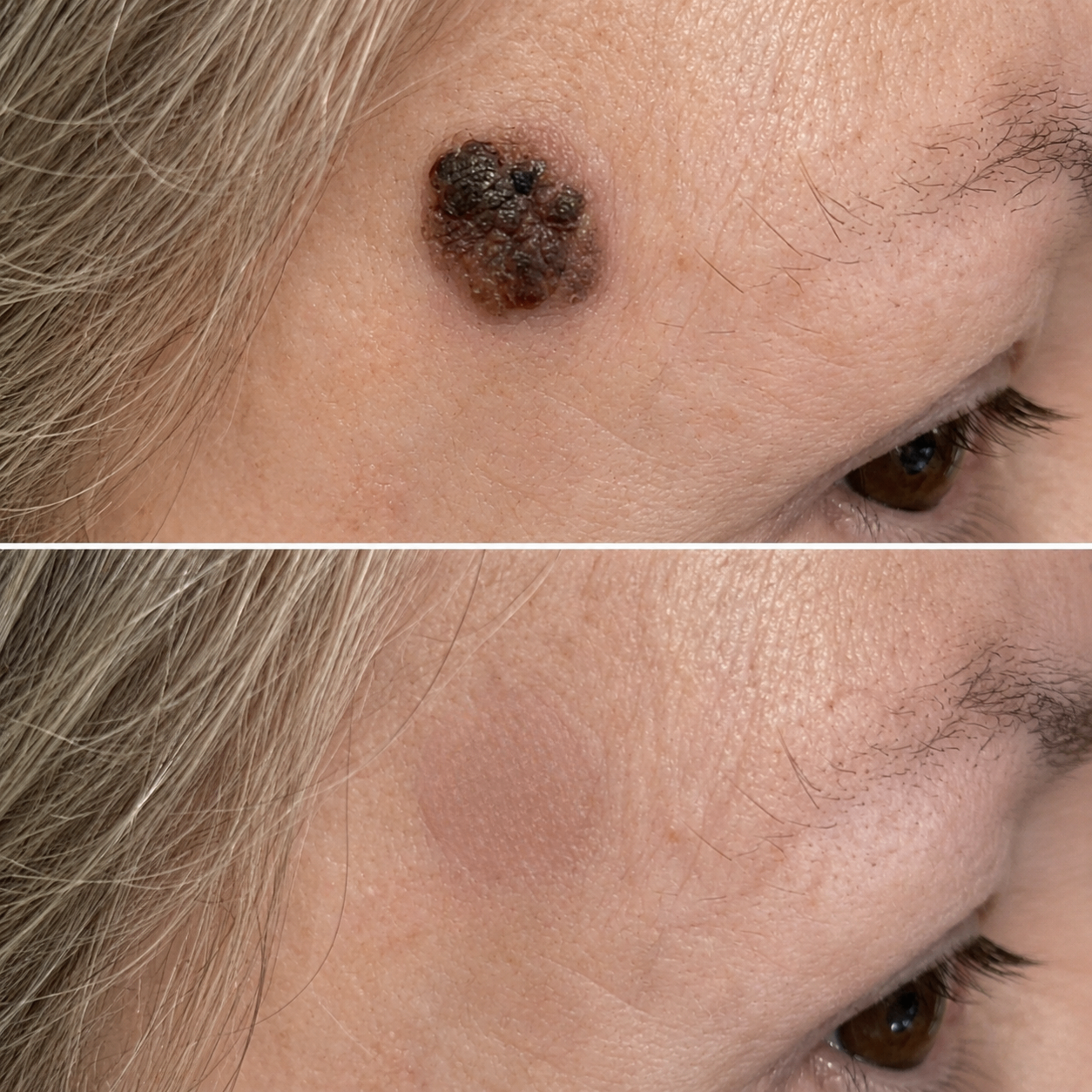
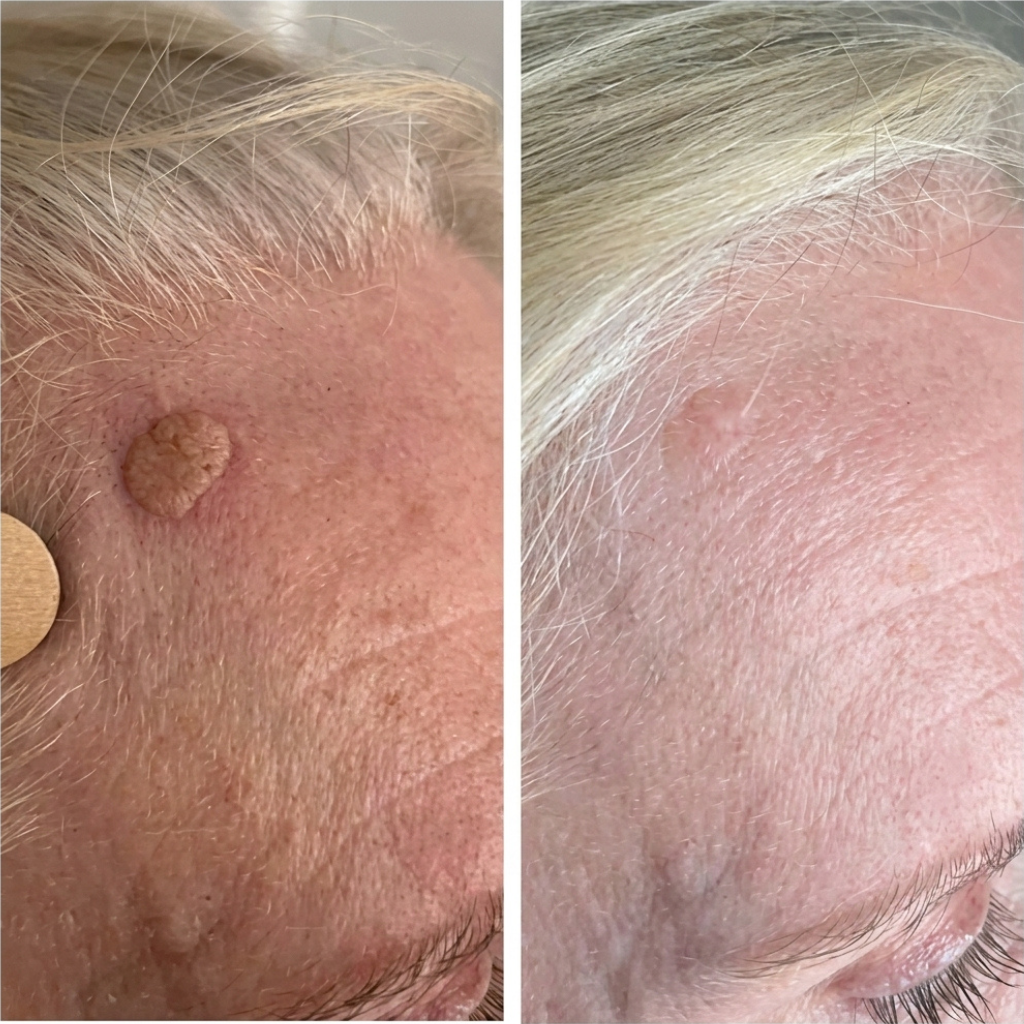
To anyone who went on hormone replacement therapy and watched their seborrheic keratoses multiply faster than anything they'd been spending hundreds to get ahead of — this is why removal will never keep pace with what a hormonal trigger keeps producing. I noticed the first ones on my back and chest maybe eight years ago. A few. Dark. Slightly raised. I knew what they were — seborrheic keratoses. Completely harmless. My dermatologist had confirmed it years before. I'd been managing them. Sessions every few months. $250 a group. New ones appearing alongside the ones just treated within the month. White marks where the frozen ones had been. The standard cycle. I'd accepted this was probably where it ended. Then two years ago I went on HRT. My GP had recommended it. Perimenopause symptoms that were affecting my sleep, my energy, my quality of life. HRT was the right decision. It helped almost immediately. Within six months I had more seborrheic keratoses than I'd had in the previous five years combined. They appeared faster than I'd ever seen them appear. New clusters in areas that had been stable for years. The ones I'd been managing on my back and trunk spreading to places the previous ones never reached. The ones on my neck and chest multiplying in zones that had previously been manageable. I started wondering if it was the HRT. I read everything I could find. Forum after forum described the same thing. Women who'd noticed their SKs accelerate around hormonal shifts — perimenopause, menopause, HRT. "I'm afraid they're hormonal." "Anyone figure out what causes them? I don't buy the sun exposure explanation — most of mine aren't in exposed areas." "I went on HRT and they've been multiplying ever since." Every morning I'd check. Neck. Back. Chest. Noting which ones were new since yesterday. Which ones had grown or darkened. I have a lot of these now. Like — a lot. Flat cornflake-ish ones. Harder warty ones. More of them than I'd had before I started the medication that was helping everything else. I wasn't going to stop the HRT. But I was watching something accelerate that I had no professional answer for. I just didn't know yet that there was something that could actually change that. I knew something had to change the morning I counted fifteen new ones since my last dermatologist appointment. Fifteen. In six weeks. Since going on HRT. I'd already tried cryotherapy more times than I wanted to count. Each session $250. Each time thorough — good numbers in one go. Within a month they were back. And more alongside them. And where the frozen ones had been — white marks. Pale patches where the barnacles used to be. I'd traded one visible problem for another. The rate had been manageable before HRT. Six weeks on it and the count was accelerating faster than any session could address. I went to my dermatologist. "We could do another round of cryo," she said. "Or look at IPL if you want to treat larger areas." "They're multiplying faster than I can keep up with," I said. "I went on HRT six months ago and the rate has accelerated significantly. I'm getting fifteen new ones in six weeks now. I think the hormonal change might be driving it." She looked at my notes. "Hormonal changes can influence seborrheic keratoses," she said. "Oestrogen in particular may play a role in keratin production. But HRT is the right decision for your overall health. And these are benign — they do tend to recur regardless. It's just the nature of them." "So the HRT might be making them worse." "It's possible. But I wouldn't recommend stopping it for this reason." "And removal?" "We can keep removing the ones that concern you most. But there's no way to stop new ones appearing. Especially if there's a hormonal component." Just the nature of them. With a hormonal accelerant she was telling me to keep. I was losing ground faster than I ever had. And the thing that might be driving it was non-negotiable. I was trapped. That was about three weeks before I ran into Sarah at a book club evening. Sarah and I had spoken about this before — she'd mentioned her SKs once, the way you mention something you've quietly accepted as permanent. Same pattern as mine — years of the dermatologist cycle, same dismissal. But something was different about her that evening. She was wearing a lower cut top. The kind she'd always avoided because of the ones across her chest and collarbone. I waited until we were away from the group. "Your skin. The barnacles on your chest. They look completely different." She looked almost surprised I'd noticed. "I know. I keep forgetting I can just — wear things now." "What did you do? Because I went on HRT six months ago and the rate has accelerated. Fifteen new ones in six weeks. My dermatologist confirmed hormones can drive them and told me to keep taking the HRT. I'm paying hundreds to remove something that my own body keeps producing faster. I can't win." "I know exactly what you mean. Mine kept coming back too. Then a longtime friend who works in skincare mentioned something I'd never heard. The reason sessions only ever work temporarily is because they destroy individual growths without touching the keratin overproduction that keeps forming new ones. Hormonal changes can accelerate that overproduction — which is why the rate goes up around HRT and menopause. This one has acids that dissolve the keratin buildup forming each growth directly — and you leave it on so it has contact time to work across all of them at once. It doesn't stop the hormonal trigger. But it dissolves what the trigger keeps producing faster than any session can keep up with." "And it kept pace even with a hormonal trigger running continuously?" "I was so skeptical I didn't mention it to anyone. Then my husband asked what I'd done to my skin. Said the ones on my chest looked flatter. Like they'd been smoothed down." She pulled out her phone and showed me photos. Four months apart. The difference was real. "Can you send me what it's called?" That night I couldn't stop thinking about what Sarah had said. I had to understand why the rate had accelerated on HRT — and why no session-based removal was ever going to address a trigger running continuously inside my body. What I found explained everything. Seborrheic keratoses are physical growths — abnormal keratin buildup hardening faster than the skin can shed it. Flat cornflake-ish ones. Harder warty ones. And hormonal changes — particularly oestrogen fluctuations associated with perimenopause, menopause, and HRT — appear to influence keratin production rates. Which is why the rate of new growths accelerates around hormonal shifts. The skin keeps producing them. The hormonal environment affects how fast. That's why cryotherapy worked temporarily before HRT — it destroys individual growths at the cellular level. But with a hormonal trigger accelerating production, new ones formed alongside the treated ones faster than they ever had. Which is why fifteen appeared in six weeks rather than the manageable rate I'd had before. That's why the dermatologist had no answer beyond continuing removal — because every professional treatment addresses individual growths after they've formed. None of them address the keratin overproduction being driven by the hormonal environment. And none of them were designed to keep pace with a trigger that's active every single day inside the body. That's why removal could never win this race — she'd told me to keep the HRT. Which meant keeping the trigger. Which meant removal was always going to be addressing what the trigger kept producing rather than the trigger itself. Nothing I'd been doing had ever addressed what was driving the rate. When I looked into the Smooth & Even Glycolic Body Stick what Sarah had said made complete sense. Everything I'd been doing had been destroying individual growths while the hormonal environment kept driving the keratin overproduction that formed new ones alongside them. This works differently. 7% glycolic acid dissolves the keratin buildup forming each growth. 0.5% salicylic acid penetrates through from within. One dissolving from the outside. One working through from within. And it stays on the skin — because contact time is everything when you're trying to dissolve hardened keratin. Unlike cryotherapy — which left white marks and couldn't keep pace with a hormonal trigger producing new ones continuously — this dissolves the buildup without damaging surrounding skin. Across all of them at once. Unlike the session-based cycle I'd been in — reactive, individual, temporary, outpaced by a trigger that never stops — this works consistently at home every other day. Not waiting for enough to justify another appointment while the hormonal environment keeps producing more in the gaps. It doesn't stop the HRT. It doesn't change the hormonal environment. But for someone whose hormonal trigger isn't going anywhere — consistent, at-home management that actually dissolves the keratin buildup across all of them simultaneously is something no session had offered. As one person put it: it lets you rub them off and they seem to stay flatter. That's not a cure. But it's the first thing that works at the same scale as what my body keeps producing. I ordered it that night. One swipe across my back as far as I could reach. Neck. Chest. Leave it on. Day 3: nothing obvious. Expected that. Day 5: the flatter cornflake-ish ones felt different. Less raised. Less defined at the edges. Day 7: photo comparison. The flatter ones had visibly reduced. Not gone. But different. Day 10: I caught myself not doing the morning check automatically. The specific daily ritual of counting what the HRT might be adding overnight. First time in months. Day 14: harder warty ones still there but edges softened. And the new ones appearing — smaller than the ones I'd been dealing with since starting HRT. Flatter from the start. Week 3: I wore a lower cut top. The ones across my chest that had always made me reach for a higher neckline. Didn't think about it until I was already out the door. Week 4: Sarah messaged to ask how I was getting on. "The flat ones are basically gone. The harder ones are flatter. New ones still appearing — the HRT hasn't changed — but they're smaller than they were before I started this. And I've stopped doing the morning count." "That last part. That's the one. Keep going. It keeps working." New ones still arrive. The HRT is still running. That hormonal environment hasn't changed. But they don't get the chance to build up the way they used to. I catch them earlier. Keep them flatter. Manage all of them consistently at home rather than waiting for enough to justify another session that the trigger outpaces before I've even healed. I'm not cured. I never expected to be. But for the first time I feel like I'm actually keeping pace with something my own body keeps accelerating. If this is your life right now — watching seborrheic keratoses multiply faster since going on HRT, spending hundreds on sessions that can't keep pace with a hormonal trigger running continuously, being told by a dermatologist that the hormones might be driving it and that you should keep taking them anyway — you need to understand something. This isn't just about the barnacles. It's about paying for removal that was never going to keep pace with a trigger your own body keeps running every single day. Seborrheic keratoses are hardened keratin growths. Cryotherapy removes them temporarily. IPL treats larger areas more effectively. Neither dissolves the buildup consistently, at home, across all of them at once — and neither was ever designed to keep pace with a continuous hormonal trigger. If nothing changes you're another morning count confirming what the HRT might be adding overnight. Another $250 session for growths that come back faster than they ever did before. Another year of losing ground to something your own body keeps accelerating with a trigger you're not willing to remove. I'm telling you: you can keep pace with this. Even with the trigger running. The Smooth & Even Glycolic Body Stick comes with a 60-day money-back guarantee. Long enough to watch the flatter ones reduce, feel the harder ones soften, and start keeping pace with what the hormonal environment keeps producing — instead of always falling further behind it. Notice when you stop doing the morning count automatically. Notice when you reach for a lower neckline without thinking. Notice when new ones appear smaller than they've been since you started HRT. Notice when you feel like you're keeping pace with a trigger you can't remove. You deserve something that works at the same scale as what your body keeps producing. You don't have to keep paying for removal that the hormonal trigger outpaces before the next appointment. This is formulated to dissolve the keratin buildup forming each growth — consistently, at home, across all of them at once — so you can finally keep pace with something that your own body keeps accelerating. The morning you counted fifteen new ones since your last session and realised the HRT you weren't going to stop was producing them faster than any appointment could ever keep up with? This is how you finish that. Learn more about the Smooth & Even Glycolic Body Stick👇
Where the ad sends people
equalizelabs.com
Read If Your Skin Barnacles Keep Multiplying
Equalize Labs
Shop now: equalizelabs.com(opens in a new tab)