
Inactive· since May 20, 2026
- 53
- days it ran
- 0
- relaunches
Ad copy
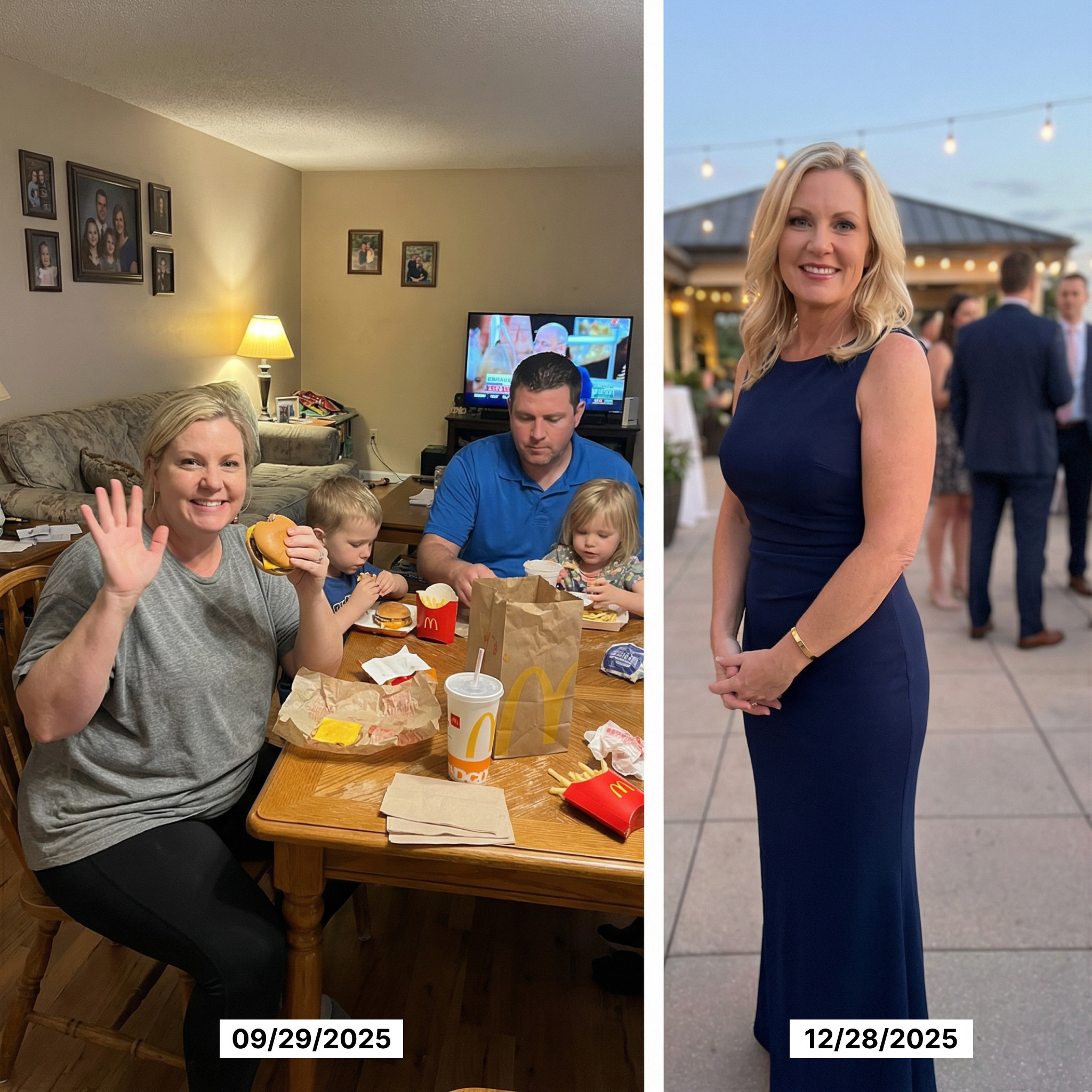
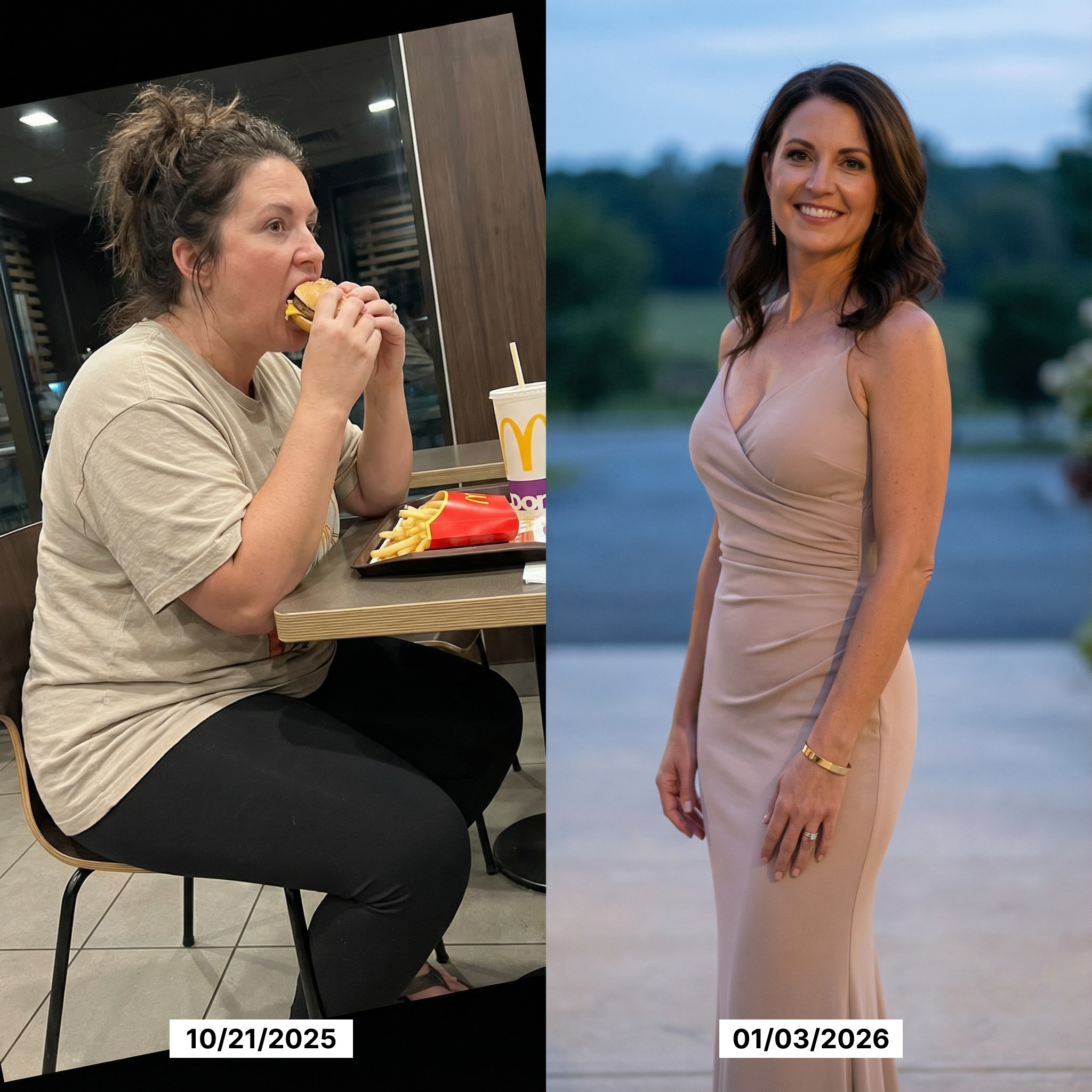
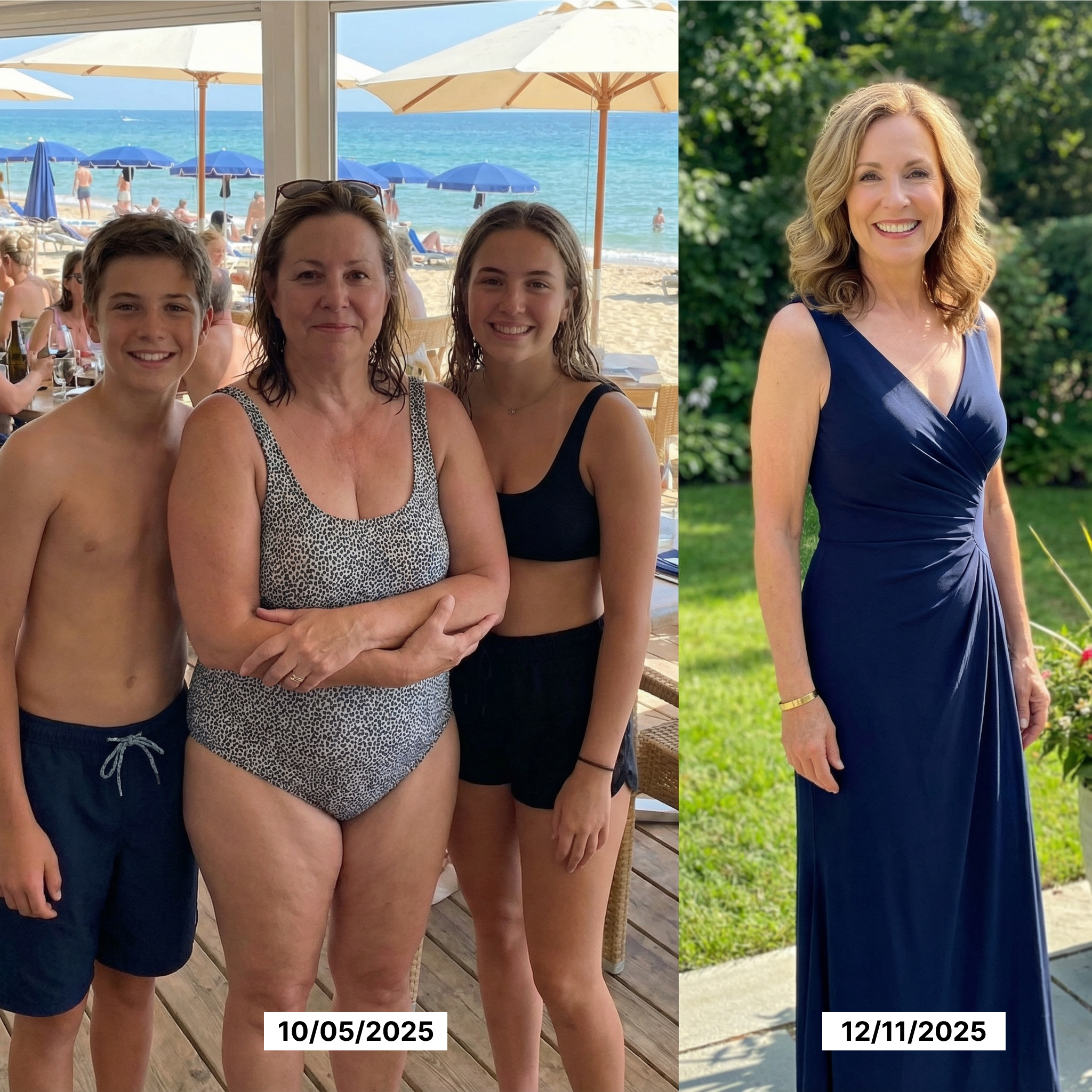
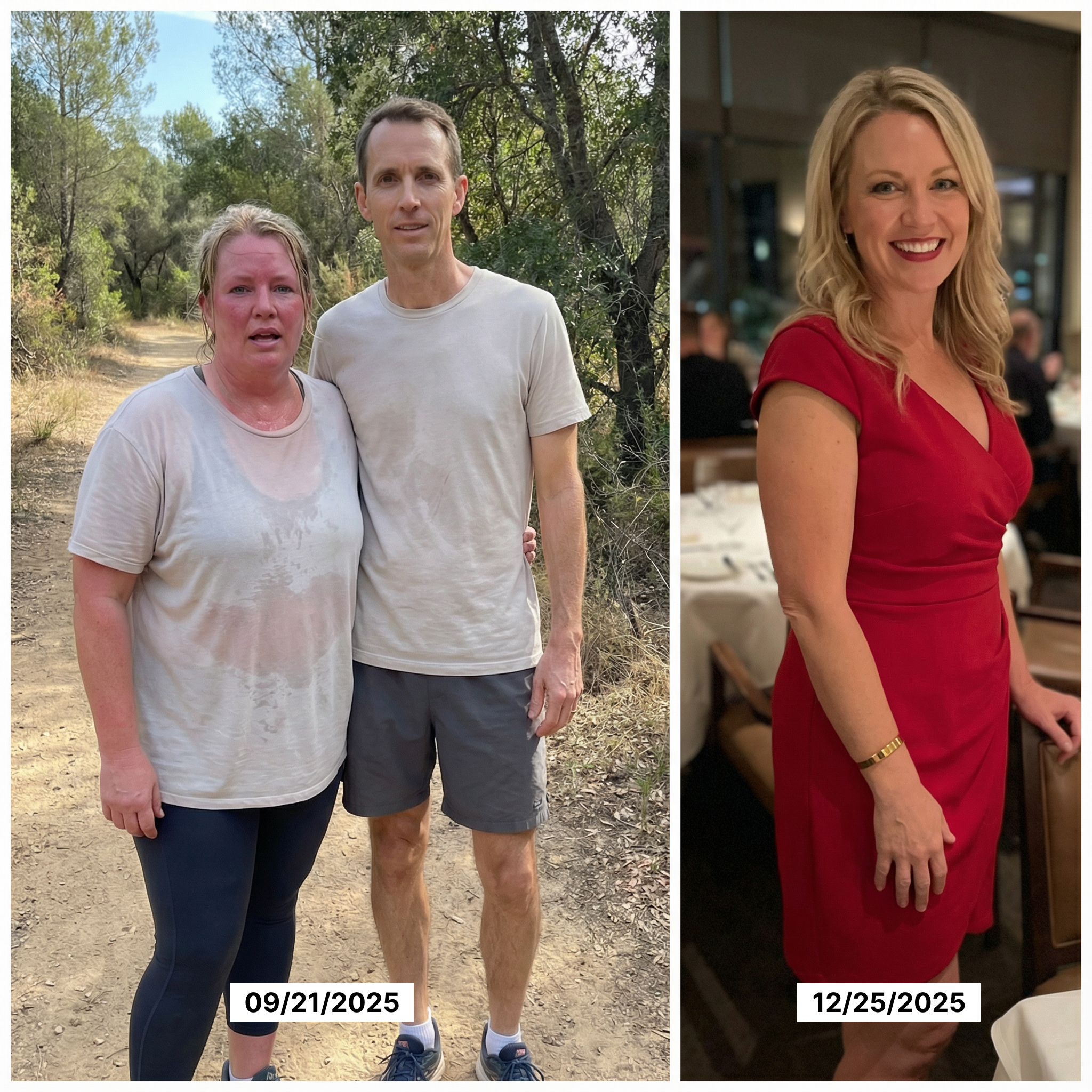
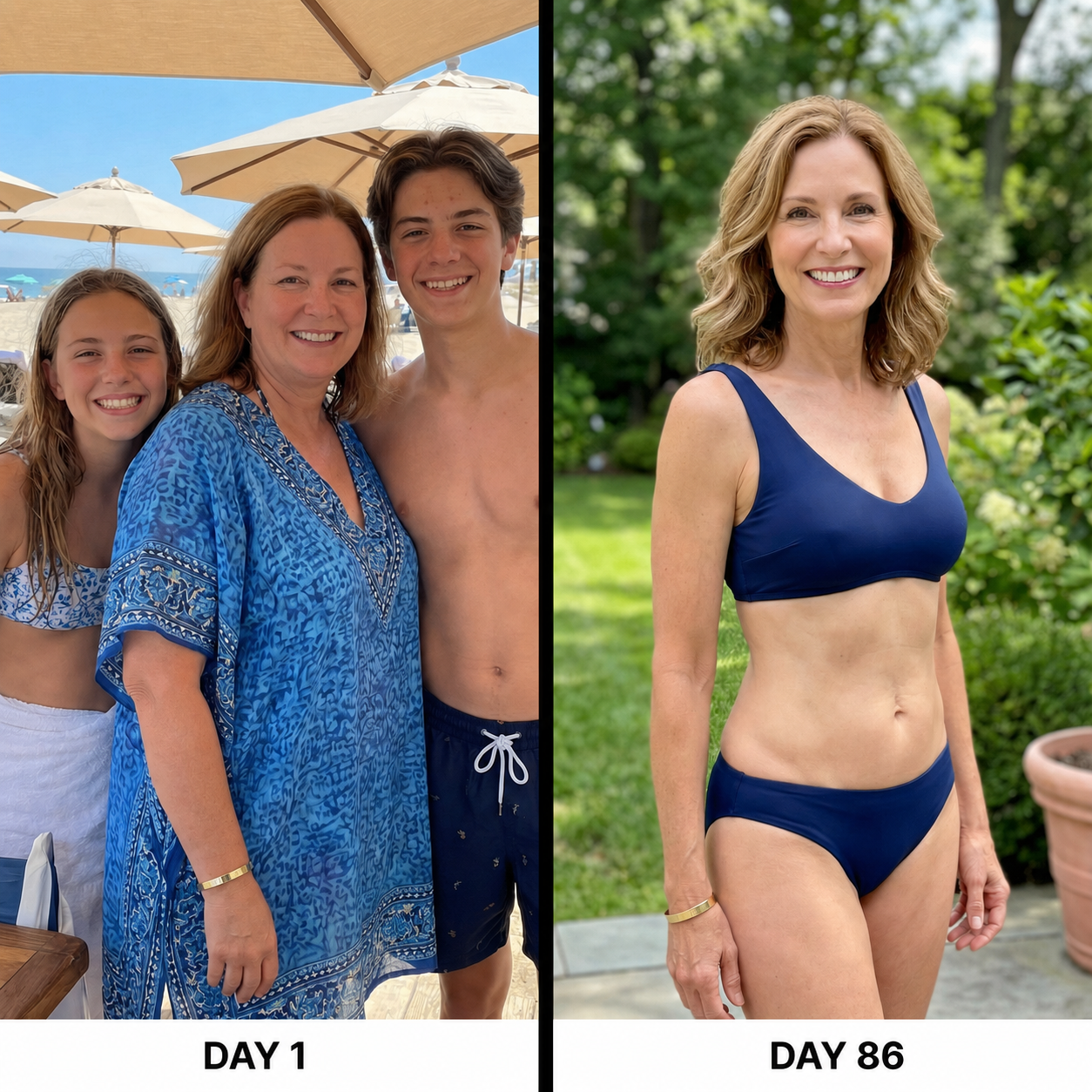
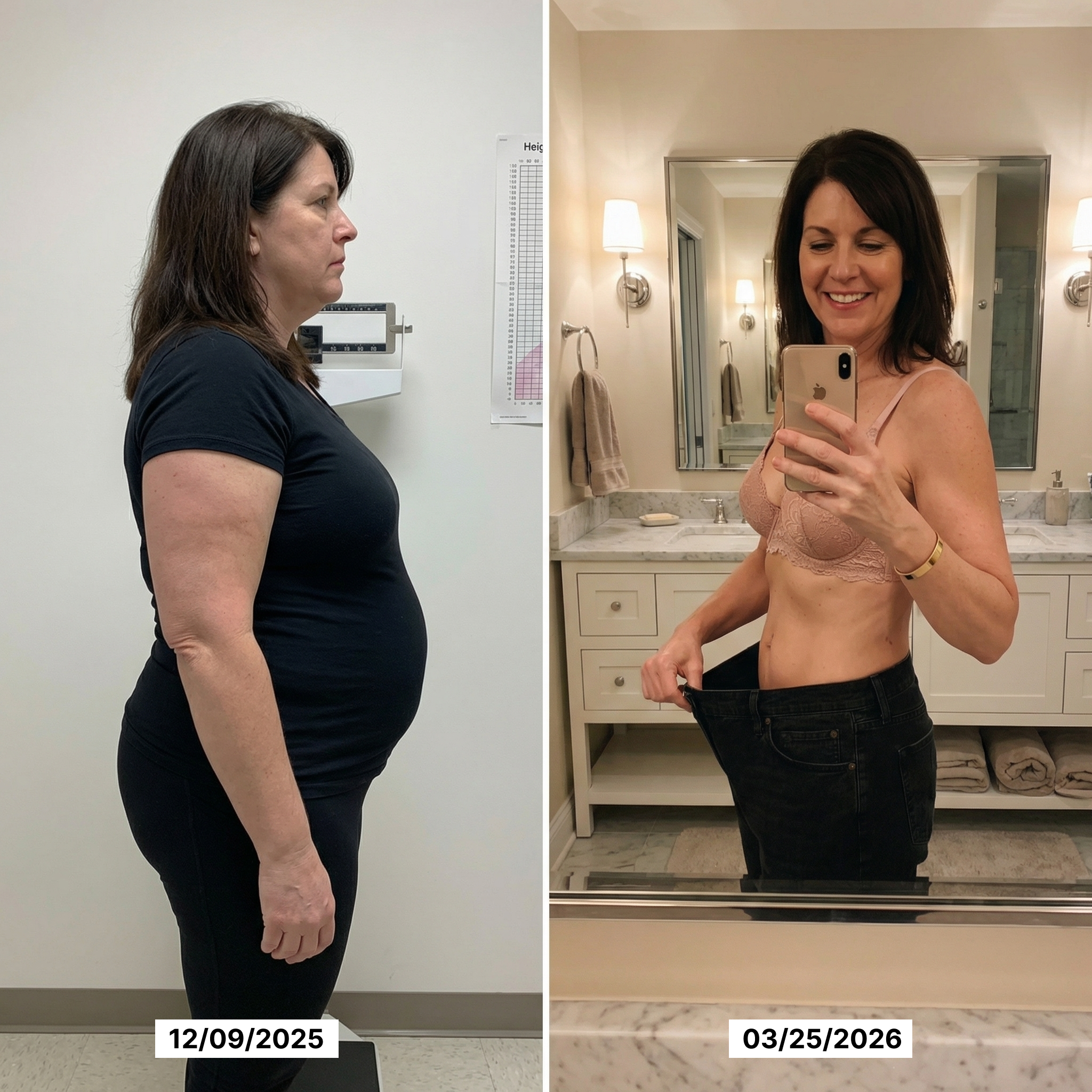
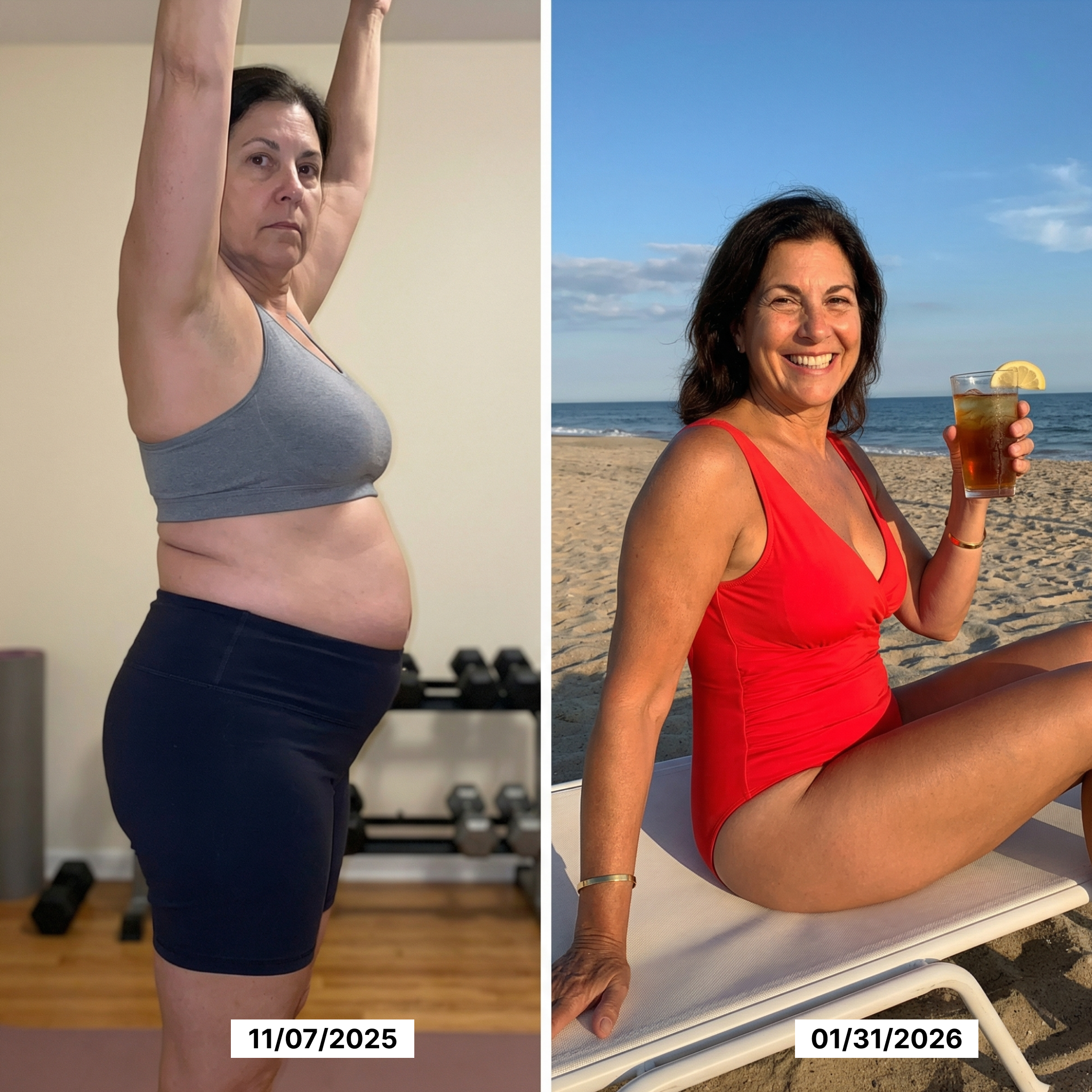
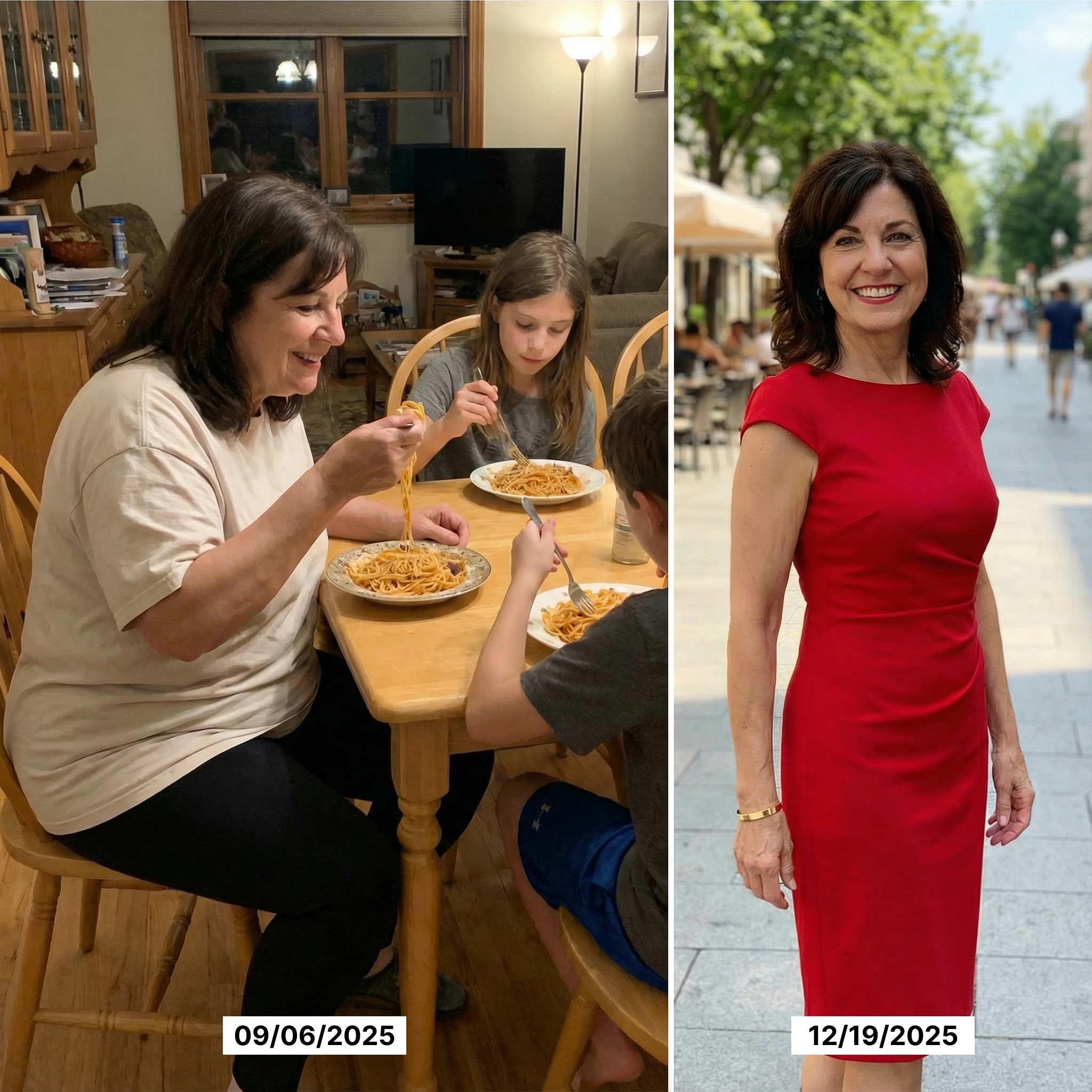
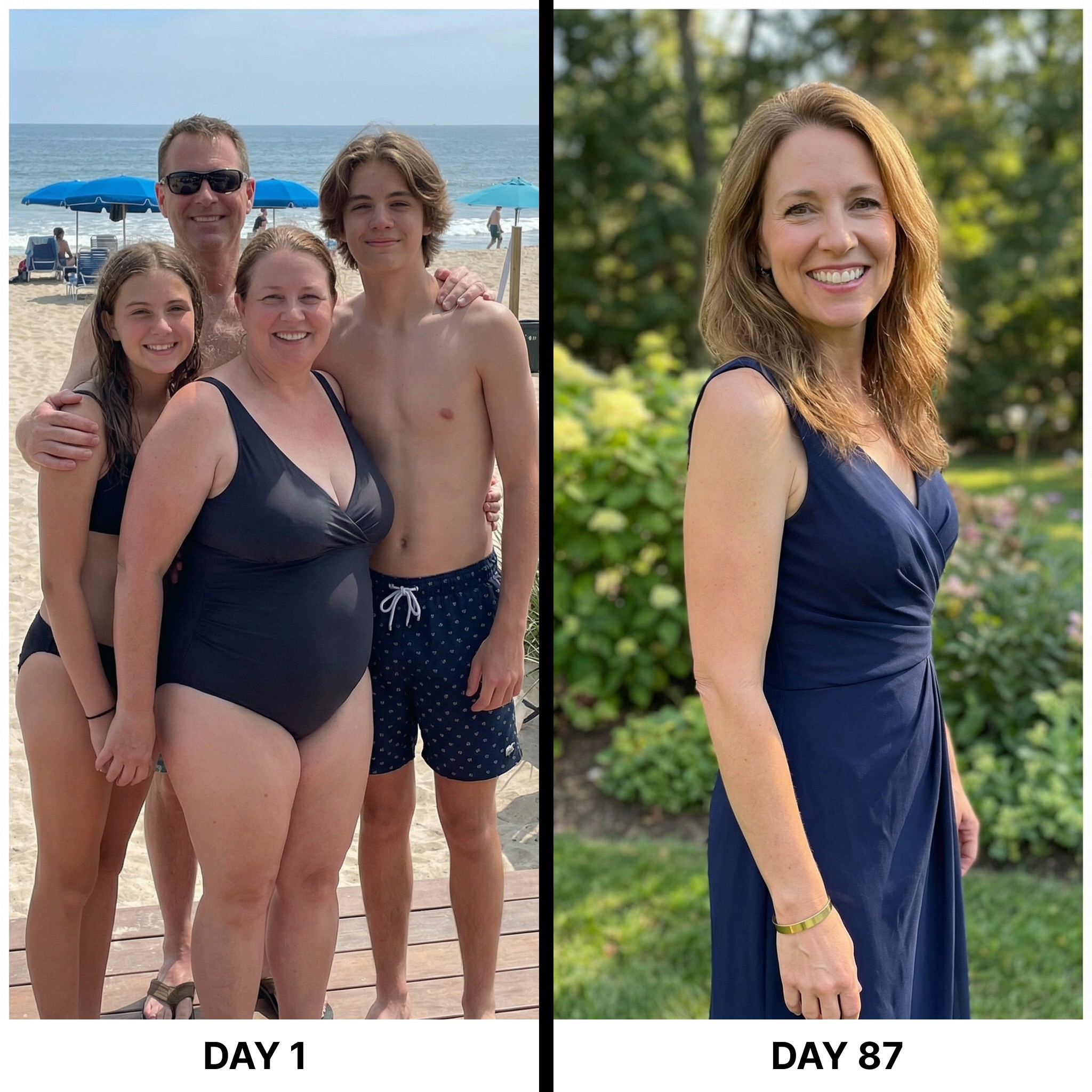
I found a trauma bag in the trunk of our car. My husband put it there. He's a trauma surgeon. He told me it was "just in case." We've been married 22 years. There was never a bag before. I'm married to Dr. Marcus Williams. He operates on the people who come in broken. Car accidents, falls, stabbings, industrial injuries. He rebuilds what other doctors can't. Marcus is calm. Always. Twenty-two years and I've never seen him panic. Not when our son broke his arm. Not when my mother collapsed at Thanksgiving. Not once. So when I found a fully stocked trauma bag behind the spare tire, tourniquet, hemostatic gauze, chest seal, pulse oximeter, blood pressure cuff, I didn't understand. We're not adventurous people. We drive to work and the grocery store. I brought it inside. Set it on the counter. "Marcus, why is there a trauma bag in the car?" He was reading the newspaper. He put it down slowly. "I lost a patient last Tuesday. 55-year-old woman. SUV accident. She would have survived if her metabolic condition hadn't complicated everything. Visceral obesity, hypertension, prediabetes. Her body couldn't handle the trauma. Normal-weight patients survive that impact every day." He looked at me. "If we're ever in an accident, I need to be able to stabilize you. Your body right now can't survive what a healthy body can." That's how a trauma surgeon says I love you. With a tourniquet. The Body My Husband Calculates : Here's what they don't tell you about being married to a trauma surgeon during menopause: He assesses survivability. Automatically. He looks at a body and calculates what it can withstand. Impact force, blood loss, surgical stress, recovery. He does it with strangers. He does it with me. From 48 to 53, I gained 40 pounds. All midsection. My waist went from 28 inches to 40 inches. Marcus never mentioned my weight. But he started driving more slowly. He traded our sedan for an SUV with a higher safety rating. He made sure I always wore my seatbelt, even for short trips. He'd reach over and check the tension before he started the car. Survivability planning from a man who sees what happens when bodies fail. The Numbers That Packed the Bag : My metabolic assessment: Weight: 188 pounds (from 148 five years earlier) Waist: 40 inches BMI: 35 Fasting glucose: 122 (prediabetic) Blood pressure: 146/90 (stage 2 hypertension) Resting heart rate: 88 Marcus calculates survival probability from blunt trauma using the Injury Severity Score adjusted for comorbidities. Obesity, hypertension, and metabolic syndrome each reduce survival odds independently. Combined, they're a death sentence in a moderate-mechanism accident. His father survived a car accident at 58 but died three days later. Surgical complications from visceral obesity. Marcus was a second-year surgery resident. He watched the team try to save his father. He knows exactly what they did wrong. He's replayed it a thousand times. That bag in the trunk isn't about first aid. It's about the three minutes between impact and ambulance. The $3,800 I Tried While He Packed : Marcus never said "lose weight." He said "optimize your physiological reserve." That's trauma surgeon for the same thing. I tried everything: Metabolic optimization program ($1,100 for 14 weeks) targeting insulin resistance and cardiac fitness. Personal trainer specializing in functional strength ($920 for 16 weeks) that improved my stamina but not my waist. Anti-inflammatory nutrition plan ($880 for 12 weeks) that helped blood markers slightly. Hormone management consultation ($900 for evaluation and 6 months) that addressed hot flashes. My waist went from 40 to 39 inches. Marcus replaced the tourniquets in the trunk bag every six months. He checked the expiration dates on the hemostatic gauze. I found the receipts. What a Patient's Survival Taught Us : Marcus came home one evening and poured himself a glass of wine. He doesn't drink on weeknights. Something had happened. "I operated on a 59-year-old woman today. Fall from a ladder. Eight-foot drop. Standard mechanism. She should have been routine." He sat down. "She was the same woman I operated on last year. Same fall mechanism. Same height. Last time, she nearly died on my table. Visceral obesity, metabolic syndrome, hemorrhagic complications from impaired clotting. Sixteen hours in the ICU." He took a sip. "Today she walked into the ER alert and oriented. Same injury pattern. Same height. But her body handled it. She was in and out of surgery in two hours. Home in three days." "What changed?" "She lost 38 pounds. Her herbalist recommended a bracelet for nervous system regulation. When cortisol dropped, her visceral fat released, her blood pressure normalized, her clotting factors improved. Her body became survivable again." "A bracelet." "Her survival probability from moderate-mechanism trauma went from 71% to 96%. I ran the numbers myself." "How much?" "$65." Marcus looked at me. "I want to take that bag out of the trunk." My 14-Week Transformation : Marcus tracked with trauma assessment metrics: Week 1-4: Sleep transformed. Resting heart rate dropping. Blood pressure improving. Lost 13 pounds. Waist: 37 inches. Week 5-8: Belly shrinking visibly. Breathing easier. Energy sustained. Marcus noticed the change in how I moved. Lost 12 pounds. Waist: 34 inches. Week 9-12: Midsection flat. Heart rate in the sixties. Blood pressure normalizing. Lost 10 pounds. Waist: 31 inches. Week 13-14: Abdomen tight. Body Marcus hadn't seen since our thirties. Lost 5 pounds. Waist: 29 inches. Total: 40 pounds lost. 11 inches off waist. Back to 148. Marcus ran my numbers through his survival calculator on week 14. The Assessment That Emptied the Trunk : Full metabolic and trauma risk workup: Weight: 188 to 148 BMI: 35 to 24.5 Fasting glucose: 122 to 84 Blood pressure: 146/90 to 116/72 Resting heart rate: 88 to 62 Waist: 40 to 29 inches Survival probability from moderate trauma: 71% to 96%. His colleague reviewed my results. "Her physiological reserve is excellent. She'd tolerate significant traumatic insult without complication." Marcus said: "Chronic cortisol during menopause was degrading her survivability by storing visceral fat, elevating blood pressure, impairing clotting cascade function. When the nervous system regulated, every system normalized. Her body became resilient again." He took the trauma bag out of the trunk the following weekend. I watched him unpack it on the garage workbench. Tourniquet, gauze, chest seal. All of it. "You don't need it anymore." Eight Weeks Later : The 59-year-old patient is fully recovered. Marcus considers her one of his most remarkable outcomes. I've told three women at our gym. Two are wearing it. Last month, our son called from college. Fender bender. Everyone fine. Minor damage. Marcus took the call in the kitchen. I watched his face. Twelve months ago, a call like that would have sent him into triage mode. He would have calculated the forces, estimated the injury potential, asked about seatbelt position and airbag deployment. This time he just said: "Glad you're okay. Get the bumper fixed." After he hung up, he looked at me. "A year ago I would have driven there. Not for him. For you. Because if you'd been in the car, the impact forces at your metabolic profile would have been dangerous." He shrugged. "Now you're just a person in a fender bender. Not a case." The Trauma Surgeon's Wife Truth : Here's what being married to a man who rebuilds broken bodies taught me: He couldn't tell me mine wouldn't survive. He told me with a trauma bag in the trunk and a car he replaced for a higher safety rating. You can't train away metabolic vulnerability driven by chronic cortisol. You can't diet away the visceral fat that turns a survivable accident into a fatal one. Fix the nervous system. Cortisol normalizes. The fat releases. The body becomes resilient. The trunk stays empty. For me, that started with a $65 bracelet that made the trauma bag unnecessary. He still operates on the broken every day. But he stopped packing for mine. 👉 If someone is quietly preparing for what they're afraid will happen, if your body is carrying weight that changes the math... Click below to discover the Kalm Bracelet. Just $64.90 at the official store. Wear it consistently and measure your waist every 2 weeks for 14 weeks. https://mykalm.co/original-bracelet
Reduces menopause symptoms naturally
Don't miss out! Get TWO original Kalm Bracelet for the price of ONE. These are our largest discounts of the year. and supplies are running low. Secure yours now while they last!
LEARN MORELike this ad? Make it yours.
Crush rebuilds this exact creative around your product — your brand, your colors, your offer — in about a minute.