Emma Wilson
Emma Wilson Facebook ad: “If your washing still smells off after cleaning your…”
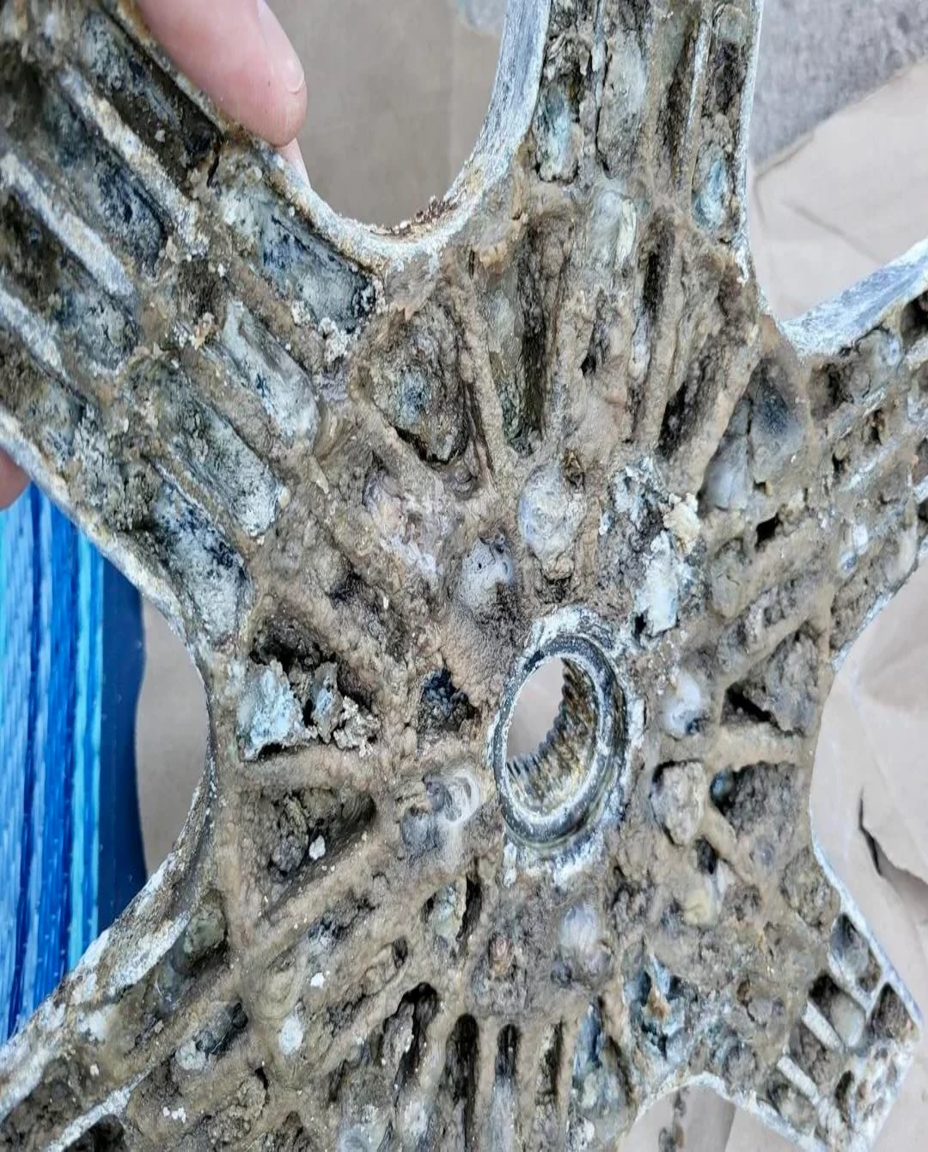
Ran for 6 days, from May 6 to May 12, 2026, the last day Crush saw it.
Run by Emma Wilson on Facebook. Crush is not the advertiser and does not verify its claims. See this ad in Meta's Ad Library(opens in a new tab)
Want an ad like this for your product?
Crush makes new ad images for your product from this ad: your logo, your product photo, your offer.
Trials from $19.95 USD, then $79.95 USD a month. Cancel anytime.
About this ad
- Meta Ad Library ID
- 1702761117571511
- Platforms
- Facebook, Instagram, Audience Network, Messenger and Threads
- Relaunches
- 0
- Niche
- Pets
Ad text
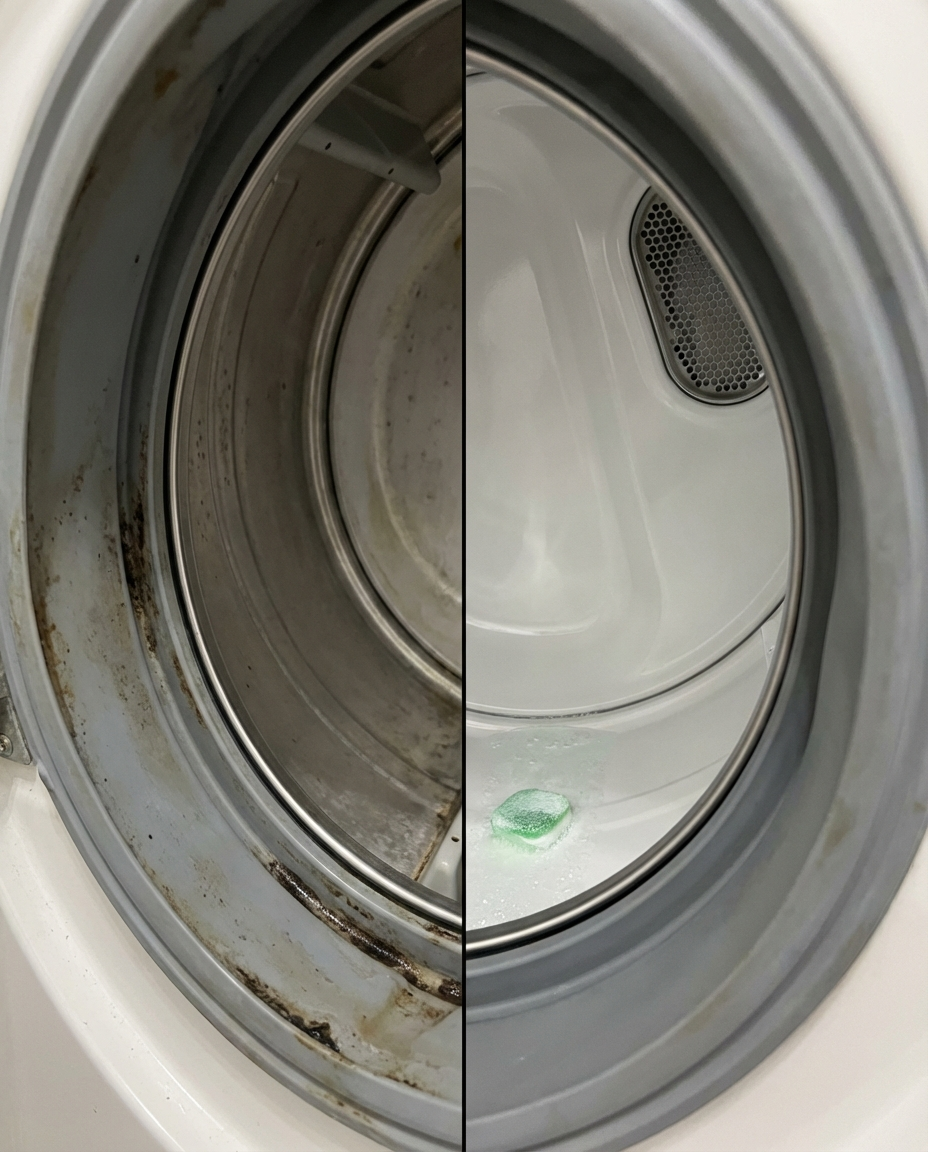
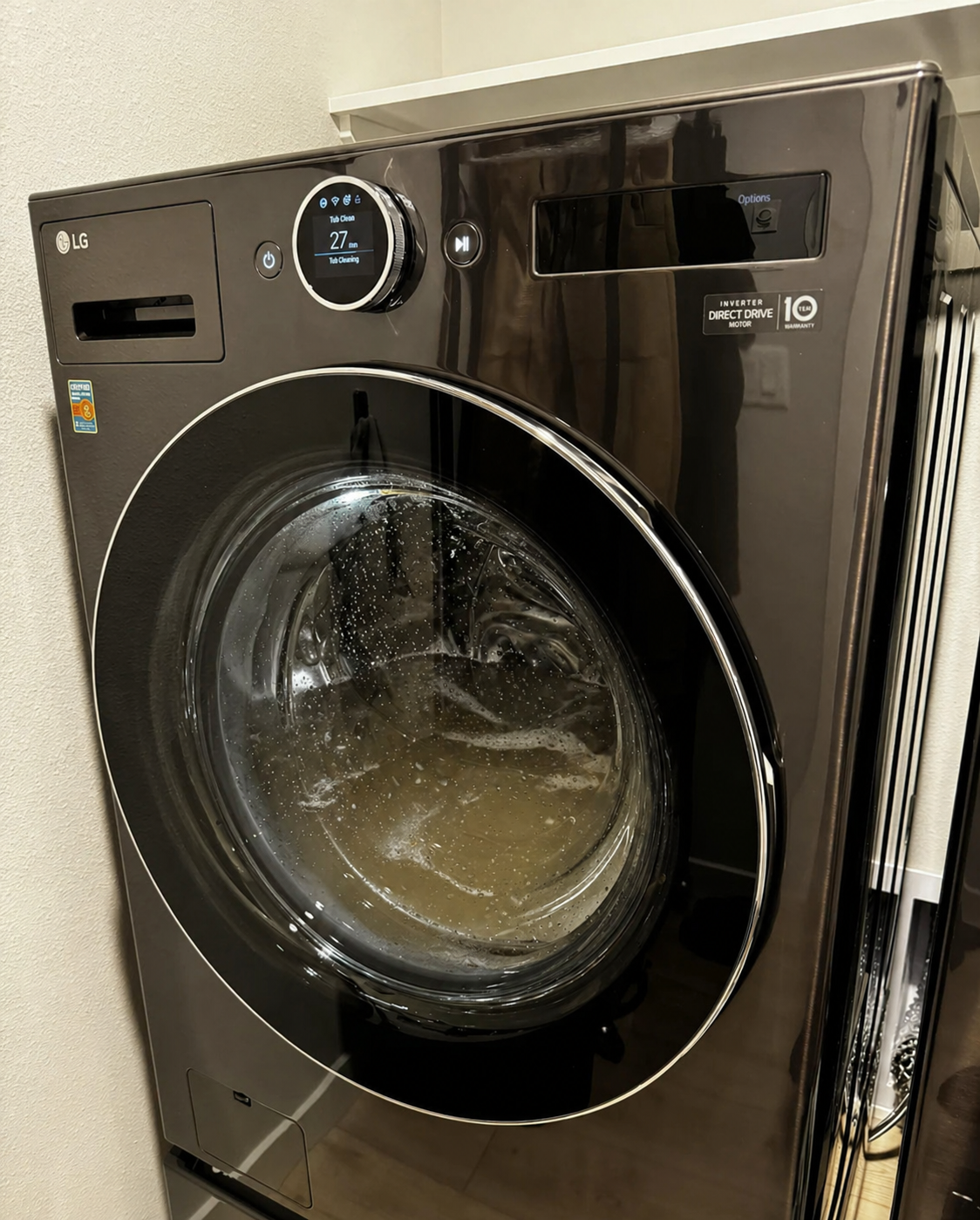
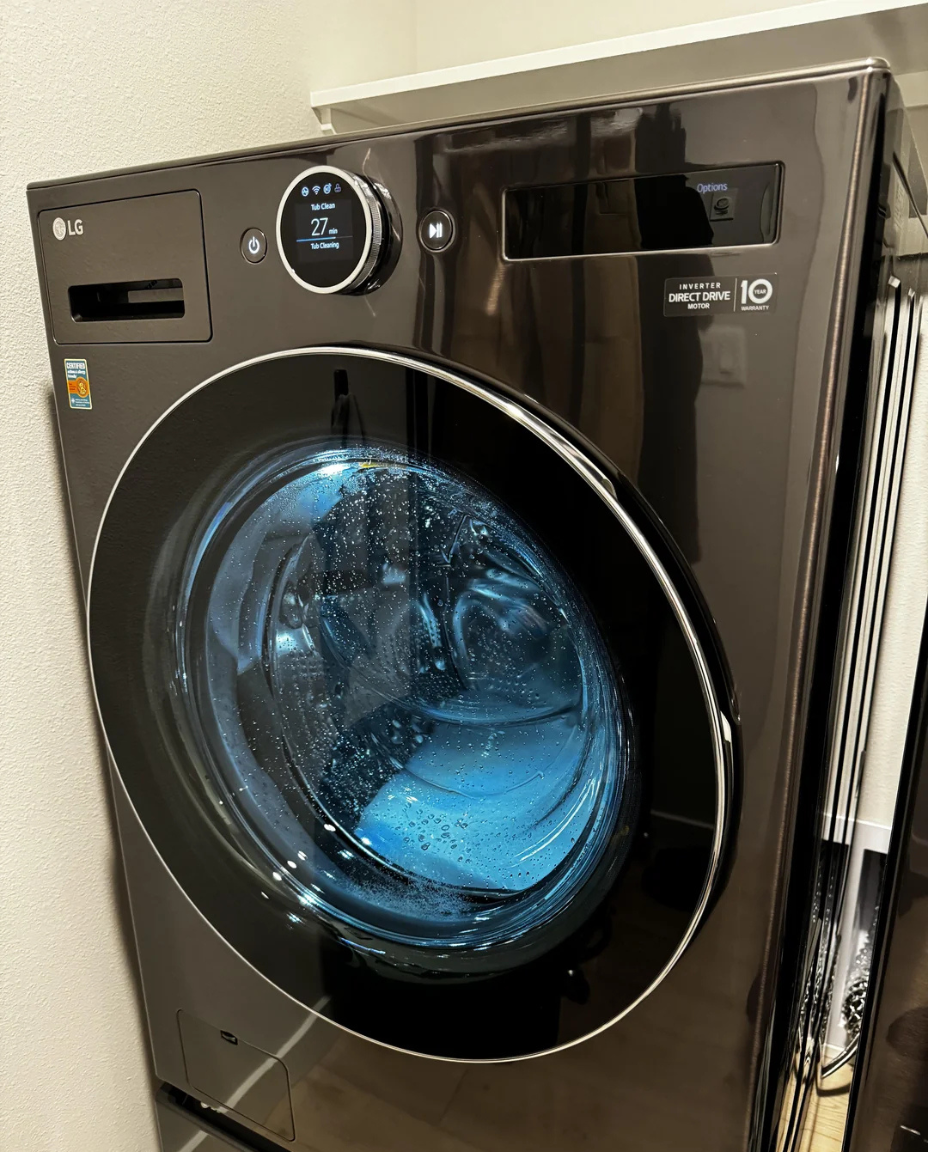
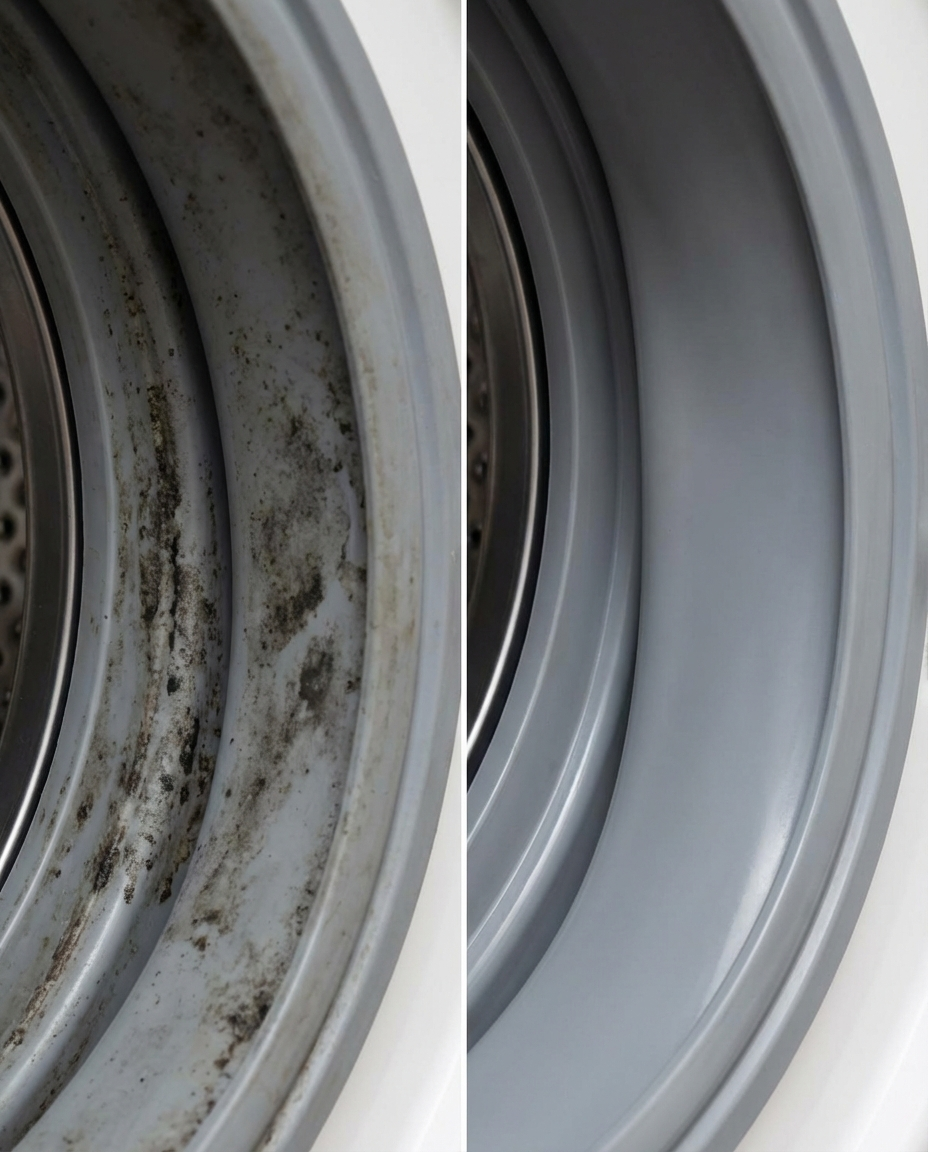
WHO THE HELL KNEW THE WORD SCRUD EXISTED? AND THAT IT WAS THE REASON MY WASHING MACHINE SMELT THE WAY IT DID. Not me, that's for sure. I moved to London two years ago with my three dogs and the flat came with a washing machine already in it, left behind by the previous owner. First few months, no problems at all. The machine did what it was supposed to do and I got on with my life. Then, slowly, things started going wrong. The clothes were coming out with this smell on them. That heavy, damp, wet-dog kind of smell, the sort that hits you in the back of the throat. And I'd think, okay, maybe I need to do another cycle. So I'd run them again. Same smell. Sometimes worse. And every time I opened the door of the machine to load it, this wave of hot, musty air would hit me, almost like mould and eggs mixed together, and I'd have to step back for a second just to breathe. I started getting embarrassed about having people over. The smell wasn't staying in the kitchen. It was spreading through the flat, this low-level background stink that I'd stopped noticing until someone new walked in and their face said everything. I knew what they were smelling. I just didn't know where it was coming from. My first thought was the dogs. Obviously. Three dogs, constant washing of their blankets and bedding, it had to be them, right? So after every single wash I was cleaning the machine with white vinegar, running a hot empty cycle, the whole thing. And for a few days, honestly, it seemed to help. The smell would ease off and I'd think, right, sorted. Then it would come back. Every single time. A few days of normal, and then that smell again, creeping back like it had never left. I tried Calgon for a while. I'd seen it advertised, assumed it was the obvious solution. Ran it every month, hot cycle, followed the instructions to the letter. Same story. Fine for a few days, then the wet-dog smell came back. I tried a couple of other tablets from the supermarket, different brands, same result. Clean for a week, then right back to where I started. After about six months of this I gave up trying to fix it myself and called an appliance engineer. I figured there had to be something physically wrong, a blocked pipe, a broken filter, something mechanical that I couldn't see. He came round, walked into the kitchen, and before he'd even touched the machine he looked at me and said: "I think I already know what this is. It's scrud." The what? Scrud. Never heard that word in my life. He explained it to me while he was opening up the machine and honestly I wish someone had told me this two years earlier. Scrud is the word engineers use for the residue that builds up inside washing machines over time. It's not any one thing on its own. It's everything that goes through the machine over months and years, mineral deposits from tap water, leftover detergent, fabric softener, the oils and dyes that rinse out of your clothes. All of it combines in the parts of the machine that the wash water never fully reaches, behind the drum, inside the rubber seal, along the drain hoses, around the pump. Places that are always warm, always damp, and almost never dry out properly. The texture of it, he showed me some on a cloth, was waxy and flaky, almost like old candle wax. He pressed a bit between his fingers and it just sort of feathered apart. Didn't crumble, didn't dissolve. Just feathered. And the smell comes from bacteria. They move into the scrud, feed on the fats and oils trapped inside it, and the whole thing becomes this slow, permanent source of odour sitting in places no wash cycle can ever clean out. By the time you can smell it on your clothes, he said, it's usually been building for at least a year. In my case, with a machine that had already been in the flat before I even arrived, it had probably been building for longer than that. Then he told me the part that made everything make sense. With dogs, it's worse. Much worse. Dog hair is made of keratin, the same protein as fingernails, and keratin doesn't dissolve in water. It doesn't break down in a standard wash cycle. When it goes into the machine, it doesn't drain away cleanly with everything else. It's too fine and too light. Instead it gets into the scrud layer and reinforces it, almost like threading wire through clay, making it denser and more anchored with every single wash. And because the dander and the natural oils in a dog's coat are organic, they give the bacteria already living in the scrud more to feed on. More food, faster growth, stronger smell. That wet-dog smell on clothes you've just washed? It's not coming from the dogs. It's coming from the scrud the dog hair has spent months reinforcing, sitting in parts of the machine a hot cycle will never reach. I felt a bit sick, honestly. He asked what I'd been using to clean it. I told him about the vinegar, the Calgon, the supermarket tablets. He nodded in a way that suggested he'd heard all of this many times before. Vinegar, he said, works on surface bacteria and light mineral deposits. But it runs straight over a scrud layer without penetrating it. It cleans what it can reach, and everything underneath carries on exactly as before. Calgon is an anti-scale product. It's designed for limescale, which is a completely separate problem to what I had. It does its job, just not this job. The supermarket tablets, almost all of them use the same active ingredient, which releases oxygen and kills bacteria on surfaces the water actually touches. Which sounds useful until you realise that scrud doesn't sit on those surfaces. It lives behind them, and the tablets leave the structure underneath completely intact. The smell comes back because the source never went anywhere. What I needed, he told me, were three specific enzymes working together alongside citric acid. Amylase first, to break down the film of detergent and fabric softener that had been trapping the pet hair against the drum and the seal. That film is what holds everything in place, and once it goes, the whole layer underneath it is exposed. Protease second, and this is the one that actually deals with the dog hair. It breaks down keratin, the protein the hair is made of. Not neutralises it, not recirculates it. Actually breaks it down so it can flush out properly. Lipase third, to go after the greasy layer from pet dander and skin oils, which is what the odour-causing bacteria feed on. Take away the food source and the bacteria can't survive. And then citric acid to handle the mineral deposits and the hard-water buildup that holds the whole structure together. All four, together, in the same product. That's what actually clears it. Without all of them working at the same time, you're cleaning the surface and leaving everything that matters completely untouched. He gave me three tablets to try. Said to use one at a time, empty drum, hot cycle, roughly one every two weeks. I ran the first one that evening. The water that came out was dark brown. Properly dark, like something I would not want to describe in detail. I just stood there staring at it through the door. He'd told me not to be alarmed and he was right, but it was still a lot to take in. That was months of buildup leaving the machine for the first time. Second cycle, lighter. The water was a murky grey by the end, and the machine was already running a bit quieter than before. Third cycle, nearly clear. The drum sounded different, cleaner somehow, less like something was dragging through it. I used all three tablets within the same two weeks because I wanted it done properly, and honestly given what came out of that machine in the first cycle, I don't regret it. The difference after? I open the door now and I smell nothing. Not a product smell, not lavender or any kind of fake freshness. Just nothing. A clean, neutral nothing that I did not realise I had been missing until it came back. The clothes come out actually clean. My dogs' blankets come out smelling like fabric that's been washed, not like something that's been soaking in a drum full of whatever that was. A few days after I'd finished the last tablet, I rang him back to say thank you and to ask what they actually were. He told me they were made by a small company based here in the UK called PrimeDrum, that they were specifically formulated for households with pets, and that the three-enzyme formula alongside citric acid was the reason they worked where everything else hadn't. I've been using them ever since. So if your machine has been smelling off and your clothes keep coming out with that damp, heavy smell no matter how many times you rewash them, the link is below. https://primedrum.com/pages/plumber-article PrimeDrum offer a 60-day money-back guarantee, so if it genuinely doesn't work for you, you get every penny back. Sorry for the length of this. I just know how long I spent going in circles with this problem and if even one person reads this and skips that part, it was worth writing. P.S. Two things the engineer told me before he left that I now swear by: leave the door open for at least an hour after every wash so the drum can air out properly, and cut back on fabric softener as much as you can, especially the thick, opaque kind. That stuff is one of the biggest things feeding the buildup in the first place. One tablet every two weeks on a hot cycle, door open after every wash, and it stays clean.
Where the ad sends people
primedrum.com
⚠️ If your washing still smells "off" after cleaning your machine... this explains why ☝️
PrimeDrum Naturally removes hidden dirt from your washing machine
Learn more: primedrum.com(opens in a new tab)