Don't BESS With Menard
Don't BESS With Menard Facebook ad: “If this is so safe - DEMAND local…”
Ran for 224 days, from February 22 to October 4, 2026, the last day Crush saw it.
Run by Don't BESS With Menard on Facebook. Crush is not the advertiser and does not verify its claims. See this ad in Meta's Ad Library(opens in a new tab)
Want an ad like this for your product?
Crush makes new ad images for your product from this ad: your logo, your product photo, your offer.
Trials from $19.95 USD, then $79.95 USD a month. Cancel anytime.
About this ad
- Meta Ad Library ID
- 1702904600687106
- Platforms
- Relaunches
- 0
Ad text
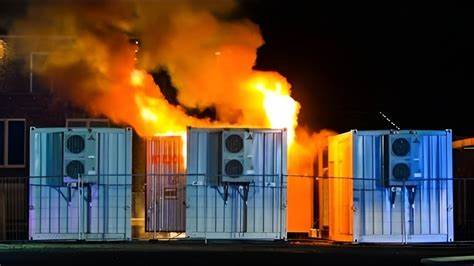
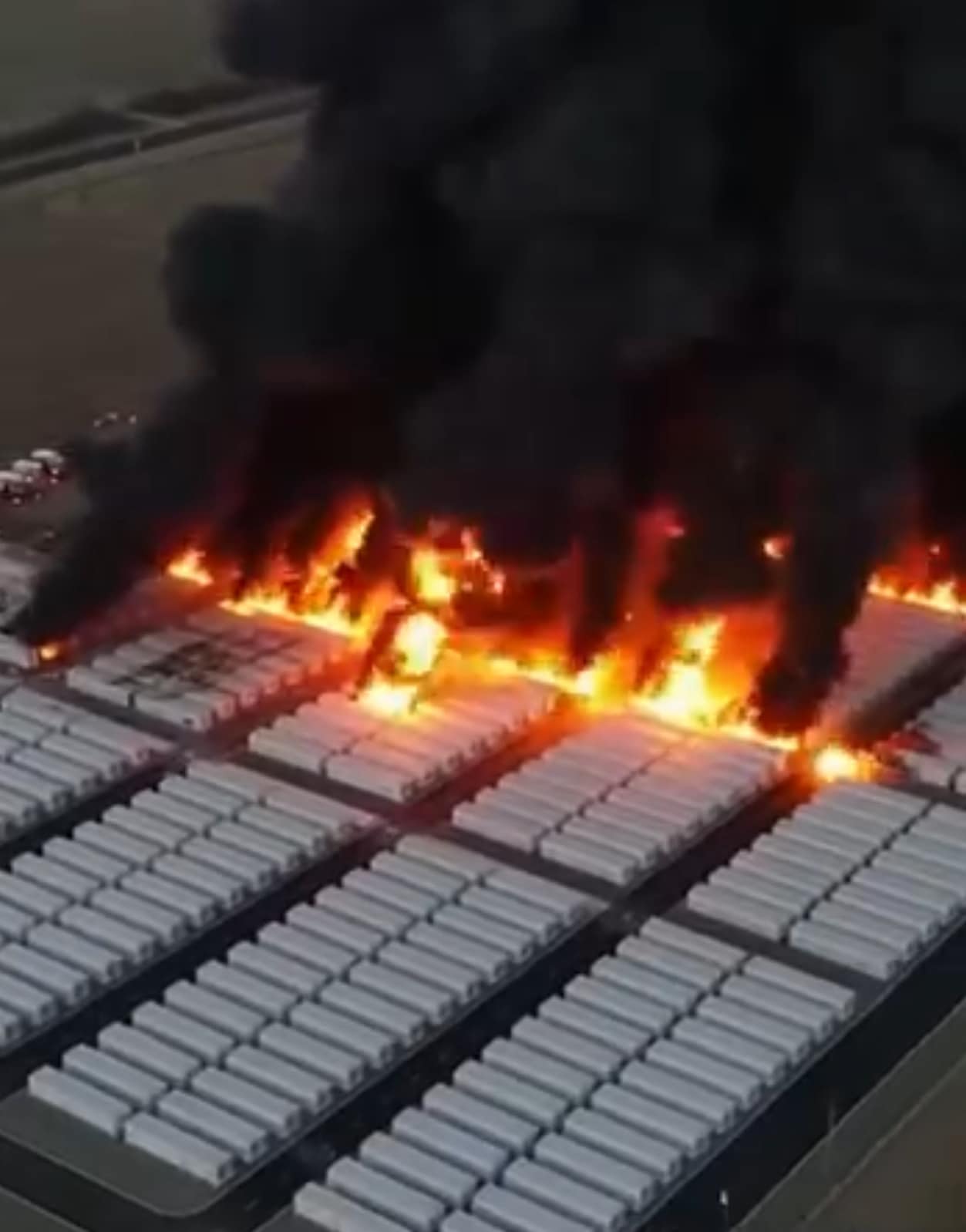
If this is so safe - DEMAND local studies be done and a Fire Marshall be hired - not just provide estimated revenues with no guarantees. So, the sellers of the potential BESS site in Menard, TX - Commissioner Tyler Wright and his wife Paige Wright of the Menard Newspaper, are continuing to claim that their BESS site will be safe. What data, studies or assessments did you base your decisions on? In the past 5 years that y’all have been secretly planning this site - have you completed any of the below studies or assessments with unbiased outside experts? Not to include provided data and reports from the salesmen at RES. This is not an ordinary real estate transaction. It goes beyond the sale of private property when you enter into an agreement for your land to be used for something that can potentially harm the public and the environment. You will be potentially putting the town, citizens, the river and our heritage at risk daily. I am most certain that you must have included all of the items shown below in your decision making process in order to come to your conclusion right???? The citizens deserve to see all of these results. Developing a Battery Energy Storage System (BESS) site near sensitive receptors like towns, rivers, and historical sites requires a comprehensive suite of technical, environmental, and safety assessments. These studies are typically mandated by the local Authority Having Jurisdiction (AHJ). 1. Environmental & Ecological Studies (River Proximity) Given the proximity to a river, these assessments focus on water quality protection and flood resilience. * Wetlands Determination Report: Identifies and delineates any regulated wetlands or protected water bodies on or near the site. * Hydrology & Floodplain Study: Required to ensure equipment is elevated (typically at least 1 foot above 100-year water surface levels) and to assess surge levels. * Stormwater Management Plan (SWMP): Includes permanent measures like detention ponds or ditches to manage water quantity and quality. * Erosion and Sediment Control Plan: Outlines temporary measures to prevent runoff into the river during construction. * Biological Survey: Evaluates potential impacts on local flora and fauna, including endangered species that may inhabit river corridors. 2. Cultural & Heritage Assessments (Historical Sites) Proximity to historical sites necessitates rigorous review to prevent physical or visual degradation of heritage assets. * Cultural Resources Assessment: Identifies archaeological or historic sites that could be impacted by construction or operation. * Archaeological Survey: If federal funding or permits are involved, a Section 106 review may be required to assess impacts on historic properties. * Visual Impact Assessment (VIA): Analyzes how the facility-often housed in container-style enclosures-will affect the viewshed of historical sites and the town. * Visual Screening Plan: Details landscaping, neutral-colored fencing, or masonry walls to mask the facility. 3. Public Safety & Residential Impacts (Town Proximity) Studies near residential areas focus on mitigating noise, fire risk, and hazardous emissions. * Fire Risk & Explosion Assessment: Includes plume modeling to analyze how smoke or toxic gases (e.g., hydrogen fluoride) might spread toward the town. * Noise Impact Study: Ensures the facility (primarily cooling fans and inverters) meets local decibel limits, often measured at the nearest property line or building. * Emergency Response Plan (ERP): Developed in coordination with local first responders to handle thermal runaway or evacuation protocols. * Traffic Study: Evaluates the impact of heavy construction vehicles on town roads and ensures adequate turning radi for emergency apparatus. 4. Required Permits & Regulatory Approvals * Special Use Permit (SUP) or Conditional Use Permit (CUP): Required when a site is not pre-zoned for industrial energy storage. * Building & Electrical Permits: Must comply with NFPA 855 (Stationary Energy�Storage Systems) and NFPA 70 (National Electrical Code). * BESS Model Permit: Many jurisdictions (e.g., NYSERDA) require specific technical submittals stamped by a Professional Engineer. * Interconnection Agreement: Permission from the utility to connect to the electrical grid. * Decommissioning Plan: A legally binding document (often backed by a bond) outlining how the site will be restored at the end of its life. Until these ALL of the above items are performed - then and only then, can you make a safe and educated decision to determine if a BESS site is safe for Menard County citizens, air, soil, heritage and water. Like I have said time and time again - you can’t just look at the money. There are valid risks that the attorney general and the government are currently investigating. New laws regulating BESS components were just passed last month. This alone should raise extreme awareness and caution to the risks and hazards of a BESS site. People educate yourself. Protect yourself. Demand to see the results of all the above listed items and more. However, one very important piece of the puzzle is still missing. A local Fire Marshall. Menard County does NOT have a Fire Marshall. In November we submitted papers to the judge’s office for the town to hire a Fire Marshall for help reviewing laws, standards and codes. Our request was denied and excuses were given. Please read what the responsibilities of a Fire Marshall consist of: A Fire Marshal’s responsibility for a Battery Energy Storage System (BESS) site focuses on enforcing safety codes (NFPA 855), approving emergency response plans (ERPs), and ensuring adequate site hazards mitigation, such as, proper ventilation, fire suppression, and a minimum 330-foot isolation zone. They oversee pre-incident planning, including verifying site access, water supply for exposure protection, and ensuring that emergency responders can safely manage hazardous air emissions. Key responsibilities include: * Permitting and Compliance: Ensuring adherence to NFPA 855, including UL 9540/9540A standards for fire suppression and, if necessary, mandating self-containment areas for firewater runoff. * Emergency Planning: Reviewing and approving site-specific ERPs that address thermal runaway, gas detection, and notification protocols. * Site Inspection: Verifying safety requirements like 10-foot vegetation buffers, 7-foot high security fencing, and, if needed, smoke detection/suppression systems. * Response Strategy: Directing fire crews to prioritize, in the event of a fire, using water for exposure protection and allowing the battery to burn out to avoid creating excessive hazardous runoff or toxic fumes. The Fire Marshal serves as the Authority Having Jurisdiction (AHJ), coordinating with utility operators to manage the unique risks of lithium-ion, such as, rapid thermal runaway propagation. How can you plan a BESS site and deem it safe, unless you perform all of the above studies and assessments? How can the results of the technical items be evaluated when you do not have a professionally trained Fire Marshall to oversee and plan for such a potentially dangerous and hazardous site? This should raise major concerns from the citizens regarding the fact that no one will hire a Fire Marshall to oversee such a project in its planning stages to assure safety measures are met.