
Inactive· since May 16, 2026
- 41
- days it ran
- 4
- relaunches
Ad copy
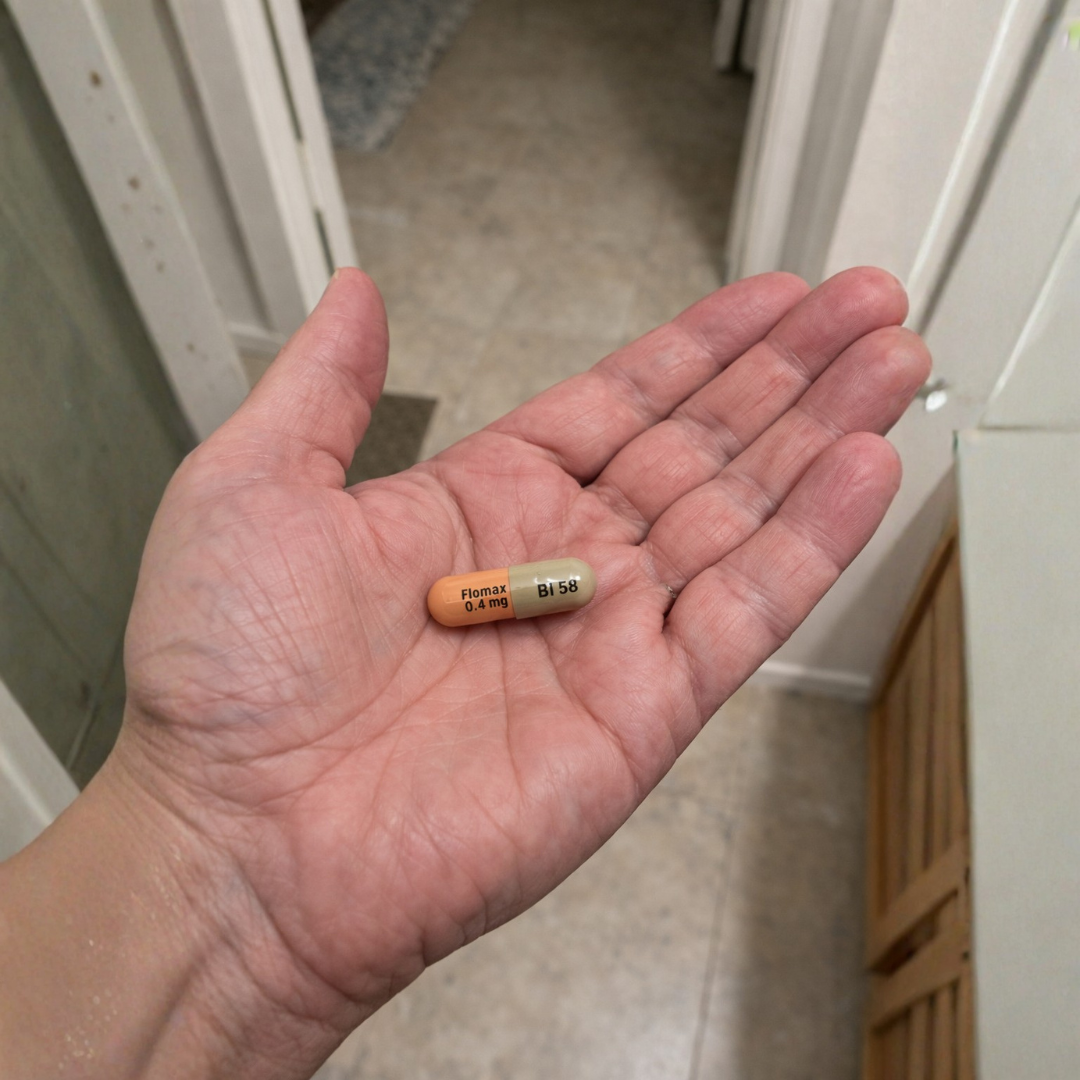
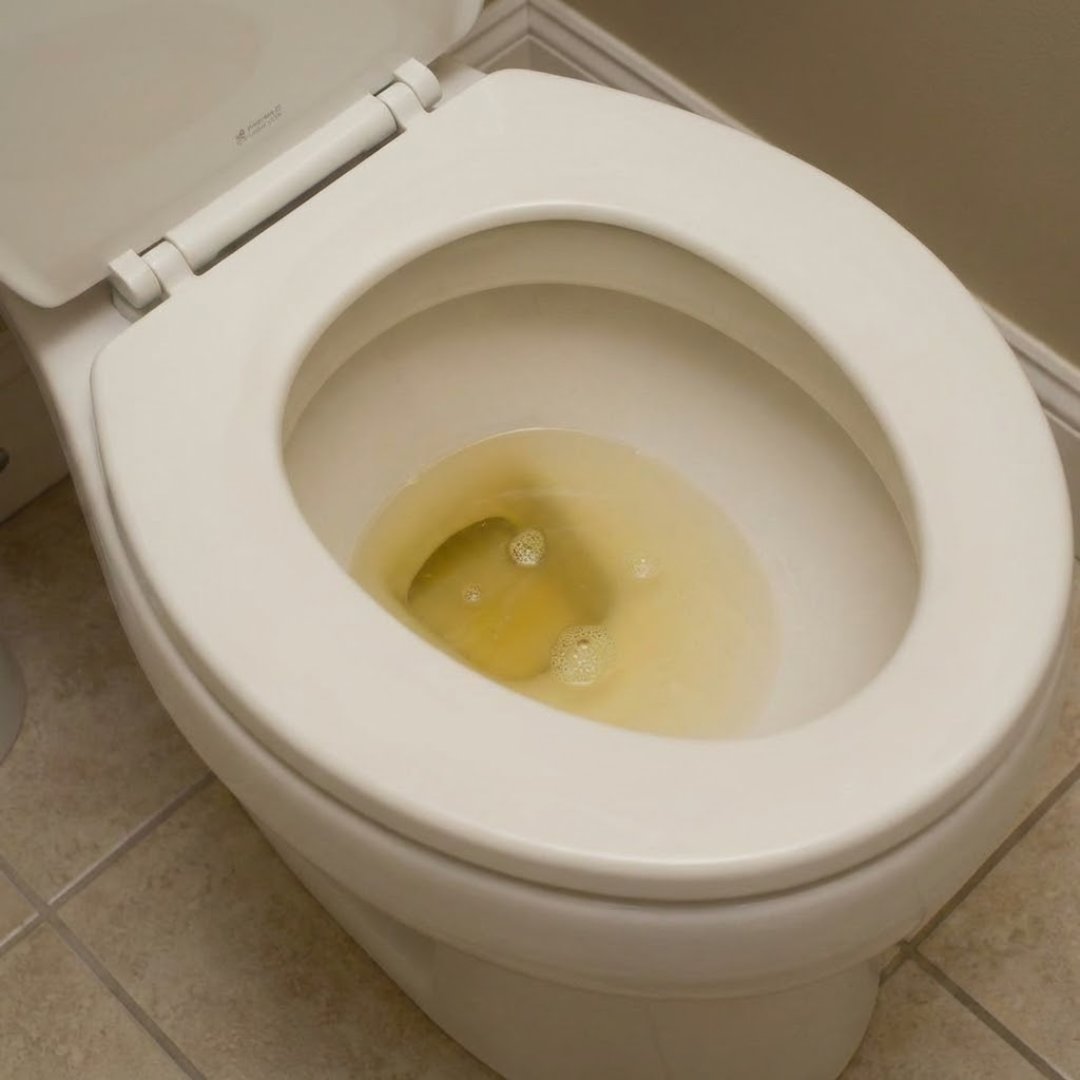
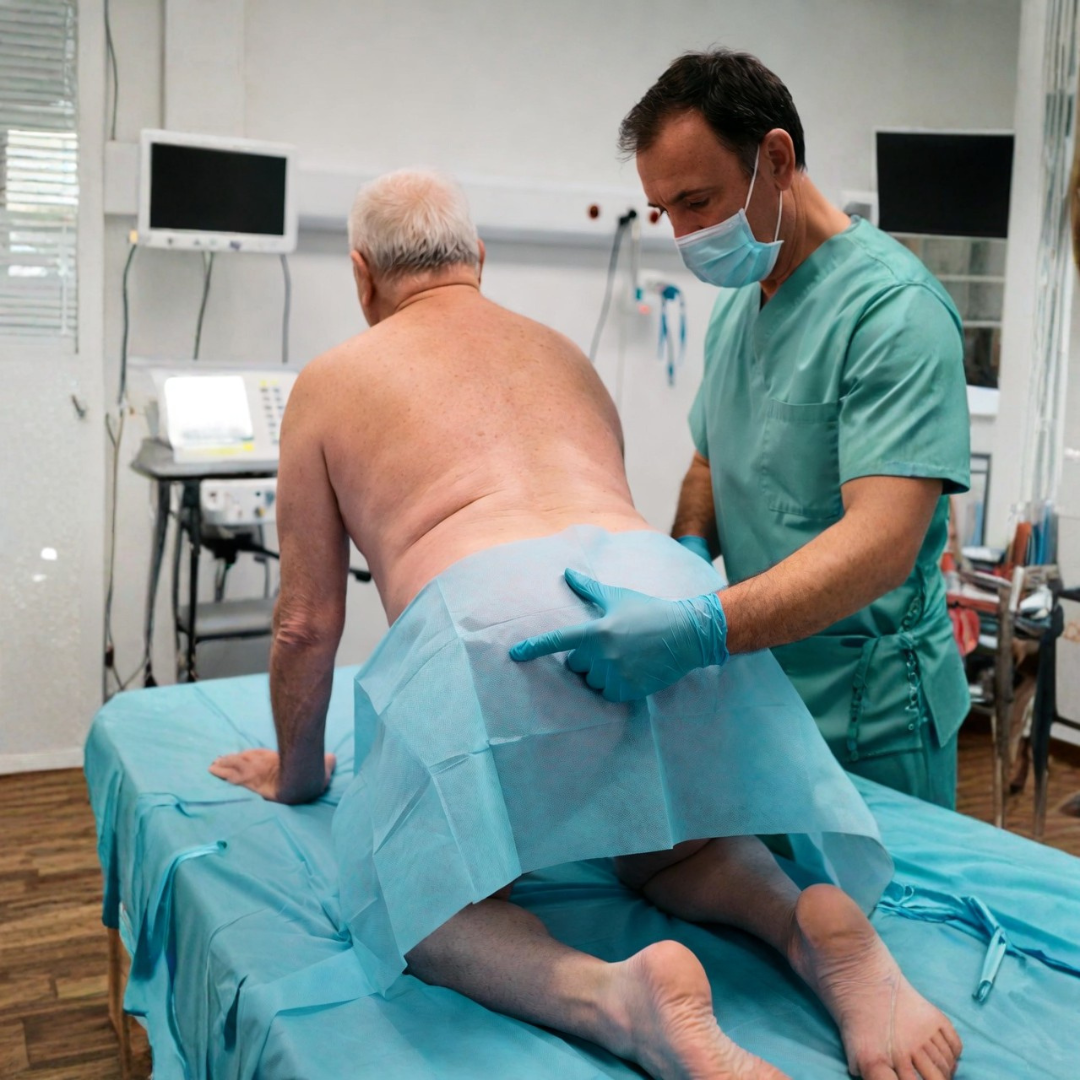
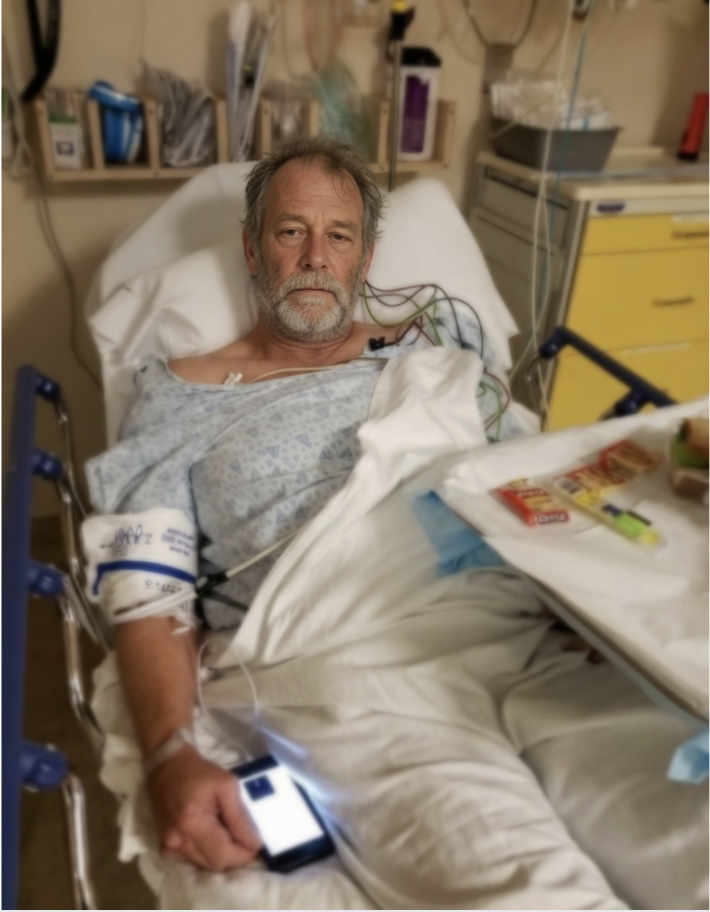
I'm a urologist. Here are 15 questions about prostate problems. And the answers your doctor won't give you. Question 1: "I'm getting up 3 to 4 times a night to pee. Is that normal?" No. It's common. But it's not normal. Your body is designed to sleep 7 to 8 hours without needing to empty your bladder. If you're waking up multiple times, something is sending false signals from your bladder to your brain. Notice I said your bladder. Not your prostate. Most doctors will tell you your prostate is the cause. It might be enlarged. But here's what nobody mentions. Even if your prostate is mildly enlarged, the thing actually waking you up at 2 AM is a bladder wall that has lost its muscle tone. A healthy bladder holds a normal volume overnight. A weakened bladder contracts at half capacity. Sends a "full" signal when there's barely anything in there. You stand at the toilet. Wait. Produce a trickle. Go back to bed. An hour later, same thing. That's not ageing. That's a bladder wall that has weakened with the years. And by question 4, I'll tell you why every doctor misses this. Question 2: "Why is my stream so weak? It used to be strong and now it's barely a trickle." Your stream is weak for two reasons. Most doctors will only tell you about one. The first reason is what every textbook says. Your urethra runs through the centre of your prostate. When the prostate swells, it squeezes the urethra. Like stepping on a garden hose. The opening narrows. That's true. Partially. But there's a second reason most doctors never mention. Your bladder wall has weakened over time. A healthy bladder generates strong pressure to push urine through. A weakened bladder can't contract with enough force. So even when the urethra is open, the stream is feeble. That's why men who have their prostate completely surgically removed still have weak streams afterwards. The plumbing was sorted. The pump was ignored. Question 3: "I get this sudden, desperate urge to pee and I can barely make it to the bathroom. What's going on?" That's called urgency. And it's the single most disruptive symptom of a weakened bladder. Here's what's happening. Your bladder wall has lost its muscle tone. The smooth muscle is firing involuntary contractions. Sending GO NOW signals when there's barely any urine inside. So you get hit with this white-hot urgency out of nowhere. Mid-conversation. Mid-drive. Mid-supermarket aisle. Your entire world becomes a countdown to the nearest toilet. And here's the cruel part. When you get there, almost nothing comes out. Because there was barely anything in there to begin with. Your bladder lied to your brain. Maximum urgency. Minimum output. That's not a prostate problem. That's a bladder that's lost its ability to signal correctly. Question 4: "I feel like I can never fully empty my bladder. There's always something left." You're right. There is something left. It's called post-void residual. When your bladder wall has weakened, it can't generate enough pressure to push all the urine out. Some stays behind. 30mL. 50mL. 100mL. Sometimes more. That retained urine is why you feel like you're never done. Why you finish, zip up, take three steps, and immediately feel like you need to go again. Why you dribble after you think you're finished. This isn't a prostate problem. This is a bladder muscle that no longer contracts fully. And this is the part where doctors get it backwards. They assume the prostate is obstructing flow. So they prescribe medication to relax the muscle around the prostate. Like that's going to make a weak bladder contract harder. It doesn't. Because the obstruction was never the issue. The muscle weakness was. Question 5: "I've noticed problems in the bedroom. Less drive. Weaker performance. Is that connected to my prostate?" Not directly. It's connected to your medication. And to your sleep. Tamsulosin causes retrograde ejaculation in up to 30% of men. Finasteride can crash libido in a significant percentage. Most men don't realise it's the drug until they stop and notice the difference. But there's a second factor most doctors miss. You're not sleeping. You've been getting up four times a night for years. Sleep deprivation crashes testosterone. Crashes mood. Crashes energy. Crashes everything that drives a healthy bedroom life. Fix the sleep, half of these problems disappear on their own. Which means fix the bladder. Because the bladder is what's keeping you up. Question 6: "I'm exhausted all the time. Could that be related to my prostate?" It's related to your bladder. And it's destroying you slowly. If you're getting up four times a night, you haven't had a full sleep cycle in months. Possibly years. Deep sleep. The restorative kind. Requires 90-minute uninterrupted cycles. If your bladder is waking you every 60 to 90 minutes, you're never reaching deep sleep. The result. Brain fog. Irritability. Low motivation. Difficulty concentrating. Afternoon crashes. Feeling old beyond your years. Most men blame ageing. Their wives think they're depressed. Their doctor might even prescribe an antidepressant. But the root cause is a weakened bladder waking them up all night. Fix the bladder. Fix the sleep. Half of the symptoms disappear on their own. Question 7: "I've been on Flomax and finasteride for years. My doctor says I'm stable. So why do I still feel terrible?" Because "stable" means your prostate isn't getting dramatically worse. It doesn't mean you're getting better. Flomax relaxes the smooth muscle around your urethra. That's all it does. Finasteride slows new prostate growth. That's all it does. Neither one addresses your bladder. At all. You're on two drugs. One works on the prostate. The other works on the prostate. Both target the same organ. And the actual cause of your night-time trips, urgency, and dribbling is the OTHER organ. The one nobody is treating. That's why you're "stable" but still getting up four times a night. Still dreading long drives. Still avoiding anything that takes you more than 20 minutes from a toilet. Your prostate is managed. Your bladder is being ignored. Question 8: "So what IS actually causing my bladder to weaken?" This is the question nobody answers. And it's the only question that matters. Your bladder is a muscular organ. Its inner wall is made of smooth muscle. That smooth muscle contracts to push urine out. Relaxes to hold it. When you're young, the wall has tone. Strength. Elasticity. It signals correctly. Holds normal volumes. Empties completely. But every year you age, that smooth muscle loses tone. The signalling becomes erratic. The wall fires urgency signals far too early. Empties inefficiently. By the time most men reach 55, measurable bladder wall deterioration has set in. By 60, the bladder is the primary driver of urinary symptoms. Regardless of prostate size. This is documented in peer-reviewed research from the Karolinska Institute in Sweden. Published. Replicated. Solid science. But nobody is teaching it to your GP. Because there's no money in it. Question 9: "Why hasn't my doctor told me about this?" Three reasons. First. There's no pharmaceutical drug that strengthens the bladder wall. You can't patent botanical compounds. So no drug company funds research or educates doctors about it. Second. There's no billable procedure for bladder wall support. No revenue. No CPT code. No reason to bring it up. Third. Most urologists are trained on the prostate-focused protocol. Flomax. Finasteride. TURP if needed. The bladder gets ignored unless there's a tumour or stone. So your GP defaults to. Take Flomax. Take finasteride. We'll monitor your PSA. Come back in six months. Meanwhile, BPH medications generate billions in annual revenue. Every refill. Every specialist visit. Every TURP procedure. The system profits from managing your decline. Not from fixing the cause underneath it. Question 10: "What happens if I just keep monitoring it?" A weakened bladder doesn't strengthen itself. It weakens further. Every month of doing nothing is another month of muscle tone disappearing. More misfiring. More urgency. More dribbling. More night-time trips. The stream gets weaker. The urgency gets sharper. The bedroom goes quiet. The marriage strains. Until one day, the conversation shifts. It's no longer "let's monitor." It's "let's consider a TURP." I've watched it happen hundreds of times. In most cases, the man was on medication the entire time. His prostate was being "managed" on paper while his bladder quietly fell apart underneath. And here's the cruel irony. Thirty to forty percent of men who have a TURP still have urgency and frequency afterwards. Because the prostate was never the bottleneck. The bladder was. The whole time. Question 11: "Will this work if I'm already on Flomax or finasteride?" Yes. Bladder wall support works through a completely different mechanism than prostate medications. Flomax relaxes muscle around the urethra. Bladder support strengthens the wall itself. Different targets. Finasteride reduces new prostate growth. Bladder support restores muscle tone. Different mechanisms. Many men who add bladder wall support to their existing regimen find they can work with their GP to reduce or discontinue their prostate medications over time. As bladder function improves and symptoms drop, the original reason for the prescription often dissolves. That's a conversation for you and your doctor with eight weeks of symptom data in your hand. Question 12: "Can I take this with my current medications?" For most men with BPH and standard prescriptions, bladder-supporting botanicals are well-tolerated alongside alpha-blockers, 5-alpha reductase inhibitors, and standard cardiovascular medications. If you're on blood thinners like Warfarin or Eliquis, consult your GP first. Bladder wall botanicals work on the muscle and signalling level. They don't interfere with the pharmacological pathways of prostate medications. They occupy a completely different lane in your physiology. That's why men can layer them on top of existing prescriptions safely. Question 13: "So what actually works to strengthen the bladder?" You need five specific compounds, working together, at therapeutic doses. Most "bladder support" supplements on the market are useless. Twelve ingredients in a proprietary blend. 80mg of something useful buried under cranberry extract and rice flour. Marketing exercises. Not formulations. You need real bladder restoration. Five compounds. Each one doing a specific job. Crataeva Nurvala. This is the wall strengthener. The one compound on the planet that works directly on bladder smooth muscle. Restores tone. Rebuilds contraction strength. Stops the over-signalling that wakes you at 2 AM. No prostate pill on earth contains this ingredient. This is the compound that changes everything. Lindera Aggregata. This is the night-time calmer. Specifically targets nocturnal frequency. Not general urinary function. Night-time. The exact hours your bladder is misfiring and waking you up. Calms the overactive signalling while you sleep. Pumpkin Seed Extract. This is the functional support. Used in Scandinavian men's health protocols for decades. Supports overall bladder function and healthy flow. At proper bladder-support concentration. Not the cheap extract dose other brands use. Magnesium. This is the muscle regulator. Stops the bladder smooth muscle from spasming involuntarily. Most UK men over 50 are deficient. Nobody tests for it. Nobody connects it to bladder function. The research does. Vitamin D3. This is the deficiency corrector. A 2024 meta-analysis linked Vitamin D3 deficiency directly to overactive bladder in men. The receptors sit on the bladder muscle cells themselves. Without adequate D3, the wall cannot regulate properly. Most UK men have never been tested. Five compounds. Working together. At doses that match the Karolinska protocol research. Strengthen the wall. Calm the signalling. Restore overall function. Stop the spasming. Correct the deficiency. That's the complete bladder restoration sequence. Question 14: "How long until I see results?" Most men notice the first shifts by week 2 to 3. Fewer night-time wake-ups. The urgency softens. The first sign that something is changing. By week 4 to 6, the stream starts strengthening. The urgency becomes manageable instead of desperate. Sleep improves. The exhaustion that's become your baseline starts lifting. By week 8 to 12, the measurable changes show. Night-time trips drop to one or zero. The dribbling stops. You can drive for three hours without stopping. Sit through a full football match. Sleep through the night for the first time in five, ten, fifteen years. The wall has to rebuild before the symptoms can fully resolve. You're undoing years of muscle deterioration. Give it the full window. Question 15: "What brand should I use?" Most prostate supplements ignore the bladder entirely. They're the same recycled formula. Saw palmetto. Beta-sitosterol. Zinc. Maybe some lycopene. All targeting the wrong organ. And even the ones that include bladder herbs typically bury them in proprietary blends at sub-therapeutic doses. The formula I recommend and the one my patients see results with is Arctic Bladder Control. All five bladder-supporting compounds at the proper Karolinska protocol doses. No proprietary blends. No fillers. No cranberry padding. Crataeva Nurvala. Lindera Aggregata. Pumpkin Seed Extract. Magnesium. Vitamin D3. Every ingredient listed individually. Every dose verified. Scandinavian formulation. Third-party tested. Right now they're running buy two get one free. Three months supply. Exactly the window you need to see real changes in your symptoms. Plus a 90-day money-back guarantee. If your symptoms don't improve, full refund. No questions. You're not risking anything except staying exactly where you are. Because right now your bladder wall is weakening. Every month it stays untreated is another month of muscle tone disappearing. More pressure on your sleep. More trips to the toilet at 3 AM. More urgency. More weakness. More of your life shrinking. Until the conversation shifts from "managing" to "surgical." You've been given half the equation. Medications that work on your prostate. Arctic Bladder Control gives you the other half. The one nobody offered. Strengthening the bladder wall that medications were never designed to touch. https://www.fynesupplements.com/pages/top-5 Get yours now before they sell out.
Like this ad? Make it yours.
Crush rebuilds this exact creative around your product — your brand, your colors, your offer — in about a minute.