
Active· since Apr 29, 2026
- 142
- days running
- 0
- relaunches
Ad copy
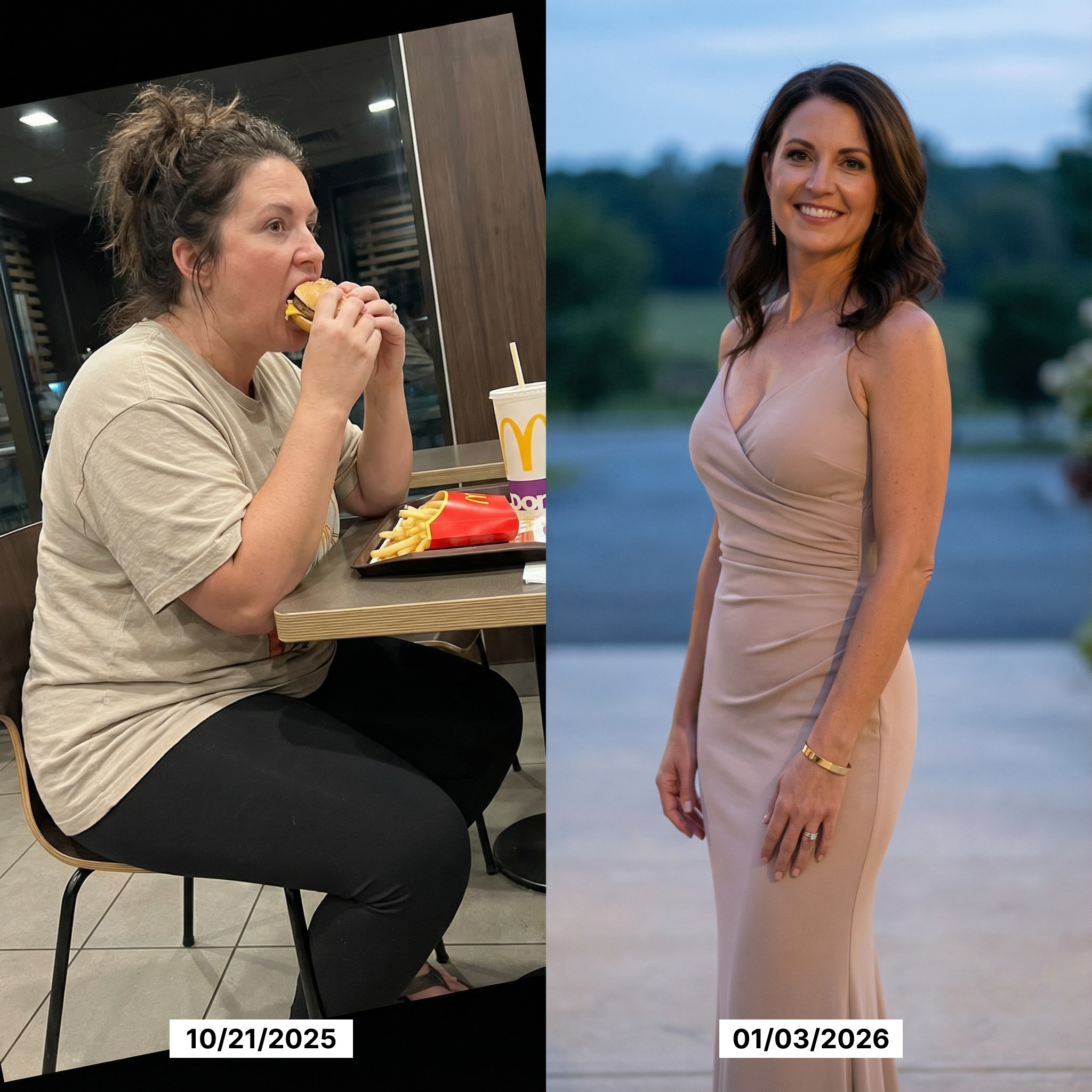
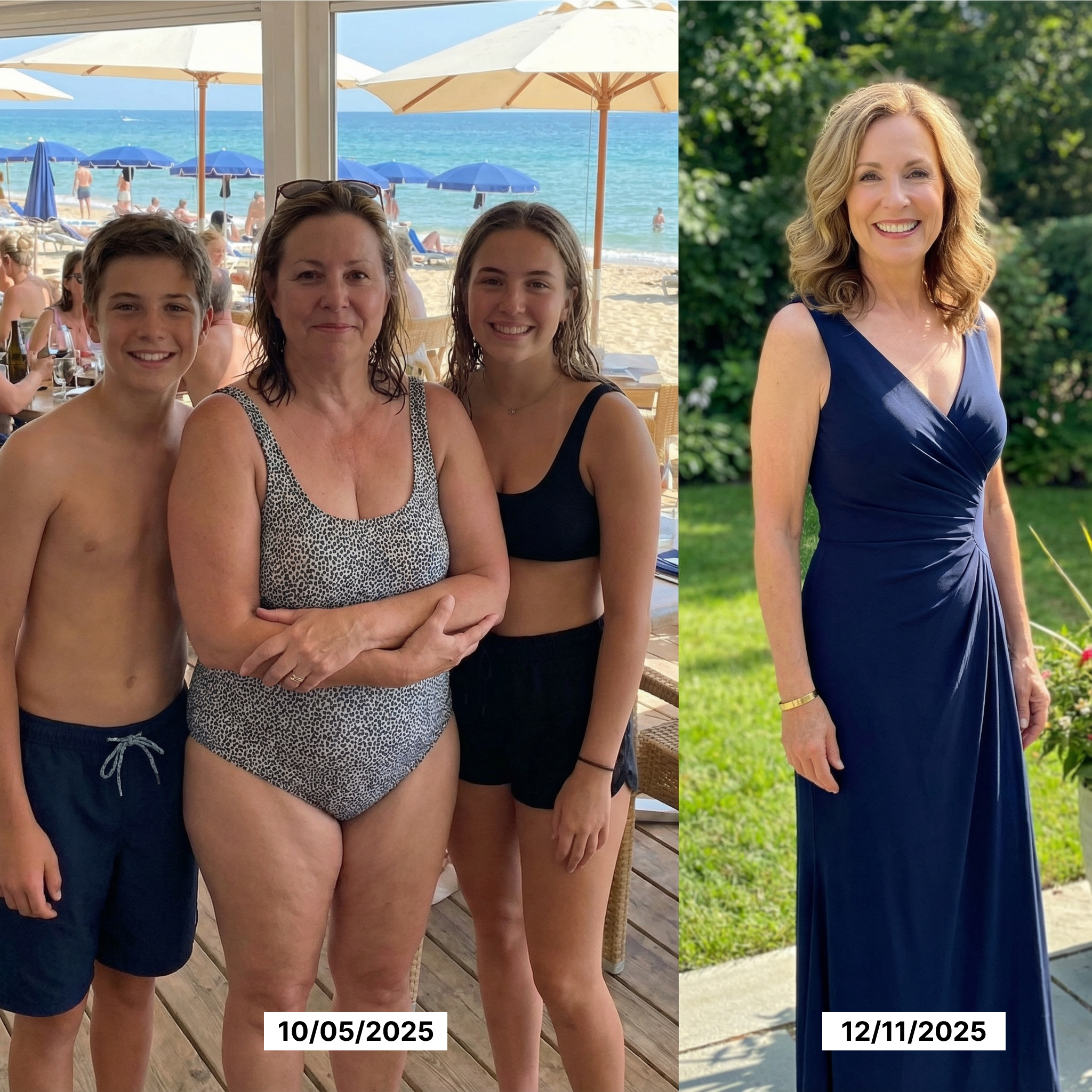
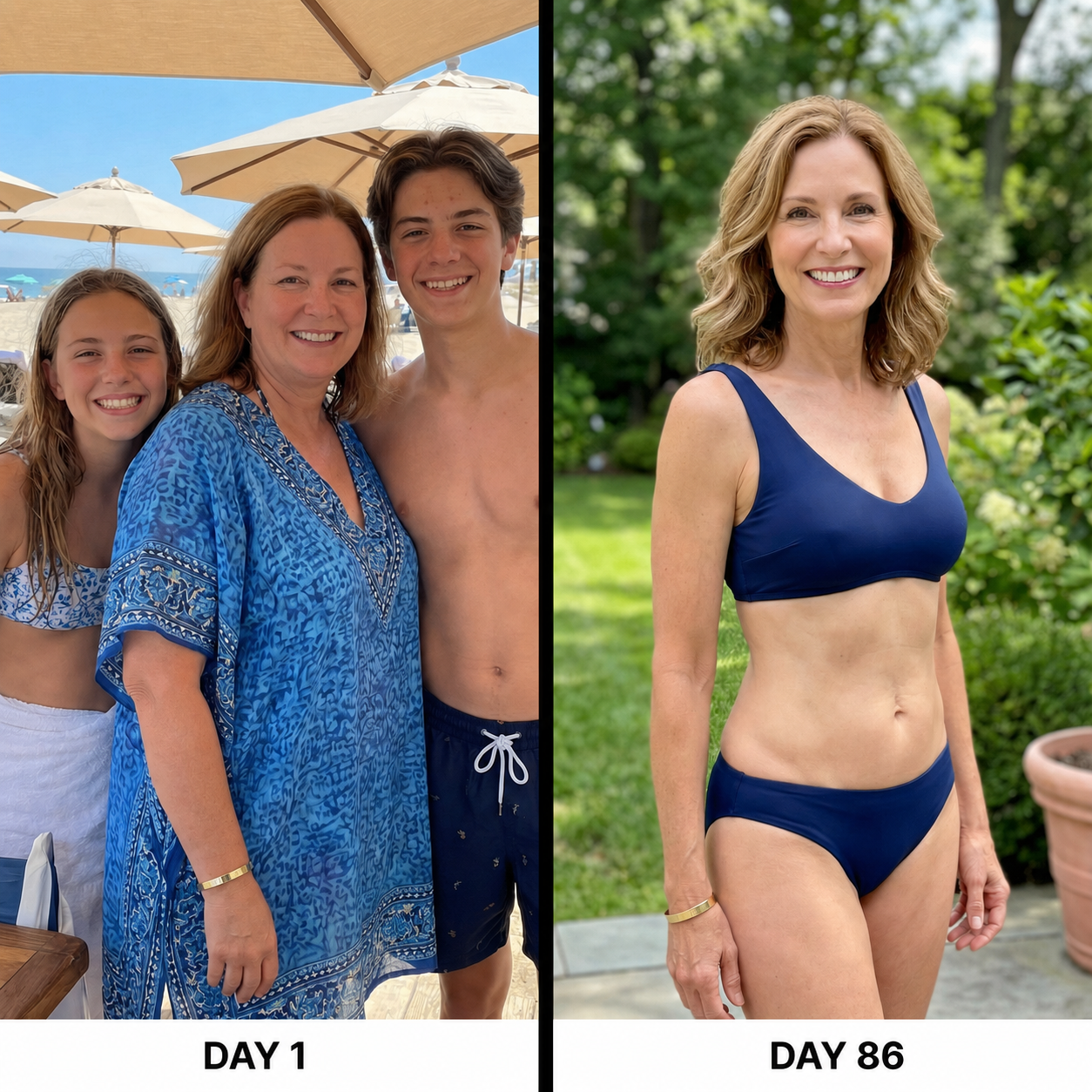
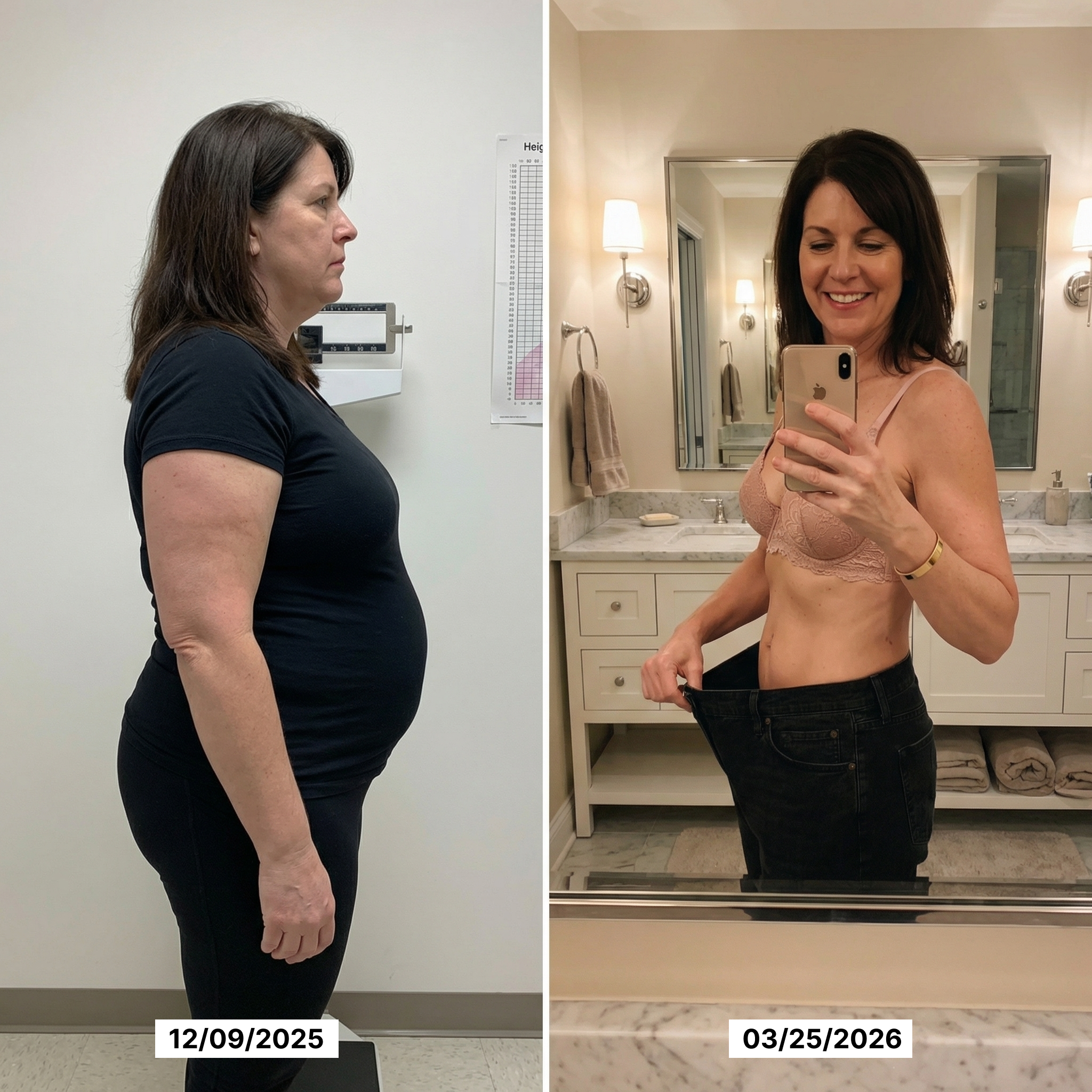
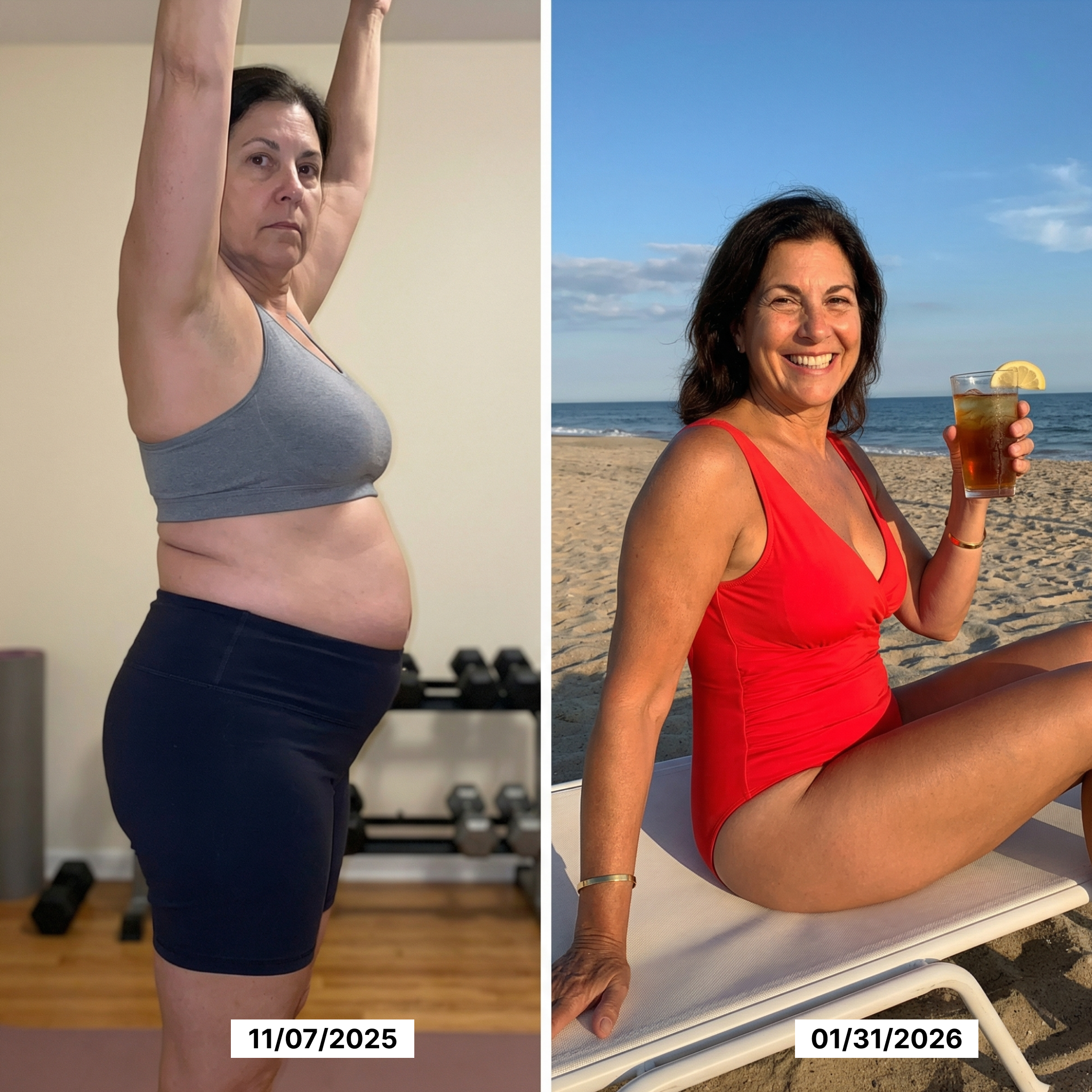
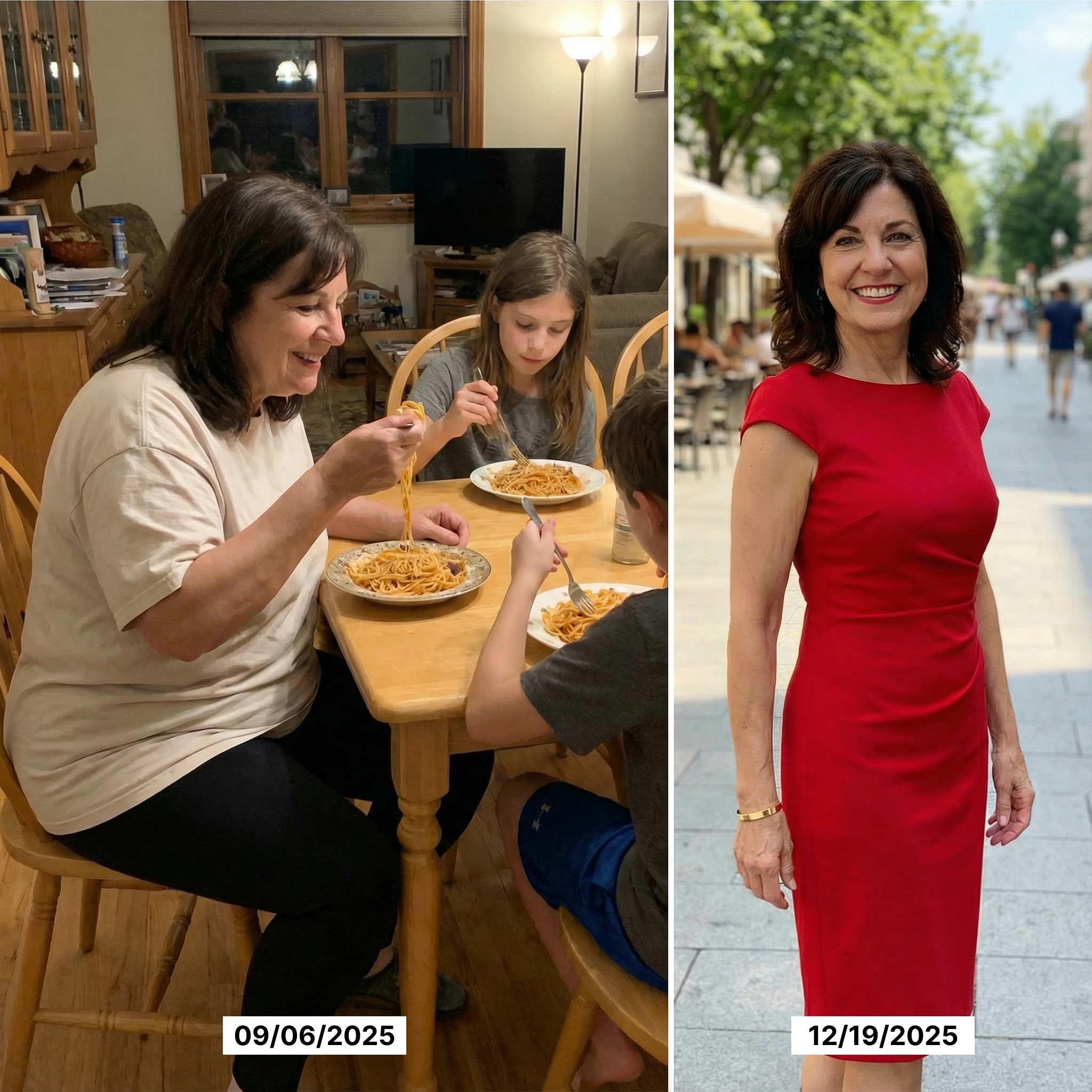
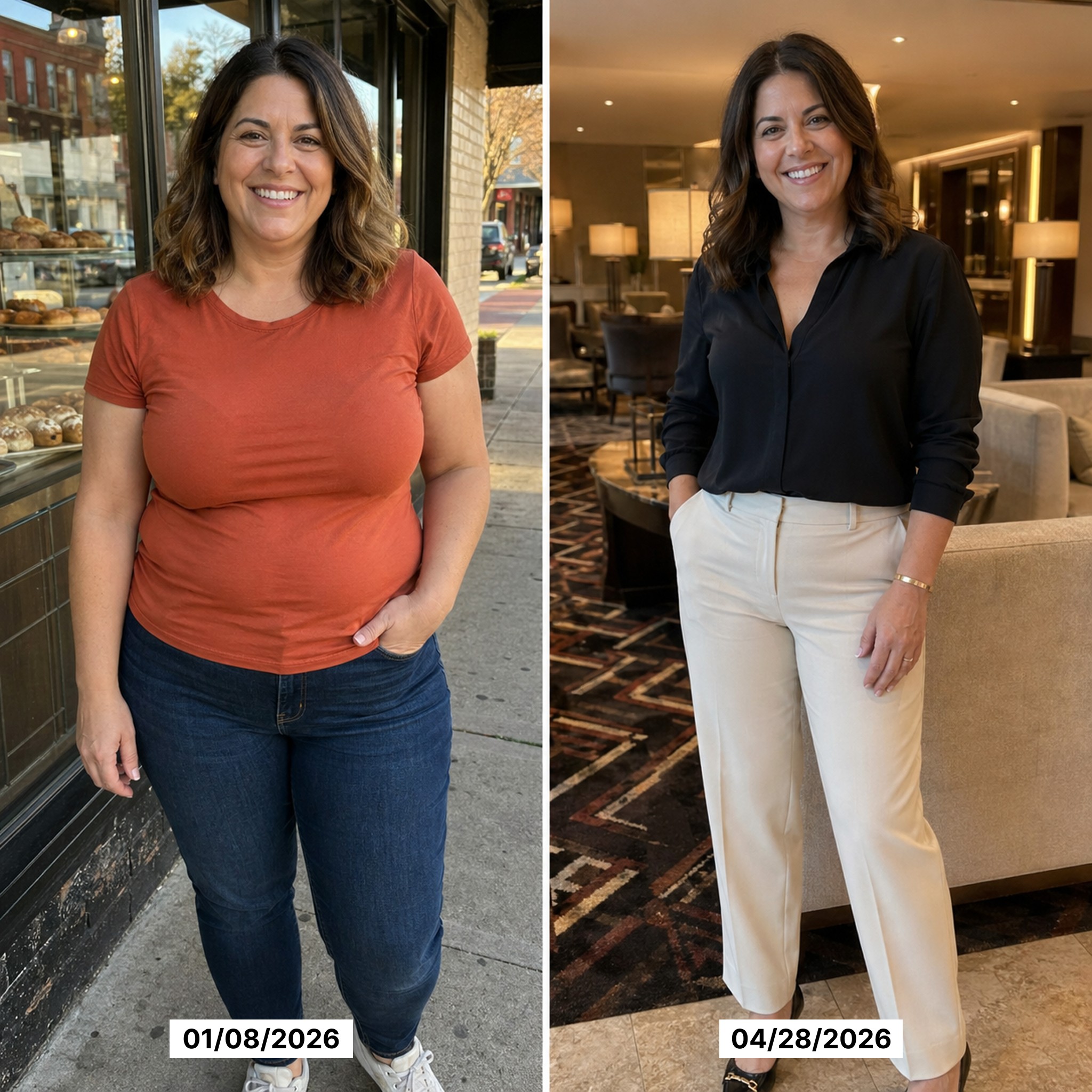
"My gynecologist asked me to sign a waiver before she'd approve my bloodwork. I'm 52. She thought I was using black market hormones." I'm a labor and delivery nurse. I've worked in maternal-fetal medicine for 22 years. Dr Navarro has been managing my hormonal health since my first hot flash at 47. She knows every prescription I've ever filled. At my annual exam, she pulled up my labs on her screen. Stared at them. Looked at me. Back at the screen. Then she looked at my midsection. "Donna, your waist circumference decreased 9 inches. Your cortisol is in optimal range. Your fasting insulin dropped 64%." She paused. "Are you using compounded bioidentical hormones? Peptides? Because these results look like someone who's on a comprehensive hormone protocol." The Belly That Made Me Invisible On My Own Floor : Here's what they don't tell you about being a labor and delivery nurse during menopause: You spend twelve-hour shifts helping women bring life into the world. You move fast. You think fast. You're on your feet the entire time. And every year after 47, your body gets wider while the young nurses around you stay lean. From 47 to 52, I gained 34 pounds. All of it in my midsection. My waist went from 28 inches to 39 inches. I used to move through the unit like an athlete. Now my belly bumped the delivery bed rails. I held my breath when I leaned over patients. The new residents stopped learning my first name. I felt like a ghost on my own floor. Twenty-two years of experience, and I was fading into the background of my own career. The Decade I Spent Watching Patients Get What I Couldn't : My patients come in every week with the same frustration: "I eat less than I did at 30. Why is everything going to my stomach?" "I work out five days a week. The belly won't move." "My husband doesn't recognize my body anymore." I knew the physiology. Estrogen decline shifts fat storage to the abdomen. Cortisol promotes visceral accumulation. Insulin resistance worsens with age. The treatment our OBs recommend? Hormone replacement or GLP-1 agonists. Cost: $450-$1,200/month depending on formulation. My insurance classified both as elective. So I helped patients access treatments I couldn't afford myself. The $4,100 I Spent Trying to Get My Body Back : But I still needed to fix it. So I tried everything: A medically supervised ketogenic program ($1,150 for 14 weeks) designed for menopausal central adiposity. Lost 5 pounds. Regained 7 within a month. Functional medicine hormone protocol ($960 over 8 months) with compounded progesterone and DHEA. Gave me headaches. Waist unchanged. Hormone-balancing strength training ($1,280 for 20 sessions) with a menopause fitness specialist. Got stronger. Belly stayed at 38 inches. Prescription topical estradiol ($710 for 6 months) that my insurance partially covered. Hot flashes improved. Belly didn't budge. My waist went from 39 inches to 38 inches. I was still bumping bed rails. Still invisible. What a Patient's Chart Taught Me : Then Mrs. Callahan changed everything. 63 years old, came in eight weeks after her hysterectomy for a routine post-op check. I'd done her pre-op workup myself. She'd been 196 pounds with a 43-inch waist. I almost didn't recognize her. Her chart said 154 pounds. Waist: 34 inches. Nine inches and 42 pounds gone in fourteen weeks. "Mrs. Callahan, this isn't from the hysterectomy. What are you doing?" She smiled. Showed me her wrist. "My niece is an acupuncturist in Portland. She said the surgery removed the organs but not the stress response driving the weight. This calms the nervous system. When cortisol stopped screaming, the weight came off." I checked her cortisol levels from pre-op. Elevated. Current labs: optimal range. As an L&D nurse, I understood immediately. Chronic cortisol doesn't just store fat viscerally — it locks it there. Remove the cortisol signal, the body lets it go. But I'd never seen it reverse without pharmaceutical intervention. "How much?" "$65." I ordered it that night. My 15-Week Transformation : As a nurse trained in maternal-fetal physiology, I documented everything: Week 1-4: Sleep deeper than in four years. Morning puffiness around abdomen reduced. Bloating after meals almost gone. Waist: 37 inches. Week 5-8: Night sweats dropped 80%. Constant low-grade hunger disappeared. Pants fitting looser every week. Lost 11 pounds. Waist: 34.5 inches. Week 9-12: Belly visibly flatter. Waist definition returning. Could move through the unit without bumping rails. Lost 13 more pounds. Waist: 31 inches. Week 13-15: Abdomen soft and flat. Scrub tops tucked in again. Lost 10 more pounds. Waist: 29 inches. Total: 34 pounds lost. 10 inches off waist. Back to my pre-menopause size. That's when Dr Navarro asked me to sign the waiver. The Measurement That Proved Everything : When I showed Dr Navarro the bracelet, she pulled out her measuring tape. "Walk me through the mechanism." I explained: "Menopause throws the autonomic nervous system into sympathetic overdrive. Chronic cortisol elevation. The body stores fat viscerally as a stress response." I continued: "When you regulate the nervous system through vagal stimulation, cortisol normalizes. Without that chronic stress signal, the body releases visceral fat. The belly shrinks." She measured my waist herself. 29 inches. She checked my chart. 39 inches eleven months ago. "The endocrinology supports it," she said, pulling up research on cortisol and abdominal adiposity. Six Weeks Later : Dr Navarro now discusses nervous system regulation with patients before prescribing HRT or GLP-1s for meno belly. Five patients have seen 5-8 inch waist reductions in 12-16 weeks. I've recommended it to 15 nurses on my unit struggling with meno belly. Eleven are seeing measurable results. Last week, a new resident asked me to demonstrate a difficult fetal positioning technique. She said: "You move like someone who's been doing this for decades." I have. I just forgot what that felt like. The Professional Truth : Here's what 22 years in labor and delivery taught me: You can't diet away a meno belly. You can't exercise away visceral fat driven by cortisol. We can prescribe hormones. We can prescribe GLP-1s. And for some women, those are the right tools. But for most menopausal women with belly fat, the problem is upstream: a nervous system stuck in overdrive, flooding the body with cortisol 24/7. Before spending $5,000-$10,000/year on injectables, address the stress response. For me and my patients, that started with a $65 bracelet that did what no prescription had: calmed the nervous system driving the belly fat. I'm still an L&D nurse. I still move through the unit twelve hours at a time. But now I move the way I used to. And I'm not invisible anymore. 👉 If you have a stubborn meno belly that won't respond to diet or exercise, if you want to address the cortisol driving visceral fat accumulation... Click below to discover the Kalm Bracelet. Just $64.90 at the official store. Wear it consistently and measure your waist every 2 weeks for 15 weeks. https://mykalm.co/original-bracelet
Reduces menopause symptoms naturally
Don't miss out! Get TWO original Kalm Ring for the price of ONE. These are our largest discounts of the year. and supplies are running low. Secure yours now while they last!
LEARN MORELike this ad? Make it yours.
Crush rebuilds this exact creative around your product — your brand, your colors, your offer — in about a minute.