
Inactive· since Jun 10, 2026
- 9
- days it ran
- 0
- relaunches
Ad copy
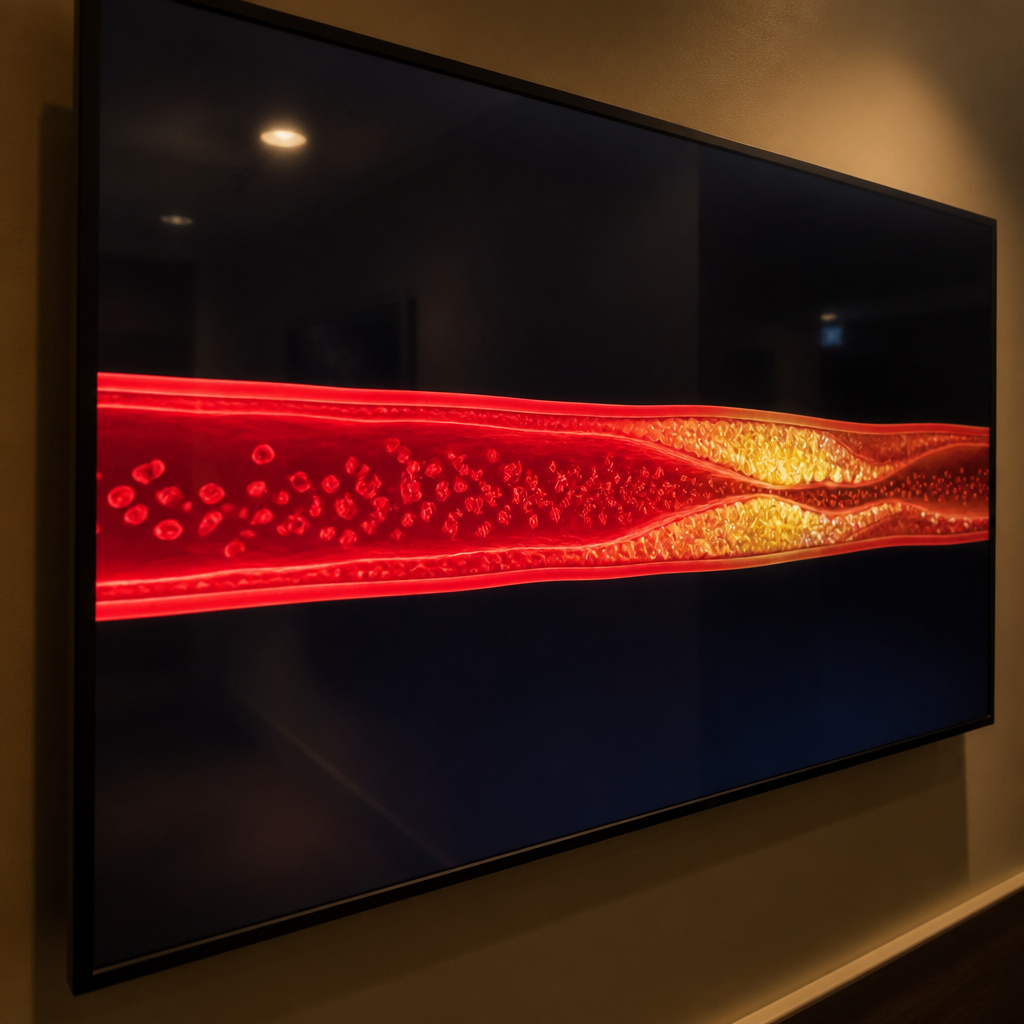
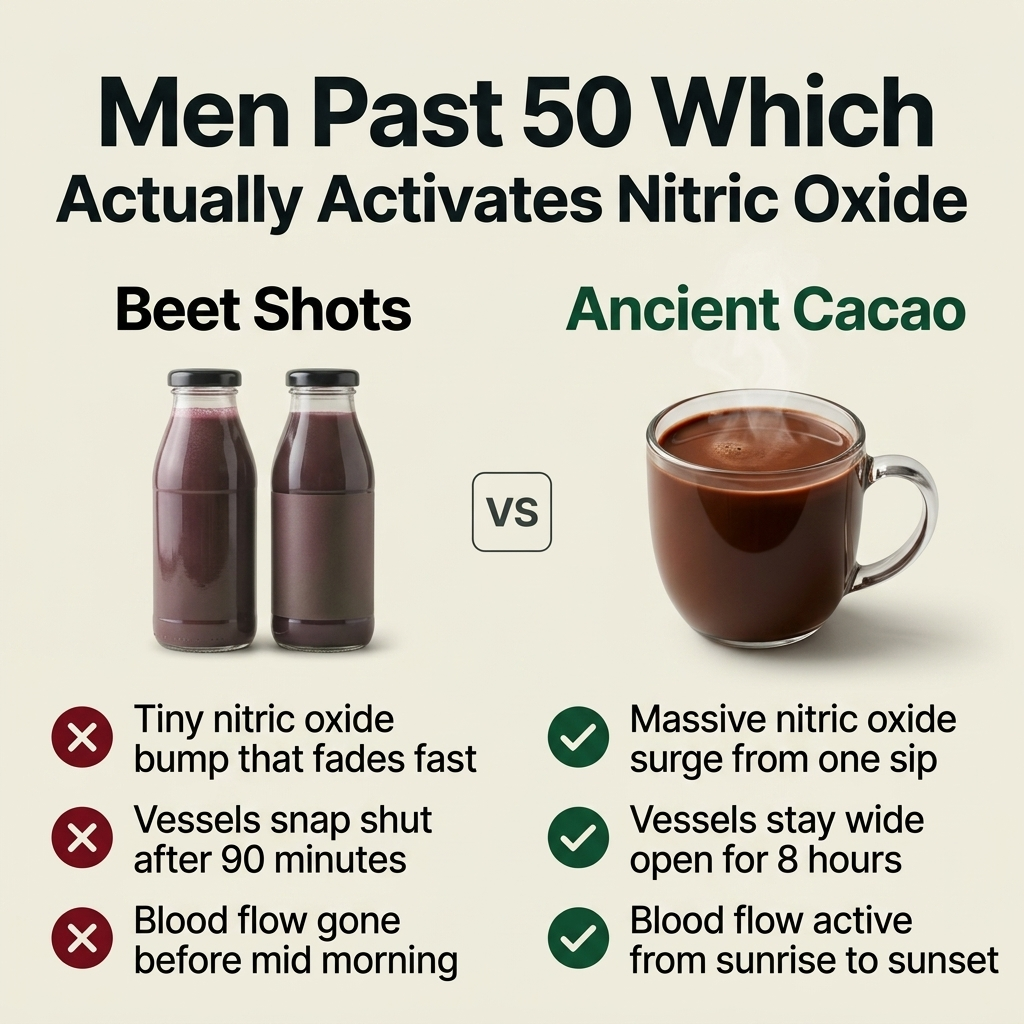
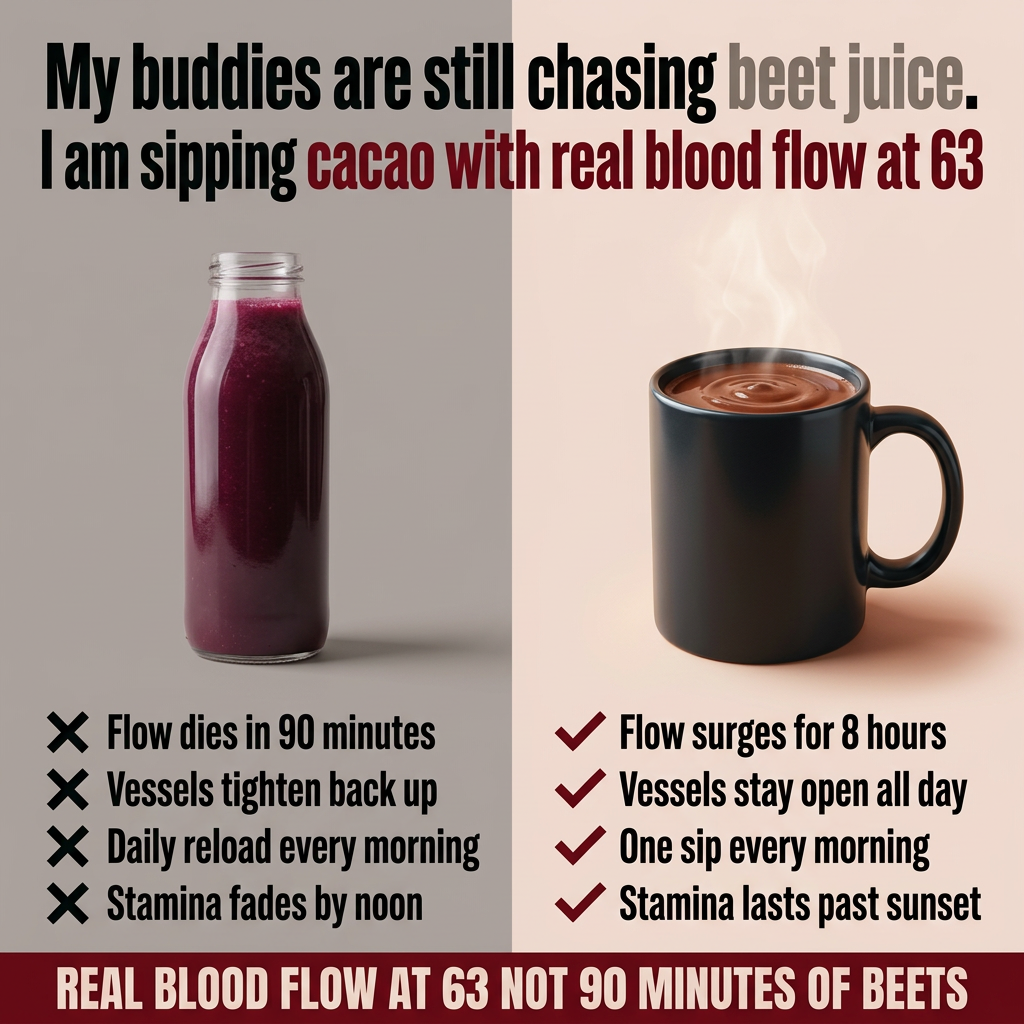
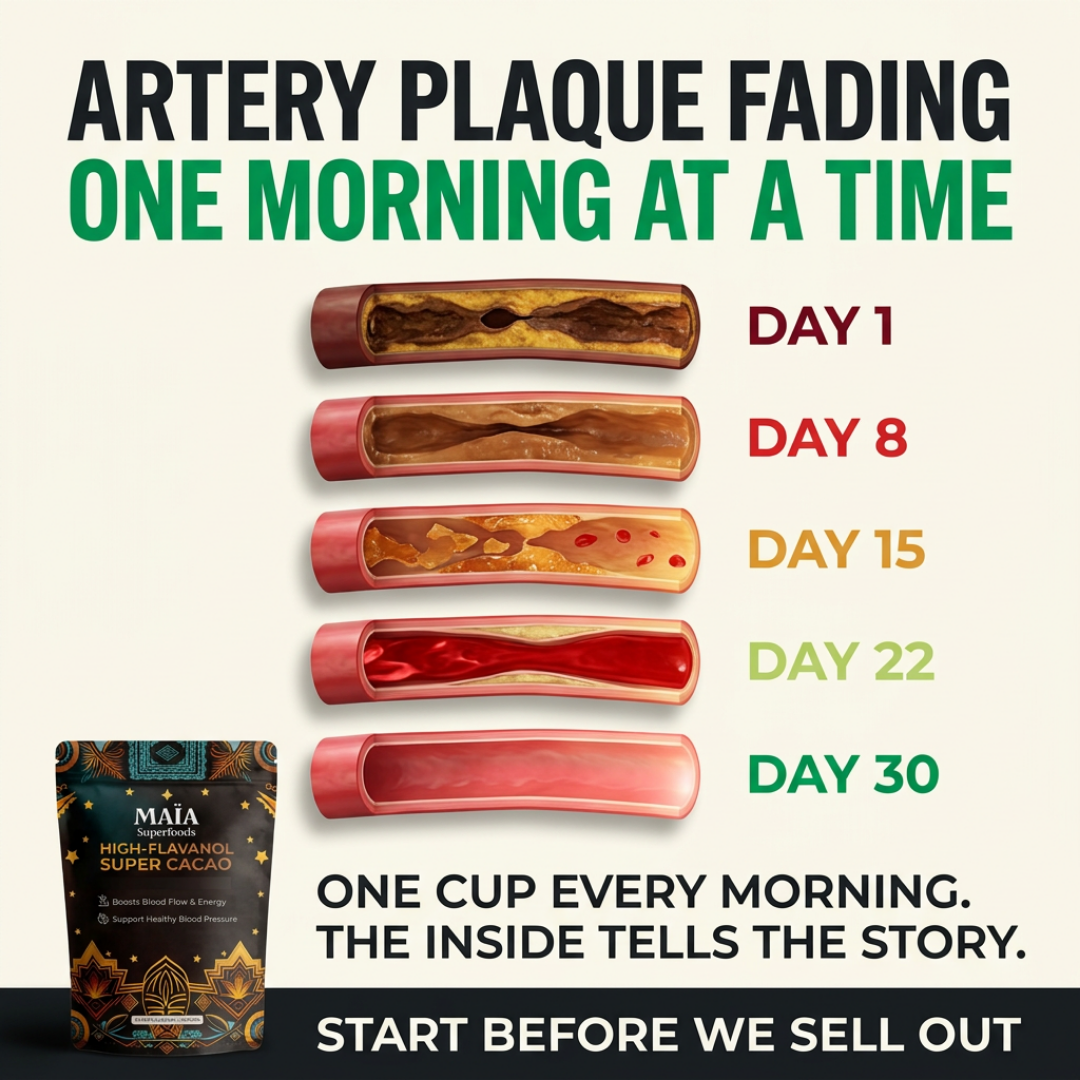
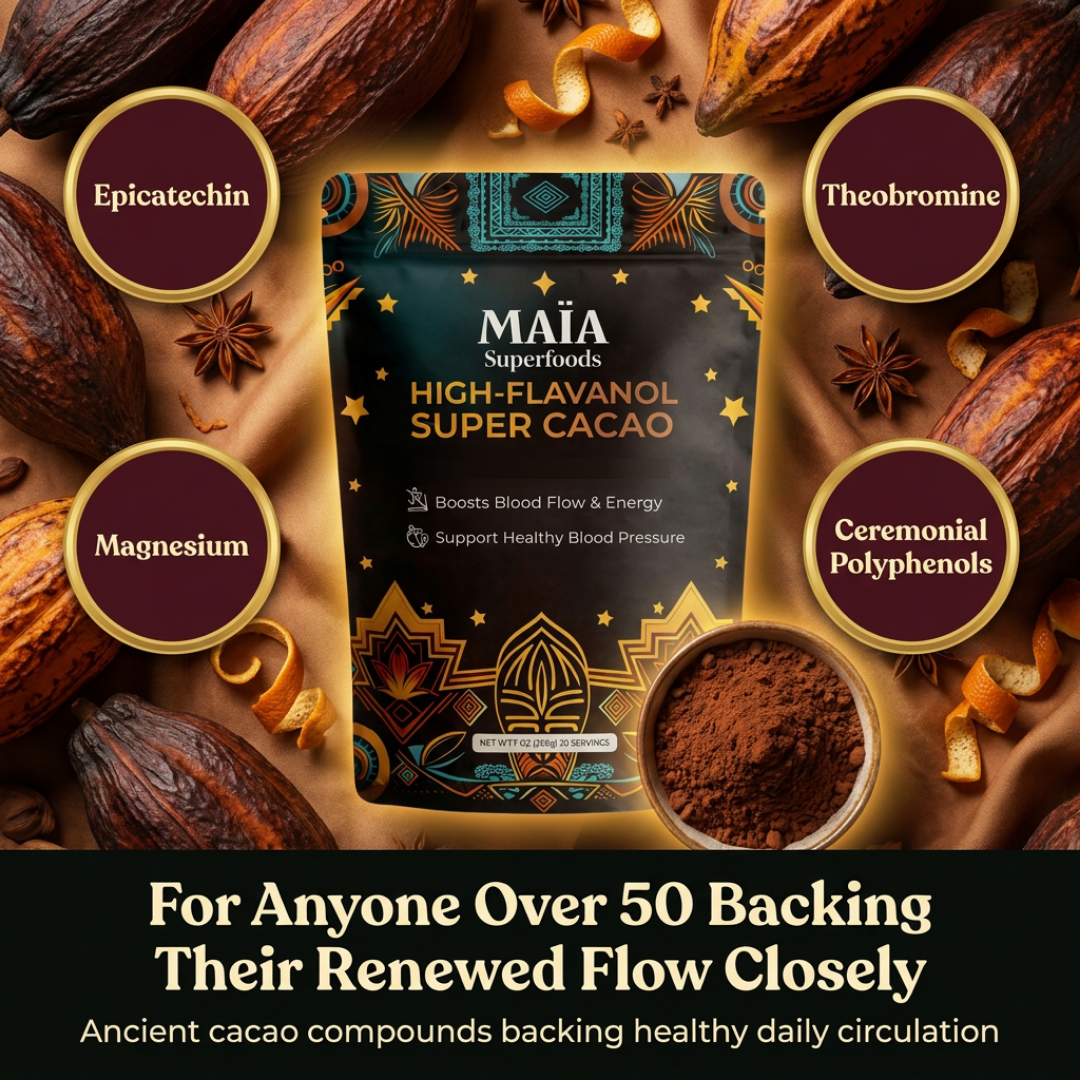
She asked me if I was okay. I was sitting in my own living room. In my own chair. The one I've sat in every evening for eleven years, same spot, same lamp on, same view of the backyard going dark through the window. And my wife looked up from her book and asked me if I was okay. I said yes. She looked at me for another moment the way she looks at me when she doesn't believe what I've just said but isn't going to push it. Then she went back to her book. I wasn't okay. I hadn't been okay for a while. But the living room at 8pm was supposed to be the safe part of my day. The part where nothing was asked of me. No exertion. No stress. No reason for anything to be happening. Just me and my wife and the lamp and the window and whatever quiet the evening had left in it. And even there. Even in the one place where I had no reason to feel it. The pressure was sitting across the back of my skull like something had been tightened. A slow heat behind my eyes. A heaviness in my chest that wasn't pain but wasn't nothing either. I kept my face still. Turned the page of what I was reading even though I hadn't read it. Watched the backyard go fully dark and told myself it would pass. My name is Ron. I'm 64 years old. I have high blood pressure and I had been hiding it from my evenings for almost two years because the evenings were the last thing I had left that felt normal and I wasn't ready to let that go. Let me explain what I mean by that. When blood pressure becomes a daily reality, you learn quickly which parts of your life it follows you into and which parts it leaves alone. You make unconscious adjustments. You stop doing the things that make it worse. You protect the things that still feel okay. For me, the evenings were protected. During the day I had learned to manage. Mornings were careful. Work was managed. Physical activity was calibrated to what I knew my body could handle without the pressure spiking into territory that frightened me. But the evenings were supposed to be outside all of that. Dinner done. Day finished. My wife across the room with her book. The specific peace of a house that has settled for the night. I had been a man who loved his evenings. Who looked forward to them. Who came through the front door after work already thinking about that chair, that lamp, that hour or two of nothing being required of him. Somewhere in the past two years that had changed. I couldn't tell you exactly when. That's the thing about this kind of change. It doesn't arrive on a particular day. It accumulates. One evening you notice the pressure is there. You tell yourself it's the day you had. Another evening it's there again. You tell yourself it's what you ate for dinner. Then it's there on an evening when you had a fine day and ate nothing unusual and there's no explanation available except the one you've been avoiding. And then one night your wife looks up from her book and asks if you're okay. And you say yes. And you turn a page you haven't read. What I hadn't understood, what nobody had clearly explained to me across two years of monitoring and adjusting and trying to manage this, was why this was happening even at rest. Even in a chair. Even with nothing being asked of my body at all. Because that's the question that haunted me most. I could accept that exertion raised my pressure. That made a kind of obvious sense. But sitting still? In my own living room? In the safest, quietest, most undemanding hour of my day? That required a different explanation. Here's what I eventually found. Blood pressure that stays elevated even at complete rest is not responding to what you're doing. It's responding to the state of the vessels themselves. Healthy vessels have tone. They are not simply passive tubes. They are active, responsive structures that constantly adjust their diameter based on signals from inside the body. At rest, they relax to a baseline that keeps pressure within a normal range. Under demand, they widen further. They are always doing something, always responding, always maintaining the balance. That active maintenance depends on nitric oxide. Produced inside the cells lining the vessel walls, nitric oxide is the signal that tells those walls to relax. Not just during exertion. At rest too. All the time. The baseline relaxation that keeps your pressure in a healthy range while you're doing nothing is being actively maintained by nitric oxide production happening continuously in your vascular lining. When that production declines, which it does progressively with age, the vessels lose the ability to maintain even their resting baseline. They stay slightly more contracted than they should. Slightly more resistant. And the pressure that results isn't responding to anything you're doing wrong in that moment. It's responding to a signaling system that has been gradually failing. Sitting in a chair. Reading. Completely still. And still elevated. Because the mechanism that was supposed to maintain normal pressure even at rest has been eroding for years without making a sound. That's what my evenings had become. Not a problem of what I was doing. A problem of what my vascular system had stopped being able to do on its own. Understanding that changed everything about how I thought about solutions. Because if the problem is a failing signaling system, then adjusting sodium and managing stress and walking every morning, while all worthwhile, are all operating at the wrong level. They are influencing the outputs without touching the mechanism. What touches the mechanism is supporting nitric oxide production in the vessel lining itself. Flavanols do this. They activate specific biochemical pathways inside endothelial cells, the cells that form the inner lining of blood vessels, that produce nitric oxide. This is not alternative medicine. This is not a fringe claim. The research is decades old, replicated across serious institutions, and the mechanism is well understood. Flavanols and vascular function have an established, documented relationship that the scientific literature has been building on for a long time. The richest natural source of flavanols available is ceremonial grade cacao. Not what's in a chocolate bar. Not grocery store cocoa. Those products have been alkalized, a processing step that destroys the majority of flavanol content before the product ever reaches you. The flavor survives. Everything that would have supported your vascular lining does not. Ceremonial grade cacao is processed without that step. The flavanols stay intact. Which is why traditional cultures that consumed real cacao as a daily ritual for thousands of years were working with something fundamentally different from anything the modern food supply has made available. MAÏA is that cacao. I started it on a Monday morning. One scoop dissolved in hot water before anything else. Before food. Before my wife came downstairs. A two minute ritual at the kitchen counter that tasted like something genuine in a way that nothing else I'd been trying that year had tasted. I want to be specific about what changed and when. The first week I noticed nothing dramatic. The taste was good. The mornings felt slightly easier, though I was careful not to read too much into that. Week two something shifted. The pressure across the back of my skull, the one that had been my morning companion for so long I'd almost stopped recognizing it as abnormal, started arriving later in the day. Then some days not until afternoon. Then some days not at all. Week three I noticed I was getting to the evenings differently. Not without fatigue. The day still did what the day does. But arriving in that chair at 8pm felt like arrival rather than collapse. The lamp, the window, the book, my wife across the room. All of it feeling the way it used to feel before this became something I was managing instead of something I was living. End of week three I checked my readings across five consecutive mornings. 141 over 86. The lowest consistent numbers I'd seen in almost two years. Month two I told my wife what had been happening. Not because I'd planned to. Because we were sitting in the living room one evening, same chairs, same lamp, same backyard, and she looked up from her book and I realized I didn't need to turn a page I hadn't read. That I was actually there. Actually in the room. Not performing fine while something in my body quietly wasn't. And I thought she deserved to know that. Both parts of it. The part where it had been bad and the part where something had changed. She listened to the whole thing. She was quiet for a while after. Then she said she knew. She said she'd known for longer than I thought. She said the evenings had felt different for a long time and she hadn't known what to say about it because I hadn't given her anything to respond to. Then she asked me what I'd been taking. I told her about MAÏA. https://shop.trymaia.co/shocking-discovery-bp She ordered some the next morning for herself. That was five months ago. Last week we sat in the living room after dinner. Same chairs. Lamp on. Backyard dark. She had her book. I had mine. She didn't look up and ask if I was okay. Because I looked okay. Because I was okay. My readings this week, across five mornings: 122 over 76. I don't know how to explain the distance between 163 over 99 sitting in my own chair and 122 over 76 sitting in the same chair without sounding like I'm selling something. So I'll just say that the distance is real and I lived both sides of it and the difference is not subtle. The evenings are mine again. Not managed. Not performed. Not endured while something quietly pressed against the inside of my skull and I turned pages I hadn't read. Just evenings. My wife across the room. The lamp on. The backyard dark. Nothing being asked of me. Exactly what they were always supposed to be. MAÏA is linked below. One scoop in hot water every morning. Thirty-day money-back guarantee. Nothing to lose in finding out whether your body responds the way mine did. https://shop.trymaia.co/shocking-discovery-bp If you've been performing fine in your own living room, you'll understand why that matters. EDIT: Several people asked whether my wife noticed a difference in her own readings after starting. Yes. She's three months in. She said to say her mornings feel quieter. She meant that as a good thing. EDIT 2: Someone asked what we do differently now in the evenings. Nothing. That's the point. We do exactly what we always did. It just feels like what it was always supposed to feel like again. https://shop.trymaia.co/shocking-discovery-bp
Like this ad? Make it yours.
Crush rebuilds this exact creative around your product — your brand, your colors, your offer — in about a minute.