
Active· since May 17, 2026
- 120
- days running
- 0
- relaunches
Ad copy
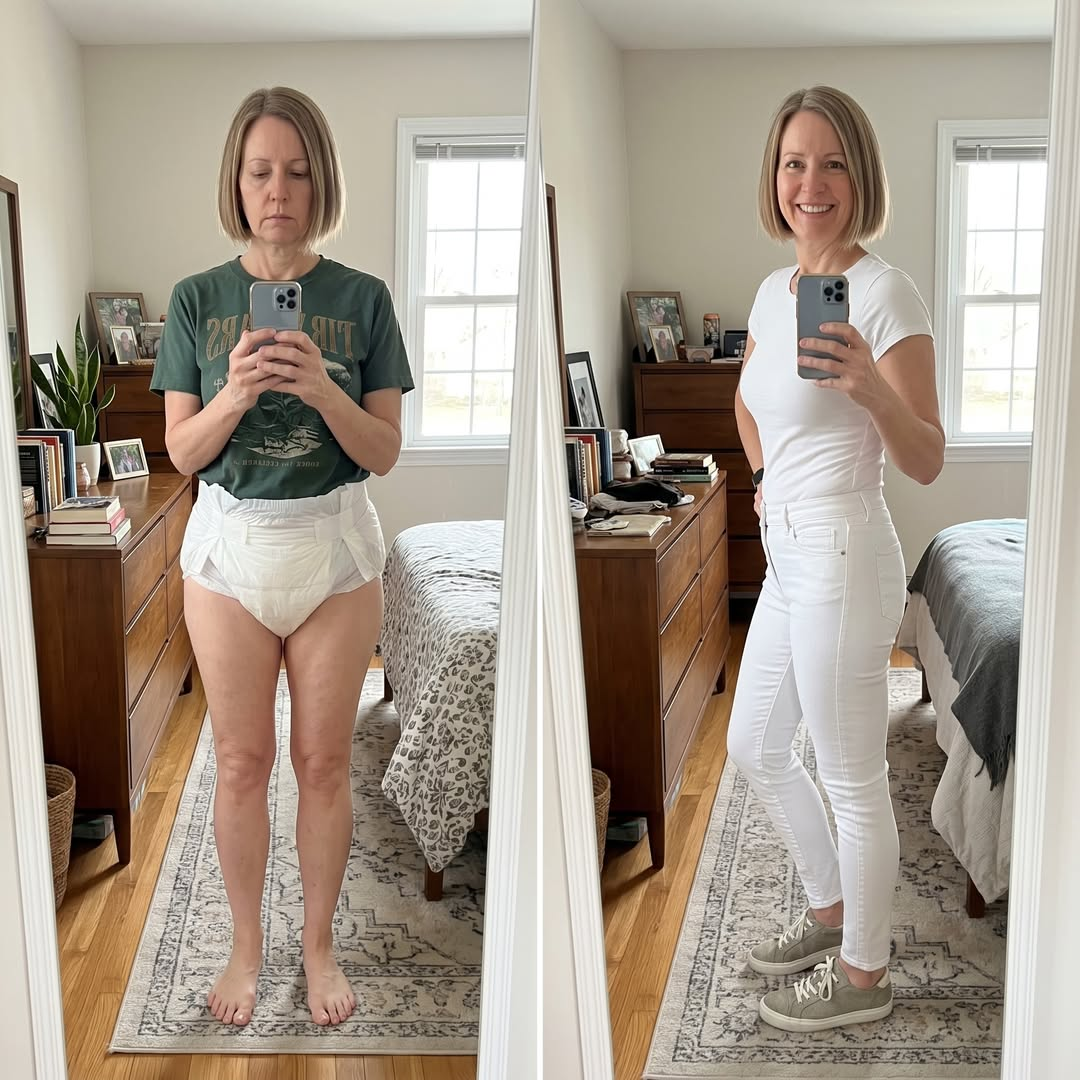
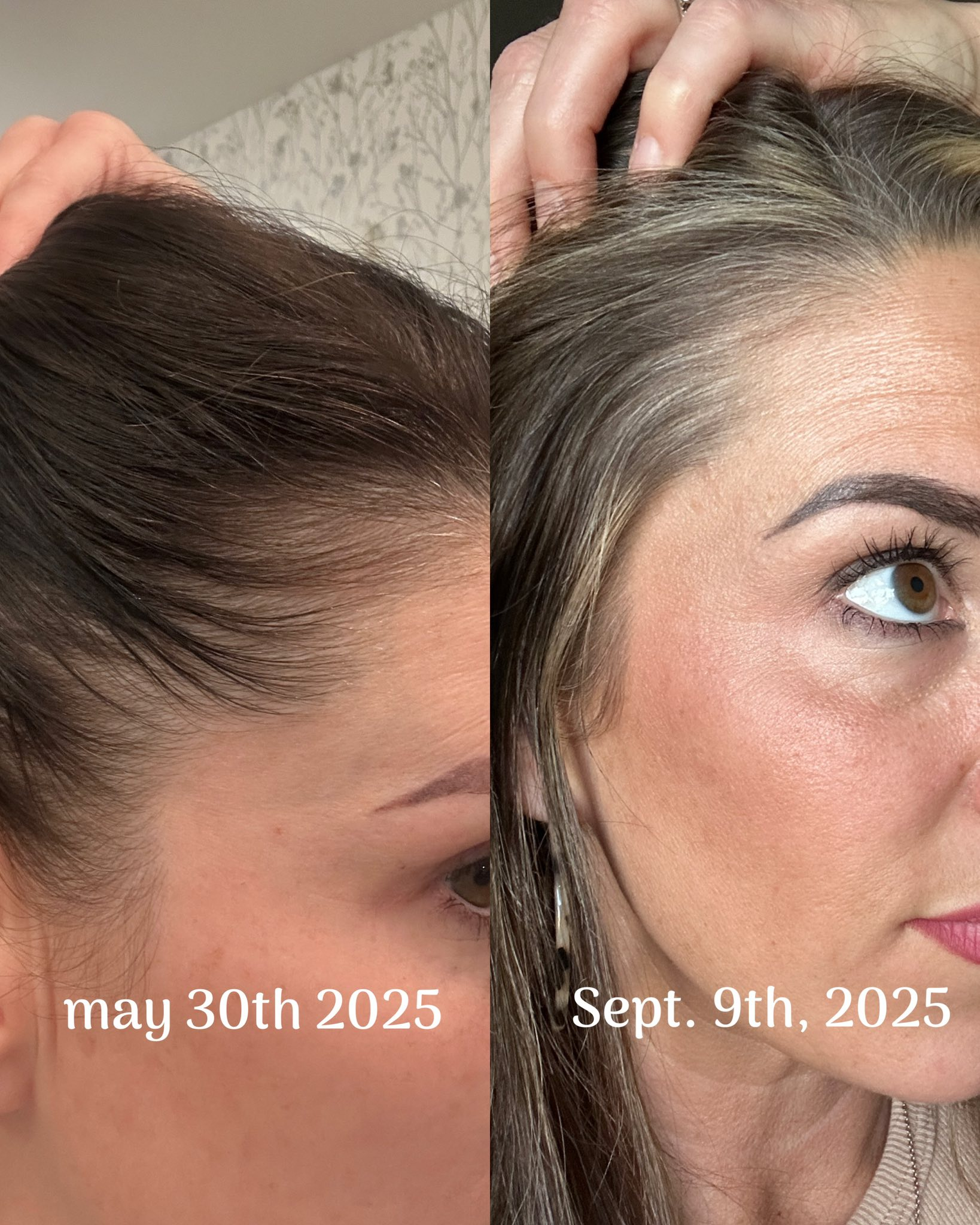
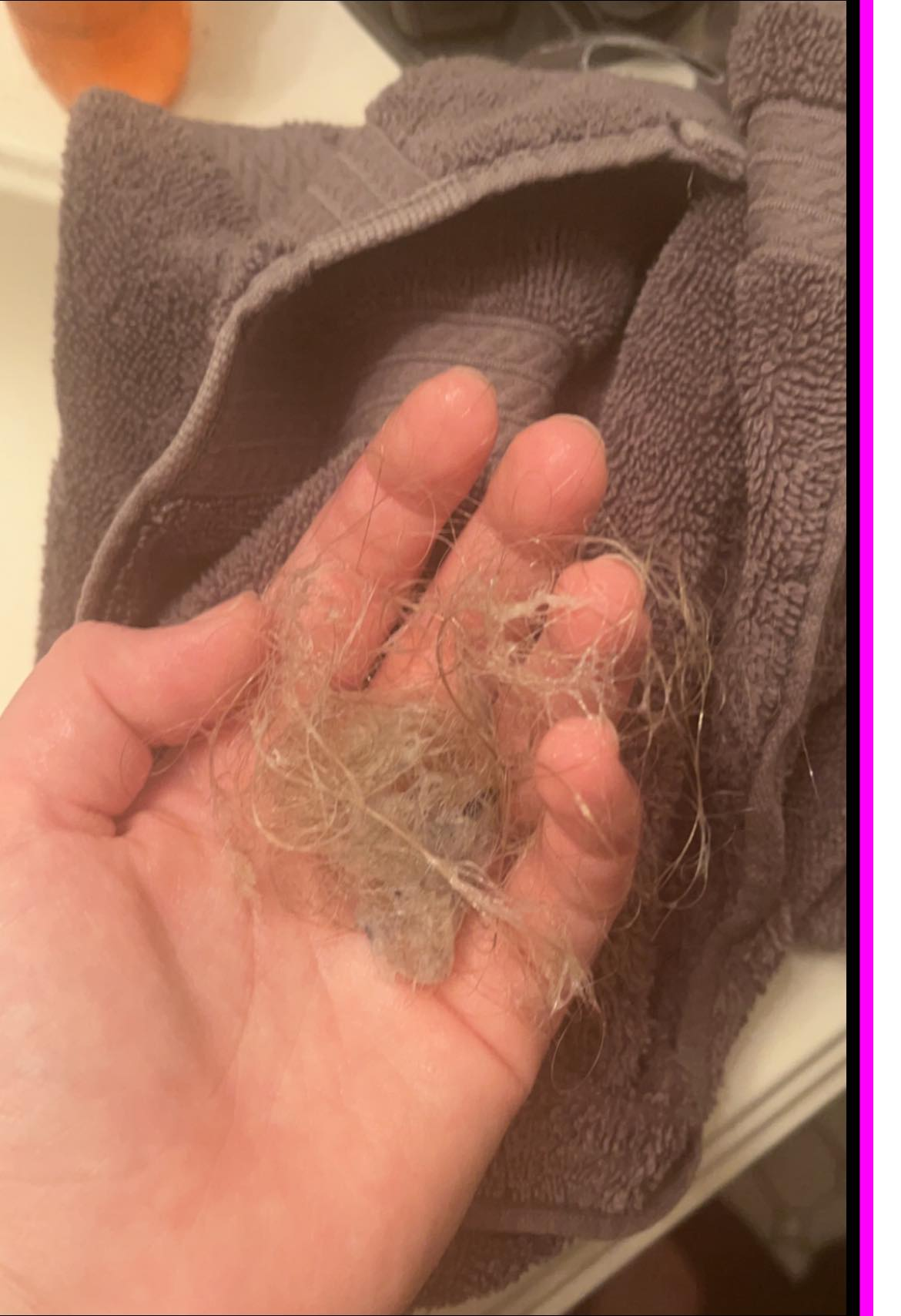
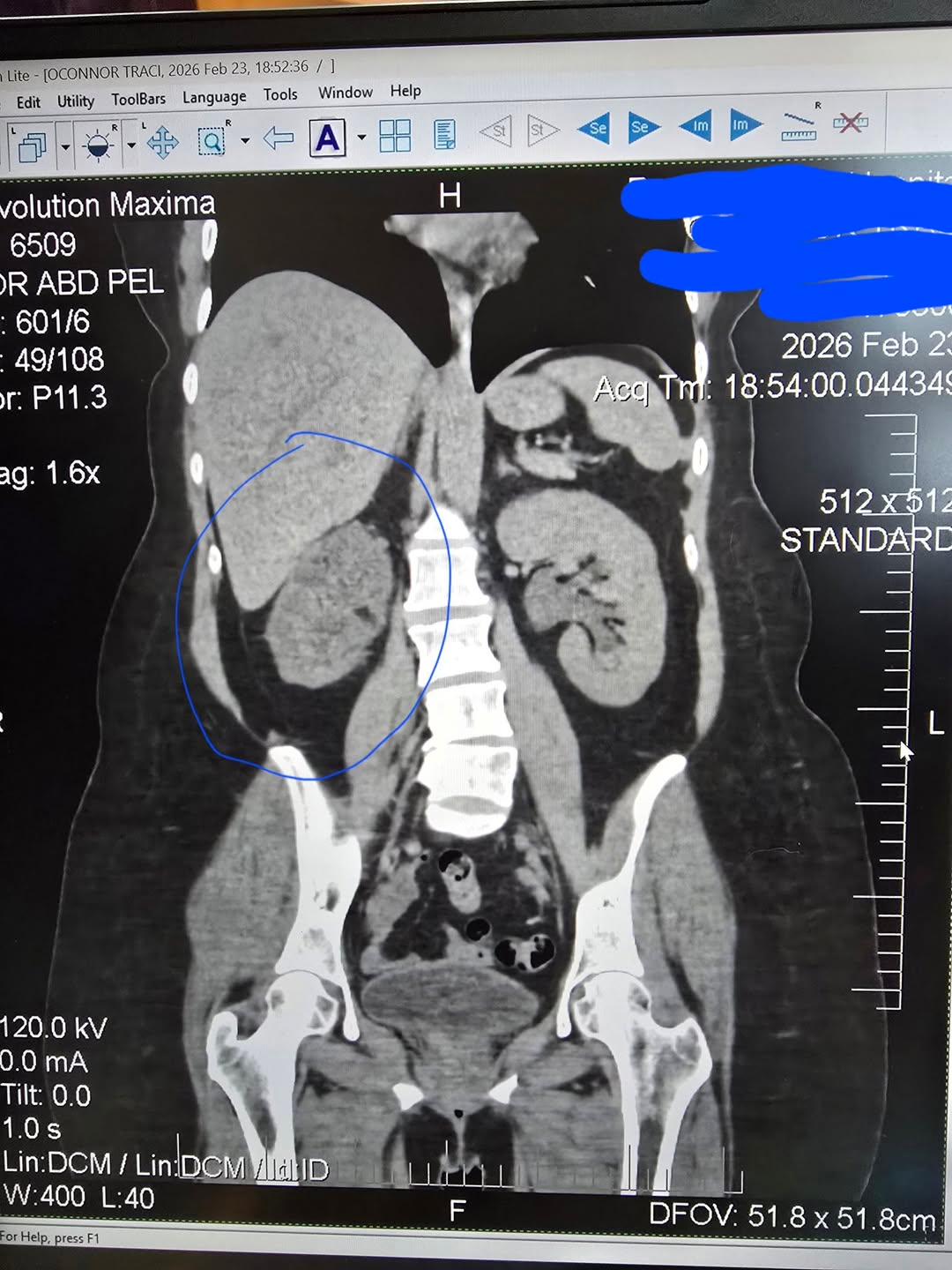
I was sitting in the waiting room at my nephrologist's office when the woman next to me started crying. Not loudly. Not the kind of crying that makes everybody look. The quiet kind. The kind where your chin stays still and your chest doesn't move and the tears just come down your face like they've been waiting all morning and finally decided they weren't going to ask permission anymore. She was holding a printout. I could see the letterhead — it was lab results. The same tri-fold paper they hand you at the front desk with your numbers on it. I've held that paper so many times the creases feel familiar. She wasn't old. Maybe 58. My age. Short gray hair she'd clearly stopped coloring a while back. Reading glasses on a chain around her neck. Sneakers that had been white once. A purse on her lap she was gripping like it was the only thing keeping her in the chair. I should have looked away. That's what you do in a doctor's waiting room — you look at your phone, you flip through a three-year-old magazine, you pretend you didn't see anything. That's the rule. But I've been in that chair. I've held that paper. I've cried those exact same tears in a waiting room while strangers pretended they couldn't hear me. So I didn't look away. "Are you okay?" She looked at me. Surprised. Nobody asks that in a nephrologist's office. Everybody in that waiting room is fighting something and the unspoken agreement is that nobody talks about it. "I'm sorry," she said. "I'm fine." She wasn't fine. She wiped her face with the heel of her hand. "It's just — my numbers dropped again." She didn't have to explain what that meant. In a nephrologist's waiting room, "my numbers dropped" means one thing. Your kidneys are losing the fight. The eGFR number — the one that tells you how well your kidneys are filtering your blood — went down again. And when that number drops, it doesn't usually come back up. That's what they tell you. That's what every doctor in every office I've ever sat in has told me. "It's a one-way road, Deborah. We can slow it down. We can't reverse it. Our goal is to keep you off dialysis as long as possible." As long as possible. Like dialysis is a train coming down the tracks and the best your doctor can do is wave a flag and hope it slows down. I'm going to tell you who I am so you understand why this story matters. My name is Deborah. I'm 58 years old. I was diagnosed with chronic kidney disease — stage 3A — four years ago during a routine blood panel I almost didn't get done because I felt fine. I felt completely fine. That's the thing about kidneys. They don't warn you. They don't send you a symptom. They just quietly stop working, one percent at a time, while you're busy living your life, and by the time somebody checks, a third of the function is already gone. My eGFR was 52 at diagnosis. Four years ago. "52" doesn't sound scary. Normal is 90 or above. My doctor said "you're at 52, we need to keep an eye on this." Keep an eye on it. Like it was a pot on the stove that might boil over. He put me on a low-sodium diet. Told me to drink more water. Told me to "reduce stress" — which is the kind of advice doctors give when they don't actually have a solution but need to say something. He scheduled a follow-up in three months. Three months later: 49. Six months after that: 45. One year after diagnosis: 41. Every appointment, the same conversation. "Deborah, the decline is gradual. This is expected with CKD. We're going to adjust your medication. Keep watching your sodium. Stay hydrated." Expected. The word my doctor used most. Like watching my kidneys fail was just what we were supposed to do. Like managing the decline was the whole job. I'm an elementary school librarian. I've worked at the same school for 23 years. I shelve books. I run the summer reading program. I help seven-year-olds find stories about dragons and astronauts. I am not a medical researcher. I am not someone who argues with doctors. I'm the kind of person who says "okay" and goes home and does what she's told. But something was happening to me that my doctor didn't seem to notice — or didn't seem to care about — because it wasn't on his chart. My hair was falling out. Not dramatically. Not in clumps. But every morning when I brushed it, there was more hair in the brush than there used to be. My ponytail was thinner. I could see my scalp at the part. I mentioned it to my doctor once and he said "that can happen with kidney disease. It's not unusual." Not unusual. Not a priority. Just something else that was falling apart quietly while we kept an eye on the pot. And then there was the other thing. The thing I didn't tell anyone about for two years. Not my doctor. Not my sister. Not my best friend Linda. I was leaking. Not a lot. Just enough. Just enough that I stopped wearing light-colored pants. Just enough that I carried an extra pair of underwear in my purse everywhere I went. Just enough that I stopped going to my nephew's basketball games because the bleachers were hard and the bathrooms were far and I was terrified of not making it in time. I was 56 years old and I was planning my life around a bathroom. Around a change of underwear in my purse. Around the constant low-level panic of "will it happen here, will anyone notice, do I smell, am I okay." That was my life. Every day. And my doctor was watching my eGFR number drop and calling it expected. So when I sat in that waiting room next to a woman who was crying over the same piece of paper I'd cried over a dozen times, I didn't look away. Because I knew what she was feeling. I knew the fear. I knew the helplessness. I knew the quiet humiliation of your body failing in ways nobody wants to talk about. "What was your number?" I asked. Quietly. Just between us. She looked at me for a moment. Deciding. Then she said, "37. It was 44 six months ago. It dropped seven points." My chest tightened. Seven points in six months. That's fast. That's the kind of decline that turns "keeping an eye on it" into "we need to talk about your options" — and in a nephrologist's office, "options" means dialysis. "I'm at 38," I said. "I was 52 four years ago." She looked at me. We were two women sitting in plastic chairs in a beige waiting room, holding the same piece of paper, riding the same train toward the same destination, and neither of us had the faintest idea how to get off. "My name's Lorraine," she said. "Deborah." We sat together for the rest of the wait. Didn't say much. Just sat. Sometimes that's enough. Sometimes somebody sitting next to you who understands is the only medicine that works. After my appointment — eGFR holding at 38, which my doctor called "stable," which I called "still dying, just slower" — I walked out to the parking lot and Lorraine was there. She was standing next to a blue Honda Civic that had clearly been through a lot. The back seat was packed. Not messy packed — organized packed. Like someone who'd been living out of systems and routines for a while. A pillow. A quilted blanket. A plastic bin of what looked like supplements and vitamins. A bag from the dollar store. A blood pressure monitor still in its box sitting on the passenger seat. She saw me looking. "My apartment flooded two months ago," she said. She said it matter-of-factly. No pity request. Just information. "Insurance is fighting me. I've been staying with my sister but her place is small and I didn't want to be a burden so most days I just... drive. Park somewhere. Do my reading. Try to figure this thing out." She gestured toward the backseat. I looked more carefully. Between the pillow and the blanket, stacked neatly on the floor behind the passenger seat, was a pile of printed articles. Not a few. Maybe thirty or forty pages. Some highlighted. Some with sticky notes on them. Some with handwritten notes in the margins that I could see through the window. "What's all that?" I asked. She paused. Looked at me like she was deciding whether I was the kind of person who would understand. "Research," she said. "On kidney disease. On what actually causes the damage. Not the stuff the nephrologist says — I mean the actual mechanism. What's happening inside the nephrons. Why the filtration rate drops. What's driving the inflammation that kills the tissue." She opened the car door and pulled out a few of the printouts. "I've been at the library four days a week for the last two months. After my appointment when it dropped to 44, something in me snapped. I was so tired of being told to 'manage' it. Manage what? My own decline? Watch myself get worse and call it a plan? I needed to understand what was actually happening. So I started reading." I want you to understand something about Lorraine. She's not a doctor. She's not a nurse. She's a retired claims adjuster from an insurance company who raised two kids by herself in a two-bedroom apartment in Newark and taught herself to do her own taxes in 1989 because she couldn't afford an accountant. She is the most stubbornly resourceful person I have ever met. And when the medical system told her there was nothing to do but watch, she decided to stop watching and start reading. "Can you tell me what you found?" I asked. She looked at me. We were standing in a parking lot next to a car that contained her entire life, and she was about to give me the education my nephrologist never did. "Your doctor is monitoring the wrong thing." She held up one of the printouts. "eGFR measures how fast your kidneys are filtering blood. That's the output. It tells you what the kidneys are doing. It doesn't tell you why they're failing. It's like checking the speedometer on a car that's running out of gas — you know it's slowing down, but the speedometer isn't the problem. The fuel is the problem. And nobody is looking at the fuel." She slid the next page on top. "The fuel — the thing that's actually destroying kidney tissue — is oxidative stress. Free radical damage. Your kidneys filter 50 gallons of blood every single day. Every single day. They're exposed to more oxidative stress than almost any other organ in your body. And when the antioxidant defense system can't keep up — when your body runs out of the specific compounds it needs to neutralize those free radicals — the nephrons start dying. The filtration slows down. The eGFR drops. And your doctor calls it 'progression' like it's inevitable. It's not inevitable. The nephrons are dying because they're unprotected." My hands were tingling. I'd been reading about kidney disease for four years and nobody — not one doctor, not one website, not one pamphlet in any waiting room — had ever explained it to me this way. "So what protects them?" I asked. Lorraine held up another printout. This one had a chart on it. Two columns. "There are specific compounds — not general antioxidants, not vitamin C, not turmeric — specific compounds that have been studied for their effect on renal oxidative stress. The one that kept showing up in every study I read was something I'd never heard of." She pointed to a line highlighted in yellow. "Delta-7-sterols. And a specific fatty acid profile that only exists in meaningful concentration in one natural source." She looked at me. "Pumpkin seed oil." I almost laughed. I'm serious. I almost laughed. Pumpkin seed oil. It sounded like something my grandmother would have recommended next to honey and lemon for a cold. It sounded like the kind of thing you'd scroll past in a Facebook ad and think "yeah, right." Lorraine saw my face. "I know. I had the same reaction. But Deborah — listen to me. This isn't pumpkin seeds from Trader Joe's. This isn't a handful of seeds on a salad. The research is on cold-pressed pumpkin seed oil — specifically the oil from Styrian pumpkins, a variety that's been cultivated in Central Europe for centuries for its oil content, not its flesh. The concentration of delta-7-sterols, zinc, magnesium, and the specific fatty acid ratio in Styrian pumpkin seed oil is orders of magnitude higher than anything you'd get from eating grocery store pumpkin seeds." She pulled out another printout. "Here's what the studies show. The fatty acids in cold-pressed pumpkin seed oil — particularly the linoleic and oleic acid profile — have a direct anti-inflammatory effect on renal tissue. They inhibit the specific inflammatory pathways — NF-kB, for those who want to look it up — that drive nephron death. They don't treat the symptoms. They interrupt the mechanism." "And the delta-7-sterols do something else. They modulate the hormonal cascade that controls how the kidneys regulate fluid — which is why pumpkin seed oil keeps showing up in studies on bladder function. The urgency, the leaking, the inability to hold it — that's not just 'aging.' It's a dysfunction in the signaling system between the bladder and the kidneys. The sterols in pumpkin seed oil rebalance that signal." I thought about the extra underwear in my purse. About the basketball games I'd missed. About the light-colored pants hanging in my closet that I hadn't worn in two years. "And the hair?" I asked. Because if she was about to tell me what I thought she was about to tell me — "The hair loss in kidney disease isn't from the kidneys directly. It's from the zinc depletion. Your kidneys regulate zinc metabolism. When kidney function declines, zinc levels crash. And zinc is the single most critical mineral for hair follicle cycling. Without adequate zinc, the follicle goes dormant. Doesn't die — goes dormant. Which means if you restore the zinc in a bioavailable form — which cold-pressed pumpkin seed oil happens to be one of the richest natural sources of — the follicle can wake back up." She closed the folder. "Deborah. I've been taking pumpkin seed oil softgels for eleven weeks." She paused. Looked at me the way you look at somebody when you're about to tell them something that changed your life and you need them to believe you. "My eGFR was 37 eleven weeks ago. The printout I was crying over in the waiting room? That was today's number. I wasn't crying because it dropped." She held up the paper. "I was crying because it went up. To 46. Deborah — it went UP. Nine points in eleven weeks. My nephrologist ran it twice because he didn't believe the first result. He asked me what I'd been doing differently. I told him. Everything. The research. The pumpkin seed oil. The Styrian variety. All of it." "He didn't dismiss it. He sat there for a long time looking at the results and then he said 'I don't have an explanation for this improvement based on what we've been doing. Whatever you're taking — keep taking it. I want to see you again in eight weeks.'" I stared at her. In four years of kidney disease, through dozens of appointments, through medication changes and diet adjustments and "keep watching it," nobody had ever told me a number went UP. Numbers don't go up. That's the rule. That's what everyone says. It's a one-way road. Lorraine broke the rule. "And the other things?" I asked. I didn't have to specify. She knew. "Week three, I realized I'd driven to my sister's house without stopping at a gas station bathroom on the way. That's a 40-minute drive. I've been stopping for two years. Every single time. Week three, I didn't stop. I didn't even think about stopping until I was pulling into her driveway and realized I hadn't needed to." "Week five, my sister — who hadn't said anything because she's polite — looked at me across her kitchen table and said 'Lorraine, your hair looks different.' I said 'different how?' She said 'thicker. At the front. It looks like it used to.' I went to the bathroom and looked in the mirror and she was right. The part was narrower. The scalp I'd been seeing for two years was covered. Not completely — but covered. New growth. Short little hairs standing up like they'd just arrived and weren't sure where to sit." "Week seven, I woke up at 6 AM and felt like it was 6 AM. Not like it was midnight and someone had tricked me into opening my eyes. For three years I'd been waking up exhausted. Like sleep wasn't recharging anything. Week seven, I woke up and my body felt like it had actually rested. Like the cells had gotten what they needed overnight. I can't explain it better than that." She reached into the car and pulled something out of the plastic bin in the backseat. A white bag. Simple packaging. Not flashy. Not the kind of overproduced health supplement packaging that screams at you from a shelf with twelve different claims in seven colors. "This is what I've been taking. It's called Everly. Pumpkin seed oil softgels. Cold-pressed. One thousand milligrams. The oil is from the right pumpkin variety — not the decorative garbage they sell at the grocery store. The extraction preserves the delta-7-sterols and the fatty acid profile that makes this work. They're softgels, so the oil is bioavailable immediately — not dried into powder where half the active compounds oxidize before they reach your bloodstream." She held the bag out to me. "Deborah. You walked over to me in that waiting room when nobody else would even look at me. You sat with me. You told me your number. You treated me like a person and not a patient. I want you to take this bag. I have two more in my car because I'm terrified of running out. Take this one. Start tonight. Two softgels with dinner. That's all." I looked at the bag. I looked at her. I looked at the stack of research in the backseat of the car she was living out of because her apartment flooded and life hadn't stopped being hard just because her kidneys were failing. I took the bag. That night I sat at my kitchen table with the softgels and my laptop and I did something I should have done four years ago. I stopped trusting only my doctor's chart and started reading. I found every study Lorraine had mentioned. The delta-7-sterols. The renal oxidative stress mechanism. The NF-kB inflammatory pathway. The zinc-hair connection. The bladder signaling research. It was all there. Published. Peer-reviewed. Available to anyone who bothered to look. It had been there the whole time. I took two softgels with a glass of water and went to bed. Day four. I'm going to be honest about what happened because I need you to know this was real and not something I'm making up because I want it to be true. Day four, I was at school shelving returns from the second-grade reading hour. I'd been standing for about ninety minutes. In the last year, ninety minutes on my feet meant I'd need to sit down, drink water, and feel like I'd run a marathon. Day four on the softgels, I shelved for ninety minutes, looked at the clock, and kept going. Another forty minutes. No crash. No heaviness in my lower back. Just... energy. Quiet, steady energy that didn't ask for anything in return. Week two. I went to my nephew's basketball game. First one in eighteen months. I sat in the bleachers for two and a half hours. I did not go to the bathroom once. I did not leak. I did not panic. I did not think about it. I sat in the bleachers and watched my nephew score fourteen points and I screamed so loud the woman next to me flinched. On the drive home I realized I was smiling and I hadn't stopped smiling since the third quarter. The underwear in my purse stayed in my purse. Week four. My sister came over for Saturday coffee. She sat down across from me and stared at me for a few seconds. "Deb. What are you doing?" "What do you mean?" "Your face looks different. You look... rested. And your hair — is it growing in at the temples?" I'd noticed it the day before in the bathroom mirror but I hadn't said anything because I was scared that saying it would make it stop. The baby hairs at my temples — where the thinning had been worst — were coming in. Soft, dark, brand-new hairs. Like the follicles had been sleeping and something finally woke them up. Week seven. Blood draw at the nephrologist. I didn't tell him about the pumpkin seed oil. I wanted clean results. No bias. No conversation. Just the numbers. He called me four days later. "Deborah. I need you to come in." My heart stopped. When a nephrologist calls you and says "come in," you don't think good news. You think dialysis. You think "it's time." You think about that train on the tracks that finally arrived. I drove to his office. Sat in the same plastic chair. Same beige room. He walked in with my chart. "Your eGFR is 47." I didn't understand. I asked him to repeat it. "47. Up from 38. Nine points in seven weeks. Your creatinine dropped. Your BUN improved. Your potassium is stable. Your protein-to-creatinine ratio — which has been creeping up for two years — dropped for the first time since your diagnosis." He put the chart down. "Deborah, I don't see this. I've been practicing nephrology for nineteen years. CKD at your stage doesn't reverse. It stabilizes at best. It doesn't go from 38 to 47 in seven weeks. What have you been doing?" I told him everything. Lorraine. The research. The pumpkin seed oil. The Styrian variety. The delta-7-sterols. The renal oxidative stress mechanism. The cold-pressed softgels. Everything. He listened. He didn't interrupt. He didn't roll his eyes. He didn't say "that's just a supplement." When I finished he was quiet for a long time. Then he said: "I can't endorse a supplement. That's not how this works. But I can tell you that your numbers improved more in seven weeks than they have in four years of medication. I want to see you again in six weeks. Keep doing whatever you're doing." I walked out of that office and sat in my car and called Lorraine. She picked up on the first ring. Like she'd been waiting. "What were your numbers?" "47, Lorraine. Forty-seven." She was quiet for three seconds. Then she said: "I told you. I told you those nephrons weren't dead. They were just unprotected." I sat in my car in a parking lot and cried the same kind of tears Lorraine had cried in the waiting room the day I met her. Not the sad kind. The other kind. The kind that come when something you were told was impossible turns out to be a lie. Four months later. My eGFR is 54. Fifty-four. Higher than the day I was diagnosed. My nephrologist stopped using the word "manage" at my last appointment. He used the word "improvement." First time in four years. My hair is coming back. Not just baby hairs at the temples — real growth. My ponytail is thicker than it's been since my forties. My hairdresser noticed. My sister keeps touching it. I wore a headband last week for the first time in three years because I actually had enough hair to make it look right. I haven't carried a spare pair of underwear in my purse in two months. I wore white pants to my niece's wedding. White. Pants. I danced. I laughed. I didn't think about a bathroom once. I sleep through the night. I wake up rested. I shelve books all day and walk to my car at 3:30 without feeling like I need a nap before I can drive home. The fog that had been settling over my thinking for two years — the kind where you walk into a room and forget why, where you lose a word mid-sentence, where you start to wonder if it's not just kidneys but something else — that fog is gone. Lifted. Like someone opened every window in my head and let the air through. Lorraine's eGFR at her last check: 53. Up from 37. Her nephrologist referred two other patients to her — not officially, of course. He doesn't "endorse" supplements. But he gave them her phone number and said "talk to this woman." She's not living in her car anymore. Her insurance finally came through. She has a studio apartment four blocks from the library where she did all her research. She volunteers there now. Helps people with insurance claims. Because that's who she is — someone who solves problems other people have given up on. I'm telling you this because I think you might be where I was four months ago. Sitting in a waiting room. Holding a piece of paper with a number on it that's going the wrong direction. Being told "this is expected." Being told "we'll manage it." Being told that the train is coming and the best we can do is slow it down. If your eGFR has been dropping — if your doctor keeps saying "it's chronic, it's progressive, there's nothing to reverse it" — if you've been quietly losing your hair and blaming it on stress — if you've been planning your life around bathrooms and hoping nobody notices — if you've been waking up exhausted and wondering when you got so old — The nephrons might not be dead. They might be unprotected. They might be waiting for the one thing your body actually needs to defend them. Everly Pumpkin Seed Oil Softgels. Cold-pressed from the right variety. One thousand milligrams. Two softgels with dinner. The delta-7-sterols, the zinc, the fatty acid profile — all of it intact because cold-pressing doesn't destroy what heat-dried powders do. Lorraine found it at 2 AM in a public library because nobody else was going to find it for her. I'm finding it for you. https://try.shopeverly.shop/esl P.S. — If you're reading this and you've been on the fence about trying something because your doctor said "supplements don't work for CKD" — ask yourself this: has what they've been doing worked? Has the eGFR gone up? Has the hair come back? Has the leaking stopped? If the answer is no, then what exactly are you protecting by staying on the same path? Lorraine's nephrologist didn't believe it either. Until he ran the labs twice because the numbers didn't match what he expected. Sometimes the body knows something the chart doesn't. P.P.S. — Carol Fender — if you're reading this — you were right. You said you'd been taking it for six months and your CKD was gone. People doubted you in the comments. I didn't doubt you. I know exactly what happened to you because it happened to me. P.P.P.S. — For everyone asking "why not just eat pumpkin seeds from the store?" — I asked Lorraine the same question. Here's her answer: "That's like asking why not just eat oranges instead of taking a vitamin C supplement. The concentration isn't there. Grocery store pumpkin seeds are decorative variety seeds bred for carving, not for their oil. The delta-7-sterol content is a fraction of what's in Styrian pumpkin seed oil. And you'd need to eat nearly a cup of raw seeds every day to approach what two softgels deliver — except the seeds have been roasted and salted and the heat already destroyed half the active compounds. It's not the same thing. It's not even close." P.P.P.P.S. — To the woman who said "it's too late for me" — Lorraine was at 37. I was at 38. Both of us were told it was too late for reversal. Both of us were wrong. Don't decide it's too late because a doctor told you so. Decide after you've given your body what it actually needs and measured the result. If six weeks from now your numbers haven't moved, you'll know. But if they have — if they've moved even a few points in the right direction — you'll know that too. And that knowledge is worth everything. P.P.P.P.P.S. — Everly offers a money-back guarantee. Your nephrologist's office doesn't. Your prescription medications don't. The three-hour dialysis sessions they're preparing you for don't come with a refund if they ruin your quality of life. Think about what it means when a company is willing to give you every penny back if the product doesn't work. It means they know it works. It means they've seen the reorders. It means they've read the same messages I've read from people like Carol and George and Cheryl and Adelle who said "it actually works" and meant it. P.P.P.P.P.P.S. — If your next blood draw is in 30, 60, or 90 days — start now. Not next week. Now. Every day without addressing the oxidative stress that's killing your nephrons is another day of damage that didn't have to happen. Two softgels. Dinner. Water. That's the whole protocol. My first bottle arrived in four days. Lorraine's took three. Don't let your next lab result be another number going the wrong direction when it didn't have to. https://try.shopeverly.shop/esl
The "Triple Relief" Solution No One Talks About
“I’ve been feeling stronger and more balanced since taking Everly Pumpkin Seed Oil. My bladder feels so much calmer, I’m sleeping through the night again, and my hair feels thicker than it has in years. I love how natural it feels — just pure support for my body.”
LEARN MORELike this ad? Make it yours.
Crush rebuilds this exact creative around your product — your brand, your colors, your offer — in about a minute.