
Inactive· since Jun 22, 2026
- 7
- days it ran
- 0
- relaunches
Ad copy
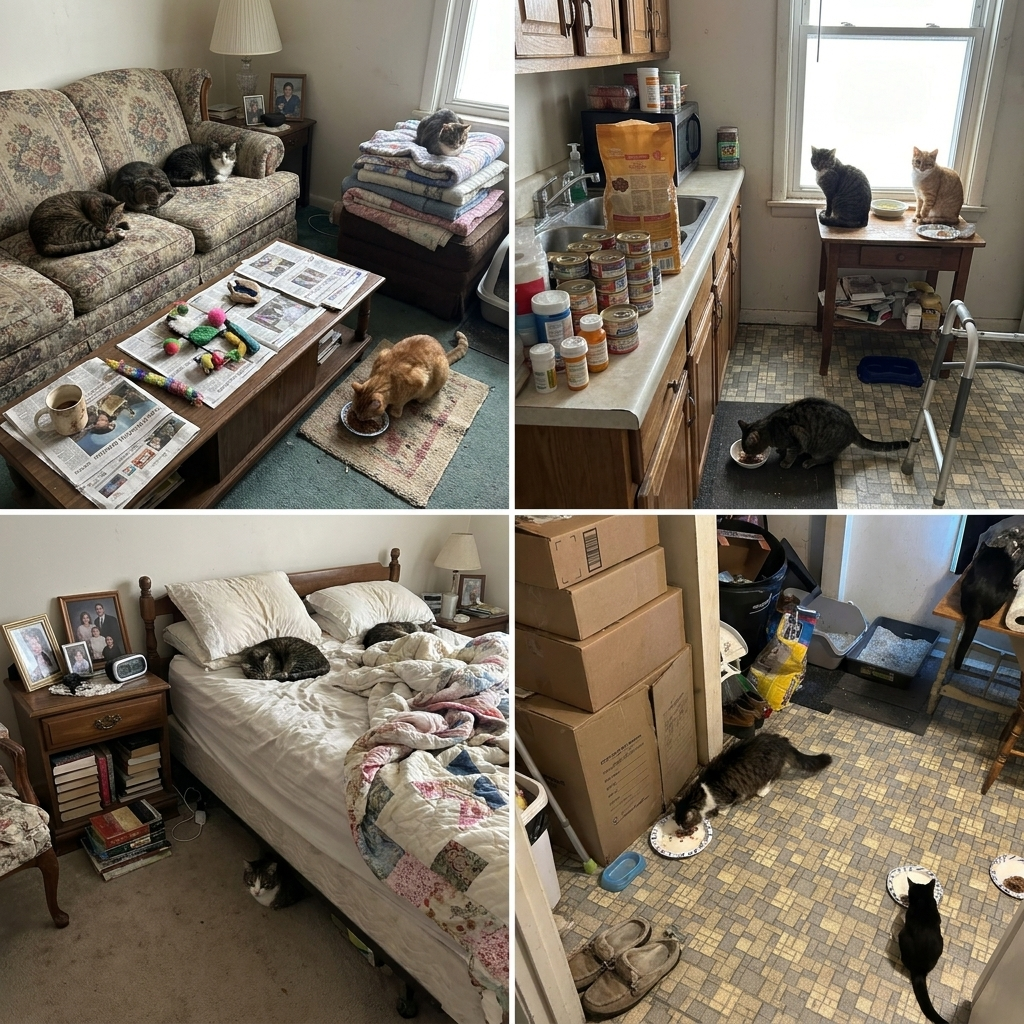
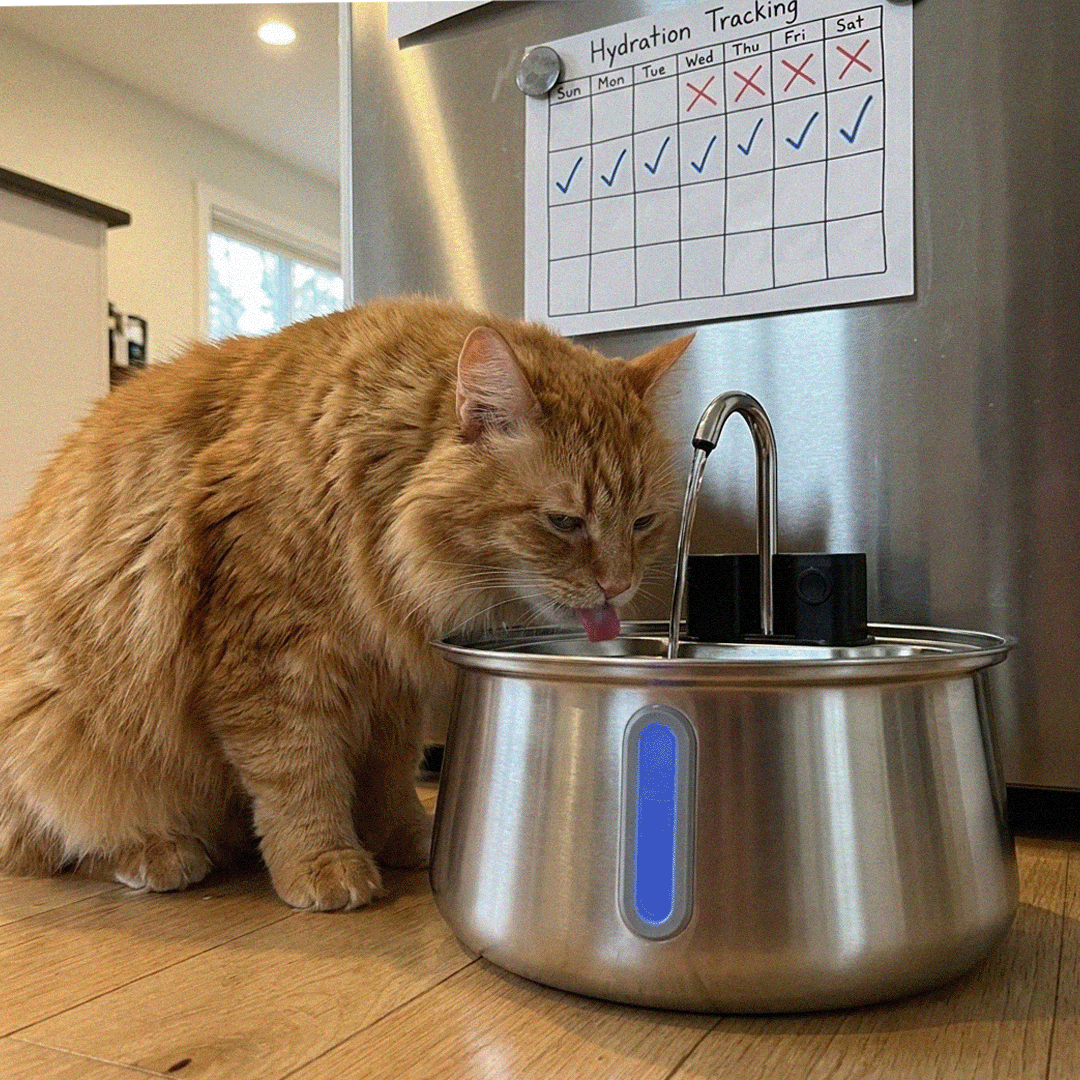
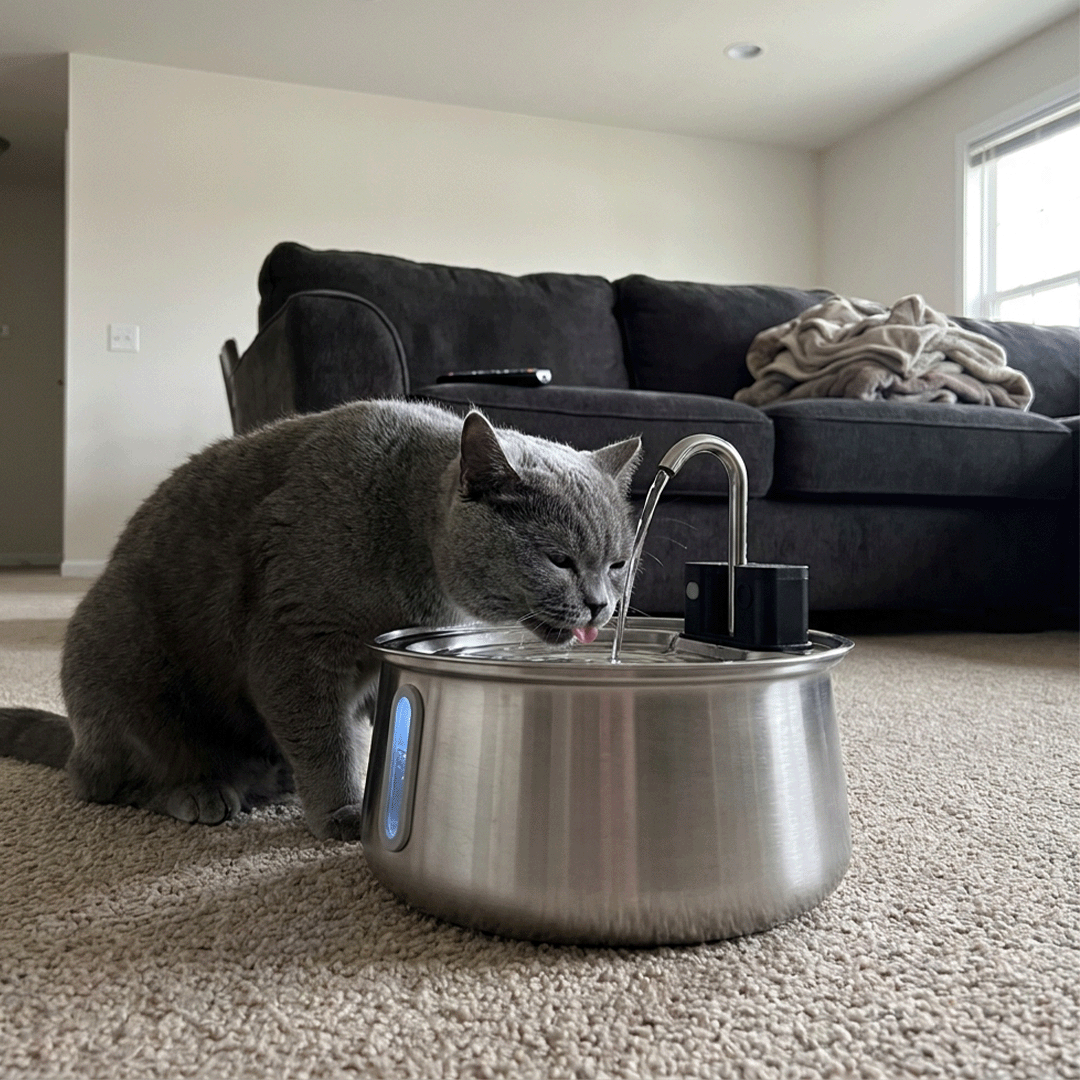
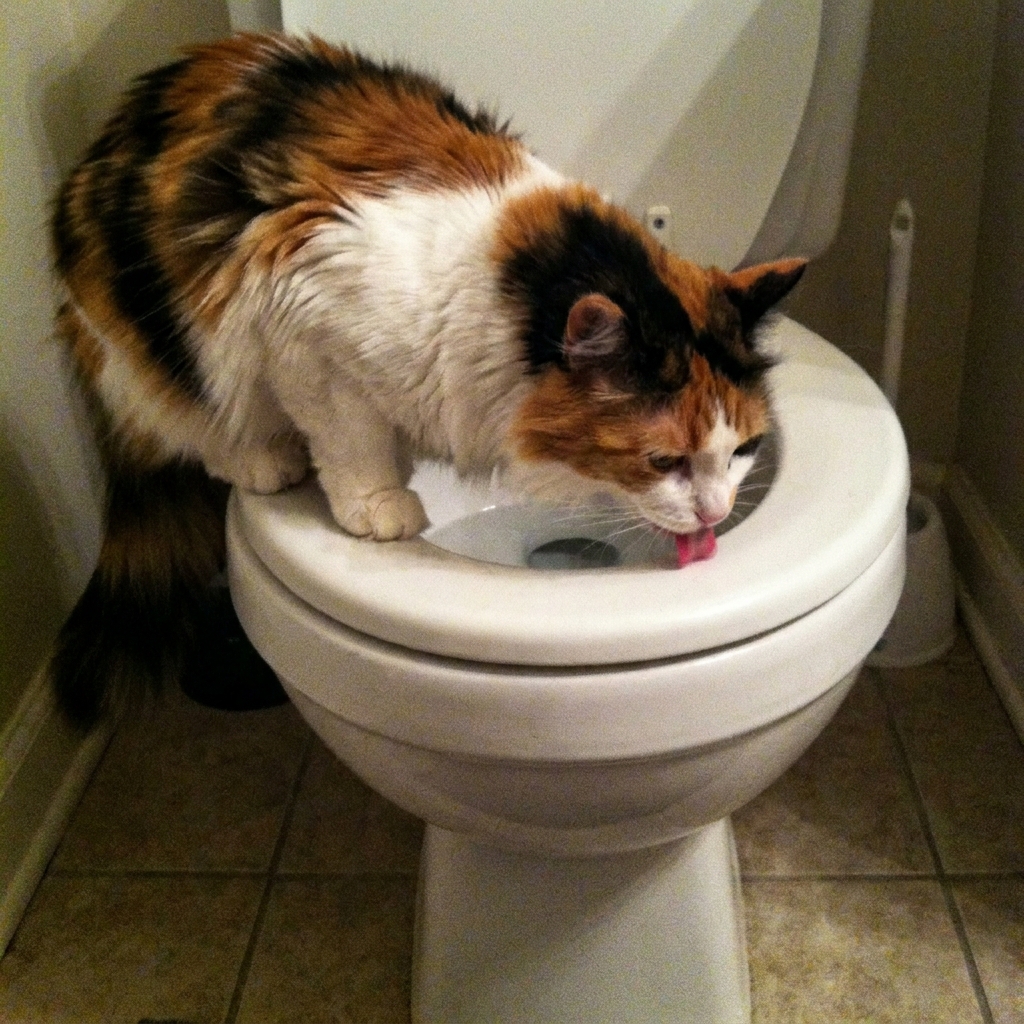
I Have Four Dead Cat Fountains in My Closet and I Spent Two Years Telling Myself My Cat Was the Problem. She Was Not. I'm writing this for anyone who has bought a cat water fountain, watched their cat use it for a week or two, and then watched their cat walk away from it and never come back. If this has happened to you more than once, you may have started doing what I started doing, which is wondering whether maybe your cat just does not like fountains. I want to tell you about the two years I spent in that loop, because the answer is not what I assumed it was for most of it, and I think a lot of people in cat households are sitting in the same loop without knowing how to get out. A little about me. My name is Diane. I'm fifty-six, single, and I work as a reference librarian at the University of Wisconsin in Madison. I live alone in a small craftsman bungalow on the east side of town with my cat Apricot, a seven-year-old calico I adopted from a local rescue five years ago. I take her seriously as a member of my household. I want you to understand that before you read the rest of this, because the story I am about to tell is partly about how I came to doubt my own competence as a cat owner, and I want you to know that the doubt was unwarranted. The first fountain I bought for Apricot was a Catit, the popular flower-top model that comes up at the top of every recommendation list when you search for cat fountains online. I bought it about three months after I adopted her, when I noticed the water level in her bowl was not really going down between refills and I started worrying she was not drinking enough. I had read that cats prefer running water. The Catit was the highly-rated, well-reviewed option. I set it up in the kitchen, plugged it in, and watched Apricot approach it. She drank from it for about three weeks. By the end of the third week she had stopped using it. The water level was no longer going down between refills. I cleaned it. I changed the filter. I changed the water. She did not come back to it. After about two months I unplugged it, washed it, dried it carefully, and put it in the closet in the spare room where I keep my cleaning supplies. The second fountain I bought was a PetSafe ceramic model. The Catit had been plastic, and I had read that some cats are sensitive to plastic, so I went up a price point and bought the ceramic one. I set it up. Apricot used it for about a week and a half. Then she walked away. I cleaned it. I changed the filter. She did not come back. The third fountain was a Drinkwell platinum, which I bought after spending probably four hours reading reviews because at that point I was starting to feel like I was making the wrong choice. I had not yet started to suspect Apricot. I was still suspecting myself. Apricot used the Drinkwell for almost two weeks, which I took as encouraging. Then the pump started making a high whining sound, and within a month the pump had stopped working altogether. The fountain went into the closet with the others. By the time I unplugged the Drinkwell, I had over a hundred dollars of dead and abandoned cat fountains stacked in my spare room closet. I had started to mention it to friends as a small joke against myself. "I have a cat who does not like fountains, apparently," I would say, and they would laugh, and I would laugh, and I would buy the next thing I had been reading reviews about. The fourth thing was advertised as stainless steel. The fourth fountain was sold as a stainless steel cat fountain. The product photos showed a polished metal bowl. The description used the words stainless steel repeatedly throughout. I bought it for ninety dollars. When it arrived and I unboxed it, the top half of the unit was indeed stainless steel, but the reservoir underneath, the part that actually held the water, was molded plastic. The stainless was a lid. I want you to understand that I sat on my kitchen floor with that fountain disassembled around me and I felt something I had not felt about a purchase in years, which was that I had been lied to. The product page had said stainless steel. The product, in the part that mattered, was plastic. I did not even set up the fourth fountain. I put it back in its box and added it to the closet pile. What broke me out of the loop was a conversation at lunch with a colleague named Sandra, who staffs the life sciences research desk at the library. I had been complaining about the fountain situation. Sandra is the kind of librarian who knows things about her subject area in the way reference librarians often do, which is to say she had answered enough graduate student questions about environmental microbiology over the years to have absorbed the field by osmosis. She asked me what the fountains were made of. I told her three plastic and one fake stainless. She nodded. She told me that plastic surfaces in continuous contact with water develop something called biofilm within twenty-four to forty-eight hours, that biofilm is a thin bacterial layer that cannot be fully cleaned off because it lives in microscopic scratches the cleaning brush cannot reach, and that cats can detect biofilm in water from above the surface because their sense of smell is somewhere between fourteen and forty times more sensitive than a human's. She told me Apricot had probably been smelling the contamination on every one of my fountains by week two or three and walking away because her nose told her the water was unsafe. I went back to the library after lunch and pulled up the veterinary literature databases on my work account. I spent the rest of that afternoon reading. Everything Sandra had told me was confirmed in the journals. I felt two things in roughly equal measure. I felt vindicated, because I had not been a bad fountain-picker. The fountains had all been doing the thing that fountains made of plastic do. And I felt foolish, because I had been telling friends for two years that Apricot did not like fountains, when the truth was that Apricot had been doing exactly what a healthy cat should do, which was to refuse water that her nose had flagged as contaminated. I took Apricot in for her annual checkup three weeks later and I told her vet what I had read. The vet listened and confirmed all of it. She added that the failure mode I had been experiencing was extremely common in her practice, and that she had stopped recommending any plastic fountain because she had watched too many of her clients cycle through the same closet pile I had. She told me what she recommends instead. A fountain made entirely of medical-grade 304 stainless steel. Not a stainless lid on a plastic reservoir. The actual stainless interior, all the way through, including the pump housing and the impeller that moves the water. The grade is the same one hospitals use for surgical instruments. At a molecular level it is non-porous, which means biofilm cannot grip the surface. The fountain holds water at day fourteen the same way it holds water at day one. The brand she recommends to her clients is called Cattasaurus. I ordered one that night and resisted the urge to read reviews before doing so, because at that point I had made peace with the fact that the category had been broken and any reviews I had been relying on previously had been written by other people sitting in the same closet-pile situation I had been in. The fountain arrived four days later in a heavier box than any of the previous four. I unpacked it on my kitchen counter and ran my finger around the inside of the reservoir, the spout, and the pump housing. All metal. No plastic anywhere I could find. The pump was so quiet I had to touch the water to confirm it was running. Apricot approached it the same afternoon I set it up. She drank from it for nearly two minutes the first time. I want to tell you what I did then because it surprised me. I sat down on the kitchen floor with my back against the cabinet and I watched her drink, and I thought about the four fountains in my closet, and I thought about the two years I had been blaming her for what was apparently the chemical properties of the material every single one of them had been made of. That was about four months ago. Apricot has not walked away from this fountain. The water level visibly goes down between refills. She drinks in front of me without hesitation. Her recent bloodwork showed her hydration markers had improved from the previous panel. The vet told me to keep doing what I was doing. What I am doing is the fountain. The thing that changed was the material. What I want to say to anyone who has a closet pile like mine, or who is on their second failed fountain and starting to wonder whether their cat just does not like fountains, is this. You are not bad at picking products. You have been picking from a category in which most of the available products fail in the same way, for the same material reason, and the failure is not visible to you because cleaning the visible surfaces does not address the surfaces your cat's nose is actually evaluating. Your cat is not being picky. Your cat is doing the rational thing every time she walks away from a fountain whose biofilm her nose has detected. The fix is not buying another plastic fountain in a different brand. The fix is the material. The fountain I bought is the Cattasaurus one vets recommended. Honestly, I've seen my friends use this a lot, but I didn't think it'd be this effective until Dr. Reyes vouched for it. Link is below if you want to check it out. Apricot is asleep on the windowsill above the kitchen sink as I am typing this. The closet in the spare room still has four dead fountains in it. I have not thrown them out yet. I think I want to keep them for a little while as a reminder of how long I spent being wrong about the wrong thing.
Like this ad? Make it yours.
Crush rebuilds this exact creative around your product — your brand, your colors, your offer — in about a minute.