
Inactive· since Jun 11, 2026
- 53
- days it ran
- 0
- relaunches
Ad copy
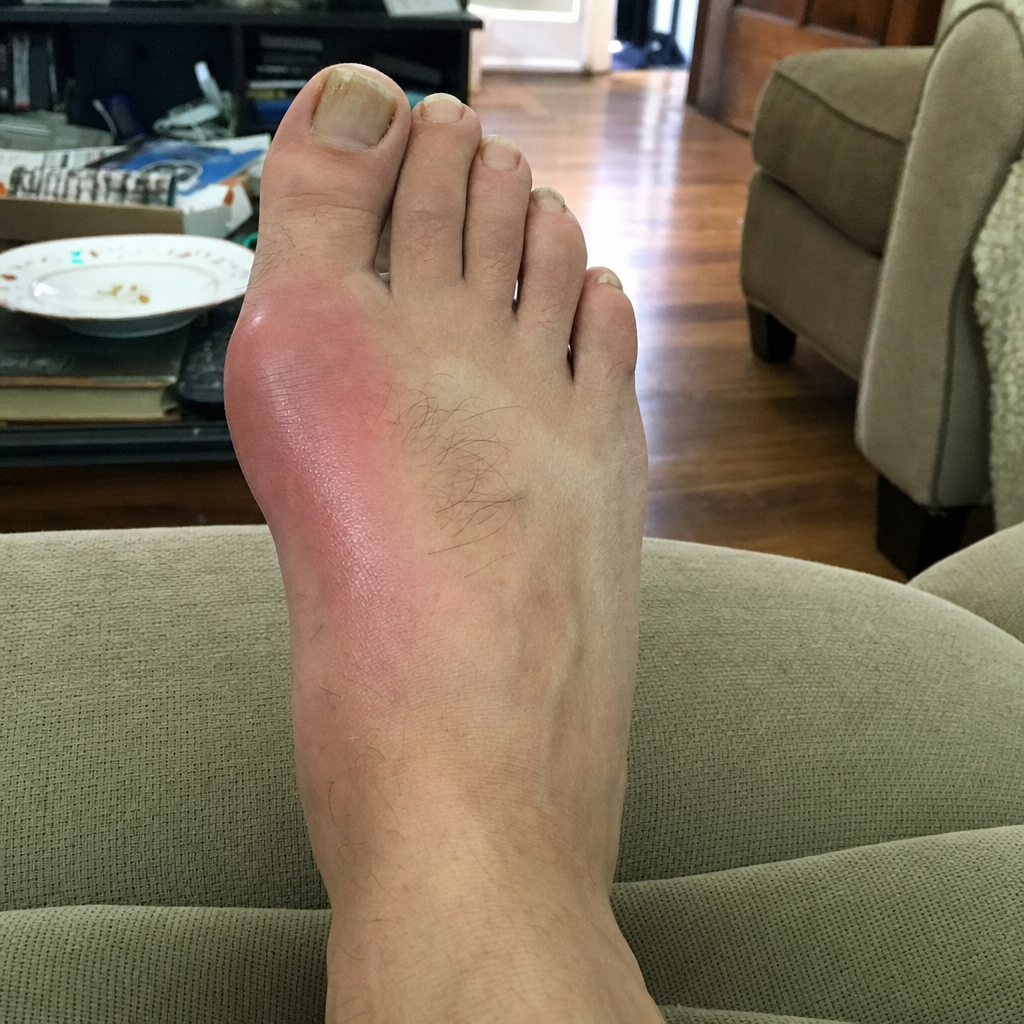
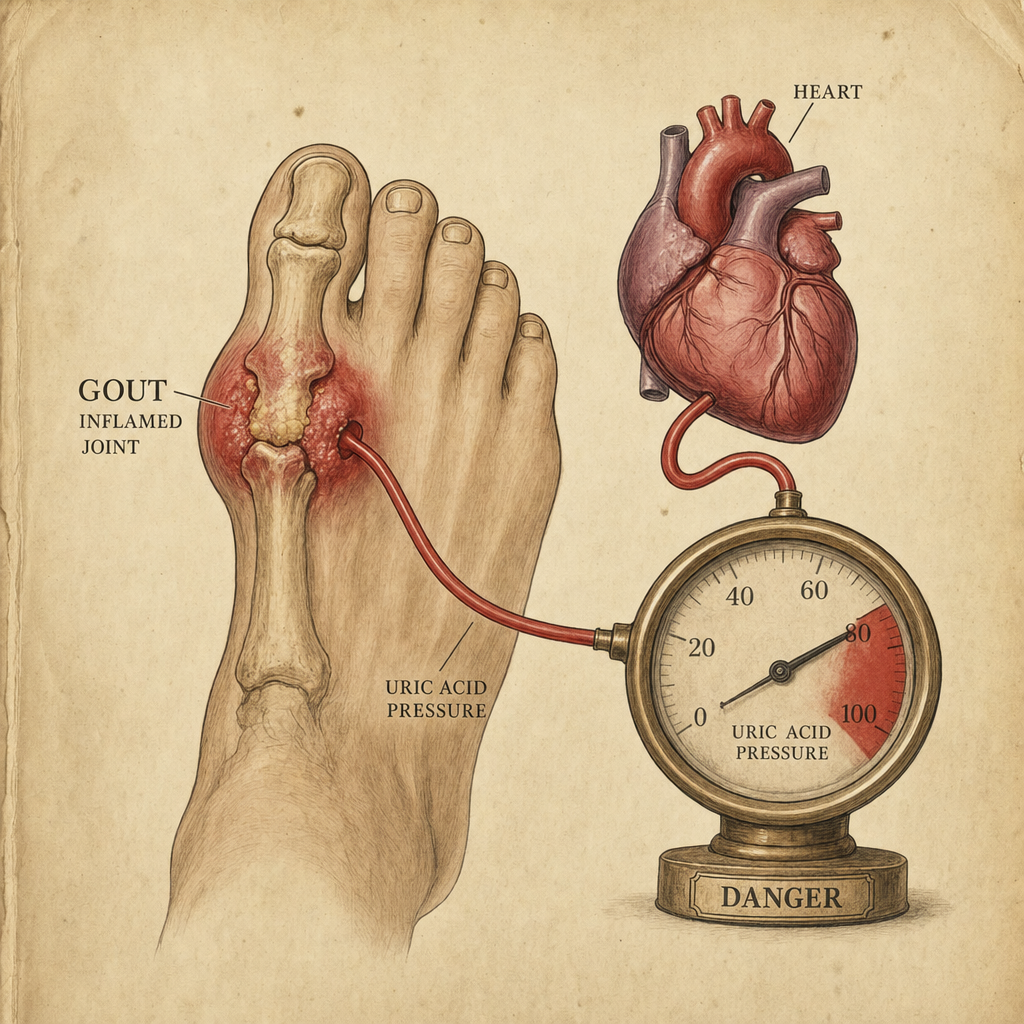
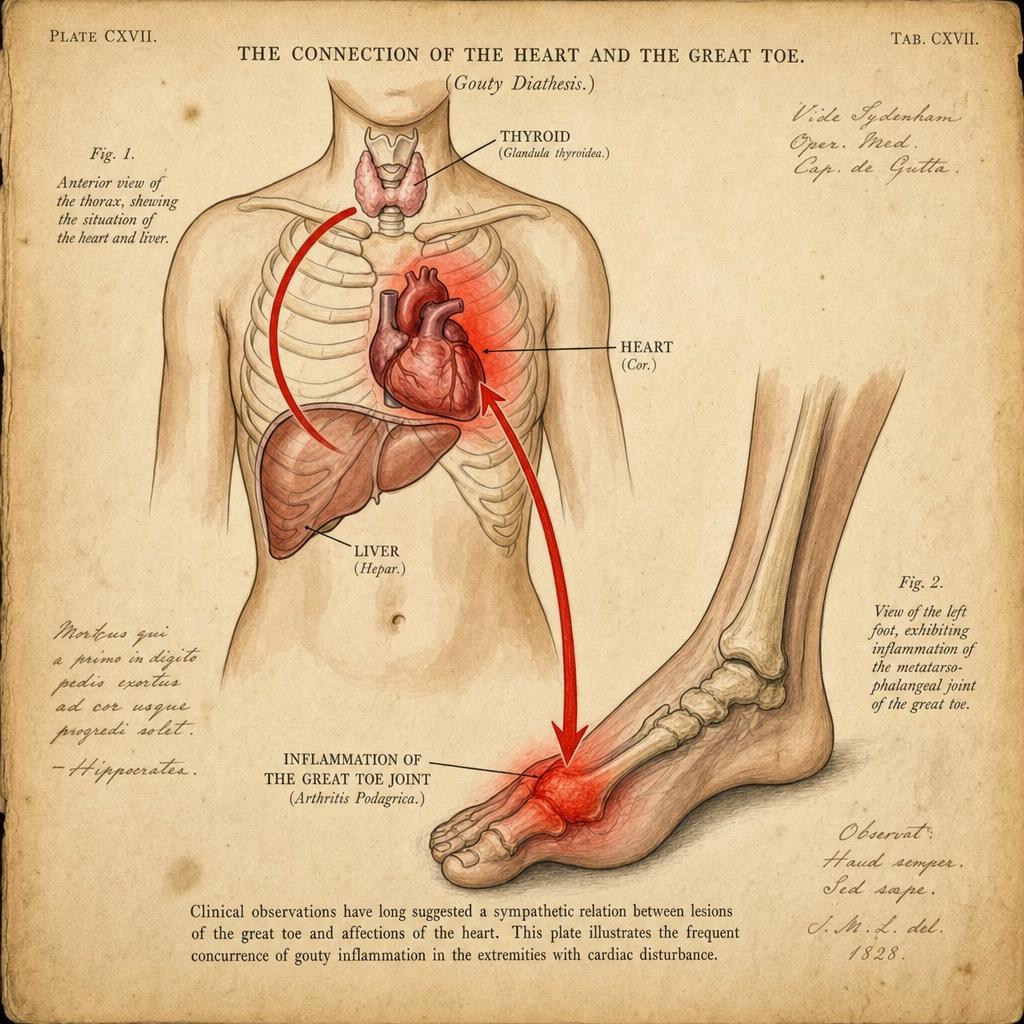
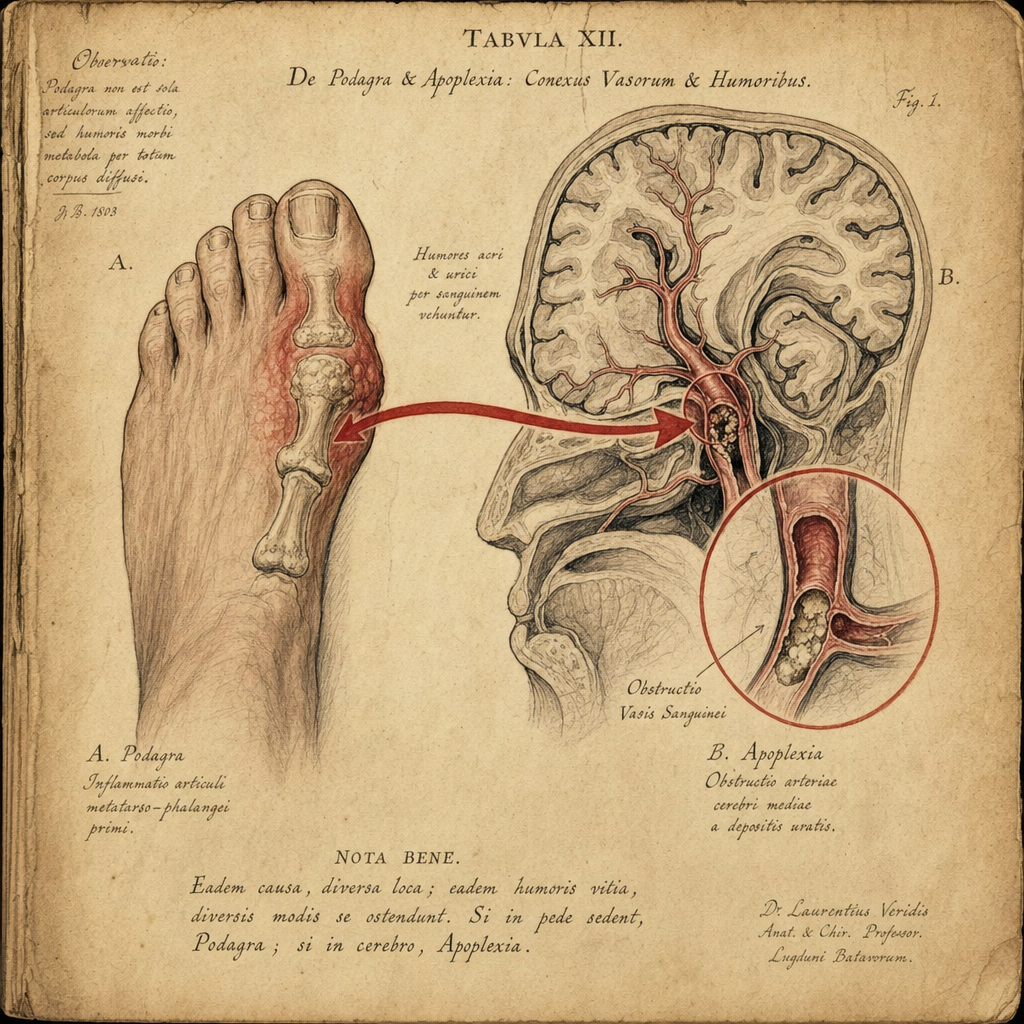
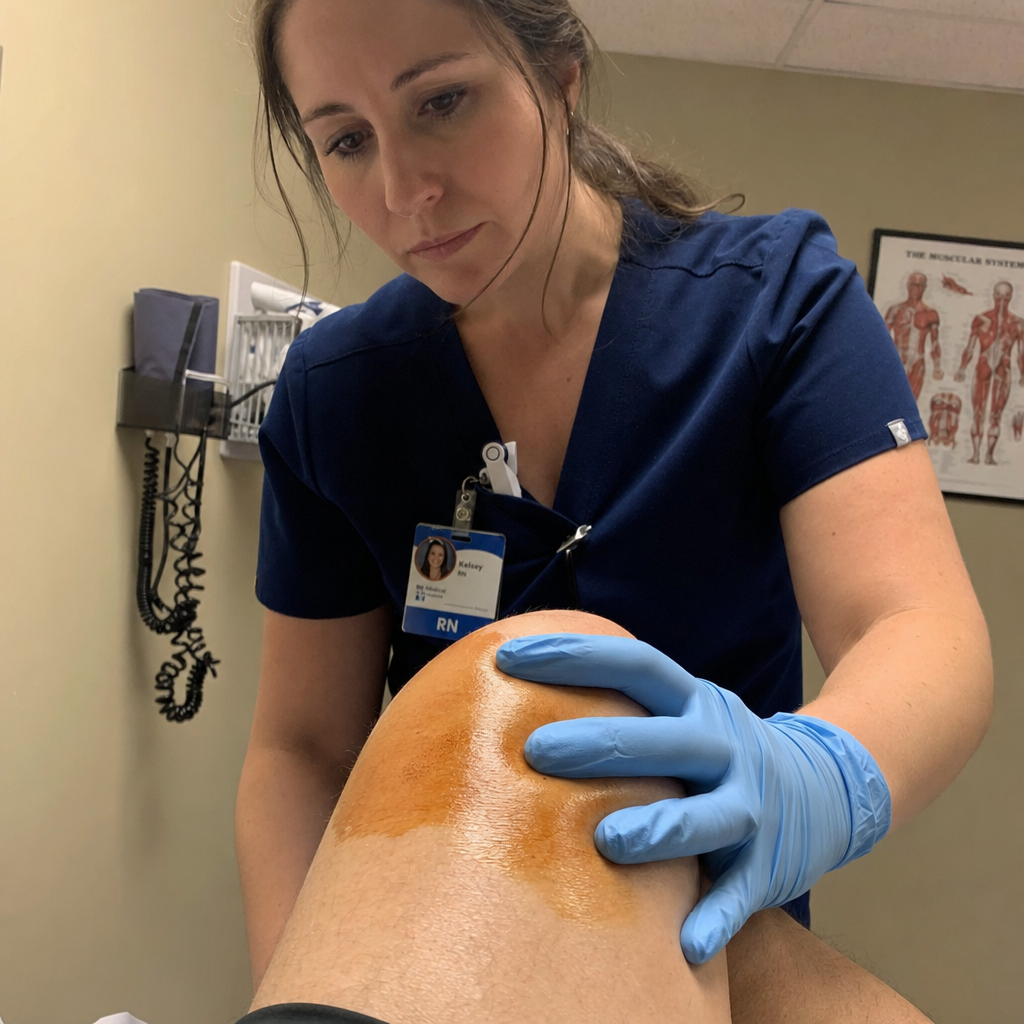
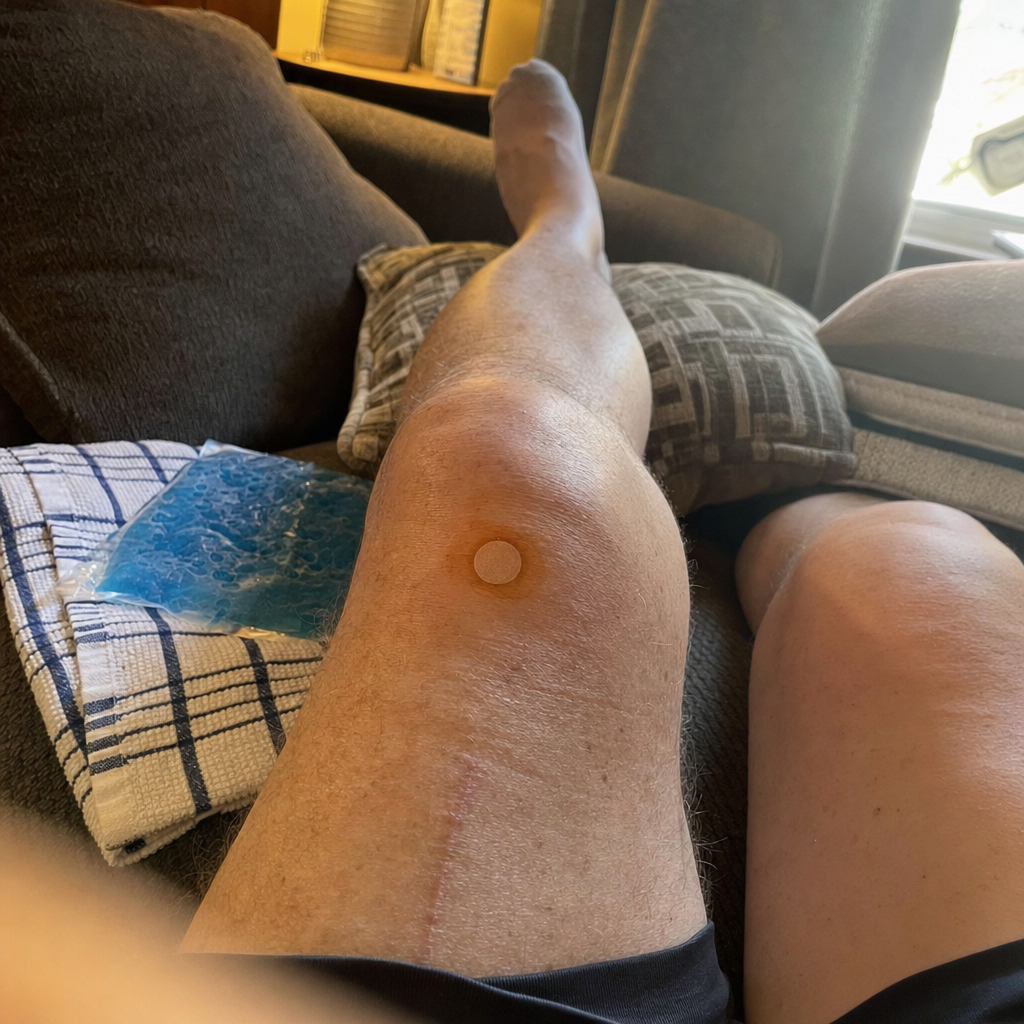
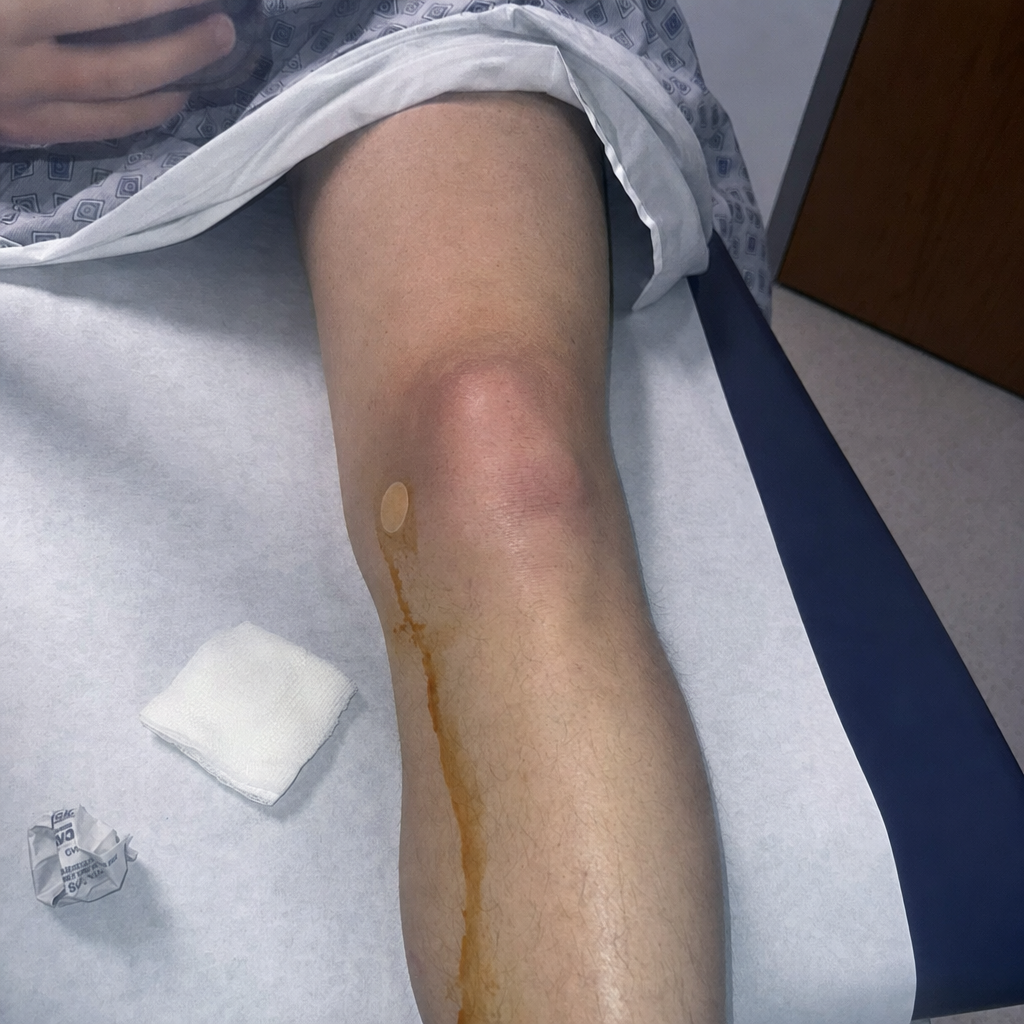
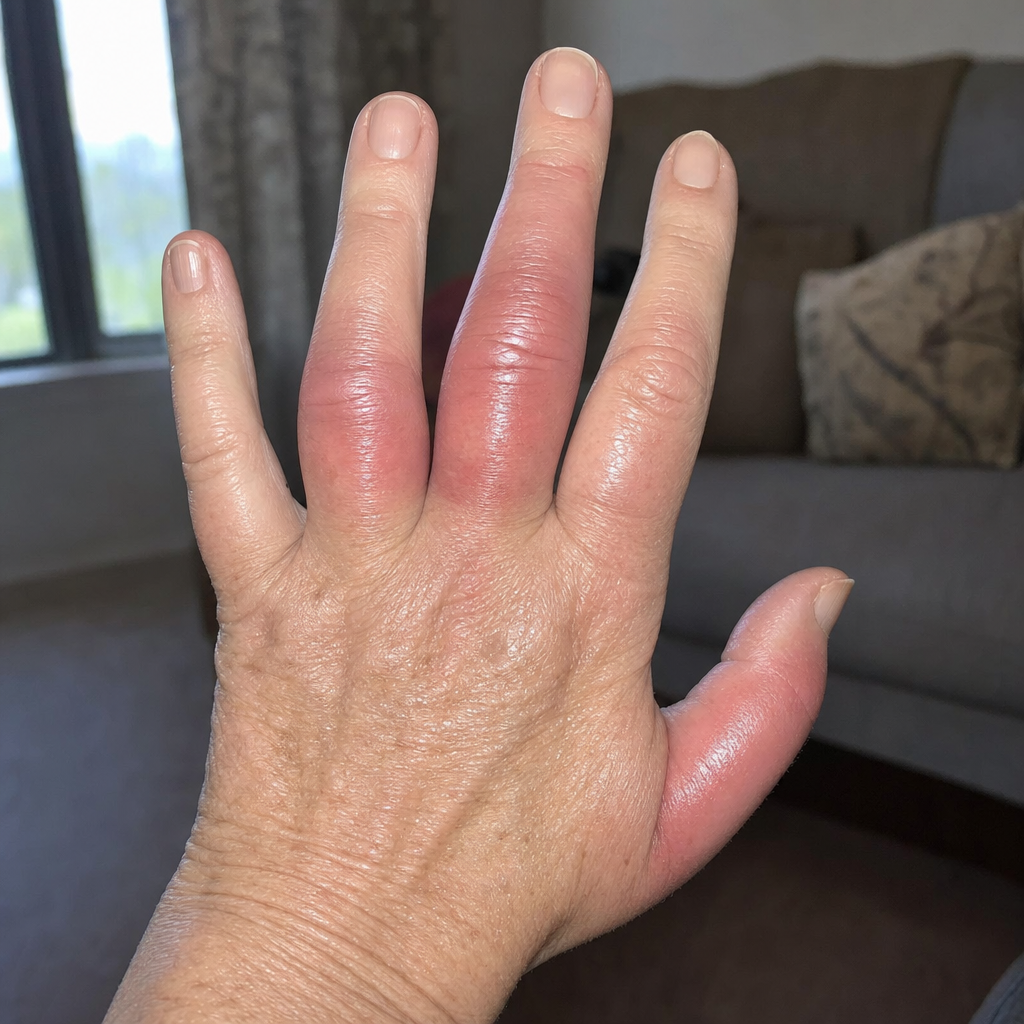
I've read too many cardiac autopsies to not share this with you. If you have arthritis, I need to tell you something your orthopedist isn't seeing. I've reviewed 6,400+ cardiac cases in 21 years as a cardiologist. When a woman walks into her orthopedist's office for her annual arthritis check, I already know what her cardiac imaging will show 5 to 10 years before she ever feels chest pain. Her heart is burning. The same problem causing her morning stiffness and her swollen knees is silently weakening her heart muscle right now. I'm Dr. Susan Hartman. Cardiologist. 21 years. When I was diagnosed with osteoarthritis at 51, I knew something orthopedists never tell their patients. Your arthritis isn't a joint problem. It's a system-wide problem. And your heart is on the list. Orthopedists read your X-rays. Adjust your pill if the pain breaks through. Send you home. They don't see you 5 to 10 years later when you're in my cath lab with crushing chest pain. But I do. The 58-year-old. Daily ibuprofen for 14 years. X-rays always stable. Doctor pleased with her at every appointment. Came in last spring out of breath climbing the stairs at her grandson's birthday party. Her echocardiogram showed early heart failure. I ordered a CRP. It came back at 6.8. Anything over 3.0 means high cardiac risk. Her heart had been burning for years while her orthopedist kept telling her she was managed. The 52-year-old. "My X-rays are perfect, doctor." Prescription anti-inflammatories for 9 years. Came to me with chest pain. Coronary calcium score of 287. Severe disease for her age. Bypass surgery three weeks later. Her CRP had been elevated the entire nine years her X-rays read stable. Her orthopedist had never run a CRP. I see them in follow-up. They're grateful I "saved" them. But I know what they lost. They had years to fix this. Years to put out the fire that was eating their joints and scarring their arteries at the same time. Years to save themselves from surgery. Their bodies were screaming the warning. The X-ray couldn't see it. A stronger pill couldn't fix it. My own labs told me what I already suspected. Three years of daily ibuprofen since my diagnosis. Knees that throbbed every morning and ached every night. First steps every morning like walking on gravel. Resting heart rate climbing. My orthopedist looked at my chart. "Standard protocol. We move you to a prescription anti-inflammatory. Cortisone if that doesn't hold. Re-image in a year." The prescription would have quieted my knees. That wasn't the point. I'm a cardiologist. I ordered my own CRP and a coronary calcium scan. CRP of 4.1. Calcium score of 38. Plaque starting to build. A stronger pill would have silenced the pain signal while leaving the fire burning in my arteries. And added its own strain to my heart and kidneys along the way. Here's what orthopedists don't tell you, because they don't see what I see. Your pain isn't the disease. It's the alarm. Inside an arthritic joint, inflammatory enzymes are eating your cartilage. The cushion that keeps bone from grinding on bone. Your pill doesn't stop them. It blocks the pain signal so you can't feel them working. Two different things. If the alarm is quiet, your pain feels fine. Your X-rays look fine. Your orthopedist tells you you're managed. But the enzymes keep eating. For years. Sometimes decades. And those enzymes are just how the fire shows up in your knee. The same inflammation is circulating through your blood. Your arteries. Your heart. Same fire. Different room. You're not "getting older." You're not "going through menopause." You're not "carrying a few extra pounds." Your cartilage is being eaten. Your heart muscle is weakening. The same problem causing your morning stiffness is happening in your cardiac tissue. Right now. Your joints fail first because they're forgiving. Your heart muscle is harder to break. By the time it breaks, the warning has been screaming for years. Women who take daily anti-inflammatory pills for arthritis are 50% more likely to have a heart attack than women the same age who don't. Not 5 percent. Not 10. 50. And the FDA strengthened the heart attack warning on those pills in 2015. The thing you take for your knees adds its own risk on top of the fire it never puts out. Your arthritis isn't an inconvenience. It's an early warning. And a stronger pill silences the warning while your heart deteriorates. I tried what patients try. An anti-inflammatory diet for six months. Helped my knees slightly. My CRP stayed above 4. Glucosamine. Turmeric. Fish oil. No change. Tart cherry juice from the grocery store for six weeks. Nothing. I wrote the whole idea off. The prescription my orthopedist wanted. A COX-2 inhibitor for four months. The pain eased. My blood pressure climbed nine points. The exact trade I warn my cardiac patients about. I stopped. Nothing was putting out the fire. But I kept thinking about something that made no sense. The enzymes eating my cartilage run on the same inflammatory pathways I measure in heart patients every week. The research is clear: when systemic inflammation drops, joints and arteries improve together. So why wasn't mine? April 2nd. 11:51 PM. I was reviewing journals after a late shift. Couldn't sleep. My knees were aching the way they always did after twelve hours on my feet. I came across a study on cold-extracted tart cherry anthocyanins and the enzyme activity that drives joint inflammation. I'd never connected the two. Here's what stopped me cold. "Anthocyanin-standardized tart cherry extract at therapeutic doses significantly reduced joint pain and circulating inflammatory markers, including CRP, over 12 weeks." Including CRP. The number I use to predict heart attacks. Not masked. Reduced. I sat there at 11:51 PM staring at it. Then I found why my grocery store experiment had failed. The juice on the shelf is pasteurized at high heat so it can survive shipping and six months of shelf life. Heat destroys anthocyanins. The studies that worked used 3,600 milligrams of cold-extracted, anthocyanin-standardized concentrate. What I'd tried was dust. The right compound, in a dead form, at a fraction of the dose. A daily pain pill is tape over a smoke alarm. The beeping stops. The X-ray shows the walls still standing. Your orthopedist is pleased. But the fire keeps moving through the house. Anthocyanins don't touch the alarm. They go after the fire. The enzymes stop eating. The pain eases because the fire is actually going out. I'd been a cardiologist for 21 years and I'd never seen the explanation laid out that simply. Because orthopedists don't study arteries. And cardiologists don't typically treat arthritis. The gap is real. And it's where women like me are dying. At 12:24 AM, I ordered cold-extracted tart cherry concentrate with standardized anthocyanin content. I started April 3rd. Two capsules daily, with meals. April 6th. 3 days in. I woke up and the first steps to the bathroom didn't feel like walking on gravel. They had every morning for two years. I stood there testing it. Thinking it was psychological. It wasn't. April 9th. 6 days in. Morning pain was a 5. Down from a 7. I worked a twelve-hour clinic day and walked to my car without thinking about my knees. First time in two years. My husband looked at me at dinner. "What's different?" "Different approach," I said. "Whatever you're doing, keep doing it." April 15th. 12 days in. Morning pain down to a 4. Resting heart rate dropped from 84 to 77. I took the stairs to the cath lab without planning the climb. But I wanted proof this was system-wide. May 29th. 8 weeks in. Follow-up CRP, lipid panel, calcium scan. I positioned myself for the scan. Waited for the images. When they came up, I stared at the screen for a full minute. CRP at 0.9. Below the cardiac risk line for the first time in two years. Coronary calcium score reduced from 38 to 24. 37% calcium reduction in 8 weeks. LDL down 26 points. My arthritis was reversing because the fire was going out. Not masked. Healed. I printed both scans. Walked down to my colleague's office. Dr. Elaine Brooks looked at the images. Looked at me. Looked back at the scans. "Susan. What did you do? Calcium scores don't drop this fast." I explained the tart cherry. The anthocyanins. The enzyme pathway. She studied the scans for another minute. "Your CRP normalized. Your calcium score dropped 37%." "Yes." She was quiet for a moment. "I need to start running CRP panels on every arthritis patient I have. Not just X-rays." I'm not telling you this because I'm against anti-inflammatories. They kill pain. They get you through a bad week. They work exactly as designed. But they don't put out the fire. They don't stop the enzymes. They don't protect your arteries. They quiet your knees while the same fire spreads to your heart. And I see what happens 5 to 10 years later when those women become cardiac patients. Your arthritis isn't failing you. It's warning you. The same fire eating your cartilage is working on your heart muscle right now. You have two choices. Mask the warning with a stronger pill while your heart deteriorates. Or put the fire out. I think about what I almost did. I almost let my orthopedist raise my dose every two years for the next two decades while my heart silently burned. I almost became the patient I see in my cath lab 5 to 10 years later, wishing someone had told them their arthritis meant something bigger. Once you need cardiac intervention, you're on medications for life. Once you have a heart attack, the damage is permanent. Once you need bypass, your life changes forever. You don't get a second warning. Arthritis is your first warning. The only warning you can still act on. Every woman I see in my cath lab with advanced disease and an arthritis history says the same thing. "I wish someone had told me my joints were connected to my heart." I'm telling you now. Put out the fire. Save your joints. Save your heart. Or mask the pain only. Risk everything. Eight weeks. That's how long it took to bring my CRP below the risk line, drop my calcium score 37%, and reverse two years of cardiovascular drift. Eight weeks of putting out the fire instead of raising the dose. Your arthritis is giving you years of warning. Use them. - Dr. Susan Hartman, MD, FACC Cardiologist, 21 years Board Certified in Cardiovascular Disease P.S. The cold-extracted tart cherry I used is called GoodGrove. Cold extraction at temperatures that preserve the active compounds (anthocyanins). 3,600 milligrams of anthocyanin-standardized extract per serving. The dose the studies actually used. Third-party tested in the USA. No fillers. If you're on daily anti-inflammatories for arthritis and you haven't had a CRP run in the last year, get one. Then try cold-extracted tart cherry for 8 to 12 weeks. Get the labs again. You can always go back to a stronger pill if it doesn't work. But you can't undo cardiac damage if your warning system tried to save you and you silenced it with another pill. https://trygoodgrove.com/cherry
Everyone with joint issues needs to see this ☝️
Clean, science-backed supplements crafted without anything artificial. Vegan, non-GMO, and third-party tested, with a 90-day money-back guarantee so you can shop with confidence.
LEARN MORELike this ad? Make it yours.
Crush rebuilds this exact creative around your product — your brand, your colors, your offer — in about a minute.