
Inactive· since May 30, 2026
- 102
- days it ran
- 0
- relaunches
Ad copy
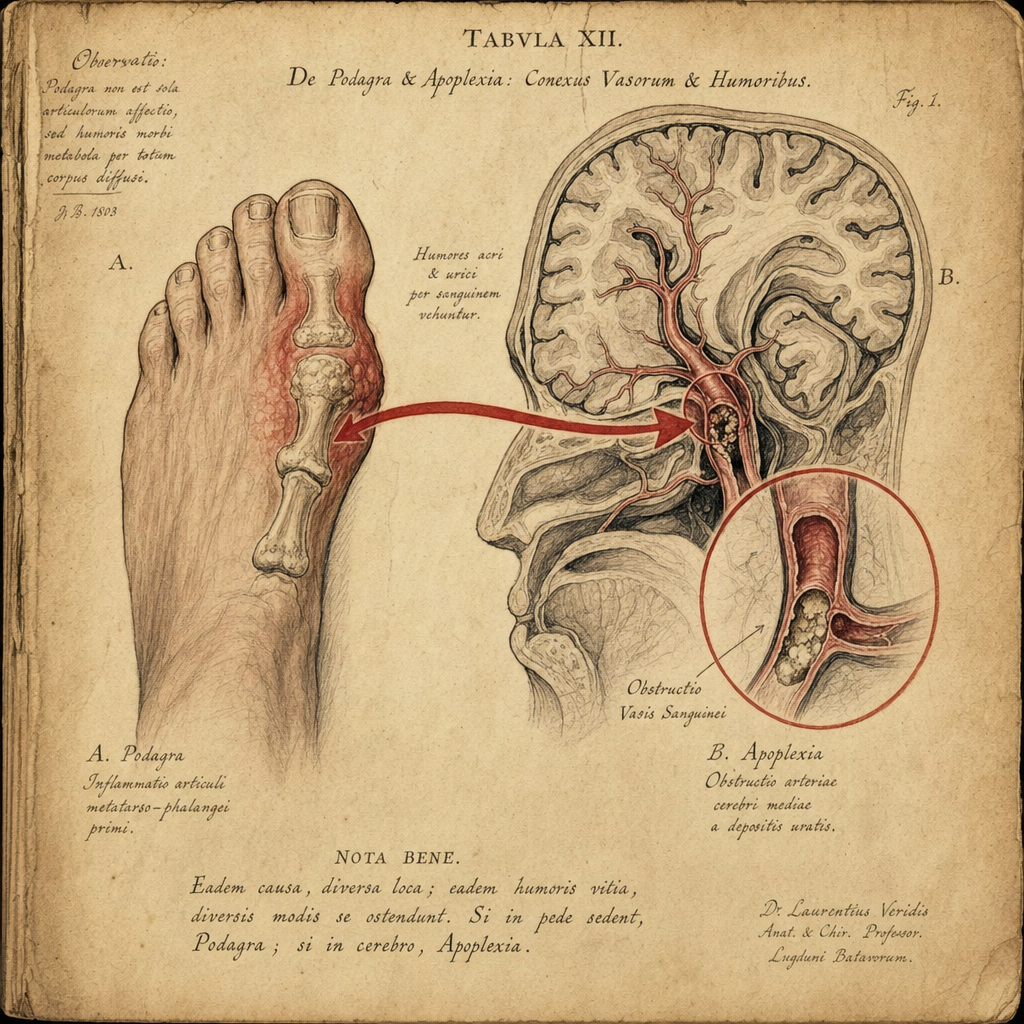
I saw a statistic that made me sick. Men who've had a gout flare are 4 times more likely to have a stroke than a normal man the same age. Not 10% more likely. Not two times. Four. I'd had gout for almost 15 years and not one doctor had ever mentioned my brain. But here's the truth. Your rheumatologist runs uric acid tests. Your cardiologist runs cardiac panels. The problem sits between them... and nobody is paid to look there. That's why most of us never heard this. That's why my father never heard it either. My father was part of that statistic. Nineteen years on Allopurinol. A stroke killed him at 71. I'm 58. Last month my doctor told me to raise my Allopurinol dose and start a statin. I refused. And what I found instead... on an Amish farm in Lancaster County, Pennsylvania... took me from flares every four weeks that had me crawling to the bathroom at 3 AM... to zero flares in four months and a uric acid number my doctor called "remarkable." No statin. No dose increase. But to understand why I was desperate enough to drive five hours to an Amish farm on a Tuesday morning, you have to know what I watched that medication do to my father. And what I didn't know it was quietly doing to me too. For 19 YEARS... almost two decades... my father was trapped on gout medication. Started with Allopurinol. His doctor called it "the gold standard." Said he'd be on it for life, but that was fine because his uric acid would stay controlled. His uric acid did stay controlled. Everything else fell apart. Within the first year the flares were less frequent but never gone. He'd go two months clean and then wake up at 2 AM unable to put weight on his right foot. Doctor said it was dietary triggers. By year five his energy was gone. This was a man who ran a hardware store for 30 years, on his feet from 7 AM. He was shuffling to the couch after dinner and asleep before 8. His kidney function started slipping around year eight. Long-term uric acid deposits do that. So his doctor added Lisinopril. Now it was a gout pill and a kidney pill. Two medications, same doctor, same chart, nobody connecting what was actually happening. And every time we brought it up, his doctor said the same thing. "His uric acid looks fine, Michael. The flares are from dietary triggers. He needs to cut out the red meat and the beer." He hadn't had a beer in six years. Cut out red meat three years before that. Diet wasn't the problem. My mother said it was like watching him disappear one flare at a time. They had him on those medications for NINETEEN YEARS. Nineteen years of the flares coming back anyway. Nineteen years of planning around the possibility that next week might be a bad week. Nineteen years of appointments where they'd adjust his dose or add another pill... but never once... not ONE TIME... did anyone say, "Maybe something is wrong that these medications aren't fixing." And then the stroke took him anyway. 71 years old. Seventy-one. Died in his recliner on a Sunday afternoon watching football. At the funeral my mother grabbed my arm and said something I'll never forget. "For 19 years they told him his uric acid was fine, Michael. They were wrong the whole time." So fast forward to four months ago. I'm 58. Diagnosed with gout at 43. I've been a good patient. Take my Allopurinol every morning. No alcohol. No shellfish. No red meat. Drink 80 ounces of water a day. Low-purine diet for six months. Basically vegetarian for a year and a half. I'm still having flares every four to six weeks. I go to my annual physical. Nurse does the weight. Wraps the cuff. 146/91. Pulse 82. Doctor pulls up my chart. Looks at me. "Michael, your uric acid is sitting at 7.2. Your blood pressure is up. Your cholesterol isn't where I'd like it. With your history, I think we should increase the Allopurinol and start you on a statin." My chest tightened. Allopurinol. Nineteen years of watching my father plan his life around the next flare. Nineteen years of him taking every pill on schedule. Nineteen years of his doctor telling him his numbers were fine while the flares kept coming. And then the stroke took him anyway. "No," I said. He blinked. "Excuse me?" "I'm not doing it. My father was on Allopurinol for 19 years. I watched what it did to him. And I watched the stroke kill him anyway." He leaned back. "Michael, we need to get your uric acid down and protect your heart. The statin—" "What's the point of more pills if they didn't save him?" He didn't have an answer. I told him to give me three months. He wasn't happy. Wrote something in my chart. I didn't care. For three months I did everything right. Cut my diet down even further. Drank more water than felt humanly possible. Added vitamin C. Took every supplement the forums recommended. Three months later I went back. Uric acid at 7.0. Down two tenths. Blood pressure the same. Doctor pulled out his prescription pad again. "Michael, it's time." "Give me three more months." "Michael—" "Three more months." He sighed. I didn't care what he wrote. That night I couldn't sleep. I kept thinking about my father. Same medication. Same labs coming back "in range" every year right until the Sunday afternoon they called me. At 2 AM I gave up. Went downstairs. Opened my laptop. I started searching. What actually causes gout to keep coming back when you're on medication and doing everything right. Why the flares never stop. Why uric acid settles in joints for years even when blood levels look controlled. Every site said the same thing. Take your Allopurinol. Drink more water. Eat less purine. Reduce stress. I'd done all of it. So I kept digging. Looking for people who'd actually solved this. Not managed it. Solved it. That's when I found the thread. A Reddit post with over 3,000 comments. The title... "Why don't Amish men get gout?" I almost scrolled past. But something made me click. Lancaster County, Pennsylvania. Gout rates a fraction of the national average. Not a little lower. A fraction. Person after person in the comments. Stories. Studies. Pictures of Amish men in their 70s and 80s, lean, mobile, doing hard physical work sunup to sundown. Someone posted a Google Maps link. An Amish farm. I looked at the clock. 2:39 AM. By 5:30 AM I was in my car. By noon I was in Pennsylvania. I didn't have an address. Just drove until I saw farmland. Turned down a dirt road when I spotted a hand-painted sign. "Vegetables and Preserves." First farm I came to, there was an old man on the porch working a piece of equipment I didn't recognize. Had to be in his mid-80s. Lean. Straight-backed. His hands moved like he'd done this ten thousand times. No stiffness. No hesitation. Just easy, steady work. I parked and walked up to the porch. By the time I reached the steps I was winded. "Excuse me," I said. "I don't want to bother you. But how old are you?" He looked up with steady, clear eyes. "Eighty-three." I stood there. 58 years old. Out of breath from crossing a yard. And this man 25 years older moving like someone half his age. "I'm 58," I said. "I have gout. My doctor wants me on more medication. My father took those pills for 19 years. A stroke killed him at 71." He set down his work. Looked at me for a long moment. "You came here for a reason," he said. "Come inside. I'll show you something." His kitchen smelled like coffee and sawdust. He poured me a cup without asking. Pulled out a chair. "Your pills," he said. "They're fighting the wrong battle." I didn't understand. "Allopurinol stops your body from making uric acid. That's all it does. But the reason your body is overproducing it — or not clearing it fast enough — that part nobody's touching." He folded his hands on the table. "Uric acid isn't the problem. It's the signal. Your body makes too much when inflammation is running too high. The pill lowers the number. But the fire that's driving the number keeps burning." He tapped the table once. "And here's what your doctor isn't telling you. When uric acid crystals form in a joint, they don't disappear when your blood level comes down. They sit there. Weeks. Months. Sometimes years. Every time your body gets inflamed — a bad meal, a hard week, a cold — those crystals trigger a flare. The medication doesn't touch the crystals already in your joints." I stared at him. "So the reason you keep flaring on medication is that you have years of crystal deposits the pill never cleared. Your blood level looks controlled. Your joints are still full of what built up before. And they'll stay full until something addresses the inflammation directly." He shook his head slowly. "And here's the part that will make you angry. Allopurinol doesn't reduce inflammation. It lowers production. Those are two different things. The crystals stay. The joint damage accumulates. And your immune system keeps triggering the same inflammatory response that strains your blood vessels, raises your blood pressure, and puts constant stress on your brain." He looked me straight in the eye. "That's why gout patients end up with strokes. It's not a coincidence. It's the same inflammation. Shows up in your toe. Shows up in your cerebral artery. Same fire. Different room." My eyes started to burn. "That's why you still flare when your numbers look right. That's why your blood pressure keeps creeping up. And no water fixes it. No diet fully fixes it. Because none of those things put out the underlying fire fast enough to clear what's already in those joints." He reached across the table and tapped once. "That is what killed your father. His uric acid was 'in range.' But the crystals were still there. The inflammation kept running. And his brain paid for it every day while his doctor told him he was fine." I asked him how he knew. He smiled. A small smile. "My grandfather grew tart cherries on this land. His grandfather before him. Three hundred years of men on this farm with clear joints. We didn't need a study to tell us what we could see." Tart cherry. I'd tried the juice from the grocery store for two months. Did nothing. He must have read my face. "That's not what you think it is," he said. "What's in your grocery store is dust." He stood up. Walked to a shelf along the wall. Pulled down a dark glass jar. Inside was a deep red concentrate, almost burgundy. "The grocery store juice is pasteurized at high heat because it has to survive shipping and a six-month shelf life. Heat destroys the anthocyanins. Those are the compounds that actually block the inflammatory enzymes — the same enzymes your joints are lit up with. By the time that bottle reaches the shelf, most of what mattered is gone." He held up the jar. "Real tart cherry has to be processed cold. And you need a therapeutic dose — not a splash of juice. The studies that showed results used 3,600 milligrams of anthocyanin-standardized extract. Not juice. Not a light capsule. Concentrated, standardized, cold-extracted." He set the jar down. "Most supplements don't list the anthocyanin content at all. Because if they did, you'd see how little is actually there. They use heat-dried powder to keep costs low. Grind it with filler. The men who buy it get nothing. Their joints stay full. Their inflammation keeps running. Their doctors keep raising the dose." He looked at me. "But get enough anthocyanins — real ones, at the right dose — and that's where everything changes. Instead of just lowering your numbers, they go after the inflammation that's been driving the flares. The crystals clear out and stop triggering. The strain on your blood vessels finally lets up." I asked him if anyone sold this the way he was describing. He nodded. "My son. Spent years getting it right. Cold extraction. Standardized anthocyanin content. Third-party tested in the USA." He wrote the name on a piece of paper and handed it to me. GoodGrove. I ordered it from his kitchen table. Bottle arrived a few days later. I took the first capsules that evening. Sat on my back porch. Waited. What happened over the next few weeks changed my life. Week one. No flare. The twinges in my right big toe started to go quiet for the first time in years. Week two. Uric acid at 6.4. Down from 7.0. I tested it twice. 6.4 both times. Week three. Still no flare. Somewhere around day 18 I realized I hadn't thought about my foot when I got out of bed that morning. Hadn't braced for it. Just stood up and walked to the bathroom. Week four. Uric acid at 5.9. I sat in my car in the parking lot and looked at the number for a long time. 5.9. Actually in range. Not "technically controlled but still flaring" in range. My follow-up was at the end of month two. The nurse weighed me. Wrapped the cuff. Did it. Frowned. Did it again. "128 over 82. Pulse 71." Doctor walked in. Pulled up my chart. Stopped. Scrolled. Looked at me. "Michael. What did you change?" I told him. The Amish farmer. His son's company. The cold-extracted tart cherry. The standardized anthocyanin content. The dose. He typed. Nodded slowly. "Let's run your full panel in four weeks. If the uric acid holds and your cholesterol comes down... we hold on the statin and the dose increase." Four weeks later my uric acid was 5.7. LDL down 22 points. No statin. No dose increase. That was four months ago. My uric acid this morning? 5.4. Zero flares in four months. Without another pill. Without another cut to my diet. Without living in fear of what next week might bring. My blood pressure runs 122 to 130 now. My resting heart rate is 68. I sleep through the night. Last weekend I hiked a trail I used to do with my father before the gout got bad. Five miles. Uneven ground. I kept waiting for that familiar warning sensation in my toe. It never came. I sat at the trailhead afterward and thought about him. I called my mother that night. Told her my numbers. Long silence. "Your father tried everything they told him to try, Michael. He just never found this." If you're reading this, you probably see yourself in my story. Your labs are "controlled" and you still flare every few weeks. Your doctor has mentioned a higher dose, or a statin, or asked about your kidneys in the same breath as your uric acid. You've tried the low-purine diet. You've tried celery seed. You've tried the grocery store tart cherry juice. You've tried drinking more water than any human being should reasonably drink. They didn't work. But now you know why. You weren't taking real tart cherry extract. You were taking heat-dried powder that had the anthocyanins cooked out of it. The inflammatory enzymes in your joints never got blocked. The crystals already sitting in your tissue never stopped triggering flares. And your brain has been absorbing that inflammation this whole time... just like my father's was... while your doctor watched the uric acid number and called you controlled. GoodGrove is different. Cold-extracted tart cherry concentrate, not heat-dried powder. 3,600 milligrams of anthocyanin-standardized extract per serving, not the token doses in grocery store capsules. Third-party tested in the USA. No fillers. Two capsules a day. Try GoodGrove for 90 days. Watch what happens to your joints. Check your resting heart rate before bed. Ask your doctor for a basic cardiovascular panel at day 60. If the uric acid isn't moving, if the flares haven't slowed, if your markers haven't improved... full refund. No questions. You're at a crossroads. One path. Keep taking the Allopurinol. Keep having flares every few weeks and calling it managed. Add the statin when your cholesterol goes up. Add the Lisinopril when your kidneys start showing strain. Spend the next 20 years managing numbers while the real fire never gets put out. End up where my father did. Another path. Try what I tried. Block the inflammatory enzymes Allopurinol doesn't touch. Start clearing the crystal-triggered inflammation that's been running in your joints for years. Protect your brain at the same time. Track your numbers. See what changes in 90 days. I chose the second path. It gave me my joints back. And it may have saved my life. The medical system isn't coming to save you. Your rheumatologist isn't looking at your brain. Your neurologist isn't looking at your uric acid. Nobody is looking at the inflammation connecting both. Every year you wait is another year of crystal deposits accumulating. Another year of low-grade inflammation stressing your blood vessels. Another year closer to becoming the statistic I refuse to be. My father didn't have this information. You do. —Michael Delaney https://trygoodgrove.com/tart-cherry P.S. My uric acid dropped from 7.0 to 5.9 by week four. Zero flares in four months. No statin and no dose increase at the two-month follow-up. LDL down 22 points at month three. Your timeline might be different. But you won't know until you try. P.P.S. My older brother Dan started GoodGrove six weeks after I did. He's 62. Gout since his mid-40s. His last uric acid came back at 5.6 — lowest it's ever been on or off medication. He called me last week, holding back tears. "I'm not going to end up like Dad." Neither am I. Neither should you.
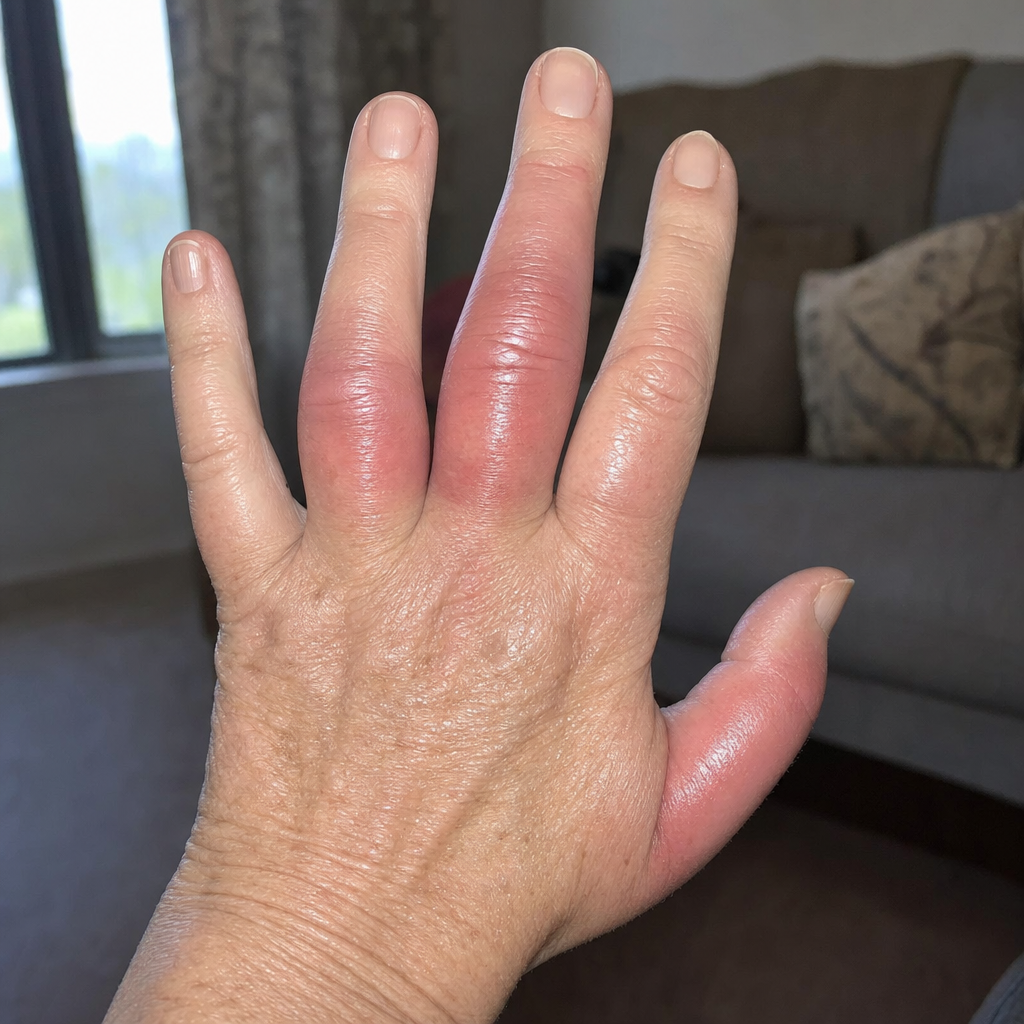
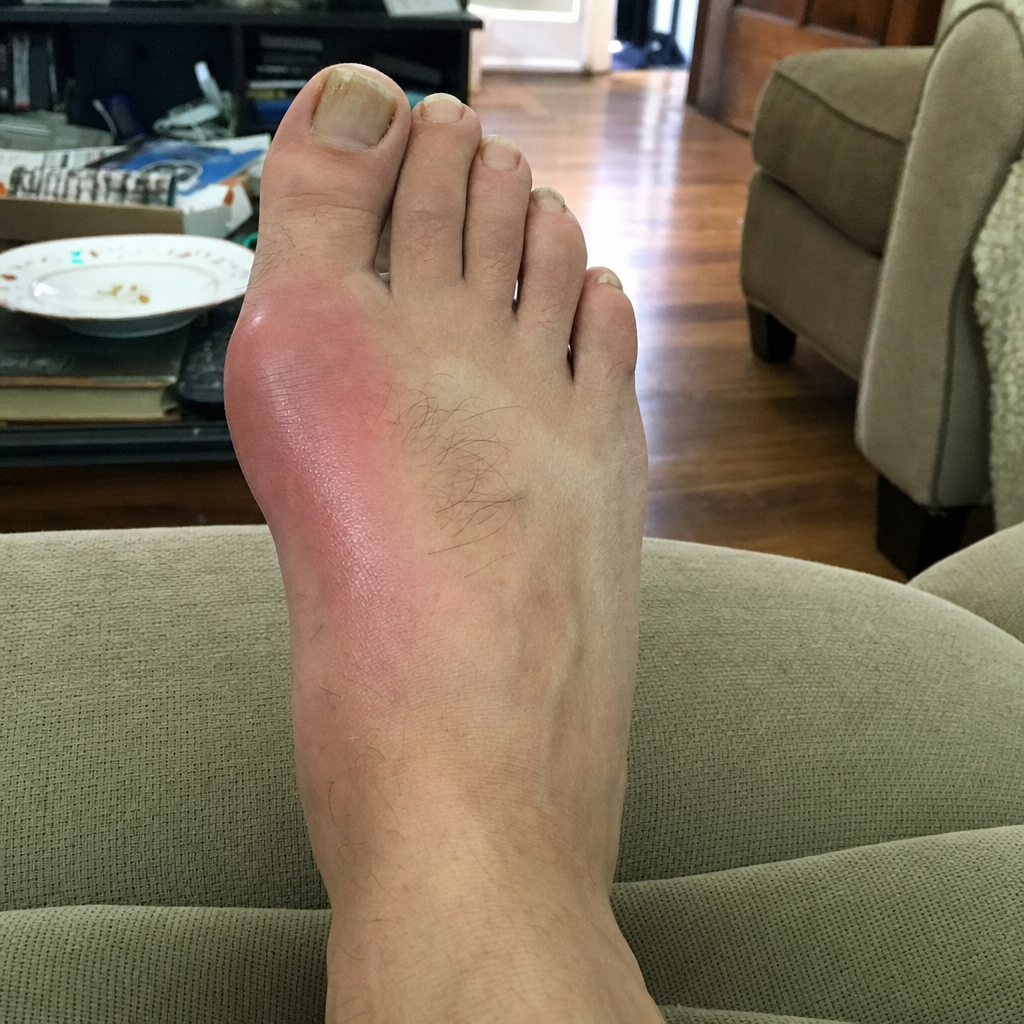
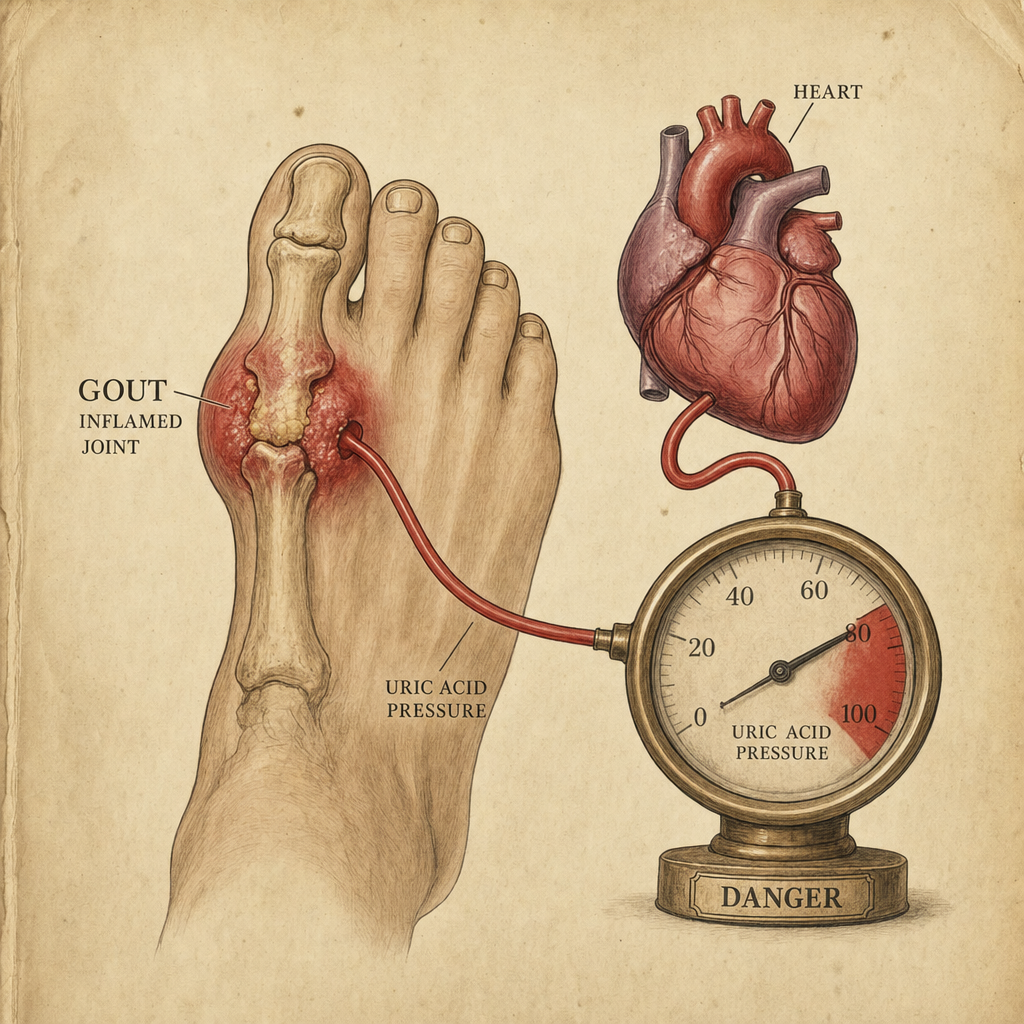
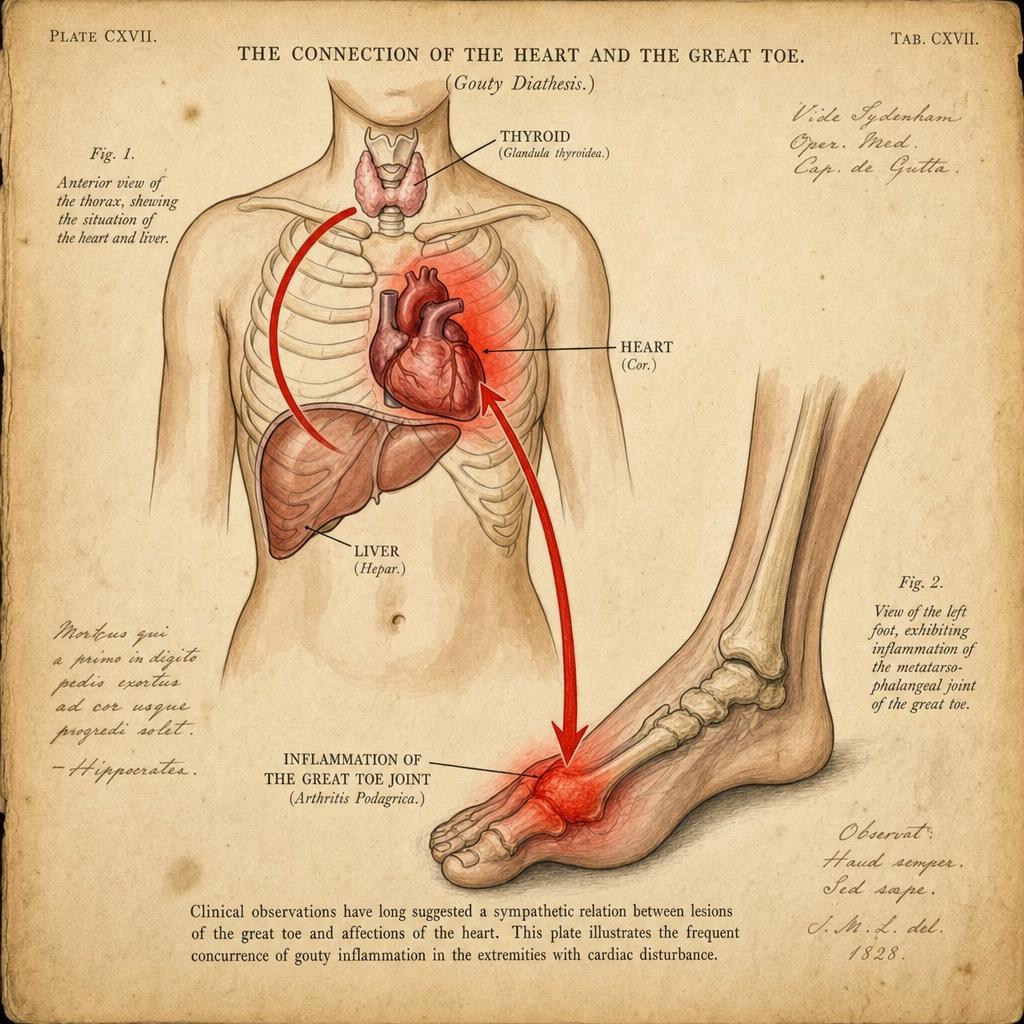
Everyone with gout flare-ups needs to see this ☝️
High-potency 3,600mg tart cherry extract. Cold-processed to preserve natural anthocyanins for maximum joint relief, uric acid flush, and post-activity recovery.
LEARN MORELike this ad? Make it yours.
Crush rebuilds this exact creative around your product — your brand, your colors, your offer — in about a minute.