Listen Library
Listen Library Facebook ad: “To Find Out Download Now!”
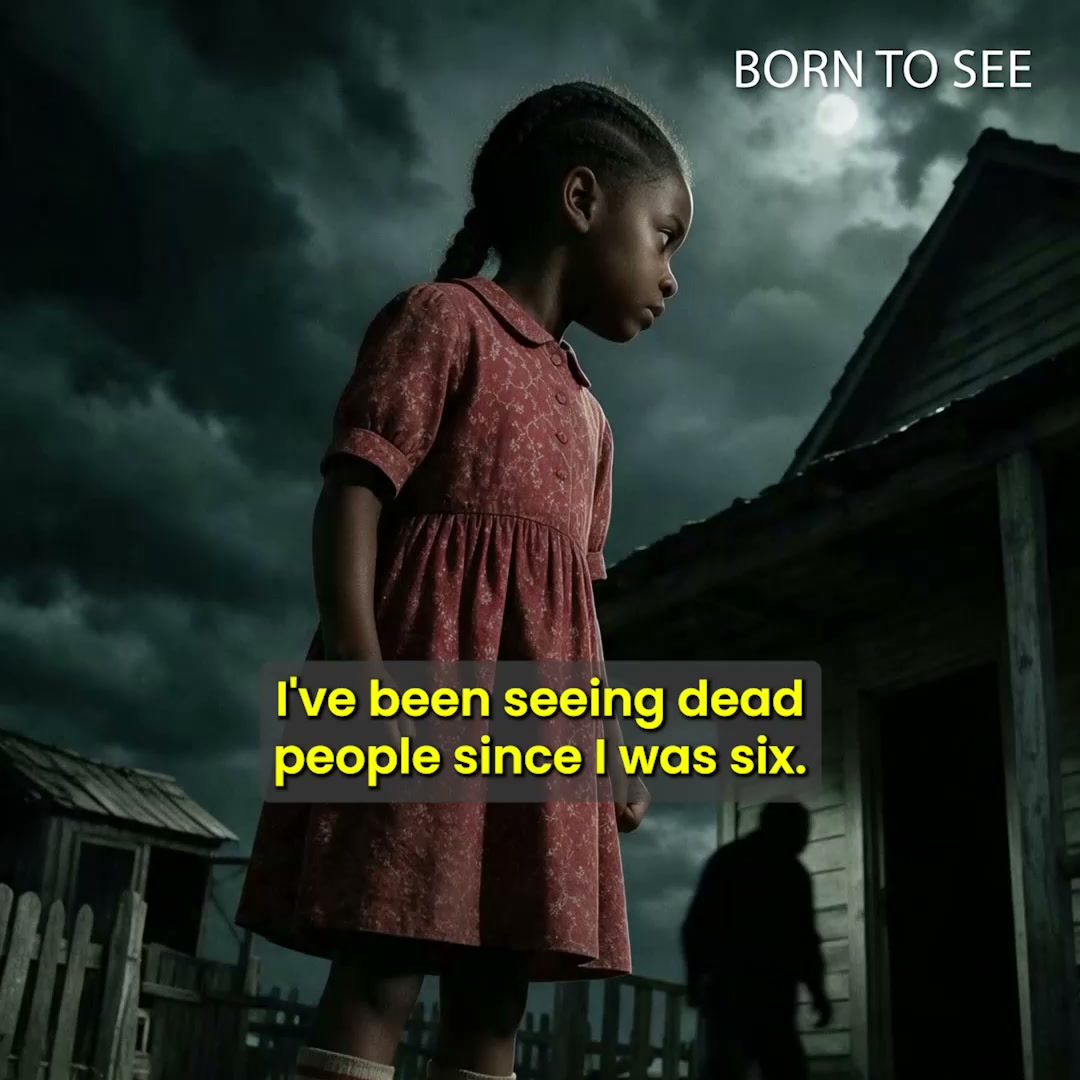
Ran for 2 days, from September 24 to September 26, 2026, the last day Crush saw it.
Run by Listen Library on Facebook. Crush is not the advertiser and does not verify its claims. See this ad in Meta's Ad Library(opens in a new tab)
Want an ad like this for your product?
Crush makes new ad images for your product from this ad: your logo, your product photo, your offer.
Trials from $19.95 USD, then $79.95 USD a month. Cancel anytime.
About this ad
- Meta Ad Library ID
- 1721322778949732
- Platforms
- Facebook and Instagram
- Relaunches
- 0
- Niche
- Parenting & Kids
Ad text
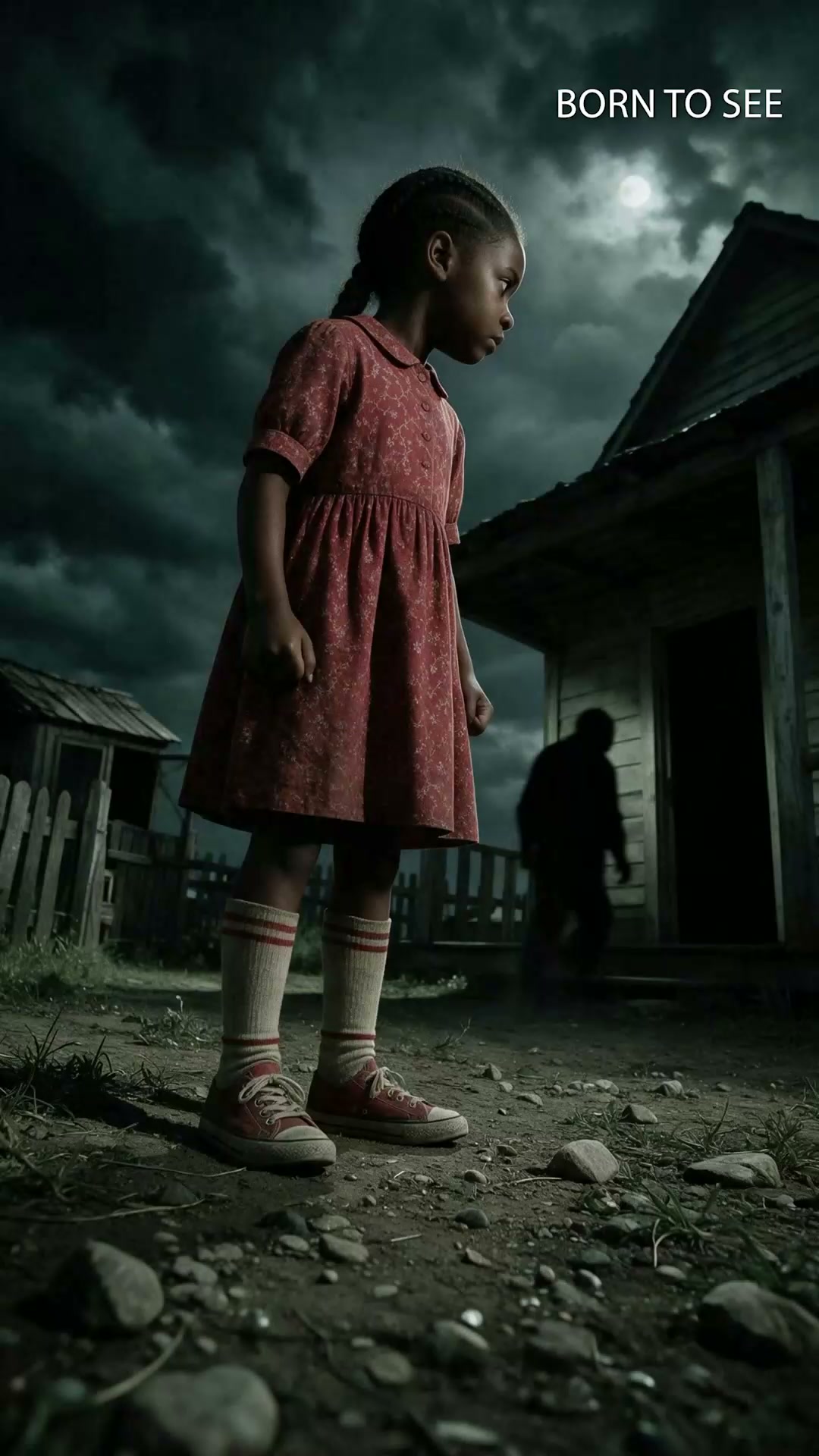
I've been seeing dead people since I was six. Standing in doorways. Sitting on the edge of the hearth-bed. Walking down the road with their faces turned the wrong way. Real enough that I reached out once, when I was seven, and my hand went through a shoulder like smoke through smoke. Sometimes, voices call out my name in the dead of night. Other times, I see shapes that should not be in the yard. This is the story of Laura. A girl born on the outskirts of Pittsburgh. It all started before she was even born. Her mother had spent years unable to conceive. Doctors declared them both healthy. The marriage strained under the weight of an empty house. And then one evening, riding her bicycle along a river road at dusk to visit a sick relative, her mother found an old woman sitting on the bank — alone, still, staring at the water in a fine yellow dress, her hair entirely white. She offered the old woman a ride. She pushed her bicycle along the bumpy dirt road in the dark for so long that her shoulders ached. The old woman said nothing except "up ahead" whenever asked where she lived. Just before they reached the village entrance, the old woman said, "No need. I'm home." Her mother turned around. The back of the bicycle was empty. There had been no sound. No footstep. No rustling in the grass. The old woman with the white hair and the black embroidered shoes had simply ceased to exist. Three days later, her mother woke from a fever. And discovered she was pregnant. People in the neighbourhood whispered about it for years. Some said the white hair meant a fox spirit. Some said the yellow dress meant a weasel spirit. But everyone agreed on one thing: whoever, or whatever, that old woman was — she had chosen to leave a child behind in the world. That child was Laura. She arrived at Pittsburgh Maternity Hospital on the back of a rumbling tractor, three days and three nights after her mother's labour began at home. She was born silent. Amniotic fluid blocked her mouth and she had already stopped breathing by the time the doctors pulled her out. They pressed. They pumped. Nothing. And then a nurse in a dim delivery room — used her own mouth to clear Laura's airway. One beat of silence. And then a cry that echoed through the entire corridor. Her father sprinted out to announce the birth of his long-awaited son. The doctor corrected him. He stared at the baby girl and left. Laura's mother lay in the hospital bed, alone, kept going for two days by a nurse's offhand remark: that a child who survives a great ordeal is destined for a great fortune. She was not wrong. But fortune, as it turns out, rarely comes without cost. Laura came into the world in the most impossible way possible, survived things that should have finished her, and spent her entire childhood in a neighbourhood where spirits were as real as neighbours, where the rules of the living world bent without warning, and where the things most worth fearing sometimes wore human faces. From the day her younger brother was born, Laura's world split in two. The split was not announced. There was no argument, no formal withdrawal of affection. It happened the way most quiet cruelties happen in families — gradually, then all at once. Her mother entered her lying-in period. Her grandmother volunteered to take Laura home with her. Laura, just a little over one year old, packed her blankets and her pillows and moved out. She was smart enough to understand what was happening, even then. She could speak in full sentences at ten months. She could walk by eleven. By the age of one she could recite the family tree. And she understood, with the sharp unfailing logic of a small child who has not yet learned to look away from the truth, that her mother's attention had a new address. That the house she had known as hers now belonged to someone else — a boy, a son, the heir the entire family had wanted for a generation. Every auntie, every grandmother, every neighbourhood woman who had been quietly resentful of her mother's luck would lean down to Laura in those first months and say the same thing: Your mother has your little brother now. She doesn't want you anymore. Laura was just one year old when she absorbed this information. Then, on the day her brother turned one month old, her mother brought her back to visit. The whole family had gathered — a dozen people around a big table, the baby's christening party kept quiet because his birth already violated the strict Family Responsibility Act in force across Pittsburgh at the time, an act that had sent family services agents to the door more than once, threatening fines and worse. There was food. There was noise. There was her brother — tiny, dark-skinned, already the darling of every man at the table — being passed from her grandfather's arms to her great-uncle's arms without ever touching the ground. Laura sat. She watched. She ate. At some point during the meal, in the way that distracted adults lose track of a quiet child who seems perfectly content, everyone stopped paying attention to her. They drank. They gossiped. They celebrated. The heavy quilt door curtain hung across the bedroom door. Inside the bedroom, her brother lay sleeping on the hearth-bed. Laura climbed onto a small stool beside him. She picked up a pillow. And she pressed it down over his face. She held it there, muttering to herself: Go to hell. You tried to steal my mom. You tried to steal my home. Her brother flailed. His arms moved in the slow, panicked way of a baby who cannot understand what is happening to it. He could not cry — there was no air for crying. By the time her mother lifted the quilt door curtain and screamed, his face had turned red and then purple, his mouth open in a silent O. She was, in her mother's words, a hair's breadth from succeeding. They took him to the local clinic. Laura was carried out by her grandmother, who was terrified of what the men in the family would do if they found out. Standing alone in the yard, surrounded by a celebration that was no longer hers, Laura cried — not from guilt but from the loss she had been carrying since the moment she packed her blankets and left. This is no longer my home. That is no longer my mother. From that day on, she lived with her grandmother. And everything changed. The One Thousand Nine Hundred Eightys on the outskirts of Pittsburgh were dull in a way that forced people inward. Almost no television — static, mostly, on the rare sets that families owned. After dark, there was nothing to do but talk. So people talked. They gathered on hearth-beds by candlelight during power cuts and told stories. Not invented stories. Stories that had happened — stories that lived in the neighbourhood the way old furniture lives in a house, unremarkable until you look closely, impossible to look away from once you do. Laura's grandmother was a gifted teller of these stories, and through her, Laura learned the rules of the world she actually lived in. The first and most important rule: in this part of Pittsburgh, the Five Great Spirits were not legend. They were neighbours. The Fox, the Weasel, the Hedgehog, the Snake, the Rat — animals that people avoided provoking the way one avoids provoking a dangerous authority. To disturb them was to invite consequences. To harm them was to guarantee it. Laura's grandfather knew this better than most. He had been the production brigade leader for years — the man the village called when things went wrong. He had been called, one winter night, when a harmless village drunk named the Dimwit staggered home past the threshing ground, needed to relieve himself against a haystack, and accidentally urinated into a hedgehog's nest. The mother hedgehog crawled out. He kicked it. It flew ten meters into the dark. By midnight the Dimwit was on all fours on his bedroom floor, his ten fingernails broken and bleeding, crawling in slow circles, muttering: I want to go home. I want to go home. His mother ran to Grandfather. Grandfather called Old Silas Merrick — the most well-known fortune teller in the surrounding villages, an old man who smoked a long-stemmed pipe, said very little, and had never yet been wrong about what was haunting someone. Old Merrick looked at the crawling man and exhaled a slow wisp of smoke. He's bewitched, he said. Not by something dirty. By something he offended. Grandfather gathered a dozen young men and followed the route back to the threshing ground. They found the mother hedgehog still crawling — injured, bleeding — making sounds that uncannily echoed the man in the house. Old Merrick told them to find the nest and clear it by hand. Everyone stood in silence. Nobody moved. Then Grandfather rolled up his sleeves and started digging. Inside the damp haystack: a nest of baby hedgehogs, fur not yet grown, eyes not yet open. Old Merrick lay down beside the mother and spoke to her quietly — as naturally as a man speaking to a neighbour over a fence. He explained what had happened. He said the man was a simpleton. He reminded her, mother to mother, that her babies were safe now. He bowed. The hedgehog circled her young once, as though counting. Then she raised her head and nodded. By morning, the Dimwit was sitting up asking for breakfast. Grandfather told his own story too — one from years later, when he and a trusted neighbour named Station Master Shepherd, the manager of the town's grain co-op, climbed a mountain after dark on an urgent errand. Station Master Shepherd's wife was gravely ill. He had heard of a reclusive master who lived halfway up the mountain and was said to have the ability to extend life for those whose time was nearly up. It was an act of desperation, and both men knew it. They had been warned by an old man at the foot of the mountain not to go up at night. They went anyway. They climbed for hours. The bluestone steps gleamed white under a bright autumn moon. Then Grandfather noticed something wrong. He recognised a particular stone platform — a place they had rested and smoked. He marked it with cigarette ash, placed a stone on top, and kept climbing. An hour later, the same platform appeared again ahead of them. The mark was there. The stone was there. His own ash. Still fresh. They had been walking in circles for hours on a mountain with one path, going absolutely nowhere. A haint's maze — built by something that did not want them to pass. The only remedy, Old Merrick would later explain, was daylight. You wait for dawn, and the thing that holds you releases. They sat down on the stone steps and waited. The mountains were completely silent. They smoked. They clutched their flashlights and did not move. They listened to each other breathe. And then something white lunged straight at them out of the dark. Both men screamed. Grandfather's flashlight flew from his hands. The thing landed in the beam of light on the ground and moved in small tight circles, nudging the flashlight with its nose. It was a kitten. Grandfather, whose heart had very nearly stopped, whose legs were still shaking, sat on a stone step in the dark of a mountain he had been unable to leave for hours — and started to laugh. This was the world Laura was growing up inside. A world where the right words spoken to the right creature could undo what should have been permanent. Where the invisible world had rules — trackable, learnable rules — and Old Merrick, who had spent his whole life learning them, was the most important person in the neighbourhood. Not the wealthiest. Not the most powerful. The most necessary. Laura understood this distinction from a very young age. You could have money and still be destroyed by a hedgehog. You could have authority and still spend a night walking in circles on a mountain. What saved you was knowledge — the right knowledge, applied at the right moment, by the right person. Old Merrick had that knowledge. And somewhere in the accumulation of all the candlelit stories, all the cases she had witnessed secondhand, all the rules she had absorbed without being taught them directly, Laura was beginning to build her own version of it. The fortune teller had said it once, offhandedly: that child's destiny is different from others. He meant it as a description. For Laura, it would become something much harder to carry. There is a difference between hearing about the invisible world and being pulled into it. For most people in the neighbourhood — even those who told the stories, even Grandfather, even Old Merrick's most devoted listeners — the invisible world was something that happened to other people first. You heard about it. You processed the lesson from the safety of a warm hearth-bed, with a candle between you and the dark. You adjusted your behaviour accordingly — you did not kick hedgehogs, you did not insult weasels on walls, you did not cram your bedroom full of competing deities you had no intention of actually worshipping. You maintained a respectful distance. The respectful distance, for most people, held. For Laura, there was no distance. The things that visited this neighbourhood visited her directly, without warning, without the courtesy of happening to someone else first so she could learn their shape before they arrived. They arrived at her gate. They arrived at her window. They arrived in the form of a neighbour's hand gripping her trouser leg at knifepoint. They arrived in the alley outside her grandmother's house, in the shattered fragments of a plastic doll that had been bitten apart in the middle of the night by something wearing a goat's face. And they were, always, getting closer. Old Merrick moved through the neighbourhood with the unhurried authority of someone who has never been wrong about the things that matter. He did not perform. He smoked his pipe, he observed, and he said what he saw in the plain direct way of a person who considers the invisible world simply another layer of the same world everyone else lives in. Through him — through tea at their house, through stories carried from gate to gate along the neighbourhood's network of gossip — Laura began to understand the full range of what could go wrong when a person tried to deal with forces they did not respect. He told the story of Jedediah King. Jedediah King was a man Old Merrick had known in his younger years — a neighbour who wanted the good life but was not prepared to earn it honestly. He had studied divination and dowsing just enough to be dangerous. He knew that the gray spirit — the rat spirit, one of the Five Great Spirits worshipped across the region — could gather wealth for those who properly invited and tended it. Most people who attempted to invite a spirit lacked the right kind of destiny for it. Jedediah persisted anyway, through methods he had picked up from questionable sources, through formations he had laid out in his house using techniques he half-understood. Somehow, against the odds, the gray spirit came. And it worked: every morning when his flour bin was nearly empty, by dawn it was full again — because in the dead of night, hordes of rats were carrying grain stolen from the surrounding households into his home. In those years, when food was scarce and most families scraped to get by, Jedediah had more than he could eat. He should have been content. He should have been profoundly, carefully, quietly grateful. He was not. He wanted more. Specifically, he wanted a woman. He built a wall down the middle of his own yard — south side for the gray spirit, north side for a fox spirit he managed to summon through methods Old Merrick declined to specify. The fox spirit arranged what Jedediah wanted: the wife next door began crossing the wall to him at night. But the neighbour's wife, climbing that wall, encountered the gray spirit's family mid-delivery. Two spirits clashed. The gray spirit was enraged and stopped coming. Jedediah's flour bin emptied and stayed empty. In a rage, drunk, he came home and kicked over the altar table he had built for the gray spirit. The table fell on his pet rats — animals who had trusted him enough to crowd around his feet when he came through the door, who had never harmed him, who had done nothing but serve. He had not meant to kill them. It made no difference. The fox spirit burned his house down that same night. His affair was exposed. His neighbour beat him half to death. His yard was destroyed. Without the spirits, Jedediah came apart entirely — wandering, muttering, losing the thread of reason entirely. One day he walked into a neighbour's kitchen, lifted the lid off a boiling pot of porridge, and plunged his head into it. He boiled himself to death. Old Merrick told this story without expression. He was not dramatising. He was stating the terms of a permanent arrangement: you cannot use what you do not understand. You cannot want more than you are owed. You cannot kick over the altar when things stop going your way. And when you break the agreement, you pay the full price — not a negotiated price, not a reduced price because you didn't mean it. The full price, in full. Laura, who was somewhere nearby when this was told, listened with the attention of a child who has already understood that these rules apply to her too. There are dangers in this world that have nothing to do with spirits. It was Christmas Eve, and the whole family had gathered at Laura's parents' house for meat pies. Afterward, Laura's grandmother took Laura and her uncle's fiancée — a young woman who had come to stay for the holiday, as was the custom for an engaged couple — back to grandmother's house to sleep. Grandfather and the uncles stayed at the parents' house to play cards and set off firecrackers through the night. Grandmother, worried that the young woman would be cold, brought the coal stove from the outer room into the bedroom and added several new briquettes before they slept. She gave the warmest spot on the hearth-bed, against the wall, to her future daughter-in-law. Laura slept in the middle. Grandmother slept on the outer edge. On Christmas morning, Grandfather led the family from house to house for Christmas calls, as was the tradition. At one house, a neighbour mentioned in passing that he had knocked at grandmother's door that morning to pay his respects and found it still locked — which was odd, because on Christmas Day the door of a house was always left open to welcome guests. The women stayed home. That was how it was done. A locked door meant something. The men looked at each other. Laura's uncle ran back through the alleys. The door was locked from inside. He pounded on it. No answer. He pounded again, calling his mother's name. Nothing. Laura's father had followed and arrived at his shoulder. He looked at the locked door and said, in a voice that was not quite calm: climb over the wall. The uncle climbed. He dropped into the yard, ran to the bedroom, threw open the door — and found his fiancée lying on the hearth-bed, completely limp, arms hanging off the edge, head tilted back, not responding to her name. He dragged her into the yard and shook her and began to wail. Laura's father vaulted the wall a moment later and ran into the bedroom. He smelled the air before he reached the hearth-bed and understood immediately: carbon monoxide poisoning. The coal stove, sealed into the bedroom all night against the cold, had been slowly filling the room with invisible poison while three people slept. He scooped Laura from the hearth-bed, blanket and all, and carried her into the yard. He laid her on her back in the cold Christmas morning air and called her name. Her face was flushed dark red, like a child in deep sleep. She did not move. She did not respond. He had forgotten his mother inside. It was only when Grandfather arrived at the gate and shouted — Where is your mother? — that Laura's father slapped his own forehead and ran back into the bedroom. Grandmother was still on the hearth-bed, breathing shallowly, her face the same alarming flush. He tried to carry her. She was too heavy. He and Grandfather carried her out together. They wrapped all three of them in blankets and loaded them onto a borrowed tractor — Laura, grandmother, and the fiancée — and got to the town hospital as fast as the tractor would move. The doctors put them on oxygen. Let's try oxygen first, one of them said, in the flat clinical way that made it clear he was not making a promise. If she wakes up, she wakes up. If she doesn't, she doesn't. He was speaking of the fiancée, who had been sleeping against the wall — the spot where the carbon monoxide gathered most heavily — and who had taken the worst of it by far. Laura's uncle, who had served eight years in the army on the Louisiana border and carried himself with the quiet composure of a man who has been through genuine difficulty, sat down beside the bed and wept without stopping. Two hours into the oxygen treatment, Laura stirred and began to cry that her head hurt. Her father leaned over her and exhaled for what felt like the first time since he had climbed the wall. Grandmother woke slowly, hours later, and reached out to find Grandfather's hand. The fiancée lay still. Laura's uncle told the doctor: Even if she never wakes up, I will still marry her. I will take care of her. Grandfather, who had never had much use for this quiet, unassertive youngest son of his, heard this and said nothing. But he stopped criticising him after that day. She did wake up. And they married not long after. Among the characters who gave the neighbourhood its particular texture, few were more vivid than the woman everyone called Sadie Thirteen — the thirteenth child in her family, alluring and sharp-tongued and incapable of entering a room without becoming its centre. She had three children of her own when she met the man who would become her husband. He had a wife and children of his own at the time and walked away from all of them without looking back. He took on her children, kept the house, went out and earned money every day, and asked nothing in return. He was, by any practical measure, exemplary. Everyone called him Hank to his face. Behind his back, they called him a fool. Not unkindly. Just accurately. Their marriage was turbulent in the way all great passions tend to be — spectacular highs, spectacular crashes, the kind of arguments that spill into the street and draw audiences who come out of their houses just to watch. The neighbourhood had seen all of it. And on the day it finally broke, Laura was at the window. She saw Hank pass the gate. She saw what he was carrying. A kitchen knife. Behind him, old Mildred Jones was running after him, panting, shouting at him to stop. The neighbourhood understood immediately what it was seeing — a man who had given up everything for a woman, who had just discovered what she had done with it. Laura watched Hank cross the distance to the house of a man named Earl Conway — a married neighbour on the far end of the lane — with the particular focused calm of a man who has decided something irreversible. He kicked the door open. Thuds. Then a woman's scream — Sadie Thirteen's scream, tearing through the lane: Help me! Someone help me! The neighbours gathered at the gate. No one went in. Then the crowd parted. A figure staggered out — moving in the broken way of someone who has lost control of their body. Laura thought at first she was wearing a red shirt. Then the figure came close enough for the streetlamp to reach it. Not a shirt. Sadie Thirteen, bare from the waist up, her torso painted entirely red by the blood from wounds in her head. She collapsed in front of Laura's gate. She looked up. She saw Laura. She began to crawl toward her. Laura pressed herself back against the gate pillar, watching through the gap between the two gate doors. And then Hank came — still holding the knife, eyes red whether from crying or from rage it was impossible to tell — grabbed Sadie Thirteen by the hair and slammed her against the doorstep. Tell me what I ever did to wrong you, he said. Tell me. He kicked her twice. She fainted. The crowd watched. Some shouted at him to stop. Some shouted to keep going. Most stood and clicked their tongues. Then the police arrived. Put down the knife, they said. The moment they announced themselves, something in Hank shattered. He pressed the blade against Sadie Thirteen's neck. Laura had been trying to leave for several minutes. She could not. A hand was locked around her trouser leg. Sadie Thirteen's hand — the woman now held at knifepoint — gripping the only solid thing nearby, which happened to be a child who desperately wanted to run. Laura looked at the knife at the throat. She looked at the hand on her leg. She looked at the police officer moving slowly forward with his hands out, saying don't get agitated, let's talk this through — and understood, at an age when most children still believed adults could fix things, that nobody was going to fix this quickly enough. Laura was not the only child in the neighbourhood pulled into things she could not explain. There was a young man named Zane who had lined the walls of his bedroom with statues — saints, Taoist figures, and several of the Five Great Spirits — not out of devotion but out of a superstitious bet-hedging. He wanted his wishes granted and was not particular about which power did the granting. When the statues didn't work fast enough, he stopped worshipping them. He shoved them all under his bed, where they gathered dust beside his shoes — unpropitiated, crowded together in a space no bigger than a wardrobe, ignored and resentful. The spirits, as Old Merrick later explained, had objected to each other. When that many conflicting spiritual forces are crammed into one small space and treated with contempt, they fight. Zane's mind became the battleground. He was found comatose. Doctors found nothing wrong. He did not wake up. Old Merrick walked into his courtyard, stopped at the threshold, and said quietly: something's not right. He did not go into the bedroom himself. He told Zane's mother to go in alone and bring out everything under the bed. She stood at the doorway and cried that she was too frightened. Brenda Walker, whose patience had a well-documented lower limit, grabbed her by the arm and pulled her through the door. Under the bed: the statues, the ritual objects, all of them jammed together in the dark. They brought it all into the yard. Old Merrick did what needed to be done. Zane opened his eyes the same afternoon. He was discharged a few days later, though he was never quite the same — his mind stayed clouded, his gaze unfocused, as though something was still partially in there with him. Old Merrick said some spirits could be sent away and some could not. The one that had hold of Zane was of the second kind. Laura listened to all of this. And she was beginning to understand something the adults around her either could not or would not say plainly: she was not just a person who heard about these things. She was a person they came to. Directly. Without distance. Which meant that the ordinary rules that kept the invisible world at arm's length from ordinary people did not apply to her. Other people heard the stories. Laura lived inside them, at all times, whether she wanted to or not. The things that found her seemed to understand this — seemed to know that she would not freeze, that she would not dismiss what she saw, that she was, at the deepest level, paying attention. She had been paying attention since before she could form a memory. It was the only way she knew how to be. They had been playing on a hill near the house, near an abandoned brick kiln half-buried in snow, and inside the kiln they found a litter of weasel pups — small, warm, not yet fully furred, eyes still sealed. Her brother reached for a stick. Laura threw herself between the stick and the den. She knew what the weasel was. The weasel spirit — one of the Five Great Spirits — was not something you harmed. She had heard what happened to the man who kicked the hedgehog. She had no interest in finding out what the version of that looked like for the person who killed a weasel's young. While they argued, her brother stopped mid-sentence. He turned around. He pointed down the hillside into the white. He said, in a voice not quite his own: Mommy. Mommy is calling us from over there. Laura looked. There was nothing. Just snow and distance and an empty hillside. Her brother started walking toward it. She grabbed him, pulled him back, and moved fast for home. At the gate she turned and looked back one last time. The mother weasel was standing on top of the ruined kiln. When she saw Laura turn, she rose onto her hind legs, placed her front paws on her chest, and gave a grateful bow — slow, deliberate, unmistakable. Laura inclined her head. Then she went inside. Three days later, her mother's chickens were found dead in their coop — all three of them, killed overnight, the fishing net over the coop entirely undisturbed. Bodies in blood. Nothing taken. Her father said: that weasel has come for revenge. Laura said nothing. She knew it was not for her. Her mother had chased the weasel across the yard with a stick, screaming threats at it while it sat on the wall and watched her with eyes burning like two red coals. Her father had told her to stop. She had kept going. Every word had been heard. That winter, something else happened. On the night before Christmas, a sound at the front door — her parents stayed inside, keeping the wary peace they had maintained since the chicken incident. In the morning they found something on the threshold: a chicken. Plucked clean, white-feathered, slaughtered and prepared the way a family prepares a chicken for a feast. Wrapped neatly in red paper with the word Blessing written on it. The weasel had left them a Christmas gift. Her parents stood over it for a long time in the cold morning air. Her father bent to pick it up. Her mother put her hand on his arm and said nothing. They looked at each other. Then they took it inside. After that night the weasel never came to their house again. Laura's father brought home a puppy shortly afterward — all black, round-faced, with a name immediately assigned: Tiger. When her brother asked why they'd brought home such a black dog, her father took a long drag of his cigarette and glanced slowly across the yard at the empty chicken coop in the corner. To ward off evil spirits, he said. Nobody laughed. That was the neighbourhood Laura grew up in: one where a father could say to ward off evil spirits about a puppy, without irony, and everyone present would nod and find it completely reasonable. Not every encounter with the invisible world announced itself at night. Old Merrick was at the town market one morning when Laura and her grandmother happened to pass him — Laura in the back of the tricycle with a candied apple, her grandmother nodding greetings as she rode. They had already passed him when he called out for them to stop. He climbed off his own tricycle. He walked over to Laura. He touched her forehead with two fingers. He looked at her face for a long moment in the way he looked at things — without hurry, without drama, in the particular way of a man who is reading something invisible to everyone else — then turned to her grandmother. Your child hasn't been doing well lately, he said. There's a good chance of bloodshed. Her grandmother stiffened. Laura felt the cold drop through her. Old Merrick closed his eyes and counted on his fingers in the way he always counted when he was working something out. When he opened them, he gave Laura's grandmother a precise set of instructions — what to feed her for the next three days, what to avoid, where not to go. His predictions almost always came true. Everyone in the area knew this. Nobody in the neighbourhood argued with Old Merrick about the future. Laura sat in the back of the tricycle and listened and was, beneath the fear, absolutely unsurprised. She had always been the kind of person he stopped for. The kind who attracted this particular attention. Different meant closer to the edge. Different meant that warnings arrived in advance, from the mouth of a pipe-smoking old man at a market, on an ordinary sunny morning, without drama or ceremony. She finished her apple. She filed it away. For months before it happened, Laura had been hearing a voice. Not during the day. Always at night, always from outside the gate, calling her name with the same flat genderless precision — each syllable clear as a struck bell, no tone, no warmth, no urgency. Just her name, over and over, until she woke. She had told her grandmother. Her grandmother thought she was dreaming. If she pushed the point, her grandmother changed the subject. So she had told no one else. She carried the voice alone, every night, the way a child carries a truth that adults have already decided is not true. Then one night, the moon was full and so bright that when Laura walked out of the bedroom into the yard, she could see everything as clearly as noon. The insects had stopped. The neighbourhood was perfectly, completely silent. And the voice was calling her name from beyond the gate. She stood in the yard for a long time. She was terrified. She was also, underneath the fear, certain. She needed to see. She needed proof that she was not lying. She walked to the gate. She put her hand on the bolt. She stood there for a long time. Then she pulled it open. Standing outside with its back to her was a figure in a thick black padded coat, black padded trousers, black padded shoes — heavy winter clothing, on a warm summer night. It kept calling her name. She took one step forward onto the threshold. She craned her neck to see the face. The figure turned around. It had a goat's face. Not a mask. Not a costume. A goat's head on a human body — pale yellow curly wool across the skull, two black eyes finding hers immediately, brown-and-white lashes, two stiff fluffy ears, the full face of a goat turned toward her in the bright moonlight, completely still. She screamed and ran. She made it halfway across the yard before she felt it — a rush of cold air at the back of her neck and then a whoosh overhead, something leaping over her in a single great bound. She looked up. The thing was in front of her now, between her and the bedroom door. Standing in the doorway, blocking it. Its black eyes stared. And slowly — deliberately — it opened its mouth and showed her its white teeth. She turned and ran the other way. She could feel it behind her, not running but leaping in great bounding arcs, gaining on her fast. She felt the cold on her neck a second time — and then it was in front of her again, landed between her and the gate, facing her. She screamed for help. Nobody came. She ran anyway. Two steps, and she stumbled — hands and knees hitting the ground hard, the pain like a blade through the skin. The doll flew from her grip, skidded across the yard, landed in the dirt. She rolled over. The thing had stopped. It was staring at the doll. It moved toward the doll. It stood over it. It lowered its goat head, opened its mouth wide, and bit down — a single crunching snap — and the doll was gone. In that moment, while its attention was on the doll, Laura scrambled to her feet and ran. She made it through the bedroom door. She burrowed under the covers. She clung to her grandmother and waited. The thing did not come inside. In the morning her grandmother scolded her for sleeping in her day clothes. The red calico dress was covered in dirt. Both palms were scraped raw. The knees were bruised purple. The doll was not in the bed. Not in the yard. She found it in the alley outside the gate — shattered, the matching little red dress it wore torn and dirty in the dust. She stood over the broken pieces of her doll in the alley and understood, with the certainty that requires no one's confirmation, that she was not dreaming. She was not lying. The things she saw and heard were real. A neighbour, Grandma Crawford, had mentioned in passing that she heard a child crying help in the night. Her grandmother said she had heard nothing. Grandma Crawford nodded and moved on. Nobody pressed. Nobody investigated. Nobody thought to wonder whose voice it was or why it had stopped. Laura said nothing. She already knew that saying something would not change what had happened. The doll was shattered. Her palms were scraped. Her dress was ruined. These were facts. They did not become less factual because no adult was willing to discuss them. She had been the kind of person these things happened to since the night her mother turned around on a dark road and found the back of the bicycle empty. Since the night a nurse saved her life with her own mouth. Since the day she moved out of her own home with a bundle of blankets and began the long education of living at the edge of the invisible world. She was just the kind of person they happened to. She had been since the very beginning — since before she drew her first breath. And they were not going to stop. Every terrifying thing Laura had ever faced had belonged to a world with rules. The hedgehog, the weasel, the goat-headed thing at the gate — all of them operated by some logic she could not always name but could feel underneath the terror. There was always an Old Merrick who knew the right words. There was always a right gesture, a right offering that could end it. The invisible world was enormous and dangerous and utterly indifferent to human comfort, but it was not random. It had rules. The danger that found her that night came from a different direction entirely. Right through the gate. It had started, as it always did, with their mother going next door. She had put them to bed. She had tucked them in. She had slipped out the way she always did, leaving the gate unlatched, because this was a safe town. Laura and her brother lay on the hearth-bed in the dark. Then: bang. Bang. Bang. The hearth-bed was built flush against the window, the glass just below their feet. The banging was close enough to feel as well as hear. Laura sat up. She whispered for her mother. The house said nothing back. She already knew her mother was not there. She crawled to the window. She pulled back the curtain. Pressed against the glass from outside, lit by the streetlamp, was a face — and she registered its wrongness in the same instant she saw it. Long black hair to the shoulders, matted and knotted. A beard so thick it reached his chest, filthy, weeks without a blade. A face darkened by grime until it was the colour of charcoal. And the eyes — finding hers through the glass immediately, unfocused, burning with something that had nothing to do with reason or intention or anything she knew how to respond to. He flinched when their eyes met. Then he raised his head and slammed it against the window. She threw herself under the blankets. She heard the crack of the glass. She felt the shards land across the hearth-bed around her. She felt his arm push through the broken frame and pull at the blanket over her head. She lay perfectly still, not breathing. Then silence. She waited. She waited longer. She pulled the blanket away. He was gone. The glass lay scattered across the hearth-bed like cold snow. Moonlight came through the gap. She woke her brother by pinching his nose. He came awake swearing. She covered his mouth with her hand. There is a bad man, she whispered. Before she finished the sentence, the bedroom door burst open. He was wearing a thick tattered overcoat and ripped trousers. His beard and hair were knotted together and he carried a smell like something long unwashed and left in the rain. He was the same man. He had been outside. Now he was inside — through the unlocked gate, through the unlocked door, through the house, here in the room. Laura and her brother pressed into the far corner of the hearth-bed. He did not look at them. He looked around the room with the slow roaming gaze of a person not entirely inhabiting the same space as everyone else. She had seen that quality of gaze before — on the Dimwit, crawling on his bloody fingernails in the dark; on Zane, after they'd cleared the statues from under his bed, his mind still half-occupied by whatever had claimed it. The look of someone whose connection to the ordinary world had come loose. But she could not call Old Merrick for this. There was no right word. There was no offering. There was no debt she could acknowledge or wrong she could make right. Whatever had broken this man's connection to the ordinary world had not been done by her family, could not be undone by the fortune teller's pipe smoke, and operated by no logic she had ever been taught. He walked to the desk. He picked up the box of animal crackers her mother had left there. He tried to open the lid. It wouldn't give. He slammed it on the floor. The box burst. The crackers scattered across the tiles. He dropped to his knees and picked them up from the floor with both hands, stuffing them into his mouth faster and faster, grabbing and chewing and grabbing again, with the focused desperation of a man who has not eaten in a very long time. His neck convulsed. His eyes went wide. He was choking. He stood up. He scanned the room. He saw the liquor cabinet — their father's collection, a tall cabinet filled with good bottles of whiskey accumulated over years. He went to it. He pushed the sliding glass door. It wouldn't open. He grabbed a glass vase from the top and brought it down against the door — two sharp cracks — and the glass gave way. He reached in. He pulled out a bottle. He twisted the cap and poured it straight down his throat in one long unbroken swallow, until the bottle was empty. He set it down. He stood with his back to them. The room was quiet in the way that the yard had been quiet on the night she opened the gate — that pressurised, suspended silence that comes just before the thing that cannot be taken back. Her brother's hand found her arm in the dark and gripped it. She could feel him shaking. The man turned around. Slowly. First his shoulders. Then the rest of him. The tattered coat. The beard. The face she had seen pressed against the glass — lit now by the amber light from the streetlamp coming through the broken window, falling across the scattered crackers, the broken cabinet, the distance between him and the corner where two children were waiting with nowhere left to go. He looked at them and started walking towards them. What was the man going to do to them? Will the brother she once tried to kill be the reason she fights to stay alive? Will her extrasensory powers help her when she really needs it?
Where the ad sends people
play.google.com
To Find Out Download Now!
Install mobile app: play.google.com(opens in a new tab)