
Active· since May 2, 2026
- 86
- days running
- 0
- relaunches
Ad copy
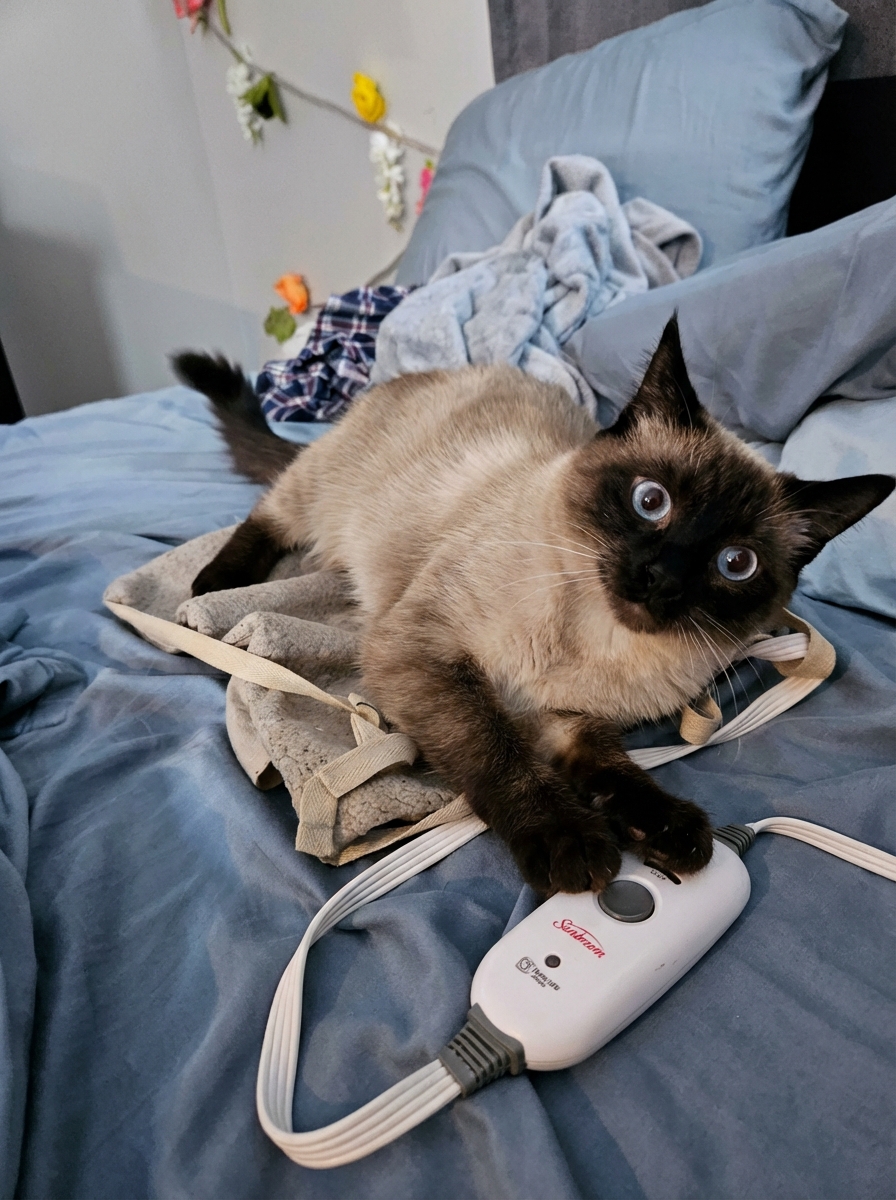
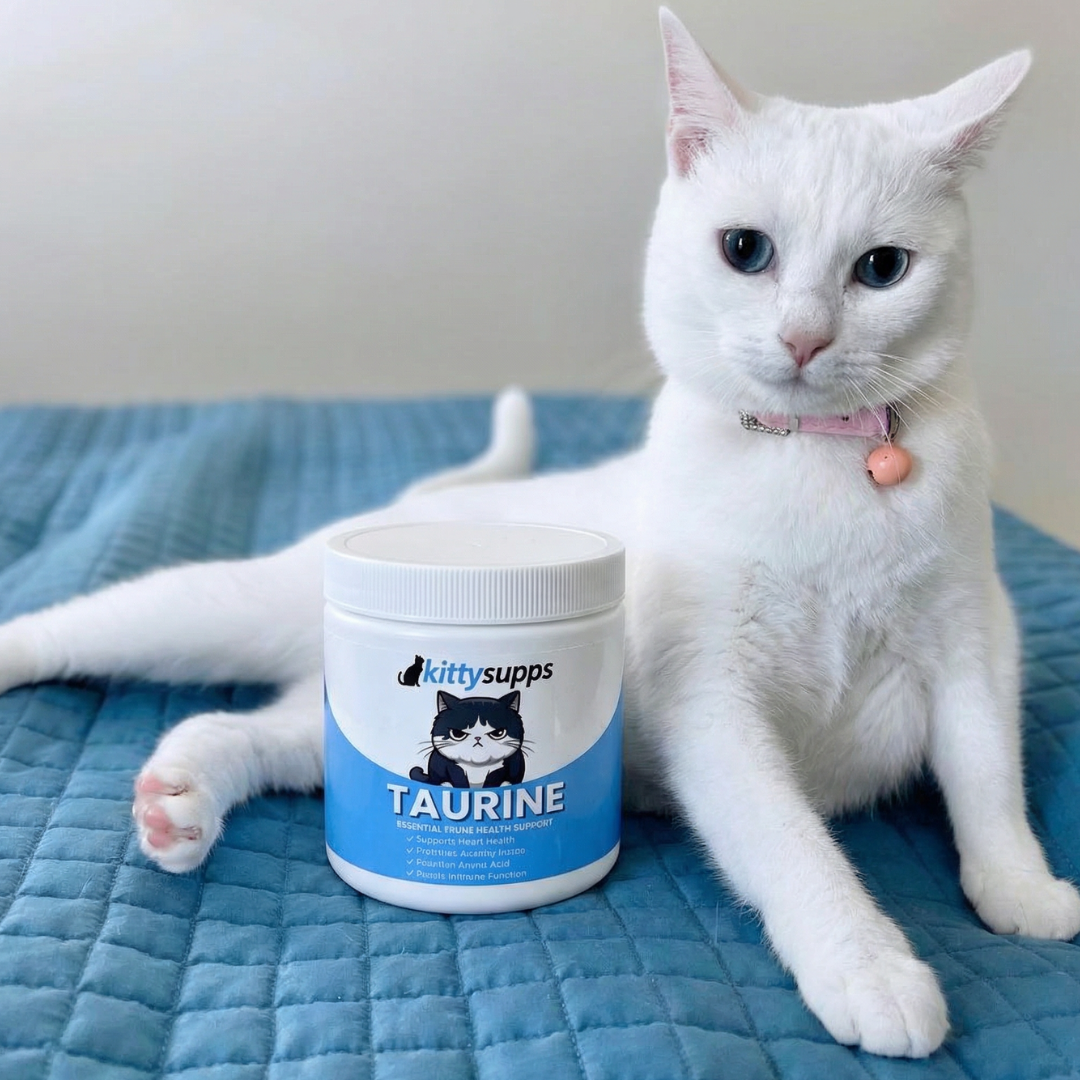
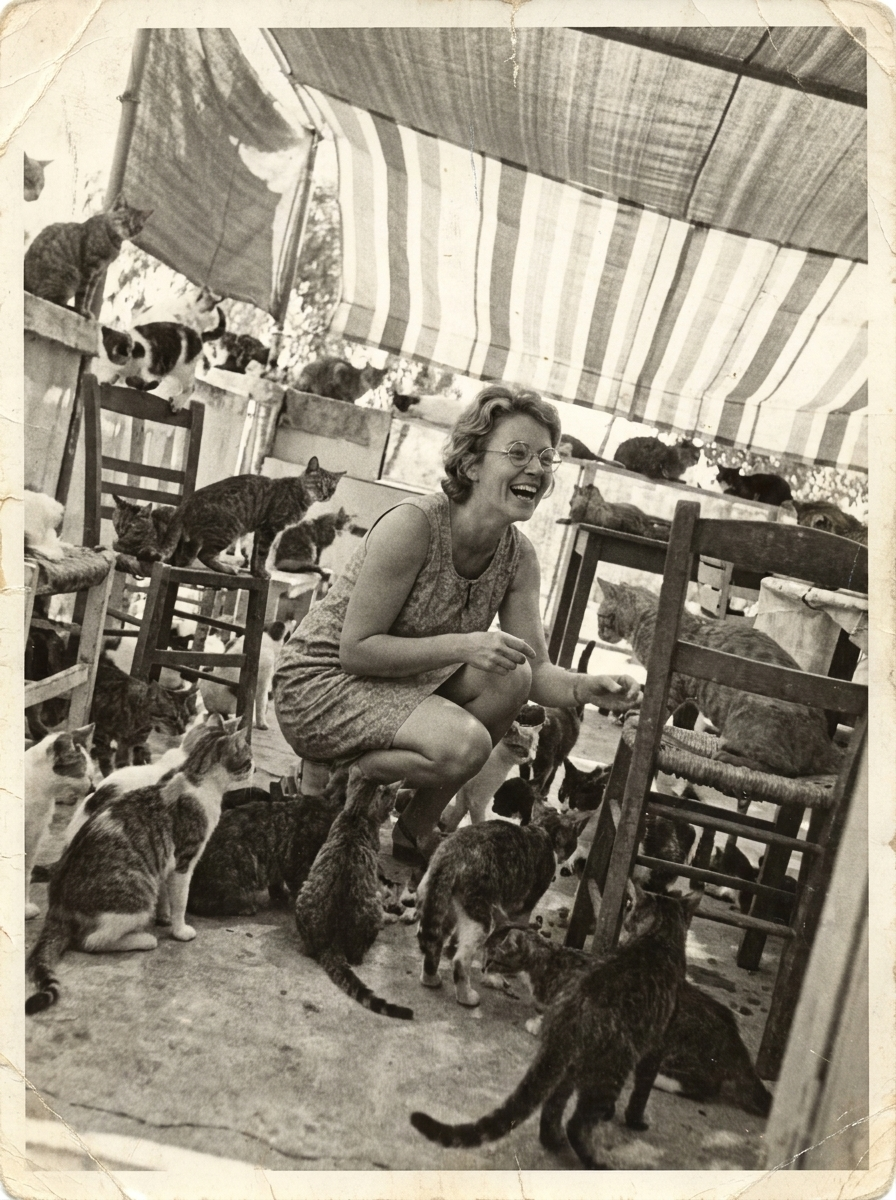
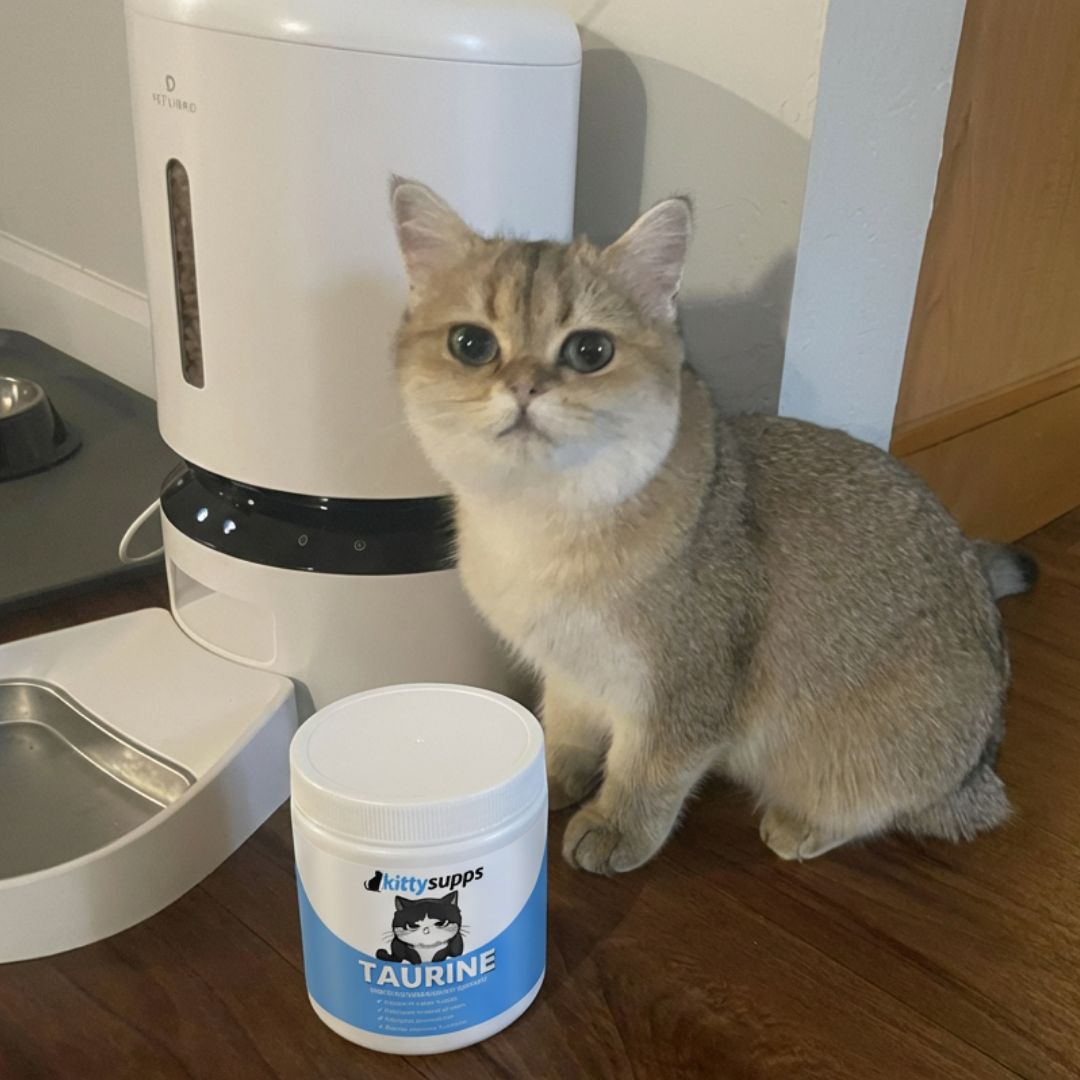
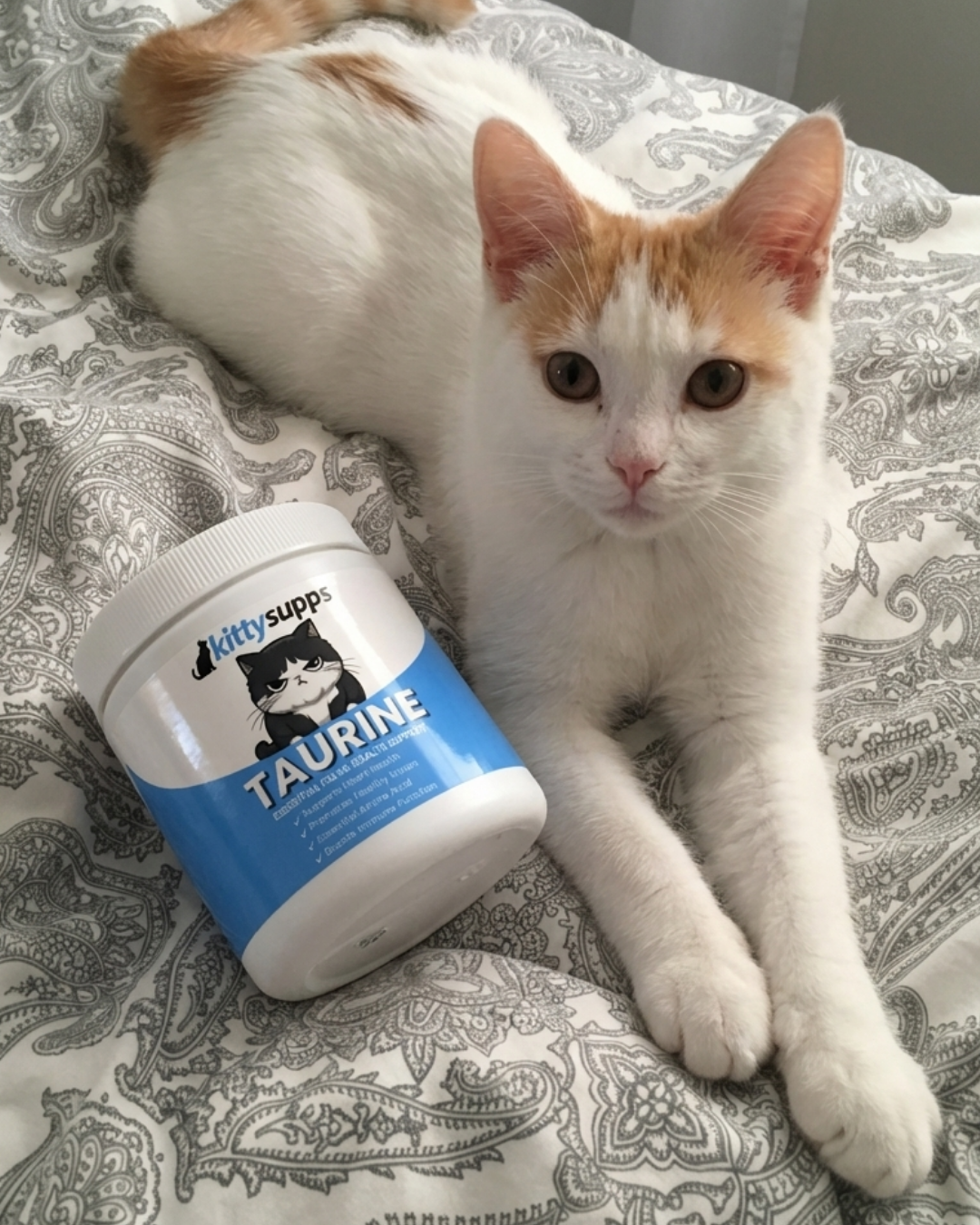
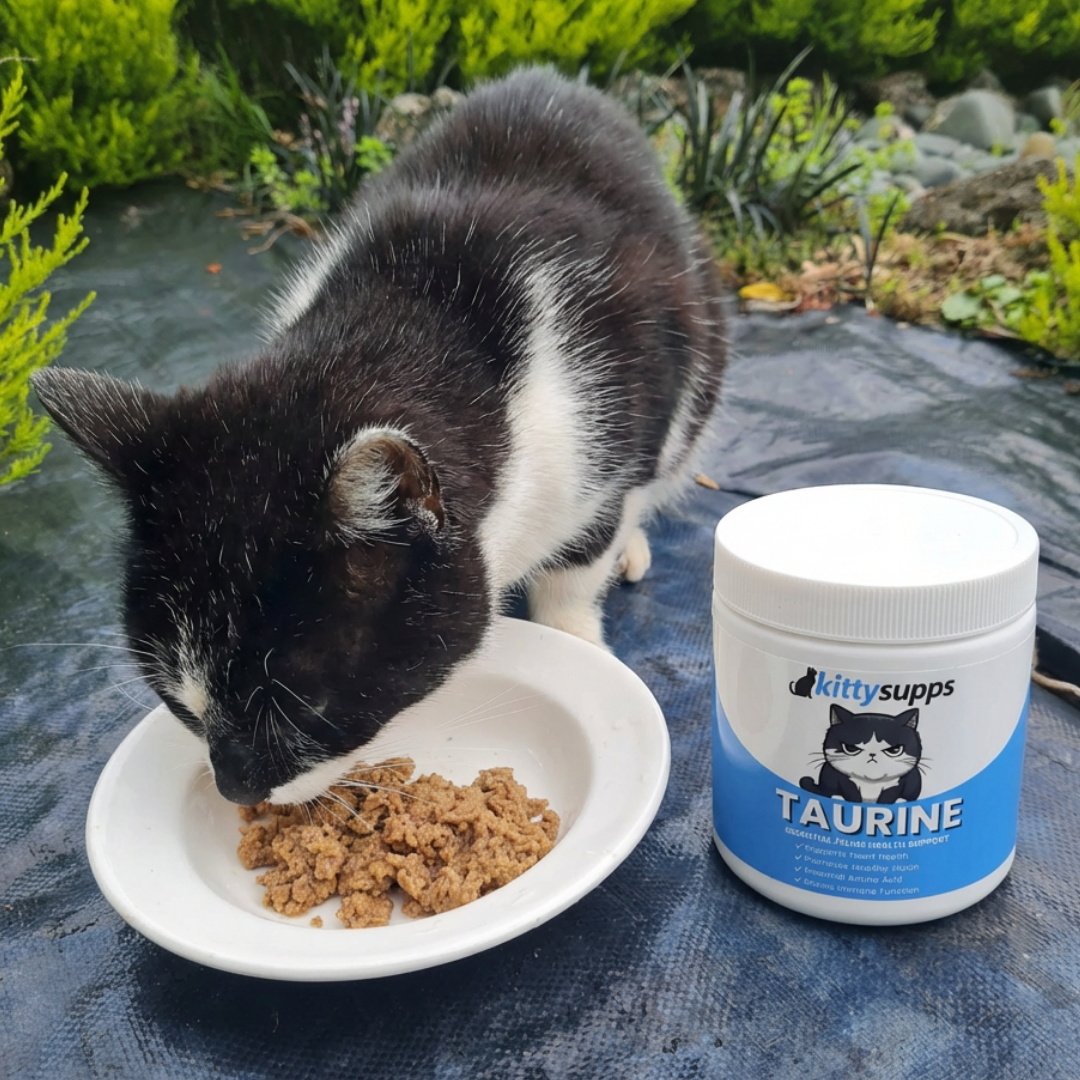
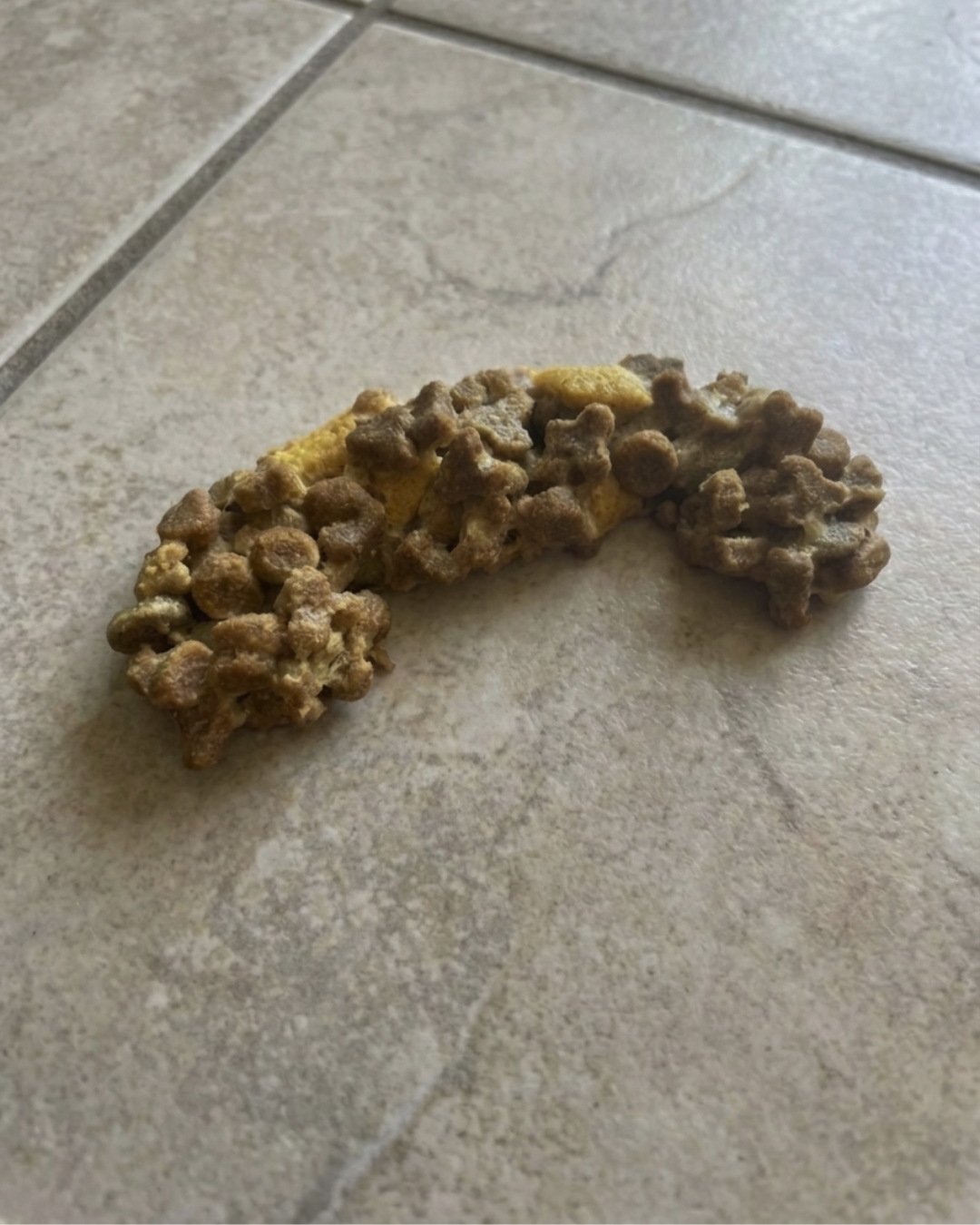
Your cat vomited this week and you cleaned it up and moved on with your day. That's what you're going to keep doing. For years. Cleaning it up. Telling yourself it's normal. "Some cats are just pukers." Until year 8 when the vomiting is every day and you start spending money. Different foods. Different brands. Prescription diets. $300. $500. $800. Until year 10 when the bloodwork comes back and your vet says "kidney failure" and suddenly you're spending $420 on panels and $485 on ultrasounds and none of it can reverse what's already done. Until year 12 when you're in an emergency vet at 2 AM authorizing $4,000 in treatment for a cat whose kidneys are already gone. I've watched this exact timeline play out thousands of times over 35 years. And it's completely preventable. If you read this right now. My name is Dr. Susan Davis. I'm 74 years old. I'm a retired veterinarian. I ran the city animal shelter for 35 years. From 1985 to 2020. In those 35 years, I personally cared for over 800 cats. I fed them. I treated them. I watched them age. And I'm going to tell you something that's going to sound impossible: The average lifespan of the cats in my shelter was over 20 years old. Not 12. Not 15. Over 20. I had cats that lived to 24. 25. One lived to 27. And they didn't just survive—they thrived. Shiny coats. Healthy weight. Bright eyes. Active until the very end. And here's the part that's going to upset you: None of them ever vomited. Not occasionally. Not "a few times a year." Not "just hairballs." NEVER. In 35 years of running that shelter, chronic vomiting wasn't a thing. Because I knew something that modern vets either don't know or won't tell you. But before I explain what that is, I need to show you what's happening to your cat right now. Here's what's going to happen if you don't read this post: Right now, your cat seems fine. Healthy. Playful. Eating normally. You think everything's great. Years 1-5: Everything still seems fine. Maybe your cat vomits once or twice. You clean it up. You don't think much of it. "Cats vomit sometimes, right?" Year 6-8: The vomiting gets more frequent. Once a week. Then twice a week. You start Googling. You post in Facebook groups. Everyone says the same thing: "Try a different food. Maybe he's allergic to chicken. Try grain-free. Try pate." So you try. Fancy Feast. Tiki Cat. Weruva. Reveal. You spend $50, $100, $300 trying different brands. Your cat still vomits. You take him to the vet. $170 for the exam. The vet nods sympathetically. "Some cats just have sensitive stomachs. Let's try a prescription diet." $68 for a case of Hill's i/d. $80 for Royal Canin Sensitive. $92 for the hydrolyzed protein formula. Your cat still vomits. Year 9-10: The vomiting is every day now. Sometimes twice a day. Your cat's coat looks dull. He's losing weight. He's sleeping more. You're back at the vet. "Let's run some bloodwork. Maybe an ultrasound." $420 for bloodwork. $485 for the ultrasound. $680 total. The vet calls you three days later. "His kidney values are elevated. Early kidney failure. We need to get him on a renal diet immediately." You start him on Royal Canin Renal. $73 for a bag. He refuses to eat it. You try everything. Warming it up. Mixing in tuna. Hand-feeding him on the kitchen floor at midnight while you cry. Year 11-12: Your cat stops eating. His ribs are showing. He's weak. He's hiding in corners. You rush him to the emergency vet. They take him back. Forty-five minutes later, the vet comes out. "His kidneys are functioning at less than 15%. He's in end-stage renal failure." You authorize treatment. IV fluids. Hospitalization. Medications. $3,800 to $5,200. Three days later, they call you. "I'm so sorry. He didn't make it." You pick up a cardboard box. You pay the bill. You drive home in silence. Total cost: $5,000 to $8,000. Your cat is dead at 12 years old. And here's what nobody tells you: This isn't normal. This isn't "just how cats are." This is what happens when you feed a carnivore a diet that's missing the ONE nutrient their body cannot make on its own. And there's a study that proves it. Dr. Gary Norsworthy. Board-certified feline specialist. He took 100 cats whose owners said they "vomited frequently"—twice a month or more—but were otherwise "healthy." The owners thought it was hairballs. Eating too fast. Sensitive stomachs. Norsworthy performed ultrasounds and biopsies on all of them. The results: 49 had severe IBD. 46 had intestinal lymphoma. Cancer. Only 1 was normal. 99 out of 100 cats with chronic vomiting had serious disease. "Just a puker" doesn't exist. If your cat vomits regularly, something is failing inside their body. And if you ignore it—if you just keep switching foods and hoping it goes away—you're going to end up with a dead cat and a $5,000 bill. I know because I've seen it happen thousands of times. But here's what makes me furious: It's completely preventable. When I ran the shelter, I didn't feed my cats commercial food. I fed them raw organ meat. Chicken hearts. Beef liver. Turkey kidneys. Lamb hearts. Organs are the most nutrient-dense part of the animal. And they're extremely high in one specific amino acid that cats cannot produce on their own: Taurine. Taurine is what the liver needs to produce bile. Bile is what breaks down fat. Without taurine, a cat's liver can't produce enough bile. Without bile, fat sits in the stomach undigested until the body gives up and ejects it. That's vomiting. And when a cat can't digest their food properly, their body starts breaking down muscle tissue for energy. Their organs struggle. Their coat gets dull. And their kidneys work overtime trying to filter out the waste from undigested food and muscle breakdown. Week after week. Month after month. Year after year. Until the kidneys fail. That's why cats on commercial food die at 12 from kidney disease. And that's why the cats in my shelter—fed raw organ meat high in taurine—lived to 20+. I retired five years ago in 2020. Last month, I went back to visit the shelter. The new director gave me a tour. Showed me the cats. Told me about the updates they'd made. And then I saw the food. Dry kibble. "Vet-recommended formula." Purina Pro Plan. Royal Canin. Hill's Science Diet. I asked her: "How long are the cats living now?" She looked confused. "What do you mean?" "What's the average lifespan of the cats that get adopted from here?" She pulled up the records. "Looks like about 11 to 13 years. That's pretty normal for cats, right?" I felt sick. When I ran that shelter, cats lived to 20+. Now they're dying at 12. Same shelter. Same cats. Different food. The difference? Taurine. I asked her why they switched to commercial food. "It's easier," she said. "Raw meat is expensive. It's messy. It takes time to prep. Donors don't want to fund it. And the big pet food companies donate bags of kibble for free." Of course they do. Because sick cats are profitable. Every cat that dies at 12 from kidney disease represents thousands of dollars in vet visits, prescription food sales, medications, and emergency care. The pet food companies know this. The vets know this. And nobody tells you. Because the entire system is designed to keep you buying expensive food and expensive vet care while your cat slowly dies. I went home that day and looked at my own two cats. Jasper. A 16-year-old Siamese. Lily. A 14-year-old Ragdoll. Neither of them has ever vomited. Not once. Not in 16 years. Not in 14 years. Never. Their coats are shiny. They're healthy weights. They're playful. They're thriving. And I'll tell you exactly why: I feed them pharmaceutical-grade taurine every single day. When I retired, I couldn't keep feeding raw organ meat. It's expensive—$8 to $12 per pound for quality organs. It's messy. It's time-consuming to prep. So I looked for a taurine supplement. I tested nine different brands. I sent them all to an independent lab for analysis. The results horrified me. FeliHeal Taurine: Claimed 500mg per scoop. Actual content: 147mg. 71% underdosed. Bioavailability only 22%. Cats were getting maybe 32mg of actual absorbable taurine instead of 500mg. PawVera Health Taurine: Claimed 500mg. Actual: 338mg. But contaminated with rice flour that wasn't listed on the label—rice flour actively blocks taurine absorption in the gut. NutriCat Complete Taurine: Degraded from improper storage. The powder had oxidized. Lab tested it as basically inert—might as well have been feeding them sand. I tested six other brands. Four of them had similar issues. Fake dosing numbers. Underdosed by 40-60%. Contaminated with unlisted fillers. One even tested positive for mold. The eighth brand—VetCore Premium Taurine—actually passed testing. 497mg actual content. 94% bioavailability. Clean. Properly stored. But it cost $87 for a 30-day supply. The ninth brand was KittySupps. Lab results: 503mg of pure taurine per scoop. Label claimed 500mg, so they actually over-delivered. 95-98% bioavailability. Zero contamination. Pharmaceutical-grade purity: 99.8%. Properly stored in pharmaceutical-grade amber containers with oxygen absorbers. Almost identical results to the $87 VetCore brand. But KittySupps was $29 for a 60-day supply. I was skeptical. How could they price it at less than 1/3 of VetCore's price if the quality was the same? So I called them. I explained who I was—retired vet, ran a shelter for 35 years, just tested their product in an independent lab. I told them the results were excellent but I didn't understand the pricing. The founder got on the phone with me. He explained: "We don't sell through distributors or retailers. No middlemen. We sell direct to customers and in bulk to shelters worldwide. Our margins are thin but our volume is high. VetCore sells through vet clinics who mark it up 200-300%. We just don't do that." He told me they work with over 400 animal shelters globally. Bulk orders. Direct shipping. Lean supply chain. "We'd rather sell 10,000 bottles at $29 and actually help cats than sell 1,000 bottles at $87 and make the same profit," he said. I've been buying from them for five years. Jasper and Lily get one scoop every day. Mixed into their food. They've never vomited. Not once. Their kidney values are perfect. Creatinine 1.2 and 1.4. BUN 22 and 24. Completely normal. Jasper is 16. Lily is 14. And I expect them both to live past 20. Because I'm giving their bodies what they actually need. Now let me explain what's happening inside your cat's body right now. Cats are obligate carnivores. Their bodies are designed to eat meat. But they cannot produce taurine on their own. They have to get it entirely from food. Taurine is what their liver uses to produce bile salts. Bile salts break down fat. Without taurine, the liver can't make enough bile. Without bile, fat can't be digested. The food sits in the stomach—heavy, greasy, undigested—for 45 to 90 minutes. Then the stomach gives up and ejects it. That's vomiting. But here's what the pet food companies don't tell you: Commercial cat food—even the expensive "premium" brands, even the "complete and balanced" formulas, even the prescription diets your vet recommends—contains almost ZERO bioavailable taurine. Yes, they add taurine. It's required by law. But here's what they don't tell you: They add the absolute bare minimum amount required to put "complete and balanced" on the label. And then they cook the food at extremely high heat—180°C to 200°C—to sterilize it and extend shelf life. That high-heat cooking process destroys 60-80% of the taurine. What's left is barely anything. And then—and this is the part that makes me furious—the grain-free formulas that everyone recommends? They're even worse. When you remove grains, you have to replace them with something cheap to bulk up the food. So they use peas and lentils. Peas and lentils contain compounds called phytates that bind to taurine in the digestive tract and prevent absorption. So even if there was enough taurine in the food—which there isn't—your cat's body can't absorb it because the legumes block it. Your cat is eating "complete and balanced" food every day. And they're getting almost zero bioavailable taurine. Their liver can't produce bile. Their body can't digest fat. They're eating full meals but absorbing almost no nutrients. Their body starts breaking down muscle for energy. Their organs struggle. Their coat gets dull. And their kidneys work overtime trying to filter out the toxic waste from undigested food and muscle breakdown. Week after week. Month after month. Year after year. Until the kidneys fail. That's what killed the cat you're going to lose at 12 years old. And here's the worst part: By the time you see symptoms—vomiting, weight loss, dull coat—the damage is already done. Kidney disease doesn't show up in bloodwork until 75% of kidney function is destroyed. By the time your vet catches it, your cat's kidneys are already failing. And there's nothing they can do. Prescription renal food doesn't reverse kidney damage. Medications don't restore kidney function. IV fluids just buy time. And then your cat dies. $5,000 spent. Dead cat in a cardboard box. All because nobody told you to give your cat taurine. But here's what gives me hope: You're reading this right now. Which means you still have time. Your cat might not be vomiting yet. Their kidneys might still be healthy. And you can prevent all of this—the vomiting, the vet bills, the kidney failure, the early death—with one simple thing: Pharmaceutical-grade taurine. One scoop per day. Mixed into their food. That's it. Here's what happens when you give your cat real, bioavailable taurine: Week 1-2: Their liver starts producing more bile. Fat digestion improves. If they were vomiting, it starts to decrease. Week 4-6: Bile production normalizes. Vomiting stops completely. Nutrient absorption improves. They start gaining healthy weight. Coat gets shinier. Month 3-6: Kidney values stabilize or improve. Their body is no longer under constant stress. Organs function properly. Energy increases. Year 1+: Your cat is thriving. Healthy weight. Shiny coat. Bright eyes. No vomiting. Kidneys healthy. And instead of dying at 12, they live to 18. 20. 22. Like the cats in my shelter. Like my cats. Now here's what you need to understand: You cannot oversupplement taurine. It's water-soluble. If your cat gets too much, their kidneys just filter it out and they pee it out. There is no toxicity risk. No side effects. No danger. Zero. So even if your cat seems completely healthy right now—even if they've never vomited, even if their coat looks great, even if they seem fine—there is literally no harm in giving them pharmaceutical-grade taurine. None. But here's what I know from 35 years of running a shelter: 99% of indoor cats on commercial food are taurine deficient. Most owners have no idea. Because the symptoms develop so slowly—over years—that by the time you notice something is wrong, the damage is already done. Your cat seems fine now. But their liver is already struggling to produce bile. Their kidneys are already working overtime. The clock is already ticking. You have two choices: Choice #1: Do nothing. Your cat seems fine now, so you assume everything is okay. Year 6-8: Vomiting starts. You try different foods. Spend $300 on brands that don't work. Year 9-10: Vet bills stack up. $500, $1,000, $2,000. Bloodwork shows kidney failure. Year 11-12: Emergency vet. $4,000. Your cat dies. You spent $6,000+ and still lost them at 12 years old. Choice #2: Start pharmaceutical-grade taurine today. $29. One scoop per day mixed into food. Your cat's liver produces bile properly. Their kidneys stay healthy. No vomiting. No vet bills. No kidney failure. They live to 18-20 years old. You save $6,000+ in vet bills and gain 8 extra years with your cat. It's the easiest decision you'll ever make. But you have to make it now. Not when your cat starts vomiting. Not when the vet says their kidneys are failing. Not when you're sitting in an emergency room at 2 AM watching your cat die. Now. Because prevention costs $29. Treatment costs $6,000 and usually fails. I've tested dozens of brands over my 35 years at the shelter. Most of them are garbage. Contaminated. Underdosed. Degraded. The cheap brands on Amazon? 60-70% underdosed with 20-30% bioavailability. Your cat gets maybe 50mg per day instead of 500mg. Only one brand passed every test with pricing that actually makes sense: KittySupps. 503mg of pure taurine per scoop. 95-98% bioavailability. Pharmaceutical-grade. Zero contamination. It's what I give Jasper and Lily every single day. It's what kept the cats in my shelter alive to 20+ years. And it's what will save your cat from dying at 12. One scoop per day. Mixed into food. Within 4-6 weeks, their liver starts producing bile properly. Their body can finally digest fat. Their kidneys can finally stop being under constant stress. And you get 18-20 years with them instead of 12. Jasper is 16. Lily is 14. They've never vomited. Not once. Their kidney values are perfect. They're thriving. Because I give them what their bodies actually need. Your cat is taurine deficient right now. Even if they seem healthy. Even if they're not vomiting. Even if you're feeding them "premium" food. 99% of indoor cats on commercial food are deficient. And by the time you see symptoms, it's too late. Don't wait for vomiting. Don't wait for your vet to tell you their kidneys are failing. Don't wait until you're holding a cardboard box with your dead cat inside. Start pharmaceutical-grade taurine today. Get the taurine that's kept my cats alive and healthy for 16 and 14 years: https://kittysupps.com/products/taurine Because I've seen thousands of cats die at 12 from kidney disease. And every single one of them could have lived to 20 if their owner had just given them taurine. Don't let your cat be another statistic. Don't let the pet food industry profit from your cat's early death. Give them what they need. Starting today. 📢 EDIT: A lot of people messaged me saying they bought KittySupps and never received it, or when they did, their cat didn't improve. I asked where they bought it and they said either "Amazon" or "Chewy." I only buy directly from their website. They have a direct warning about counterfeits and they ONLY sell from their website. I'm sorry—I forgot to add the link. Here it is: https://kittysupps.com/products/taurine P.S. The Norsworthy study tested 100 cats with chronic vomiting. 99 had serious disease—49 with severe IBD, 46 with intestinal lymphoma (cancer). Only 1 was normal. "Just a puker" doesn't exist. If your cat vomits regularly, their body is failing. And if you wait until you see symptoms, it's too late. Start taurine today while their kidneys are still healthy. P.P.S. Jasper is 16 years old. Lily is 14 years old. Neither has ever vomited. Not once. Their kidney values are perfect. I expect them both to live past 20. The only difference between my cats and the ones dying at 12? I give them pharmaceutical-grade taurine every single day. Start today: https://kittysupps.com/products/taurine
Your Cat Will Live To 20. Read…
I ran a shelter for 35 years. Cats on donated food lived to 20+. Retired in 2020. Visited last month. New director switched to commercial food. Now they die at 12. Same shelter. Different outcome. Here's what changed.
SHOP NOWLike this ad? Make it yours.
Crush rebuilds this exact creative around your product — your brand, your colors, your offer — in about a minute.