
Inactive· since Jul 6, 2026
- 67
- days it ran
- 0
- relaunches
Ad copy
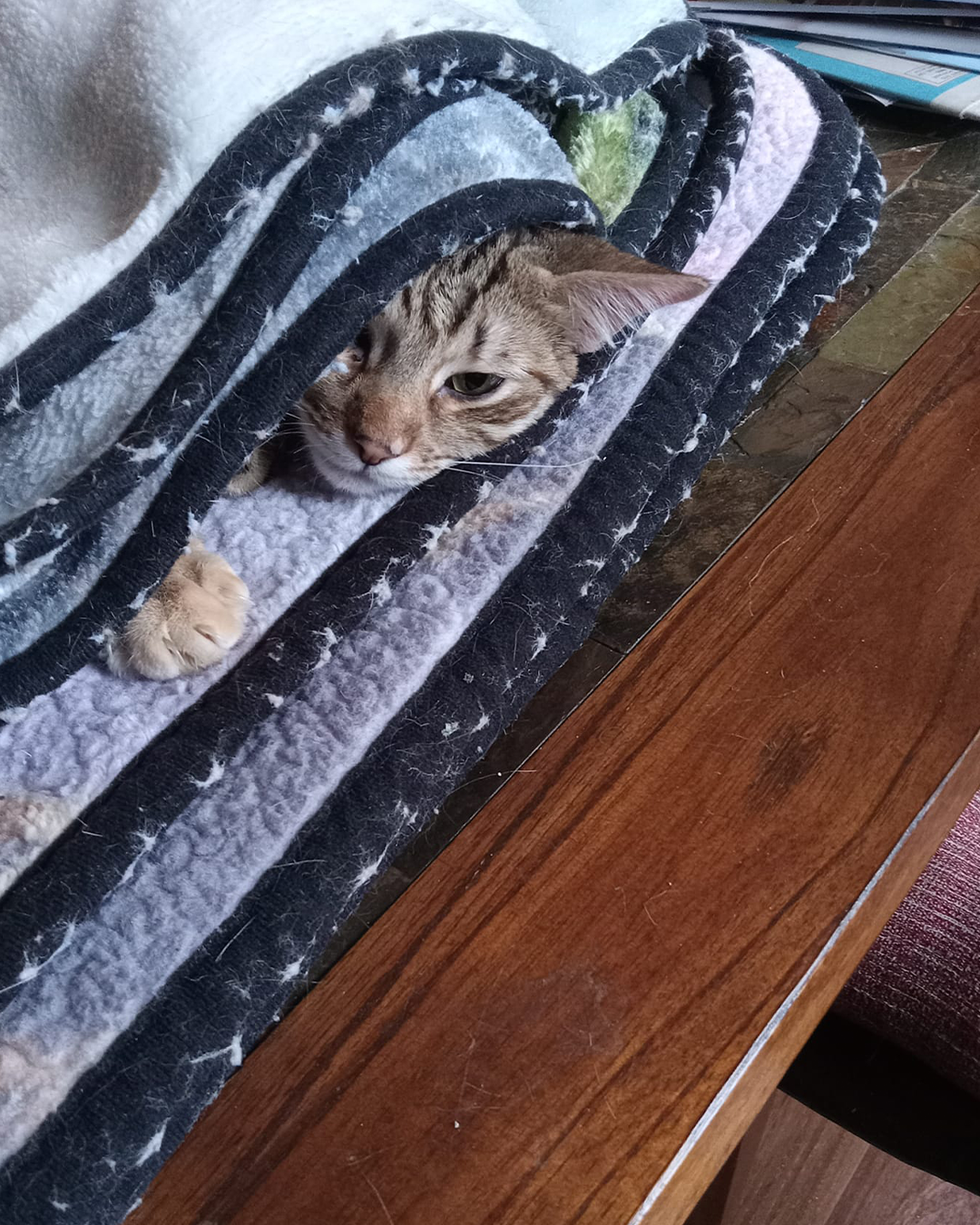
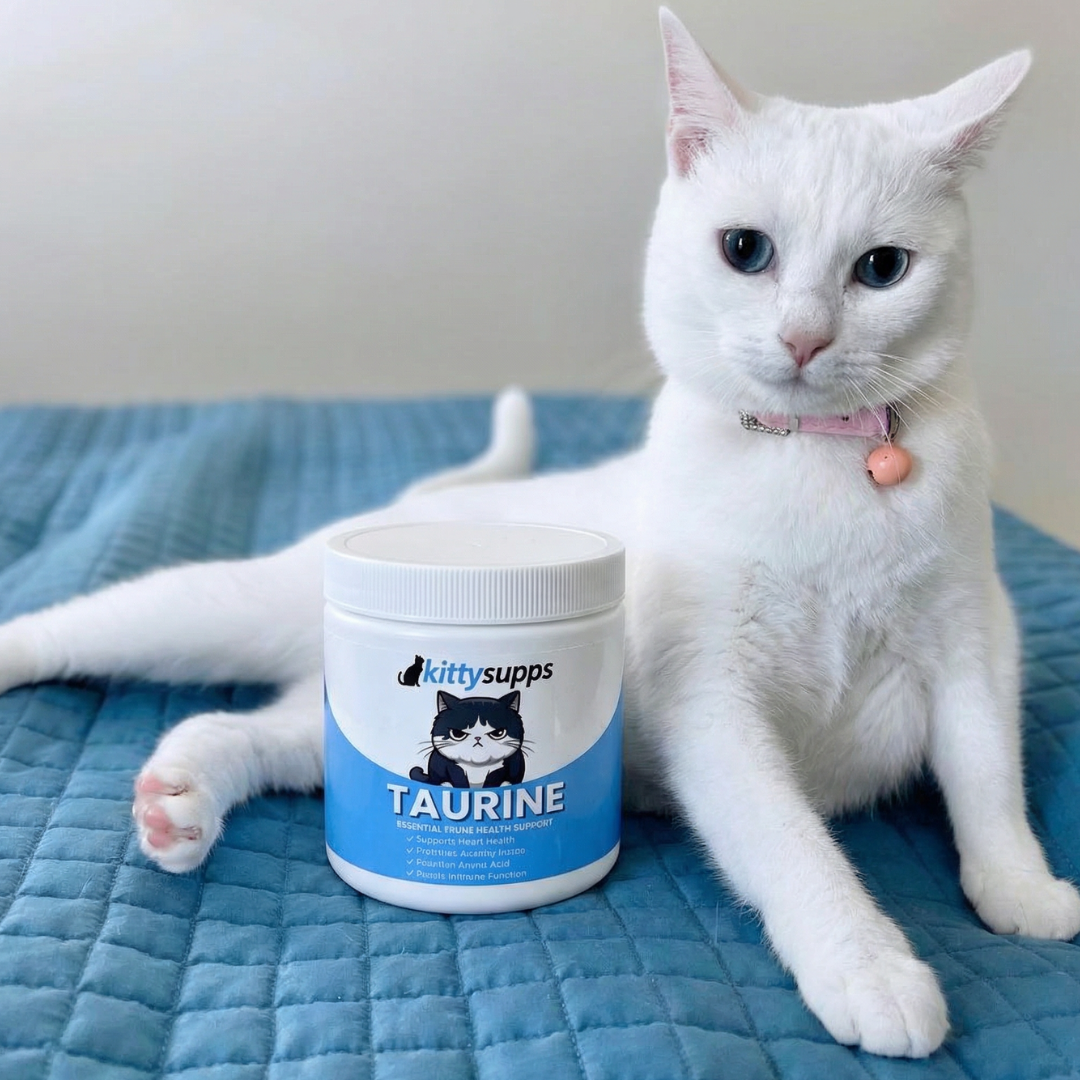
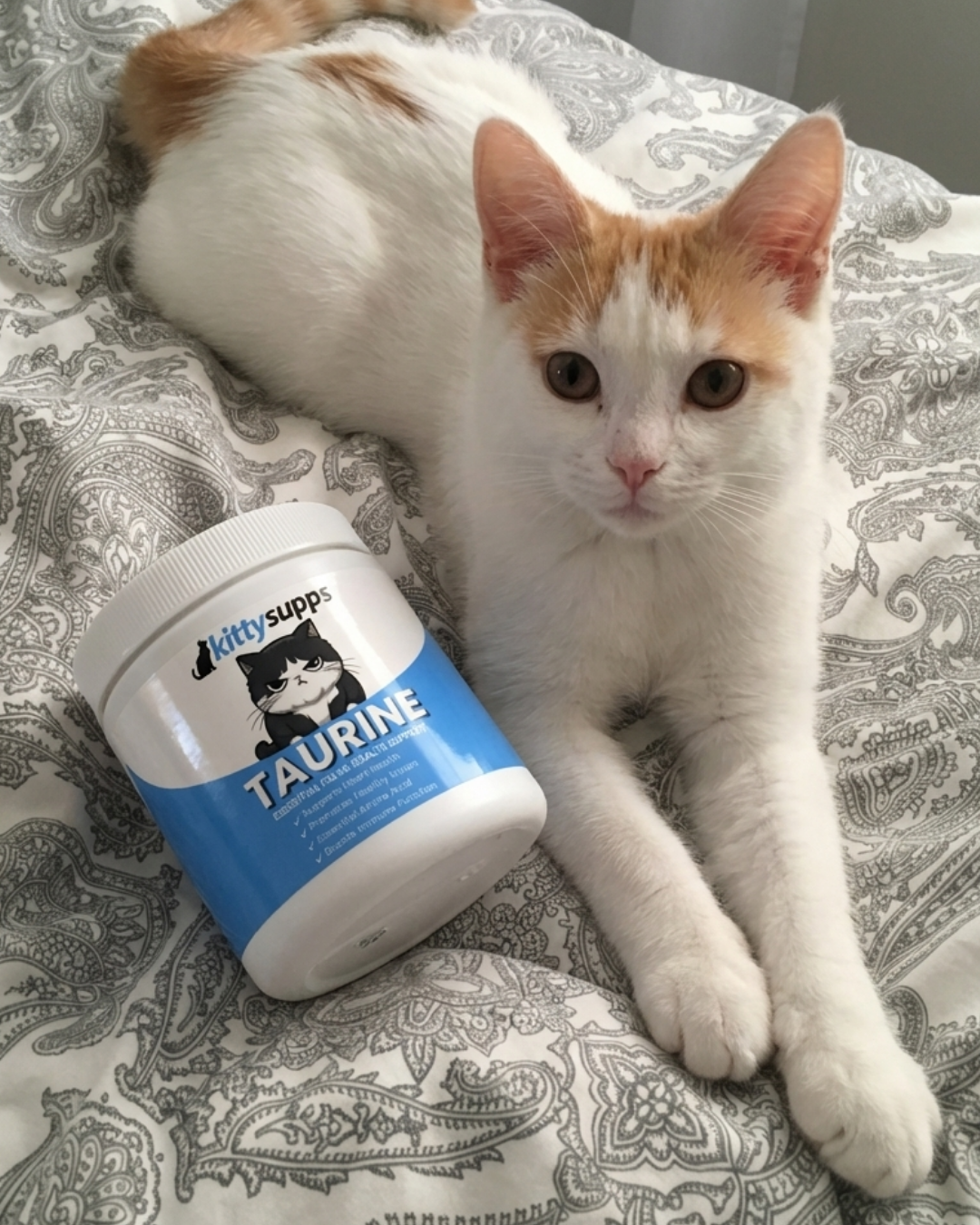
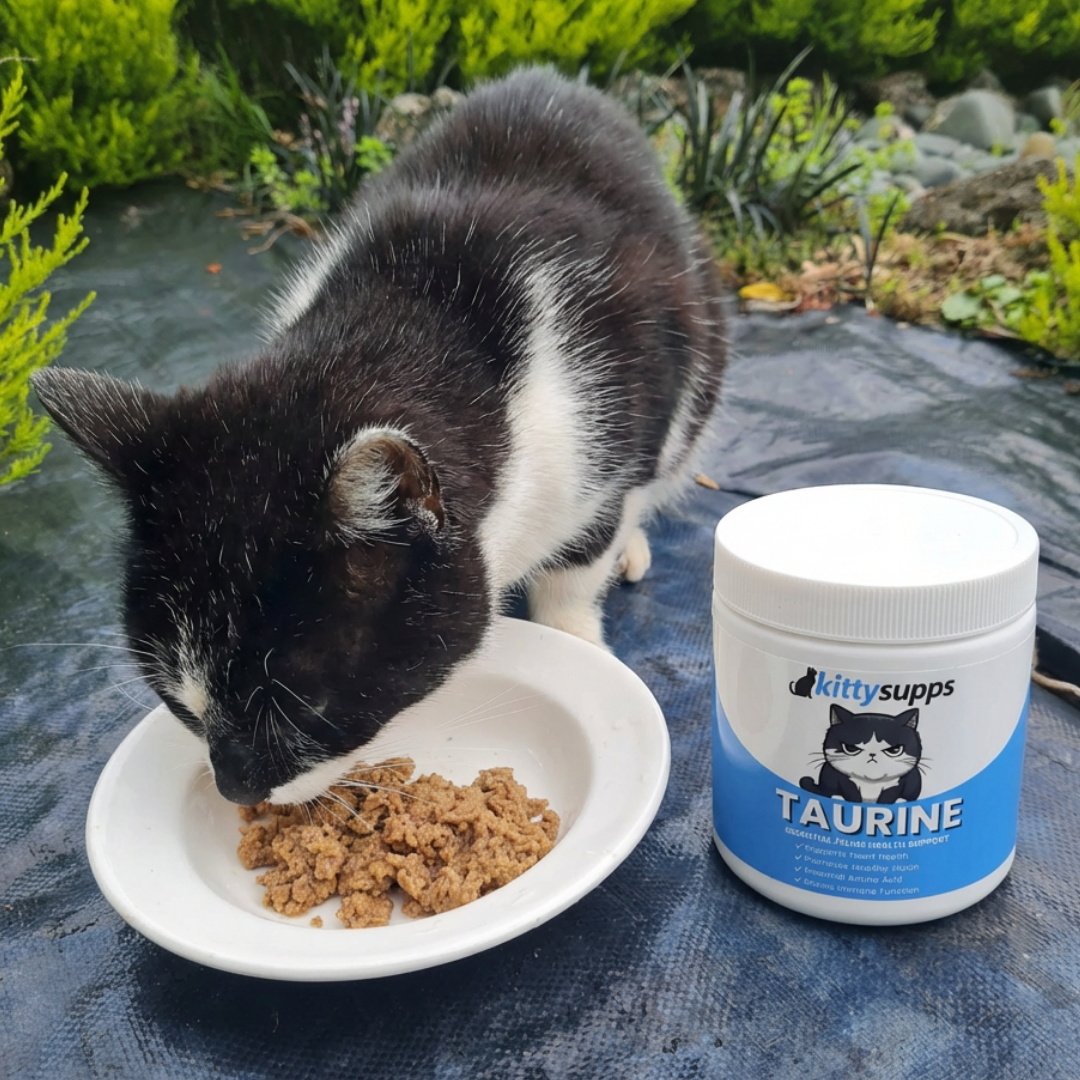
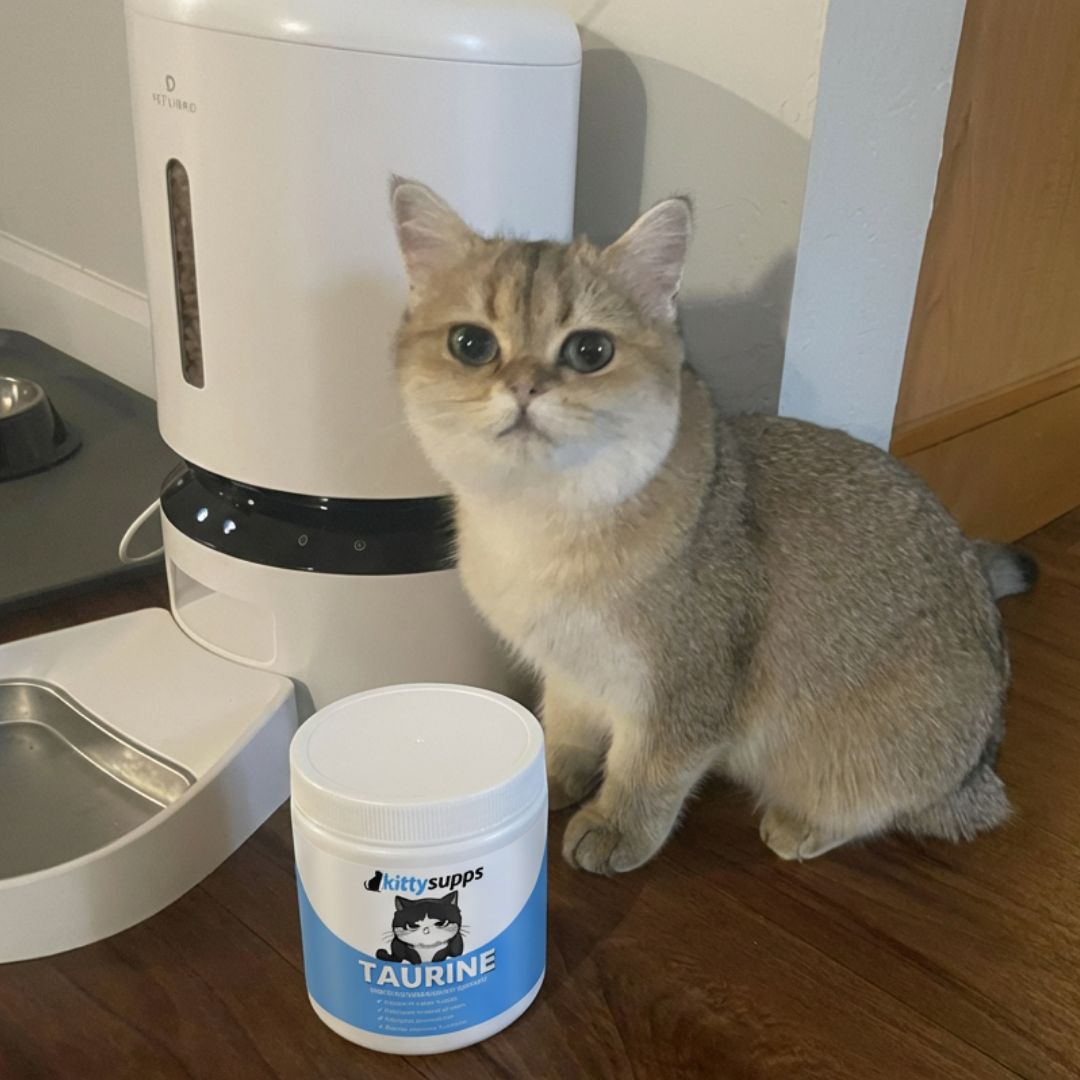
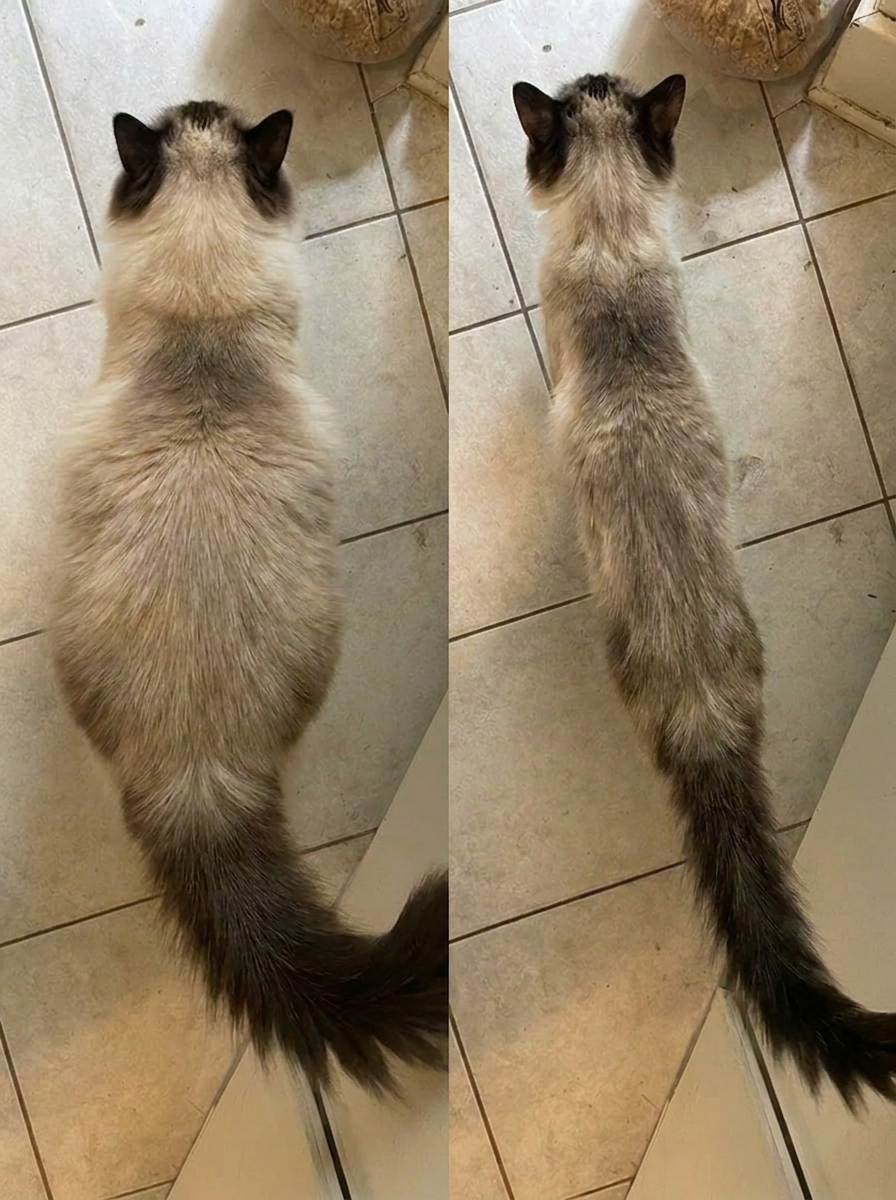
I am going to say something that every cat owner watching their senior cat waste away needs to hear.. Your cat is not dying of old age. She is starving. While she eats. And I know this because I am a retired veterinarian who spent 40 years watching cats die. And then I watched my own cat die. The same way. What I found when she passed still gives me nightmares. Read every word of this. Before you make any permanent decisions. My name is Susan Davis. I am 74 years old. I retired three years ago after 41 years as a shelter veterinarian at Crestwood Animal Rescue in rural Tennessee. In those 41 years, I processed over 19,000 cats. I have seven cats of my own right now. All rescues. The oldest is 18. I know what a dying cat looks like. I have held thousands of them. I thought I knew why they died. I was wrong. I want to tell you about Maple. Maple was my 14-year-old Maine Coon. Enormous, heavy, muscular — the kind of cat you could feel coming when she jumped on the bed. Two years before I retired, Maple started losing weight. Not dramatically. Not overnight. Just... less of her every month. I pet her one morning and felt something I hadn't felt in years. Her spine. Clear as a ridge through her fur. I ran every test on her that I would have run on any patient. Full bloodwork. Thyroid panel. Kidney values. Ultrasound. But I was still convinced he had hyperthyroidism or kidney failure, which is what many owners and vets assume when a senior cat wastes away. Everything came back normal. "She's just getting older," I told myself. I said that to cat owners every single week. I believed it. But Maple kept eating. Ravenously. She'd finish her bowl and cry for more an hour later. She was following me into the kitchen every time the refrigerator opened. I had never seen her this hungry. And she was wasting away. I switched her food. Premium. High-calorie. The most expensive bag on the shelf. She kept declining. I tried prescription diets. The ones I had recommended to owners for decades. She kept declining. I bought a baby scale and weighed her every week. I logged everything in a notebook. I was a veterinarian with 40 years of experience and my own cat was disappearing in front of me and I did not know why. Then the numbers started appearing on the scale that I did not want to see. Week by week. Less and less. I called a colleague. A feline internal medicine specialist I had known for 20 years. She examined Maple. Ran her own panel. "Susan," she said, "her bloodwork looks remarkably clean for a 14-year-old. It might be cancer we can't see yet. It might be IBD. Or..." She paused. "Or it might just be that she's getting old." I drove home and sat in my kitchen for a long time. Maple sat in my lap. I could feel every bone in her back when I stroked her. She purred. I made the appointment three months later. Maple passed on a Tuesday morning in October. I held her until she went still. And then something happened that I did not expect. Something that no one had warned me about. Something that shattered everything I thought I understood. As Max’s body lay on the stainless steel table, his temperature began to drop. The internal environment of his body became inhospitable. It’s very common – but what happened next wasn’t. I saw them. Parasites. Internal roundworms began actively crawling out of —his anus and his nose—attempting to escape the cooling body. I found dried, rice-like tapeworm segments clinging to his fur. I had seen this before in shelter cats. In strays. In outdoor cats who hunted. Not in a 14-year-old indoor cat who had not left the house in a decade. I stood there in my kitchen at 4am and I could not move. Because I understood, in that moment, exactly what had been happening. The wasting spine. The endless hunger no amount of food could satisfy. Those were not signs of old age. They were signs of parasites eating everything she ate before her body could absorb it. And here is the part that destroyed me. Maple had her own defense against this. Every cat does. Her liver was designed to produce a powerful bile acid that dissolves the protective shells parasite eggs hide behind before they can hatch. Her immune system was designed to find them and kill them. But that defense requires one specific nutrient to function. Without it, the wall comes down. Eggs pass through the stomach untouched. They hatch in the intestines and start feeding. Stealing nutrients. Draining energy. Laying thousands more eggs every single day. The nutrient is called taurine. And this is where I have to tell you something that I should have known in my first year of veterinary practice. Something that was hidden in plain sight for my entire career. Cats cannot make taurine on their own. They have to get every milligram from their food. Every other mammal can synthesize it. Cats cannot. And here is what commercial cat food does to taurine. Every bag, every can, every premium formula you have ever bought is processed at temperatures above 250 degrees Fahrenheit. At that temperature, taurine breaks down. Studies show 50 to 65 percent of the naturally occurring taurine in the ingredients is destroyed before the bag is sealed. So the manufacturer adds synthetic taurine back in. Just enough to put "complete and balanced" on the label. Just enough to meet the legal minimum. Not enough to actually support the immune defense your cat's liver is supposed to build. And if you've been feeding grain-free food — which I had been, because I thought it was healthier — it gets worse. Grain-free formulas replace grains with peas, lentils, and chickpeas. Those legumes contain compounds that bind to whatever taurine survived the processing and carry it out of the body before it can be absorbed. The label says taurine added. The vet says complete and balanced. But almost none of it reaches your cat's bloodstream. Her liver runs dry. The bile acid never gets made. The wall comes down. And every parasite egg that comes in on your shoes — because the home is never sealed, roundworm eggs survive for years in carpet fibers, bleach does not kill them — passes through her stomach untouched. Hatches. Feeds. Multiplies. I stood in my kitchen at 4am with Maple's body and I understood, for the first time in 41 years, what I had been missing. Not for my patients. For my own cat. I had told owners for four decades that their senior cats were "just getting old." Some of them were. But some of them were starving. Fed full bowls. Twice a day. Premium food. Eating ravenously. And starving. Now I need to address something directly, because I know what you're thinking. You're thinking: my vet said it's her thyroid. Or her kidneys. Or her age. I thought the same thing. Every test came back clean. But here is the truth I learned the hard way. Taurine deficiency looks identical to thyroid disease, kidney failure, and old age on a standard blood panel. Because taurine is not tested on a standard blood panel. You have to request it specifically. Most vets never request it. I never requested it for 41 years. Not once. It costs nothing to add real taurine to your cat's food. Nothing to lose. And if taurine deficiency is what's happening — which I now believe it is in the majority of cats showing these symptoms — it could save everything. After that night, I spent six weeks researching pharmaceutical-grade taurine supplementation. I tested every product I could find. Most of them failed. I sent them to an independent lab. The results were ugly. The bestselling taurine supplement on Amazon claimed 500mg per scoop. Actual content: 194mg. Bioavailability: 28 percent. The cat was getting 54mg of usable taurine per day. The minimum needed for immune function is 200mg. Two brands had heavy metal contamination. One brand had zero measurable taurine. Just flavored filler powder in a labeled bottle. Only one product passed every test I ran across three separate batches. KittySupps. 503mg actual taurine per scoop — they over-deliver on their own 500mg claim. 95 to 98 percent bioavailability. Pharmaceutical-grade free-form taurine. That means it does not require the bile pathway to absorb. It goes directly into the bloodstream, which matters enormously for a cat whose bile system is already compromised. Zero fillers. Zero contamination. Zero legumes. Completely tasteless. You mix one scoop into wet food once a day. Your cat will not taste it. There are no side effects. And taurine is water-soluble — if your cat gets more than she needs, her kidneys filter the excess and she urinates it out. You cannot overdose it. I have 41 years of veterinary experience. I would never recommend something I had not personally tested and verified. I tested KittySupps three times. It passed three times. I started giving it to all seven of my cats. I also started giving it to every senior cat coming into my shelter in those final months before I retired. What I watched over the next 8 weeks changed everything I believed about feline nutrition. Cats who had been in slow decline for months started gaining weight back. Not overnight. This is not a miracle. The first sign is always appetite. They start finishing their bowls and not immediately crying for more. That is when you know the body is actually absorbing what it is eating. Then, slowly, the weight starts coming back. By week four, I could no longer feel the spine of a 15-year-old shelter cat who had been in visible decline when she arrived. Her coat changed. Filled out. Started to shine. She began grooming again. She is still alive. I now know what to tell owners when their senior cat is wasting away despite eating well. I know what I would tell myself if I could go back. I see the posts every week. "She eats constantly but keeps losing weight. Vet says it could be her thyroid but the medication isn't helping." "My 14-year-old boy looks like a skeleton but his bloodwork came back clean. Vet says just keep an eye on it." "She's been losing weight for two years. I've tried everything. I don't know how much time she has left." "I can feel every vertebra on her spine when I pet her. She was 11 pounds six months ago. She's 8 now. I'm terrified." You did not fail her. You tried everything the system told you to try. The premium food. The prescription diet. The vet visits. The bloodwork. All of it. But the system never told you about the one thing her body cannot make on its own. The thing that keeps her immune defense standing. The thing that lets her actually absorb what she eats. Because there is no prescription for it. No vet appointment required. No one profits from telling you your cat needs more of it. That is why no one told you. I am telling you now. One scoop. Into whatever wet food she already eats. Once a day. That is it. That is the entire addition to her routine. Give it six weeks. Watch for the appetite change first. That comes before the weight. When she finishes her bowl and walks away satisfied instead of crying for more — that is the moment you know her body is absorbing food again. I am not promising you forever. I am promising you a chance. A real one. Before you make any permanent decisions. If you are reading this post and your cat is eating ravenously but losing weight, please try this before you make any appointment you cannot undo. Get the only taurine that passed independent lab testing across multiple batches: https://kittysupps.com/products/taurine Do not buy from Amazon. I tested what is on Amazon. The dosing is wrong. The contamination is real. You will believe you are helping your cat while the deficiency continues. Only from their website. Here is the link: https://kittysupps.com/products/taurine The price is $20 for a 30-day supply. That is less than one vet visit. Less than one bag of the premium food that is not stopping the weight loss. It is your cat's life. Try this first. EDIT: Several people have messaged asking whether taurine is safe alongside thyroid medication, kidney medication, or anything else their cat is already on. I want to answer that directly. I am a veterinarian. I spent 41 years in clinical practice. I would not be writing this if I had any doubt about safety. Taurine is not a drug. It is an amino acid. The same compound your cat's body is supposed to produce on its own. The same compound found naturally in the heart muscle of the prey animals cats evolved to eat. You are not adding something foreign. You are replacing something that should already be there. It has no known interactions with any medication. Thyroid protocols. Kidney support. Steroids. Appetite stimulants. None of them conflict with taurine. If anything, cats already on kidney or thyroid medication may need it most. Those conditions put additional stress on a body already struggling to absorb nutrients. And because taurine is water-soluble, the body simply excretes whatever it doesn't use. No accumulation. No toxicity threshold. No danger. If you want to confirm with your own vet first, do it. Tell them you want to add pharmaceutical-grade free-form taurine at 500mg per day. Every vet I know would have no concerns. The only place to get the product I tested and verified: https://kittysupps.com/products/taurine P.S. I want to come back to that Amazon number for a moment. 194mg of actual taurine per scoop. The label says 500mg. I want you to really sit with that. I was buying that supplement for six months before I tested it. I was logging it in my notebook. I believed I was protecting my cats. I was giving them 54mg of usable taurine per day. The minimum threshold for immune function is 200mg. Not because I was careless. Because the label said 500mg and I had no reason to question it. That is how it works. The labels are unregulated. The claims are unchecked. Products sit in Amazon warehouses for months at temperatures that degrade taurine before it ever reaches your cat's bowl. By the time it gets to you, what is left is a fraction of what the bottle promised. And while you believe you are closing the gap, the gap continues. The wall stays down. The body keeps failing to absorb what she eats. I tested KittySupps three times across three separate production batches. 503mg actual taurine every time. 95 to 98 percent bioavailability every time. 503mg versus 54mg. Those are not two versions of the same thing. One closes the gap. One lets the gap continue while you believe you are closing it. Every week spent on the wrong supplement is a week the deficiency deepens. Your cat does not have weeks to spare on something that cannot do what its label claims. Get the one that passed: https://kittysupps.com/products/taurine P.P.S. Maple wasted away for two years. I want you to sit with that. Two years. I weighed her every week. I logged the numbers. I watched the column move in one direction and I could not stop it. I tried the premium food. The prescription diet. The specialist. The second opinion. And I kept telling myself what I had told owners for 41 years. She's just getting older. I was a veterinarian. I had processed 19,000 cats. I had more clinical knowledge than most people will ever have access to. And I did not know. Not because I was negligent. Not because I didn't love her enough. Not because I didn't try. I did not know because taurine deficiency does not appear on a standard blood panel unless you request it specifically. And I never requested it. Not once. In 41 years. The system I had been part of for four decades did not teach me to look for it. I found out too late for Maple. But your cat is still here. She is still in the house. Still in the chair she sleeps in. Still making the sound she makes when she hears your voice. You have not run out of time yet. I am not asking you to believe everything I have written here on faith. I am asking you to try one thing. One scoop into wet food, once a day, for six weeks. Watch the appetite first. That changes before the weight does. When she finishes her bowl and walks away without crying for more, you will know. Give her that chance before you make any decision you cannot take back. Do not give up one day too soon: https://kittysupps.com/products/taurine P.P.P.S. I retired three years ago. I do not have a practice to protect. I do not have a pharmaceutical relationship to maintain. I am not paid by KittySupps. I do not receive a commission. I am 74 years old and I am writing this because I made an appointment for Maple that I have thought about every single day since. I could have known sooner. I should have known sooner. The information was there. The mechanism was understood in the research literature. I simply never thought to look. If what I have written here gives your cat even a few more months — a few more mornings where she jumps on the bed, a few more evenings where she sits in your lap and purrs — then this was worth writing. That is the whole reason. One scoop. Wet food. Once a day. Here is the only place to buy the real thing: https://kittysupps.com/products/taurine Not Amazon. Not Chewy. I tested what is on Amazon. I know what is in it. Only from their website. Your cat is still here. That is everything. — Susan Davis, DVM (Ret.)
I Lost Maple, my cat. I Won't Lose Another Cat.😢
Your senior cat eats ravenously but keeps losing weight. Every vet says it's age. It's not. Here's what 41 years of practice missed.
SHOP NOWLike this ad? Make it yours.
Crush rebuilds this exact creative around your product — your brand, your colors, your offer — in about a minute.