Anna Becker
 Facebook ad: “I quit omeprazole after eleven years.”
Running for 76 days since September 7, 2026. Crush last saw it on November 22, 2026.
Run by Anna Becker on Facebook. Crush is not the advertiser and does not verify its claims. See this ad in Meta's Ad Library(opens in a new tab)
Make your own version of this ad
Crush makes it, launches it in your own Meta ad account, scales the winners and pauses the losers.
About this ad
- Meta Ad Library ID
- 1730628824911933
- Platforms
- Facebook, Instagram, Audience Network, Messenger and Threads
- Relaunches
- 0
Ad text
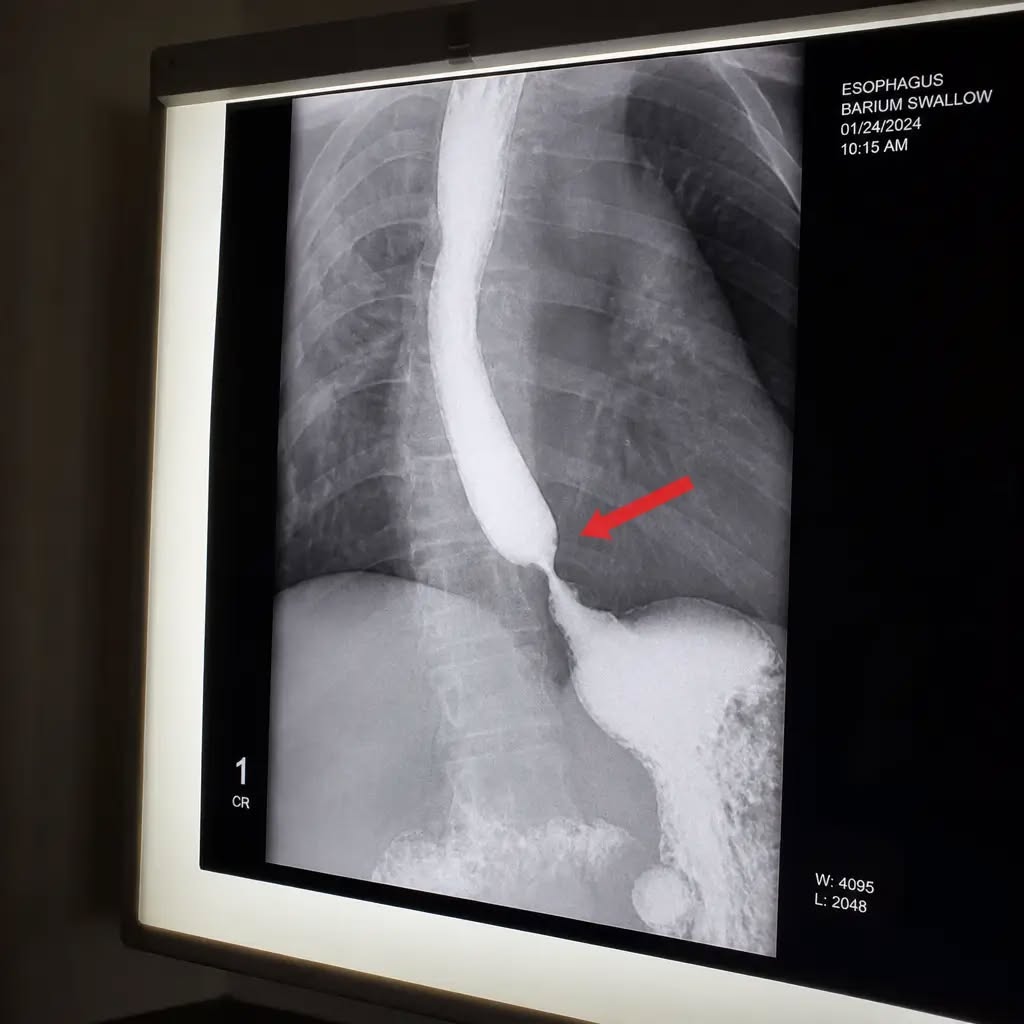
I quit omeprazole after eleven years. The last three times I tried, I ended up on the bathroom floor convinced I was dying. Here's what finally worked. Last spring my doctor pulled up my refill history during a routine appointment. Scrolled for a second longer than usual. Then looked up. "You've been on this since 2013." Not a question. Just the quiet kind of statement that lands like a verdict. I drove home and sat in my driveway and did the math. Eleven years. One pill every morning before coffee. Over four thousand pills. My youngest was in kindergarten when I started. She's applying to college this fall. I cried in the driveway. Not about the number. About the fact that I had stopped questioning it. I tried quitting four times. First time, I tapered the way my doctor suggested. Cut to every other day, then every third. Made it to day eleven before the rebound hit so hard I was gripping the bathroom counter at 2 AM, sweating, convinced the burning in my chest was something rupturing. Took the pill. Symptoms gone within forty minutes. That scared me more than the burning did. Second time, I went the natural route. Every supplement the internet could produce. Apple cider vinegar. Slippery elm. Aloe vera juice. DGL licorice. A probiotic that cost $74 a bottle and tasted like chalk. Digestive enzymes. Melatonin, because someone in a forum swore by it. I spent over $800 in three months. Nothing held. Not one thing made it past week two without the symptoms crawling back. Third time, I stopped cold. Convinced myself the rebound was psychological and I just needed to push through it. Day nine. I woke up choking. Acid had come up while I slept and sat in my throat, and I was coughing in the dark making a sound I didn't recognize. My husband woke up. Got out of bed. Stood in the bathroom doorway watching me. He didn't say anything for a long time. Then: "Just take it." Not frustrated. Tired. The kind of tired that means he had watched this exact scene too many times to have anything left to say about it. So I took the pill. And I made a decision, sitting on the bathroom floor at 4 AM, that this was just my life. Omeprazole every morning. Tums in every bag, every coat pocket, every drawer of every room in the house. Two pillows. No tomatoes. No wine. No coffee after noon. A body I had given up trying to fix and learned instead to manage. Fourth time I didn't even make it a week. Then this past spring, something shifted. I don't know if it was the doctor's face when she said the year. I don't know if it was watching my daughter look at colleges and realizing I'd been on this pill for more than half her life. But I stopped asking what I could take instead of omeprazole. And started asking why I needed it in the first place. Not "because you have GERD." The actual mechanical reason. What was physically happening in my body that created this problem, and what, if anything, addressed it. I found a paper by a gastroenterologist who had written specifically about the difference between acid management and reflux management. I read it three times. He said something I had never heard in eleven years of appointments. "GERD is not fundamentally an acid problem. It is a valve problem. The acid is a secondary symptom of a primary mechanical failure." The lower esophageal sphincter. The LES. A ring of muscle at the bottom of your esophagus that opens to let food down and closes to keep acid from coming back up. When it weakens, acid escapes. That's reflux. That's GERD. That's the burning. Here's what stopped me cold. Omeprazole doesn't fix the valve. It just turns down the acid so there's less of it when the valve lets things through. The door stays broken. The reflux still happens. The contents still push through, pepsin, bile, enzymes that cause damage no matter how much you've reduced the acid. And every month the prescription gets refilled while the valve gets no attention at all. Eleven years of taping over a broken lock and calling it treatment. I spent three weeks reading everything I could find on actually fixing the valve. Not herbal blends. Not enzyme supplements. Things with a real physical rationale that the research had actually tested. What I found was sodium alginate. I'd tried Gaviscon years before. Liquid. Did nothing I could detect. But when I read how it actually works, I understood why. Alginate is a compound from seaweed. When you swallow it and it hits your stomach acid, it reacts and forms a thick floating gel, like a lid that sits right at the top of your stomach, exactly where the valve is failing. Not a drug. Not a chemical signal. A physical layer that sits where the valve was supposed to close. When pressure builds and the valve relaxes, the gel is already there taking the force. They've imaged it forming with MRI. You can watch it happen. It physically sits where the valve fails. It does the job the valve stopped doing. The reason Gaviscon had done nothing was the format. It's a liquid, so it passes through before it has the chance to form properly. The dose varies each time. By the time it reaches your stomach it's already half gone. What actually works is a capsule, so the gel forms right in the stomach at the same dose every single time. And paired with ingredients for the damage eleven years of reflux had already caused. Zinc-L-carnosine to repair the lining. DGL to rebuild the mucosal layer that years of exposure had stripped. Ginger to help the stomach empty faster so there's less pressure building against the valve in the first place. I looked for one formula with all of it together. Not four separate bottles. Gut Barrier Repair. One product. I ordered it that night. Still taking the omeprazole. Wasn't ready to try again yet. Just wanted to see what happened. Week one. I didn't feel anything dramatic. I was waiting for dramatic and it didn't come. I told myself this was the same as every other thing I'd tried. Then on day nine I realized I hadn't taken a Tums. Not that I'd taken fewer. Not that I'd taken one instead of three. I just hadn't reached for the bottle that sat on the kitchen counter where I could see it from every seat at the table. I hadn't thought about it. Week two. I forgot my omeprazole on a Thursday. Didn't realize until Friday morning when I saw it sitting on the counter. I stood there waiting for what usually came within a few hours of a missed dose. The tightening. The rising. The burn that within eleven years I had learned to identify within minutes of it starting. It came. Small. Muffled. The way a sound is muffled when it's coming from the next room instead of the one you're in. I took the pill. But I stood there for a while thinking about that difference. Week four. I decided to try again. I didn't tell my husband. I didn't want another scene like the bathroom at 4 AM. I didn't want him to have to watch it fail again. I tapered off over ten days. Watched myself for the rebound the way you watch a weather forecast for a storm that's been predicted before and always arrives. Day fourteen off the pill. Woke up flat, no wedge, no extra pillow. Lay still for a moment the way I'd learned to, assessing. Nothing. Day seventeen. Pasta with tomato sauce. The meal I'd crossed off my list years ago. Went to bed at 10 PM. Woke up at 6:30 AM and lay there doing the assessment again. Nothing. Day twenty-two. My husband looked up from his coffee on a Saturday morning. "I just realized something. You haven't cleared your throat once this week. You haven't gotten up in the night." I didn't say anything for a second. "I know," I said. "How long has it been since you took the pill?" "Twenty-two days." He put his mug down. He'd watched four attempts fail. He knew what the bathroom floor at 4 AM looked like. He didn't say anything else. He just looked at me the way you look at someone you've been worried about for a long time when you start to think maybe you don't have to be anymore. Week seven. Thirty-one days off omeprazole. No rebound. No burning. No 2 AM choking. My sister started Gut Barrier Repair three weeks after I did. Nine years on Nexium. She called me on a Sunday. I could hear her smiling before she said anything. "I had coffee this morning. Real coffee. Then I had a glass of orange juice with my daughter. Then I waited." She paused. "Nothing happened." I knew exactly what she meant. Not that the symptoms were reduced. Not that they were manageable. That she'd done the thing she'd been afraid to do for years and her body had simply let her. That's not a small thing. That's years of your life back. I'm not going to tell you your body will respond the way mine did. Eleven years of damage doesn't reverse on the same timeline for everyone. But I need you to hear this. If you have been on a PPI for years and you have accepted that you will be on it forever, you accepted the same thing I did. That managing the symptom is the best you can do. That the valve stays broken and all you can do is quiet the acid that leaks through it. That the tightening in your chest when you miss a dose is just your condition, not a dependency the medication created. That 4,000 pills was normal. That your daughter growing up watching you swallow one every morning was just the way things were. The valve is why you have GERD. The acid is what you feel when the valve fails. Your omeprazole addresses the second thing and leaves the first thing running completely untouched. That is not a complete answer. It was never designed to be one. Gut Barrier Repair by MendMD. getmendmd.com/products/mend-md-gut-barrier-repair Cold-extracted sodium alginate standardized for raft-forming potency, not heat-dried powder. Zinc-L-carnosine at the dose the research actually used. DGL for the mucosal lining. Ginger for the pressure. Nothing else in the capsule. The first formula I found built around what I spent three weeks in the research trying to piece together myself. 90-day money-back guarantee. If the symptoms haven't eased, if you don't feel the difference, full refund. Keep the bottle. If you've already tried quitting and the rebound brought you back, this is what was missing. I wish someone had told me eleven years ago. Before 4,000 pills. Before my daughter grew up. So I'm telling you now. getmendmd.com/products/mend-md-gut-barrier-repair P.S. The first real shift came in week two. Off the omeprazole completely by week four. My sister saw it faster. Your timeline will be your own. But after eleven years of managing a broken valve instead of giving it something to work with, the worst thing you can do is keep waiting.
Where the ad sends people
getmendmd.com
I quit omeprazole after eleven years.
Mend
Learn more: getmendmd.com(opens in a new tab)