Anna Becker
 Facebook ad: “Reflux Relief Without an Acid Blocker”
Running for 44 days since October 9, 2026. Crush last saw it on November 22, 2026.
Run by Anna Becker on Facebook. Crush is not the advertiser and does not verify its claims. See this ad in Meta's Ad Library(opens in a new tab)
Make your own version of this ad
Crush makes it, launches it in your own Meta ad account, scales the winners and pauses the losers.
About this ad
- Meta Ad Library ID
- 4894283014132342
- Platforms
- Facebook, Instagram, Audience Network and Threads
- Relaunches
- 0
- EU reach
- 29,783
Ad text
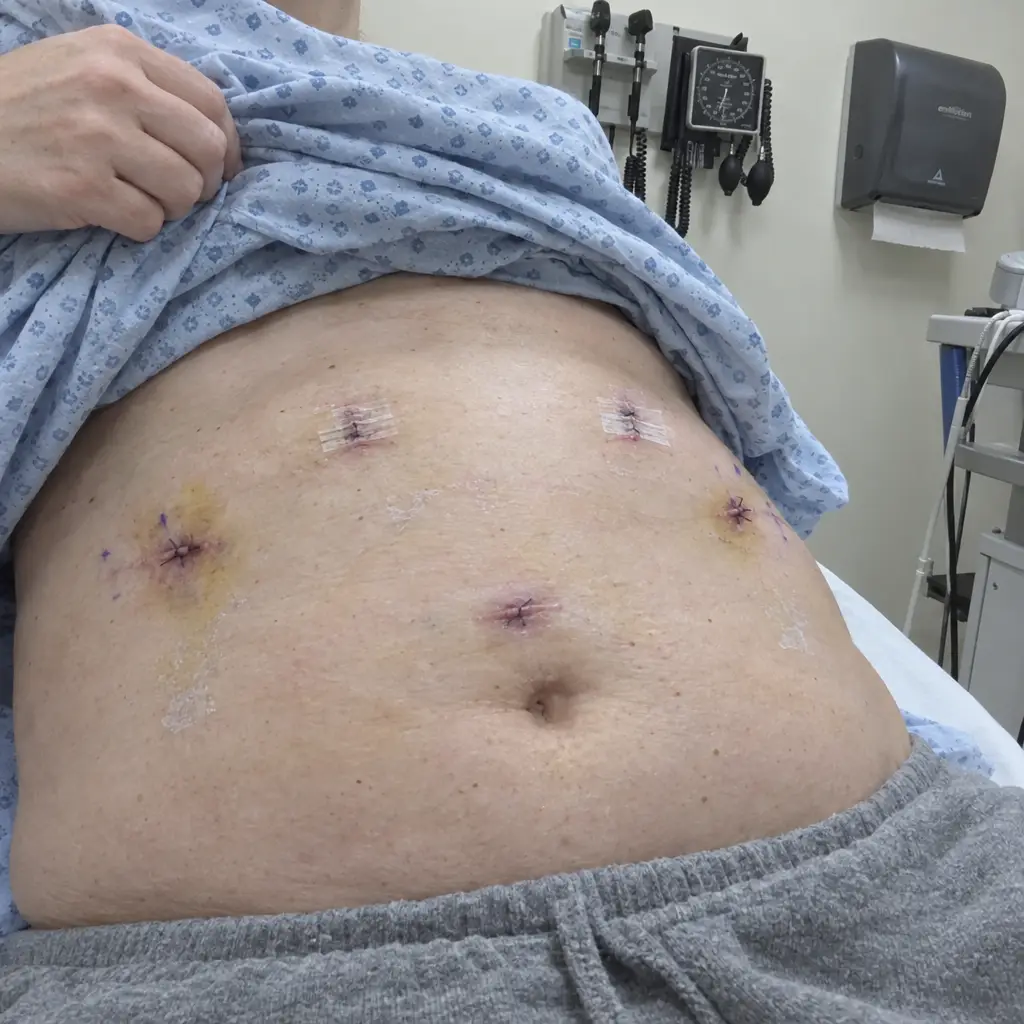
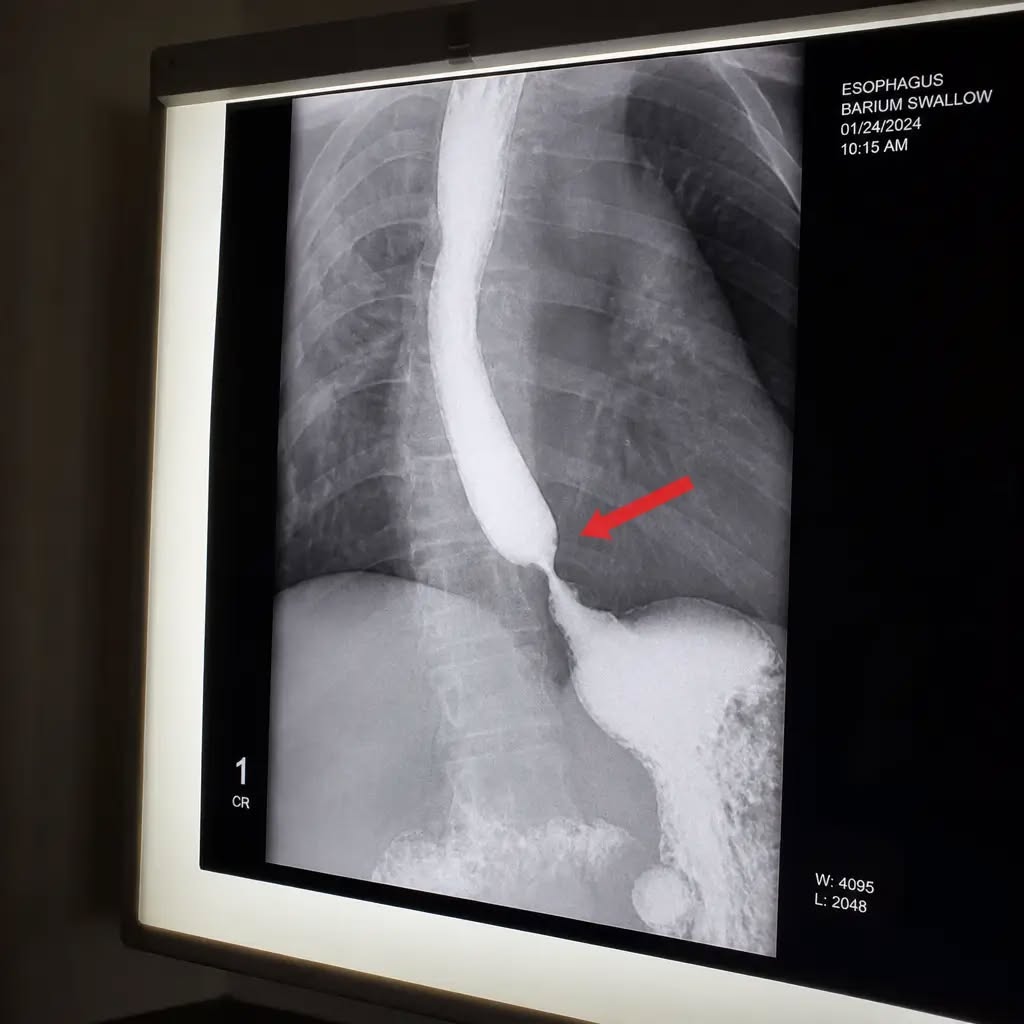
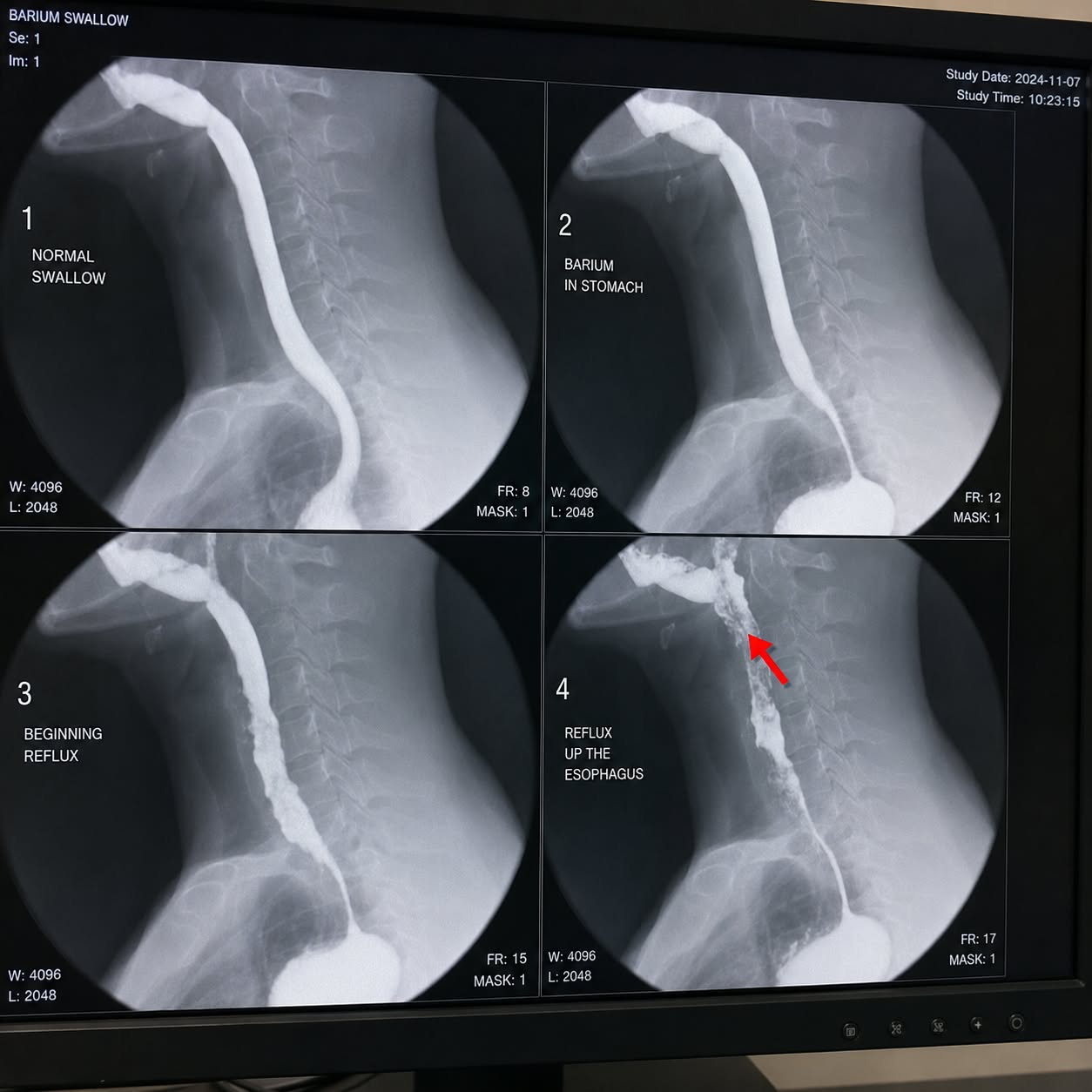
"Omeprazole is the most harmful medication you can take for more than ten years." My doctor said this to me after having me on it for fifteen. I was shaking. Not the kind of shaking you can hide. The kind that starts in your hands and moves up into your chest and makes your voice wrong when you try to speak. He said it so casually. Like it was a footnote. Like fifteen years of daily medication and four thousand appointments and a body I had arranged my entire life around managing was something he could summarize in one sentence and move on from. I couldn't move on from it. I sat in my car in the clinic parking lot for forty minutes. Couldn't make myself drive. Called my sister from the front seat because I couldn't walk inside yet. "Karen. He said they're harmful after ten years. I've been on them for fifteen. Why didn't he tell me five years ago? Why didn't he say something at ten?" She didn't have an answer. Nobody did. That night I searched "long-term omeprazole side effects." Bone loss. Kidney damage. B12 depletion so severe it causes nerve damage. Fracture risk from something as minor as stepping off a curb wrong. Dementia. Magnesium deficiency that can cause seizures. C. difficile. Pneumonia. A cardiovascular risk profile that researchers are still mapping. I had been swallowing all of that every morning with my coffee for fifteen years. Because my doctor told me they were safe. I sat on my bathroom floor that night and counted. Fifteen years. Three hundred sixty-five pills a year. Over five thousand pills. My youngest child was in diapers when I started. She has her driver's license now. I cried until I didn't have anything left. Then I got angry. I had tried to quit three times before that appointment. First time, I did it the way the internet said. Tapered slowly. Cut the dose in half, then in half again. Gave myself two weeks at each step. Day six. The rebound acid hit so hard I was bent double over my kitchen sink at 1 AM, sweating through my shirt, convinced something inside me had ruptured. My husband found me there. He didn't know what to do. He just stood with his hand on my back while I gripped the counter and tried to breathe. I took the pill. It was gone in forty minutes. That terrified me more than the pain did. Second time, I threw everything at it. Apple cider vinegar. DGL licorice. Mastic gum. Slippery elm bark. Digestive enzymes. A probiotic that cost $68 a bottle. Aloe vera juice that tasted like grass. I had a shelf in my bathroom that looked like a health food store. I spent over $600 in three months. Nothing touched it. Every time I got below 20mg the acid came back like it had been waiting. Like it had been building behind a door the whole time I was trying to leave. Third time, I decided I was going to push through it. That the rebound was mostly in my head and I just needed to be stronger. Day eight. I woke up at 3 AM choking. Acid had crawled into my throat while I slept. I was coughing in the dark, couldn't get a full breath, chest on fire, left arm going numb. My husband called 911. I spent four hours in the emergency room being told it wasn't a cardiac event. It was reflux. Just reflux. After that I stopped trying. I accepted it the way you accept something you've lost, quietly, without ceremony. This was my life. The pill every morning. The Tums in every bag and coat pocket and car console. The wedge pillow. No wine. No tomatoes. No coffee after noon. No spontaneous dinners. No travel without a suitcase full of backup medication. A body I had stopped trying to fix and was just trying to get through the day inside. But after that appointment, after fifteen years of "they're safe" became "they're the most harmful" in one sentence, something broke open. I stopped asking what I could take instead of omeprazole. And started asking why my body couldn't hold acid down in the first place. Not the medical answer. The mechanical answer. What was physically failing, and whether anything actually addressed that failure rather than just managing what leaked through it. I found a gastroenterologist who had written specifically about this. Not about acid. About the valve. He said something I had never heard in fifteen years of appointments. "We don't have an acid problem. We have a valve problem." The lower esophageal sphincter. The LES. A ring of muscle at the bottom of the esophagus that opens when you swallow and seals closed to keep everything below the line where it belongs. When it weakens, it doesn't seal. Acid escapes. That's reflux. That's GERD. That's the burning, and the choking, and the taste at the back of your throat at 3 AM. That's all of it. And omeprazole doesn't touch the valve. It never has. It wasn't designed to. It lowers the acid so there's less of it when the valve fails to hold. The valve keeps failing. The contents still push through. Pepsin, bile, digestive enzymes that damage tissue no matter how much acid suppression you're on. The door stays broken. Every single day for fifteen years, the door was broken, and every single day I swallowed a pill that did nothing about the door. That's why every attempt to quit destroyed me. The valve had been weakening the entire time, silently, with no support, while the medication masked what was happening. When I tried to stop, I wasn't just withdrawing from a drug. I was exposing a valve that had been failing for years with nothing to catch the fall. I wasn't weak. I wasn't doing it wrong. I was trying to fix a mechanical failure with willpower. Willpower cannot strengthen a muscle. That realization hit me harder than anything the doctor had said. I spent the next three weeks reading everything I could find on actually addressing the valve. Not herbal blends. Not supplements that "support digestive health." Things with a specific physical rationale and data behind them. What I found was sodium alginate. I'd tried Gaviscon years before. Liquid. Did nothing. But when I read the actual mechanism I understood why. Alginate is a compound from seaweed. When it hits stomach acid it reacts and forms a thick floating gel, like a physical lid sitting right at the top of your stomach, exactly where the valve is failing. Not a drug. Not a chemical. A barrier that sits where the valve was supposed to close. When pressure builds and the valve relaxes, the gel is already there taking the force. Gaviscon had done nothing because it's a liquid. It passes through before the gel can fully form. The dose is inconsistent. By the time it reaches the stomach it's already half gone. What actually works is a capsule, so the gel forms in the stomach at the same precise dose every time. And paired with the ingredients to address fifteen years of damage that was already done. Zinc-L-carnosine to repair the lining. DGL to rebuild the mucosal layer that years of pepsin and bile had stripped. Ginger to help the stomach empty faster so there's less pressure building against the valve in the first place. I was ready to buy seven separate bottles from four different manufacturers. Then I found a mention of Gut Barrier Repair buried in a forum thread. Everything on my list. The right doses. One product. For the first time in fifteen years I felt something I had genuinely stopped expecting to feel. Hope. But I didn't trust it. I had stopped trusting things a long time ago. First week. Nothing dramatic. Maybe slightly less tightness after eating. I told myself it was placebo. Then day nine, I realized I hadn't taken a Tums. Not fewer. Not one instead of three. I just hadn't reached for the bottle that had been sitting on my kitchen counter within arm's reach for five years. I hadn't thought about it once. Week two. I forgot my omeprazole on a Wednesday. Didn't realize until Thursday morning when I saw it on the counter. I braced. That tight creeping burn that hit within hours of a missed dose. I knew exactly what it felt like. I'd felt it every time I tried to quit. It came. Soft. Almost distant. Like something happening in the next room rather than inside my chest. I took the pill. But I stood there at the kitchen counter for a long time thinking about the difference between that and what the last three attempts had felt like. Week five. I started tapering. Slowly. The way I'd tried before, except this time I wasn't white-knuckling it alone. Week six. Off omeprazole for nine days. I made coffee one morning. Black. Out of habit, without thinking, the way I used to before any of this started. Drank it while I read the news. Realized forty minutes later what I'd done. No burning. No tightening. Nothing. I sat at my kitchen table and started crying and couldn't explain to my husband why. Week seven. Fifteen days off the pill. He noticed before I said anything. "You haven't cleared your throat at night in weeks. I realized I've been sleeping through. When did that stop?" "I don't know exactly." "How long have you been off it?" "Fifteen days." He put his coffee down. He had been in that kitchen at 1 AM. He had driven me to the emergency room. He had watched three attempts fail and watched me accept, quietly, that this was just going to be our life. He didn't say anything for a moment. He just looked at me. That look was enough. Week eight. I ate pasta with tomato sauce on a Saturday. Went to bed without the wedge. Lay flat in my own bed the way I hadn't been able to in years. Woke up at 6:30 AM and lay still doing the thing I'd learned to do every morning, the silent assessment, waiting for the burning to find me. It didn't come. I just lay there in the quiet, in my own bed, flat, and it didn't come. My sister started Gut Barrier Repair three weeks after I did. Eight years on Nexium. She called me on a Sunday morning. I could hear her smiling before she said a word. "I had coffee. Black coffee. Then orange juice. Then I waited." She paused. "Nothing. Not even a little." I knew exactly what she meant. Not that it was better. Not that it was manageable. That she had done the thing she'd been afraid to do for years and her body had simply let her. Like it was nothing. Like it was just a normal morning. That's not a small thing. That is years of your life back. That is yourself, returned. I'm not going to promise your body responds the way mine did. But I need you to hear this. If you have been on a PPI for years and have accepted you will be on it forever, you accepted the same thing I did. That managing the symptom is the best available answer. That the burning is just your life now. That the door stays broken and all you can do is reduce what leaks through it. Your doctor wrote those refills because that's what the system is built to do. He is not a villain. But the fifteen years I spent swallowing a pill that never addressed the actual failure, while the valve weakened and the damage built and the dependency deepened, while bone density dropped and kidney function shifted and a risk profile accumulated that I didn't know existed, those fifteen years are not nothing. And every month you stay on a PPI without addressing the valve is another month of the same. The valve is the problem. The acid is the symptom. Your omeprazole quiets the symptom and leaves the problem running. That was never a complete answer. Gut Barrier Repair by MendMD. getmendmd.com/products/mend-md-gut-barrier-repair Cold-extracted sodium alginate standardized for raft-forming potency. Zinc-L-carnosine at therapeutic dose. DGL for the mucosal lining. Ginger for gastric pressure. Nothing in the capsule that isn't doing a specific structural job. The formula I found after three weeks of research that I wish someone had handed me fifteen years ago. You stay on your medication while it works. No cliff. No cold turkey. You build the valve support first and the exit happens on its own timeline. 90-day money-back guarantee. If the symptoms haven't eased, if you don't feel the difference, full refund. Keep the bottle. After five thousand pills and fifteen years and one sentence from a doctor who had written every refill himself, the worst thing I could have done was wait any longer. So I'm telling you now. getmendmd.com/products/mend-md-gut-barrier-repair P.S. The first real shift came at the end of week one. Off the omeprazole completely by week six. My sister got there faster. Your timeline will be yours. But every month without valve support is another month the damage builds quietly while the pill keeps the alarm from sounding. Don't wait for your doctor to finally say what mine did. By then it's already been fifteen years.
Where the ad sends people
getmendmd.com
Reflux Relief Without an Acid Blocker
Mend
Learn more: getmendmd.com(opens in a new tab)