Blood Sugar Support Group
Blood Sugar Support Group Facebook ad: “Save your liver”
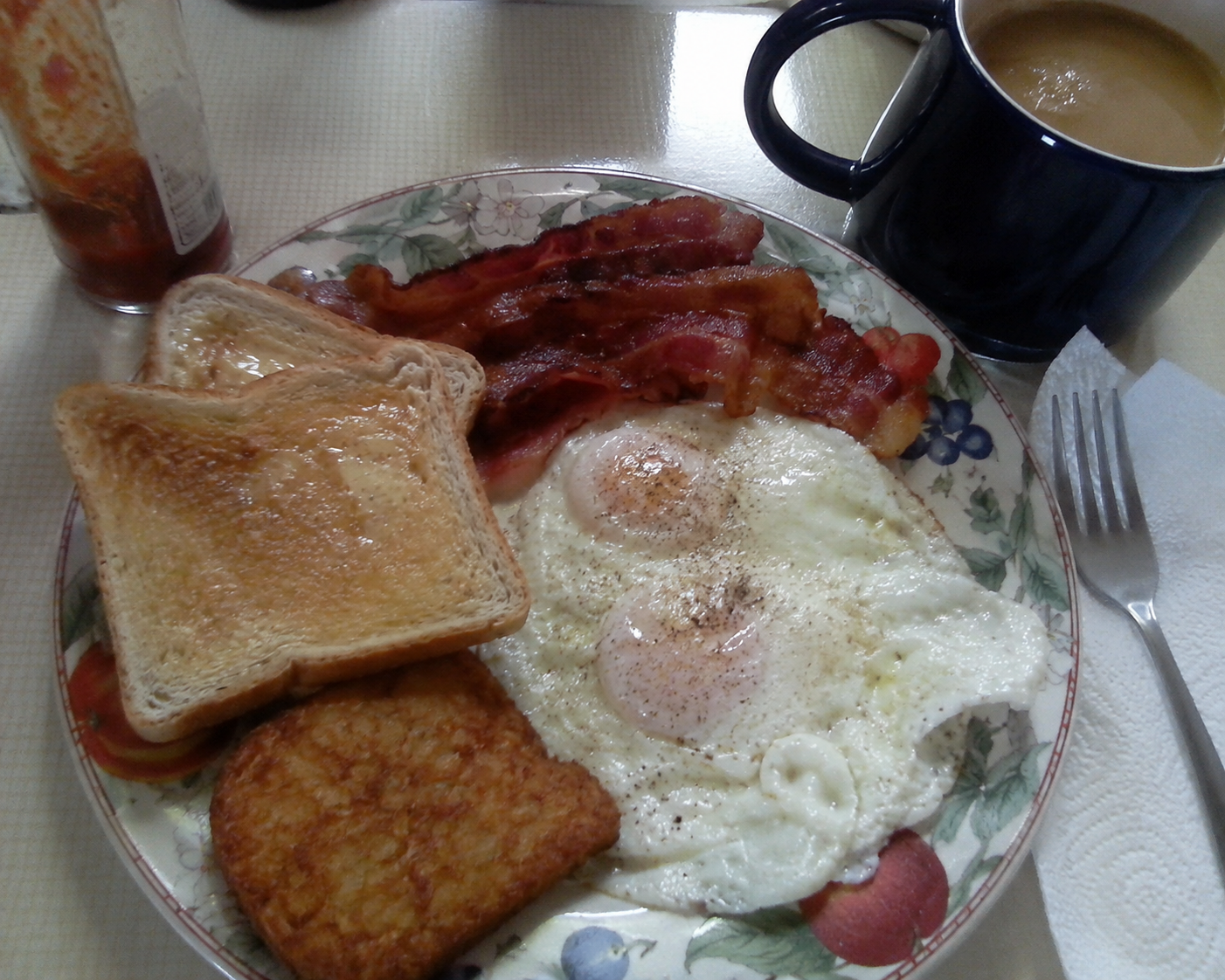
Ran for 72 days, from July 21 to October 1, 2026, the last day Crush saw it.
Run by Blood Sugar Support Group on Facebook. Crush is not the advertiser and does not verify its claims. See this ad in Meta's Ad Library(opens in a new tab)
Want an ad like this for your product?
Crush makes new ad images for your product from this ad: your logo, your product photo, your offer.
Trials from $19.95 USD, then $79.95 USD a month. Cancel anytime.
About this ad
- Meta Ad Library ID
- 1732590467929289
- Platforms
- Facebook, Instagram, Audience Network, Messenger and Threads
- Relaunches
- 0
Ad text
The tired came first. Not the normal kind of tired. Not sleepy. More like someone had quietly let the air out of me and forgotten to mention it. I’d get a full eight hours and still wake up feeling like I was dragging a coat made of wet sand around all day. By three in the afternoon I’d be white-knuckling it, counting the hours until I could reasonably go to bed. And then I’d go to bed, sleep fine, and wake up flat all over again. I’m 49. And the first thing everyone does, including me, is explain it away. Perimenopause. Two teenagers. A full-time job. A house. A husband. Life. And sure, some of it genuinely was that. I’m not going to pretend a busy woman in her late forties has no reason to be tired. But there’s a difference between “busy mom tired” and the flat, gray, nothing-in-the-tank feeling I had, and deep down I knew the difference. This wasn’t the tired that a good weekend fixes. I’d take a whole weekend of rest and feel exactly the same on Monday. That’s not normal fatigue. That’s something else, and I knew it even while everyone around me kept telling me it was fine. So I did the responsible thing. I went to my doctor and I asked to have it looked at properly. And thus began what I now think of as the bloodwork tour. They checked my thyroid. It came back “borderline, but within range.” Which is the most maddening phrase in all of medicine, because it means something might be off but not off enough for anyone to do anything about it. They checked my iron. Low-normal. “Fine.” I started taking an iron supplement anyway, on my own. Felt about the same. They checked my vitamin D. That one actually was low, genuinely low, so I felt a little spark of hope, took the high-dose supplement they gave me for three months, got my level back up into range, and felt, honestly, about five percent better. Which is to say, not the answer. They checked my blood sugar, my hormones, a general metabolic panel. And the running theme through all of it was some version of “your numbers look fine.” I had a folder of lab results that all said I was healthy, and I felt like I’d been hollowed out with a spoon. There is a particular kind of crazy-making frustration in being told you’re fine while every cell in your body is telling you that you are not. Let me tell you the things I tried, because I tried a lot before I understood anything. I tried more sleep. Went to bed earlier. Made no difference. I tried less sleep, because someone said maybe I was oversleeping. Also no difference, just crankier. I tried caffeine, obviously. More coffee, then a pre-workout powder a friend swore by, then those little energy shots. They’d give me a jittery hour and then drop me lower than before. I tried cutting caffeine entirely, which was a genuinely dark week, and came out the other side just as tired but now also without coffee. I tried a whole cabinet of energy supplements. B12. A B-complex. CoQ10. A ginseng thing. An ashwagandha thing. Each one I’d take faithfully for a few weeks, convinced this was the one, and each one did essentially nothing I could point to. I tried exercising more, because everyone says exercise gives you energy. Mostly it just used up what little energy I had and left me more wiped. I tried a cleaner diet, cut the sugar, and that helped a little around the edges but didn’t touch the core flatness. I was starting to accept that this was just my life now. That 49 meant tired, and I’d better get used to it. What actually changed things was learning about a molecule I had genuinely never heard of, called glutathione. Here’s what I came to understand about it. Glutathione is your body’s main built-in antioxidant. It’s the thing that mops up the daily cellular damage, the wear and tear, the byproducts of just being alive and processing everything you eat and breathe and take. And it lives in its highest concentration in your liver, because your liver is the organ doing the most processing and therefore generating and neutralizing the most of that daily junk. And here’s the part that stopped me. Your levels of glutathione drop, fairly steadily, after about 40. Age draws it down. Stress draws it down. Alcohol burns through it. A lot of common medications deplete it. So you end up in this slow, quiet bleed, where the very tool your body uses to clean up after itself is running lower and lower every year, right at the age when life is often at its most demanding. And when that main cleanup tool runs low, the daily load that used to get handled quietly and invisibly starts to build up. Your liver falls a little behind. And you don’t necessarily get sick in any dramatic, nameable way. You just feel it as this vague, gray, bone-deep, “my labs are fine but I feel terrible” kind of tired. I read that description and it was almost annoying how precisely it fit me. Labs fine. Feel terrible. Draining energy that no supplement seemed to touch. It was the first explanation anyone had offered me that accounted for the specific quality of the tiredness, not just the fact of it. Now, from what I read, you can’t simply swallow a glutathione pill and expect it to work well, because the body doesn’t absorb it easily that way. The smarter approach, the one the articles kept describing, is to support the raw materials your body uses to make its own glutathione, and to take some pressure off the system that’s burning through it. So that’s the direction I went. I started taking NAC, which is a direct building block your body uses to produce glutathione. Alpha lipoic acid, which supports the whole antioxidant system. And a milk thistle formula, because milk thistle has that long-standing association with liver support and kept coming up alongside all of this. And I did the one thing I’d been avoiding, which was cut the two glasses of wine that had quietly crept into most of my weeknights. Because alcohol burns through glutathione fast, and if my whole problem was that I was running low, then pouring wine on it every night was working directly against me. The wine was, honestly, the hardest part. It had become my little reward, my decompression at the end of a long day. But I told myself six weeks. Just six weeks, and then I’d decide. Let me tell you the timeline, because it wasn’t instant and I don’t want to pretend it was. The first two weeks, I felt basically the same, plus mildly resentful about the wine. This is the part where you always want to quit, and I understand why people do. Somewhere in week three, the fog thinned. I noticed it on an ordinary Tuesday afternoon when I realized I’d gotten all the way to dinner without the three o’clock collapse. I actually stopped and paid attention to it, because the afternoon crash had been such a fixed part of my day that its absence felt strange. By about week five, the sandbag was gone. Not “I’m 25 again” energy, I want to be clear. Just, my baseline had come back up to something that felt like me. I had a tank again. I could get through a day and still have a little left over in the evening for my own life, instead of pouring the last drops into just surviving until bedtime. By week six, when my little self-imposed trial was up, there was no question I was keeping going. I don’t want to oversell any of this. I still have off days. My labs, for whatever it’s worth, look pretty much the same as they always did, so this is not some dramatic before-and-after chart I can wave at you. It was never about the labs. It was about the quality of my days, and those changed. My daughter, who is 24 and thinks she is immortal, rolled her eyes at the whole thing for weeks, right up until she watched me actually have energy on a Saturday for the first time in ages. She’s since quietly asked me what I take, which from a woman my age’s own child is basically a standing ovation. I’ll also be fair and tell you that the wine mattered as much as any capsule. There was a stretch a few months in where I traveled for two weeks and drifted right back into a glass most nights, and by the end of it the gray, flat tiredness had started creeping back in. That was its own accidental little experiment, and it told me plainly that the drinking and the tiredness were far more connected than I’d wanted to admit to myself. If you’ve done the whole bloodwork tour, and you keep getting told you’re fine while you feel completely wrung out, I’d gently suggest spending an evening reading about glutathione and the liver. It might be nothing for you. For me it was the first thing that gave me a why instead of a shrug, and a why you can actually work with is worth a lot when you’ve been running on empty for years. Let me talk more about the bloodwork tour, because I think a lot of women my age are stuck on that same loop and don’t have words for how maddening it is. When you feel genuinely awful and every test comes back “normal,” you’re left in an impossible spot. Either you’re crazy, or the tests aren’t measuring the thing that’s actually wrong. And the medical system strongly prefers the first explanation, because the second one is inconvenient. So you start to doubt yourself. You start to wonder if you’re just weak, or lazy, or dramatic, or if this level of exhaustion is simply what everyone your age feels and you’re the only one complaining. That self-doubt is corrosive, and it’s honestly worse than the tiredness some days. I had a folder. An actual folder of lab results, all of them essentially normal, that I’d bring to appointments like evidence in a case I couldn’t win. Thyroid borderline but fine. Iron low but fine. Everything fine. And I’d sit across from a doctor who was, to be fair, not unkind, and get some version of “well, your labs look good, maybe try to reduce your stress and get more sleep.” As if I hadn’t thought of sleep. As if I wasn’t already doing everything. What the glutathione idea gave me, more than anything, was permission to stop doubting myself. Because it offered an explanation for exactly the situation I was in: a real, physical reason you could feel terrible while your standard labs looked fine. Standard bloodwork doesn’t measure your glutathione status. So of course everything came back normal. The thing that was actually depleted was something nobody had thought to look at. That reframe alone lifted a weight off me, because it meant I wasn’t imagining it and I wasn’t weak. I was running low on something real that just wasn’t on the standard panel. I also want to be honest and careful here, because I don’t want to send anyone down the wrong road. Persistent, severe fatigue absolutely can be a sign of something serious, and it does need a real workup from a real doctor. Please don’t take my story as a reason to skip that. I did the full workup. I ruled out the scary things first. Only after everything serious had been checked and cleared did I start looking at the “your labs are fine but you feel awful” angle, and that’s the right order to do it in. Don’t reverse it. Let me also revisit the wine, because I glossed over how central it turned out to be. It had become my nightly ritual, two glasses while I made dinner and decompressed. It felt like self-care. And it was quietly working directly against me, because alcohol is one of the fastest ways to burn through the very thing I was running low on. That accidental experiment I mentioned, the two weeks of travel where I drifted back into nightly wine and felt the gray creep back in, was genuinely eye-opening. It wasn’t the calories or the sleep disruption, or not only those. It lined up too precisely with the drinking. When I dropped it again, the flatness lifted again. I’ve kept the weeknight wine to a rare thing ever since, and I’m convinced it was one of the biggest levers, maybe the biggest, and it was free, and it was the one I’d been most resistant to pulling. One last thing I’d say to the women reading this who are somewhere in their forties or fifties and quietly exhausted. Please don’t accept “you’re just tired because you’re a busy woman your age” as the final word, if it doesn’t feel like the whole truth to you. Yes, we’re busy. Yes, some tiredness comes with the territory of this stage of life. But there’s a specific flavor of exhaustion, the flat, gray, no-tank, a-weekend-of-rest-doesn’t-touch-it kind, that is worth taking seriously and worth investigating, even when your labs come back fine and everyone around you is telling you it’s normal. You know your own body. You know the difference between tired and hollowed-out. Trust that, and keep looking until you find something that actually accounts for it. I almost accepted that flat exhaustion as my permanent new normal, and I’m so glad I didn’t, because it turned out there was a why, and the why was workable. I still take the NAC and the milk thistle formula. That combination is what I settled on, along with keeping the weeknight wine to a rare thing instead of a nightly thing. The liver formula I use is here, if you want to look 👉 https://rituallabs.shop/products/happy-liver13 But I’d genuinely start with the wine, if that’s part of your picture. Cutting the weeknight drinking mattered as much as anything I bought, and it doesn’t cost a thing.
Where the ad sends people
rituallabs.shop
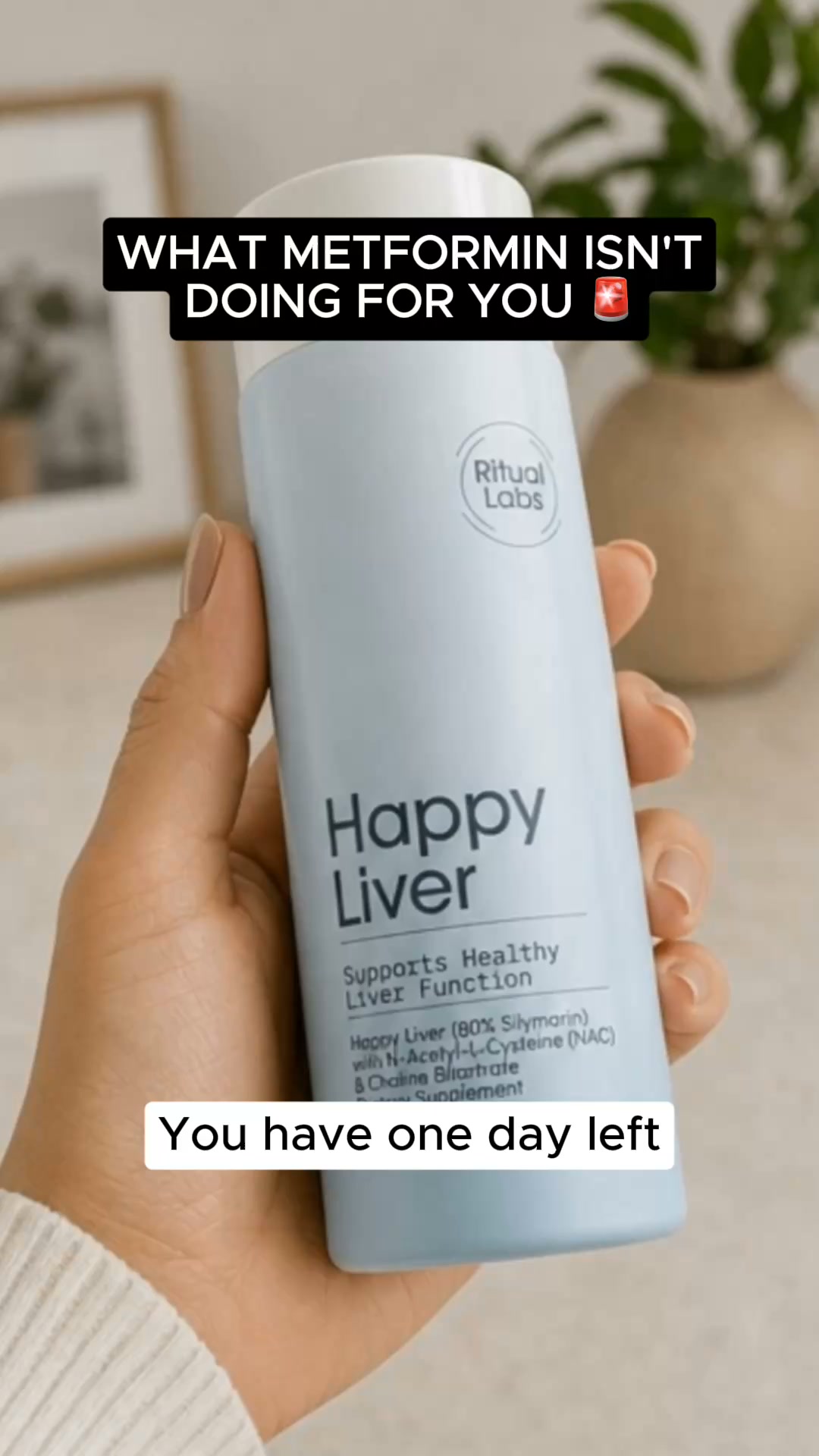
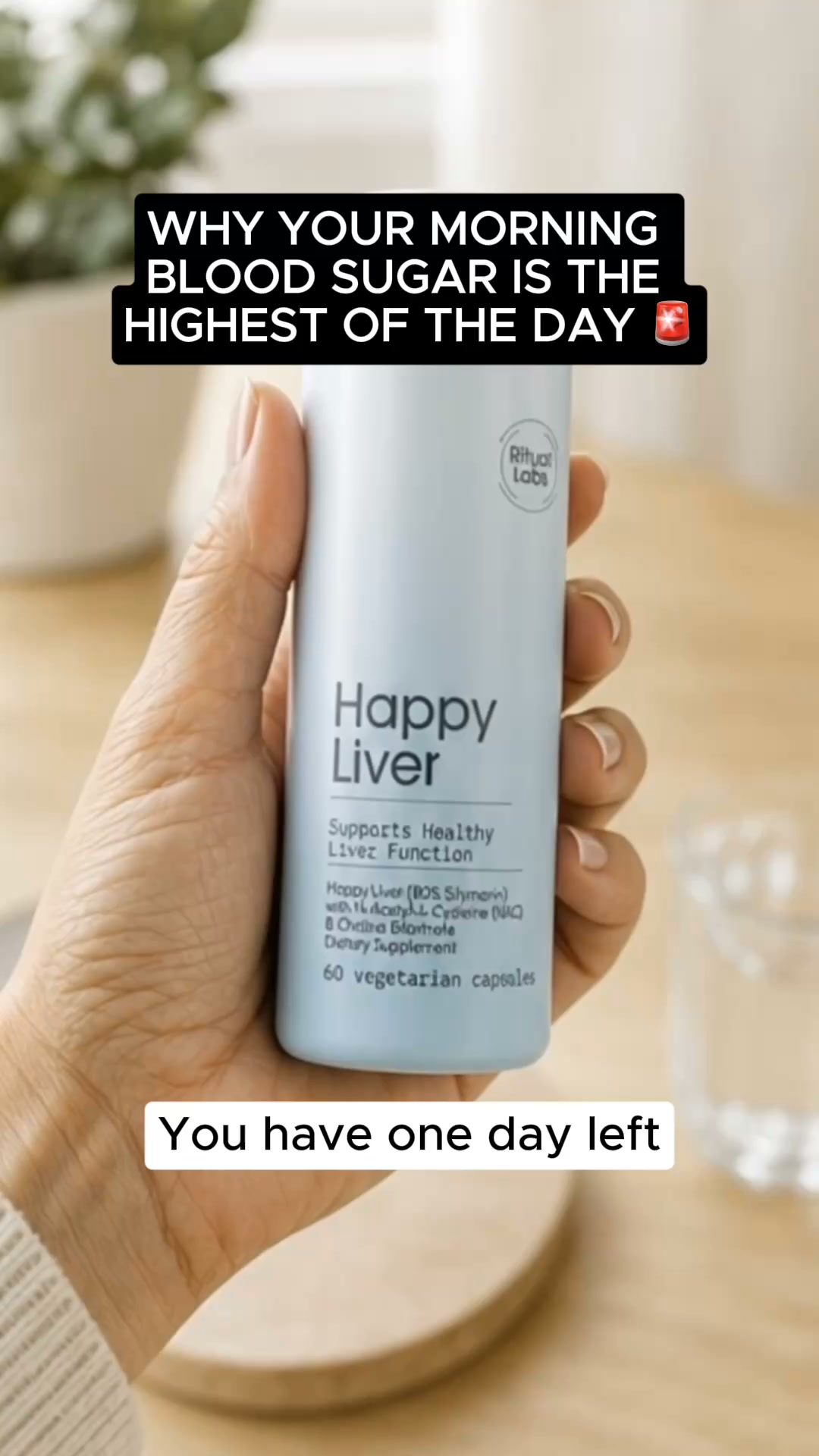
Save your liver
Your liver processes everything - alcohol, medications, junk food, environmental toxins. Happy Liver provides daily protection with clinical doses of Milk Thistle, Turmeric, Pueraria, and Inositol
Learn more: rituallabs.shop(opens in a new tab)