Inactive· since May 22, 2026
- 56
- days it ran
- 0
- relaunches
Ad copy
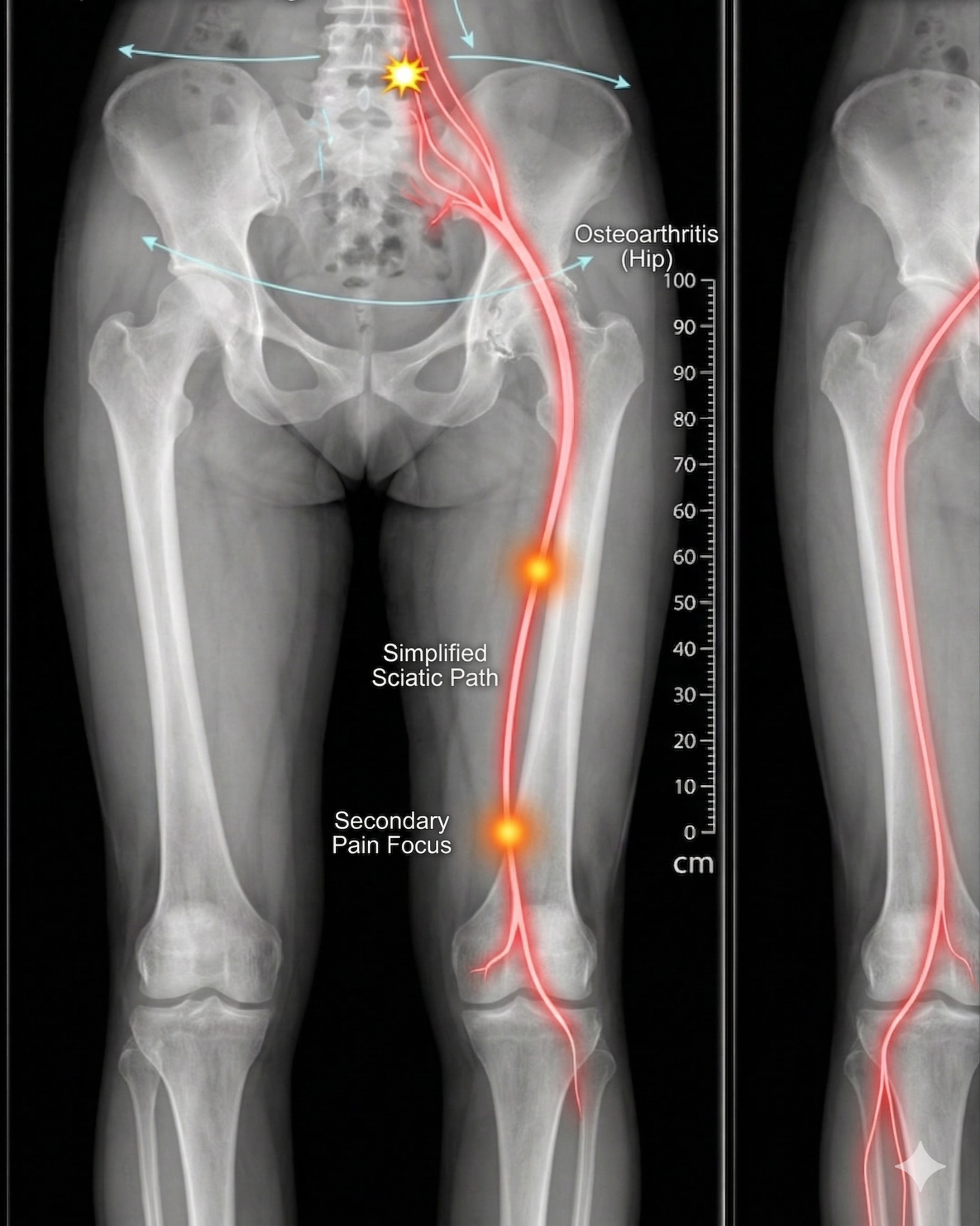
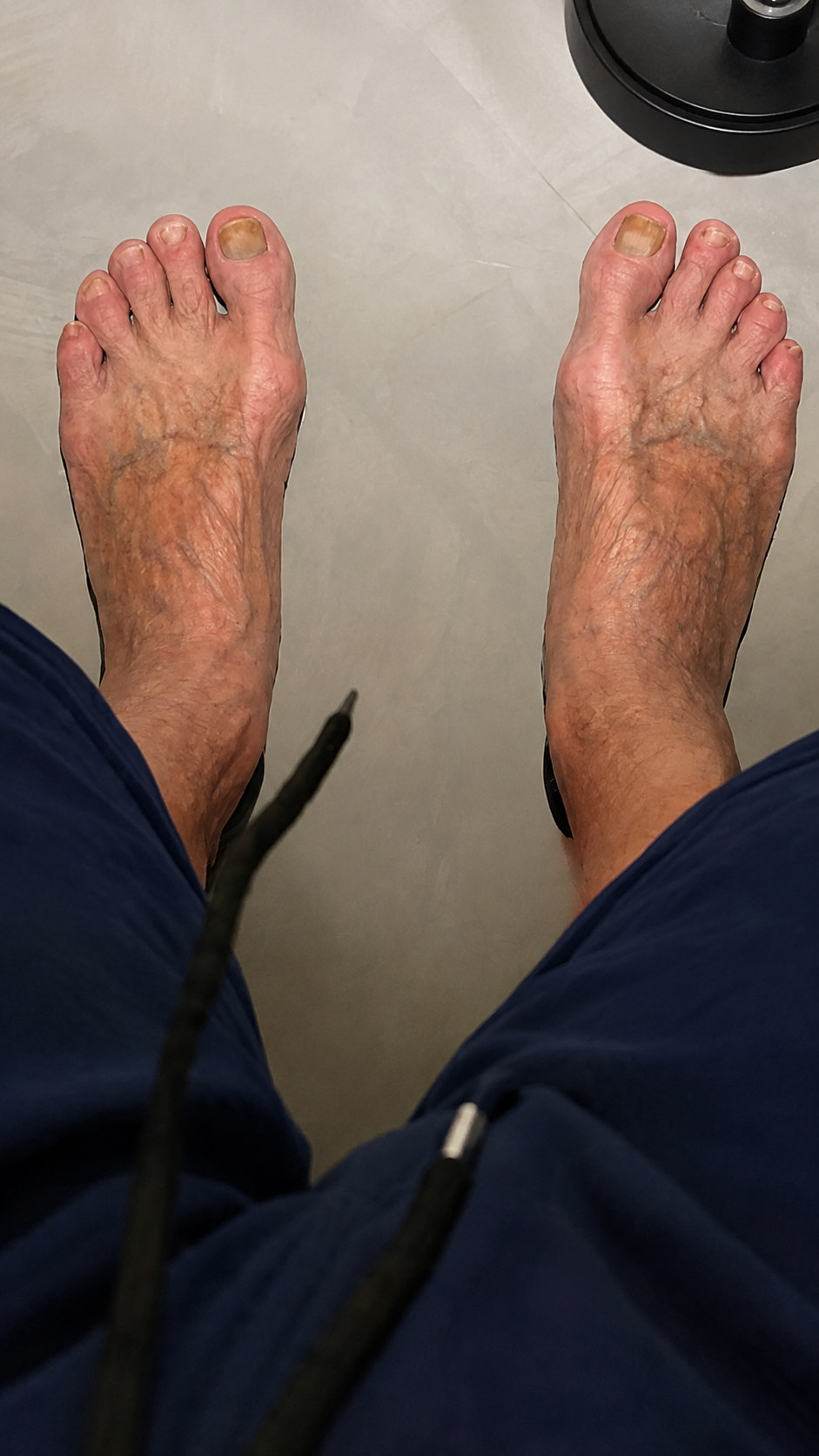
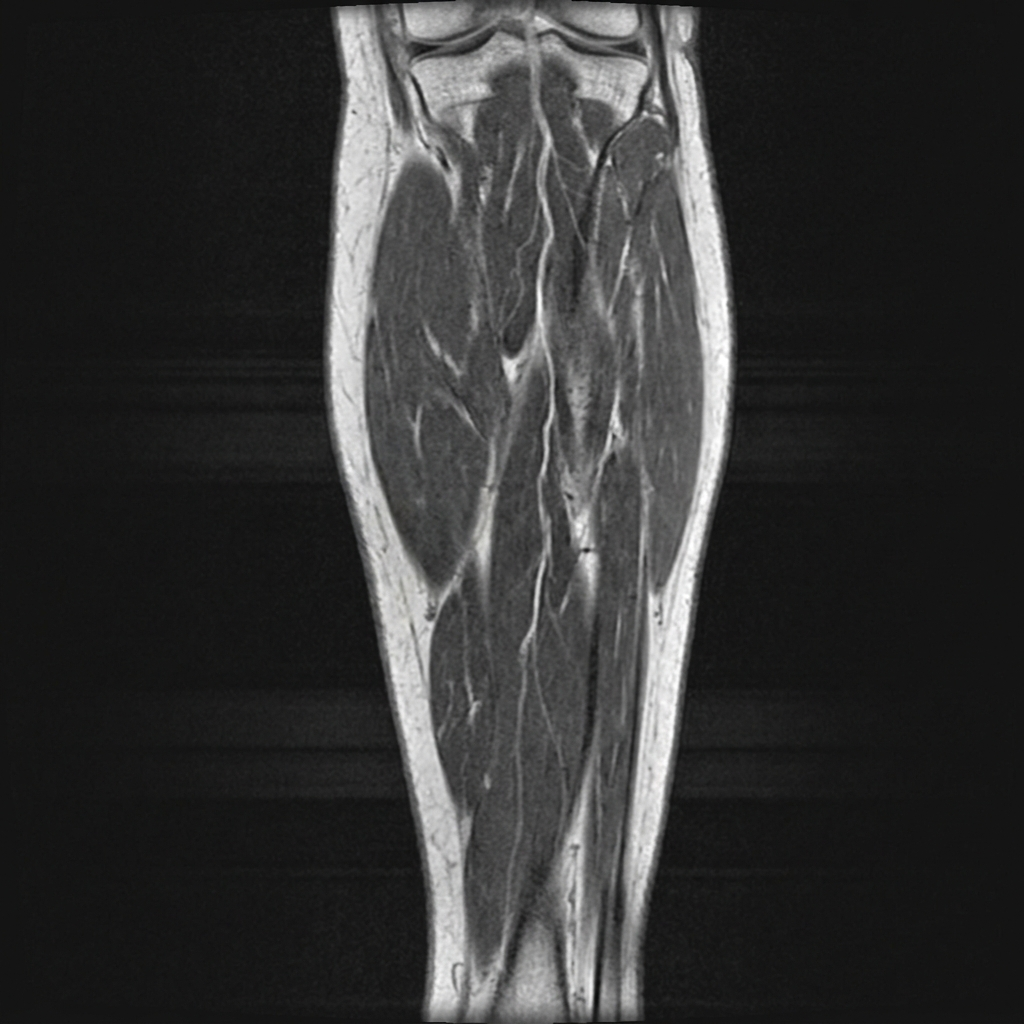
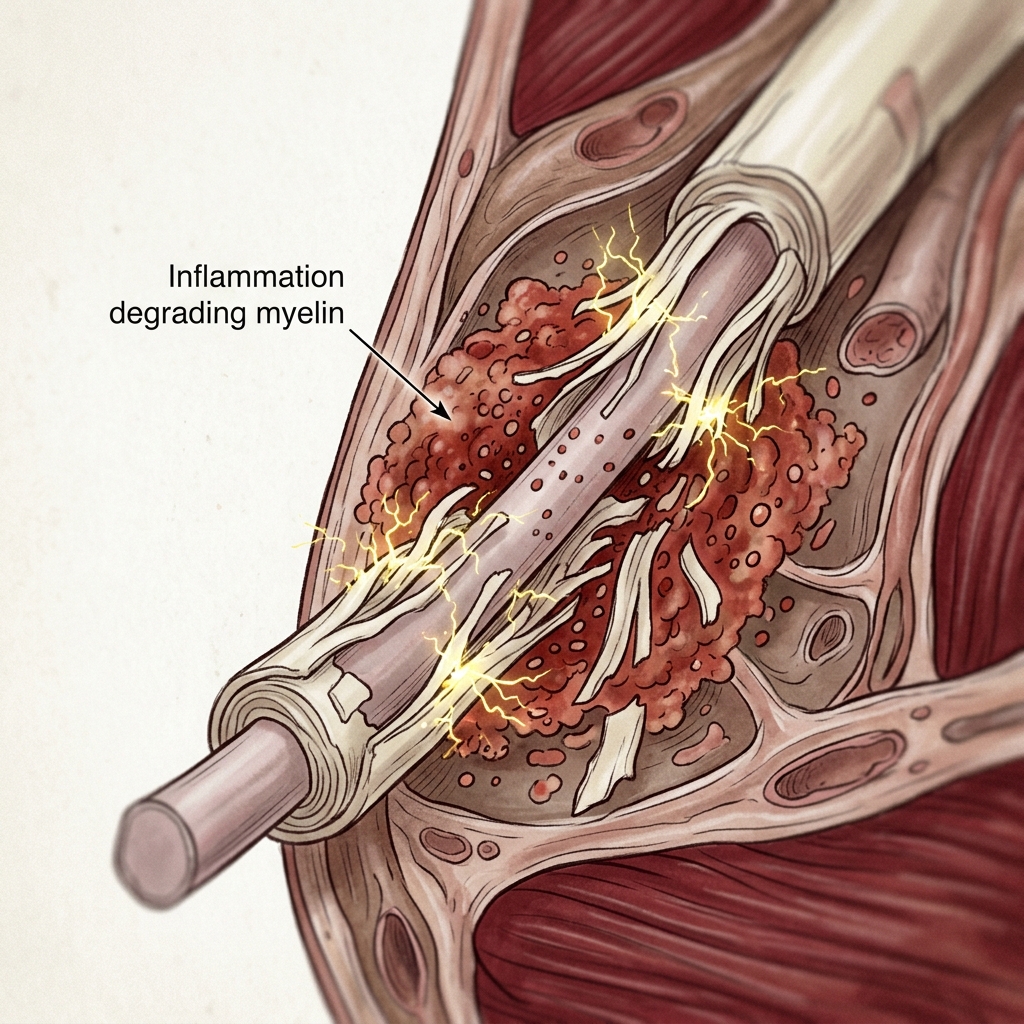
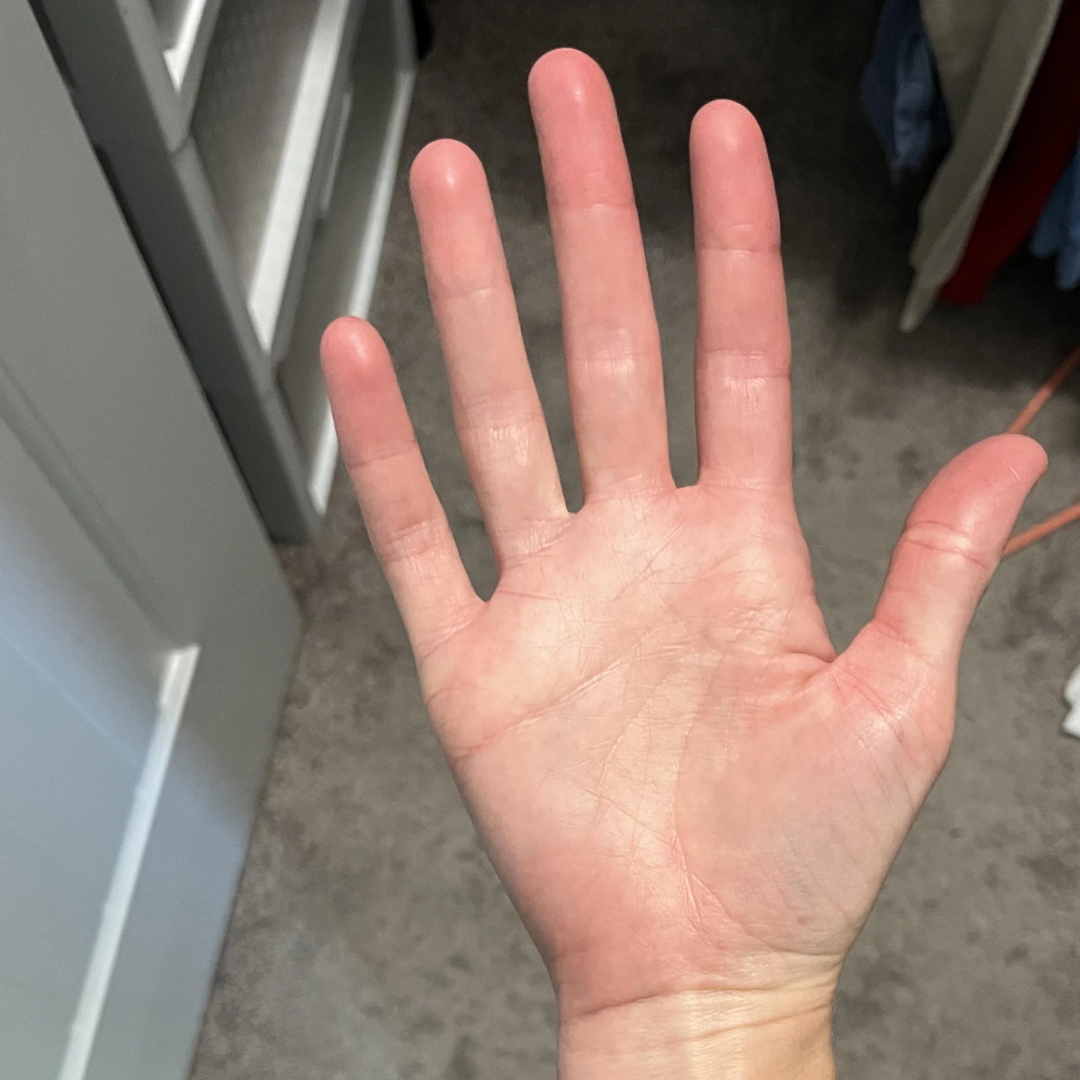
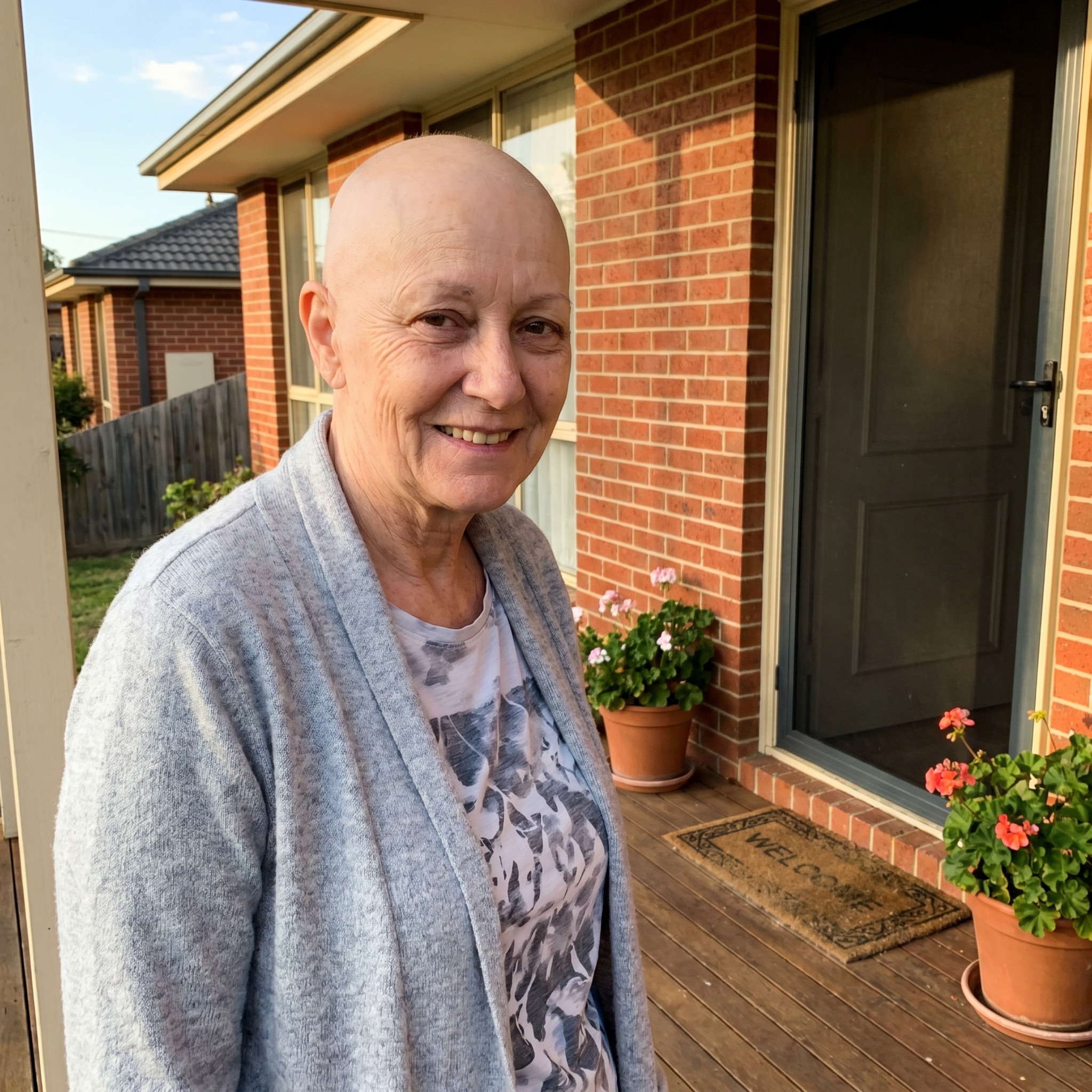
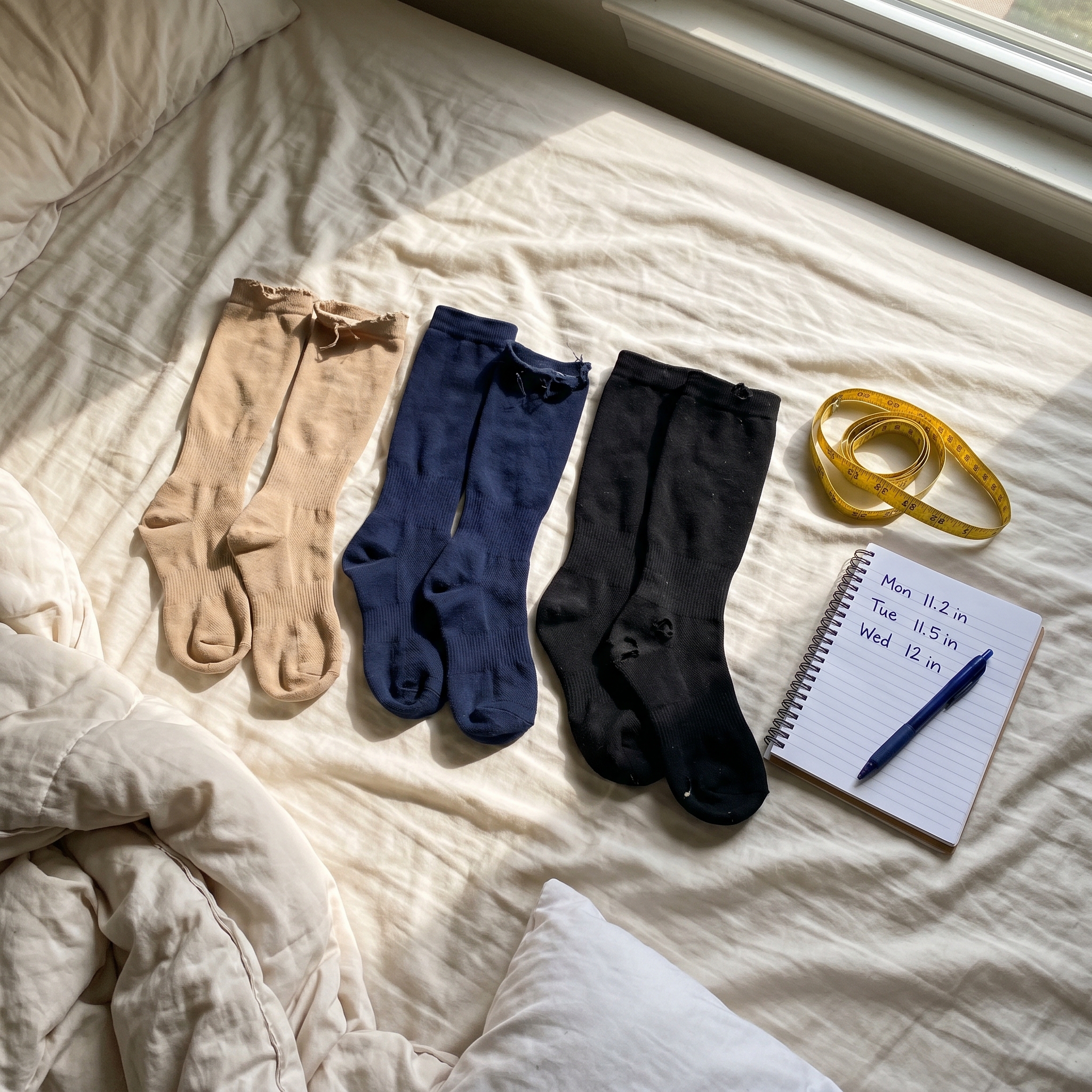
I've read too many vascular ultrasounds to not share this with you. If you're dealing with swollen legs right now, I need to tell you something your doctor isn't seeing. I've read 3,800+ venous doppler studies in 16 years as a vascular surgeon. And when a woman walks into her primary care doctor's office complaining of swollen legs, I already know what her venous imaging will show 4-6 years before she ever develops venous ulcers. Advanced venous valve incompetence. The same inflammation causing her swelling is destroying her circulation right now. I'm Dr. Sarah Chen. I'm a vascular surgeon specializing in venous disease and chronic edema. And when my own leg swelling started at 54, I knew something primary care doctors never tell their patients. Your swollen legs aren't a cosmetic problem. It's a circulation emergency happening system-wide. I've been reading vascular imaging for 16 years. I've seen thousands of women with chronic edema. Thousands who got prescribed compression socks and diuretics and thought their problem was managed. And I've seen the follow-up venous ultrasounds that primary care doctors never order. Because primary care sees you once. Prescribes compression. Tells you to elevate. Sends you home. They don't see you 4-6 years later when you're in my clinic with venous ulcers that won't heal. But I do. Because I see what happens to the women who managed their swelling symptoms with compression instead of fixing the underlying circulation failure. The 61-year-old who wore compression socks for 5 years. Managed her swelling perfectly during the day. Then came in with skin discoloration and open wounds. Venous imaging showed severe valve incompetence. Her veins were destroyed. Skin damage was permanent. Her body tried to warn her for 5 years. Compression just squeezed the fluid elsewhere. The 58-year-old. "Just swelling, Doc. Nothing serious." Started on 20-30mmHg compression. Then 30-40mmHg medical grade. Then it stopped working entirely. Came to me with lipodermatosclerosis—hardened, discolored skin. Her venous system was irreversibly damaged. Skin grafts. Lifelong wound care. Her swelling was the 3-year early warning system she managed instead of healing. I see them in follow-up appointments. They don't complain. They're grateful I'm "helping" them. But I know what they lost. They had years to reverse the inflammation. Years to fix their circulation. Years to save themselves from permanent damage. Their swelling was screaming the warning. Compression just squeezed it silent. My imaging showed a different story than my symptoms. Swelling symptoms getting worse. No morning mobility. I couldn't wear normal shoes anymore. My husband was understanding, but I saw it in his eyes. The shift. From seeing me as active to seeing me as fragile. My primary care colleague looked at my symptoms and said what she says to every patient. "Standard protocol. Start with 20-30mmHg compression stockings. Elevate when you can. Cut back on salt. Should help." I know it would help manage symptoms. That's not the point. I'm a vascular surgeon. I immediately ordered my own venous duplex ultrasound and lymphatic imaging. Because I know what chronic edema actually means. Early venous valve incompetence. Reflux in the saphenous vein. Endothelial inflammation. Lymphatic drainage starting to fail. My swelling wasn't a "getting older" problem. It was my vascular system failing. And compression would have managed the symptom while the underlying circulation damage progressed. Here's what primary care doctors don't tell you because they don't see vascular imaging. Your leg veins have one-way valves that push blood back up to your heart against gravity. When inflammation damages those valves, blood pools in your lower legs. Fluid leaks into surrounding tissue. That's your swelling. When inflammation starts building system-wide, the smallest vessels show symptoms first. Swelling symptoms appear 3-7 years before permanent skin damage. You're not "just retaining water" or "sitting too much" or "eating too much salt." Your vein valves are failing. Your lymphatic system is overwhelmed. The same inflammatory process causing swelling in your legs is damaging your entire venous system. Right now. Women with chronic leg edema have up to an 80% chance of developing venous insufficiency within 5 years if the inflammation isn't reversed. Swelling is 12 times more predictive of venous ulcers than family history. Your swelling isn't embarrassing. It's life-changing. It's your 5-year early warning system. And compression manages that alarm while your circulation deteriorates. But primary care doctors don't see vascular imaging. They don't connect swelling to your vascular future. So they write the prescription for compression socks and send you home. My next step was clear. Not vein ablation surgery. Not yet. But I knew where this was heading. I tried what patients try. Lifestyle changes. More walking. Leg elevation. Helped marginally but swelling persisted. Diuretics. Water pills. They just dehydrated me and the swelling came right back. My venous reflux was stable but not improving. My lymphatic function was still impaired. Nothing was reversing the inflammation that was causing both problems. But I kept thinking about something that made no sense. Endothelial inflammation CAN reverse. Early valve damage CAN heal. The research proves it. So why wasn't mine reversing? March 15th. 10:32 PM. I was reviewing vascular surgery journals after a late clinic day. Couldn't sleep. The swelling was getting worse. Morning mobility completely gone. I was scrolling through research on anti-inflammatory interventions for venous disease. Not looking for anything specific. Just desperate. I found a study on Boswellic acids and vascular endothelial repair. Boswellic acids from Frankincense inhibit 5-LOX enzymes. These enzymes drive chronic inflammation in blood vessel walls. Blocking them allows endothelial cells to heal. The exact mechanism my patients needed. But here's what stopped me cold. "Topical application of Frankincense and Myrrh reduced venous inflammation markers by 64% and improved lymphatic drainage in 71% of subjects over 60 days." Not managed. Reversed. I sat there at 10:32 PM staring at the mechanism pathway. Compression squeezes fluid out temporarily. Then it comes back when you take the socks off. Your circulation doesn't improve. It's mechanically managed. Frankincense and Myrrh penetrate tissue and directly reduce the inflammation causing valve damage. Continuous anti-inflammatory action. Natural sustained healing. Your endothelium repairs instead of being mechanically compressed. The inflammation blocking lymphatic drainage in your legs—and damaging your vein valves—actually reduces. I've been a vascular surgeon for 16 years. I've studied venous disease my entire career. And I'd never connected therapeutic Frankincense application to edema reversal. Because primary care doctors don't study vascular repair mechanisms. And vascular surgeons reach for ablation, not topical herbals. At 11:14 PM, I ordered a balm I'd heard patients mention but never took seriously. It was called Senzio Miracle Balm. Frankincense. Myrrh. Angelica Sinensis. Comfrey. Peppermint Oil. Every ingredient had published research on anti-inflammatory action and vascular repair. I didn't expect miracles. But the mechanism was sound. It arrived March 17th. I started applying it twice daily to my swollen ankles and calves. March 18th - 1 day in. Within 20 minutes, I felt the cooling relief. The tight, stretched feeling in my skin started to ease. By evening, my ankles looked less puffy. I measured them. 1cm reduction. Small. But measurable. March 20th - 3 days in. I woke up and could see my ankle bones again. The puffiness that had been constant for 8 months was visibly reduced. I walked to the kitchen without that heavy, dragging feeling. My legs felt lighter. My husband looked at me. "Sarah. Your legs. What did you do?" I hadn't told him I was trying anything. I wanted to see if the physiology would show results before I said anything. "Different approach," I said. "Whatever you're doing, it's working." March 25th - 8 days in. Swelling reduced by approximately 60%. Morning mobility restored. I could wear normal shoes again. But more importantly, I wanted proof this was vascular healing, not just temporary symptom relief. April 28th - 6 weeks in. Follow-up venous duplex ultrasound and lymphatic imaging. I lay on the exam table while my colleague ran the ultrasound probe. Waited for the images. When they came up, I stared at the screen for a full minute. Venous reflux time improved from 3.2 seconds to 1.4 seconds. Lymphatic drainage function restored by 68%. Endothelial inflammation markers reduced significantly. I pulled up the comparison images. March scan vs April scan. The valve function had visibly improved. The tissue inflammation had reduced dramatically. My swelling was resolving because my circulation was healing. Not managed. Healed. I printed both scans. Walked down to my colleague's office. Dr. Martinez looked at the images. Looked at me. Looked back at the scans. "Sarah, what did you do? Valve function doesn't improve like this without intervention." I explained the Frankincense mechanism. The Myrrh anti-inflammatory pathway. The Angelica circulation boost. The Comfrey tissue repair. She studied the scans for another minute. "Your endothelial inflammation resolved. Lymphatic function normalized. And... you said your swelling is gone?" "Almost completely." She was quiet for a moment. "I need to start asking my edema patients about topical anti-inflammatories before I refer them for ablation." I cancelled nothing. Because I wasn't avoiding anything anymore. But I started telling patients something primary care doctors don't. I'm not telling you this because I'm against compression socks or diuretics. These interventions manage symptoms. They reduce discomfort. They work exactly as designed. But they don't fix your circulation. They don't reduce inflammation. They don't improve valve function. They don't lower your risk of venous ulcers. They temporarily manage fluid while your vascular disease progresses. And I see what happens 4-6 years later when those women become surgical patients. Your swelling isn't failing you. It's warning you. The same inflammation causing edema is destroying your vein valves right now. And you have two choices. Manage the swelling with compression while your circulation deteriorates. Or fix the inflammation problem causing both. I think about what I almost did. Not just accepting swelling. That's not the point. I almost managed a vascular emergency with compression stockings. I almost squeezed silent my body's early warning system because it was uncomfortable. I almost became the patient I see in my clinic 4-6 years later, wishing someone had told them their swelling meant something bigger. Because once you develop venous ulcers, you're on wound care for life. Once you have permanent skin damage, it doesn't reverse. Once you need vein ablation surgery, your body has crossed a threshold. You don't get a second warning. Swelling is your first warning. Your only warning you can still act on. I'm sharing this because if you're wearing compression socks for swelling, you deserve to know what I know. Not from a textbook. From vascular imaging I read every single day. Your swelling isn't the problem. It's the symptom. Your endothelium is inflamed. Your valves are failing. System-wide. And every month you manage it with compression is another month the inflammation advances toward permanent damage. The small vessels fail first because they're most vulnerable. Your larger veins are next. They'll show damage later. By then, you're not looking at swelling. You're looking at venous ablation. Ulcer treatment. Lifelong wound care. Or worse. Six weeks. That's how long it took my venous reflux to improve by 68%. Six weeks of letting my endothelium do what it was designed to do. Heal. I'm not saying don't use compression. I'm saying understand what you're managing. Your swelling is your check engine light. Compression socks are a temporary patch over the warning indicator. The engine is still failing. You just can't feel the pressure anymore. But I see it every day on vascular imaging. Women who managed their swelling for years. Then came to me with irreversible venous disease. Every single one says the same thing. "I wish someone had told me my swelling was connected to my circulation." I'm telling you now. Your swelling is connected to your vascular health. The same inflammation causing both. Fix the inflammation, and you potentially save both your mobility and your circulation. Or manage the inflammation, and risk everything. I'm a vascular surgeon. I understand venous disease at a molecular level. And I chose to heal my endothelium before it progressed to permanent damage. That's all I'm asking you to consider. Give your circulation a chance to heal before you accept lifelong compression or risk surgical intervention. Because once inflammation advances to valve destruction, once you need ablation or ulcer treatment, once vascular damage becomes permanent, it doesn't reverse. Your swelling is giving you years of advance warning. Use them. Six weeks. That's all it took to reverse early venous inflammation and restore full mobility. Six weeks of fixing circulation instead of managing symptoms. - Dr. Sarah Chen, MD, FACS Vascular Surgeon, 16 years Board Certified in Vascular Surgery P.S. - The herbal balm I used is called Senzio Miracle Balm. Contains pharmaceutical-grade Frankincense and Myrrh (inhibit 5-LOX enzymes), Angelica Sinensis (restores circulation), Comfrey (repairs tissue), and Peppermint Oil (immediate cooling relief). Medical-grade herbal formulation designed to penetrate tissue and reduce inflammation. If you're wearing compression socks and have visible leg/ankle/foot swelling (especially worse at day's end, leaves sock indentations, or makes skin feel tight), consider this. Get baseline measurements. Take photos. Try Senzio Miracle Balm twice daily for 4-6 weeks. Measure again. Let your body show you what it can do when you fix inflammation instead of managing symptoms. You can always go back to compression if it doesn't work. But you can't undo vascular damage if your early warning system tried to save you and you squeezed it silent with compression socks.
Your Leg Swelling Is Actually A 5-Year Countdown
Nature’s strongest botanicals — like Comfrey, Angelica Sinensis, Frankincense & Peppermint Oil — work deep to calm inflammation, reduce fluid buildup, and bring swelling down fast. Edema eases, circulation improves, and comfort returns in days.
ORDER NOWLike this ad? Make it yours.
Crush rebuilds this exact creative around your product — your brand, your colors, your offer — in about a minute.