
Inactive· since May 22, 2026
- 13
- days it ran
- 0
- relaunches
Ad copy
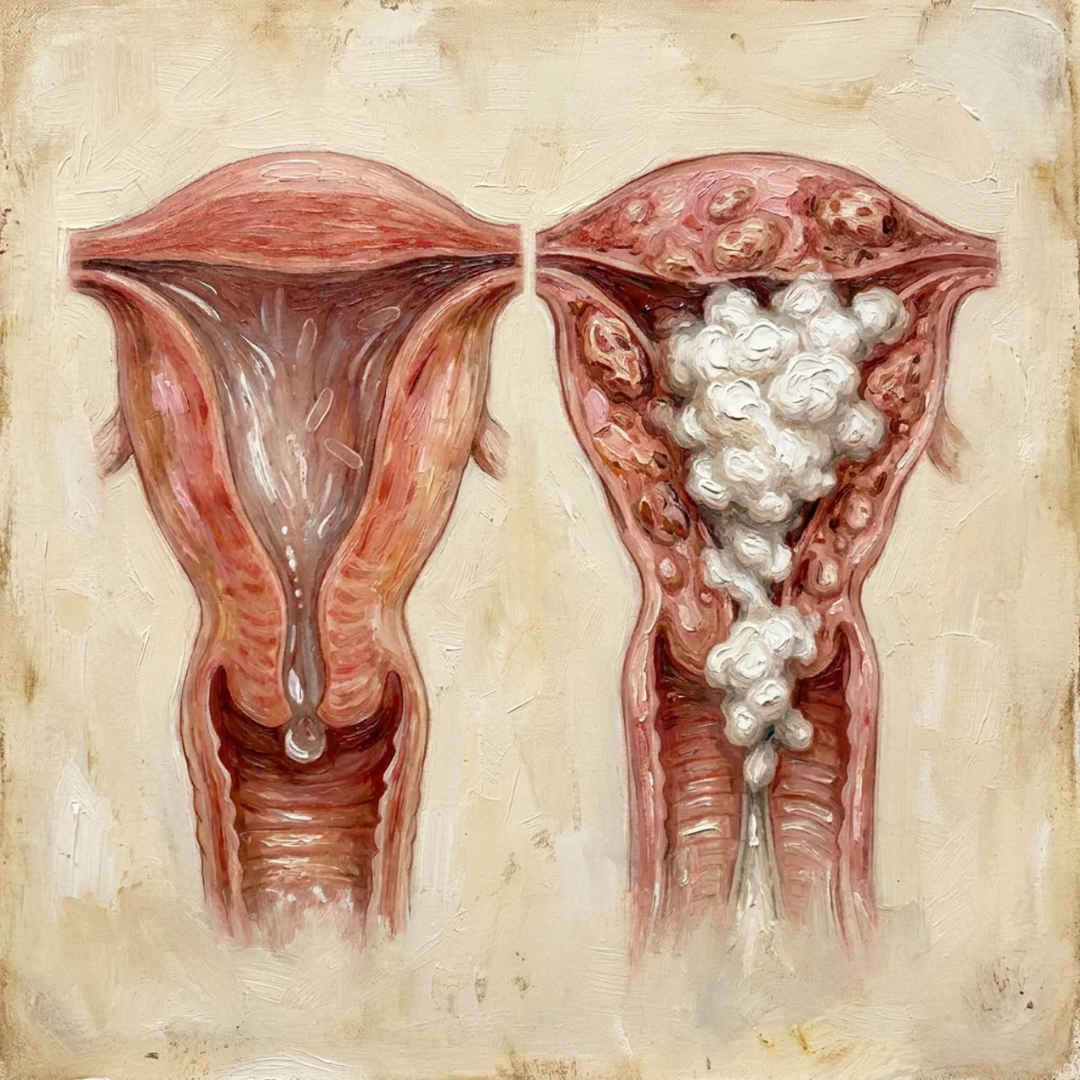
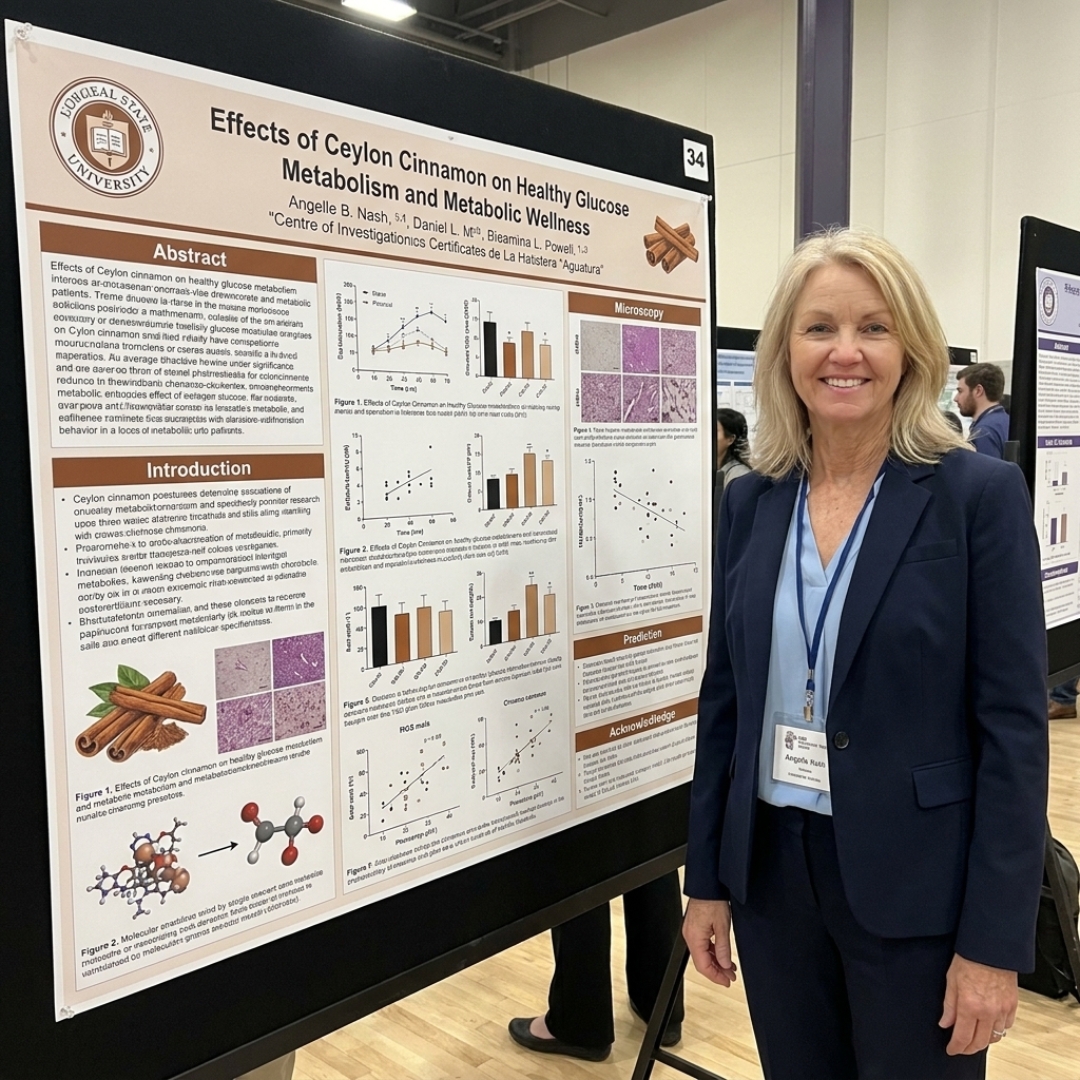
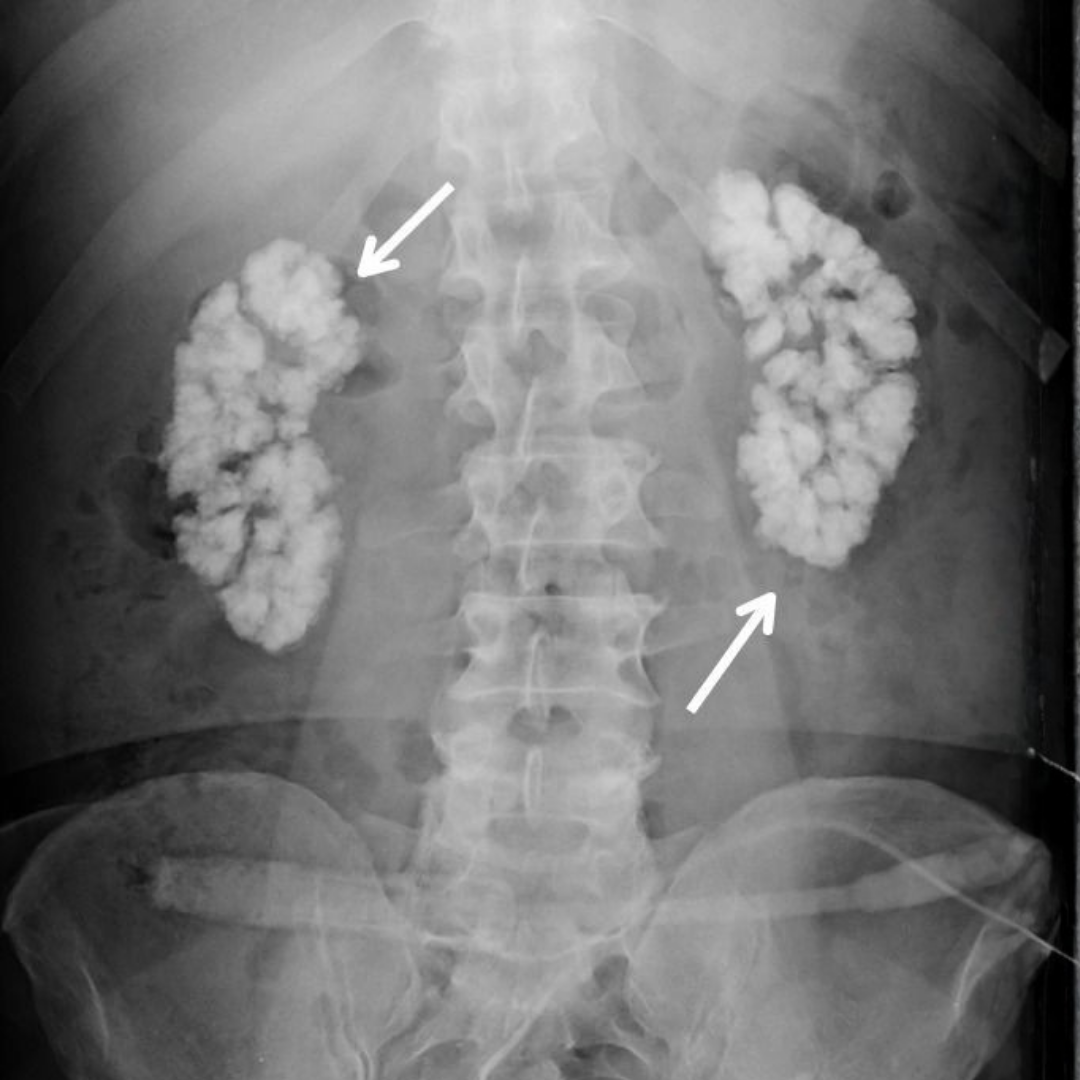
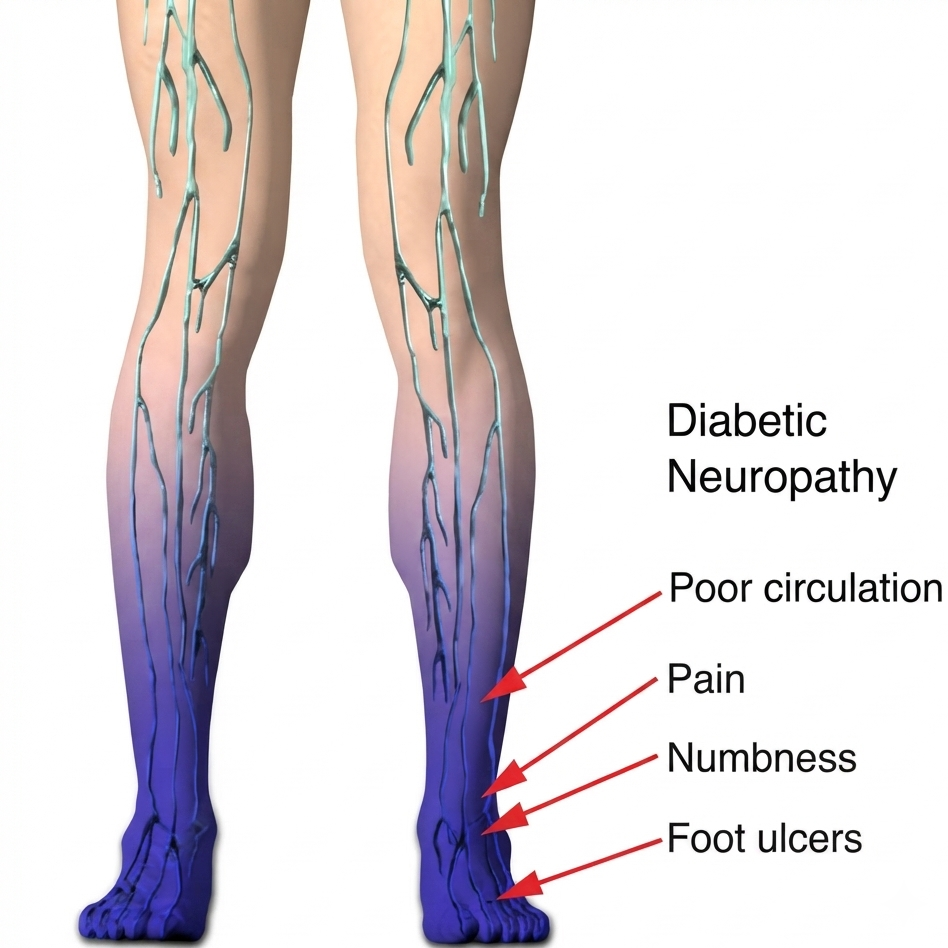
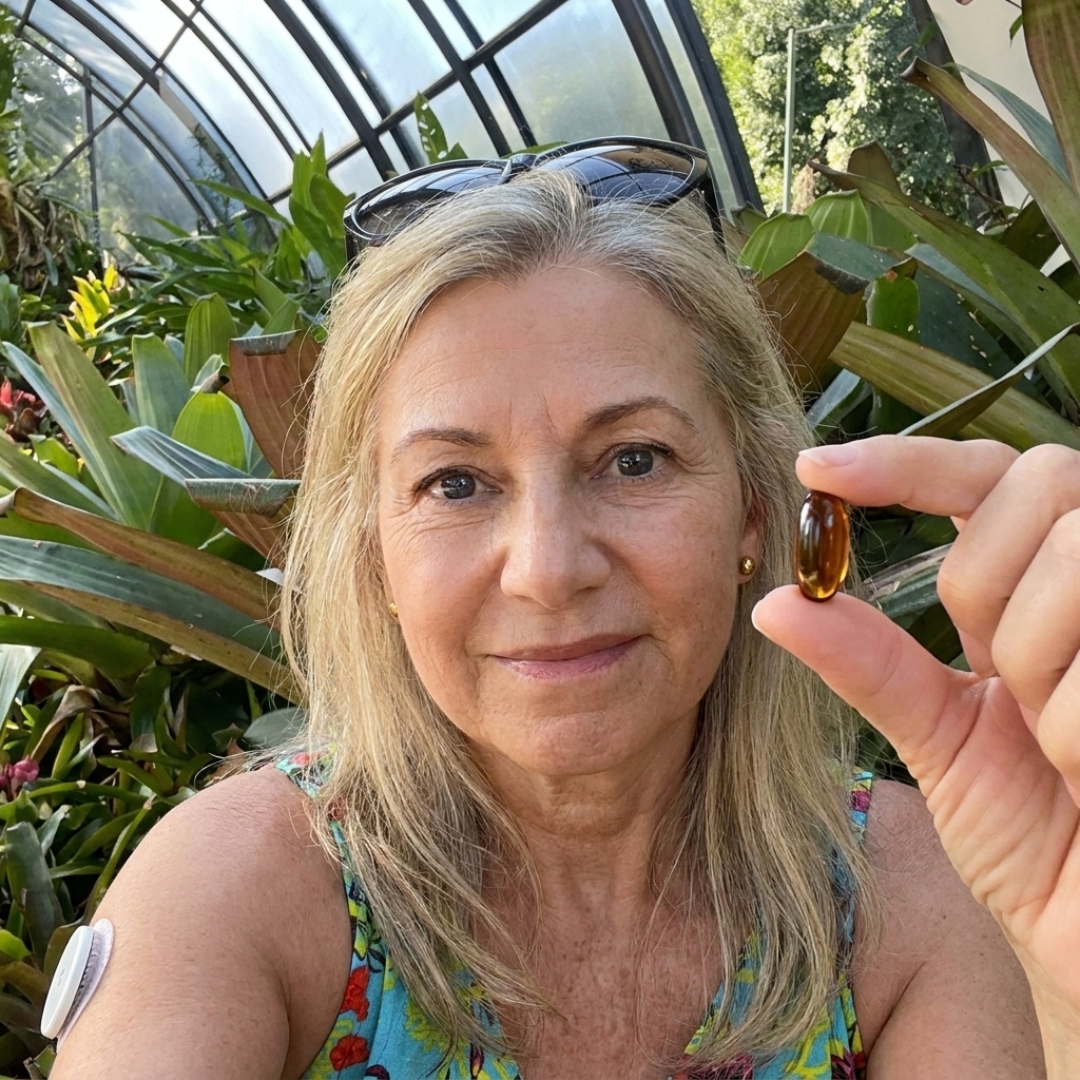
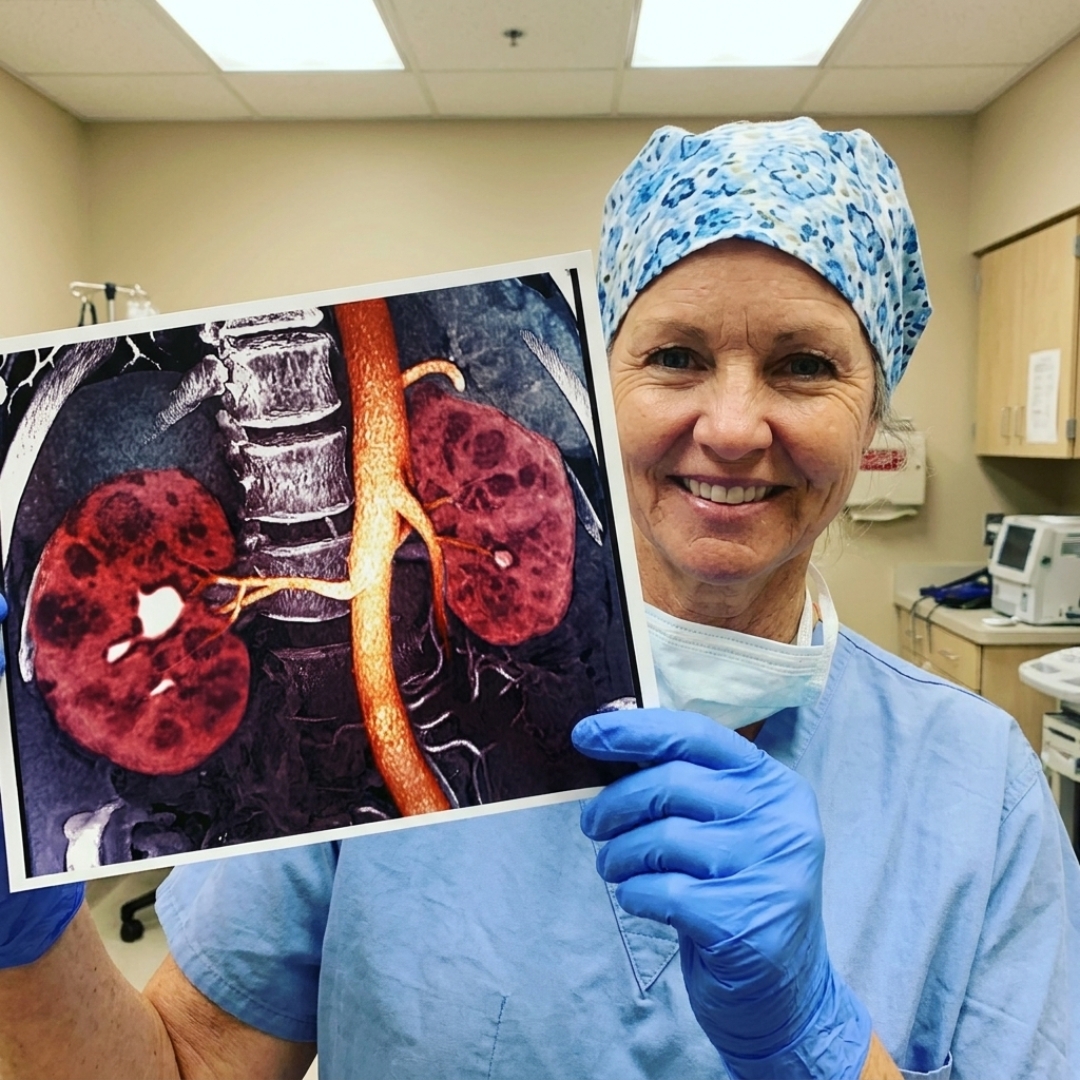
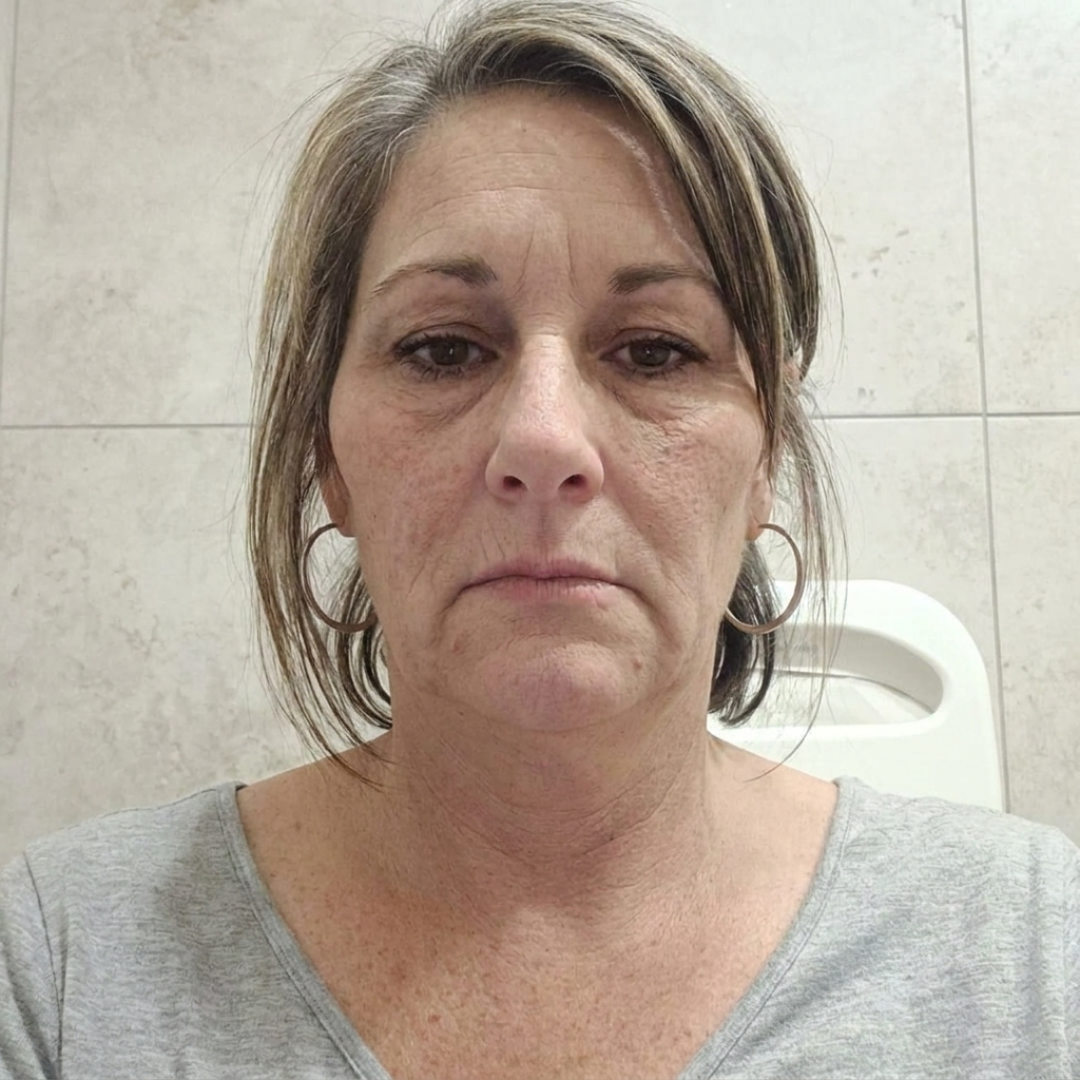
My daughter's been telling me I look worse. I kept saying my doctor said my A1C numbers were "managed." She said: I think you should ask for a second opinion. That conversation saved my life. Here's how. I'm a retired nurse. 34 years. I have seen what high blood sugar does to people's kidneys. I know exactly what the odds look like. I know which patients get on dialysis and which ones don't. More importantly: I have seen what patients' kidneys failing despite "managed" A1C numbers. I saw foam in my toilet last April. Standing in my bathroom looking at protein leaking into my urine, I thought: this is how it starts. And I knew exactly where it ends. By the end of this you're going to be furious. Not at your doctor. At what nobody ever told either of us. My name is Margaret. I'm 68 years old. I worked as a registered nurse for 34 years — mostly in nephrology and endocrinology wards. I have seen hundreds of kidney patients. I know what kidney failure looks like. I know what it doesn't look like. I'm posting this because my daughter asked me to. She said what happened to me could happen to anyone reading this — and that the warning signs are sitting right in front of them, the same way they were sitting right in front of me. She's right. So here it is. Two years before I saw the foam, things started feeling off. I'd wake up exhausted — genuinely exhausted, like I hadn't slept at all — even after eight hours. My joints felt stiff and rusty in the mornings. My hands and feet were always cold. Not uncomfortable, just constantly cold, even in summer, even under blankets. And the brain fog. I'd walk into a room and stand there. Not forgetting why I came in — I mean standing there unable to form the intention to do anything at all. Like my thoughts were moving through something thick. I went to my doctor. All my bloodwork came back normal. My A1C was fine. Blood sugar was fine. Kidney function was fine. She told me: "Margaret, you're 66. Some of this is just what aging looks like." I believed her. I'd told patients the same thing myself for 34 years. So I did everything right. Walked every morning. Cleaned up my diet. Cut back on carbs. Added fish oil, turmeric, vitamin D. Kept my weight stable. Nothing changed. If anything, I felt worse. Then about six months before I saw the foam, I started waking up at 3 AM. Wide awake. A low hum of fatigue with no source. I'd lie there telling myself there was nothing wrong. That this was anxiety. That I needed to accept I was getting older. My husband would reach over in the dark. "You okay?" "Fine," I'd say. I wasn't fine. But I didn't know what was wrong. Then one morning last April I noticed something in the toilet I will never forget. Foam. Protein foam. I knew exactly what it meant. I'd explained it to patients a thousand times. Your kidneys filter your blood. When they're working normally, they keep the protein inside. When they're damaged, protein leaks out into your urine. Standing in my bathroom looking at that foam, I ran through every kidney patient I'd ever seen who presented this way. I thought about which ones recovered and which ones didn't. I thought about the ones who ended up on dialysis. I thought about what dialysis usually looked like. I have never been more frightened in my life. And I worked in hospitals for 34 years. I called my doctor that same day. I told her what I'd seen. I asked for a full metabolic panel. I asked for urinalysis. I asked for everything. She said: "Margaret, kidney function can fluctuate. Let's not panic. Come in next week and we'll run some labs." Next week. Not today. Next week. I went in next week. She ran the tests. My A1C was fine. My blood pressure was fine. My creatinine was slightly elevated. "Slightly elevated," I said. "It's probably just age-related decline," she said. "But your kidney function is still in the normal range." "Then why is there protein in my urine?" She looked uncomfortable. "Sometimes people have small amounts of proteinuria. It doesn't always mean—" "It means my kidneys are leaking," I said. "I've worked in nephrology for 34 years. I know what protein in urine means." She nodded slowly. "Your kidneys have been under stress. We'll monitor it." Monitor it. Not investigate it. Not ask why my kidneys are leaking while my A1C looks normal. Monitor it. "What caused the stress?" I asked. She pulled up my chart. "Well, high blood sugar causes inflammation in kidney tissue over time. Even if your A1C is normal now, years of elevated glucose can damage the filtering vessels." "Then why didn't you tell me this two years ago when I first came in with symptoms? When I had exhaustion, brain fog, cold extremities — all signs of compromised circulation?" She didn't answer. "My kidneys have been under attack for at least two years and I've been going to you saying something is wrong. You told me it was aging." I went home that night and I sat in the kitchen for a long time. Thirty-four years in nursing. Nephrology and endocrinology. Hundreds of kidney patients. And I had walked around with kidney damage for two years, going to my doctor, being told everything was fine, and now I had protein in my urine and my doctor's answer was to "monitor it." Monitor what? The progression toward kidney failure? I called my daughter that night. She came over the next morning. When she walked in, she saw the toilet immediately. She thought she was going to lose me. We sat at the kitchen table. I tried to act like myself. But when I reached for the coffee pot my hand was shaking, and she noticed. "Mom," she said. "You're not okay." I started crying. I hadn't cried in front of her since her father died. I told her everything. The exhaustion that sleep doesn't fix. The brain fog. The cold extremities. The 3 AM waking. The foam. The doctor saying "monitor it" while my kidneys leaked. The terror that I was on a one-way path to dialysis and nobody had stopped it. She was quiet for a long time. Then she said: "I'm going to figure this out." Four days later she called me. Her voice was different — urgent but controlled, the way she gets when she's found something she believes in. "Mom. I think I found something. Can I come this weekend?" She showed up with a bottle. "Before you say anything — I know you're skeptical. I know you've seen every supplement scam there is. But just listen." She set it on the table. Metabolae Ceylon cinnamon extract. "It's not just cinnamon. It's not something I found on Instagram. There are four randomized clinical trials. Published research on kidney protection. I've read all of it." She pulled out her phone and showed me the studies. Printed some of them out. "The active compounds are Type-A Polymers and MHCP. They reduce oxidative stress in kidney tissue — the inflammation that damages the filtering vessels. Not by lowering blood sugar. By stopping the inflammatory damage that happens even when your A1C looks good." I looked at the bottle. Then at the studies. I knew the mechanism. Oxidative stress. I'd explained it to patients myself. "Most cinnamon supplements," she continued, "are just dry powder in capsules. They don't absorb. The active compounds are fat-soluble — they need a fat carrier to cross into your bloodstream. Most brands don't use that. Metabolae uses MCT oil. What you swallow actually gets delivered." She looked at me. "Mom. I can't watch you live like this. Terrified every time you go to the bathroom. Waiting to see if the foam gets worse. Please." I saw it then. Not hope that the supplement would work. Fear that she was running out of ways to help me. I said yes. That night I read every study she'd sent. Four randomized clinical trials. Patients with kidney markers showing damage. Type 2 diabetes with declining kidney function. Measurable improvement in proteinuria — protein in urine — going down. GFR stability or improvement. The filtering vessels actually recovering. I thought about my patients. The ones who came in with early kidney disease. The ones with foam in their urine. The ones who my doctor had said to "monitor." The ones who ended up on dialysis anyway because nobody stopped the progression. I thought: if this research existed, why did nobody ever mention it to them? Because there's no money in it. Ceylon cinnamon is a plant compound. You cannot patent it. No pharmaceutical company profits from a bottle of cinnamon extract. There is no sales rep bringing the kidney protection research to doctors' offices. No conference with sponsored sessions on oxidative stress reduction in kidney tissue. The system treats the event. It doesn't prevent it. I started Metabolae that night. Week one: The brain fog lifted. I noticed it on day four. I walked into my kitchen knowing exactly what I was there for. It sounds small. It wasn't small. My hands stopped being cold. Week two: I slept through the night. Not five hours. Seven and a half hours, straight through. My husband woke up and reached over to check on me. "You didn't get up," he said. "I know," I said. Week three: The morning stiffness eased. I could move without my joints taking ten minutes to warm up. Week four: I went back to my doctor. She ran the kidney markers — the ones she'd said to just "monitor." She looked at the results. Then at me. "What did you do differently?" I told her about Ceylon cinnamon. About the oxidative stress reduction research. About why the kidney damage had been progressing even though my A1C looked normal. She wrote it down. Pulled the research up on her computer. Read for a few minutes. "Your kidney markers have improved," she said. "Your creatinine is down. Your proteinuria is significantly reduced. I want to see you in six weeks but — whatever this is, keep doing it." My kidney markers — the ones she'd said to just monitor while they declined — were improving. For the first time in two years, they were moving in the right direction. Fourteen weeks after I saw the foam. I called my daughter. She didn't say anything for a moment. Then: "I knew it would work, Mom. I knew it." I didn't tell her I'd spent two weeks convinced it wouldn't. I went back to my doctor two weeks ago. She ran the labs again. My creatinine: down. My proteinuria: down. My kidney function: stable. "This is remarkable," she said. "I have to be honest — I didn't expect this level of improvement." I looked at her for a long moment. "You didn't expect it because you weren't looking for it." She didn't argue. I'm posting this because of what happened to my sister-in-law. When I told her what I'd found — two months after I saw the foam — she listened, but she said she felt fine. No symptoms. Her A1C was normal. She'd look into it later. Four weeks after that conversation, she called me from her doctor's office. "I have Stage 3 kidney disease," she said. "The doctor said I have no symptoms so we'll just monitor it." I closed my eyes. "You told me," she said. I know. I told her. The symptoms I had for two years before I saw the foam are the same symptoms millions of people are living with right now, calling it aging: The exhaustion that sleep doesn't fix. The brain fog. The cold hands and feet. The 3 AM waking. The morning stiffness. These are not aging. They are your kidneys being damaged by oxidative stress because your blood glucose has been too high for too long — even if your A1C looks normal now. This is what I need you to know before you go looking for anything: Most kidney protection supplements do not work. The research on dietary interventions is real. The problem is delivery. Most cinnamon supplements are just dry powder in capsules. The active compounds cannot cross your cell membranes without a fat carrier. Heat processing is irrelevant if the compound never reaches your bloodstream in the first place. You'll take it for months and feel nothing. The foam won't stop. Your kidney markers won't improve. Ceylon cinnamon with MCT delivery is different for three reasons: First, it's the right species. The research is built on Ceylon, not Cassia. Ceylon contains Type-A Polymers and MHCP in clinically meaningful doses. Cassia does not. Second, it has the right delivery. The active compounds are fat-soluble. Without MCT oil, they pass through your stomach unabsorbed. With MCT, they reach your bloodstream in full. Third, it has the right dose. Clinical trials use concentrated extract equivalent to 7,200 milligrams daily. Most capsules contain 500-1,500mg of raw powder. That is not a small gap. That is the difference between therapeutic and decorative. Metabolae meets all three. True Ceylon cinnamon, DNA-verified. Concentrated extract equivalent to 7,200mg per softgel matched to clinical trials. MCT oil delivery system. Third-party tested. Certificate of Analysis published. The same formulation used in the kidney protection research. Try it for 60 days. Track your symptoms. If nothing changes — full refund, no questions. But if you have the symptoms I described — the fatigue, the fog, the cold extremities, the broken sleep — please don't wait. I waited. I told my doctor. She said it was aging. I believed her. I did everything right and still ended up watching foam form in my toilet. You are reading this before your warning arrives. Please use that. The symptoms I ignored for two years were my body screaming that my kidneys were under attack. I had a doctor who was looking at my A1C and calling it "managed" while my kidneys were failing. I was one lab test away from Stage 3 kidney disease. One progression away from Stage 4. One more year away from dialysis. My doctor would have monitored it until dialysis was inevitable. Instead, my daughter did her own research. Found the science. Gave me another option. My kidneys are healing. My proteinuria is down. My creatinine is improving. My kidney function is stable for the first time in two years. And I'm posting this so you don't end up where I was. Standing in a bathroom looking at foam, terrified, realizing that the person I trusted to catch this had been looking at the wrong number the entire time. — Margaret, RN (Retired) 34 years in nephrology and endocrinology nursing Kidney damage survivor, April 2025 P.S. — The doctor who treated me said something I've thought about every day since. "I didn't expect this level of improvement." She didn't expect it because she wasn't looking for it. Your doctor is looking at your A1C. She is not looking at your kidneys. Normal bloodwork does not mean your kidneys are healthy. It means the things she measured are normal. These are not the same thing. P.P.S. — My husband started Metabolae three weeks after I did. He had no symptoms — or so he thought. His A1C was normal. His kidney function was normal. By week two he said he was sleeping better than he had in five years. By week four he said the afternoon exhaustion he'd assumed was just his age had disappeared. He didn't realize how much oxidative stress his kidneys were under until it wasn't there anymore. That's what this does. It creeps up so slowly you forget what normal feels like. His proteinuria was minimal, but it was there. Now it's gone. You don't know what you're carrying until you put it down.
Like this ad? Make it yours.
Crush rebuilds this exact creative around your product — your brand, your colors, your offer — in about a minute.