Sandra Hillings
Sandra Hillings Facebook ad: “25 years of Arthrits gone in 15 minutes?”
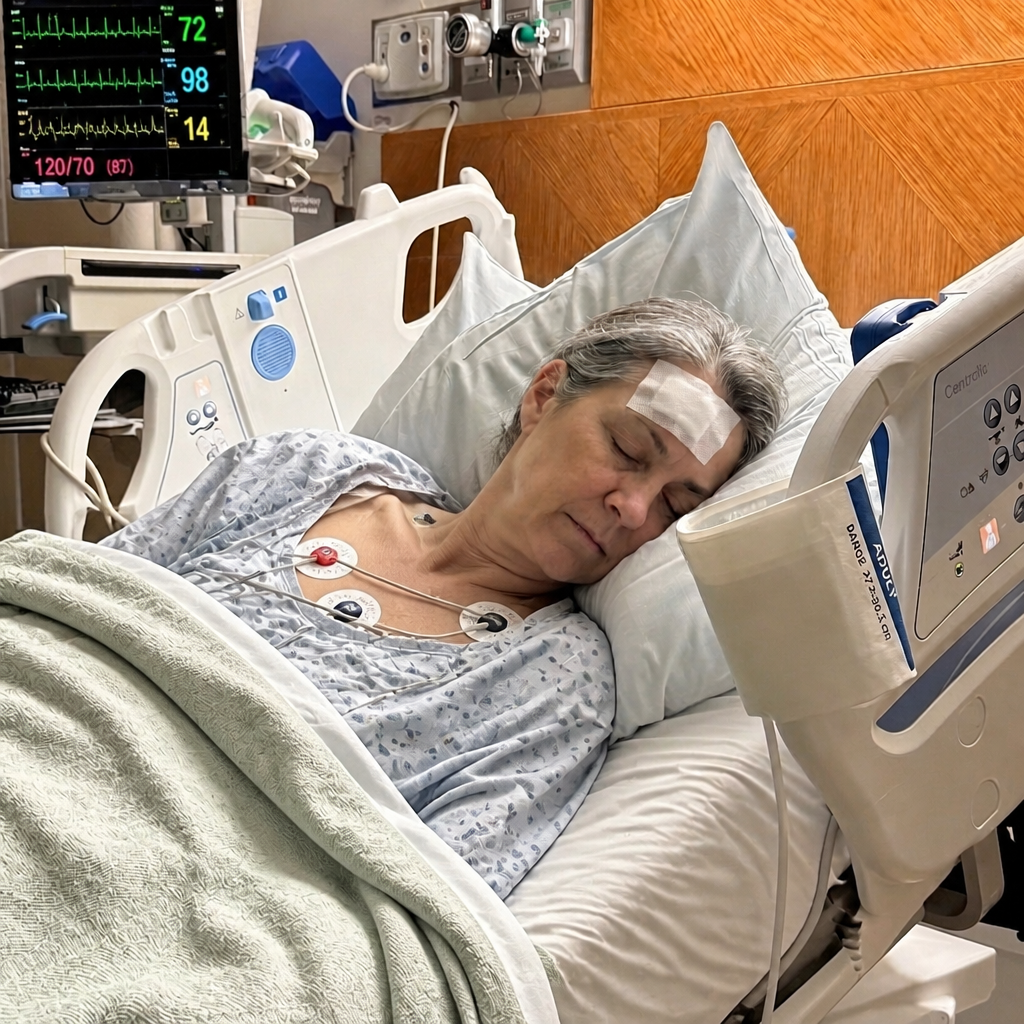
Ran for 12 days, from August 19 to August 31, 2026, the last day Crush saw it.
Run by Sandra Hillings on Facebook. Crush is not the advertiser and does not verify its claims. See this ad in Meta's Ad Library(opens in a new tab)
Want an ad like this for your product?
Crush makes new ad images for your product from this ad: your logo, your product photo, your offer.
Trials from $19.95 USD, then $79.95 USD a month. Cancel anytime.
About this ad
- Meta Ad Library ID
- 1735492407724967
- Platforms
- Facebook, Instagram, Audience Network, Messenger, WhatsApp and Threads
- Relaunches
- 0
Ad text
I'm a rheumatology nurse specialist. I ordered 10 transdermal joint formulas and sent each one to an independent lab. What I found explains why your arthritis keeps getting worse no matter what you try, and why most people using these products are completely wasting their money. My name is Sandra Kellner. I have worked in rheumatology for 22 years. I have watched cartilage disappear on successive scans. I have sat with patients the morning after they were told their joint was bone on bone. I have held the hands of patients being prepared for replacement surgery they were terrified of. I have seen where this trajectory leads. So when patients started asking me about transdermal magnesium for arthritis, I did what I do with anything I cannot immediately dismiss. I ordered 10 of the most popular formulas. Sent every one to an independent accredited laboratory. Requested compound verification, concentration ratios, penetration carrier analysis, and thermal mechanism verification on each. What came back explained everything my patients had been telling me for years. They tried it. They felt nothing. Their inflammation markers did not move. Their morning stiffness came back by week three. It was not the mechanism that failed them. It was the product. But before I walk you through what the lab found, I need to tell you about a patient named Margaret. Margaret was 63 when she first came to my clinic. Morning stiffness lasting until noon for two years. Two medications. A prescription anti-inflammatory and a pain management protocol her consultant called standard of care. She followed every piece of advice. Low inflammatory diet. Daily swimming. She had given up the garden she had spent thirty years building because kneeling was no longer possible. Her inflammatory markers had not moved meaningfully in 16 months. Her mother had lost most of her joint function by 70. Her older sister had needed a bilateral knee replacement at 68. Margaret had watched both of them on the same path she was now on. Medicated. Monitored. Still heading in one direction. She asked me quietly at the end of an appointment: Is there anything that actually addresses what is happening inside my cartilage cells? Not something that moves the inflammation reading on the blood test. Something that changes what the reading is measuring. That question is why I ordered those 10 products. What arthritis medication is actually doing I want to be precise about this because dismissing medication entirely is wrong and causes harm. Anti-inflammatories work. NSAIDs and prescription anti-inflammatories genuinely reduce the inflammation signal in the joint and lower the pain. The morning stiffness eases. The swelling reduces temporarily. That is a real, useful thing and your GP is not wrong to prescribe it. But here is what it does not touch. In most people with persistent arthritis, especially those over 55, the cartilage tissue is under ongoing destruction from cellular fuel failure. The medication reduces the inflammation signal. It does not address what is generating the inflammation in the first place. Here is the mechanism your 10-minute appointment rarely has time to explain. Inside every joint, cartilage cells run a repair process around the clock. They run on a cellular spark called NAD. In a healthy body with sufficient NAD, the cells rebuild the cushion as fast as it wears. They clear damaged tissue before it accumulates. They maintain the repair signal that keeps the joint functioning. After 50, NAD production fades progressively. The cells get tired. And tired cells do not quietly retire. They turn into what researchers call zombie cells. Not alive, not dead — just sitting in the joint releasing enzymes that dissolve the cushion from the inside like termites in a beam, and blocking every repair signal the body keeps sending. Your medication reduces the inflammation those zombie cells produce. It does not restart the NAD in a single cartilage cell. This is what I had been watching in my clinic for 22 years without fully understanding it. Patients managed down to tolerable readings while the cartilage cells continued to starve between appointments. Managed. Not repaired. Margaret was asking whether the second half of the answer existed. The research said it did. Magnesium and niacinamide delivered directly into the joint tissue give the cartilage cells the raw material to restart NAD production. Not magnesium swallowed in a tablet that clears the gut and liver before anything reaches the joint. Not magnesium rubbed on the surface of the skin that evaporates before it penetrates. Transdermal delivery — properly formulated with a thermal mechanism to drive the compounds into the joint tissue — bypasses the gut entirely and reaches the cartilage cells at a concentration they can actually use. A cool-to-warm thermal wave opens the blood vessels beneath the application site and floods the starved tissue with oxygen, driving the magnesium and niacinamide deep enough to reach the cells. A botanical layer of arnica, frankincense, aloe, and vitamin E addresses the zombie cell inflammation the medication was only muting and protects the remaining cartilage while the repair restarts. When the cartilage cells get the NAD they need, the zombie cells stop going unchecked. The repair crew wakes up. The inflammatory loop loses its fuel source. The medication manages the signal while the cellular repair rebuilds what generates it. Your medication manages the inflammation. This addresses what is creating the inflammation. Both together is the full answer. Most patients have only ever had half of it. I ordered the 10 products. Here is what the lab found. The lab results on 10 brands Brand 1. The top-ranked transdermal magnesium cream on a major UK supplement retailer. Labeled as therapeutic transdermal magnesium, high concentration. Lab confirmed: magnesium chloride in a standard lotion base. No niacinamide present. No thermal mechanism. No botanical protection layer. The magnesium sat on the surface of the skin with no delivery architecture to drive it into the joint tissue. Without niacinamide, even if any magnesium did penetrate, the NAD conversion cannot complete. This product was not just underperforming. It was missing two of the three layers required for the mechanism to work. Brand 2. A premium brand priced at £54 per month, labeled Therapeutic Magnesium Joint Cream, with arnica. Lab confirmed: magnesium chloride verified. Arnica present. But the formula contained no niacinamide and no thermal delivery mechanism. Arnica alone addresses surface inflammation only. Without the thermal wave to drive penetration and without niacinamide to complete the NAD restoration, the product addressed one layer of a three-layer mechanism. Real ingredients. Architecturally incomplete. Brand 3. A naturopath-branded product sold through wellness clinics, labeled Magnesium Transdermal Complex. Lab confirmed: magnesium verified. The product claimed transdermal delivery on the label. On direct inquiry the manufacturer confirmed there was no thermal mechanism in the formulation. Transdermal was being used to mean applied to skin — which describes any topical product — not that a delivery mechanism was driving penetration to the tissue depth where cartilage cells are located. The label said transdermal. The mechanism was not present. Brand 4. A certified organic brand sold through health food retailers, labeled Organic Magnesium Body Cream, 500mg per application. Lab confirmed: magnesium chloride verified. Organic certification genuine. But 500mg of magnesium chloride in an aqueous base with no thermal mechanism and no niacinamide delivered essentially nothing to the cartilage cells. Organic certification covers sourcing. It says nothing about delivery architecture or NAD restoration capacity. Real ingredients, genuine certification, and mechanistically incomplete on every layer that matters for joint repair. Brand 5. A joint support formula combining magnesium with turmeric and ginger, labeled Comprehensive Joint Cream. Lab confirmed: magnesium verified. But the formula spread the active compounds across three ingredients with no delivery mechanism for any of them. No thermal wave. No niacinamide. The turmeric and ginger addressed surface inflammation briefly. The front of the package led with Advanced Joint Formula. The actual delivery architecture was absent. Marketing built on ingredients that could not reach the cells they were meant to help. Brand 6. A pharmacy chain house brand labeled Magnesium Joint Relief, with frankincense. Lab confirmed: magnesium and frankincense both present. No niacinamide. No thermal delivery mechanism. The frankincense extended the botanical anti-inflammatory layer slightly beyond Brand 5. But without the thermal wave driving penetration and without the niacinamide for NAD restoration, the first two of three required layers were absent. An incomplete formula with better ingredients still incomplete. Brand 7. A subscription supplement service labeled Premium Transdermal Magnesium Complex. Lab confirmed: magnesium verified. Marketed as premium and priced at the top of the category. The delivery mechanism claimed was a proprietary absorption matrix. On direct inquiry with the manufacturer, the matrix was confirmed as a standard emulsifier used in cosmetic creams to keep ingredients suspended. No thermal mechanism. No verified penetration depth. The word proprietary on the label concealed the absence of an actual delivery system. It took a direct call to confirm what was not there. Brand 8. A clinical supplement line marketed to healthcare providers, labeled High-Potency Transdermal Magnesium, 1000mg. Lab confirmed: magnesium verified at a higher concentration than most brands. But concentration without a delivery mechanism achieves higher concentration of a compound sitting on the surface of the skin. Without the thermal wave, higher magnesium concentration does not translate to greater joint tissue penetration. Without niacinamide, greater penetration would still not complete the NAD restoration. High potency on the label meant high magnesium weight. It did not mean the mechanism worked. Brand 9. A European-imported supplement labeled Swiss Magnesium Joint Formula, with vitamin E and aloe. Lab confirmed: magnesium, vitamin E, and aloe all present. The botanical layer was the most complete of the nine brands tested so far — magnesium, aloe, and vitamin E addressing three of the protective functions. But no niacinamide and no thermal mechanism. The formula had the best botanical protection of all nine brands and still lacked the two components required for the cellular repair mechanism to activate. Correct approach to the third layer. First and second layers absent. Brand 10. A bestselling brand from a national health chain, labeled Magnesium Freeze Joint Cream, with cooling effect. Lab confirmed: magnesium verified. A menthol-based cooling agent was present. The cooling sensation was being marketed as a delivery mechanism on the product website. Menthol creates a sensation of cooling by activating cold receptors in the skin. It does not open blood vessels. It does not drive compound penetration to joint tissue depth. It does not constitute a thermal delivery mechanism in any sense recognised by the pharmacological literature. The sensation was real. The delivery was not. The pattern across all 10 brands Not one of the 10 products contained both magnesium and niacinamide — the two compounds required together for NAD restoration in cartilage cells. Not one contained a verified thermal delivery mechanism capable of driving compounds to the tissue depth where cartilage cells are located. Seven of the 10 had partial botanical layers but no NAD restoration architecture. Not one delivered all three layers — cellular fuel restoration, thermal penetration, and botanical protection — working together. Every product Margaret had tried was in this group. Every brand most patients name when I ask what they have already used. Missing key compounds, lacking a delivery mechanism, or both. No wonder the category had a reputation for not working. The mechanism was not failing them. The products were failing them. The brand that passed After the results came back, I asked a colleague in musculoskeletal research whether she had found anything that cleared the compound, delivery, and protection criteria simultaneously. She named one formula. I requested a sample and sent it to the same independent laboratory. Magnesium and niacinamide both confirmed present at therapeutic concentrations. Not a label claim. An actual Certificate of Analysis. Thermal delivery mechanism confirmed active — a verified cool-to-warm wave, not a menthol sensation, but a genuine vasodilatory response opening the blood vessels and driving compound penetration to joint tissue depth. Botanical protection layer confirmed complete — arnica, frankincense, aloe, and vitamin E addressing zombie cell inflammation and providing surface cartilage protection while the deeper cellular repair restarts. Twelve ingredients across three functional layers. Third-party tested. UK-manufactured in small batches to preserve potency. It is called Magnesium Freeze from Radiance Labs. It was the only formula across all 11 tested that cleared every criterion. I ordered a supply for Margaret that week. What happened with Margaret I told Margaret what I had found. The missing niacinamide across the entire product category. The absence of verified thermal delivery mechanisms. The one formula that solved all three. She had been using a brand from a health food shop for three months. It was Brand 9 on my list. Real magnesium, aloe, and vitamin E — the best botanical layer of the brands tested — with no niacinamide and no thermal delivery mechanism. She had been applying the right botanical protection to a surface that was never delivering the cellular fuel underneath it. The third layer without the first two. She started Magnesium Freeze from Radiance Labs that week. Morning and evening, two minutes, directly over both knees. I took baseline inflammatory markers and morning stiffness scores and scheduled a review at eight weeks. At week three she rang the clinic. She was not sure if she should keep going, because she felt different. Not dramatically. She said it felt like the morning was giving her more time before the stiffness set in. At week eight her morning stiffness score had dropped from 8 to 3 out of 10. Inflammatory markers at blood review: down 23 percent from baseline. Afternoon swelling: consistently reduced across the final three weeks of the review period. She was sleeping through the night. The three o'clock aching that had been her baseline for two years was gone. She had been back in the garden twice. Her consultant rang me to ask what I had added to her protocol. I explained Magnesium Freeze. The niacinamide for NAD restoration. The thermal delivery mechanism. The botanical protection layer. The three-layer architecture. She was quiet for a moment. Then she said she had heard patients mention magnesium creams before and had always told them the evidence was too thin. I told her the evidence on single-ingredient surface magnesium products without delivery mechanisms was thin. The evidence on a three-layer transdermal formula with verified penetration depth and NAD restoration capacity was a different body of research entirely. I could send her the studies. She said to send them. I did. Margaret at 16 weeks. Morning stiffness consistently scoring 1 to 2. Inflammatory markers down 31 percent from baseline. Her consultant reduced her anti-inflammatory dose for the first time in three years. She told me at that appointment that she finally felt like something was actually working, not just holding the line. I have recommended Magnesium Freeze from Radiance Labs to 14 patients since Margaret. All 14 reported the same sequence. Morning stiffness breaking earlier within the first two weeks. Inflammatory markers beginning to ease at weeks three to four. Functional improvement — stairs, kneeling, grip — appearing at the 90-day mark. One patient, a 71-year-old woman with morning stiffness lasting until two in the afternoon despite two medications, came back at 12 weeks with stiffness clearing before breakfast and an inflammatory panel her consultant described as the best it had been in five years. Another patient told me she had knelt in her garden for the first time in two years. That specific loss — the things arthritis quietly takes before you notice they are gone — is something people carry without naming it. For her it came back within eight weeks. That is not coincidence. That is a mechanism working correctly. Why most transdermal magnesium fails You have probably tried a magnesium cream before. Found a well-reviewed brand. Took it for six weeks. Watched your morning stiffness stay exactly where it was. Here is exactly why. Missing niacinamide. Not one of the 10 brands I tested contained both magnesium and niacinamide. Niacinamide is the cofactor required to complete NAD production in the cartilage cells. Without it, magnesium alone cannot restart the repair crew. The cells receive part of the raw material and cannot complete the conversion. The research on NAD restoration in arthritic cartilage is clear on this — both compounds are required. Every single-ingredient magnesium product on the market is providing one component of a two-component cellular fuel system. No thermal delivery mechanism. Nine of the 10 brands I tested had no verified thermal delivery mechanism. The active compounds in a joint formula are required to reach cartilage cells — not the skin surface, not the subcutaneous layer, but the joint tissue itself. Without a thermal wave opening the blood vessels and driving penetration to that depth, compounds applied to the skin sit on the surface, feel pleasant, and provide nothing to the cells that need them. One brand had a menthol cooling sensation marketed as a delivery mechanism. A sensation is not a mechanism. Incomplete botanical layer. Most brands had one or two anti-inflammatory botanicals providing brief surface relief. None had the complete four-botanical layer — arnica, frankincense, aloe, and vitamin E — working together to address zombie cell inflammation, protect cartilage surface integrity, and reduce the inflammatory loop while the cellular repair restarts underneath. Your magnesium cream did not fail because the mechanism does not work. It failed because you were never actually delivering it to where it needed to go, with the cofactor it needed to do anything when it got there. What Magnesium Freeze from Radiance Labs does differently Magnesium and niacinamide together. Both compounds required for NAD restoration in cartilage cells, present at verified therapeutic concentrations. Not a label claim. A Certificate of Analysis. Verified cool-to-warm thermal delivery mechanism. Not a menthol sensation. A genuine vasodilatory response confirmed by the independent laboratory, opening blood vessels and driving compounds to the tissue depth where cartilage cells are located. This is the delivery step every other product I tested was missing. Complete botanical protection layer. Arnica, frankincense, aloe, and vitamin E — all four working together to address zombie cell inflammation, protect remaining cartilage, and reduce the inflammatory loop while the cellular repair restarts. Twelve ingredients across three functional layers. UK-manufactured in small batches to preserve potency. Third-party tested for purity, potency, and compound concentrations. Every batch verified. Two minutes, morning and evening, applied directly over the joint. That is the entire protocol. I am not telling you to stop your arthritis medication. If your medication is managing your inflammation to a tolerable level, keep taking it. But if your markers keep holding at a level that worries you despite medication, if you are watching the number managed without the cellular destruction being addressed, your medication is doing its job and stopping exactly at the half of the answer it was designed for. The medication manages the inflammation. Magnesium Freeze addresses what is creating the inflammation. Both together is the complete answer. Most patients I have treated have only ever had one half of it. Try Magnesium Freeze risk-free. The guarantee is 180 days. If your morning stiffness does not ease, if your afternoon swelling does not reduce, if you see no change in the markers your doctor tracks, send back what you have left and get every penny back. No conditions. No questions. Two minutes. Morning and evening. Applied directly over the joint. Most people notice morning stiffness breaking earlier within the first two weeks. Afternoon swelling begins to reduce around weeks three and four. Inflammatory panel improvements appear at the 90-day mark. That is the window the guarantee covers. Right now it is 67% off, which comes to £29 a jar, plus free UK delivery. Magnesium Freeze from Radiance Labs sells out regularly. Eleven times so far. The supply chain for a three-layer transdermal formula with verified thermal delivery and full botanical protection is not a commodity operation. If inventory is available when you look, order now. ~ Sandra Kellner, Rheumatology Nurse Specialist, 22 years P.S. The most common reason transdermal magnesium produces nothing for arthritis is not the compound. It is missing niacinamide, absent thermal delivery mechanism, or incomplete botanical layer. Not one of the 10 brands I tested contained all three. Every single one was providing one or two components of a three-component mechanism. If you have tried a magnesium cream before and felt nothing lasting, ask yourself two questions: did it contain both magnesium and niacinamide, and did it have a verified thermal delivery mechanism? Most people cannot say yes to either. That is not a failure of the mechanism. That is a failure of 10 out of 10 products on the market. Magnesium Freeze from Radiance Labs is the one I found that answers yes to both. P.P.S. Margaret's mother lost most of her joint function by 70. Margaret is 65 now. She told me at her last appointment that for the first time in three years she does not feel like she is managing a countdown. Her inflammatory markers are the most stable they have been in a decade. Her consultant has reduced her medication dose. She is back in her garden twice a week and does not need to think about how she will get back up. She told her sister about this, and her sister has started using it too. That is what the second half of the answer looks like when it is actually delivered.
Where the ad sends people
radiancelabs.shop
25 years of Arthrits gone in 15 minutes?
See details: radiancelabs.shop(opens in a new tab)