Dr. Michael Green
 Facebook ad: “Fix Sleep Apnea At The Root”
Ran for 116 days, from June 25 to October 19, 2026, the last day Crush saw it.
Run by Dr. Michael Green on Facebook. Crush is not the advertiser and does not verify its claims. See this ad in Meta's Ad Library(opens in a new tab)
Make your own version of this ad
Crush makes it, launches it in your own Meta ad account, scales the winners and pauses the losers.
About this ad
- Meta Ad Library ID
- 1736573970815381
- Platforms
- Facebook, Instagram, Audience Network, Messenger and Threads
- Relaunches
- 0
Ad text
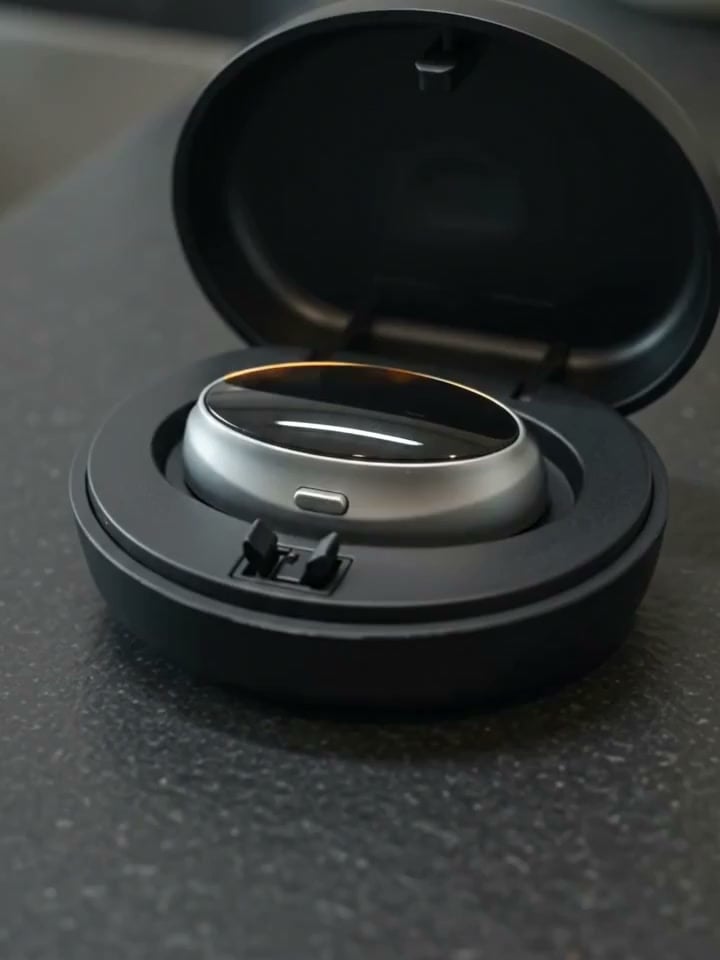
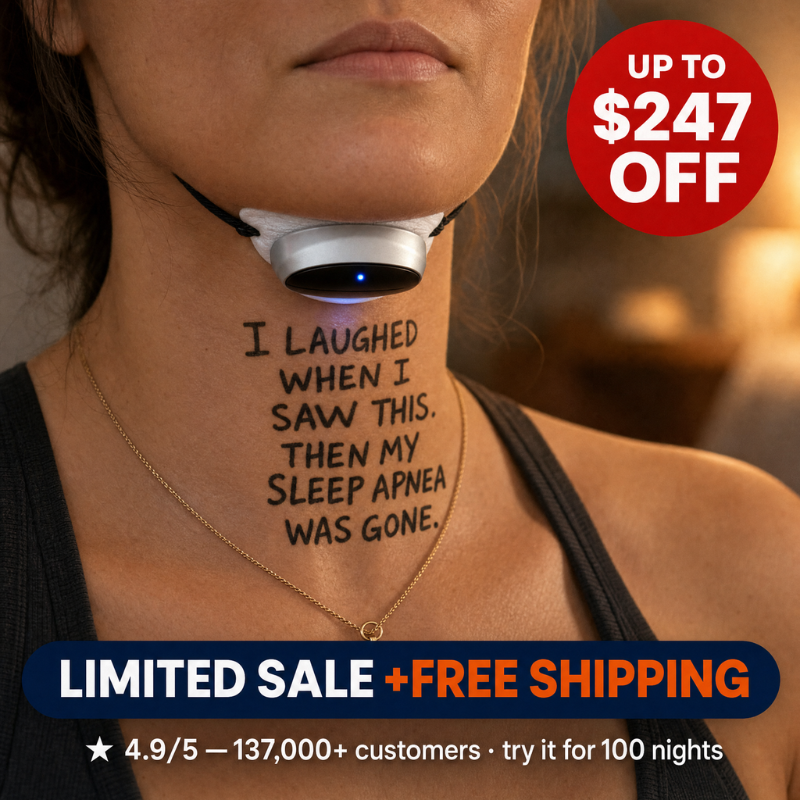
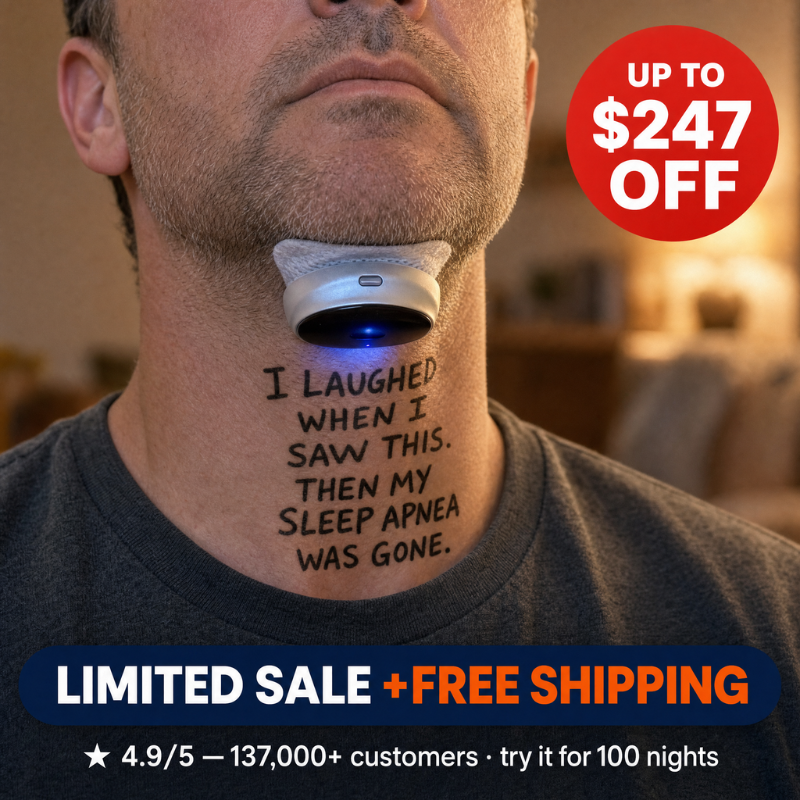
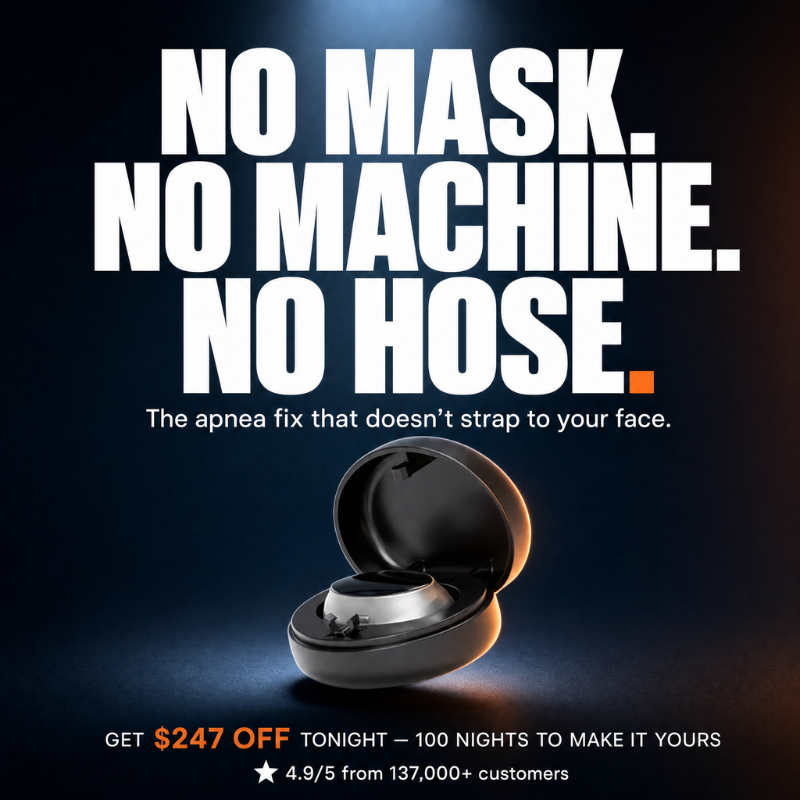
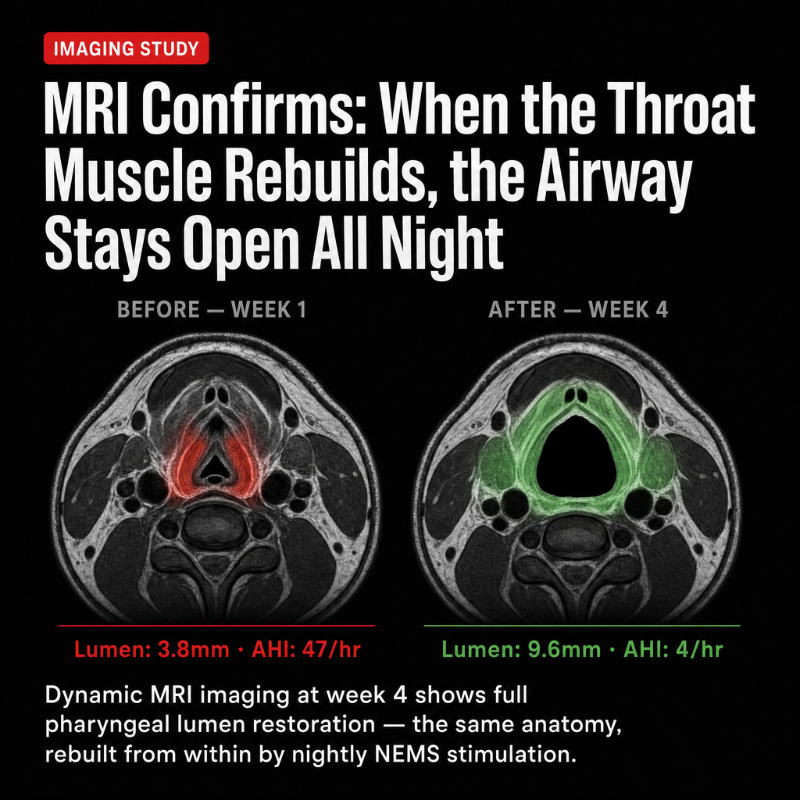
New research is pointing to something that changes how we understand sleep apnea: the real driver isn't your airflow, your weight, or your nose. It's one weakened muscle group in your throat. And it explains why the most common treatment has only ever managed the problem, never fixed it. After more than 20 years treating sleep and breathing problems, I've watched the same story play out thousands of times. People get diagnosed with sleep apnea. They get handed a CPAP machine, or a mouthpiece, or a box of nasal strips. And they're told what I was trained to tell them: "This is it. Manage it every night, for the rest of your life." So they try. Most of them quit. And for years I couldn't give them a better answer, because the entire field was built on one assumption that turned out to be incomplete. We treated sleep apnea as a mechanical airflow problem. A pipe that collapses, so you force air through it under pressure. That's the whole logic behind the CPAP. It was never wrong, exactly. It just never asked why the pipe was collapsing in the first place. The newer research finally asks that question. And the answer keeps pointing to the same place. When you sleep, the muscles in your throat relax. As they weaken with age, they relax too much, and the airway narrows during sleep. Side-by-side imaging of the upper airway tells a consistent story: where the muscle tone drops, the passage collapses and breathing falters. Strengthen those same muscles, and the airway holds its shape. The structure behind the obstruction was a muscle the whole time. That reframes everything we've been doing. A CPAP keeps the airway open by force, but it does nothing to the tissue that collapses in the first place. It overrides the problem every night instead of addressing it. The same is true of mouthpieces and strips. They each work around the muscle. None of them make it stronger. Which is exactly why the moment you stop using them, you're right back where you started. Nothing structural has changed. For decades, that's all we had. Override the muscle, or cut into it with surgery. The surgery was painful, expensive, and often didn't hold. That changed for me about a year ago. A colleague sent me research on a different approach: neuromuscular electrical stimulation, applied directly to the throat muscles. NEMS. The idea was to strengthen the muscle itself rather than force air past it. I'll be honest, I'd seen plenty of "breakthroughs" that amounted to nothing, and I almost set it aside. But the logic held up, because it's the same logic we use everywhere else in the body. A weak muscle can be trained back to strength. There was no reason the throat should be the one exception. The approach turned out to be remarkably simple. A gentle, painless stimulation, delivered through a small device worn under the chin, exactly where those collapsing muscles sit. A few minutes at a time. No mask. No machine. No air pressure forced down anyone's throat. It wakes up the muscles that go slack during sleep and trains them to hold the airway open on their own. That last part is what separates it from everything before it. A CPAP works only while you're wearing it. This works even after you stop, because you're not overriding the problem, you're rebuilding the structure that caused it. And once a muscle is retrained, it stays retrained. The same way the body keeps the strength after you've put in the work at the gym. I started recommending it to patients who had spent years managing their apnea and getting nowhere. One of the first was a man in his early fifties. He'd tried the CPAP, quit it, tried a mouthpiece, quit that too, and had simply accepted he'd snore and wake up exhausted for the rest of his life. His wife had been sleeping in the spare room. I told him to give it 90 days. Within the first week, his wife noticed his snoring had dropped. Within a few weeks he was sleeping deeper and waking up clear-headed for the first time in years. By month four, the cause itself had changed. Not managed. Changed. That's the pattern I keep seeing, and it lines up with what the research would predict. Most people notice their snoring ease up in the first week. Over the next few weeks the sleep gets deeper. For milder cases, the results lock in permanently around three to four months. For more severe cases, it takes five to six months of consistent use, but the muscles do retrain, and the change holds. That's the part I want you to understand. This was never about finding a better machine to be chained to. It's about correcting the thing underneath, so the machine isn't needed at all. I know how this sounds. After everything you've probably already tried, a small device under the chin sounds too simple to be the answer the research kept missing. I was skeptical too. But the science is straightforward once you stop treating apnea as a plumbing problem and start treating it as a muscle one. The structure behind the obstruction can be strengthened. That's the whole shift. If you've spent years managing your sleep apnea instead of addressing what actually causes it, this is worth understanding before you spend another night forcing air past a problem you could be fixing at the source. There's a better way now. It targets the cause, not the symptom. And this time, it lasts. — Dr. Michael Green
Where the ad sends people
trysleepease.co
Fix Sleep Apnea At The Root ☝️
100 nights to try it. Love it or pay nothing.
Learn more: trysleepease.co(opens in a new tab)