Dr. Michael Green
 Facebook ad: “Quit The CPAP For Good”
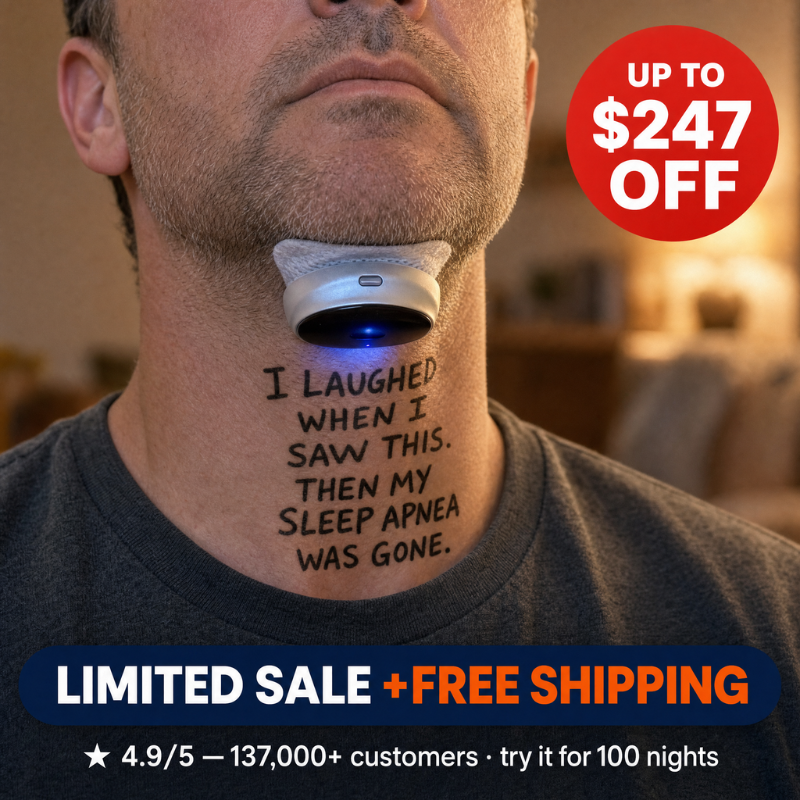
Ran for 106 days, from July 8 to October 22, 2026, the last day Crush saw it.
Run by Dr. Michael Green on Facebook. Crush is not the advertiser and does not verify its claims. See this ad in Meta's Ad Library(opens in a new tab)
Make your own version of this ad
Crush makes it, launches it in your own Meta ad account, scales the winners and pauses the losers.
About this ad
- Meta Ad Library ID
- 4134459316698369
- Platforms
- Facebook, Instagram, Audience Network, Messenger and Threads
- Relaunches
- 0
Ad text
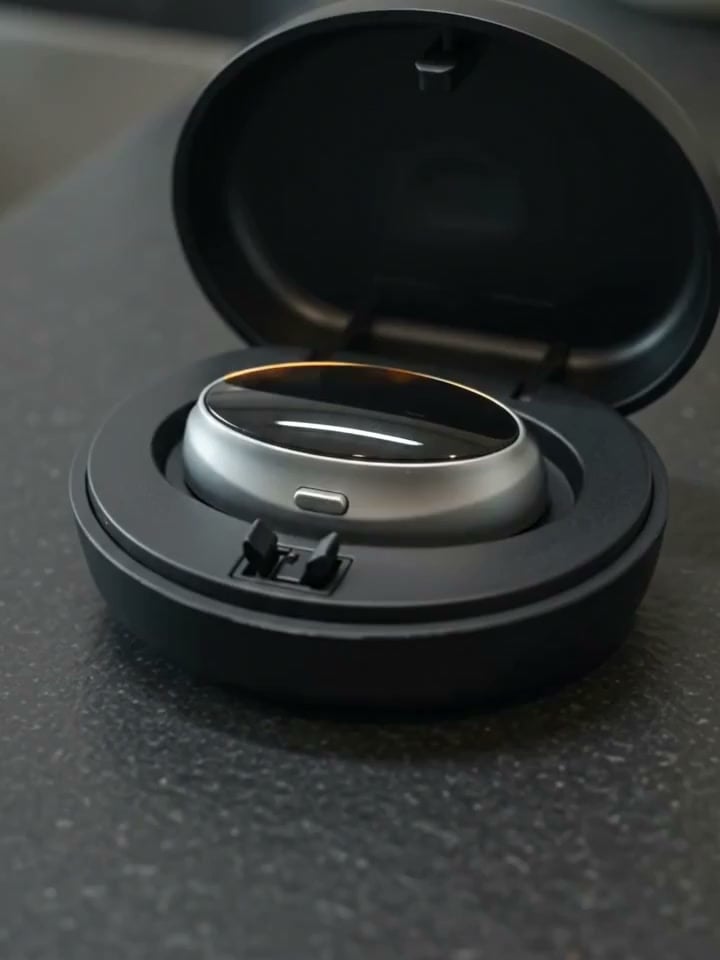
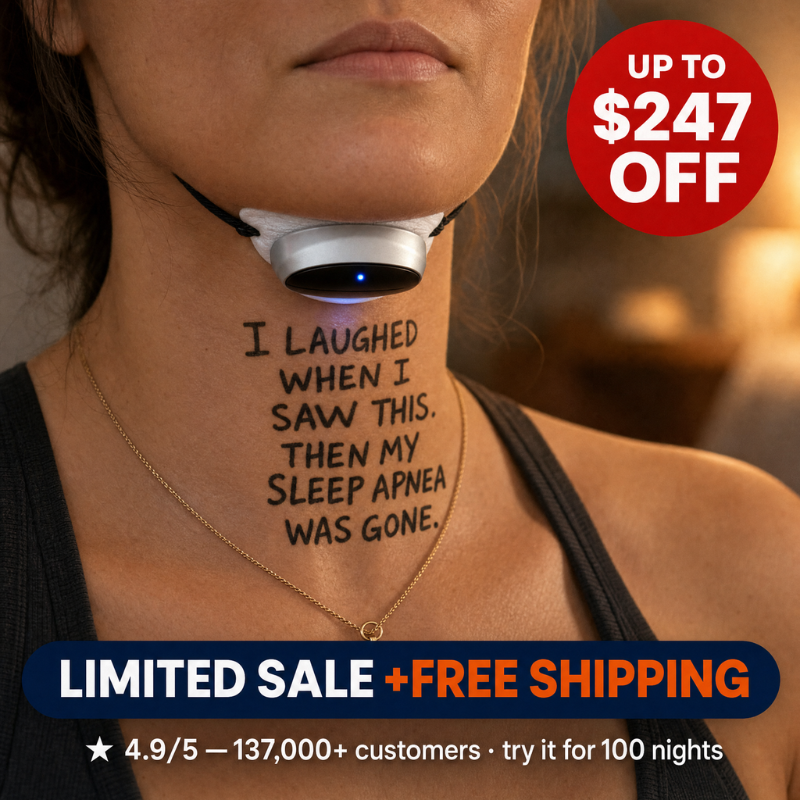
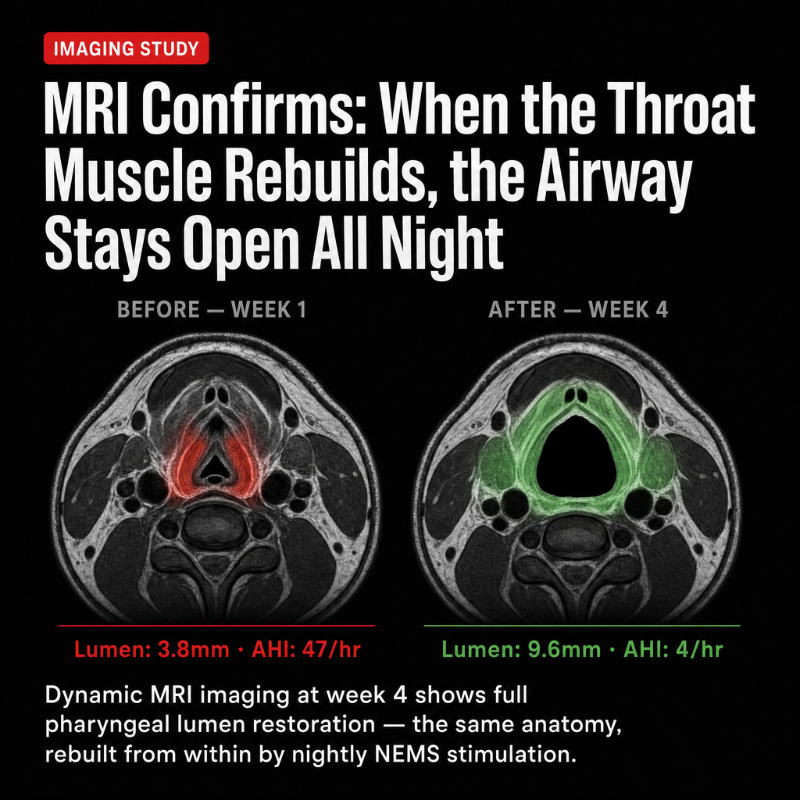
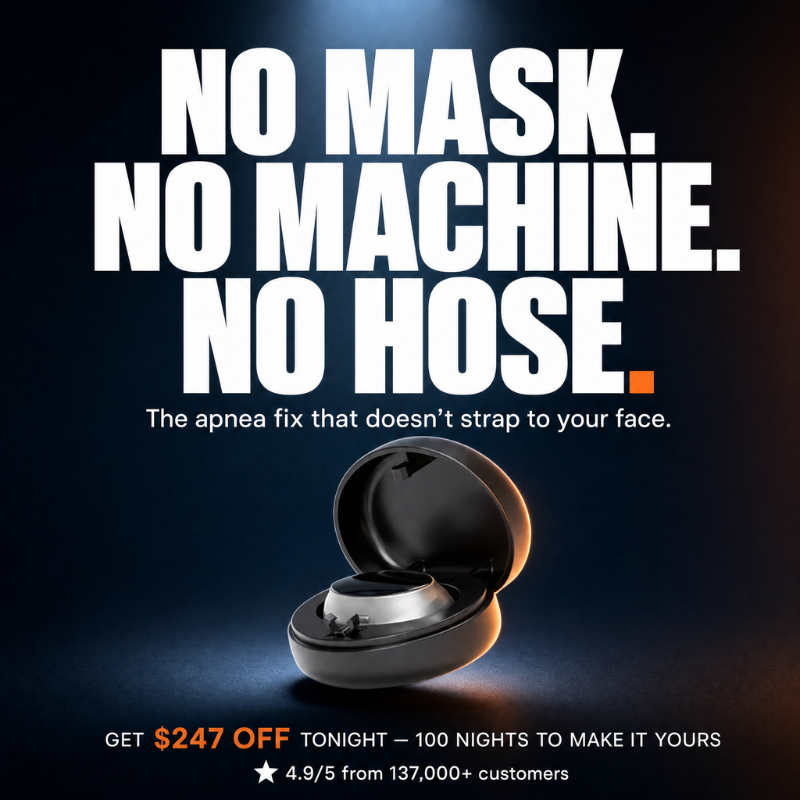
If you sleep with a CPAP machine, or you tried one and gave up, read this before you spend another night with that mask on your face. There may finally be a way to sleep through the night without the hose, the noise, or the straps. And unlike the machine, this one actually fixes the problem for good. After more than 20 years treating sleep and breathing problems, I've watched the same story play out thousands of times. People get diagnosed with sleep apnea. They get handed a CPAP machine. And they're told what I was trained to tell them: "This is it. Wear it every night, for the rest of your life." So they try. They strap on the mask. They sleep with a hose running across the bed. They listen to that hum all night. Some last a few weeks. Some last a few months. Most of them quit. I don't blame them. The mask leaves marks on their face. They feel like they're suffocating with it on. They can't sleep on their side. Their partner can't sleep next to the noise. One man told me dragging the machine through airport security made him feel like he was wearing a sign that said "old and sick." Here's what the CPAP industry doesn't say out loud. The machine doesn't treat your sleep apnea. It manages it. Every night you put the mask back on, because the second you take it off, you're right back where you started. Nothing inside your body has changed. And what's happening inside your body is the real problem. When you sleep, the muscles in your throat relax. In people with sleep apnea, they relax too much, and the airway collapses. That's the root cause. Weak throat muscles that give out the moment you fall asleep. The CPAP forces air past that collapse with pressure. It's a workaround. It never fixes the muscles. For decades, that's all we had. Pressure, or surgery. The surgery was painful, expensive, and often didn't hold. That changed for me about a year ago. A colleague sent me research on something I'd honestly never taken seriously: training the throat muscles directly. The logic was simple. If the problem is that the muscles relax too much, what if you could wake them up and strengthen them, the same way you'd strengthen any other muscle in your body? I almost dismissed it. But this was different. It used a gentle, painless muscle stimulation, applied right under the chin, exactly where those collapsing muscles sit. Clinically tested. No mask. No machine. No air pressure forced down your throat. Just a small device worn under the chin a few minutes at a time, waking up the muscles that go slack during sleep and training them to hold the airway open on their own. That last part is what makes this different from anything else. A CPAP works only while you're wearing it. This works even after you stop. Because you're not masking the problem, you're rebuilding the muscle. And once a muscle is retrained, it stays retrained. The same way your body keeps the strength after you've put in the work at the gym. I started recommending it to patients who had given up on their CPAP. One of the first was a man in his early fifties. A textbook CPAP dropout. He'd quit his machine over a year earlier and just accepted he'd snore and wake up exhausted for the rest of his life. His wife had been sleeping in the spare room. I told him to give it 90 days. Within the first week, his wife noticed his snoring had dropped. Within a few weeks he was sleeping deeper and waking up clear-headed for the first time in years. By month four, he was sleeping through the night without anything on his face. No mask. No hose. Nothing. That's the pattern I keep seeing. Most people notice their snoring ease up in the first week. Over the next few weeks the sleep gets deeper. For milder cases, the results lock in permanently around three to four months. For more severe cases, it takes five to six months of consistent use, but the muscles do retrain, and the change holds. That's the part I want you to understand. This isn't another thing you're chained to forever. It's a window of consistent use that gives you your nights back for good. I know how this sounds. After everything you've probably already tried, a small device under the chin sounds too simple. I was skeptical too. But the logic is the same logic we use everywhere else in medicine. A weak muscle can be trained back to strength. Your throat is no different. If you've got a CPAP collecting dust in a drawer, or you're still strapping one on every night and quietly hating it, this is worth understanding before you spend another year managing a problem you could actually be fixing. There's a better way now. No mask. No machine. And this time, it lasts. — Dr. Michael Green
Where the ad sends people
trysleepease.co
Quit The CPAP For Good ☝️
100 nights to try it. Love it or pay nothing.
Learn more: trysleepease.co(opens in a new tab)