Dr. Alex Larowe
Dr. Alex Larowe Facebook ad: “You might be checking the wrong thing”
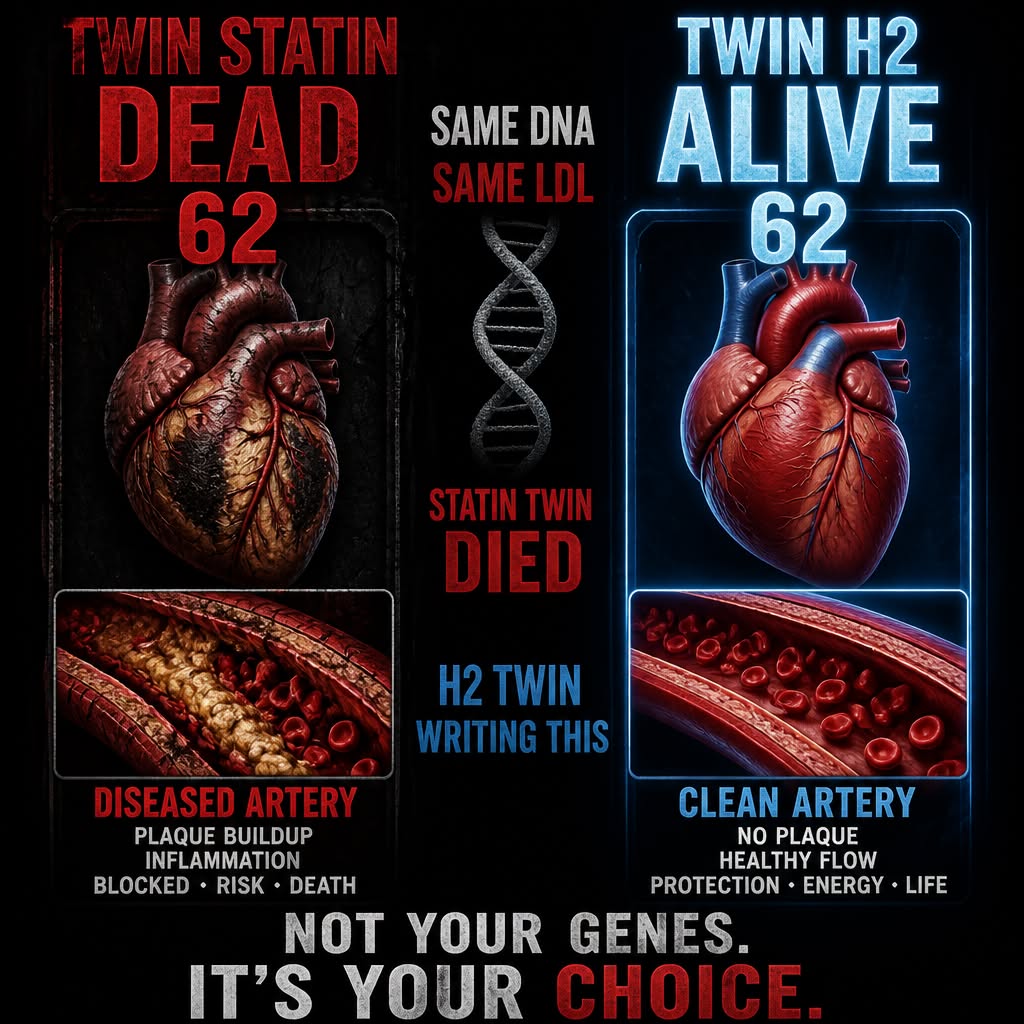
Ran for 62 days, from July 27 to September 27, 2026, the last day Crush saw it.
Run by Dr. Alex Larowe on Facebook. Crush is not the advertiser and does not verify its claims. See this ad in Meta's Ad Library(opens in a new tab)
Want an ad like this for your product?
Crush makes new ad images for your product from this ad: your logo, your product photo, your offer.
Trials from $19.95 USD, then $79.95 USD a month. Cancel anytime.
About this ad
- Meta Ad Library ID
- 1739845550503327
- Platforms
- Facebook, Instagram, Audience Network, Messenger and Threads
- Relaunches
- 0
Ad text
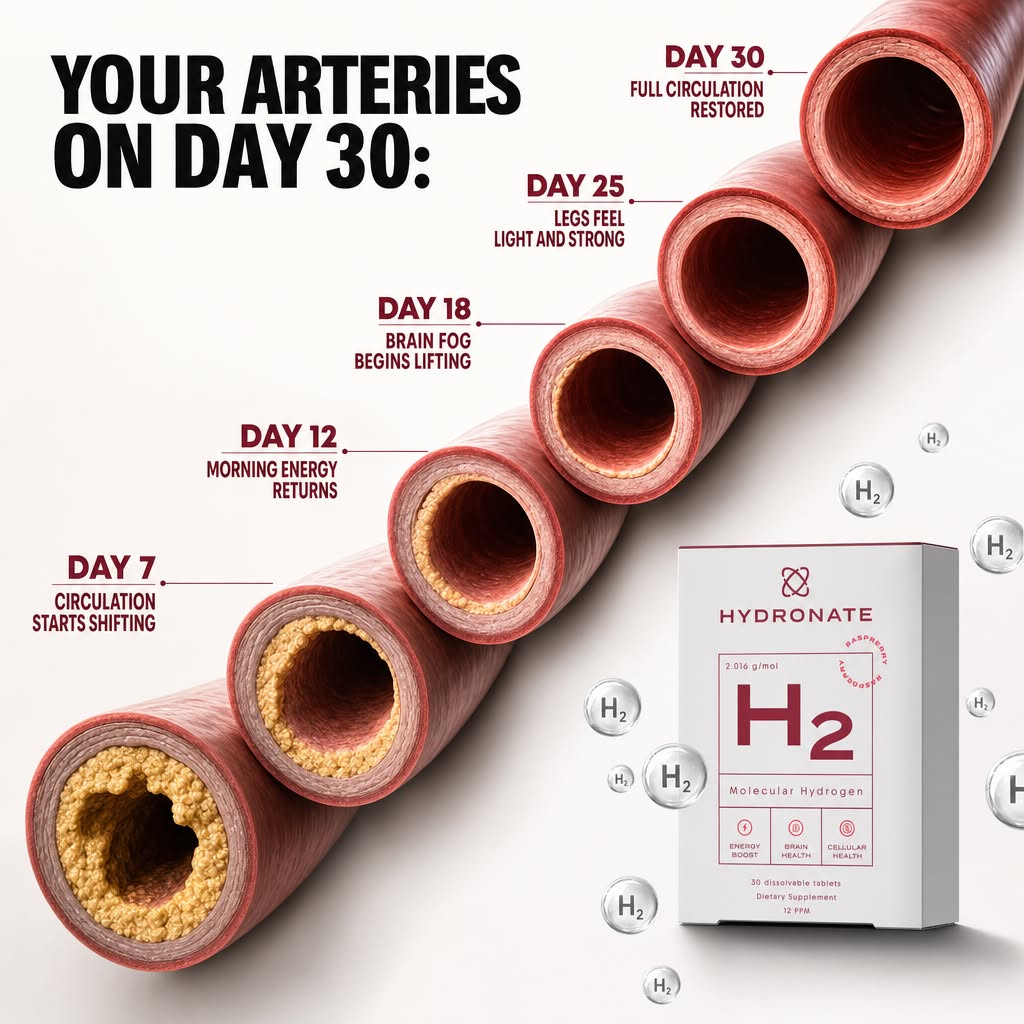
We were identical twins. Same DNA. Same womb. Same nursery. Same bedroom until we were fourteen. Same height — six-one — same build, same hairline that started receding at thirty-two. Our wives joked that they couldn't tell us apart on the phone. Our kids — Mark's two, my three — called us interchangeably by the wrong name until they were seven. Same genetics. Same environment for the first eighteen years. Same family history — father had a heart attack at fifty-eight, grandfather at sixty-two. Same LDL numbers when the doctor first flagged us both at forty-four: Mark's was 172, mine was 174. Two points apart. Identical, essentially, the way everything about us was identical, essentially. And then, on the same Tuesday afternoon, we sat in the same doctor's office — because of course we had the same doctor, we were twins, we did everything together — and we received the same prescription. Atorvastatin 20mg. Dr. Callahan wrote it twice. Same drug, same dose, same blue pen. Mark took it. I didn't. This is the story of what happened over the next eight years. It's the most important comparison you'll ever read. Not because it's a clinical trial — it's two men. But it's the only clinical trial that matters when the subjects share one hundred percent of their DNA and diverge on a single variable. Mark started taking his statin that Tuesday evening. He was diligent about it — Mark was diligent about everything. He'd been an accountant for twenty years. Precision was his operating system. He set a phone alarm for 8 PM. He took the pill with water, never with food, because the insert said to take it at bedtime. He went for his panels every six months. He documented every result in a notebook — the same kind of notebook he used for client reconciliations. Within four months, Mark's LDL dropped from 172 to 96. He was thrilled. I remember the phone call: "Robbie, ninety-six! Can you believe it?" He'd always been competitive — even with me, even with identical starting numbers. Ninety-six was his victory. I didn't take the prescription. Not out of ideology, not out of stubbornness — I'd like to say it was principled, but it was closer to skepticism combined with procrastination. I told myself I'd start it later. Then later became weeks, weeks became months, and by the time a year had passed, I'd settled into a position: I would manage my cardiovascular risk through other means. I was a biochemical engineer. I'd spent my career understanding reaction pathways — substrates, catalysts, products. And when I applied that framework to the statin mechanism, something didn't add up. The statin reduces the substrate. That's it. It inhibits HMG-CoA reductase, lowers cholesterol production, reduces the amount of LDL in circulation. The substrate goes down. But the catalyst — the hydroxyl radical, the reactive oxygen species that initiates the oxidation of LDL — is completely unaddressed. And in any reaction I'd ever worked with, reducing the substrate while leaving the catalyst active doesn't stop the reaction. It slows the rate. It lowers the yield. But the product still forms. The product, in this reaction, is oxidized LDL. And oxidized LDL is the molecule that builds plaque. I found molecular hydrogen in my first year of research. Two thousand peer-reviewed publications. A selective antioxidant that targets the catalyst — hydroxyl radicals. The exact variable the statin leaves untouched. H₂ neutralizes it. Converts it to water. And because molecular hydrogen is the smallest molecule in existence, it reaches the arterial intima — the reaction vessel where the oxidation occurs, where the foam cells form, where the plaque builds. I started taking Hydronate in late 2016. The same month Mark started his statin. 12+ PPM — the concentration from the clinical research. Third-party tested. One tablet in water every morning. Eight years. Same DNA. Same starting point. Different approach. Mark's LDL: 91 at his last panel. Managed. Green. His doctor's notes: "excellent control, continue current regimen." My LDL: 146 at my last panel. Elevated. Flagged. My doctor's notes: "patient continues to decline statin therapy. Counseled on risks." By every metric the system uses — by every chart, every calculator, every risk assessment — Mark was the success and I was the failure. His number was right. Mine was wrong. His doctor was satisfied. Mine was concerned. And then Mark died. October 7th, 2024. Heart attack. In his garage. Wrenches in his hand — he'd been working on the boat he was restoring, the same boat our father had bought in 1988. He was sixty-two. LDL of 91. Eight years on a statin. Compliant. Precise. The accountant who balanced his lipid panel the way he balanced ledgers. I got the call from his wife, Sandra. She was calm — the kind of calm that hasn't become grief yet, the kind that's still shock. "Robbie, Mark collapsed. They said his heart." The rest of the sentence didn't exist because she started crying and couldn't finish it. I'm alive. I'm sixty-two. My LDL is 146. My doctor is still concerned. My chart is still flagged. And my coronary calcium score is zero. My last stress test: unremarkable. My oxidized LDL: 24 — normal range. My cardiologist — a different one, one who ordered the expanded panel I requested — looked at my results and called my arteries "unremarkable." The medical term for clean. Same DNA. Same starting LDL. Same family history. Same doctor. Same prescription. One took the statin. One took the hydrogen. Mark: LDL 91. Dead at 62. Me: LDL 146. Alive at 62. Arteries clean. The number was better. The arteries were worse. The system treated Mark as the success and me as the failure. And the failure is alive, writing this, with clean arteries and a twin brother in the ground. I need to explain why, because "I got lucky" isn't the answer. Luck doesn't produce a coronary calcium score of zero in a sixty-two-year-old man with familial hyperlipidemia and a father who died at fifty-eight. Something is protecting my arteries that wasn't protecting Mark's. The something is this: Mark's remaining LDL was being oxidized. Mine wasn't. His statin lowered the quantity. The oxidation destroyed the quality. The catalyst — hydroxyl radicals — was active in his arteries for eight years, converting his remaining cholesterol into the sticky, deformed, immunologically foreign material that builds plaque. His chart measured the substrate and declared victory. His arteries were running a reaction his chart didn't track. My hydrogen addresses the catalyst. My LDL is higher, but it's intact. The hydroxyl radicals that would have oxidized it — the same radicals that were oxidizing Mark's — are being neutralized every morning by a molecule small enough to reach the tissue where the reaction occurs. Quantity was Mark's advantage. Quality was mine. And quality won. Hydronate H2. 12+ PPM. One tablet in water every morning. 90-day money-back guarantee. Mark's number was perfect. Mark is gone. My number is elevated. I'm here. The difference isn't the number. It's the oxidation. If identical twins with identical DNA and identical starting points can have opposite outcomes based on a single variable — whether the oxidation was addressed — then the variable that matters isn't the number your doctor is measuring. It's the mechanism your doctor isn't. Request the oxidized LDL test. See which twin you are. And address the mechanism that separated us — not by luck, not by genetics, but by the presence or absence of a single intervention. One click. Choose the right mechanism. P.S. — Twenty minutes. I've taken it for eight years. The clarity at twenty minutes has never faded. Mark's garage is empty. His boat is unfinished. Mine isn't. Choose the mechanism that keeps you in the garage. P.P.S. — 90-day guarantee. Same DNA. Different mechanisms. Different outcomes. The guarantee is ninety days. Request the oxidized LDL test. See your number. Then decide which twin's approach makes more sense. P.P.P.S. — Sandra still calls me. She calls me "Mark" sometimes. We sound the same on the phone — always have. Last week she called and said "Mark, I—" and then stopped. The silence lasted four seconds. I counted. Then she said "Robbie, I'm sorry." I told her not to apologize. I wanted to tell her what I know — about the oxidation, about the catalyst, about the reason identical twins had different arteries. But it was too soon. So I'm telling you instead.
Where the ad sends people
hydronate.com
You might be checking the wrong thing
Hydronate
See details: hydronate.com(opens in a new tab)