Senior Health Guide
 Facebook ad: “You Didn't Outgrow Your Shoes. Your Feet Swelled”
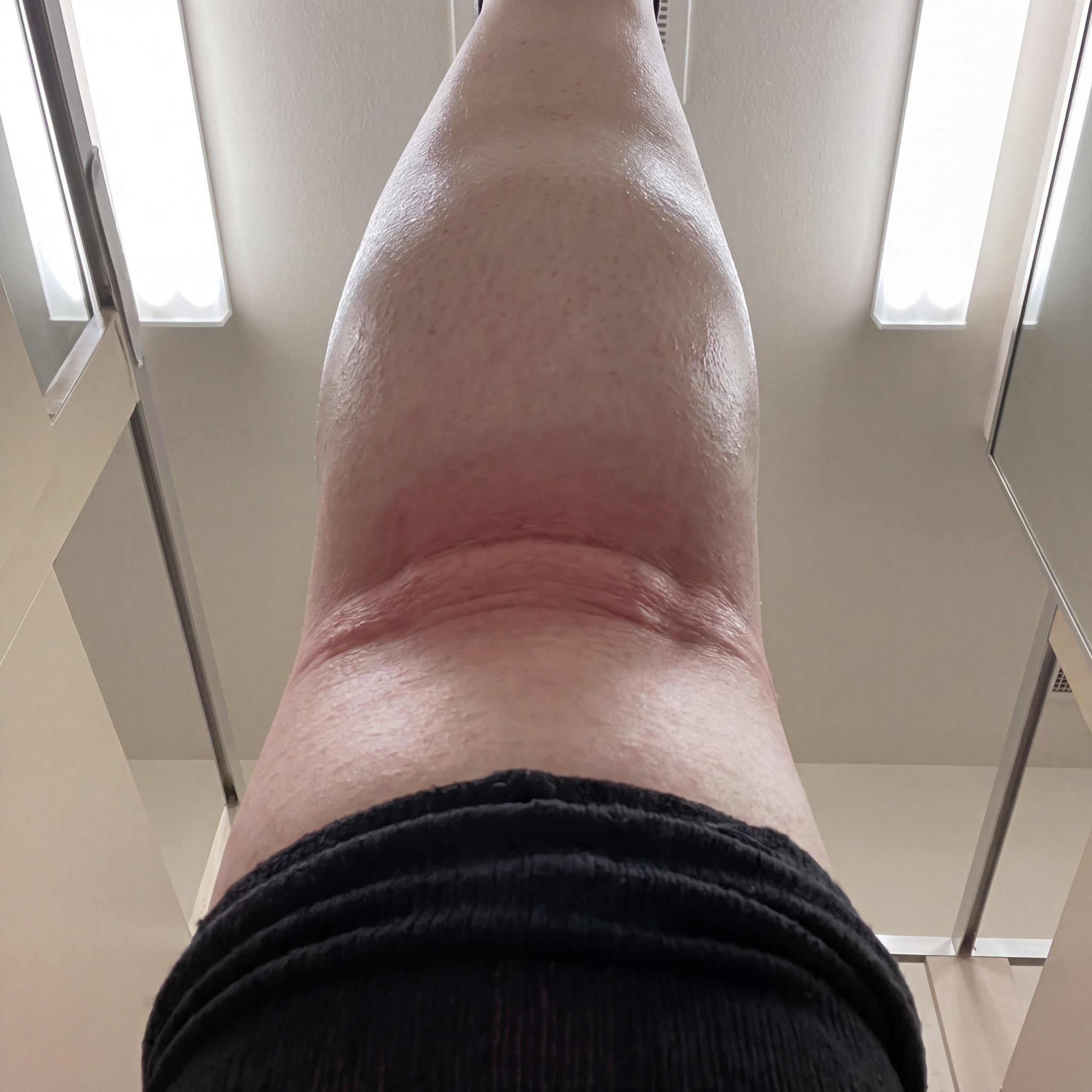
Ran for 47 days, from September 12 to October 29, 2026, the last day Crush saw it.
Run by Senior Health Guide on Facebook. Crush is not the advertiser and does not verify its claims. See this ad in Meta's Ad Library(opens in a new tab)
Make your own version of this ad
Crush makes it, launches it in your own Meta ad account, scales the winners and pauses the losers.
About this ad
- Meta Ad Library ID
- 1746014473315614
- Platforms
- Facebook, Instagram, Audience Network, WhatsApp and Threads
- Relaunches
- 0
- EU reach
- 3,660
- Niche
- Clinics & Medical
Ad text
I need to tell you where this ends, if nothing changes. Because nobody in a 15-minute office visit is going to say it to you plainly. So I will. ⠀ I've spent 16 years as a vascular surgeon. And I have watched too many women who are on their feet all day walk this exact road, one pair of shoes at a time, to keep quiet about it. ⠀ I'm done being quiet. ⠀ You know the feeling. You're a nurse, a teacher, a cafeteria manager, a cashier — someone whose whole day happens standing up. And by evening your feet and ankles are so swollen your shoes feel two sizes too small. You loosen the laces. You slip the heel off under the desk. You count the hours until you can get them off entirely. ⠀ That feeling is loud. It wears you down every single shift. But the swelling you feel is not the part that quietly costs you the most. ⠀ The part that costs you the most is the one nobody's treating. ⠀ Here's what your doctor may never have spelled out in that quick visit. ⠀ Compression works. Elevation works. Cutting salt works. All of it aims at one thing — moving the fluid up and out of your legs while you're managing it. And it does that job. ⠀ But it only does that job. For as long as the sock is on. The second it comes off at the end of a twelve-hour day, the fluid comes back, and so does the hot, tight, stretched, screaming feeling — and there is nothing in your entire routine built to touch that. ⠀ So the swelling gets managed. And the feeling gets ignored. Every night. For years. ⠀ And here's the quiet cost of ignoring the feeling for years. ⠀ You stop wearing the shoes you like. It starts with one pair — the ones with any structure to them, the ones that don't give. Into the back of the closet they go. Then another pair. Then most of them. ⠀ Until one day you realize you're not choosing shoes anymore. You're choosing whatever your swollen feet will tolerate by 5 p.m. The widest, softest, most forgiving thing you own. And you've stopped looking in the mirror on the way out the door, because what's the point. ⠀ That's not vanity. That's your world getting one size smaller, quietly, while everyone told you the swelling was "handled." ⠀ Now — before I go one word further, I want to be dead clear about something, because I know exactly how this kind of story turns into a woman blaming herself. ⠀ This is not your fault. Not one bit of it. ⠀ You were told to manage the swelling, and you managed it faithfully, for years. You wore the socks. You elevated. You cut the salt. You did every single thing they asked of you. ⠀ Nobody ever handed you the one piece of information that would have changed the whole path — that managing the fluid was never the same as treating the feeling, and the feeling was the part slowly taking your shoes, your comfort, your evenings. You weren't failed by your own effort. You were failed by a plan that treated half the problem and called it the whole thing. ⠀ I know this gap intimately. Not because I've had it — because I've spent sixteen years watching women fall into it, one after another, and for most of that time I had nothing better to hand them than the same half a plan everyone else did. ⠀ I'd tell them what my colleagues tell everyone. "Standard protocol. Compression. Elevate. Cut the salt. Should help." ⠀ And it was right. It helped — with the fluid. ⠀ They wore the socks. They elevated. They cut the salt to almost nothing. And every single one of them came back to me and said the same thing: by evening their feet were still swollen, their skin still tight, their shoes still not fitting by dinner. ⠀ The management was working perfectly. The comfort wasn't anywhere in the building. ⠀ They tried the rest of it too. More walking. Nightly elevation. A short course of diuretics that left them parched and up twice a night while the puffiness came right back by 3 p.m. ⠀ None of it touched the one thing they actually wanted — to get their shoes off at the end of a shift and not feel like their feet had been through a war. ⠀ For years I didn't have an answer to that. I'd been trained to chase the fluid, so that's what I chased, and I kept sending them home to white-knuckle the feeling alone. ⠀ Then I started asking a different question. Not "how do I move the fluid?" — I'd been aiming at that my whole career. But "how do I make these feet stop feeling like this, right now, tonight?" ⠀ That's when I finally took seriously a balm my patients had been pushing on me for years. I'd smiled and waved it off maybe fifty times. ⠀ It's called Senzio Miracle Balm. Comfrey. Angelica Sinensis. Frankincense. Myrrh. Peppermint oil. Sesame oil and beeswax base. ⠀ Here's what it actually does — and every ingredient earns its spot. ⠀ The menthol in the peppermint oil hits within a minute or two and floods those hot, tight, screaming feet with cold. Real, physical cooling — the kind that makes a swollen, aching foot feel lighter the second it lands. That's not a claim, that's chemistry. Same reason cold water shuts up a burn. ⠀ Comfrey's been worked into strained, aching, overworked areas for two hundred years — and your feet, after ten hours of standing, are the most overworked, strained things you own. ⠀ Frankincense and myrrh have calmed raw, tired skin since before pharmacies existed. ⠀ Angelica Sinensis — Dong Quai — has been prized in Traditional Chinese Medicine for centuries as a "blood mover," and it's a warming botanical that rounds the formula out against the peppermint's cool. ⠀ And the base is doing real work, not just holding the rest together. Sesame oil is a warming oil valued in Ayurveda and TCM, rich in the lignans sesamin and sesamolin — compounds that have shown anti-inflammatory activity in studies — and it absorbs cleanly, so the three-minute massage works in instead of sitting greasy on top. ⠀ Beeswax seals all of it to the skin so it keeps working through the evening instead of rubbing off on your socks, and it's an emollient that keeps the stretched, dry, taut skin over swollen legs soft and from cracking — which, if your skin's ever gone shiny and tight by dinner, you already know it needs. ⠀ Seven ingredients, one job — making the feet you're stuck with tonight stop feeling like they're on fire. You massage it into the swollen areas — the feet, the ankles, up the calves — for three minutes, until it's absorbed, and skin that's been pulled tight for a whole shift is left calmer and softer. ⠀ I didn't believe it. But the logic held, so I started paying attention — and the first patient I watched try it, I think about all the time. ⠀ Call her Rosa. 58, on her feet twenty-six years running a hospital kitchen. ⠀ Two people had already told her the swelling was just something to manage now, and to size up her shoes. She'd been wearing compression socks every day, just as she'd been told. They helped while she was working, but once she got home and took them off, her feet and ankles were still swollen, tight, and aching. By the time she reached me, she was buying the widest, softest shoes she could find and had quietly stopped wearing anything else. She was months from stopping the parts of her job she loved because she couldn't stand through them anymore. ⠀ I told her to keep doing what was already helping the swelling. But I also had her start using Senzio morning and night, massaging it into her feet, ankles, and calves for three minutes. Here's how it went. ⠀ Day one — she rubbed it into both feet and ankles at 9 p.m. Within a couple of minutes, the cold set in, and by 9:20, the tight, stretched feeling had let go for the first time in months. Her feet were the same size. The feeling wasn't. ⠀ Day three — she peeled off her socks, and the deep grooves that used to take an hour to fade were already easing by the time she'd brushed her teeth. She sat down and, for the first time in a long time, her feet felt like hers. ⠀ Day eight — the ache had stopped running her evenings. She got her shoes off after a shift and didn't dread it. ⠀ Four weeks — this was where it stopped being a nightly rescue and started becoming something she could count on. The relief was lasting longer into the evening instead of disappearing after the first twenty minutes. She was standing through the parts of her shift she'd started sitting out, and she wasn't thinking about her feet every few minutes. ⠀ Eight weeks in, Rosa stood in front of the mirror and looked down at her ankles. She could finally see more of the shape she'd forgotten was there, and that night she pulled her favorite pair of shoes from the back of her closet — the ones she'd stopped wearing because they were too tight — and wore them to work the next morning. ⠀ Twelve weeks in, she realized she wasn't thinking about her ankles anymore. She wasn't checking the swelling before bed or buying the widest shoes she could find. She was simply wearing her favorite shoes again and getting on with her life. ⠀ Rosa came back for a follow-up, and my colleague Dr. Martinez happened to be in the hallway when she left. Martinez watched her walk out, then turned to me and said, “That woman's not moving like her feet hurt. What changed?” ⠀ I told her the truth. Rosa hadn't stopped using compression. She'd simply stopped expecting compression to do a job it was never designed to do. It was managing the swelling during the day. Senzio was giving her something to address the hot, tight, uncomfortable feeling that remained after the socks came off. ⠀ And that's what I want you to understand. ⠀ If you've been wearing compression socks and still end the day with swollen, tight, uncomfortable feet or legs — and you're starting to worry that you're going to lose your mobility — you're not broken, and you're not weak. You may simply have been treating the fluid without addressing the inflammation and discomfort that can come with it. ⠀ That's what changed for Rosa. ⠀ She didn't abandon the treatment that was helping manage her swelling. She added something specifically designed to support the areas that were still giving her trouble after the compression came off. ⠀ That's it. ⠀ She wasn't doing more. She was finally addressing the part of the problem her old routine wasn't reaching. ⠀ Now it's your turn. ⠀ — Dr. Sarah Chen, MD, FACS Vascular Surgeon, 16 years ⠀ P.S. — Senzio Miracle Balm contains Frankincense, Myrrh, Angelica Sinensis, Comfrey, and peppermint oil in a sesame oil and beeswax base. Apply directly to the swollen areas — feet, ankles, and calves — massaged gently until fully absorbed, two to three times daily, morning and night. It's a topical comfort balm: it soothes the tight, heavy, stretched feeling of swollen feet and legs. ⠀ P.S. — It comes with a full 60-day money-back guarantee — use it morning and night for two months, and if your feet aren't feeling better, send it back and every dollar comes home.
Where the ad sends people
senzio.store
You Didn't Outgrow Your Shoes. Your Feet Swelled
Transform your skincare routine with Senzio Miracle Balm™. This herbal powerhouse hydrates, heals, and rejuvenates your skin naturally.
Learn more: senzio.store(opens in a new tab)