Dr. Yolanda Holmes
Dr. Yolanda Holmes Facebook ad: “Doc said it’s just menopause. She was WRONG.”
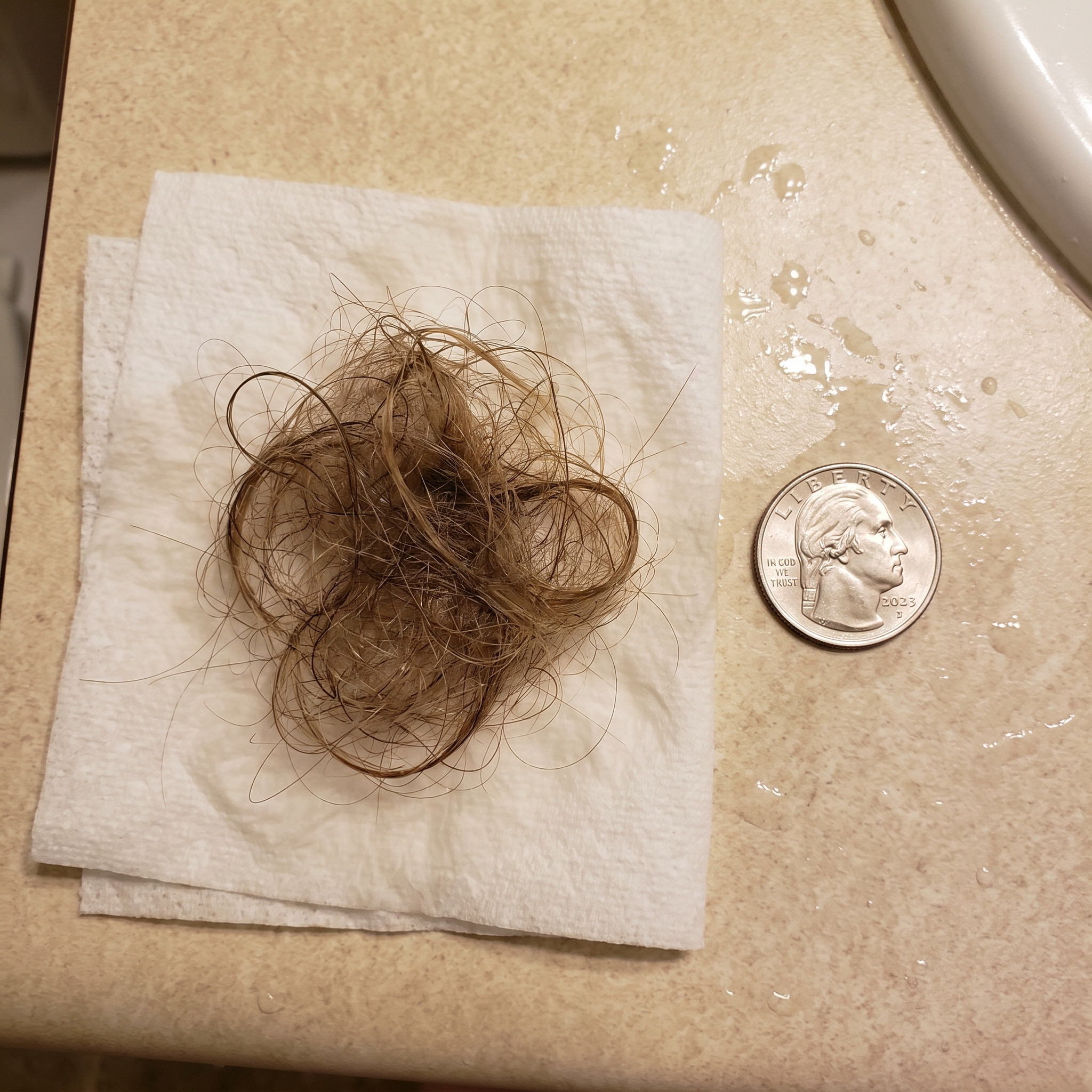
Started on July 13, 2026.
Run by Dr. Yolanda Holmes on Facebook. Crush is not the advertiser and does not verify its claims. See this ad in Meta's Ad Library(opens in a new tab)
Want an ad like this for your product?
Crush makes new ad images for your product from this ad: your logo, your product photo, your offer.
Trials from $19.95 USD, then $79.95 USD a month. Cancel anytime.
About this ad
- Meta Ad Library ID
- 1751864059166740
- Platforms
- Facebook, Instagram, Messenger and Threads
- Relaunches
- 0
- Niche
- Hair Care
Ad text
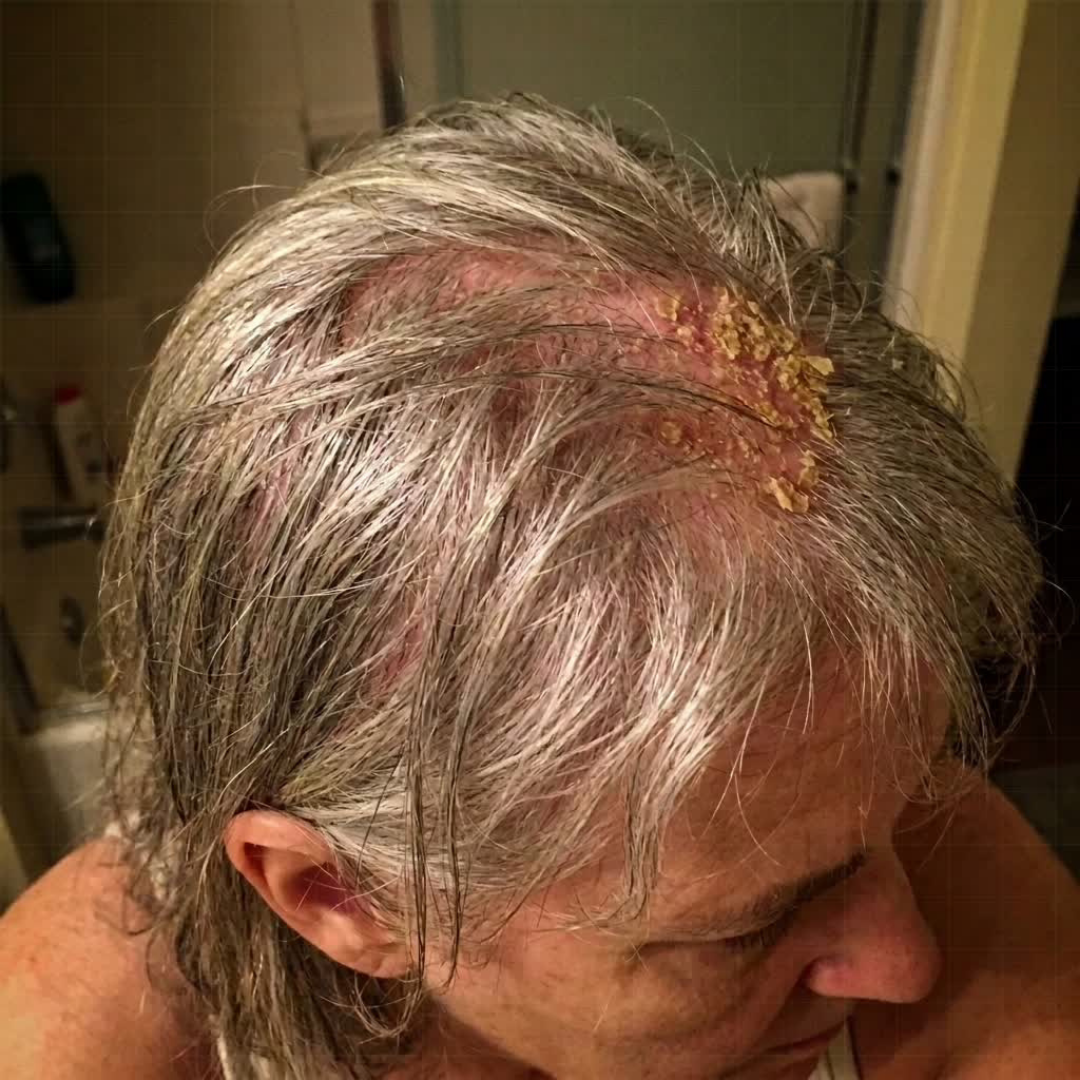
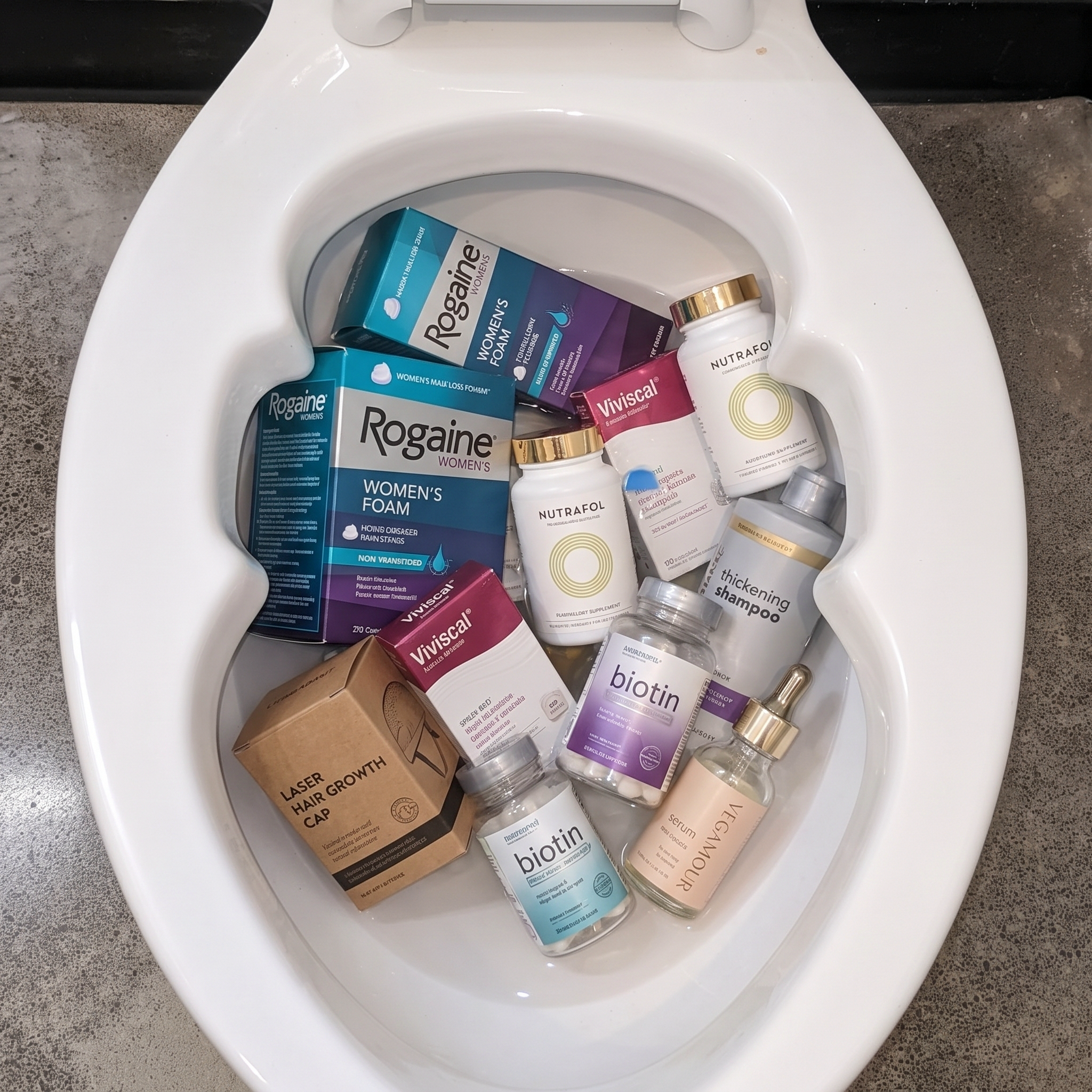
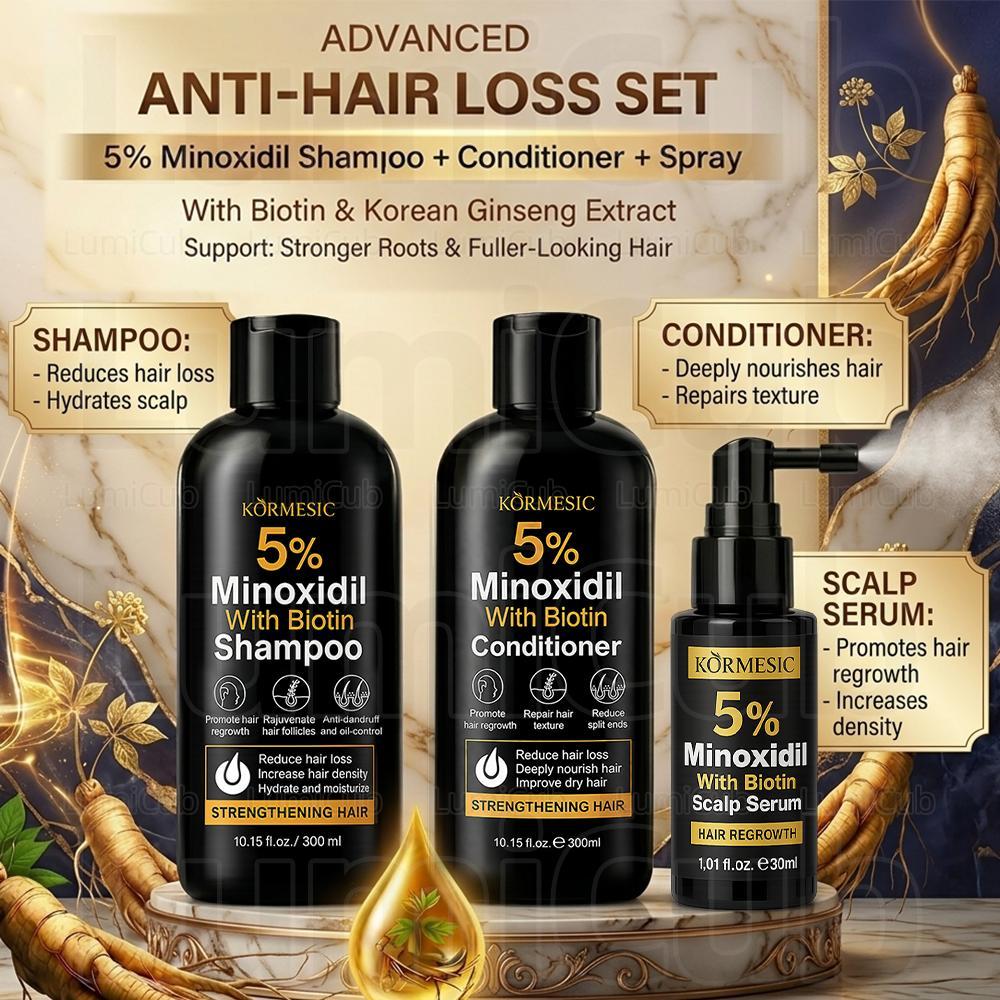
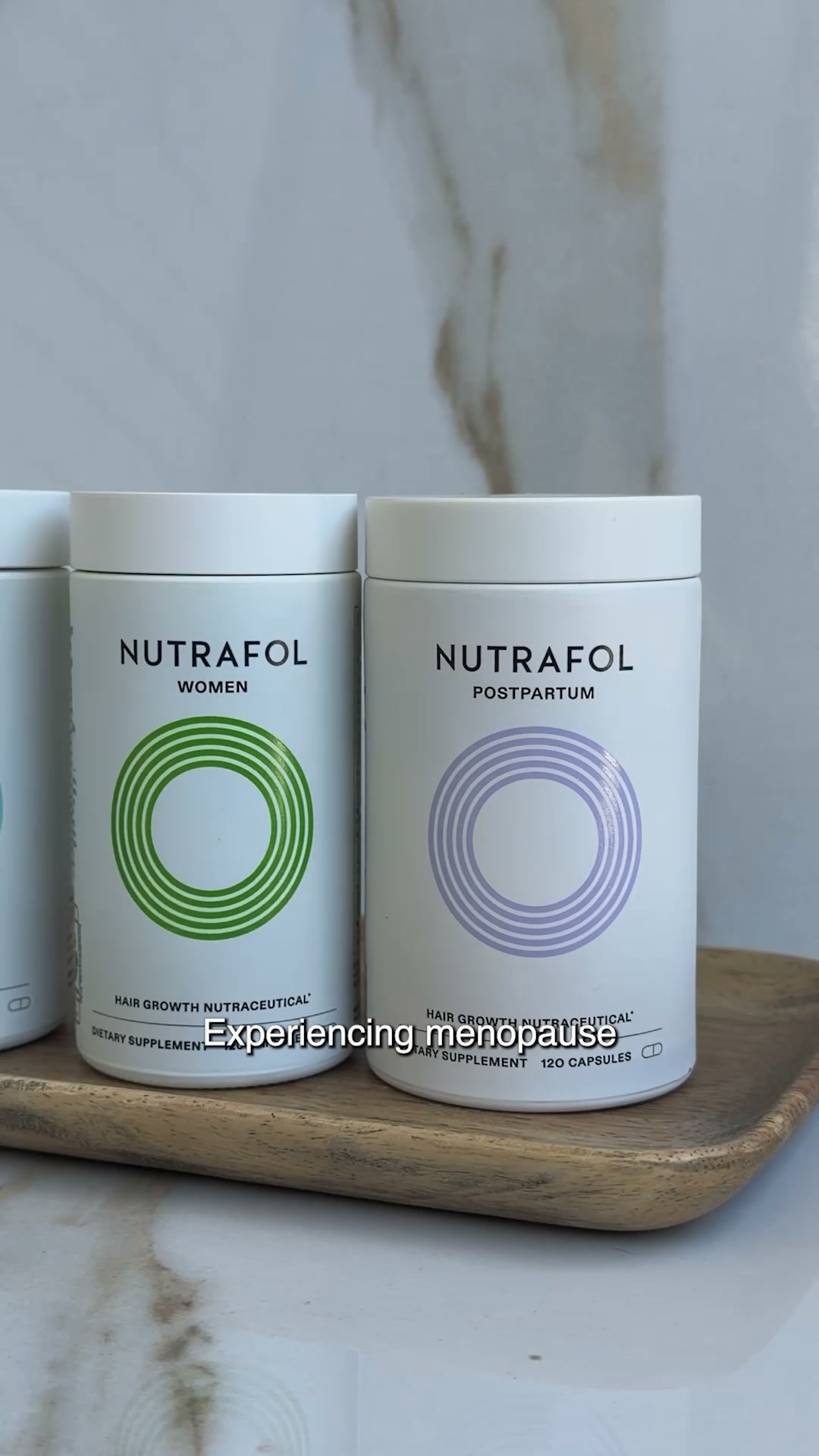
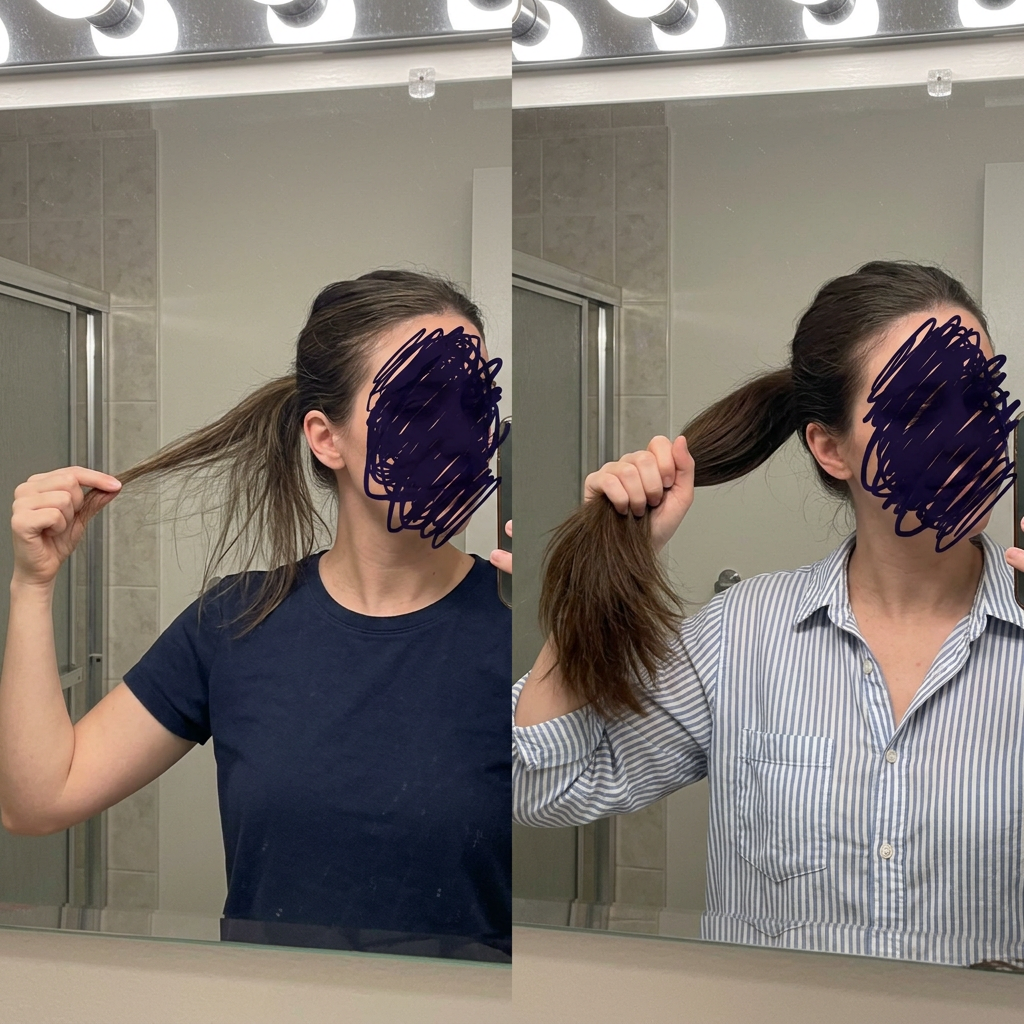
My colleagues think I've lost it for saying this out loud, but after fifteen years as a board-certified dermatologist treating menopausal hair loss, I need you to know: that clump in your drain isn't bad luck or menopause itself, it's one missing scalp enzyme women stop producing after fifty that lets a single hormone strangle your follicles while minoxidil sits useless on top, and there's a ten-second botanical DHT-blocking ritual that works through a completely different pathway to get back the volume and confidence you had before anyone noticed the widening part. Hi, I'm Dr. Yolanda Holmes. I'm a board-certified dermatologist who's spent fifteen years watching THOUSANDS of menopausal women lose their hair to the same invisible enemy, and I've spent most of that time handing them treatments I knew wouldn't work. Let me explain what I mean. Every morning, you step into the shower hoping today will be different. You use the expensive shampoo, the thickening conditioner, the serum you bought after reading forty reviews at midnight. You wash carefully, gently, like you're handling something fragile. And then you look down. The drain is full again. Not a few strands, a clump. Enough hair that you have to pull it out with your fingers, and when you do, it's wet and heavy and thick enough that you stand there staring at it, thinking: how is there any left on my head? You wrap it in toilet paper so your husband doesn't see it in the trash. You rinse the tub floor twice because you don't want to look at the evidence. But you know. You check the part in the mirror afterward, and every week it looks a little wider. The bathroom light doesn't lie. You can see your scalp now, not just when your hair is wet, but all the time. And that's just the beginning. Because the drain is private. The part you can angle away from in photos. But other people see it too. Your stylist hesitates when you sit in the chair, and you can tell she's measuring how much is left before she has to say something. Your daughter asks if you've tried biotin, and the question lands like pity. You stop wearing ponytails because the elastic shows too much scalp. You stop swimming with your grandkids because you can't handle the wet-hair reveal afterward. You start sitting with your back to windows because the sunlight makes the thinning obvious. You rearrange your whole life around hiding it. And here's the thing: You've TRIED to fix it. You've tried everything. Biotin, collagen, Nutrafol, iron supplements, that $90-a-month powder the influencer swore by. You tried Rogaine foam and stuck with it for four months even though it made your scalp itch and left your hair feeling sticky and weird. Maybe you even tried it long enough to hit the dread shed, that nightmare phase where you lose EVEN MORE hair and you're supposed to just trust the process. And after all that? Nothing. Or worse, the thinning kept going anyway. So you start wondering if maybe this is just your genetics. Maybe your hair is done. Maybe this is what fifty-something looks like now, and you're supposed to just accept it and be grateful for what you have left. But late at night, when you catch yourself in the bathroom mirror under the overhead light, you barely recognize the woman looking back. Because your hair was always part of how you saw yourself. It was the thing people complimented. It was your crowning glory. And now it's disappearing, and you're disappearing with it. You look older than you feel. You look tired in every photo. You feel like you're turning into someone else, someone smaller, quieter, someone who stopped being seen. And the worst part? The fear that this is only the beginning. That a year from now it'll be worse. That you'll need a topper, or a wig, or you'll be the woman everyone avoids looking at directly because they don't know what to say. That you'll lose the last bit of yourself that still feels like YOU. And nobody has given you a real answer. Your doctor ran your thyroid panel and said it's normal. Your dermatologist handed you a Rogaine box and said, come back in six months. Everyone keeps saying it's hormonal, it's menopause, it's aging, it's stress, but nobody tells you what that actually MEANS or what you're supposed to DO about it. So you're stuck. Stuck watching it get worse. Stuck trying products that don't work. Stuck feeling like you're the problem, like your biology is broken, like you waited too long or you're too old or you're just unlucky. But here's what I need you to hear: You're not the problem. Your hair is not broken. And the reason nothing worked isn't because it's too late. It's because you were handed the wrong tools. Let me explain. Minoxidil isn't a bad treatment. It's actually very effective, especially for men. The problem is, it was designed for men, tested on men, and approved based on studies done on male-pattern baldness. And men's scalps work differently than ours after menopause. Here's the mechanism nobody explained to you: Minoxidil has to be activated by an enzyme in your scalp called sulfotransferase, SULT1A1 if you want the full name. That enzyme takes the minoxidil molecule and converts it into the active form that can actually penetrate the follicle and do its job. No enzyme, no activation. No activation, no results. And here's the part that made me furious when I finally learned it: Women stop producing significant levels of that enzyme after fifty. This is the missing scalp enzyme your dermatologist never told you about. After menopause, up to 60% of women lose the ability to produce enough SULT1A1 to activate minoxidil. Sixty percent. Which means that for the MAJORITY of women I've been treating, I was handing them a treatment their scalps literally couldn't activate. I was telling them to be patient, to push through the dread shed, to keep spending $30 a month on foam that was sitting on their scalp doing nothing because the enzyme that makes it work wasn't there anymore. Their bodies stopped making it after fifty, and nobody told them. And it was all my fault. I didn't question the protocol. I didn't ask why the clinical trials were done on men. I just assumed that if it worked for male-pattern baldness, it would work for female-pattern thinning, because that's what I was taught. But I was wrong. And I'm done being wrong. Because once you understand the REAL mechanism, once you understand what's actually happening at the follicle level during menopause, you can fix it. Here's what's going on: Before menopause, estrogen acts like a protective shield around your hair follicles. It keeps androgens in check, reduces inflammation, supports the growth cycle. But when estrogen drops, which it does, sharply, after fifty, that shield disappears. And the androgen that takes over is called DHT. Dihydrotestosterone. It's a hormone your body has always made, but before menopause, estrogen kept it balanced. Now, with estrogen gone, DHT floods the scalp. And DHT doesn't just thin your hair, it miniaturizes the follicle itself. It chokes the blood supply, shrinks the growth phase, pushes hairs into shedding mode early. Think of it like this: Your scalp is soil. DHT is a slow-acting poison that's been poured on that soil. And no matter how expensive the seeds you plant on top, biotin, collagen, thickening serums, even minoxidil foam that can't activate because you're missing the enzyme, nothing is going to grow in poisoned soil. You have to neutralize the poison first. You have to block the DHT at the follicle, directly, without needing an enzyme your body stopped making after fifty. And That's what I finally built. After fifteen years of watching women waste money and hope on treatments that were never designed for them, I partnered with a botanicals lab to create a topical spray that works through a completely different pathway. It's called Trybello Hair Helper Spray. And it's the treatment I wish I could've handed my patients ten years ago. Let me walk you through how it works. First: caffeine. Not the kind you drink, topical caffeine, applied directly to the scalp. There's a study from the University of Jena in Germany that found caffeine counteracts testosterone's suppression of hair follicles, and here's the part that matters: female follicles are MORE sensitive to caffeine than male follicles. For once, the biology is on our side. Caffeine also inhibits the enzyme that converts testosterone into DHT in the first place, it stops the poison at the source. Second: sophora flavescens root extract. This is a botanical that's been used in Traditional Chinese Medicine for scalp conditions for centuries, and modern research out of Seoul National University found it inhibits 5-alpha-reductase, the enzyme that makes DHT, by up to 67%. Sixty-seven percent. That's not a weak herbal supplement. That's a clinically significant DHT blocker. Third: oryza sativa, rice extract. This is where the ancient Yao women's rice-water ritual meets modern biochemistry. Rice extract inhibits BOTH types of the DHT-producing enzyme, and it also strengthens the hair shaft so the hair you're growing back doesn't break. Fourth: angelica polymorpha sinensis, dong quai. This reduces scalp inflammation and oxidative stress, which means it creates the environment dormant follicles need to wake up and start cycling again. And fifth: biotin. Not as a pill that gets diluted through your bloodstream, but delivered topically, right to the follicle, where it supports keratin production directly. These five ingredients work synergistically. They block DHT at multiple points in the pathway. They reduce inflammation. They reactivate dormant follicles. And they do it without needing the enzyme minoxidil depends on. No SULT1A1 required. No prescription. No hormones. No pills that take six months to maybe work. Just a ten-second spray, directly on the scalp, once a day. You part your hair into sections, spray four to six pumps along the part and thinning areas, massage it in for thirty seconds so it penetrates, let it dry for a minute or two, and you're done. It's weightless. It doesn't leave residue. It won't interfere with styling or blow-drying. And here's what happens: In the first three to four weeks, most women notice the shedding slows down. The drain isn't full anymore. The brush doesn't collect clumps. That's the DHT blockade taking effect, the poison is being neutralized, so the follicles stop being forced into early shedding. By week six to eight, you start seeing baby hairs. Tiny new growth along the part line, at the temples, around the hairline. Those are dormant follicles waking up. And by month three to four, women report visible density improvement, the part narrows, ponytails feel thicker, the scalp doesn't shine through under lights. Now let me answer the question I know you're thinking: What happens if I stop? Will I lose it all again, like Rogaine? No. Because this isn't a drug that artificially forces follicles into growth mode and then punishes you with rebound shedding when you quit. This is a botanical DHT defense that creates the environment your follicles need to function normally again. Think of it like watering a plant in a dry climate. Once the plant is thriving, you don't have to flood it every day anymore, you can switch to maintenance mode, three or four times a week, just to keep the environment stable. No trap. No dependency. No penalty. And I know you've heard promises before. I know you've spent hundreds of dollars on supplements that did nothing. I know you pushed through the dread shed and got nothing back. I know you're exhausted. But here's why this is different: Trybello comes with a 120-day empty-bottle money-back guarantee. You can use the entire bottle, every last drop, and if you don't see improvement, you get your money back. No fine print. No hassle. And here's the number that matters: only 2.8% of customers ever ask for a refund. That means 97% of women who try it keep it. Because it works. More than 60,000 women have left reviews, and the average rating is 4.85 stars. These aren't influencers. These are women just like you who were standing in front of the mirror every morning, watching themselves disappear, and who finally found something that brought them back. So here's what I want you to do: Click the button below and give your follicles the environment they've been missing since estrogen left. Give yourself one more chance, not with another version of the men's treatment that requires an enzyme you stopped making after fifty, but with something finally built for you. Because you deserve to recognize yourself again. You deserve to stop hiding. And you deserve to walk into a room and feel like the woman you still are inside, the one with the thick hair, the one people notice, the one who didn't disappear just because she turned fifty. That woman is still you. Let's bring her back. P.S. Every day you wait is another day DHT is miniaturizing your follicles unchecked, and once a follicle is fully dead, nothing brings it back, but if it's just dormant, if there's still life in there, this is how you wake it up before it's too late. Click the button below https://start.trybello.com/tb-a249-adv
Where the ad sends people
start.trybello.com
Doc said “it’s just menopause.” She was WRONG.
Reduce Shedding With All Natural Ingredients!
Learn more: start.trybello.com(opens in a new tab)