
Inactive· since May 29, 2026
- 31
- days it ran
- 1
- relaunches
Ad copy
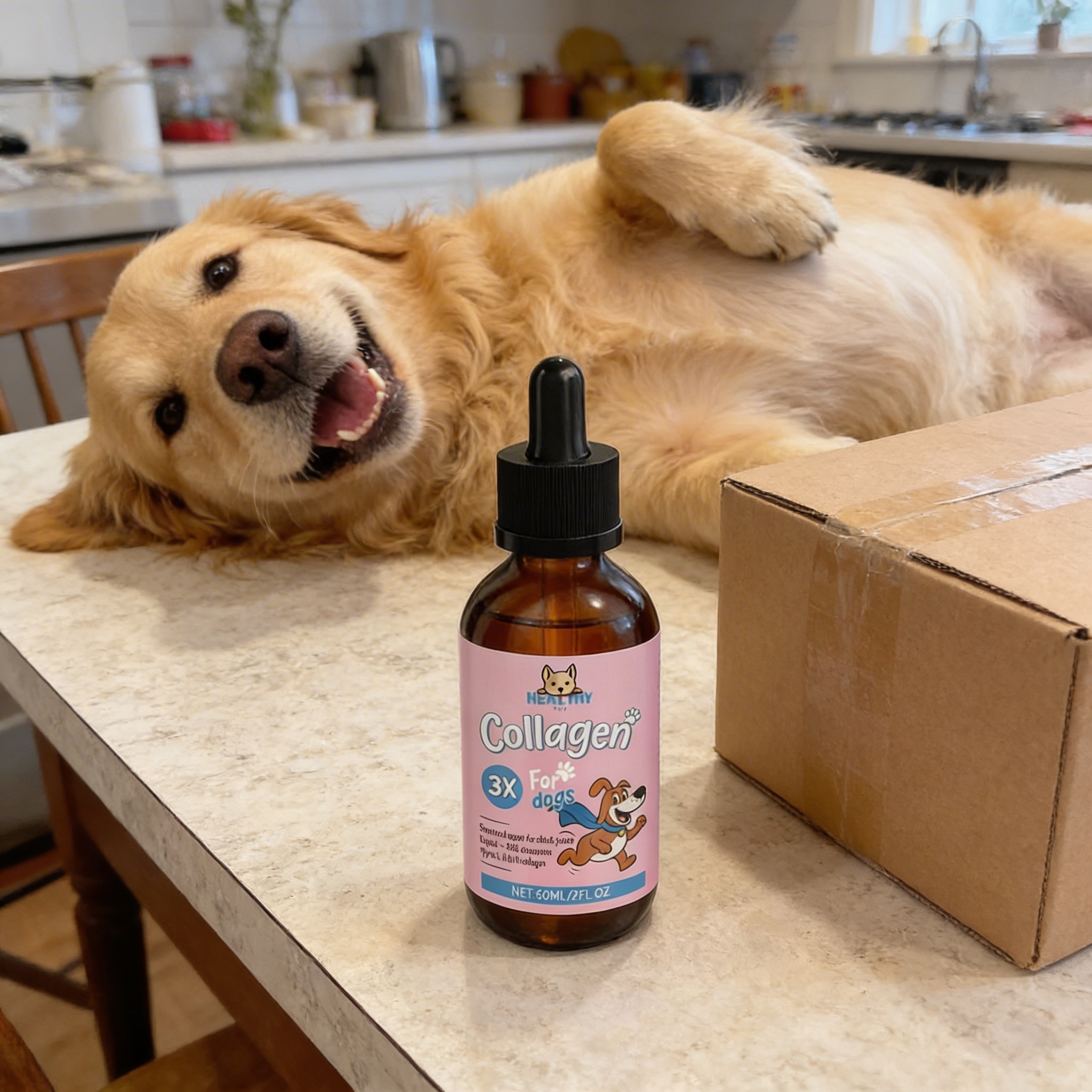
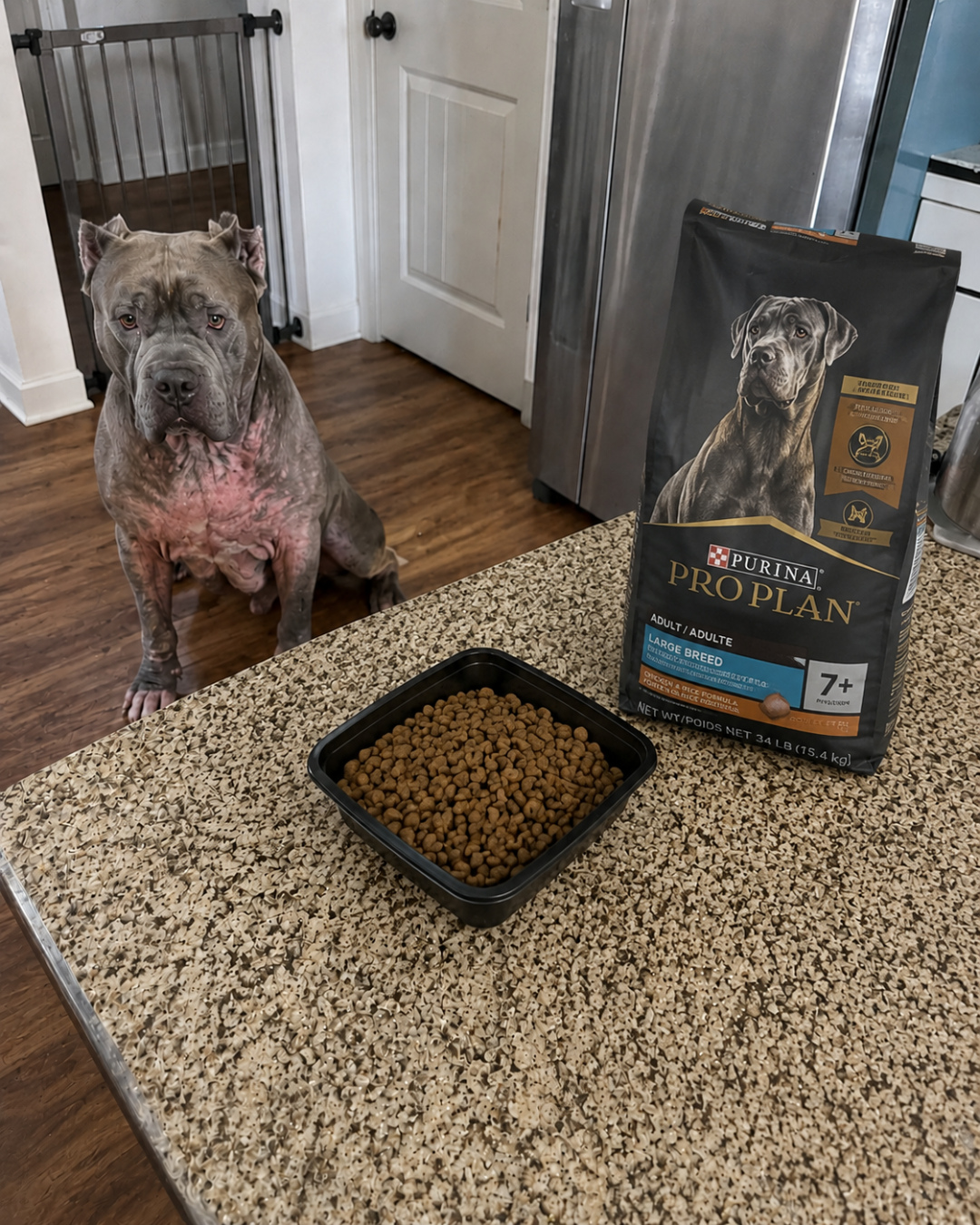
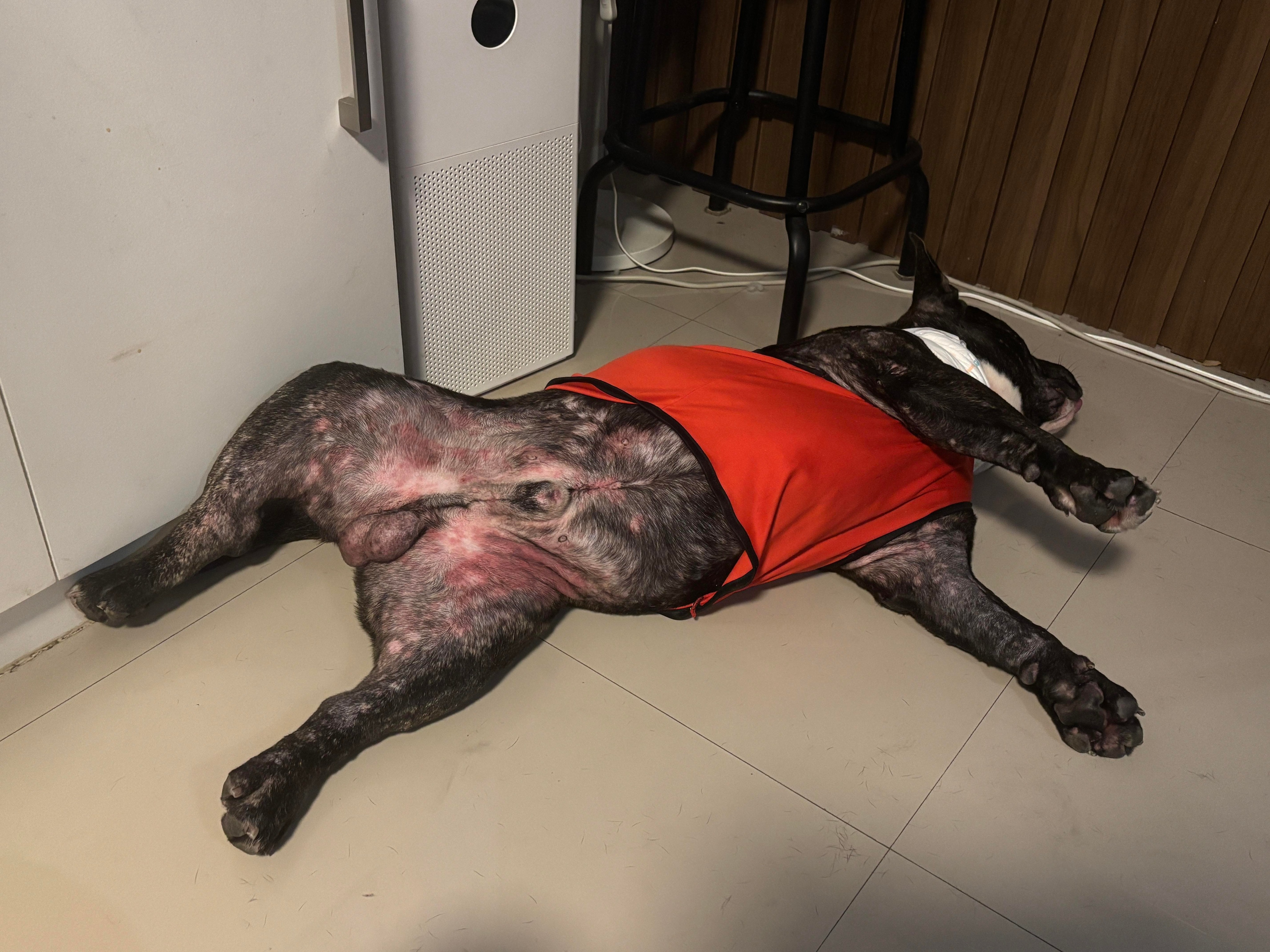
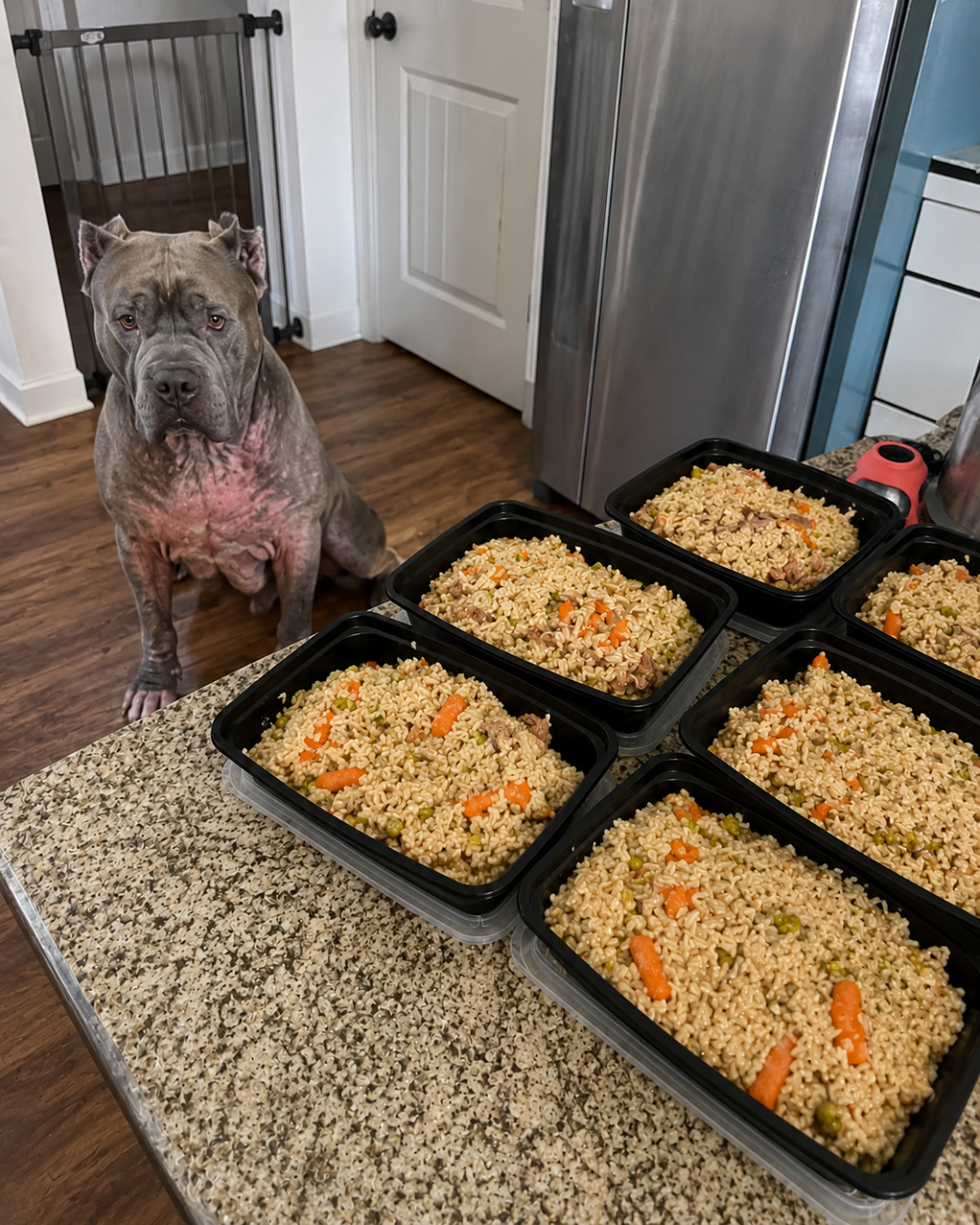
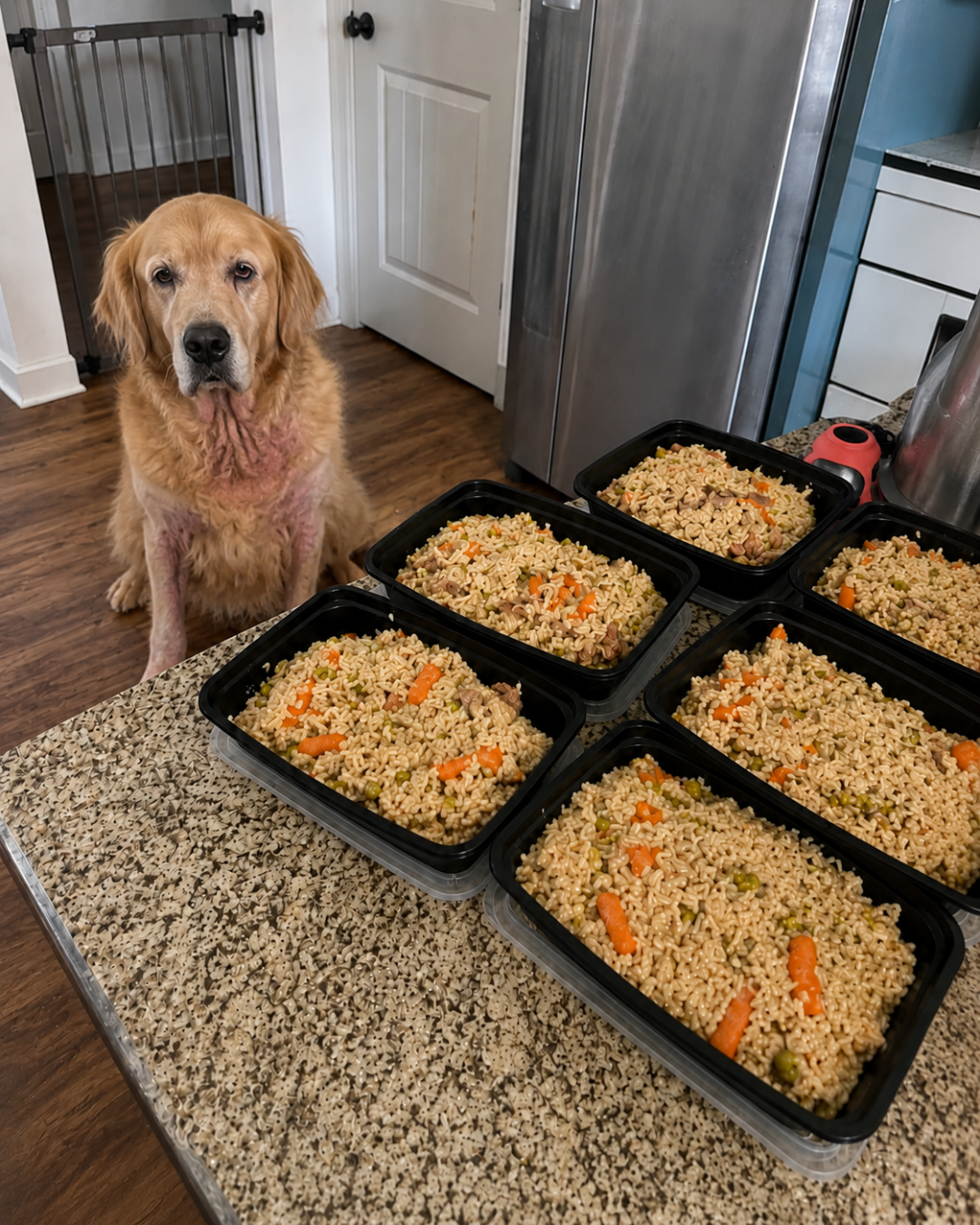
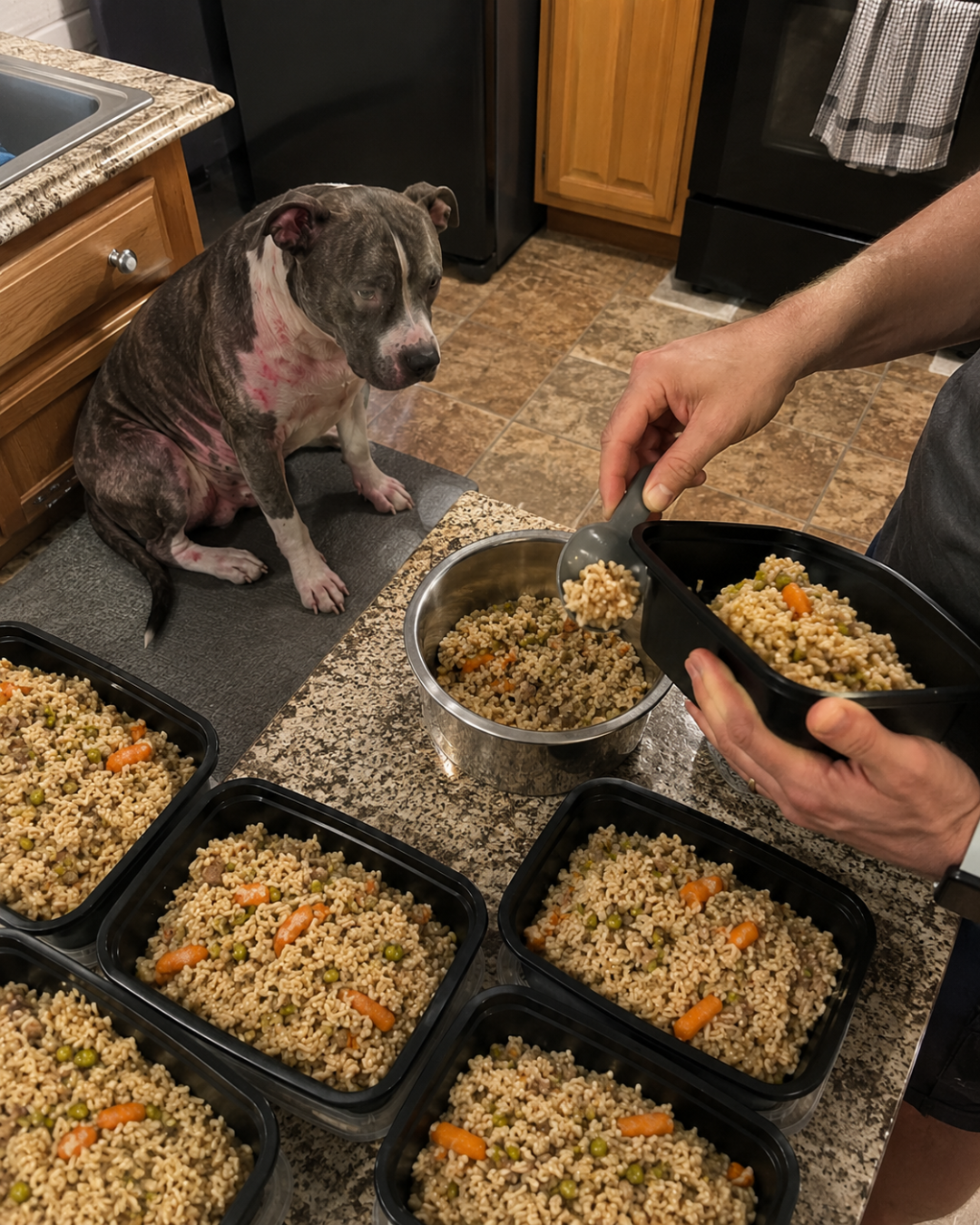
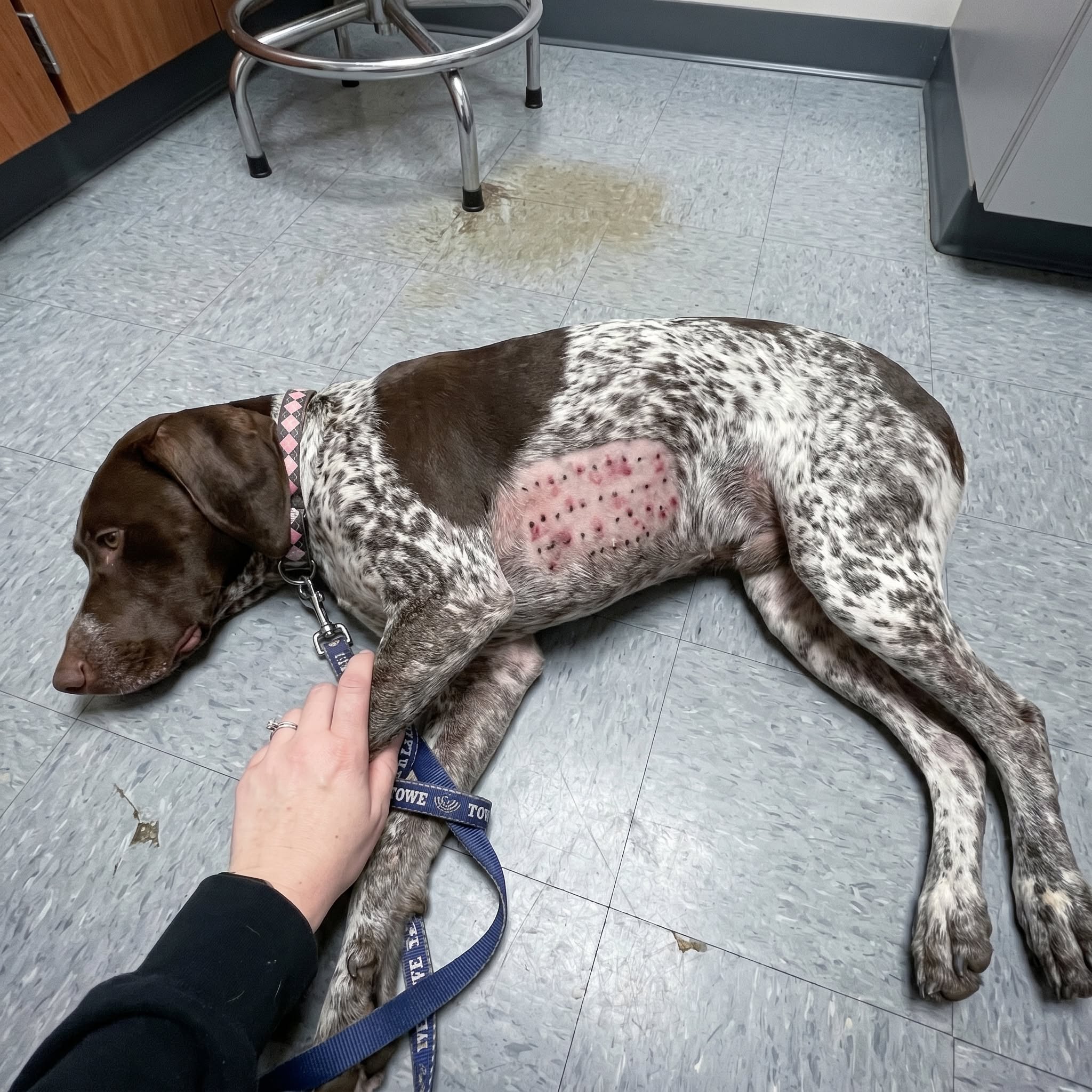
Duck did not work. Rabbit did not work. Venison did not work. The $90 hydrolyzed formula your vet swore would finally stop the scratching did not work. You have been through three proteins. Maybe four. Maybe five. Each time the vet says give it 8 to 12 weeks and each time your dog is still scratching themselves raw at week six. I am a veterinarian. I did the exact same thing with my own dog. Spent $380 cycling through proteins and creams and supplements. Then twelve more dogs at my rescue started scratching the same way. And I realized the problem was never the protein. It was a skin barrier that had been losing its structural foundation for years. And no food change was ever going to fix it. My name is Dr. James Whitfield DVM. I am 44. I have run Whitmore Animal Hospital for nine years. Before this I did four years of small animal practice and two years of dermatology residency. I am telling you this because what I am about to describe is going to sound like I did not do my job. That is fair. For the first three weeks I did not. It started with Rosie. She is a five year old Labrador Retriever. A permanent resident at our associated rescue for six months. One of the dogs we kept because she needed more rehabilitation than most families could provide. But sweet with staff once she trusted you. In January I noticed her scratching near her left ear. Not obsessively. Just more than usual. I checked inside the ear. No infection. No redness. No discharge. I parted the fur along her lower back and found it. The coat was slightly greasier than normal. Sitting in separated clumps instead of lying flat the way it usually did. A texture I had seen dozens of times in chronic atopic cases but always attributed to environmental triggers. Coat texture change, I thought. Textbook early atopic dermatitis. I did what every vet does when they see this. Switched her to a novel protein. Pulled her off the standard rescue mix and put her on single protein duck formula. Limited ingredient. No fillers. $47 for a week's supply. Week one. Still scratching. The coat texture spread. Not just the lower back anymore. Along her belly. Behind her ears. I switched her food again. Pulled her to hydrolyzed protein. Limited ingredient. No common allergens. Week two. The scratching got worse. She started shaking her head. The motion you see when a dog has something they cannot reach. Except there was nothing to find. I added omega 3 fatty acids. I applied medicated cream to the affected areas twice a day. I ran a full blood panel. Everything came back normal. No elevated eosinophils. No immune markers indicating active allergy. Week three. Rosie is scratching hard enough to open the skin above her ears. I am cleaning small amounts of dried blood from her fur every morning. My technician asked me what I thought it was. Food allergy, I said. Because that is what I was trained to say. Over the next four weeks I tried everything I knew. Novel protein number two. Venison. $52 a week. Hydrolyzed protein diet. Royal Canin HP. $38 per case. Medicated spray topical. Applied twice daily. Apoquel started at standard dose. Medicated shampoo twice a week. By the time I added it all up, I had spent $380 on Rosie alone. She was still scratching. Not less. More. The hot spots had multiplied across her belly and neck. There were small raw patches where the fur had started to thin. She had stopped settling in the evenings. She looked miserable. I told myself I would give it another two weeks. That maybe the hydrolyzed diet needed more time to clear whatever protein was driving the reaction. I had no idea protein was never the problem. Six weeks after Rosie first started scratching, I walked into the rescue kennel on a Tuesday morning and stopped. Three other dogs were scratching. Not the way dogs scratch when something itches occasionally. The way Rosie scratched. Head shaking. Ear focused. Obsessive. Cannot stop. I checked all three. Same coat texture. Same greasy separated fur along the lower back. Same progression from coat change to focused scratching to raw patches. By Thursday there were seven dogs showing symptoms. By the following Monday, twelve. Twelve out of thirty one resident dogs. All of them scratching near their ears and lower back. Several with the greasy separated coat texture. Two already developing the raw patches Rosie had. Something was happening across the entire population. My first thought. Environmental allergen exposure. I investigated the facility completely. New cleaning products. New bedding materials. Recent renovation. Any common environmental change that could explain a population level outbreak of atopic symptoms. Nothing had changed. I treated the entire facility as if environmental allergens were present. HEPA filtration added. All bedding replaced. All cleaning products switched to fragrance free. Nothing changed. A week later fourteen dogs were symptomatic. I was standing in the middle of the kennel at 7 PM on a Friday looking at a facility full of scratching dogs having spent over a thousand dollars on supplements and food changes and getting absolutely nowhere. I called Frances. Frances Nguyen has been running shelter medicine in this region for thirty five years. She was working in this field before I graduated. She trained half the shelter vets I know. She has seen things in thirty five years that most vets never encounter in a standard practice. I told her everything. Rosie. The twelve other dogs. The environmental investigation. The food changes. The Apoquel. The medicated shampoo. The fact that it was spreading across the population and I could not figure out what was driving it. She was quiet for a moment. Then she said. Have you looked at the skin barrier itself? Not the allergen. The wall. I stopped. What do you mean? She explained it to me. The skin barrier in dogs is a collagen wall. Not a surface coating. A structural wall made of specific collagen types that the skin cells maintain. When that wall is intact, every allergen stays on the outside. Pollen. Dust. Grass. Bacteria. Mites. The allergen hits the wall and bounces off. The immune system never encounters it. The dog never reacts. But after age two, dogs start losing collagen from that wall every single year. Seven to ten percent less every year. As the barrier develops gaps, allergens that used to stay outside start soaking through. The immune system attacks what is getting through. That attack is the scratching. The hot spots. The paws licked raw. The ears constantly bothered. Every medication you give suppresses that attack without ever touching the wall. So the wall keeps losing collagen. The gaps keep widening. The immune system keeps having to work harder. The medication windows keep getting shorter. It looks like a worsening allergy. It acts like a worsening allergy. But it is being driven by a structural failure in the barrier that the standard protocol was never designed to address. And when you have a population of dogs all on the same commercial food, all losing barrier collagen every year with nothing rebuilding it, you get exactly what I was seeing. A population level outbreak of the same progressive barrier failure expressing as scratching in the same pattern across every dog. How do you fix it, I asked. You give the barrier what it has been missing, she said. She explained the mechanism. Collagen. Specifically all three types working together. Type I and III to physically restore the structural integrity of the wall. Type II to reduce the systemic inflammation driving the chronic itch at its source. Plus MSM to convert that collagen into actual new barrier tissue. Hyaluronic acid to seal the barrier and lock moisture in. Vitamin C because without it the body cannot synthesize collagen into barrier tissue regardless of how much you give. Restore all three types at therapeutic doses in a form that actually reaches the barrier and the wall starts rebuilding. The allergens stop getting through. The immune system stops being triggered. The itch stops. But the food has collagen in it, I said. Frances sighed. That is the question they do not want you to ask. She explained what I should have learned in vet school but did not. The commercial pet food manufacturing process uses temperatures over 150 degrees Celsius. Collagen is heat sensitive. At those temperatures 60 to 80 percent of the collagen added to the food is destroyed before the bag is sealed. The label says skin and coat support. What it means is we added collagen before we processed it at a temperature that destroys most of it. What actually reaches the dog's skin barrier is a fraction of what the label implies. And the grain free formulas. The ones I had been recommending to adopters for years as the cleaner option. Worse. Grain free food replaces grains with legumes. Peas. Lentils. Chickpeas. Cheap. Filling. Lets the company charge a premium for a grain free label. Legumes contain compounds that interfere with how the body processes and converts collagen into actual barrier tissue. So even the small amount of collagen that survived the cooking process never gets converted into the structural material the barrier needs to rebuild. Complete and balanced is a legal standard. It is not a biological guarantee. I thought about nine years of practice. Nine years of telling owners to buy premium grain free food. Nine years of dogs developing skin problems that nobody could explain. I thought about Rosie. I thought about the $380 I had spent treating something that was never a food allergy. The food was creating the deficit, she said. And the deficit was creating the failure. She paused. The vets who recommend those prescription diets every day know this. The pet food companies certainly know this. But there is nothing in it for them to change their messaging. Sick dogs keep clients coming back. Prescription food pays well. I sat there for a long time after she said that. I have dealt with the veterinary industry long enough to know she was not wrong. The theory was straightforward. Restore adequate collagen in all three types at therapeutic doses in cold pressed liquid form that actually absorbs. The barrier starts rebuilding. The gaps start closing. The allergens stay on the outside. The immune system stops reacting. The problem was sourcing. I ordered eight collagen supplements. Different brands. Different price points. Everything available through standard channels. I sent them all to a lab. Six out of eight were wrong form, wrong types, or underdosed. Most were type I only. Several were heat processed with potency already destroyed before bottling, delivering maybe 20 to 30 percent of the label dose. Two had bioavailability so poor that even the collagen present would never reach the barrier in usable form. One brand stood out. Healthy Petz. Cold pressed liquid. All three types at real therapeutic doses. Type I and III at 900mg. Type II at 40mg. MSM at 400mg. Hyaluronic acid at 50mg. Vitamin C. Up to 98 percent absorption because it is cold pressed and never exposed to the heat that destroys everything else. Zero contamination. Zero undisclosed fillers. I started all thirty one dogs on Healthy Petz the following Monday. One drizzle per day mixed into their regular food. No protein changes. No diet overhaul. Just the cold pressed liquid collagen with all three types. By day five Rosie had reduced her scratching by more than half. The other dogs showing early coat texture changes had stopped progressing. By week two, eleven of the fourteen symptomatic dogs had visibly reduced their scratching. By week three, eight had stopped completely. By week four, all fourteen symptomatic dogs had stopped. Rosie's coat texture normalized. The raw patches healed. Her fur started growing back in the affected areas over the following two weeks. The dogs who had not yet become symptomatic stayed healthy. No new cases developed after we started the collagen protocol. I brought three of the most severely affected dogs in for barrier assessment at six weeks. All three showed significant improvement in collagen markers. All three had new fur growing in where they had lost it. Coats that had looked greasy and dull were coming back soft and uniform. Frances had been saying for thirty five years that the barrier is the foundation of canine skin health. I understood now why. I am not writing this because someone asked me to. I am writing this because I see the same conversation happening in every dog forum, every Facebook group, every Reddit thread I have read since this happened. You have a dog that scratches. You have switched proteins. Duck. Rabbit. Venison. The $90 hydrolyzed formula the vet prescribed. You have changed the shampoo. Switched to fragrance free. You have changed the bedding. Bought the air purifier. Used the medicated spray. Maybe you have done steroid shots. Maybe your dog is on Apoquel right now and you are watching the windows get shorter and wondering how long before the next dose stops working too. And the scratching is still happening. Because the scratching is not a food allergy. It is not a shampoo reaction. It is the result of a skin barrier that cannot hold the allergens on the outside anymore. Because the collagen wall that was supposed to keep them there has been losing structural integrity every year since your dog turned two. With nothing rebuilding it. Every bag that said skin and coat support was incomplete information. The collagen was destroyed in manufacturing. What was not destroyed was blocked by the peas and lentils the industry added to justify a grain free label. Your dog's barrier has been degrading for months. Maybe years. And no protein switch is going to rebuild it. Here is the other thing Frances told me that I want you to hear. You cannot overdo cold pressed liquid collagen in this form. Whatever the body does not use, the kidneys filter out. There is no toxicity threshold. No side effects. No danger. So even if you are not certain your dog has this problem. Even if the scratching is mild. Even if they seem mostly okay. There is no harm in giving them Healthy Petz today. None. But if the barrier is already failing. And Frances says most dogs on commercial food are losing meaningful barrier collagen by age three. You could be stopping the cycle before it costs you years of Apoquel and Cytopoint and thousands of dollars in vet bills with no real answer. Start cold pressed liquid collagen with all three types today. Not the brands on Amazon. I tested eight collagen supplements. Six were wrong form, wrong types. Most were heat processed, delivering 20 to 30 percent of the label dose. That is not enough to create meaningful structural change in a failing barrier. That is not enough to close the gaps that have been widening since your dog turned two. The only brand that passed every test. Healthy Petz. All three collagen types at real doses. Type I and III at 900mg. Type II at 40mg. MSM at 400mg. Hyaluronic acid at 50mg. Vitamin C. Cold pressed liquid absorbing at up to 98 percent. One drizzle per day mixed into food. Within four to six weeks the barrier begins to rebuild. The gaps start closing. The allergens stop getting through. The immune system stops reacting. The scratching stops. Not because you found the right protein. Because you restored the structural foundation that was failing long before the scratching started. Only buy directly from their website. There are fakes on Amazon and eBay that use similar packaging and will not give you the same result. shophealthypetz.com/products/liquidcollagen 🐕 Rosie's fur has grown back completely. Her coat is soft and even. All thirty one dogs at the rescue have been on Healthy Petz for six months. Not one new skin outbreak. Not one. Your dog does not need another vet appointment. They do not need another steroid shot. They do not need a prescription diet that addresses the symptom while the barrier keeps failing underneath. They need cold pressed liquid collagen with all three types that actually reaches the barrier and actually works. Do not let what happened to my rescue happen in your home. shophealthypetz.com/products/liquidcollagen EDIT: Several people have messaged asking where to buy Healthy Petz and a few mentioned finding something similar on Amazon. Please do not buy from there. Healthy Petz only sells through their direct website. The products on Amazon use similar packaging and are not the same formula. High heat processed. Wrong types. Delivering a fraction of what the barrier actually needs. Buy only from shophealthypetz.com/products/liquidcollagen P.S. The Amazon collagen I tested before finding Healthy Petz was labeled with collagen content and contained a fraction of actual usable collagen at one type only processed at high heat. Your dog would absorb maybe 20 to 30 percent of the label dose in the wrong form. Nowhere near enough to rebuild the barrier that has been losing collagen every year since they turned two. Do not waste weeks on something that cannot work while the scratching continues. shophealthypetz.com/products/liquidcollagen P.P.S. Rosie scratched for eight weeks while I spent $380 on proteins, creams, and supplements that treated the wrong problem. Every week I spent chasing a food allergy was another week the barrier kept losing collagen and the gaps kept widening. If your dog has been scratching for months or even weeks, the barrier is already compromised. Start cold pressed liquid collagen with all three types today. shophealthypetz.com/products/liquidcollagen
The Food Was Never The Fix
LEARN MORELike this ad? Make it yours.
Crush rebuilds this exact creative around your product — your brand, your colors, your offer — in about a minute.