My Bladder And Prostate
My Bladder And Prostate Facebook ad: “BPH? Read this.”
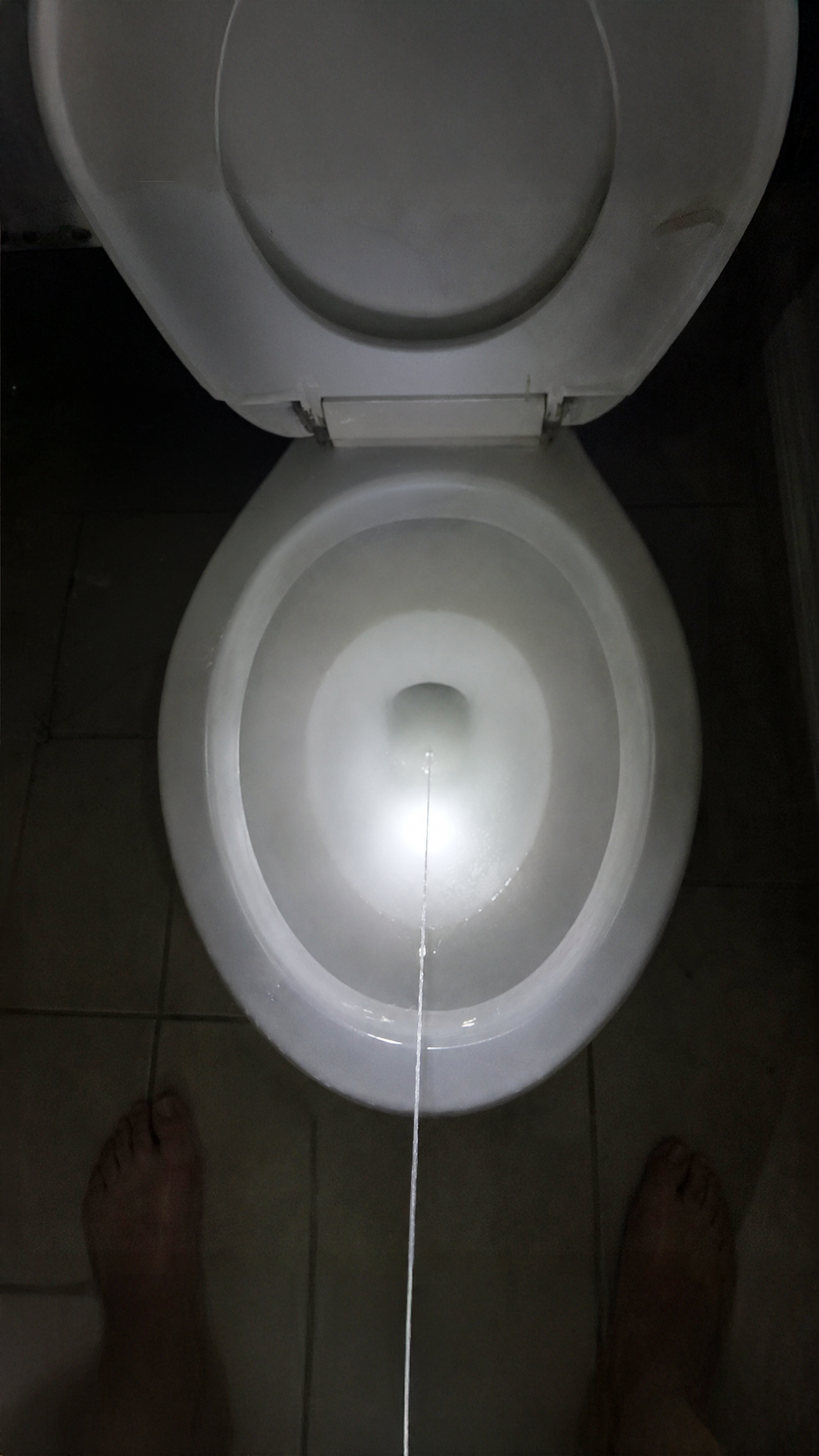
Ran for 15 days, from July 14 to July 29, 2026, the last day Crush saw it.
Run by My Bladder And Prostate on Facebook. Crush is not the advertiser and does not verify its claims. See this ad in Meta's Ad Library(opens in a new tab)
Want an ad like this for your product?
Crush makes new ad images for your product from this ad: your logo, your product photo, your offer.
Trials from $19.95 USD, then $79.95 USD a month. Cancel anytime.
About this ad
- Meta Ad Library ID
- 1765481731113337
- Platforms
- Facebook, Instagram, Audience Network, Messenger and Threads
- Relaunches
- 0
Ad text
I'm 56 years old with BPH, and I stood up from the toilet at 2am while still peeing The bathroom was dark. I sat down because the light wakes my wife. I thought I was done. I stood up and the stream kept going. I'm 46 years old. Last month I stood up from the toilet at 2am and realized I was still peeing. I couldn't feel it. The stream had been running for thirty seconds and I couldn't feel it. That was the night I started paying attention. I'd been telling myself the slow trips to the bathroom were nothing. The double visits before bed. The way I'd started sitting down at night so I didn't have to stand there listening to a trickle. The minutes at urinals while younger guys finished and walked out. I called it getting older. My wife had stopped saying anything about it. My doctor told me my numbers were fine. But standing up still going. That was new. I sat back down. Waited. Stood up again. Same thing. The next morning I started reading. What I found out about what's actually happening to a man's prostate in his forties would have surprised me a year ago. Now it just makes me angry. The first thing I learned was that the PSA blood test my doctor had run on me was never going to catch what was happening. PSA is a cancer screening. It tells you about one specific cell behavior. It doesn't measure how strong your stream is. It doesn't measure how much urine you're leaving behind every time you "finish." It doesn't measure the pressure surrounding tissue is putting on your urethra. None of the things that were actually wrong with me showed up on a PSA result. What I needed was a uroflowmetry plus a post-void residual measurement. Together they cost less than $200. My doctor never mentioned them. When I asked at my next visit, he ordered them with the small sigh doctors give patients who have been reading. The uroflowmetry put me in the bottom 20% for my age on flow rate. The post-void residual showed I was leaving 80 milliliters of urine in my bladder every single time I thought I was done. Eighty milliliters. That's why I was getting up four times a night. My bladder was never actually empty. That's also why I couldn't feel the stream at 2am. My bladder had been pushing harder and harder for years to get urine past something that kept tightening up. When a muscle works that hard for that long, it stops being able to feel itself. I had been losing function for years, and the test that would have caught it had never been ordered. I went back through the last three years in my head while I was reading. The road trip to Portland where I'd quietly added two extra rest stops to the route the night before because I knew I couldn't make four hours without one. The wedding where I drank one beer and counted bathroom trips for the rest of the night. The mornings I'd wake up between five and six because I'd been to the bathroom three times since midnight and the fourth one was always around dawn. The dinner with my brother and his wife where I'd asked for a Coke instead of water and pretended I just preferred it. I had built a whole second life around managing this thing, and I hadn't named what I was managing. I had just absorbed it into how I lived. The thing I really wanted to know was simple. Why was this happening to me at 46? My dad didn't have this until his late 60s. I'm in decent shape. I eat okay. I'm not on any medications. So what was actually going on? The answer my doctor had given me when I asked at my last physical was "your prostate is getting bigger, here's a pill that helps." Which sounded like an answer until I started reading the actual research. What I found took me weeks to wrap my head around. But it's the thing I want to tell every man who's woken up at 2am the way I did. What my doctor was calling BPH, or an enlarged prostate, turned out to be only one piece of the actual problem. What I was actually dealing with wasn't just a prostate problem. It was three different things going wrong at the same time. The prostate enlarging. The bladder weakening. And chronic inflammation in the tissue around both of them. All three happen together. All three reinforce each other. The reason all three are happening at once is something most men have never had explained to them either. You know the hormone DHT? The one that's been thinning men's hair since they turn 45 or so? It's the same hormone that's been doing this to your prostate, your bladder, and the tissue around both. Starting in your 40s, your body converts more of your testosterone into DHT. The DHT accumulates in your prostate at five times the concentration it has in your bloodstream. It causes the prostate to grow. The growing prostate squeezes the urethra. Your bladder has to push harder to get urine through, year after year, until the muscle weakens. The strain creates chronic inflammation in the surrounding tissue. The inflammation produces more DHT. The DHT produces more prostate growth. It's a self-sustaining loop. By the time you notice the symptoms, the loop has been running for fifteen, twenty years. The damage compounds every year. Now here's the part I had to read twice. You might be thinking, "Saw palmetto blocks DHT. Finasteride blocks DHT. Wouldn't those just fix this?" Guess again. Saw palmetto really does block DHT. So does finasteride. They both do exactly what they say they do. The reason neither of them fully fixes the problem is that blocking DHT now doesn't undo the damage DHT has already done to your bladder over the last twenty years. And it doesn't address the inflammation that keeps amplifying DHT in the first place. To actually restore healthy urinary function, your body needs three things working at the same time. Reduce the prostate enlargement at the source. Rebuild the bladder strength the loop weakened. Maintain a healthy inflammatory response in the tissue around both. Block the source. Repair the damage. Break the cycle. Without all three, the gains do not hold. Address only the prostate, and the bladder keeps weakening. Address only the bladder, and the prostate keeps growing. Address only the inflammation, and the DHT production keeps creating new damage. That's why my brother has been on Flomax for three years and is still up four times a night. That's why the three different saw palmetto bottles I tried from CVS did nothing for six months. That's why TURP surgery often gets repeated within ten years. The cut addresses the prostate piece. The other two keep running. None of those approaches addresses all three pieces of the problem at the same time. They're partial solutions to a three-part problem. What I went looking for was a formula that addresses all three at the doses the actual research uses. After about three weeks of comparing labels, I landed on one called Uromend. What stood out about it is that it's the only natural formula I could find built around all three of these conditions. Not just the prostate piece. All three. Six ingredients distributed across the three conditions based on what each condition needs. For reducing prostate enlargement: saw palmetto at 250mg to address DHT activity at the source. Beta-sitosterol at 200mg for smooth muscle tone and circulation. Stinging nettle root at 150mg for urethral pressure. For rebuilding bladder strength: pumpkin seed oil at 600mg. The biggest single dose in the formula, because the bladder is the most under-treated piece by competing products. Real bladder support needs real dosing. For maintaining a healthy inflammatory response: turmeric and reishi at 100mg each. Two complementary anti-inflammatories because one alone usually isn't enough to support the body's natural response over time. 1400mg total daily across all six. Most prostate supplements run 200 to 500mg total because they're trying to fit too many under-dosed ingredients into one capsule. 1400mg is the minimum dose to actually affect all three conditions at the same time. I'm not going to overclaim. I took it for eight weeks before I noticed real change. The first thing I noticed was sleeping through the night without a trip to the bathroom. That took about three weeks. The stream felt stronger somewhere in week five. At my follow-up measurement, the 80ml residual was down to 15ml. My wife noticed before I told her. She mentioned, casually, that I'd seemed lighter for a couple of weeks. She hadn't realized she'd been waiting for me to come back to bed at night. We sleep in the same bed again. We've been in the same bed for 22 years. I didn't realize how much of myself I'd quietly conceded until I got it back. If you're somewhere on the same road I was on, here's what I'd tell you. Don't wait until your stream gets bad enough that you can't ignore it. Don't accept "this is just aging" from a doctor who hasn't ordered the basic flow measurements. Don't fill the Flomax prescription before you've at least tried the three-condition approach for sixty days. And if you sat down at 2am because you didn't want to wake your wife, and you stood up still going, take that moment seriously. It's not nothing. It's one piece of a three-part problem telling you the other two pieces have already been running for a long time. I learned what I learned because I happened to ask the right questions. Most men don't. Most men get the Flomax prescription and they live with the side effects and they tell themselves this is what getting older looks like. I'm not interested in what getting older looks like. I'm interested in the version of older that still empties a bladder. Still finishes with his wife. Still sleeps through the night. Still walks past the urinal without doing math about whether to use it. If that's what you want, click the link below to learn how Uromend works on all six links of the chain.
Where the ad sends people
uromend.com
BPH? Read this...
Tired of waking up 4-6 times a night? Uromend's 6-in-1 natural formula helps you sleep through the night, empty your bladder completely, and stop planning your life around bathrooms. No prescriptions. No side effects. Your bladder doesn't run your life anymore. 30-day money-back guarantee.
Shop now: uromend.com(opens in a new tab)