Anna Hayes
 Facebook ad: “Please read this if you are a parent or a grandparent”
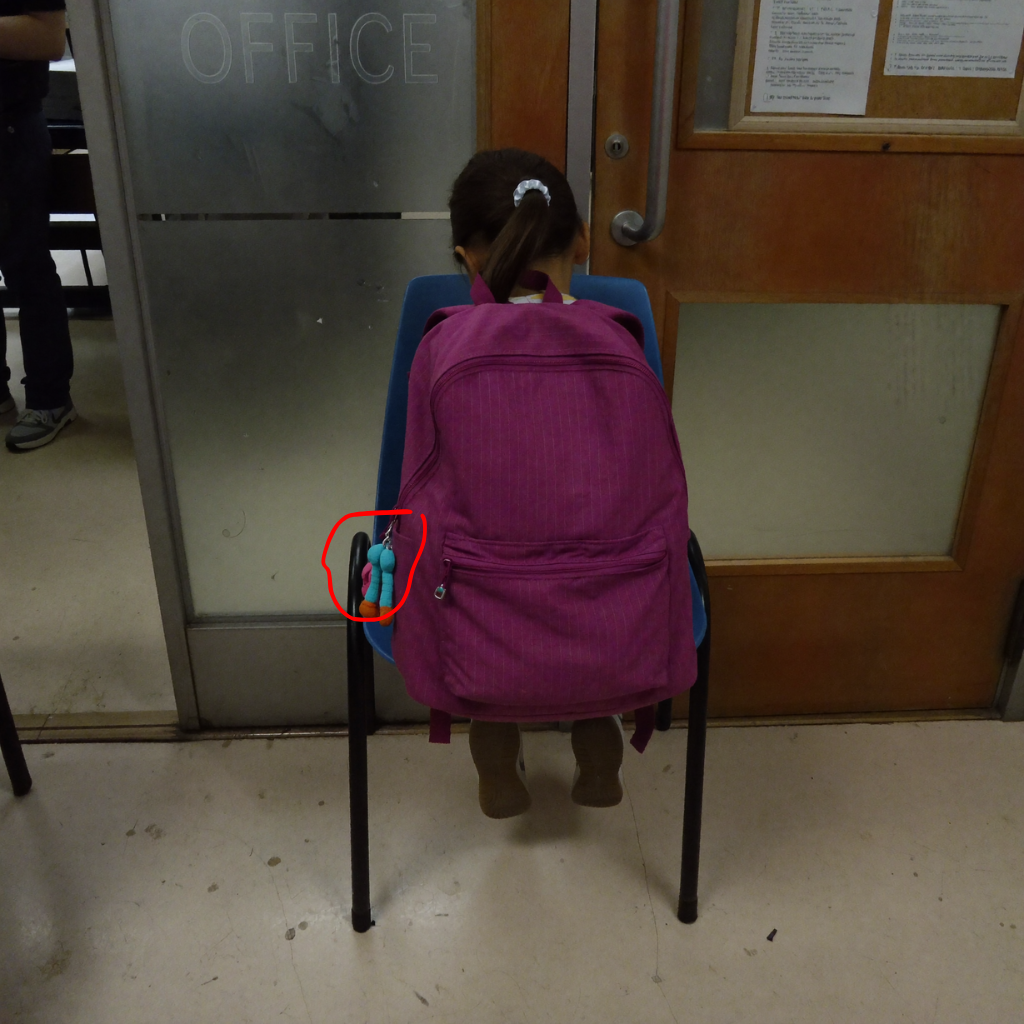
Ran for 2 days, from October 22 to October 24, 2026, the last day Crush saw it.
Run by Anna Hayes on Facebook. Crush is not the advertiser and does not verify its claims. See this ad in Meta's Ad Library(opens in a new tab)
Make your own version of this ad
Crush makes it, launches it in your own Meta ad account, scales the winners and pauses the losers.
About this ad
- Meta Ad Library ID
- 1776629260309349
- Platforms
- Facebook, Instagram, Audience Network and Threads
- Relaunches
- 2
- Niche
- Education & Courses
Ad text
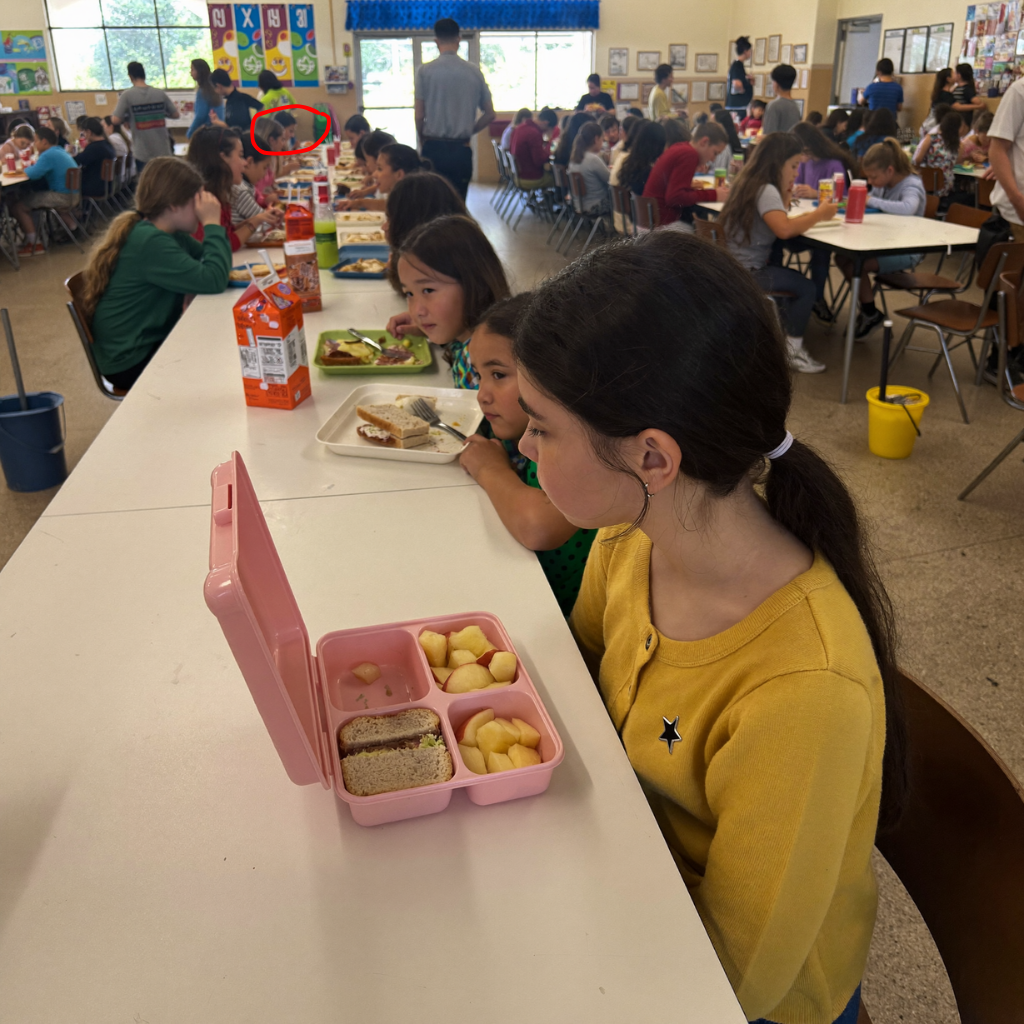
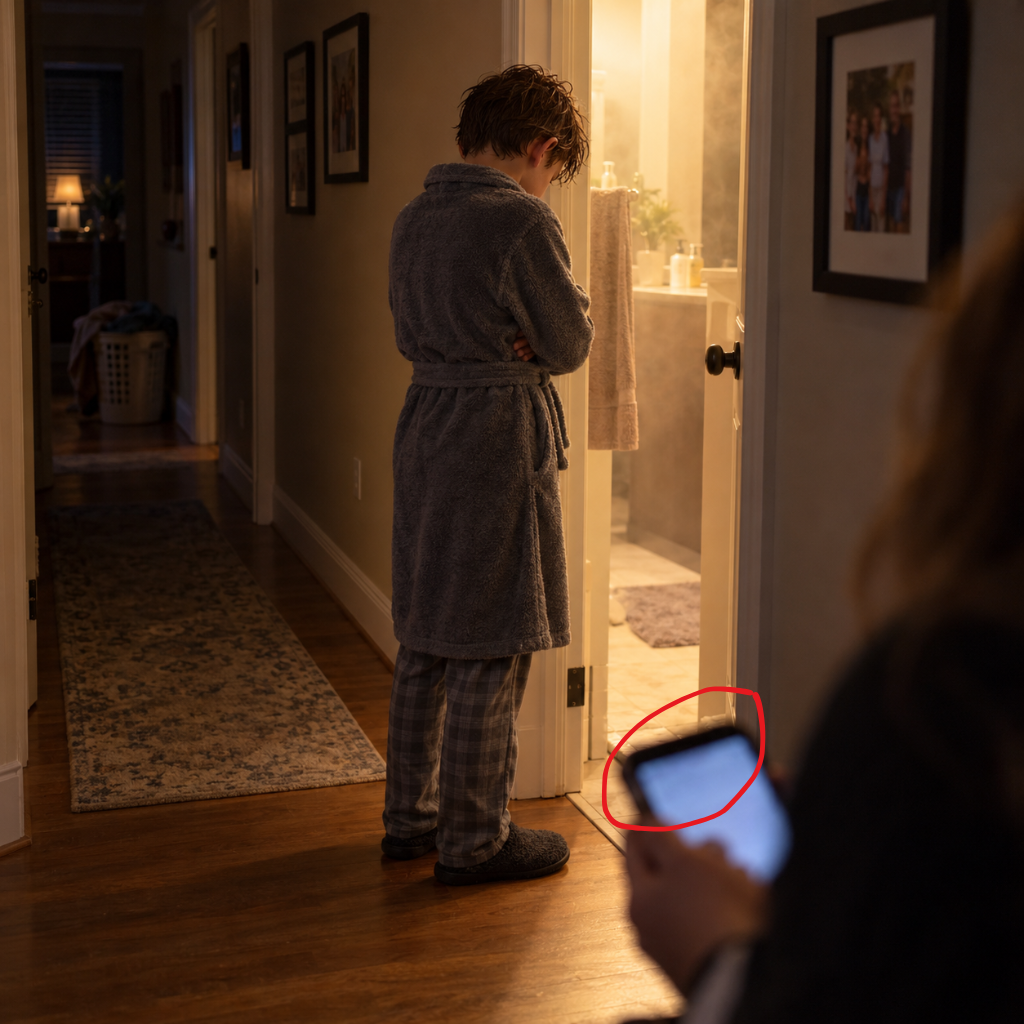
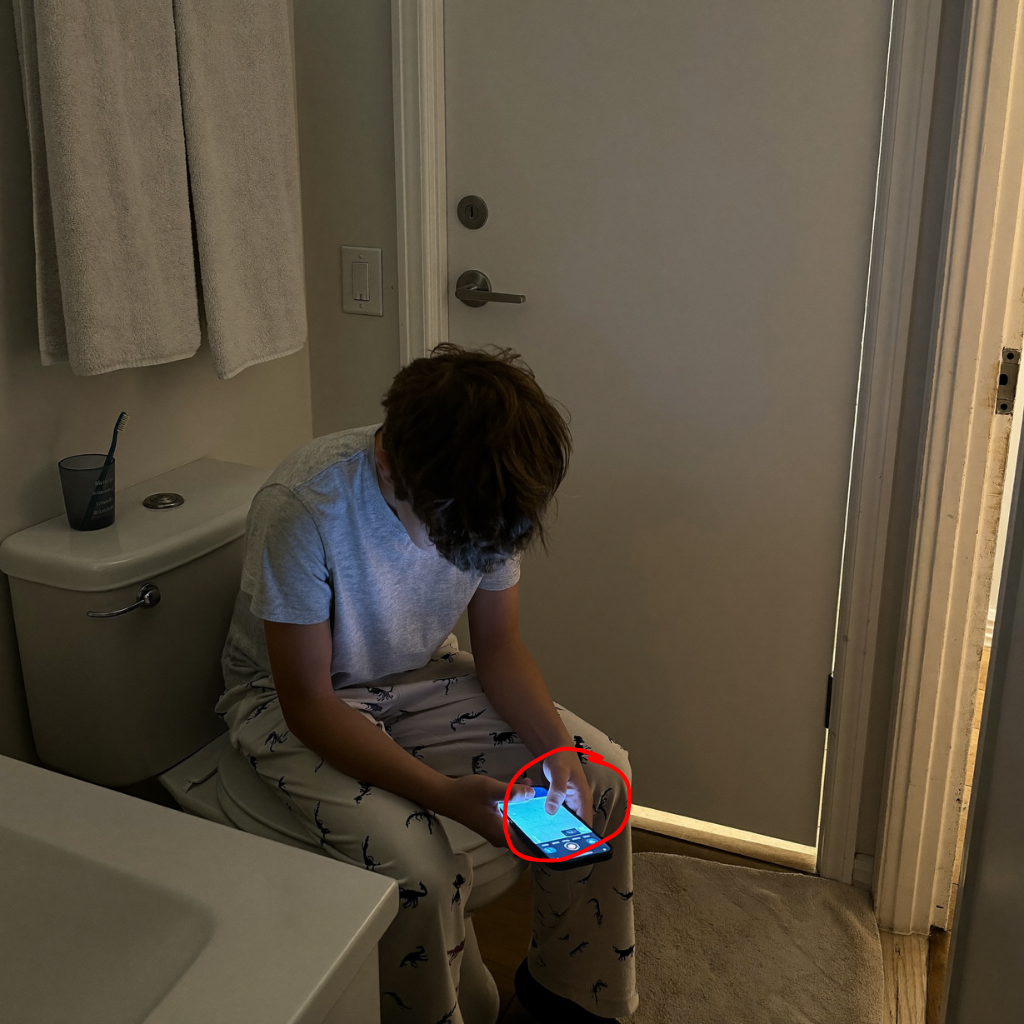
There's a photo on my phone I can't delete. Twenty-six kids at cafeteria tables. Laughing. Leaning into each other. Someone's holding a cupcake up to the camera. And at the very end of the last table, with an empty seat on both sides of her, is my daughter. Eating alone. Staring at her tray. She's ten. Her name is Maya. Every day for a year, I asked her how lunch was. Every day for a year, she said "fine." I was never supposed to see that photo. Another mom posted it in the class parents' group. "Cupcake Friday," the PTA called it. Forty-something comments. Hearts everywhere. "Look at these happy faces!" I zoomed in to find Maya. I was looking for her smile. It took me almost a minute to find her. Because she wasn't with anyone. I zoomed in closer. Her lunchbox was open. She hadn't touched it. Her shoulders were pulled up near her ears, the way they go when she's trying to take up less space. Two seats down was a group of girls I knew by name. Girls who'd eaten pizza at my kitchen counter. Girls who'd slept in sleeping bags on my living room floor two summers ago. Every one of them was turned away from her. I sat in my car in the grocery store parking lot and stared at that photo for twenty minutes. Then I scrolled back through every photo posted in that group all year. The field trip. The science fair. The Halloween parade. She was on the edge of every single one. --- Here's what you need to know about Maya. She's the kid teachers love. Reads two grades ahead. Writes thank-you notes nobody asked for. When a new girl joined her class in third grade, Maya was the one who showed her where the bathrooms were and saved her a seat for a whole week. No behavior problems. No calls home. Every parent-teacher conference, the same words: "She's a delight. You're so lucky." I believed them. What I didn't know was that the girls from my living room had stopped talking to her in October. That one of them, I'll call her Brooke, had told the others Maya was "trying too hard." That anyone who sat with Maya would be next. That's all it took. One sentence from one girl. And a table full of ten-year-olds turned their backs on my daughter, one by one, until she was eating alone at the end of the last table. She never said a word to me. --- I picked her up early that afternoon. I couldn't wait until three. In the car I didn't know how to start. So I just handed her my phone with the photo on the screen. She looked at it for a long time. Then she turned the phone face-down on her lap and said, very quietly: "Please don't call the school. Please. It'll make it worse." "Baby, how long has this been happening?" "Since Halloween." It was April. Six months. Six months of "fine." Six months of eating alone, coming home, doing her homework, and telling me lunch was fine. "Why didn't you tell me?" She looked out the window. "Because you'd tell me to just be myself. And I am being myself, Mom. That's the problem." --- That night she said the thing that broke me. I was sitting on the edge of her bed. Lights off. She was facing the wall. "Mom, can I ask you something?" "Anything." "How come everyone else knows how this works and I don't?" "Knows how what works?" "All of it. How to make people like you. How to tell when someone's being fake. How Brooke can say one thing and suddenly nobody will sit with me. Nobody taught them. They just know. Everyone knows the rules except me. What's wrong with me?" "Nothing is wrong with you." "Then why does it keep happening?" I opened my mouth. Nothing came out. Because I didn't know. I'm thirty-nine. I've had friends turn on me. I've been frozen out of group chats at work. I've watched an entire office change its mind about a person because one loud voice said so. And I still couldn't explain to my ten-year-old why it happens. I had taught her to be kind. To share. To include people. To be herself. That was my entire playbook. Not one page of it taught her what to do when the people around her don't play by those rules. --- I did everything you're supposed to do. I called the school. Yes, against her wishes. I couldn't not. Her teacher was surprised. "She seems fine in class." The counselor moved Maya to a different lunch table and put her in a "friendship group" with two other kids who also sat alone. Maya came home that day and said, "Great. Now everyone knows I'm the loser who needs a friendship group." My husband told her to stand up for herself. "Just tell them it's not cool." She looked at him like he'd asked her to fly. My mother told her to make new friends. As if that's something a ten-year-old can just do in the middle of fifth grade. I bought her a confidence journal. She wrote in it twice. I read every parenting article I could find. They all said the same things. "Validate her feelings." "Build her self-esteem." "Role-play conversations." I had been building my daughter's self-esteem for ten years. She was the kindest kid in her class. One girl's sentence undid all of it in a week. She didn't need more self-esteem. She'd told me exactly what she needed, and I'd missed it. She wanted the rules. Why Brooke had that kind of power. Why everyone went along with it. Why the girls who loved her in July turned on her by October. And every book I could find that actually explained that was written for adults. Psychology books. Business books. Four hundred pages of small print she'd never sit through. --- Then one night, in a parenting group I'd joined at 1am, I found a comment from a mom who'd been through the same thing with her son. She wrote: "We keep telling kind kids to 'be themselves' and then act surprised when they get hurt. They're not getting hurt because they're kind. They're getting hurt because nobody ever told them how people actually work. There are names for all of this. Teach them the names." There are names for all of this. I read that line about ten times. Then I started digging. --- What I found over the next few weeks changed how I see every classroom, every friendship and every group chat my daughter will ever be part of. Stay with me, because it took me a while to believe it too. Human behavior isn't random. The way a group turns on one person. The way a single voice changes what a whole table thinks. The way good kids, and good adults, get pulled into things they know are wrong. These patterns have names. Psychologists have been studying them for decades. Adults learn them all the time. In business school. In leadership training. In negotiation courses and sales seminars. Whole careers are built on understanding them. And nobody teaches them to children. Twelve years of school. Reading, math, science, history. Not one lesson on why people behave the way they do. We send our kids into cafeterias, playgrounds and group chats every single day. Places that run entirely on these patterns. And we never hand them the rulebook. The kids who seem to "just know" how it all works? They don't know anything more than your child does. They're just not the target yet. That's not a gap in your parenting. It's not a gap in mine. It's a gap in what anyone teaches kids. And once I saw it, I couldn't stop seeing it. --- The first one explained the photo. It's called the Herd Effect. You've felt it. You've sat in a meeting where the whole room agreed to a bad idea, and you stayed quiet because everyone was nodding. You've gone off a restaurant because three friends said it was overrated. Psychologists have run versions of this experiment since the 1950s: people will say an obviously wrong answer out loud, just because everyone before them did. Now put a ten-year-old inside that force. Brooke said one sentence. The first girl went along because Brooke is popular. The second went along because the first one did. By the fifth girl, nobody even remembered why. They weren't cruel kids. Some of them probably felt awful. They did it anyway, because the herd was moving and none of them knew the feeling had a name. And Maya? She thought she'd done something wrong. She spent six months trying to work out what. She never understood that she hadn't done anything. The herd had simply moved. --- The second one explained why it started. It's called Crab Mentality. Put one crab in a bucket and it climbs straight out. Put a dozen in together and something strange happens. When one starts to climb, the others reach up and drag it back down. You've seen it in adults. The coworker who gets promoted, and suddenly the old lunch crowd goes cold. The friend who starts a business and gets the eye-rolls. The woman who gets in shape and hears, "Who does she think she is?" Remember what Brooke said about Maya? "Trying too hard." In October, Maya won the school writing competition. Her story was read out loud at assembly. The principal shook her hand on stage. Two weeks later, she was eating alone. She climbed. They pulled. --- The third one made me feel sick. Because it explained why she never told me. It's called the Boiling Frog. The story goes like this. Drop a frog into boiling water and it jumps right out. But put it in cool water and warm it up slowly, and it never notices the danger until it's too late. You've lived this one. The relationship that got a little worse every month, until one day you didn't recognize yourself. The job where the hours crept up and up until you couldn't remember your last free weekend. It never happened all at once. That's exactly why you stayed. Maya didn't go from best friends to eating alone overnight. First they stopped saving her a seat on the bus. Then came the inside jokes she wasn't part of. Then the sleepover she heard about on Monday morning. Then lunch. Every step was small enough to explain away. Maybe they forgot. Maybe it's just today. By the time she was alone at the end of that table, it had been "normal" for so long she didn't think it was worth mentioning. The water had been heating up since October. She never felt it boil. --- I read about those three in one night. I sat at the kitchen table at 1am and cried. Not because it was sad. Because it was so simple. Three ideas. Each one fits on a single page. And any one of them would have given my daughter words for what was happening to her, six months earlier. She didn't need to be braver. She didn't need to be nicer. She needed the names. --- The next question was obvious. How do you teach this to a ten-year-old without it turning into a lecture? That's when I found a book called Murphy's Law for Kids. It's a comic-style book. [42] of these principles, the Herd Effect, Crab Mentality, the Boiling Frog and dozens more, each one told through a short illustrated story about kids in real situations. A few pages each. Funny. Honest. The kind of thing a ten-year-old reads because she wants to. I ordered it that night. When it arrived, I didn't make a thing of it. I put it on the kitchen counter next to the fruit bowl and said nothing. She ignored it for three days. On the fourth morning, I came downstairs and found her sitting on the kitchen floor with her back against the cabinet. Still in her pajamas. Reading it. She didn't look up. I made my coffee and pretended not to notice. That night she came and found me on the couch. "Mom. Did you know there's a thing called Crab Mentality?" "Tell me." She explained the whole thing. The bucket. The crabs. The pulling down. Then she went quiet. "That's what happened after the writing competition. Isn't it?" "What do you think?" "I think Brooke didn't like that I won. And she got everyone to pull me back down." A long pause. "So it wasn't me. I didn't do anything wrong. I just climbed." I had told her "it's not your fault" a hundred times in six months. It never landed once. A comic about crabs did it in one evening. --- Something I didn't expect: her little brother Sam is seven. He started climbing into her bed at night so she'd read it to him. Most nights I'd find them both asleep with the book open between them. He calls the Herd Effect "the sheep thing." Last week he told me a boy in his class was "being a sheep" because he laughed at someone just because everyone else did. Seven years old. Already seeing it. --- I'm not going to tell you a book fixed everything overnight. It didn't. But here's what happened. Week two: she stopped saying "fine." She started telling me about lunch. The real version. Week four: she told me a girl named Priya was getting the same treatment from Brooke's group. "It's the herd thing, Mom. Nobody wants to be next." Then: "I'm going to sit with her tomorrow. Two people isn't a herd. But it's a start." She sat with Priya. The next week a third girl joined them. Then a fourth. Week seven: her teacher emailed me. I've read it more times than I'll admit. "I'm not sure what's changed, but Maya has been wonderful lately. Yesterday she spoke up for a classmate during a group discussion and the whole room went quiet. She's carrying herself differently." I know what changed. She had the rulebook. For the first time in her life, she could see the game while it was being played. And once you can see it, it loses most of its power over you. --- There's a photo in a parents' group somewhere right now with a child at the end of the table. How many kids are telling their parents lunch was "fine"? How many are trying to work out, completely alone, why the people who used to love them stopped? How many are blaming themselves for a pattern that has a name? Our kids aren't the problem. Nobody ever gave them the rules. --- So here's the one thing I want to pass on, mom to mom. The book is called Murphy's Law for Kids. I got ours from a small shop called Kiyora Kids. A few weeks later I went back to order a copy for my sister's boys, and it was sold out. Turns out I wasn't the only one passing the link around. They print in small batches, and moms in groups like mine had been sharing it faster than they could restock. I waited [two weeks] for the next run. Every mom I've sent it to since has sent it on to someone else. So if the link below still works, they have copies. If it doesn't, it's worth the wait. It's a full-color illustrated softcover for ages 6 to 12. Maya reads it on her own. Sam needs it read to him. Both work. Shipping is free, and they give you 30 days with it. If it sits on your counter and nobody touches it, they'll refund you. I never needed to. What I needed was for someone to tell me this book existed six months earlier. So I'm telling you. 👉 https://getkiyora.com/products/murphys-law-the-essential-life-skills-for-children --- P.S. Last month Maya turned eleven. Eleven kids came to her party. Priya was first through the door. When Maya blew out her candles, someone took a photo. She's right in the middle of it. P.P.S. Free shipping, ages 6–12, and 30 days to see it for yourself. If it's still on the counter untouched after a month, you get every penny back. 👉 https://getkiyora.com/products/murphys-law-the-essential-life-skills-for-children
Where the ad sends people
getkiyora.com
Please read this if you are a parent or a grandparent ☝️
Kiyora Kids
Learn more: getkiyora.com(opens in a new tab)