Dr. Catherine Fields
Dr. Catherine Fields Facebook ad: “Read this if you have low libido”
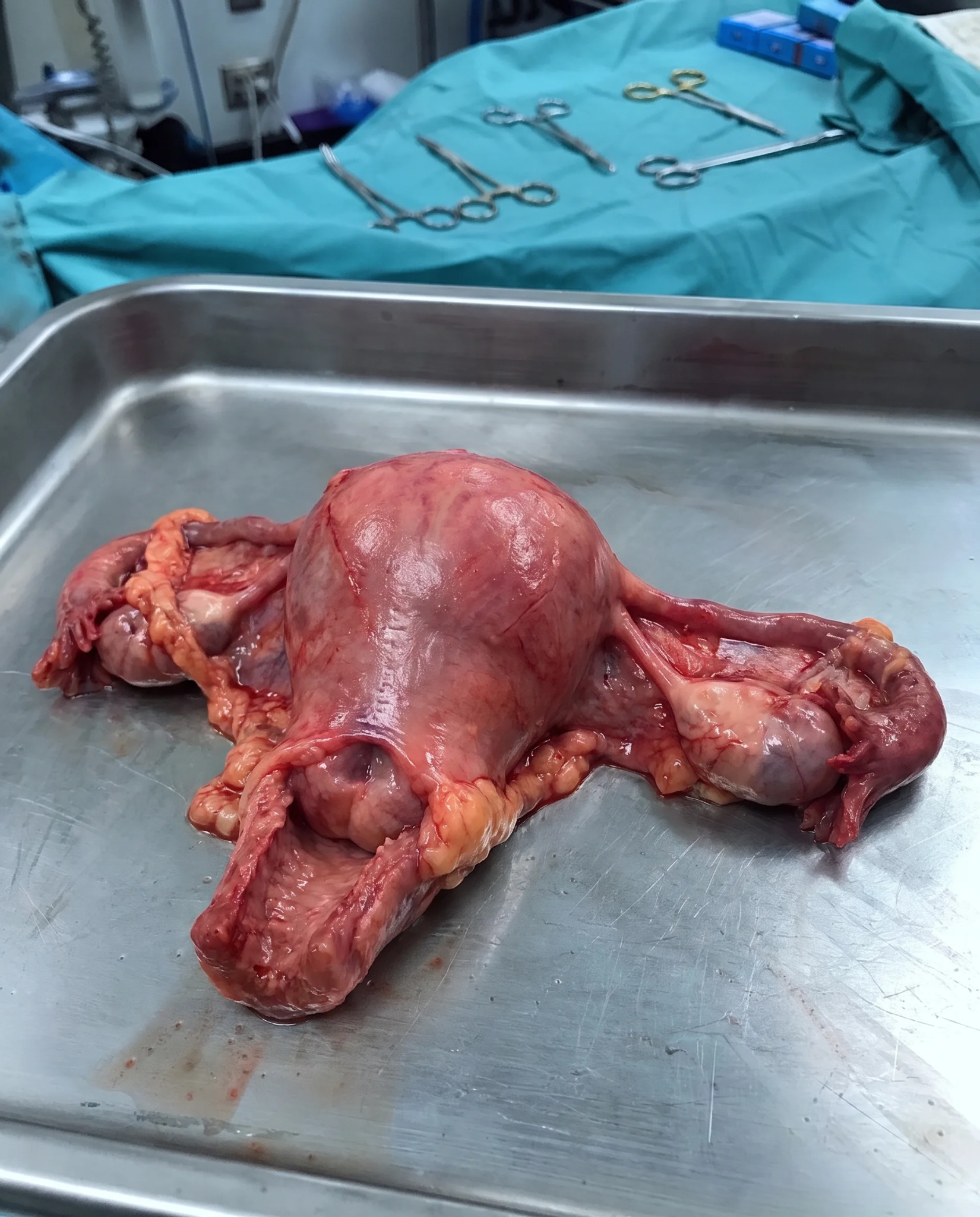
Ran for 20 days, from August 3 to August 23, 2026, the last day Crush saw it.
Run by Dr. Catherine Fields on Facebook. Crush is not the advertiser and does not verify its claims. See this ad in Meta's Ad Library(opens in a new tab)
Want an ad like this for your product?
Crush makes new ad images for your product from this ad: your logo, your product photo, your offer.
Trials from $19.95 USD, then $79.95 USD a month. Cancel anytime.
About this ad
- Meta Ad Library ID
- 1783028919525435
- Platforms
- Facebook, Instagram, Audience Network, Messenger and Threads
- Relaunches
- 1
Ad text
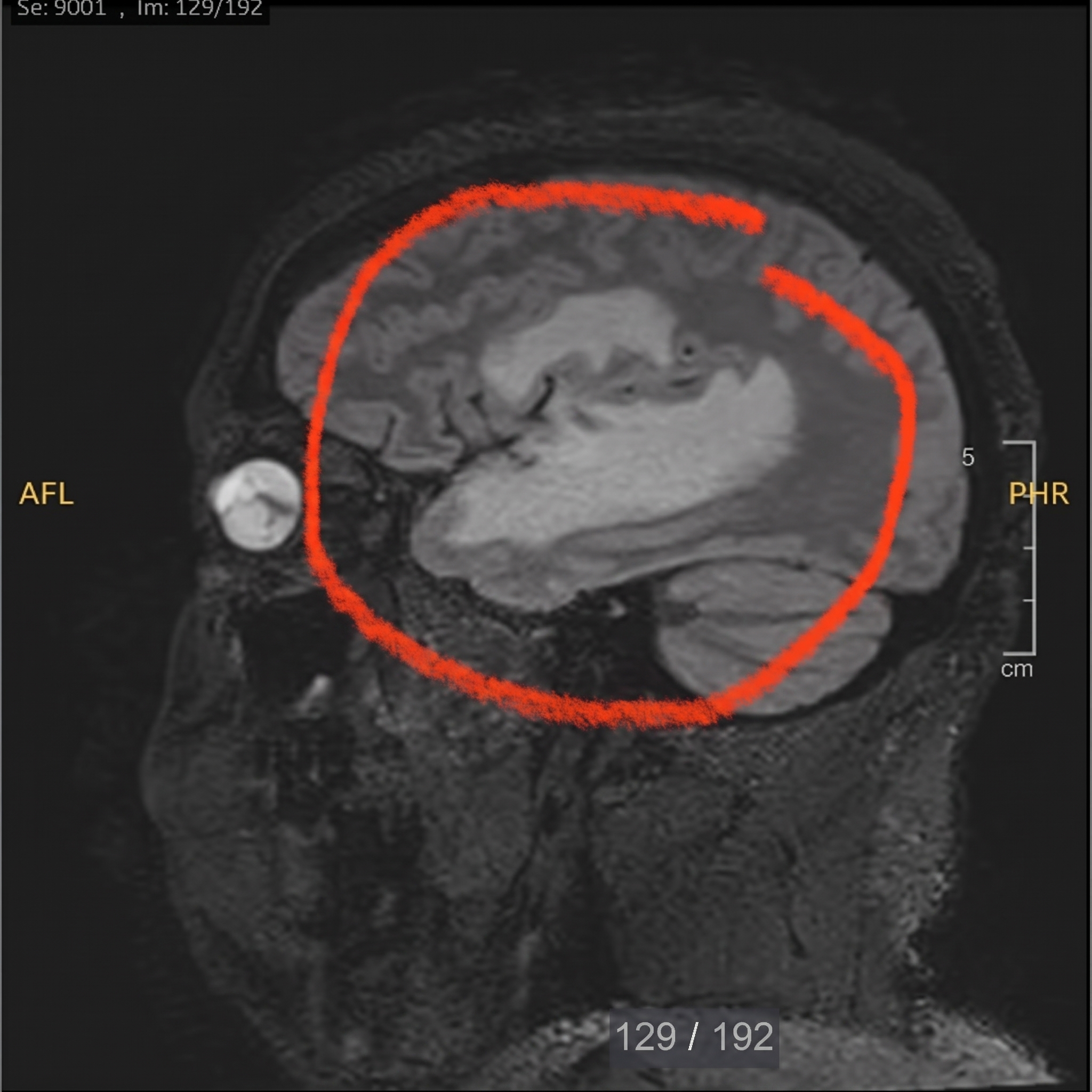
I spent 31 years as an OB/GYN. I performed over 2,000 hysterectomies with my own two hands. And I'm about to tell you something I should have said 10 years ago. My colleagues told me to let it go. I'm retired now. Nobody's career is on the line anymore. Not mine, not the hospitals, not the pharmaceutical companies. But I've watched too many women lose their libido after this surgery and lose their marriages with it. And I'm done staying quiet about why. So here it is. When you perform a hysterectomy, you don't just remove an organ. You change a woman's entire hormonal architecture overnight. You take something that was regulating her body for decades and you remove it in under two hours. They don't teach you what happens next. Not in medical school. Not in residency. You learn the surgery. You learn the standard protocol. And then you send women home and watch the protocol not work, and nobody in the system asks why. In 31 years, in patient after patient who came back to my office, I saw the same thing. Their libido was dead. And the marriages were dying quietly with it. Let me tell you about the patient who started it. The one I never forgot. It was 2008. A woman named Margaret. 49 years old. Hysterectomy for fibroids, routine procedure, no complications. She came back at six months and sat in my chair and told me her libido was completely gone. She said she felt broken. She said she'd tried everything she could think of and nothing was working and she didn't know what was wrong with her. I started her on estrogen patches. The hot flashes eased. The sleep got better. But her libido didn't move. At twelve months, nothing had changed. She pushed me for testosterone. I had concerns about the side effects. I told her so. She said she didn't care. She just wanted her life back. I went along with it. Three months later she was back in my office and she was scared. She was losing her hair. Not a little. Handfuls in the shower. She asked me if she was going bald. I told her we'd monitor it. That we could adjust the dose. At two years, she sat in my chair. She looked hopeless and tired. I barely recognized her. She told me her husband had given up bringing it up because every time he did it turned into an argument. She said she could feel him pulling away and she didn't know how to stop it. She was terrified she was going to lose him. That she'd be alone. That she'd spent 22 years building a life with this man and she was watching it fall apart and she couldn't explain to him why she couldn't just fix it. And I told her what I was trained to tell her. That her levels looked good. That we could try a different brand. That some women take longer to stabilize. I sent her home. I did it again and again. Different women, same story. Libido dead. The patches didn't work. The pills didn't work. Testosterone they'd fought their doctors for, with side effects they hadn't signed up for. And still no libido. Every time, the only answer I was allowed to give was the one I knew didn't work. My own hysterectomy was in 2015. I was 52. Uterine fibroids, same as Margaret, same as hundreds of patients before her. Routine procedure. I was back in the office in six weeks. And within weeks, my libido was gone. I watched my marriage start doing exactly what I'd spent fifteen years watching other marriages do. My husband never complained. He's not that kind of man. But I could feel it. The careful way he moved around the subject. Resentment slowly building. The way he'd stopped reaching for me. The distance opening up so quietly that neither of us had named it yet. I knew those signs. Women had been describing them to me for years. My levels were optimal. My labs were perfect. I was doing everything right. And I was becoming the patient I'd been sending home with a prescription for fifteen years. I started looking for the answer the way no patient ever could. With 31 years of medical training, access to research that never makes it into a standard consult, and a very personal reason to find something that actually worked. That's when I remembered Dr. Reyes. I'd met her years earlier at a medical conference. She was a functional medicine doctor, the kind of medicine that looks for root causes while conventional medicine treats symptoms. She had a different way of thinking about the body than anyone I'd trained with. I hadn't paid much attention at the time. Her world and mine didn't really overlap. But now I was out of answers. I thought back to that conference. She'd said something about what the body goes through after a hysterectomy that I hadn't heard from anyone else. I hadn't thought much of it at the time. I wasn't going through it. Now I couldn't stop thinking about it. I called her. She was 79 by then, retired for years. I told her what was happening. Told her what I'd tried. She listened. Then she said I'd been treating the symptom, not the cause. I asked her what she meant. She asked me one question. Did I know what happens to cortisol when estrogen drops overnight? Not over months. Not gradually, the way natural menopause happens. Overnight. One surgery, and your body loses something it spent decades relying on. She explained it. The body reads that as a crisis. Cortisol, your body's stress hormone, spikes immediately. And the first thing it shuts down is desire. Not because something is broken. Because a nervous system sent into survival mode doesn't need sex. You want sex when your body feels safe. And when cortisol spikes like this, your body is in fight or flight. It doesn't feel safe. That was it. That was the layer I'd been prescribing around for fifteen years without knowing it was there. I asked her what HRT was actually doing then. Why it wasn't working. HRT was never designed to address cortisol. It can help with some of the other symptoms. But that's why increasing your dose never worked. That's why adding testosterone never worked. Your body is still in survival mode. I asked her what actually brings cortisol down. She said doctors will sometimes prescribe antidepressants for this. And some women take them. But SSRIs are one of the most well-documented causes of sexual dysfunction there is. They don't bring desire back. They flatten everything. She told me there were four compounds with clinical research behind them. Maca root. Used in Peru for over 2,000 years. Works on your body's master stress-regulation system to bring cortisol down and rebalance your hormones naturally. Ashwagandha. Drops cortisol by up to 27.9% in published clinical trials. Directly addresses the suppression signal at its source. Beet root. Once cortisol comes down, this restores circulation where it matters. You feel it physically again. Fenugreek. Supports free testosterone. Shown in multiple studies to improve spontaneous desire in women. All four together. That's what tells your body the crisis is over. I spent over $200 buying all four separately. Different brands, different forms, no idea if any of it was absorbing properly. Then I found a liquid maca root complex that had all four together at their clinical doses in one formula. You put the drops under your tongue and they absorb directly into the bloodstream for better absorption than any capsule. I ordered it. I didn't tell my husband. I'd sent too many women home with the wrong answer to get anyone's hopes up, including my own. Week two: the noise went down. The low-level tension I'd been carrying since the surgery, the tightness, the sense of always being slightly braced, it started to ease. I was sleeping through the night. I wasn't waking up at 3am anymore. I felt calmer inside. Week four: I caught myself thinking about my husband during the day. Not in a distant, obligatory way. In the way I used to. I didn't let myself get too excited. I kept going. Week six: I was starting to feel like myself again. Lighter. More present. And he could feel it too. He finally reached for my hand one evening, the way he used to before months of rejection had made him stop trying. And for the first time in I don't know how long, I didn't brace. I didn't feel the tension in my chest. I wanted him. My mind and body actually responded. I moved closer. We didn't say much. But we felt everything. Week eight: I'm not going to be vague about this. We had sex three times on Sunday. I was fully there every single time. I had forgotten how much I love sex. I had forgotten what it felt like to actually finish. We weren't roommates anymore. My husband said it felt like a second honeymoon. Neither of us could quite believe it. I don't perform surgeries anymore. I don't write prescriptions. I don't sit across from a woman and tell her to give it more time while keeping what I know to myself. But I think about Margaret. Sitting in my chair in 2008. Terrified she was going to lose him. Losing her hair from the testosterone she'd begged me for. And me sitting there sending her home with the only answer I knew. And I think about my husband. How close we came. How my labs were perfect, just like every patient's always were. How I was doing everything right and the distance kept growing anyway. The only difference was that this time, I went looking. And I found it before I lost him. That's why I'm telling you now. Because I finally can. The libido that went dead after surgery. The husband who said you don't love him anymore because every time he tried it turned into an argument. Forcing yourself through it anyway. Wanting to want it. Those aren't separate problems. They're connected, and I spent thirty years wishing someone had connected them sooner. Your nervous system is locked in survival mode. It has been since the surgery. And it's been keeping your libido switched off ever since. Your labs will come back normal. Your doctor will say it's hormones, adjustment, time. I spent thirty years sending women home with exactly that. The standard protocol was never built to reach what's actually running underneath. HRT doesn't reach it. It replaces the estrogen. It does not touch the cortisol layer. That's why every dose adjustment you've tried worked for two weeks and then faded back to nothing. The one thing that reaches it is the regulatory system itself. Maca root to rebalance the hormonal system, with ashwagandha to pull the cortisol down, beet root to restore blood flow, and fenugreek to support the active fraction of testosterone that signals desire. All four together, in liquid drops under the tongue so your system actually absorbs what's active. I spent 31 years performing the surgery and sending women home without telling them what I know now. I sat across from hundreds of Margarets and gave them the only answer I had. I'm not doing that anymore. The libido won't come back on its own. The distance won't close. Not until you address what's actually keeping your nervous system locked. Stop adjusting the dose. Address the layer underneath. The formula I used is made by a small company called Losveo. They sell out constantly, so if they're out of stock it's worth waiting for the restock. They also have a 60-day money-back guarantee. Almost forgot the link. Here it is: https://trylosveo.com/products/maca-root-complex
Where the ad sends people
trylosveo.com
Read this if you have low libido
Losveo
Learn more: trylosveo.com(opens in a new tab)