
Inactive· since Jul 21, 2026
- 45
- days it ran
- 0
- relaunches
Ad copy
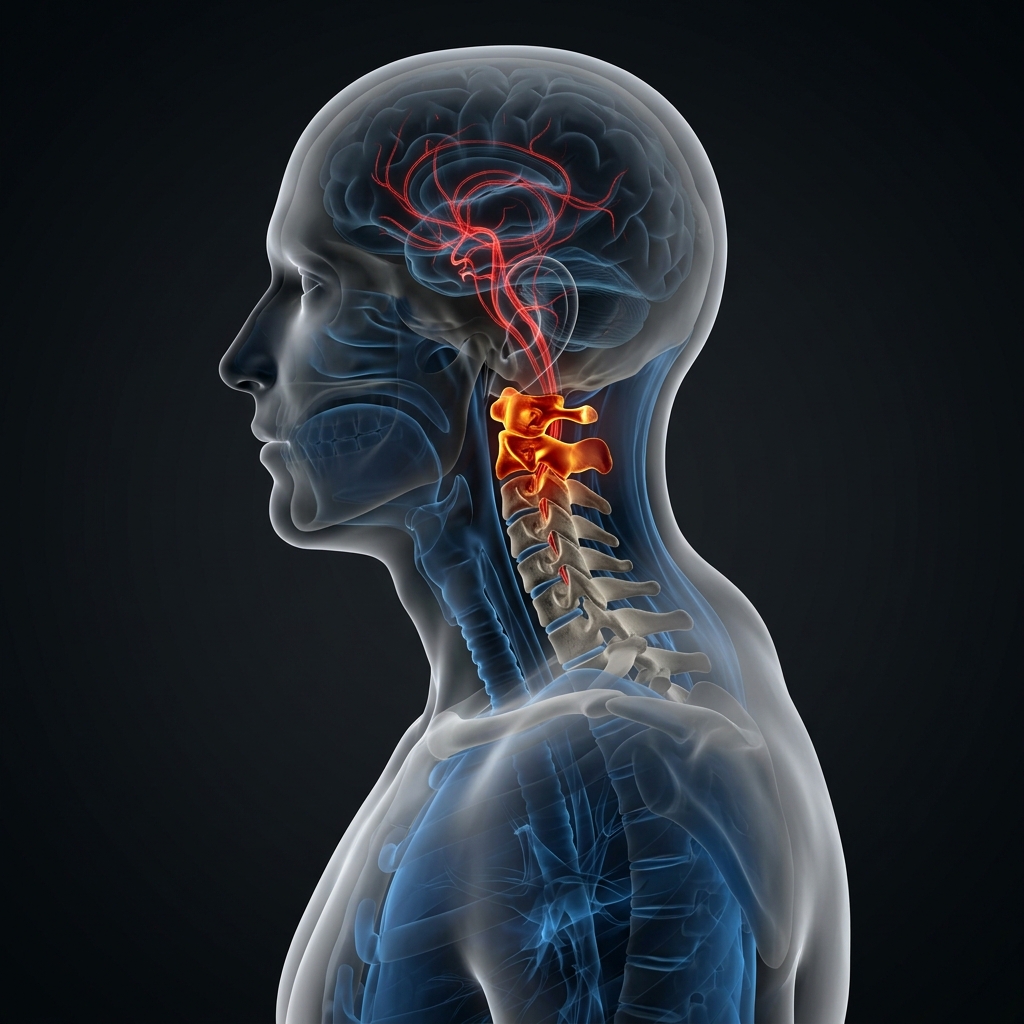
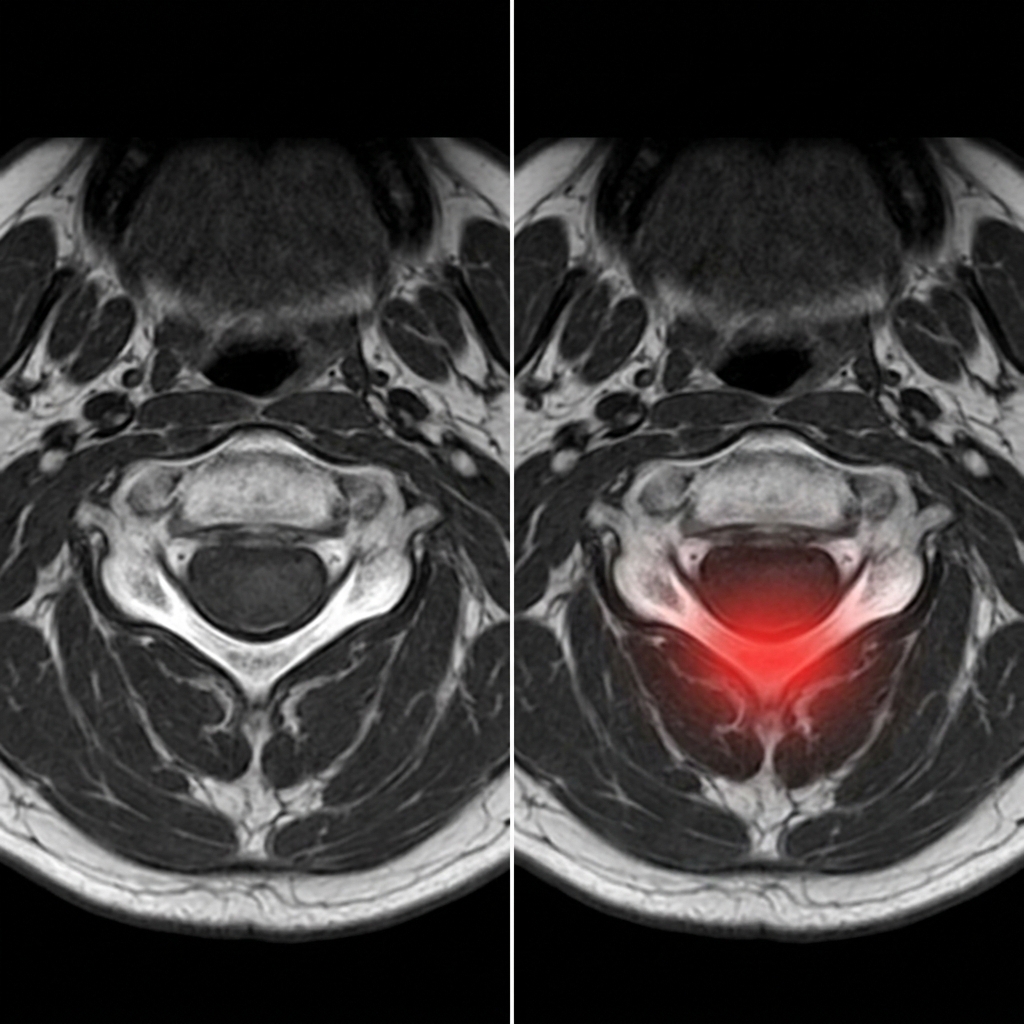
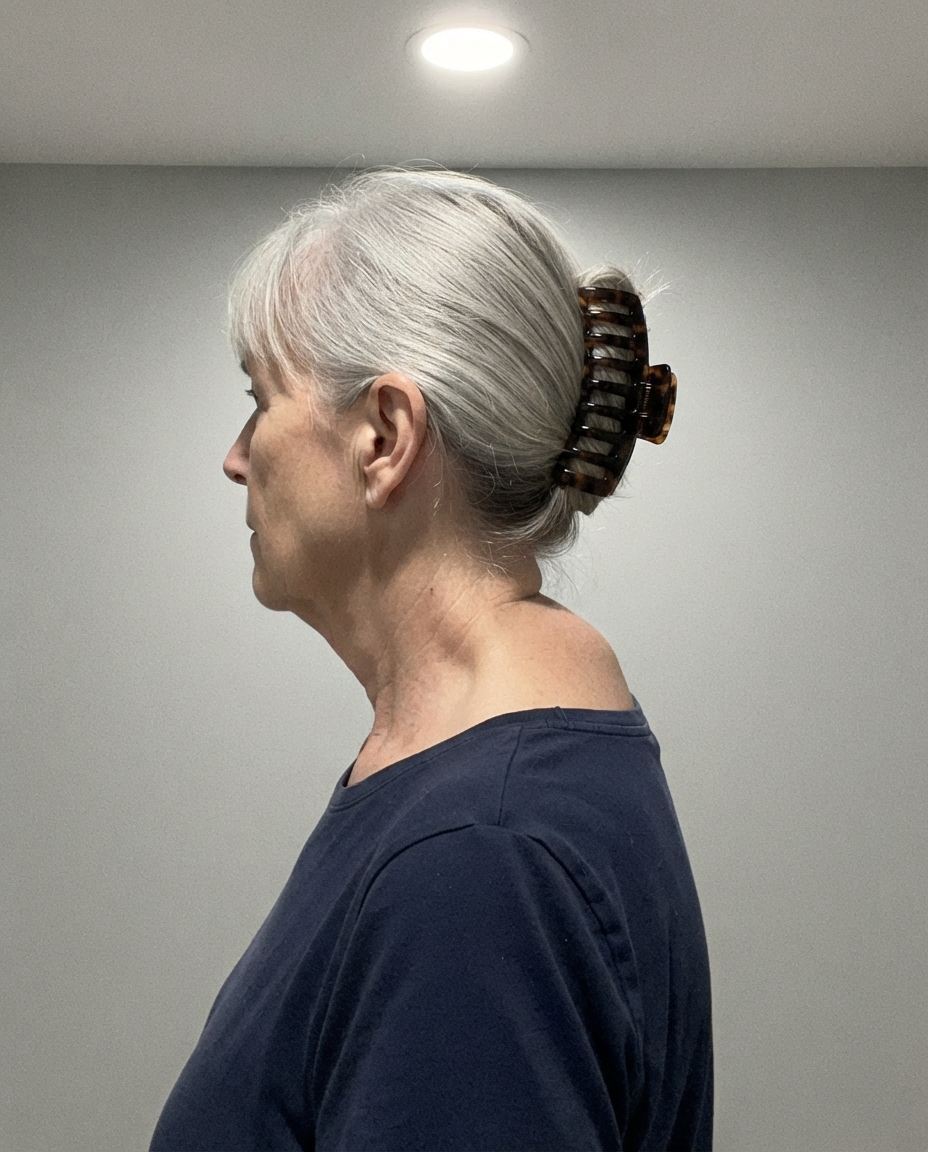
My daughter told me to post this. I said no. Too personal. Too embarrassing. She said: "Mom, you almost disappeared from your own life. And nobody warned you. People need to hear this." So here I am. My name is Susan. I'm 67 years old. Retired teacher. Thirty-one years in the classroom. I survived all of it. Then I withdrew from my own life sitting in my living room watching my grandchildren play. I need to back up. Because before the withdrawal, my body was giving me warnings for two years. And I ignored every single one of them. Just like you might be ignoring yours right now. It started with the exhaustion. Not physical tiredness — social exhaustion. Bone-deep depletion after gatherings that used to energize me. I spent thirty-one years managing thirty kids at a time. Now I couldn't get through a family dinner without needing two days to recover. Then I started calculating. Every room before I walked in. Every seat before I sat down. Every angle before a photo was taken. My collar habit deepened. Every mirror, every door, every window reflection. I'd reach for my collar before I'd finished my first cup of coffee. And a forward pull at my neck that never went away. Heavy. Familiar. The feeling that something was holding me back. I told myself it was aging. My specialist told me the same thing. Then one afternoon in September, I was sitting in the living room watching my grandson play on the floor. He looked up at me and said "Grandma come play." I looked at the floor. Calculated the angle. Thought about who else was in the room and where they were sitting. Thought about the window behind me and what the light would catch. Thought about whether I could get back up gracefully. By the time I'd finished calculating, he'd moved on to something else. I heard my daughter Sarah come in from the kitchen. She stood in the doorway and looked at me. She'd seen it. All of it. She didn't say anything. She just came and sat next to me on the couch and took my hand. That was when I knew I was in trouble. At the clinic, they assessed my displacement. The specialist looked at my measurements and said: "Your forward head displacement is stable. Keep wearing the brace. Do your exercises." Stable. The word that means nothing is getting better, nothing is getting worse, and we are not going to do anything. I lay in bed that night and thought about every morning for two years. The collar habit. The calculation. The exhaustion. The afternoon in September when my grandson asked me to play and I sat there running calculations instead. All of it was the signal. And nobody warned me. Not my GP. Not my specialist. Not a single clinician until I started looking myself. You know what makes me angry? They'll remind you six times about your bone density scan. They'll check your blood pressure every visit. They'll hand you a brace and tell you to wear it consistently. But the deep cervical signal — the neuromuscular pathway responsible for your automatic holding, your presence in rooms, your ability to walk through doors without calculating — the one research has linked to social withdrawal and presence loss for over a decade? Nobody checks. Nobody warns. Nobody connects the dots. I spent thirty-one years showing up for other people's children. And the system that was supposed to take care of me couldn't be bothered to explain what was actually happening to my neck. If deep cervical signal failure affected 30-year-olds instead of 65-year-olds, there'd be a clinical-grade bilateral restoration device in every rehabilitation clinic in America. But when women my age start disappearing from their own lives? "Wear the brace more consistently." "It's probably your age." That's not treatment. That's dismissal. When I got home from the clinic, I tried to fix it myself. Premium posture brace every day for eight months. Never missed. Switched to a different brace. No difference. Physiotherapy twice a week. Helped in the session. Gone by the next morning. Cervical pillow. Foam roller. Exercise bands. Online posture protocols. Generic EMS device from an online retailer. Seemed like an answer. I'll tell you why it wasn't. Nothing worked. And now I was not just managing — I was shrinking. Because every morning I put that brace on and went through my collar routine, I was managing a surface while the signal underneath kept degrading. My daughter Sarah came over one afternoon. She'd been quiet since the September afternoon with my grandson. Controlled. Holding it together. But this time she sat down at the kitchen table and put her head in her hands. "Mom." "What's wrong?" "I'm watching you disappear." Her voice cracked. "I was standing in the kitchen and I watched you calculate whether to sit on the floor with your own grandchild. And you didn't. And he moved on. And I thought —" She couldn't finish. "I can't watch that happen again. You not being there when you're right in the room. We have to fix this NOW." She'd been researching for weeks. Same rabbit hole I'd fallen into. But she went deeper. She found the online groups. Real women saying what they'd never say to their specialists. "I feel like I'm fading and nobody believes me. My specialist says it's aging. I'm 64." "Social withdrawal so deep I turned down my own birthday dinner." "Lost my presence completely two years ago. Nobody connected it to my cervical signal until I read something online." Then she found something different. "Mom, there's a device people keep talking about. It's called the Cevera Posture Release Pulse. And the stories sound like the opposite of what happened to you." She showed me the reviews: "Used it for two weeks. Collar habit GONE. Not reduced. GONE." "My morning forward pull disappeared in four days. FOUR DAYS." "Walked into a room last week without calculating for the first time in three years." "My specialist asked what I changed because my cervical holding capacity markers improved at my last assessment." That last one stopped me. Because my holding capacity had been declining for years. And if this device could improve someone else's numbers — "How is this different from the generic EMS I tried?" I asked. She'd done the homework. "That device you tried? Single-channel, fixed intensity. Designed for post-exercise surface soreness — not deep cervical signal restoration. Too weak to reach the neuromuscular pathway. And those programs? Generic settings. Calibrated for nothing specific." "The Cevera Pulse is true bilateral delivery. Both sides simultaneously — that's what cervical co-activation actually requires. Eight programs calibrated for different stages of cervical neuromuscular inhibition. Nineteen intensity levels that meet your muscles exactly where they are and progress as the signal rebuilds." "No passive holding from outside. No surface exercises that miss the deep pathway. Direct bilateral signal activation. Fifteen minutes before bed. That's it." No collar routine. For a woman who spent twenty minutes every morning managing her reflection, that sentence meant more than Sarah knew. She ordered it that night. When the box arrived, I took it to the bathroom. Placed the bilateral electrodes at the cervicothoracic junction. Added the program. Pressed the button. Fifteen minutes. Something shifted. Not dramatic. Subtle. Like a quiet that had not been there before. I had used that generic EMS device every evening for eight weeks. Brushed, adjusted, managed. And nothing like this. Eight months. EIGHT MONTHS. The surface was never reaching the signal. Not once. Every single morning for eight months I put that brace on and pressed it against my collar and went through my routine. And it managed the surface. And the signal underneath kept degrading. And it leaked into my social presence. And it fogged my confidence. And it drove withdrawal so deep I sat in my own living room and calculated instead of playing with my grandson. And nobody said a word. Day 1 — Subtle shift. Something quieter underneath. Then the most natural my neck had felt in years. Day 4 — The forward pull. Lighter. Not gone. But lighter. I made my morning coffee and stood at the window and noticed I hadn't adjusted my collar yet. Just stood there. Drinking coffee. Day 7 — Collar habit shorter. Not gone. Shorter. I pressed through my morning routine and winced less. First time in months the calculation before the mirror took under a minute. Day 14 — Social calculation lifting. Remembered my grandson's favourite colour without hesitating. Followed an entire conversation at Sunday dinner without losing the thread. My daughter was watching me from across the table. I saw her eyes get wet. Day 21 — Went to a family gathering. Walked through three different rooms. Chose a center seat without planning it first. Came home and wasn't exhausted. First time since the withdrawal started that I had the energy and the presence to finish a full evening. Day 30 — Sarah called on a Saturday morning. "Mom, you sound different." "Different how?" "Like yourself. Like before. You sound like MOM again." I had to hang up because I didn't want her to hear me lose it. At my 90-day follow-up, my specialist ran the same assessment she'd been running since the withdrawal started. She looked at the results. Then at me. "Your forward head displacement has reduced. Cervical holding capacity improved. Best numbers I've seen from you in two years." She leaned forward. "What changed?" I told her everything. The signal degradation. The bilateral delivery. Eight months of brace protocols that never reached what was actually failing. She wrote it down. Then she said: "I'm going to mention this to some of my other patients." A cervical rehabilitation specialist. Writing down the name of a bilateral EMS device. Because the data in my assessment was undeniable. Last week Sarah came over for dinner. She brought my grandson. He ran up and hugged me. I got down on the floor with him — collar habit, calculations, all of it gone for that moment — and played. Sarah watched from the doorway. "You look good, Mom." "I feel good." "You scared me." "I know, sweetheart. I'm sorry." "Don't be sorry. Just keep using that thing every night." "Every night." She smiled. First time since September she looked at me without worry in her eyes. If you have a progressive neck hump right now, hear me. I'm not a doctor. I'm not a scientist. I'm a retired teacher who withdrew from her own life because nobody told her the signal her deep cervical muscles needed had been degrading for years. You're managing your neck wrong. Not because you're careless. Because nobody told you the truth. The brace doesn't reach the signal. The surface exercises don't restore it. The routine your specialist gave you hasn't been updated in decades. And the signal failure building inside your deep cervical pathway right now — tonight, while you wear your brace — is leaching into your social presence. The exhaustion you're blaming on aging? I blamed it on aging too. The social withdrawal? My specialist said it was normal. The collar habit? I thought it was just how things were now. None of it was normal. All of it was deep cervical signal degradation from a pathway that was never actually being restored. Don't buy a cheap single-channel EMS device from an online retailer. I tried one. Generic programs. Surface delivery. Did nothing. And I kept withdrawing. The Cevera Posture Release Pulse is true bilateral delivery. Eight stage-matched programs. Nineteen intensity levels. No passive holding from outside. No surface exercises that miss the deep pathway. Fifteen minutes before bed. It's the only thing that reaches what's actually causing the withdrawal. 👉 https://trycevera.com/pages/adv2-womens-wellness-report 90-Day Money-Back Guarantee — use it every night, then decide Clinical-grade bilateral cervical delivery Trusted by over 50,000 women No subscriptions — one purchase, yours forever Please don't wait. Don't tell yourself your routine is fine because you've been doing it for years. My routine was "fine" for eight months. Until an afternoon in September when my grandson asked me to play and I sat there calculating instead. Every morning you put on that brace that doesn't reach the signal — every evening you go through the collar routine that manages the surface — the signal is degrading. The withdrawal is building. Nobody warned me. I'm warning you. 👉 https://trycevera.com/pages/adv2-womens-wellness-report — Susan, 67 Retired teacher, thirty-one years Eight months of braces One September afternoon And not one more morning managing the surface of a problem that needed to be restored from the inside
Like this ad? Make it yours.
Crush rebuilds this exact creative around your product — your brand, your colors, your offer — in about a minute.