William Brown
 Facebook ad: “When Your Own Gut Becomes Your Toughest Case”
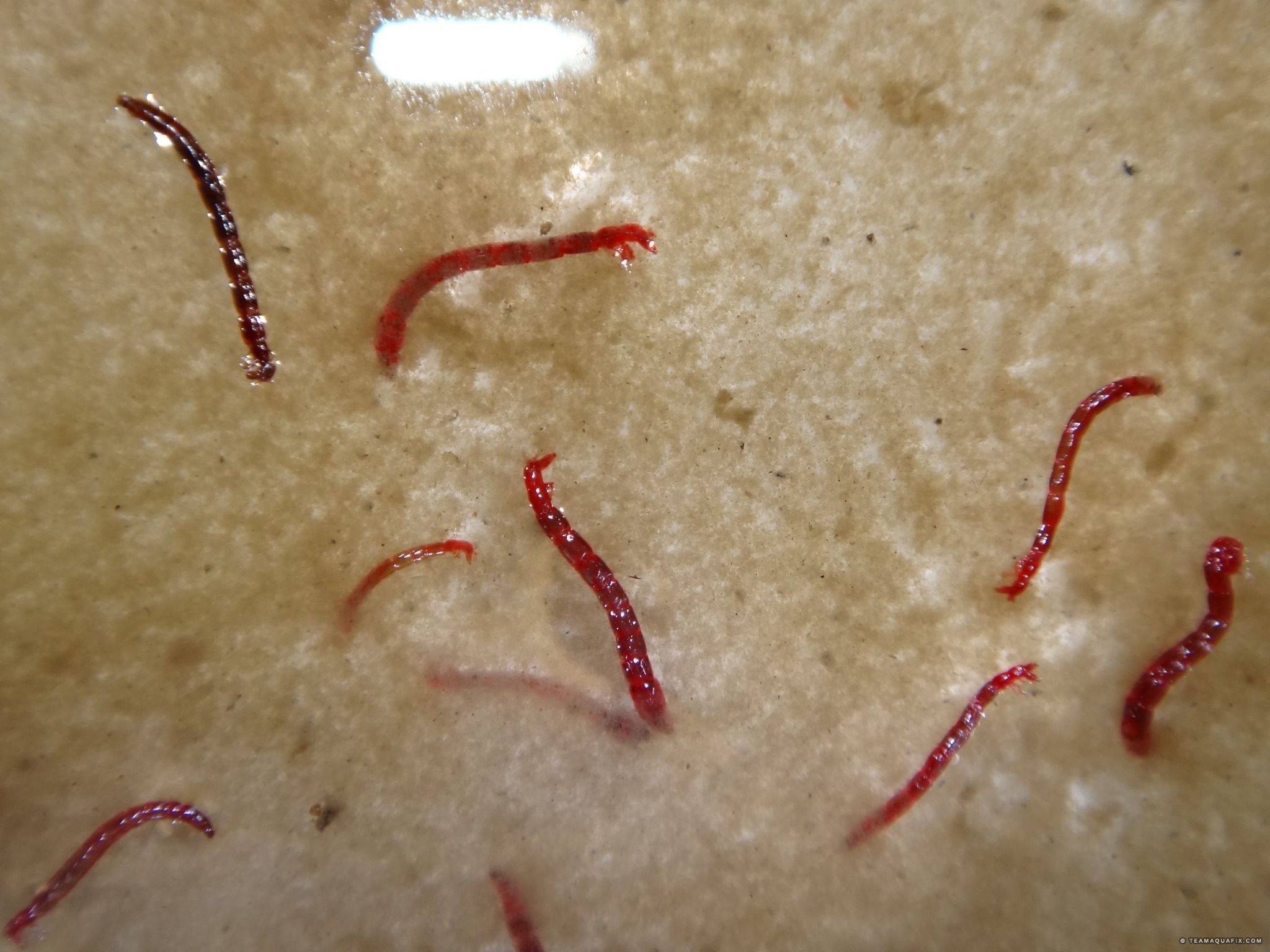
Running for 38 days since October 15, 2026. Crush last saw it on November 22, 2026.
Run by William Brown on Facebook. Crush is not the advertiser and does not verify its claims. See this ad in Meta's Ad Library(opens in a new tab)
Make your own version of this ad
Crush makes it, launches it in your own Meta ad account, scales the winners and pauses the losers.
About this ad
- Meta Ad Library ID
- 1801212201071381
- Platforms
- Facebook, Instagram, Audience Network, WhatsApp and Threads
- Relaunches
- 0
Ad text
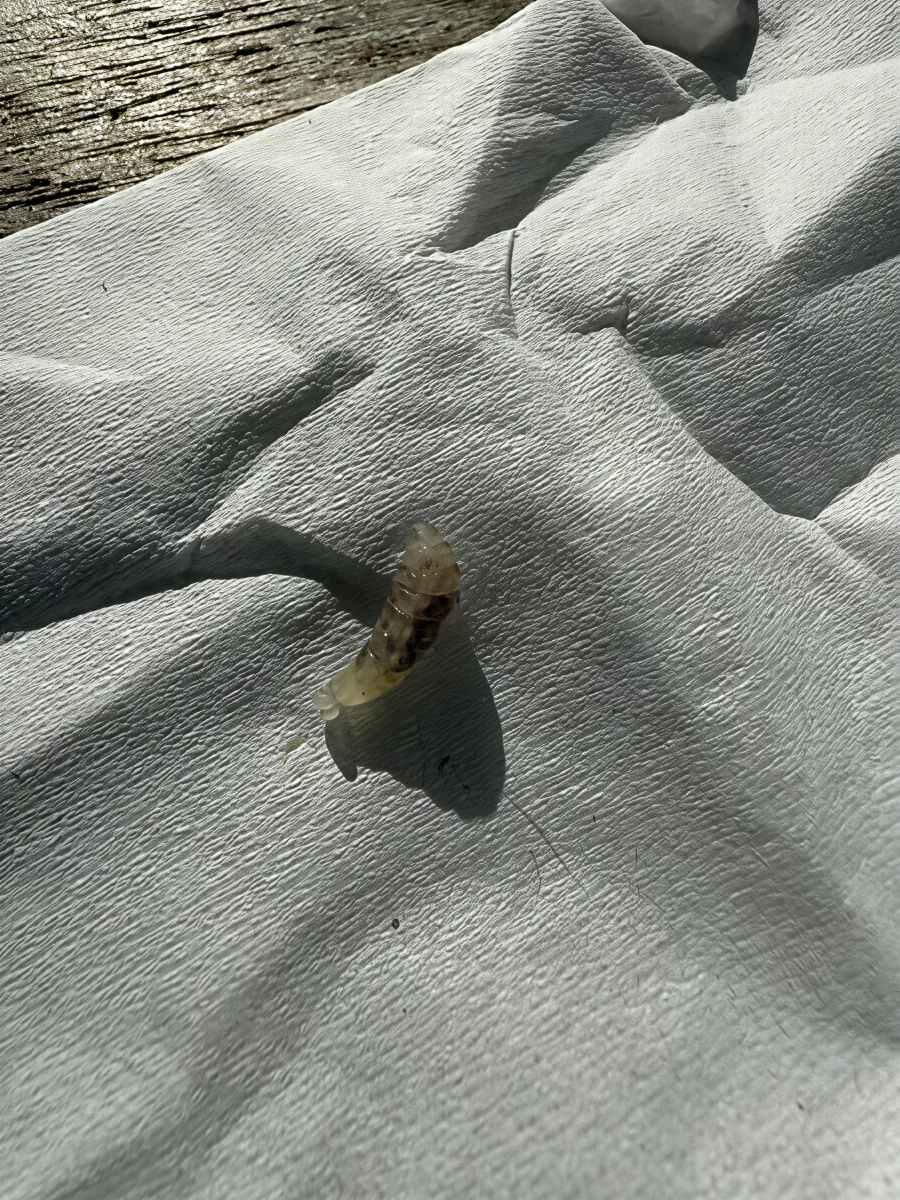
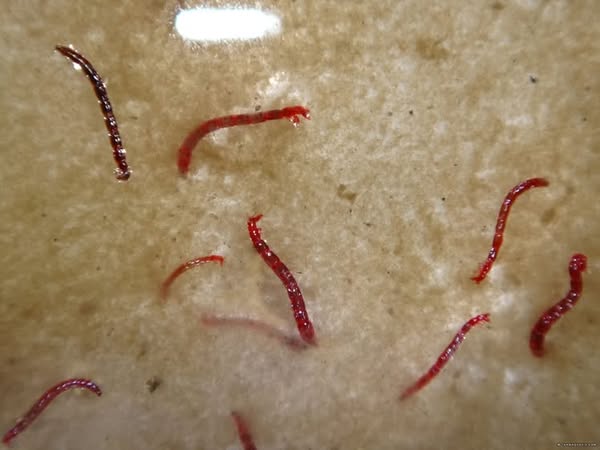
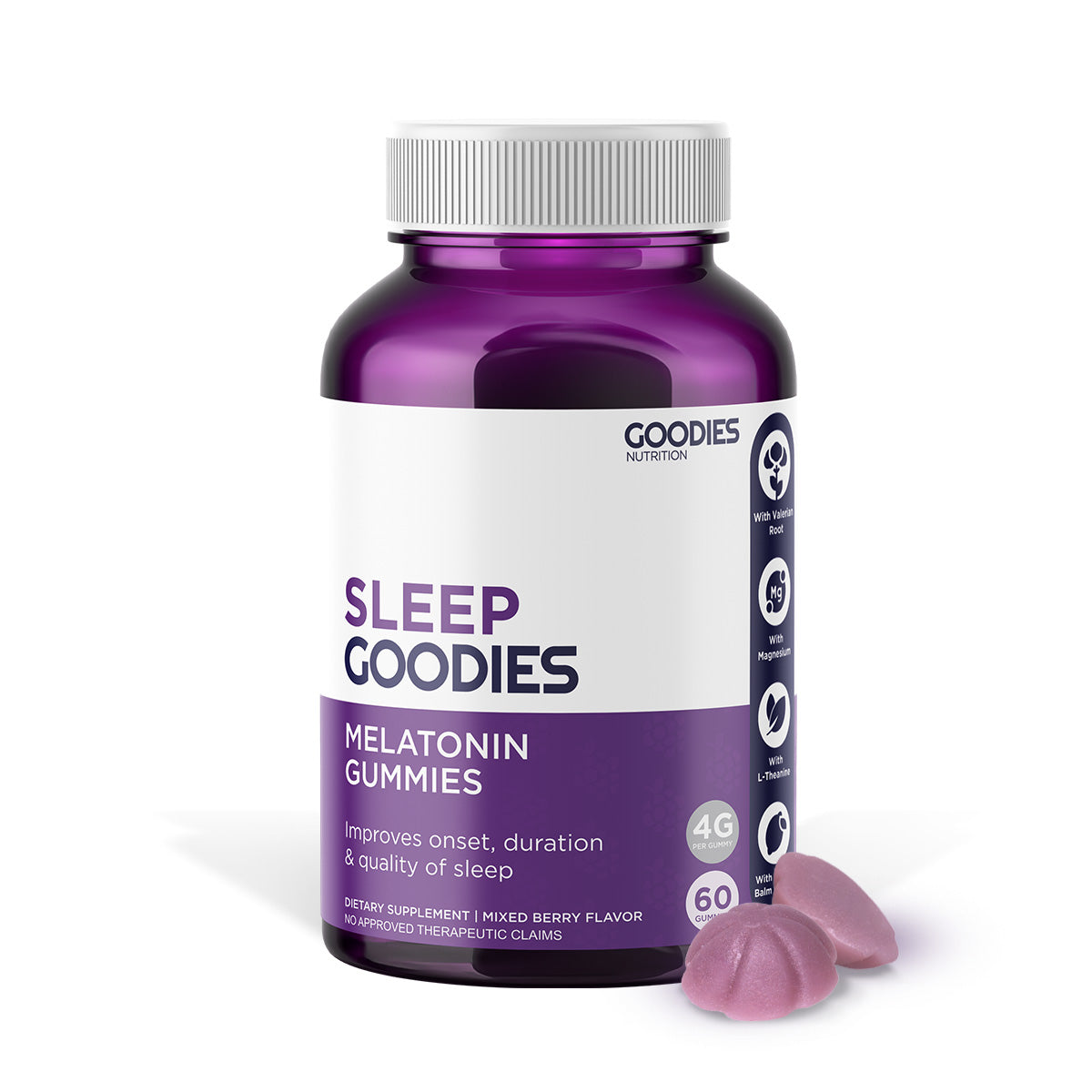
I'm a gastroenterologist. I spent 90 days looking into a combination of four old herbal ingredients after my own stomach problems got so bad I couldn't ignore them anymore. And what surprised me most wasn't what I found in the supplement aisle. It was how much I still needed to figure out about my own symptoms. I've been a practicing gastroenterologist for 28 years, and bloating, stomach cramps, and unpredictable bowel movements are some of the most common things I see. I've sat across the desk from thousands of patients and heard the same things over and over. The woman whose stomach gets so swollen after dinner that she has to unbutton her jeans. The man who knows where every public bathroom is between his house and work. The exhausted mother who's taking iron, vitamin D, and three different probiotics because her bloodwork keeps coming back low. The patient who's already tried cutting out gluten, dairy, onions, and garlic and still can't get through a normal meal without worrying about what happens afterward. I've watched people break down in my office because their lives have gotten smaller and smaller. They don't go out to dinner anymore. They don't take road trips. They stop visiting friends. And eventually they start planning their entire day around their stomach. About two years ago, it happened to me. I'm 59. My stomach started getting uncomfortable after dinner. Then came the bloating. Then the mornings when I'd have to use the bathroom three times before leaving for work. Other days I couldn't go at all. At first I blamed the long hours. Then stress. Then my age. But when my bloodwork came back, my ferritin was low too. My doctor wanted to investigate further. I knew exactly what that meant. All those years of hospital work, rushing through lunch, drinking too much coffee, eating dinner at nine at night, and assuming I could ignore my own health because I spent every day looking after everybody else's. It had finally caught up with me. My primary care doctor recommended iron replacement and further testing. I told her I'd follow the plan. And I did. But I knew I needed to stop pretending everything was fine. I spend my days evaluating IBS, food intolerances, intestinal infections, and nutrient deficiencies. I also see how frustrated people get when the first thing they try doesn't help. The probiotic that makes them even more bloated. The iron pills that leave them constipated. The restrictive diets that take half the food out of their kitchen. The digestive enzymes they keep buying because someone online promised they'd fix everything. And the exhaustion that doesn't go away even when they're doing everything they've been told. The worst part? Some patients have more than one of these problems at the same time. Low iron. Low vitamin D. Chronic digestive symptoms. And sometimes an IBS diagnosis that doesn't explain the abnormal bloodwork. My own mother dealt with stomach problems for the last fifteen years of her life. She tried probiotics. Changed her diet. Stopped eating dairy. Then gluten. Then half the things she'd cooked for our family for decades. Her doctors eventually found several different medical issues contributing to her symptoms. But by then, she'd spent years afraid of eating an ordinary meal. I didn't want to spend the next fifteen years doing that myself. So I did what I tell my patients to do first. I stopped guessing. I kept a food and symptom diary. Took the supplements my doctor recommended. Went through the testing. And started paying attention to the patterns I'd been ignoring. Some things improved. But the bloating was still there. The unpredictable bathroom trips were still there. And I still wasn't feeling the way I wanted to. I looked into supplements too. I've been aware of the research on digestive health for years. I tried a different probiotic. Peppermint oil. Psyllium fiber. And dietary changes I thought might make a difference. I gave each one a reasonable chance while keeping my doctor informed. Some helped a little. Some did nothing. And one made my bloating worse. I started wondering whether I was missing a different explanation. Then about three months ago, one of my regular patients came in for her follow-up. Nice woman. 61 years old. She'd been dealing with stomach problems for years. Bloating. Cramping. Bowel movements that seemed to change every week. She'd also been investigated for iron deficiency. We'd talked about her food diary, her test results, and the different conditions that could cause her symptoms. But this time something was different. She wasn't sitting there holding her stomach. She looked more relaxed. She seemed less frightened of what might happen after lunch. I asked how things were going. She got a little sheepish and said, "Doctor, I finally stopped buying something new every time my stomach bothered me." I told her that sounded like a good start. Then she pulled a bottle out of her jacket. "I've been reading about these old herbal ingredients," she said. "My daughter found this one for me. Could you look at it?" I took the bottle. Wormwood. Black walnut. Pumpkin seed. Clove. She told me she'd become interested in traditional parasite remedies after reading about them online. Then she said, "My sister tried cheap wormwood drops from the grocery store and didn't like them. This one has all the ingredients together." I'll be honest. I was skeptical. Patients bring me supplements every week. Some have decent evidence for certain uses. Others have almost none. And when a bottle starts making promises about killing parasites, breaking biofilms, and removing eggs, I want to see the human research behind those promises. I reviewed her history and the tests we'd already done. I asked what she was taking. Whether she'd had side effects. Whether she'd changed anything else. She had also been following her treatment plan and making some dietary adjustments that seemed to suit her better. So I couldn't point to the bottle and say it was responsible for how she felt. But the ingredient list caught my attention. That night I sat in my home office. Tired. My stomach uncomfortable after dinner. Thinking about my own appointments and the patients I'd been seeing for years. So I opened my laptop and started reading more closely about those four plants. The first thing I wanted to understand was why people kept connecting them to parasites. Not every stomach problem is caused by parasites. Not every person with IBS has an infection. And low ferritin or low vitamin D doesn't automatically mean something is living inside your intestines. But intestinal parasites are real. And some can cause significant digestive and nutritional problems. Certain parasites can attach to the intestinal lining. Others interfere with how your digestive system absorbs nutrients. Hookworms, for example, can contribute to iron-deficiency anemia by feeding on blood. Giardia can cause diarrhea, bloating, weight loss, and poor nutrient absorption. Different organisms. Different effects. Different treatments. That's why you can't treat the word "parasites" as if it describes one single illness. A roundworm isn't a tapeworm. A hookworm isn't Giardia. And ivermect*n isn't the right medicine for every infection. Ivermect*n is an important treatment for certain parasites. Other infections require albendazole, mebendazole, praziquantel, or other medicines. If you don't know what organism you're dealing with, you don't know which treatment is appropriate. And here's where many people get confused. They take something. Feel better for a while. Then their stomach starts bothering them again. So they assume the parasites must have survived. Maybe the eggs hatched. Maybe the worms were hiding. Maybe something protected them from the medication. But continuing symptoms alone don't prove any of those things. You need to know whether the infection is still present. And whether another condition could be causing the symptoms. That's what I kept coming back to. Because I'd seen so many patients spend months treating a problem they hadn't actually identified. Then I turned back to the herbs. The combination my patient had shown me. Wormwood. Black walnut. Pumpkin seed. Clove. And I started looking at the compounds researchers had studied inside each plant. Wormwood contains bitter substances, including compounds called sesquiterpene lactones. Researchers have investigated several of these compounds for biological effects, including potential activity against certain parasites. Black walnut contains juglone. A naturally occurring substance that has shown activity against some organisms in laboratory experiments. But juglone can also affect other cells, which is one reason safety matters. Pumpkin seeds have been used in traditional remedies for intestinal worms. Researchers have investigated whether certain compounds in pumpkin seeds might interfere with worm movement or attachment. And cloves contain eugenol. A compound that's been studied in laboratory settings for several biological effects, including activity against some organisms. Four plants. Four different sets of compounds. And a long history of people using them in traditional remedies. I kept reading. And that's when I hit the real problem. Most people don't know how to separate traditional use from clinical evidence. If someone used wormwood two hundred years ago, that tells us something about the plant's history. If a compound affects a parasite in a laboratory, that tells us something worth investigating. But neither one proves that swallowing a particular supplement cures a diagnosed infection in humans. And combining four ingredients doesn't automatically make a formula more effective. The amounts matter. The preparation matters. The organism matters. The way the ingredients interact matters. And safety matters. I'd been aware of these traditional ingredients for years. But I'd never really looked into why people kept combining them. Now I understood the interest. Not because they'd been shown to eliminate every adult worm, larva, and egg. They hadn't. Because they represented several different lines of traditional and laboratory research. And people were trying to make sense of that history. I started looking at the actual supplement my patient had shown me. Holior. The formula combined wormwood, black walnut, pumpkin seed, and clove with additional botanical ingredients. Rather than buying four separate tinctures or capsules, the ingredients were together in one daily softgel formula. I reviewed the label. Read the directions. Checked the other ingredients. And looked for evidence supporting the specific claims being made about the product. I kept coming back to three questions. Was the ingredient list clear? Were there safety concerns or potential interactions? And what claims about parasite infections had actually been demonstrated in people? That's the part I think anybody buying a parasite-cleanse supplement should understand. A product can contain interesting plants without being a clinically proven parasite treatment. And it shouldn't replace prescription medication when an infection has been confirmed. The name on my patient's bottle was Holior. I recognized the four main traditional ingredients. I liked that I could review them together on one label instead of comparing several different products. But I didn't mistake that convenience for proof of a cure. I looked at the product directions. Three softgels daily before breakfast. I also showed the ingredients to a pharmacist to check whether there were any concerns with my other medications. And I continued investigating my own digestive symptoms with my doctor. That was important to me. Because after spending 28 years working with patients, I wasn't going to ignore my own test results just because I'd found a supplement with an interesting story behind it. I want to be honest about what the first few days felt like. Nothing dramatic. No sudden rush of energy. No feeling that something was being flushed out of my body. No magic moment where I could tell exactly what was happening inside my intestines. I got up. Made breakfast. Went to work. Saw patients. Came home. And kept following the medical plan I'd already started. The first week, I noticed how much of my day I'd been spending worrying about my stomach. Whether dinner would make me bloated. Whether I'd need the bathroom during a meeting. Whether my iron levels were getting better. I started keeping better notes about what I was feeling. Not exciting. But useful. Week two, I had a better sense of which meals agreed with me and which ones didn't. I stopped cutting out random foods every time I saw a new video about gut health. I know that doesn't sound like much. But when you've spent months worrying about every bite, being able to sit down to dinner without making it a project feels pretty good. Week four, I was getting through my workdays without checking my stomach every hour. Some days were better than others. And I still had questions for my doctor. But I wasn't assuming every bad day meant I had parasites. I was looking at the pattern instead of the latest symptom. Week six, I had follow-up bloodwork. My doctor reviewed it alongside the iron treatment and other changes I'd made. We talked about the results. What was improving. What still needed attention. And which tests would be useful next. I wasn't going to credit a supplement with changing a lab number without evidence. I'd been doing several things at once. And I knew better than to pretend one ingredient explained everything. By day 90, I went through the whole picture again. My symptoms. My food diary. My bloodwork. The medical evaluations. And the supplements I'd been using. Some things were better. Other things still needed follow-up. But I finally understood something I'd spent a long time telling patients and had almost forgotten to apply to myself. You can't judge your health by one good day. Or one bad day. Or one bottle. You need the full picture. I thought about my mother. All the meals she skipped. All the places she stopped going because she was scared of her stomach. All the years she'd spent trying to make one simple explanation fit several different problems. And I wondered how many other people were doing exactly the same thing. I sat in my office and looked at the notes I'd taken over those three months. I'm a gastroenterologist. I treat digestive problems every day. And nothing about my own experience gave me permission to tell people a herbal supplement had cured an infection without proof. But it did make me look more closely at something I'd previously paid little attention to. The traditional plants people used for intestinal worms. The histories behind them. And the research into the compounds they contain. I'd started mentioning that distinction to patients who asked about parasite cleanses. Not recommending they use supplements instead of testing or treatment. Explaining what the ingredients were. What researchers were investigating. And what hadn't been proven. One patient brought in three bottles he'd bought online. Wormwood drops. Black walnut. And cloves. He wanted to know whether taking all three meant he'd covered every stage of a parasite's life. I told him no. There wasn't reliable human clinical evidence proving that. Then we talked about his actual symptoms and whether testing was appropriate. He told me it was the first time anybody had explained the difference without either laughing at him or trying to sell him something. Look, for almost two years I thought I had two options. Keep trying to manage my stomach problems with one diet change and supplement after another. Or accept that feeling bloated and exhausted was just part of getting older. As a gastroenterologist, I knew there were more possibilities than that. But when it's your own body, you don't always think as clearly as you do when you're sitting behind a desk. Here's something I wish I'd paid more attention to sooner. Not all digestive supplements are the same. And not all claims made about them are equally supported. One product may have just one herb. Another may combine several. One may be a liquid tincture. Another may be a powder. Another a softgel. The ingredients and doses can differ considerably. Holior combines wormwood, black walnut, pumpkin seed, clove, and additional ingredients in one formula. That's what made it interesting to me. The familiar traditional combination. The convenience of having it together. And the opportunity to look at the full ingredient list instead of guessing what's in several separate bottles. What it doesn't establish is that the formula has been clinically proven to remove parasites from humans. That matters. Especially if you've already taken ivermect*n or another prescribed treatment and still don't feel right. If my patient hadn't pulled that bottle out of her jacket, I might never have taken the time to look closely at the history of these plants. I'd probably still be hearing the same ingredient names in my exam room without understanding why they appeared together so often. I'm sharing this because I hope it helps someone else. After 28 years as a gastroenterologist, I thought I'd heard every explanation people had for bloating, IBS, fatigue, and low iron. Turns out, my patient brought me a question I hadn't spent enough time investigating. If you're interested in reviewing the formula yourself, here's the product page: https://holior.com/products/wormwood-cc ~ Dr. William Brown, fictional gastroenterologist P.S. A few things I wish I'd understood before looking into the traditional parasite-cleanse ingredients. A supplement containing wormwood, black walnut, pumpkin seed, and clove isn't automatically a treatment for an intestinal parasite infection. Those herbs have histories in traditional medicine, and some compounds have been studied in laboratories, but that doesn't establish that Holior eradicates parasites in humans. If you've been diagnosed with an infection, follow the treatment prescribed for that organism. P.P.S. If you're a woman over 35 dealing with very low ferritin, low vitamin D, and IBS symptoms at the same time, please don't assume parasites are definitely the reason. Low iron can have several causes, including blood loss and poor absorption, and persistent digestive symptoms deserve an appropriate workup. Sometimes infection testing makes sense. Sometimes other tests are more important. The goal is to find out what's causing your symptoms, not simply add another bottle. P.P.P.S. If you've already taken ivermect*n and your symptoms have come back, don't assume that means eggs survived behind biofilms. Depending on the parasite, follow-up testing or another treatment may be appropriate. And sometimes the continuing symptoms have another explanation altogether. P.P.P.P.S. Holior's product page has the current ingredient list, directions, price, and return terms. Check those details directly before ordering, and ask your pharmacist about interactions if you take other medications. https://holior.com/products/wormwood-cc
Where the ad sends people
holior.com
When Your Own Gut Becomes Your Toughest Case
Holior
Learn more: holior.com(opens in a new tab)